

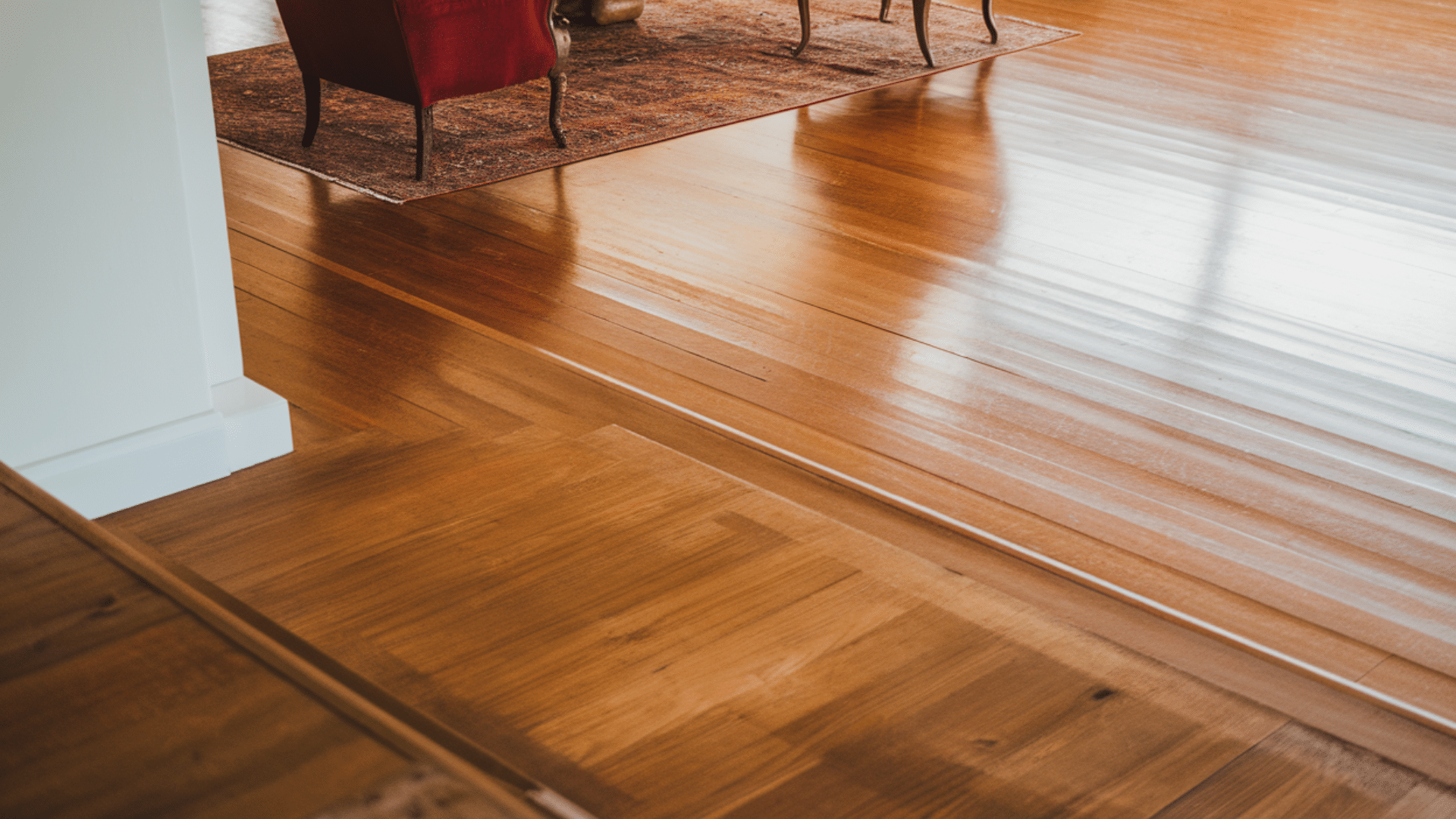
Squeaky floors are a common problem in many homes. The sound can be small at first, but it often gets worse over time.
It may happen in one spot or across the whole room. While it might seem like a big issue, many people have found easy ways to fix it themselves.
These simple fixes don’t need fancy tools or special skills. This blog shares helpful tips based on what has worked for others.
From small steps to bigger repairs, there are ways to make floors quiet again.
With straightforward advice and simple steps, anyone can try to solve the problem and bring peace back to their space.
Why Do Floors Squeak?
Floors squeak when parts of the floor rub against each other. This usually happens when wood moves against wood or when metal fasteners rub against wood.
Over time, floorboards can become loose, and nails or screws may no longer hold them tightly.
The subfloor and the joists underneath can also shift and move, which creates noise when someone walks across the floor.
Dry air can make the problem worse because wood shrinks as it loses moisture.
This is why floors often squeak more during winter, when indoor air is dry, and humidity levels are low.
Where Do Squeaks Happen the Most?
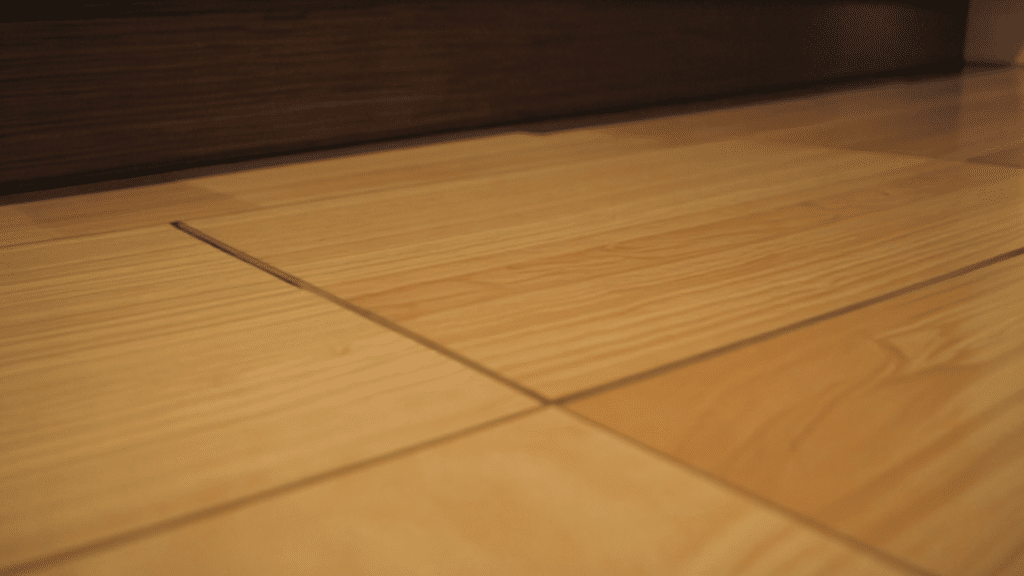
Squeaks usually happen:
- Near doorways or high-traffic areas
- In old wooden floors
- Around nails or screws that have loosened
- Above gaps between the floor and joists
Listening carefully and walking slowly can help you find the exact spot.
Tools that Can Help
Most people use basic items they already have at home or can easily find at a nearby hardware store. Below is a simple table showing the tools and how each one helps with the repair:
| Tool | Use |
|---|---|
| Hammer | Drives nails into loose floorboards |
| Nails or Wood Screws | Tighten floorboards or subfloor to stop movement |
| Drill | Creates pilot holes for screws to avoid wood splitting |
| Wood Glue | Secures loose boards or fills small gaps |
| Shims | Fills gaps between subfloor and joists |
| Talcum/Baby Powder | Reduces friction between noisy floorboards |
| Screwdriver | Tightens or removes screws in hard-to-reach areas |
| Flashlight | Helps spot problem areas under the floor |
| Utility Knife | Cuts carpet or trim for easier floorboard access |
| Floor Repair Kits | Offers special screws and tools for fixing squeaks (especially on carpet) |
Ways to Fix Squeaky Floors Based on Floor Access
How you fix squeaky floors depends on whether you can reach under the floor or not. Both ways can work with the right steps.
1. Fixing Squeaky Floors from Below (Best Option)
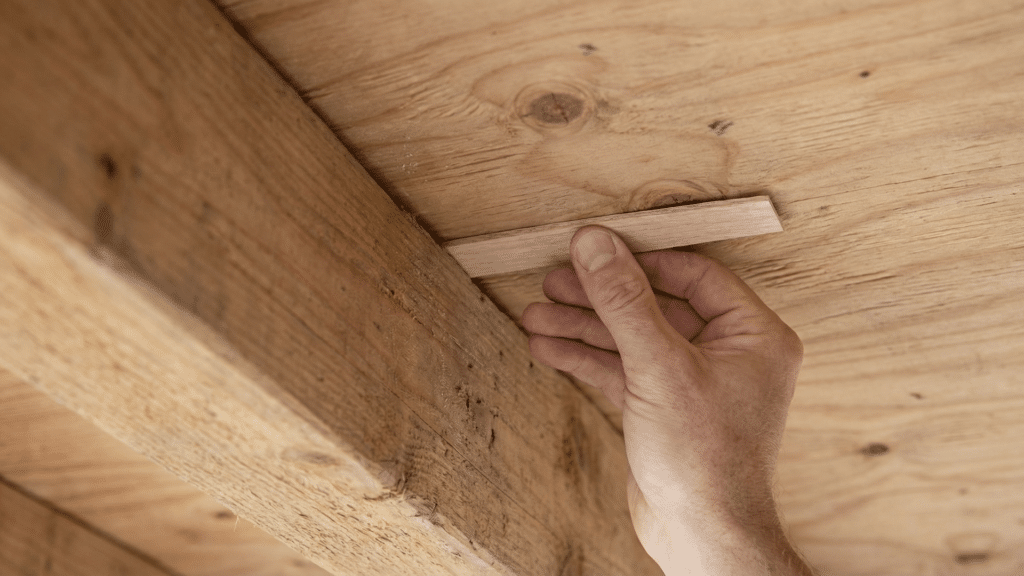
If you can get under the floor, like in a basement or crawl space, this is the best way to fix squeaky floors. It lets you reach the subfloor and joists directly, where most squeaks begin.
Step 1: Ask Someone to Walk Above
Have someone walk across the floor while you listen from below. This helps you find the exact squeaky spot. Mark it with chalk, tape, or a pencil.
Step 2: Insert a Shim
Slide a thin wooden shim between the subfloor and the joist right where the squeak happens. Don’t force it in too hard.
Just fill the gap so the wood doesn’t move anymore. You can also add a little wood glue to help hold the shim in place.
Step 3: Use Screws or Brackets
If shims don’t fix the squeak, drive a wood screw at an angle through the subfloor into the joist. Drill a small pilot hole first to avoid splitting the wood.
Some people also use metal L-brackets for extra support. These help hold the subfloor and joist tightly together.
2. Fixing Squeaky Floors from Above
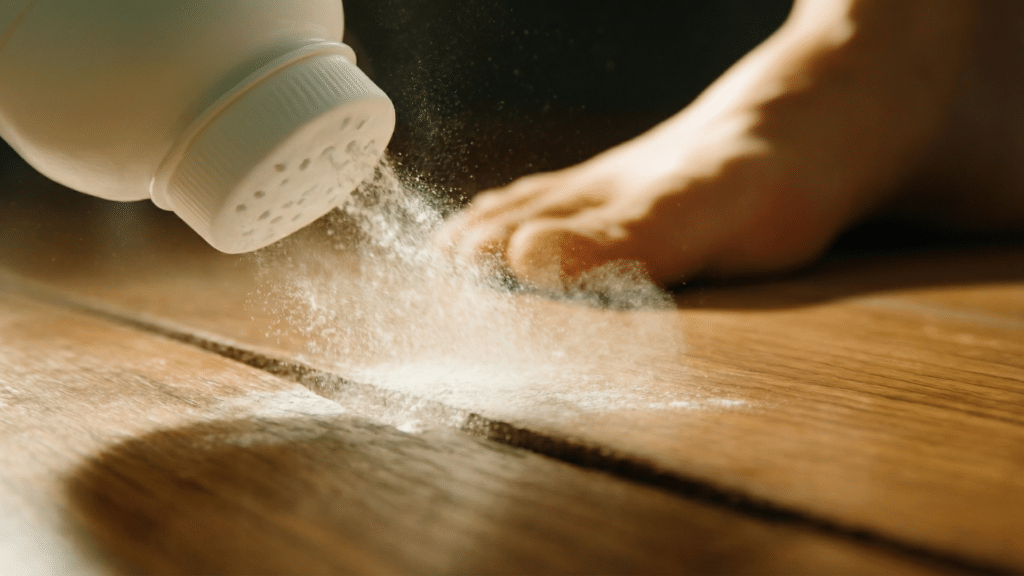
If you don’t have access underneath the floor, you can still fix the squeaks from the top. This works well in homes without basements or crawl spaces.
Step 1: Find the Squeaky Spot
Walk slowly across the floor. Step with your heel, toe, and side to hear where it squeaks. Mark the noisy area with painter’s tape or chalk so you don’t lose track.
Step 2: Sprinkle Baby Powder or Talcum Powder
This is a quick and easy fix that many people try first. Sprinkle baby powder or talcum powder over the squeaky boards.
Use a soft brush or cloth to work it into the cracks between the floorboards. The powder reduces friction and makes the squeak quieter. It’s not a forever fix, but it can help right away.
Step 3: Use Wood Screws
If powder doesn’t help, try drilling trim head screws into the floor to stop the movement. These work best for hardwood floors.
Drill a small hole first, then drive the screw in. Finish by filling the hole with wood filler that matches your floor color so it blends in.
3. Fixing Squeaky Floors Under Carpet
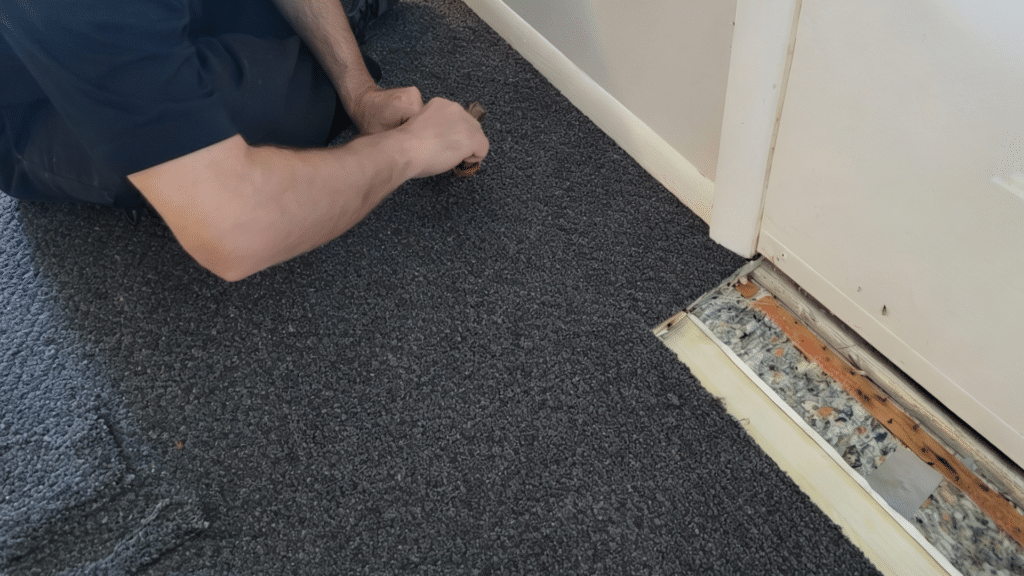
Carpeted floors can squeak, too, even though the carpet hides what’s going on. The sound usually comes from the subfloor moving against the joists.
Step 1: Use a Floor Repair Kit
Many people use kits like the “Squeeeeek No More” system. These kits include special screws that go right through the carpet and into the subfloor.
After the screw is in, it snaps off below the surface. The best part is that the carpet covers everything, so you don’t see or feel the screw afterward.
Step 2: DIY with Long Screws
If you don’t want to buy a kit, you can use a long drywall screw. Push the carpet down gently and drive the screw into the subfloor and joist.
Be careful not to twist or rip the carpet. This method takes a steady hand but works well for many people.
What Types of Floors Squeak the Most?
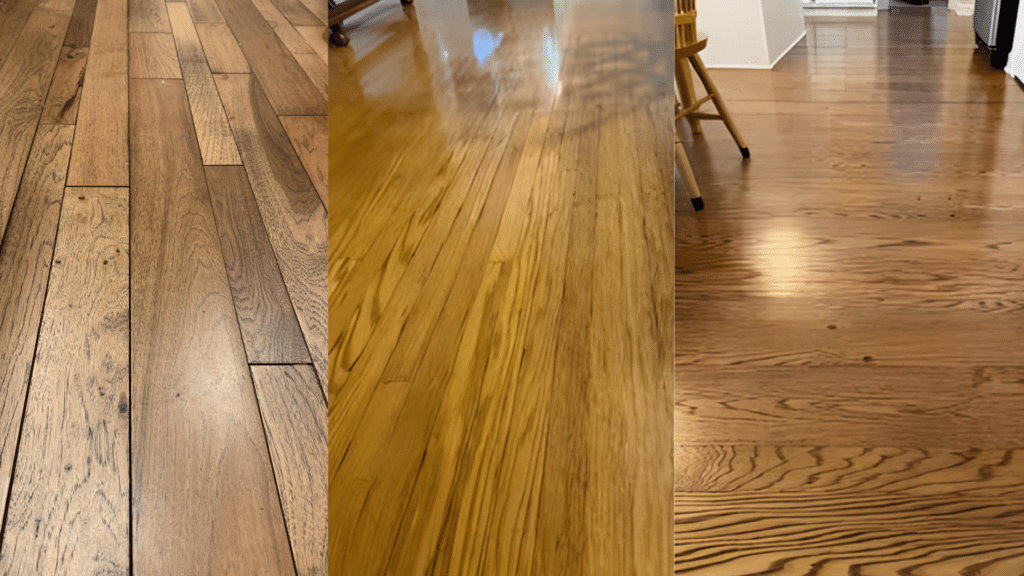
Different types of floors may squeak in different ways:
- Hardwood: Most common for squeaks. Boards shrink and rub.
- Plywood subfloors: Can separate from joists over time.
- Laminate: Often squeaks from underlayment issues.
- Carpet: Squeaks come from the wood underneath.
Knowing what type of floor you have helps you pick the right fix.
When a Squeaky Floor Needs Expert Help
Most of the time, people can fix squeaky floors on their own. But sometimes the squeaks are a sign of a bigger issue. Below is a simple guide to help decide when it’s okay to leave the floor alone, and when it’s time to call a pro.
| Situation | What It Means | What to Do |
|---|---|---|
| The floor squeaks in many places | May be a sign of loose subfloor or joists in several areas | Call a pro to inspect the whole floor |
| You see signs of water damage | Wood may be rotting or weakened | Get help to avoid further damage |
| The floor feels soft or bouncy | Possible structural issue below the surface | Let a contractor check it |
| You tried fixes, but nothing worked | The problem may be deeper than you can see | Call a flooring expert |
| Boards are stable but squeaky | Likely safe, just a noise issue | Okay to fix it yourself |
| No cracks or soft spots | No major damage, only minor movement | DIY methods should work fine |
Common Fixes Shared by Homeowners
Below are some real tips people often share in home forums and community groups:
- “Use wood glue on loose boards.” Squeeze glue between the boards and place something heavy on top overnight.
- “Try a bar of soap.” Rubbing a dry bar of soap between boards can help reduce the noise.
- “Wedge in cardboard strips.” Folded cardboard or paper shims can stop movement in small gaps.
- “Add more nails.” But be careful, too many nails in the wrong place can crack the wood.
These ideas come from people who have tested different ways to fix squeaky floors without spending much money.
To Conclude
Fixing squeaky floors doesn’t have to be costly or complicated. Many people have found simple, useful tricks that work well in real homes.
A small change, like adding a shim or turning a screw, can make a big difference. Each floor is a little different, so it helps to try one method at a time.
The goal is to stop the noise and make the space feel more comfortable. If things don’t improve, it’s okay to ask for help.
Don’t wait too long to fix what’s bothering you. Try one of these easy steps today and bring quiet back to your home.