

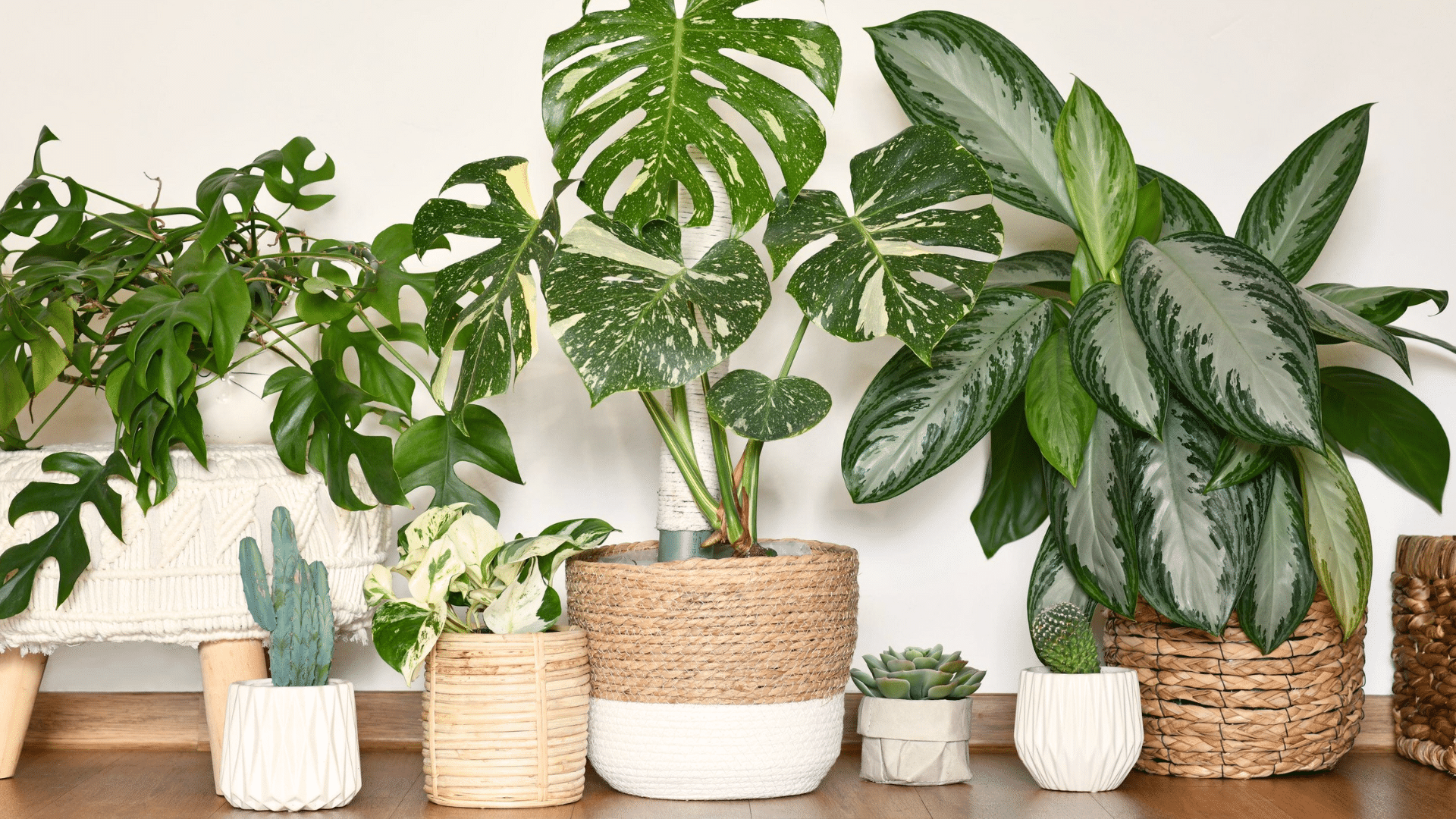
If you’re a plant lover, you’ve probably heard of the Monstera Deliciosa. This trendy houseplant, with its large, unique leaves, has become a favorite in many homes.
It’s not just about its looks, though. Monstera plants are easy to care for, making them perfect for beginners and seasoned plant parents alike.
In this blog, I’ll guide you through everything you need to know about Monstera plant care.
You’ll learn the best light conditions, watering tips, how to handle common problems, and when to repot. By the end, you’ll feel confident in giving your Monstera plant the care it needs to grow.
If you’re a new plant owner or just looking to improve your Monstera care, this guide will give you all the answers you need.
Understanding Monstera Deliciosa
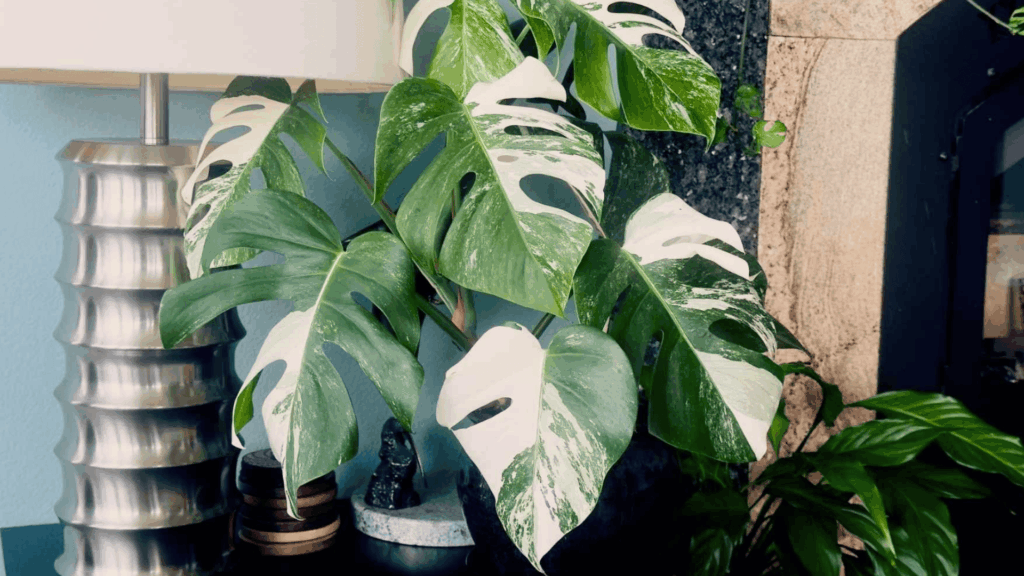
Monstera Deliciosa is a popular houseplant known for its large, glossy leaves with distinctive holes or cuts.
This plant is native to the tropical rainforests of Mexico and Central America. In the wild, it grows on trees, using its aerial roots to climb for more light.
Its unique leaf shape helps it survive in the dense forest by allowing air to flow through.
The Monstera plant is easy to care for, making it a favorite among plant lovers.
Its low-maintenance needs and ability to grow in indoor spaces make it perfect for beginners. If you’re a new plant parent or an experienced one, Monstera Deliciosa is a fun and rewarding plant to grow.
Its beautiful, bold leaves will add a touch of nature to any room
How to Care for Your Monstera Deliciosa Plant?
Taking proper care of your Monstera will help it grow healthy and strong. These are some essential tips to keep your plant growing.
1. Light Requirements
Monstera Deliciosa grows well in bright, indirect light, which helps the plant grow strong and healthy.
It can tolerate low light but may not grow as quickly, and the leaves might lose their unique shape. Avoid placing it in direct sunlight, as it can scorch the leaves, leading to brown spots.
A good spot for your Monstera is near a window with sheer curtains or in a room with bright, diffused light.
If the leaves are becoming leggy or stretching towards the light, it might be time to move it to a brighter location.
2. Watering Your Monstera
Water your Monstera when the top 1-2 inches of soil feel dry to the touch. It’s important not to overwater since Monstera plants are prone to root rot.
Ensure the pot has good drainage to prevent water from sitting at the bottom.
Water thoroughly, allowing water to drain from the bottom of the pot. During the growing season (spring and summer), you may need to water more often as the plant is actively growing.
In the colder months, reduce watering and let the soil dry out more between waterings.
3. Humidity and Temperature
Monstera Deliciosa enjoys high humidity, but it can also adapt to lower humidity levels, making it a great indoor plant.
If the air in your home is dry, especially in winter, you can increase humidity by placing the plant near a humidifier or grouping it with other plants. Mist the leaves occasionally if the air is very dry.
Keep your Monstera in a room with temperatures between 65°F and 85°F (18°C to 29°C).
Avoid placing the plant in cold drafts or near heating vents, as extreme temperature changes can cause stress and damage.
4. Fertilizing Monstera
Fertilize your Monstera Deliciosa during the growing season (spring and summer) to encourage healthy growth.
Use a balanced liquid fertilizer, diluted to half strength, and apply it every 4-6 weeks. In the fall and winter, Monstera’s growth slows down, so there’s no need to fertilize during these months.
Over-fertilizing can cause leaf burn or other damage, so always follow the manufacturer’s instructions.
A little goes a long way, and it’s better to under-fertilize than to overload your plant with nutrients.
5. Pruning and Cleaning
Pruning your Monstera Deliciosa helps it stay compact and promotes healthier growth.
Regularly remove yellow or damaged leaves to keep the plant looking its best. Trim back leggy growth to encourage new shoots and fuller growth.
When cutting, use sharp, clean scissors and make cuts just above the leaf node.
Wipe the leaves with a damp cloth to remove dust and dirt. Clean leaves not only help the plant breathe better but also allow it to absorb more light.
Pruning your Monstera also helps to maintain its size and shape, making it easier to care for.
Common Monstera Deliciosa Problems and How to Fix Them
Monstera Deliciosa is a relatively easy plant to care for, but like any plant, it can face some common issues. These are some problems you might encounter and how to fix them.
- Yellowing Leaves: This is usually caused by overwatering or poor drainage. To fix it, let the soil dry out before watering again and make sure the pot has good drainage.
- Brown Tips on Leaves: Brown tips can be a sign of low humidity or underwatering. Increase humidity by misting the plant or using a humidifier, and ensure you’re watering when the top soil feels dry.
- Leggy Growth: Leggy growth is often due to insufficient light. Move your Monstera to a spot with bright, indirect light and consider pruning to encourage fuller growth.
- Root Rot: Root rot is caused by overwatering or poor drainage. Remove the plant from its pot, trim off any rotten roots, and repot it in fresh, well-draining soil.
- Pests: Monstera can attract pests like spider mites, aphids, or mealybugs. Wipe the leaves with a damp cloth or treat the plant with insecticidal soap to remove the pests.
- Drooping Leaves: Drooping leaves may indicate underwatering or too much sunlight. Water the plant thoroughly if the soil is dry and ensure it’s not in direct sunlight for too long.
Repotting Monstera Deliciosa: When and How
You should repot your Monstera Deliciosa if you notice slow growth, roots growing through drainage holes, or if the plant is becoming root-bound.
When the roots are crowded in the pot, it’s time to give them more space to grow.
To repot, choose a pot 1-2 inches larger in diameter than the current one. Make sure the pot has drainage holes to prevent water from sitting at the bottom.
Use a well-draining soil mix, such as a mix for houseplants or one with added perlite.
Gently remove the plant from its current pot, taking care not to damage the roots.
Trim any rotten or overly long roots. Place the plant in the new pot and fill with soil, pressing it down lightly. Water thoroughly after repotting.
How to Propagate Your Monstera for New Plants?
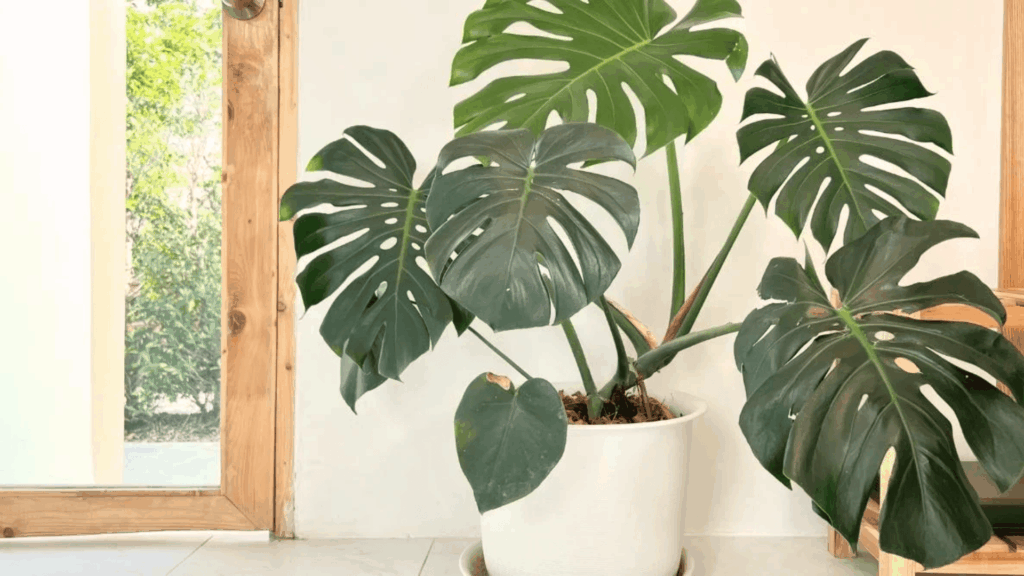
Propagating your Monstera Deliciosa is a simple and rewarding way to grow new plants. Follow these steps to get started and ensure successful propagation.
1. Best Time for Propagation
The ideal time to propagate your Monstera is during the growing season, which is typically spring or summer.
During these months, the plant is actively growing, making it more likely for your cutting to root and develop successfully.
Propagating in the growing season helps the plant focus on new growth, leading to better results.
If you attempt propagation in fall or winter, when the plant is in a resting phase, the process can be slower, and the cutting may not thrive as well.
For the best success, wait for the warmer months when the plant has energy to put into growing roots.
2. Choosing the Right Cutting
When selecting a cutting for propagation, look for a healthy stem with a leaf and a node.
The node is essential because it’s where roots will develop. The cutting should be around 4-6 inches long.
Using sharp, clean scissors or pruning shears, make your cut just below a node, ensuring the cutting is free from damage.
Avoid cutting stems with yellowing or brown spots, as they may have health issues.
A healthy cutting increases the chances of successful propagation. Once you have your cutting, you can choose between water or soil propagation, depending on your preference.
3. Propagating in Water
Water propagation is a popular method because you can watch the roots develop. To start, place the cutting in a jar or vase with enough water to cover the node.
Keep the jar in a bright location with indirect light, but not in direct sunlight, which can heat the water and harm the cutting.
Change the water every few days to keep it fresh and prevent the growth of algae or bacteria.
After a couple of weeks, roots should start to appear at the node. Once the roots are 2-3 inches long, it’s time to transfer the cutting to soil.
Water propagation is a great way to keep track of the progress of your cutting and gives you the chance to see new roots form.
4. Propagating in Soil
If you prefer to propagate directly in soil, the process is just as easy. Start by using a small pot with well-draining potting mix, as Monstera roots need good air circulation.
Insert the cutting into the soil, ensuring the node is completely buried.
Lightly water the soil and place the pot in a location with bright, indirect light. Keep the soil slightly moist but not soggy to avoid root rot.
Within a few weeks, your Monstera cutting should grow roots, and new shoots may appear.
Soil propagation can be more straightforward since the cutting doesn’t need to be transferred to a new medium after rooting.
What Reddit Says About Monstera Plant Care?
Reddit users often share helpful tips for Monstera care. One user, who has been growing Monstera plants for years, created a Monstera care cheatsheet to help others avoid common mistakes.
A key tip from Reddit is to water less than you might think, especially in winter when the plant needs less moisture.
Another user shared their experience of growing a Monstera in direct sunlight through a skylight, and it did well, proving that not all plants follow typical care advice.
Many also recommend being patient with growth, as Monstera plants can quickly become root-bound, requiring larger pots.
Overall, Reddit offers a mix of personal experiences and practical advice, reminding us to adjust care based on our plant’s needs and environment.
Conclusion
Caring for your Monstera Deliciosa plant is simple when you know the right steps.
From providing the right amount of light to watering carefully and repotting when needed, this plant can easily become a lush, lively part of your home.
With a little attention, you’ll soon see your Monstera grow strong and healthy.
If you’re a beginner or an experienced plant parent, these care tips will help you keep your Monstera happy.
Have you tried any of these care methods, or have other tips of your own? I’d love to hear about your Monstera care experiences. Share them in the comments below!
Don’t forget to check back for more plant care tips and tricks to help you grow your indoor garden.