

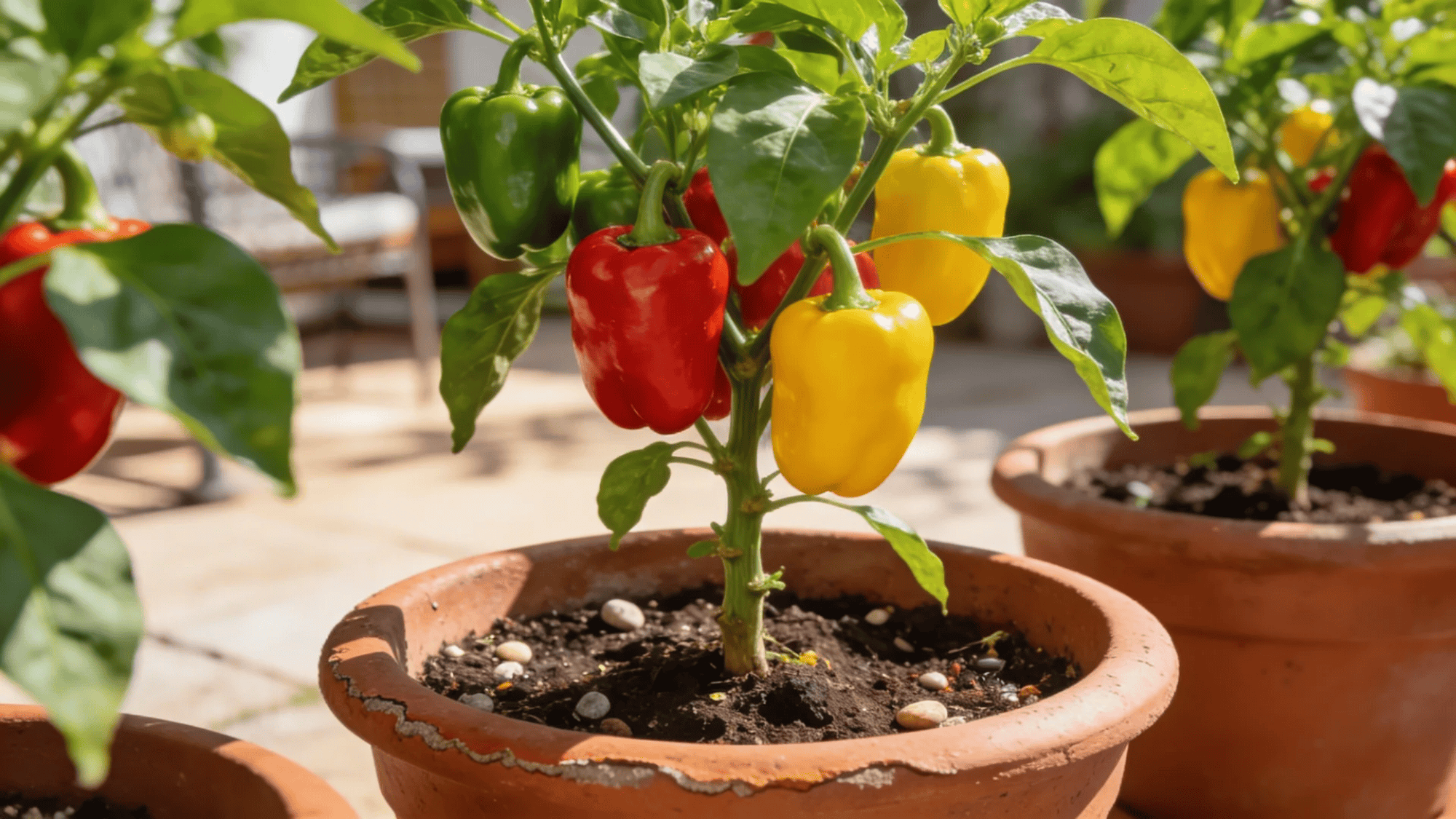
If you want to grow your own food without a big garden, bell peppers are a great choice and grow well in pots.
You do not need much space, much experience, or much money to get started.
I have spent a lot of time growing vegetables in small spaces, and bell peppers are always among my top recommendations for beginners and experienced growers alike.
In this guide, I will walk you through everything you need to know about growing bell peppers in pots.
You will find step-by-step instructions, variety suggestions, common problem fixes, and practical tips that actually work in real life.
By the end, you will feel confident and ready to grow your first pot of bell peppers.
About Bell Peppers
Bell peppers are colorful, crunchy vegetables that grow on small bushy plants. They come in green, red, yellow, and orange, and each color has its own slightly different taste.
Green bell peppers are a little bitter, while red, yellow, and orange ones are sweeter and milder in taste overall, with a richer flavor profile.
They are one of the most popular vegetables in kitchens around the world.
You can eat them raw in salads, cook them in stir fries, stuff them with fillings, or roast them in the oven.
The best part is that bell peppers grow really well in pots, which means you can grow them on a balcony, terrace, or even a sunny windowsill without needing a garden at all.
Key Features:
- Easy to Grow: Bell peppers are beginner-friendly and do not need much experience or special equipment to grow successfully at home.
- Space Saving: They grow well in pots and containers, making them a great choice for small spaces like balconies and terraces.
- Highly Nutritious: Bell peppers are packed with vitamin C, vitamin A, and antioxidants that are great for your health every day.
- Multiple Colors: They come in green, red, yellow, and orange, each with a slightly different flavor that works well in many different dishes.
How to Grow Bell Peppers in Pots?
Follow these simple steps, and you will have healthy, productive bell pepper plants growing in pots before you know it. Each step builds on the last, so take your time and do not skip anything along the way.
Step 1: Start with Quality Seeds and Soil
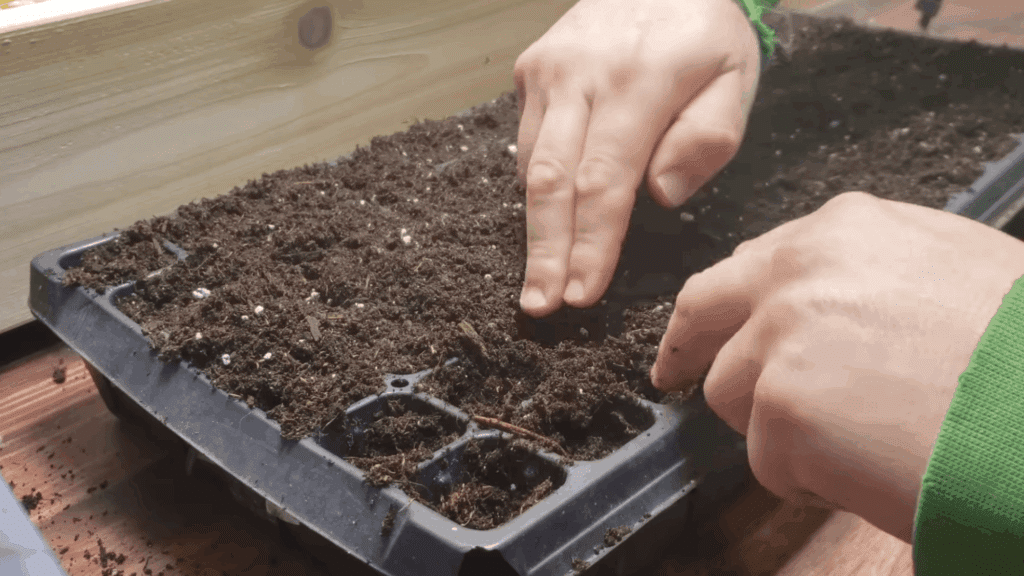
Good soil is the foundation of everything. Use an organic potting mix or seed-starting mix that drains well and holds moisture at the same time.
Fill your seed trays completely, press the surface down lightly, and level it off. Before you plant anything, soak the soil with warm water and let it sit for about two hours.
This gives your seeds the best possible start and sets the whole growing process up for success.
Step 2: Plant the Seeds Properly
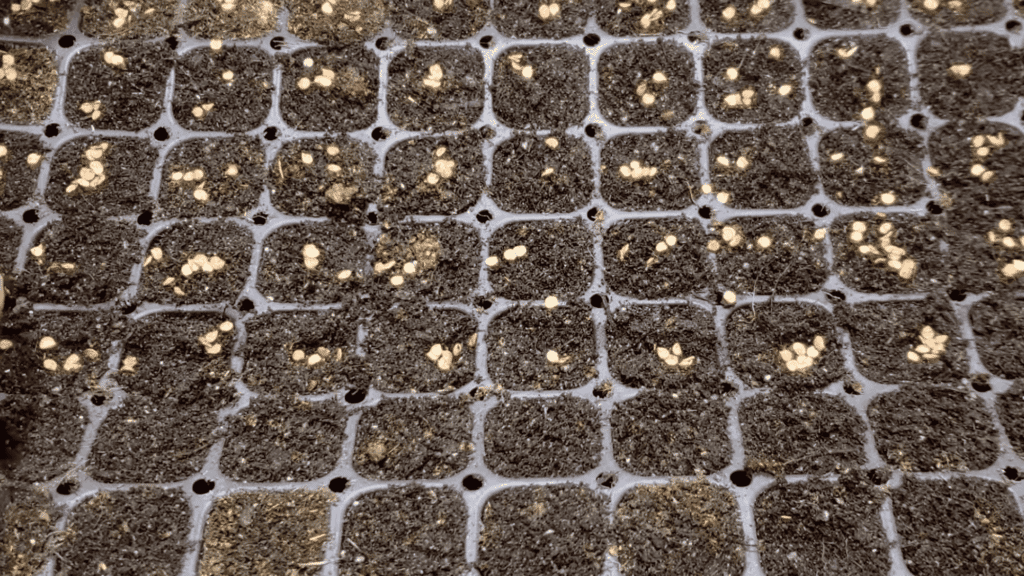
Once your soil is ready, it is time to plant your seeds. You can place one seed per cell for a simple setup, or try the multi-seed method with 8 to 12 seeds per cell to grow more plants in the same tray.
Make small holes about one to two centimeters deep, place the seeds inside, and cover them lightly with soil.
Water gently after planting to keep the soil moist.
Both methods work well, so choose what fits your space. Most seeds will sprout within one to two weeks under proper conditions.
Step 3: Let Seedlings Grow and Prepare for Transplant
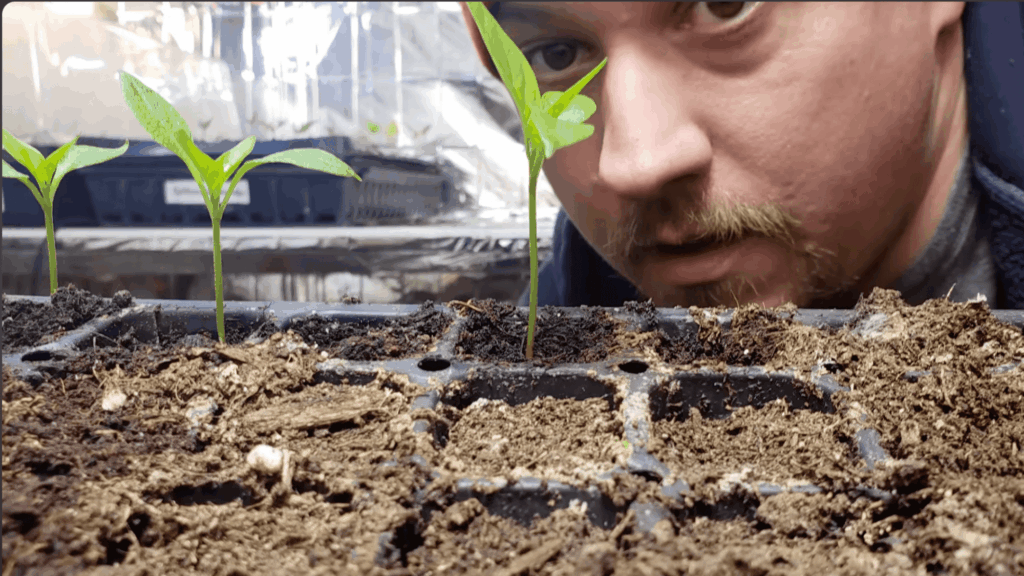
After your seeds germinate, give the seedlings about two more weeks to grow before you move them.
During this time, they will grow upright, develop their first leaves, and start building a strong root system beneath the soil. Do not rush this stage.
The stronger your seedlings are before transplanting, the better they will perform in their final container.
This is one of the most important steps in the whole growing process, so be patient and let them develop.
Step 4: Transplant Into Small Pots
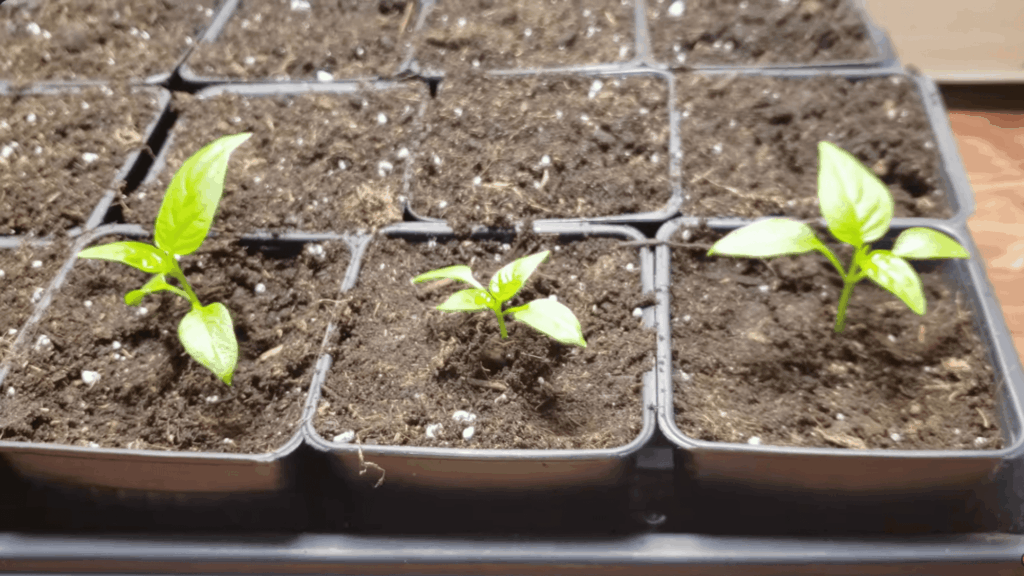
When your seedlings are ready, move them into four-inch pots filled with fresh potting mix. Soak the soil in the new pots first to reduce the shock of transplanting.
Use a small tool to gently lift each seedling out of the tray rather than pulling it by the stem, which can cause damage.
Plant each one deep enough so the base is covered, and gently firm the soil around it. This helps the roots settle in quickly and comfortably.
Step 5: Let Plants Strengthen
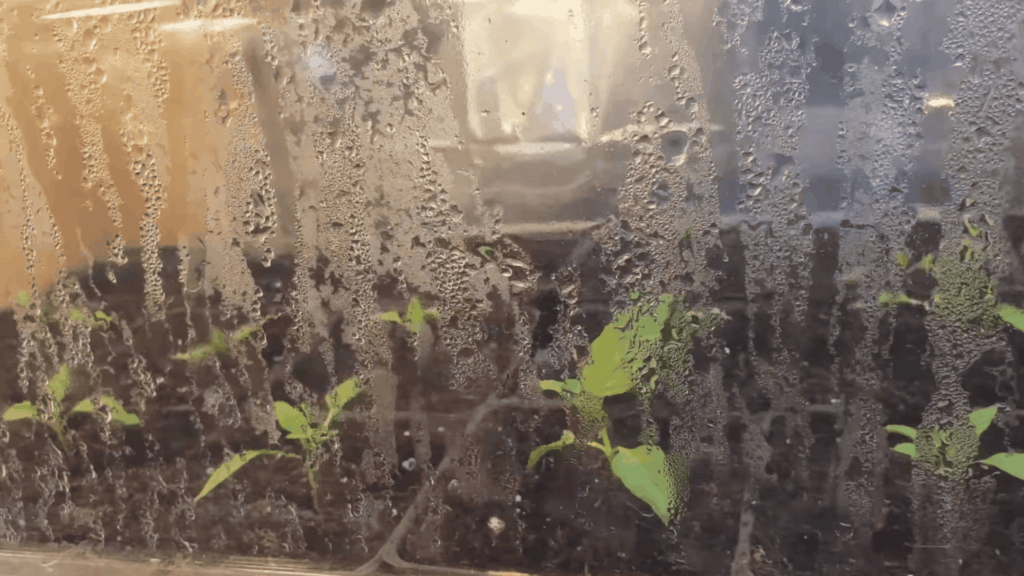
After transplanting into the small pots, give your plants three to five weeks to grow stronger before moving them to their final container.
Keep them in a warm spot with good light and water them regularly without overdoing it.
During this stage, the roots spread out, the stems thicken, and the plant builds the strength it needs to produce a good harvest later on.
Rushing past this step is one of the most common mistakes new growers make.
Step 6: Choose the Right Container
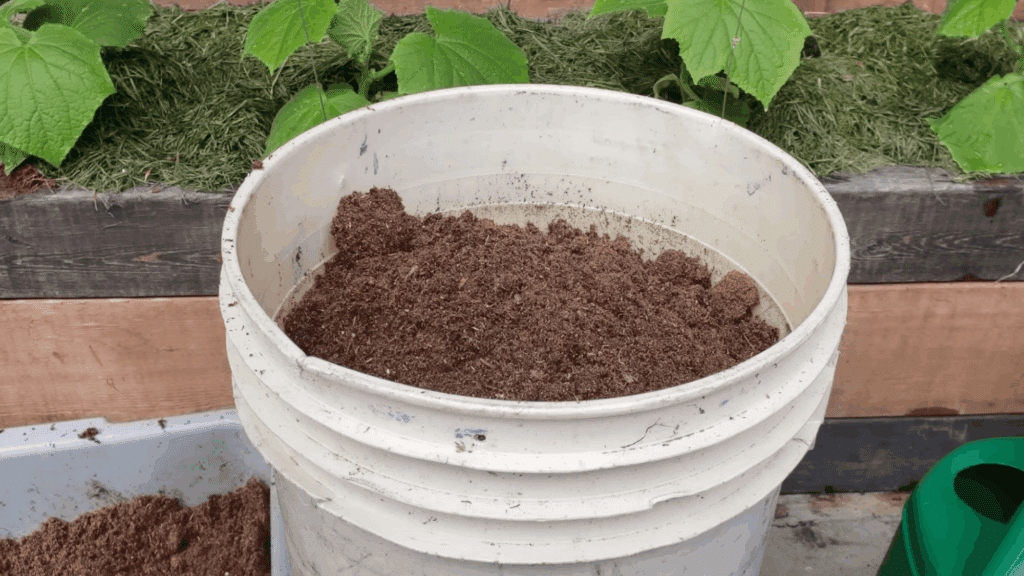
The container you choose makes a big difference in how well your bell peppers grow. Use a pot that holds at least five gallons of soil so the roots have enough room to spread out properly.
Make sure the pot has 8 to 12 drainage holes in the base to allow excess water to drain freely.
Good drainage is one of the most important factors in keeping your plant healthy since sitting in waterlogged soil can quickly cause root rot and kill the plant.
Step 7: Final Transplant Into Large Pots
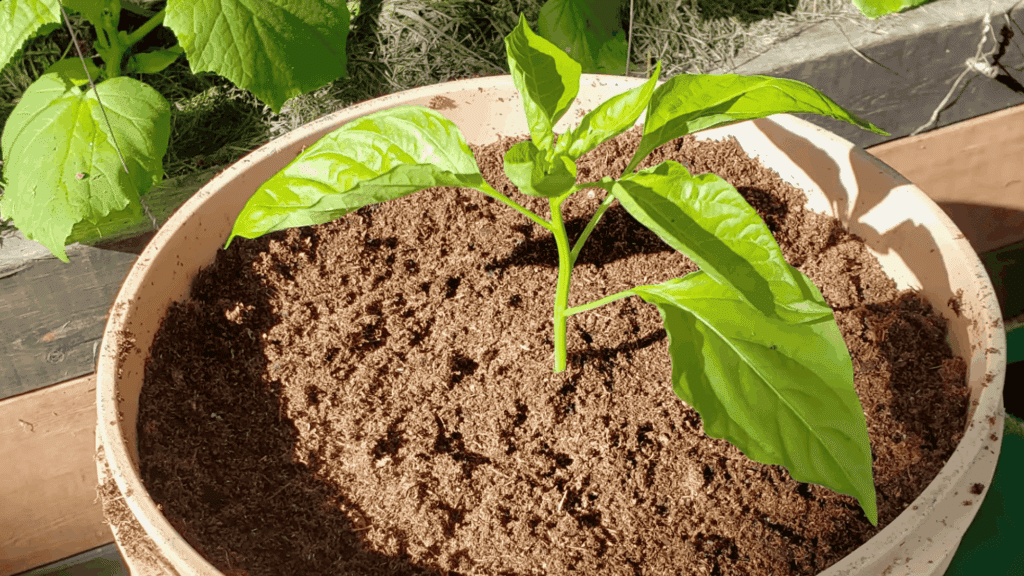
Fill your large container about three-quarters of the way with fresh potting mix before transplanting.
Place the plant in the center and add more soil around it up to the level of the first set of leaves.
Planting slightly deeper than the plant was in its previous pot encourages stronger root growth and gives the plant a more stable base.
Gently firm the soil around the stem and make sure the plant is sitting straight and secure before moving on.
Step 8: Add Mulch and Water
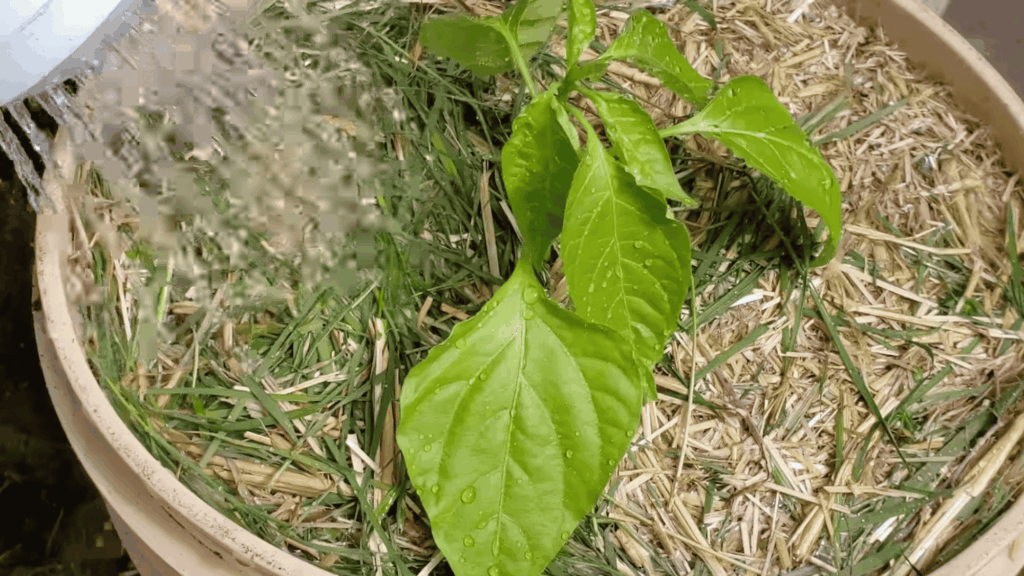
Once your plant is in its final pot, add a thick layer of mulch about three inches deep over the soil surface. Straw or dried grass clippings work well and are easy to use.
Mulch helps the soil retain moisture, keeps the roots cool, and reduces how often you need to water.
It also protects the soil from drying out too quickly.
After adding the mulch, water the plant gently from the top until you see water draining from the holes at the bottom of the pot.
Step 9: Maintain and Grow
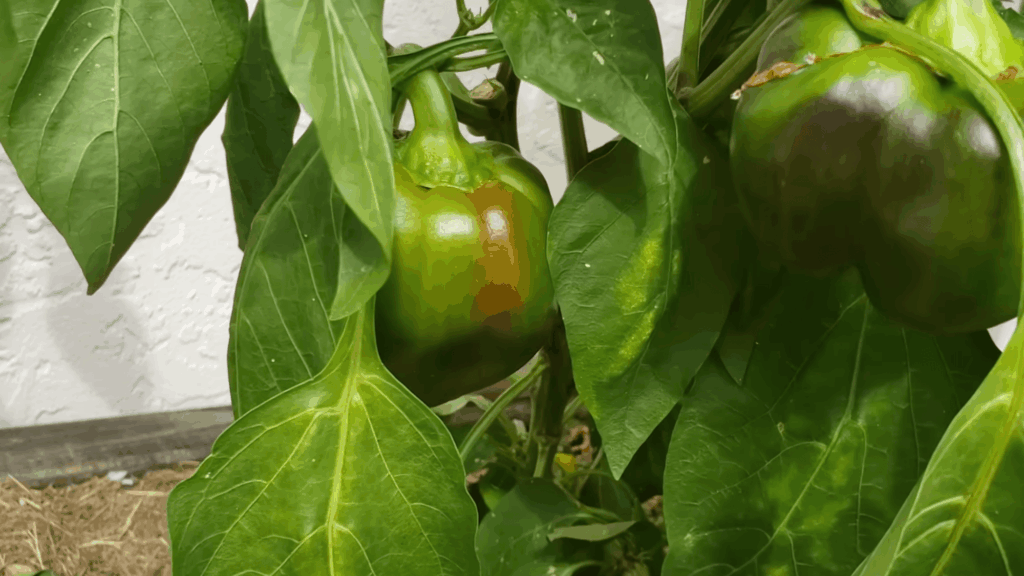
From here, it is all about consistent care. Keep your pot in a spot that gets at least six to eight hours of direct sunlight every day.
Water regularly and make sure the soil never dries out completely between waterings.
Feed your plant with a balanced fertilizer every two to three weeks to support strong growth and fruit production.
Bell peppers grown in containers can give you a genuinely impressive harvest with very little effort, as long as you stay consistent with the basics.
This tutorial is based on a helpful video by The Ripe Tomato Farms. You can check out the original video on their YouTube channel here or watch it below.
Best Varieties of Bell Peppers for Pots
Compact and dwarf varieties are the best choice for pot growing. They stay smaller, produce well in limited space, and require less support than larger plants. Here are some of the best options to look for:
- Redskin: A compact dwarf variety that produces plenty of small, sweet peppers and works perfectly in containers of all sizes.
- Mohawk: A bushy, low-growing variety that produces bright yellow peppers and handles container growing really well.
- Pot-A-Peno: Bred specifically for container growing, this variety stays small and produces a generous amount of fruit throughout the season.
- Mini Bell Mix: A fun variety that produces small, colorful peppers in red, yellow, and orange all on one compact plant.
- California Wonder: One of the most popular bell pepper varieties overall, it grows well in larger containers and produces big, classic bell peppers.
Why Container-Friendly Types Matter?
Choosing a container-friendly variety matters more than most people realize.
A plant that is too large for its pot will struggle to produce fruit, dry out quickly, and become harder to manage over time.
Compact varieties are bred to thrive in limited soil and space, which means more peppers, less stress, and a much more enjoyable growing experience overall.
Common Problems and Easy Fixes
Every gardener runs into problems at some point, and bell peppers are no different. The good news is that most issues are easy to spot and even easier to fix once you know what to look for.
| Problem | Likely Cause | Easy Fix |
| Yellow Leaves | Overwatering or lack of nutrients | Let the soil dry out and feed it with balanced fertilizer |
| Flowers Dropping | Too much heat or poor pollination | Move to a cooler spot and shake the plant gently |
| Aphids | Insect infestation | Spray with a soapy water mix |
| Wilting Leaves | Underwatering or root-bound | Water the well and check if a bigger pot is needed |
| No Fruit Setting | Poor pollination or low sunlight | Hand pollinate and move to a sunnier spot |
| Brown Leaf Tips | Low humidity or inconsistent watering | Mist leaves and keep watering consistently |
| Leggy Growth | Not enough sunlight | Move to a spot with 6 to 8 hours of direct sun |
Quick fixes, big difference. Spot the problem early, and your bell peppers will be back on track in no time!
Ideal Growing Conditions for Bell Peppers in Pots
Getting the growing conditions right is the single biggest factor in how well your bell peppers perform. You do not need perfect conditions, but staying close to what the plant naturally loves will make a huge difference to your harvest.
- Temperature Range: Bell peppers grow best in temperatures between 70°F and 85°F (21°C to 29°C) during the day.
- Humidity Needs: They prefer moderate humidity levels and benefit from light misting in very dry conditions.
- Seasonal Tips (Indoor vs Outdoor): Grow outdoors in warm months and move pots inside when temperatures drop below 55°F (13°C).
- Sunlight: Bell peppers need at least 6 to 8 hours of direct sunlight every single day for strong, healthy growth.
- Wind Protection: Keep pots in a sheltered spot, as strong winds can damage stems and cause flowers to drop early.
How Long Do Bell Peppers Take to Grow in Pots?
Bell peppers are not the fastest-growing vegetable, but they are absolutely worth the wait.
From seed to harvest, you are typically looking at around 70 to 90 days, depending on the variety you choose and the conditions you grow in.
It starts with germination, which takes around one to two weeks after you plant the seeds.
From there, the seedlings grow stronger over the next few weeks before the plant starts to bush out and produce flower buds.
Once the flowers open and get pollinated, small peppers begin to form. They slowly grow in size over the following weeks until they are firm, full-sized, and ready to pick.
If you start with nursery seedlings instead of seeds, you can cut four to six weeks off that timeline and get to harvest much faster.
Growing Bell Peppers Indoors vs Outdoors
Both options work well depending on your space and situation. Below is a quick side-by-side comparison to help you decide which one suits you best.
| Factor | Indoors | Outdoors |
| Sunlight | Needs a very bright window or grow lights | Natural sunlight is ideal and freely available |
| Temperature Control | Easier to maintain consistent warmth | Dependent on the weather and season |
| Pollination | Needs hand pollination as no insects are indoors | Natural pollination by bees and insects |
| Space | Limited but manageable on a windowsill | More flexible with balcony or terrace space |
| Watering | Dries out slower indoors | Dries out faster in heat and wind outdoors |
| Pest Risk | Lower risk of outdoor pests | Higher risk of aphids and other insects |
| Growth Rate | Slightly slower due to less light | Faster with full sun and fresh air |
| Best Season | Can grow year-round indoors | Best in the spring and summer months |
| Yield | Slightly lower without strong light | Higher yield with good sunlight and space |
| Ideal For | Beginners with no outdoor space | Anyone with a balcony, terrace, or garden |
Both options can give you a great harvest. Outdoors gives your plants more of what they naturally love, but indoors works perfectly well with the right light and a little extra care.
Container Gardening Mistakes to Avoid
Avoiding these common mistakes will save you a lot of time, effort, and frustration along the way.
- Overwatering: Too much water drowns the roots, causing yellow leaves, wilting, and eventual plant death.
- Small Pots: A pot that is too small restricts root growth and stops the plant from producing fruit properly.
- Poor Sunlight: Placing your pot in a shady spot leads to weak growth, fewer flowers, and little to no harvest.
- Skipping Fertilizer: Bell peppers are heavy feeders and will underperform without regular feeding every two to three weeks.
- Ignoring Drainage: Pots without proper drainage holes cause waterlogging, which quickly damages the roots beyond recovery.
Conclusion
Growing bell peppers in pots is one of the most rewarding things you can do as a home gardener.
You do not need a big space, a big budget, or years of experience to get started. All you need is the right pot, good soil, plenty of sunlight, and a little consistency.
The steps in this guide are simple and easy to follow, no matter where you start.
Pick a compact variety, give your plant what it needs, and you will be harvesting your own homegrown bell peppers before you know it.
Do not wait for the perfect setup. Start small, learn as you go, and enjoy growing your own peppers.
Drop a comment below and let me know how your first pot of bell peppers turns out!