

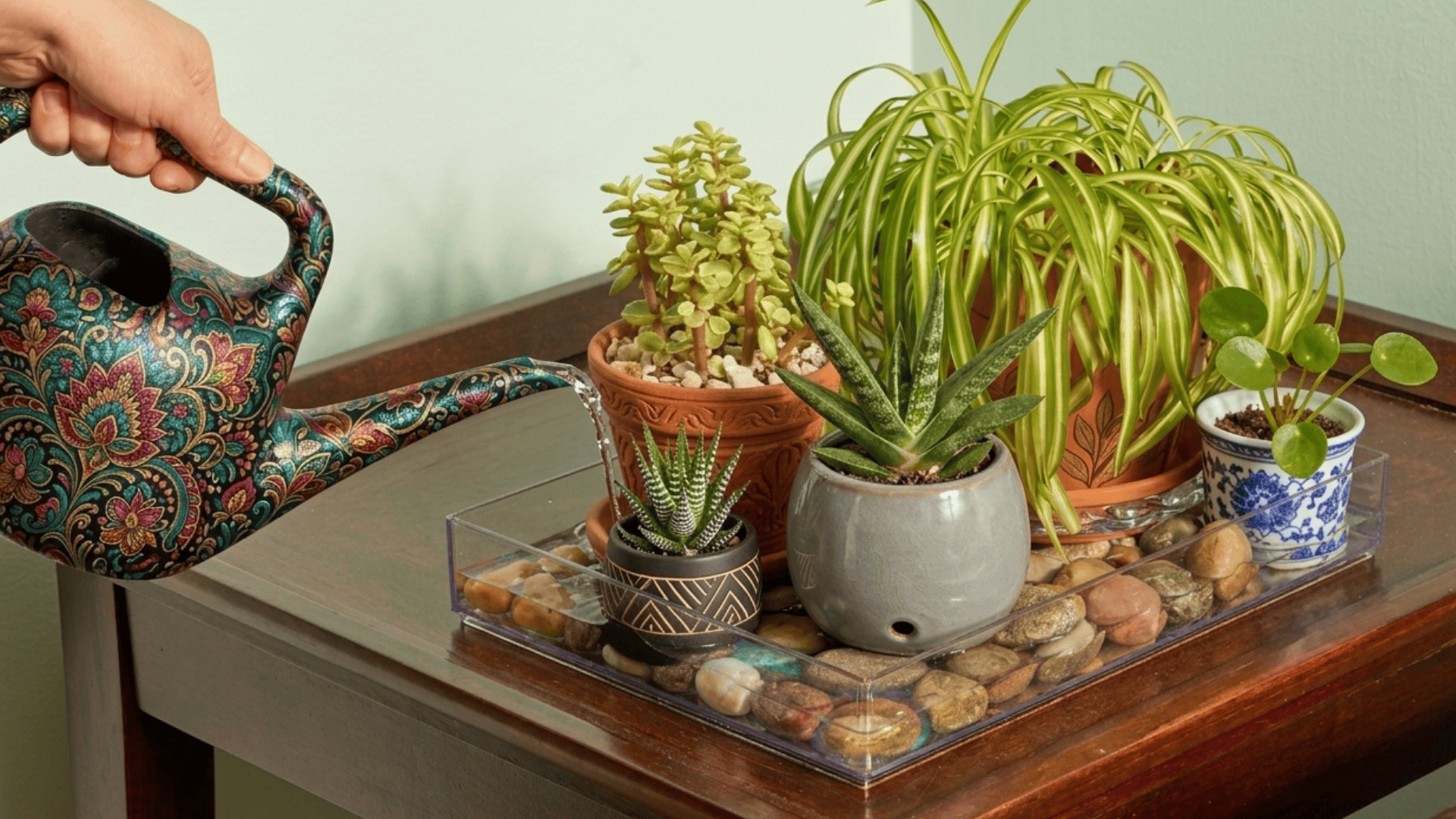
I’ve had times when my indoor plants looked dull, even though I watered them well. That’s when I learned how important humidity really is.
If the air in your home is too dry, your plants can struggle more than you think.
In this guide on how to increase humidity for plants, I’ll share simple and practical tips you can use right away.
You’ll learn how to spot signs of low humidity, the best ways to add moisture to the air, and where to place your plants for better results.
I’ll also share some easy methods you can try at home without spending much.
These tips are based on what actually works, not just theory. By the end, you’ll know how to create a more comfortable space where your plants can grow healthy and stay green.
Why Humidity Matters for Indoor Plants?
Humidity plays a big role in how well indoor plants grow and stay healthy. Most houseplants come from tropical areas where the air is naturally moist.
When the air inside your home is too dry, plants can struggle to absorb water through their leaves.
This can lead to brown leaf tips, curling leaves, and slow growth. Proper humidity helps plants maintain their moisture balance.
It supports healthy leaf development, keeps foliage looking fresh, and helps prevent stress.
Plants also use humidity during a process called transpiration, which is important for nutrient movement.
By keeping humidity at the right level, you create a more comfortable environment for your plants. This simple step can make a big difference in keeping your indoor plants green, strong, and growing.
Signs Your Plants Need More Humidity
Indoor plants often show clear warning signs when humidity levels are too low. Here are the most common ones to watch for:
1. Brown Leaf Edges
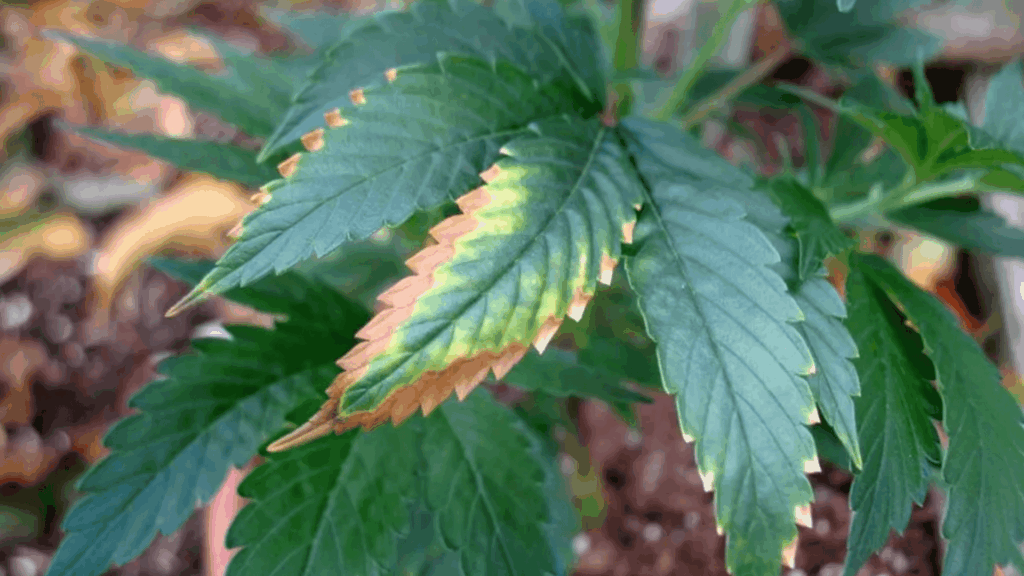
Brown leaf edges are among the first signs that your plant needs more humidity.
The tips of the leaves turn dry and crispy because the air is too dry. This happens when the plant loses moisture faster than it can take in water.
You may notice this more in winter or in air-conditioned rooms.
Increasing humidity around your plant can help stop further damage and keep the leaves soft, healthy, and green.
2. Curling Leaves
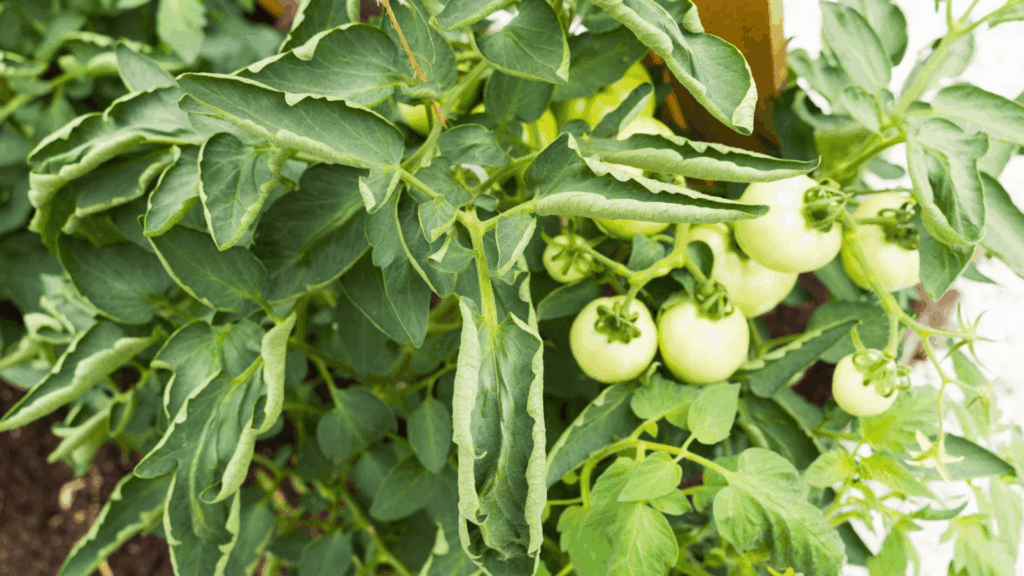
Curling leaves are a common sign that your plant is not getting enough humidity. When the air is dry, leaves start to curl inward to reduce moisture loss.
This is the plant’s natural way of protecting itself from drying out.
You may notice this more in warm rooms or spaces with constant air conditioning.
If left unchecked, the leaves can become weak and brittle. Increasing humidity can help restore the leaves to their normal, healthy shape.
3. Bud Drop
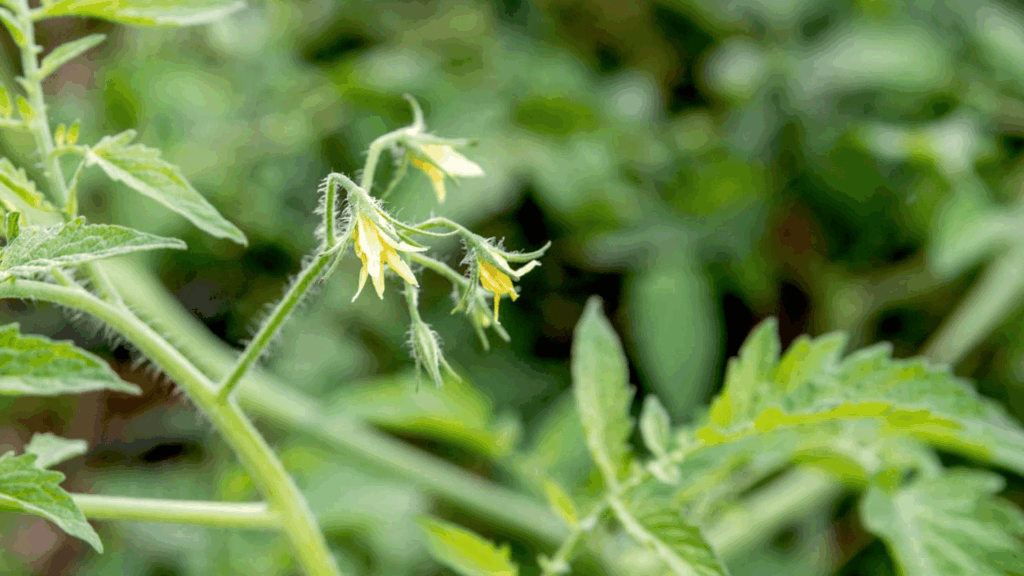
Bud drop happens when a plant loses its flower buds before they have a chance to open. Low humidity is a common cause, as dry air puts stress on the plant.
When moisture levels are not sufficient, the plant may stop supporting bud growth to conserve energy.
You might notice buds turning dry or suddenly falling off.
Increasing humidity can help the plant stay balanced and support healthy blooming, resulting in fuller, longer-lasting flowers.
4. Dry Leaf Patches
Dry leaf patches appear when parts of the leaf lose moisture and become rough or discolored.
These patches may look brown, faded, or slightly crispy to the touch.
This often occurs when the surrounding air is too dry, leading to uneven moisture loss across the leaf surface. Over time, these areas can spread and affect the overall health of the plant.
Improving humidity levels can help prevent further damage and keep the leaves smooth, soft, and healthy.
5. Slow Growth
Slow growth is a clear sign that your plant may need more humidity. When the air is too dry, plants struggle to move water and nutrients properly.
This affects their overall development, leading to fewer or smaller new leaves.
Even with proper watering and light, growth can remain limited.
Over time, the plant may look weak or less full. Increasing humidity helps support better nutrient flow and encourages steady, healthy growth.
6. Yellowing Leaves
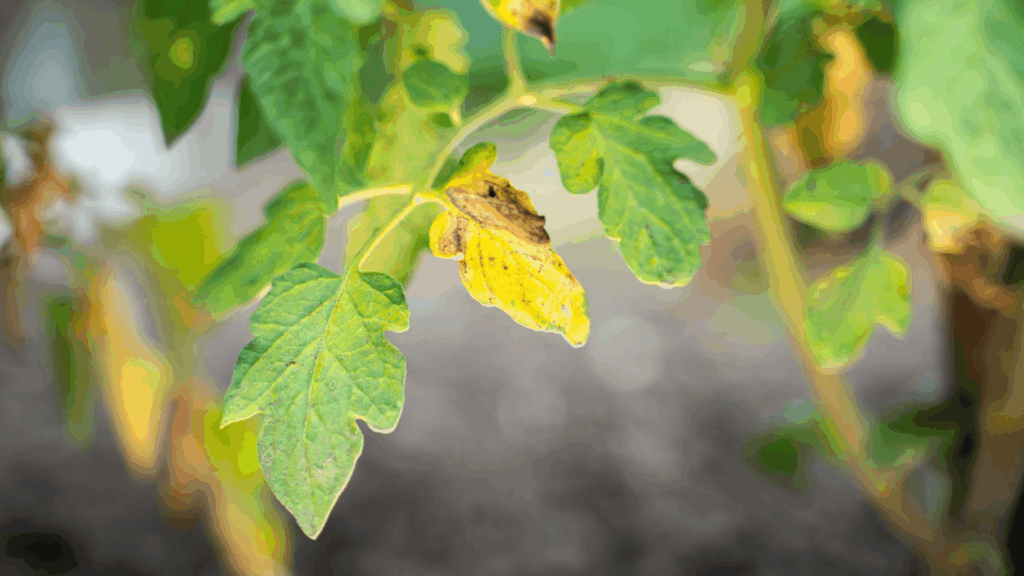
Yellowing leaves can be a sign that your plant is not getting enough humidity.
When the air is too dry, the plant struggles to maintain proper moisture levels, which can affect leaf color.
Leaves may start to fade from green to yellow and eventually fall off. This issue often appears alongside other signs, such as dryness or weak growth.
Improving humidity around your plant can help restore its natural color and keep the leaves healthy and strong.
Where to Place Plants for Better Humidity?
Placing your plants in the right spot can make a big difference in maintaining proper humidity levels.
Areas like kitchens and bathrooms usually have more moisture in the air, which makes them ideal for plants that love humidity.
You can also place plants close together, as they release moisture and create a small humid zone around them.
Try to keep plants away from heaters, air conditioners, and vents, as these can quickly dry the air. Instead, choose corners or spaces with less airflow, where moisture can stay longer.
Placing plants near windows with indirect sunlight also helps them grow without exposing them to dry heat.
Good placement not only improves humidity but also supports overall plant health, helping them stay green, fresh, and strong over time.
What People Say About Raising Plant Humidity on Reddit?
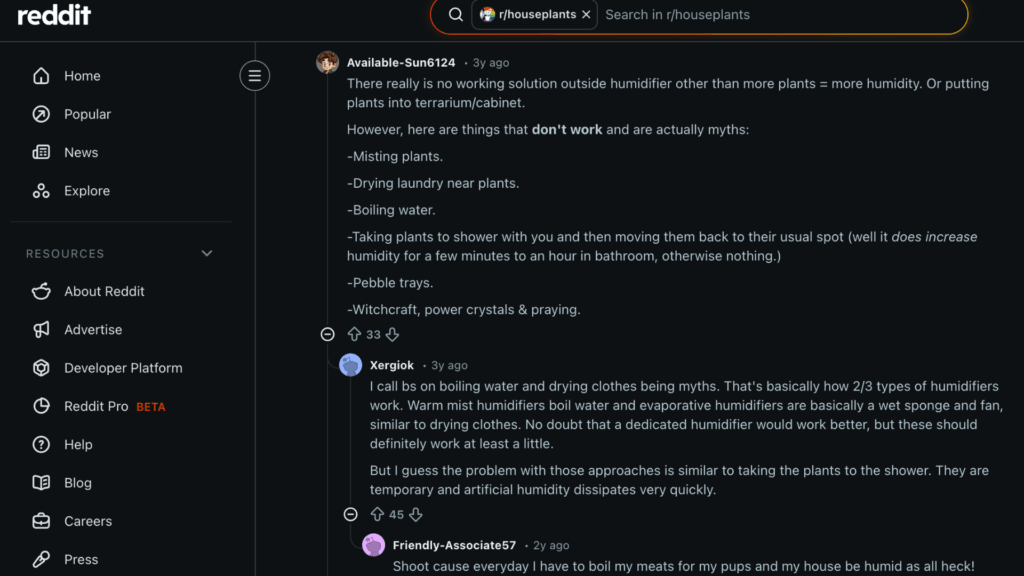
In a discussion on Reddit, people shared that most quick tricks to raise humidity don’t last long or work well. Things like misting, pebble trays, or boiling water may help for a short time, but the moisture fades fast.
Some methods, like keeping plants in the bathroom during a shower, only give a small boost for a short period.
Grouping plants together can help a bit since they release moisture into the air.
Another useful option is placing plants in a cabinet or closed space, which holds humidity better and supports growth.
In very dry areas, these setups work better than open rooms.
Still, many people agree that a humidifier gives the most stable and lasting results, especially during cold months when indoor air gets dry.
Best Ways to Increase Humidity for Plants at Home
Keeping the right humidity level helps your plants stay healthy and grow better. These are some of the simple ways to do it:
1. Use a Humidifier
Using a humidifier is one of the easiest and most effective ways to increase humidity for your plants.
It consistently adds moisture to the air, helping plants stay hydrated and healthy. This is especially useful during winter or in air-conditioned rooms where the air is dry.
Place the humidifier near your plants for the best results.
Regular use can prevent issues like dry leaves and support better overall growth.
2. Group Your Plants Together
Grouping your plants is a simple way to increase humidity naturally.
Plants release moisture through transpiration, and when they are placed close together, this moisture builds up in the surrounding air.
This creates a small humid zone that benefits all the plants in the group.
It works best for indoor plants that need extra moisture. Just make sure they still have enough space for airflow and light.
3. Place Water Trays Nearby
Placing water trays near your plants is an easy way to add moisture to the air.
As the water slowly evaporates, it increases the humidity around the plants. You can place small bowls or trays filled with water close to your pots for a steady effect.
This method works well in dry rooms and needs little effort to maintain.
Just remember to refill the trays regularly to keep the moisture level consistent and support healthy plant growth.
4. Mist the Leaves
Misting the leaves is a quick way to give your plants a boost of moisture. Lightly spraying the leaves increases humidity around the plant for a short time.
This method works well for tropical plants that enjoy moist air.
It is best to mist in the morning so leaves can dry during the day. Regular misting can help prevent dryness, but it should be combined with other methods for long-lasting results.
5. Use Pebble Trays
Using pebble trays is a simple and effective way to increase humidity around your plants.
Place a layer of pebbles in a tray, add water just below the top of the stones, and set your plant pot on top.
As the water slowly evaporates, it adds moisture to the air. This method helps maintain humidity without overwatering the roots.
It works well for small to medium indoor plants and requires minimal maintenance.
How to Use a Humidifier for Indoor Plants?
Using a humidifier for indoor plants is a simple and effective way to maintain the right moisture level in the air.
Place the humidifier close to your plants, but not too near, to avoid excess moisture settling on the leaves.
Set it to a moderate level based on your plant type, as tropical plants usually need higher humidity. It works best in smaller or closed rooms where moisture stays longer.
Run the humidifier daily, especially during winter or when using air conditioning.
Make sure to clean it regularly to prevent mold or bacterial buildup.
Consistent use can help reduce dry leaf tips, improve plant health, and support steady growth. This method creates a more comfortable environment for your plants to thrive.
Mistakes to Avoid when Increasing Plant Humidity
Mistakes while increasing plant humidity can harm plants instead of helping them. I always focus on balance, clean tools, and proper spacing to keep plants healthy and free from pests.
| Mistake | What Happens | Why It’s a Problem | Better Approach |
| Over-misting Leaves | Leaves stay wet for too long | Can cause fungal growth, leaf spots, and attract pests | Mist lightly and combine with other humidity methods |
| Placing Plants Too Close Together | Limited airflow between plants | Leads to mold, pests, and weak plants due to damp leaves | Leave space between plants for proper air movement |
| Using Dirty Humidifiers | Releases bacteria and mineral buildup | Can harm plant health and create bad odors | Clean the humidifier regularly and use fresh water |
| Overwatering Instead of Increasing Humidity | Soil becomes too wet | Causes root rot, poor drainage, and weak growth | Use humidifiers or pebble trays to raise humidity |
| Ignoring Air Circulation | Air becomes stagnant | Encourages mold, fungi, and pests | Maintain good airflow along with humidity |
| Keeping Plants Near Heat Sources | Air dries out quickly | Leads to dry tips, curling leaves, and plant stress | Keep plants away from heaters and place them in stable areas |
Conclusion
Caring for indoor plants becomes much easier once you understand how important humidity is.
Small changes, like moving your plants, adding a tray of water, or using a humidifier, can make a big difference over time.
You don’t need anything complicated, just a few simple steps done consistently.
As you try these tips, pay attention to how your plants respond. Healthy leaves, steady growth, and better color are all good signs you’re on the right track.
Every home is different, so feel free to adjust what works best for your space. I’d love to hear what worked for you.
Have you tried any of these methods? Share your experience or tips in the comments below; it might help someone else, too!