

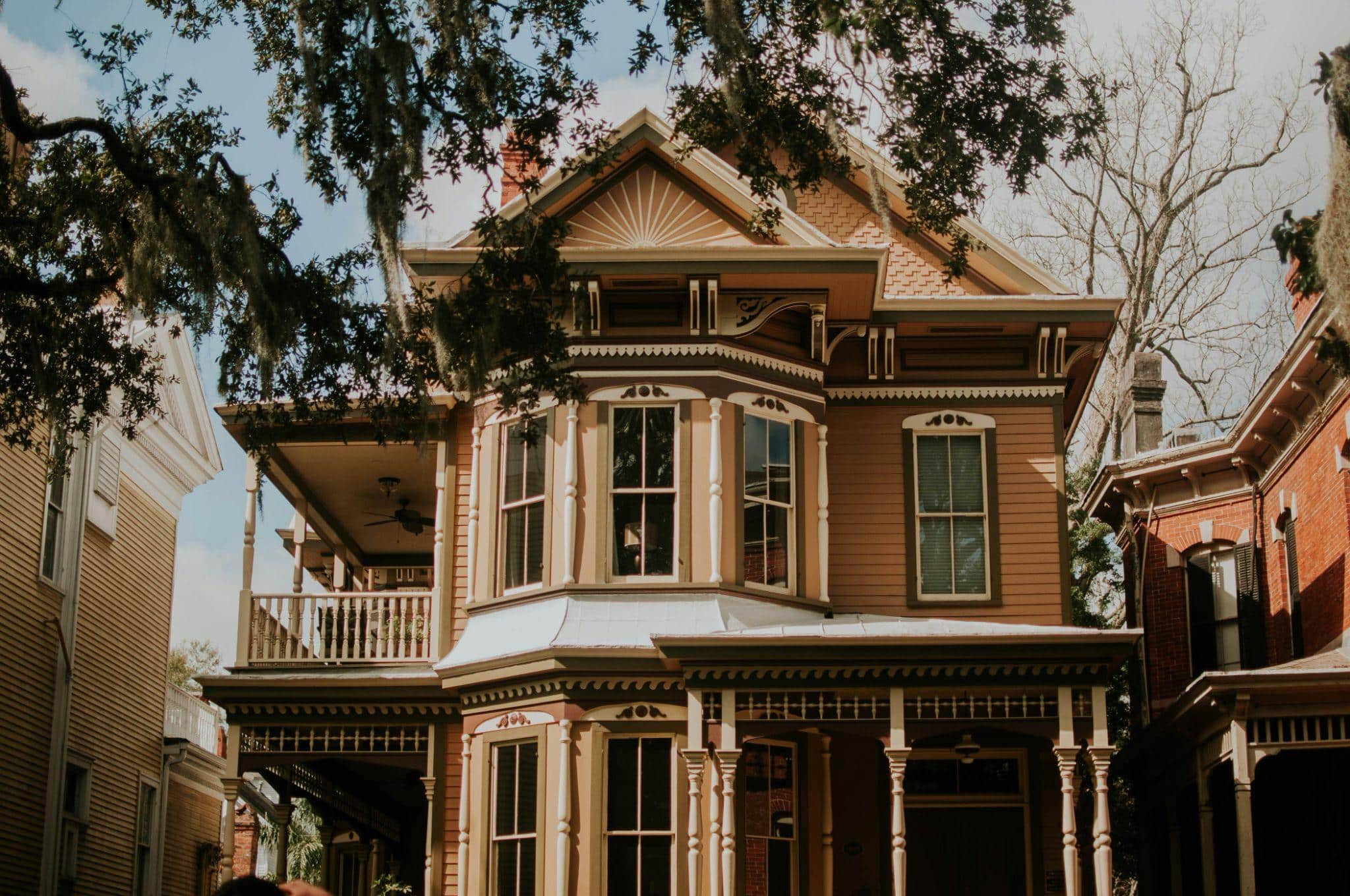
Renovating an older home is all about balance. On one hand, you want modern comfort, improved functionality, and energy efficiency. On the other, you don’t want to erase the charm, craftsmanship, and architectural details that made you fall in love with the property in the first place.
Whether your home features original hardwood floors, stained glass windows, crown molding, or vintage fixtures, careful planning can help you modernize while preserving its personality. Here’s how to renovate an older home without losing its character.
Start With What Makes the Home Special
Before you knock down walls or replace anything, take inventory of the elements that define your home’s personality. Look for features such as:
- Original millwork and trim
- Decorative ceiling medallions
- Solid wood doors
- Fireplace mantels
- Built-in cabinetry
- Classic tile or flooring
These details are often difficult or extremely expensive to replicate today. If they’re structurally sound, consider restoring rather than replacing them. Take photos and document everything before renovation begins. This not only serves as a visual record but also helps guide decisions later in the project.
Understand the Architecture and Era
Every older home reflects a particular period and style. Whether it’s Craftsman, Victorian, Mid-Century Modern, or Colonial, understanding the architectural roots can help you make design decisions that feel cohesive rather than contradictory.
Take time to research common materials, colors, and finishes associated with your home’s era. If you’re unsure, consider consulting a preservation specialist or designer with sufficient experience working with heritage-style properties. Modern updates can definitely coexist with traditional aesthetics, but they should complement, not compete.
Upgrade Infrastructure Without Altering Aesthetics
One of the biggest challenges in older homes is outdated infrastructure. Electrical systems, plumbing, insulation, and HVAC often need upgrades to meet modern standards and improve safety. The key is to modernize what’s behind the walls while preserving what’s in front of them. For example:
- Replace knob-and-tube wiring, but keep the original light fixtures
- Upgrade plumbing while maintaining vintage-style faucets
- Improve insulation without removing original plaster walls if possible
This approach allows your home to function like a modern property while still looking authentically historic.
Restore Before You Replace
It can be tempting to swap out worn features for new ones, but restoration often yields better and long-term results. Consider:
- Repairing original windows instead of replicating them with generic vinyl units
- Stripping and repainting solid wood doors rather than installing hollow-core alternatives
- Refinishing hardwood floors instead of installing new laminate
Quality materials used decades ago were often superior to many modern mass-produced options. Restoring them preserves both value and authenticity.
Be Strategic With Layout Changes
Many older homes have compartmentalized layouts, smaller kitchens, or limited storage. While open-concept living is popular, removing walls randomly can remove your home’s architectural integrity.
If you’re considering structural changes, make sure to plan carefully. Retain defining elements such as archways, decorative columns, or built-ins whenever possible. Oftentimes, partial openings or widened doorways can improve flow without eliminating the home’s original design.
Renovations by Vancouver General Contractors often focus on reinforcing foundations, upgrading load-bearing elements, and modernizing floor plans while maintaining visible historical details. Thoughtful planning ensures that necessary structural improvements don’t compromise character.
Blend Modern Finishes Thoughtfully
Modern doesn’t have to mean minimalist or generic. When introducing new elements:
- Choose materials that match traditional textures
- Use neutral palettes that complement original features
- Incorporate contemporary lighting in a way that enhances architectural details rather than overpowering them
For example, sleek cabinetry can work beautifully in an older kitchen if paired with classic subway tile or vintage-inspired hardware. Contrast in design can be powerful, but it should be intentional and relevant.
Preserve the Exterior Charm
Replacing historic siding, doors, or windows without proper planning and consideration can dramatically alter your home’s appearance. Instead, consider these options:
- Restore wood siding when possible
- Match replacement windows to the original grid pattern
- Maintain traditional rooflines and trim details
- Choose exterior paint colors that reflect your home’s era
Even small updates like modern house numbers or lighting fixtures should complement and respect your home’s overall style.
Embrace Imperfections
Older homes often have quirks, whether it’s slightly uneven floors, narrower hallways, or unique nooks. While major structural problems should be addressed, not every imperfection needs correction.
Some irregularities contribute to authenticity and warmth. Perfect symmetry and ultra-smooth finishes can sometimes make a historic home feel newly built and out of place. Preserving character means allowing your home’s story to remain visible.
Work With Professionals Who Respect Character
Not all renovation approaches are the same. Experience matters when it comes to renovating older properties. Professionals familiar with historic homes understand how to:
- Protect fragile materials
- Source era-appropriate replacements
- Navigate building codes without unnecessary demolition
- Reinforce structures while preserving aesthetics
The right team will prioritize preservation alongside modernization.
Endnote
Renovating an older home isn’t about turning it into something entirely new; it’s about helping it evolve gracefully. By restoring original features, upgrading infrastructure discreetly, making strategic layout changes, and blending modern updates thoughtfully, you can create a home that honors its past while supporting your current lifestyle.