

A lawn does not thin out overnight. Foot traffic, heat, weeds, and poor soil slowly weaken the grass.
Over time, bare spots show up, and the lawn starts to look uneven. That is where reseeding and overseeding help bring it back.
In this guide, you’ll learn how to reseed a lawn the right way in clear and easy steps.
I will share what tools you need, how to prepare the lawn, and how to spread seed correctly. You will also learn when to water, when to mow again, and what mistakes to avoid.
Whether your lawn has thin patches or needs a full refresh, this article gives practical advice you can follow.
With the right prep, timing, and care, new grass can grow strong and last.
Supplies Needed to Reseed a Lawn
Having everything ready before you start makes the job smoother and helps avoid missed steps. These basic tools and materials cover both small patches and full lawn projects.
- Grass seed suited for your climate and sun conditions
- Lawn mower to cut existing grass low
- Rake or dethatching rake to clear debris and loosen soil
- Garden fork or manual aerator to open compacted areas
- Seed spreader for even coverage
- Topsoil or compost to lightly cover seeds
- Lawn roller or your feet to press seeds into the soil
- Hose, sprinkler, or irrigation system for consistent watering
How to Reseed Lawn the Right Way?
Follow these simple steps to prepare your lawn, spread seed correctly, and support healthy growth so new grass fills thin areas evenly across the yard.
Step 1: Mow the Lawn Low

Start by mowing the lawn lower than usual to prepare the surface for new seed. Set the mower at or near its lowest setting and cut the entire area you plan to reseed or overseed.
Use a grass catcher if available, so clippings do not block the soil.
Short grass allows seeds to reach the ground instead of resting on old growth.
This step also reduces competition for sunlight, water, and nutrients, helping young seedlings root faster and grow evenly across the treated lawn area.
Step 2: Rake to Remove Thatch and Debris
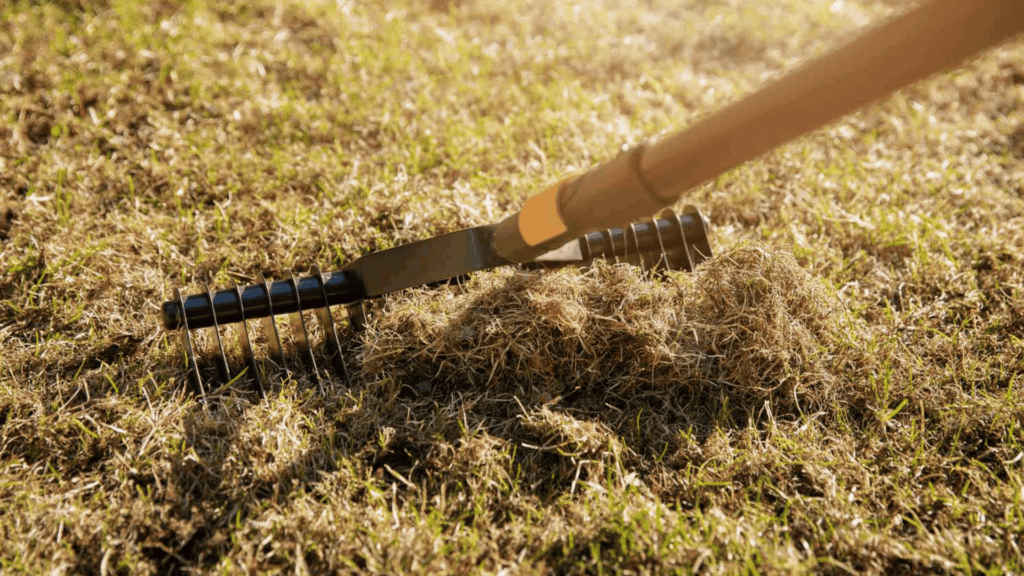
After mowing, rake the lawn well to clear away dead grass, thatch, and loose debris from the surface.
Thatch can block seeds from reaching the soil, which makes it harder for them to sprout. Pay extra attention to thin or bare spots where buildup is usually heavier.
Raking also lightly loosens the top layer of soil, creating small spaces where seeds can settle.
Better soil contact helps seeds absorb moisture and improves germination, making this step essential for even, healthy grass growth.
Step 3: Aerate or Top Dress the Soil
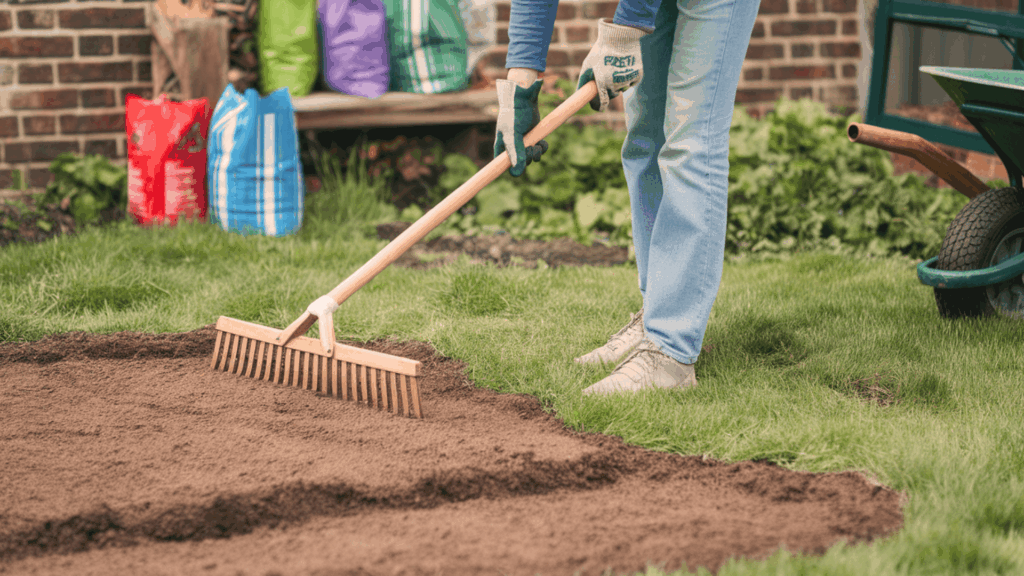
For better results, aerate the lawn or add a light layer of soil before seeding. Aerating creates small holes that allow water, air, and nutrients to reach deeper into the soil.
These openings also give seeds a place to settle instead of washing away.
Top dressing means spreading a thin layer of high-quality, weed-free lawn soil or triple mix over the area.
This step improves seed-to-soil contact, helps retain moisture, and supports early root growth, leading to stronger and more even grass during establishment.
Step 4: Spread the Seed Evenly
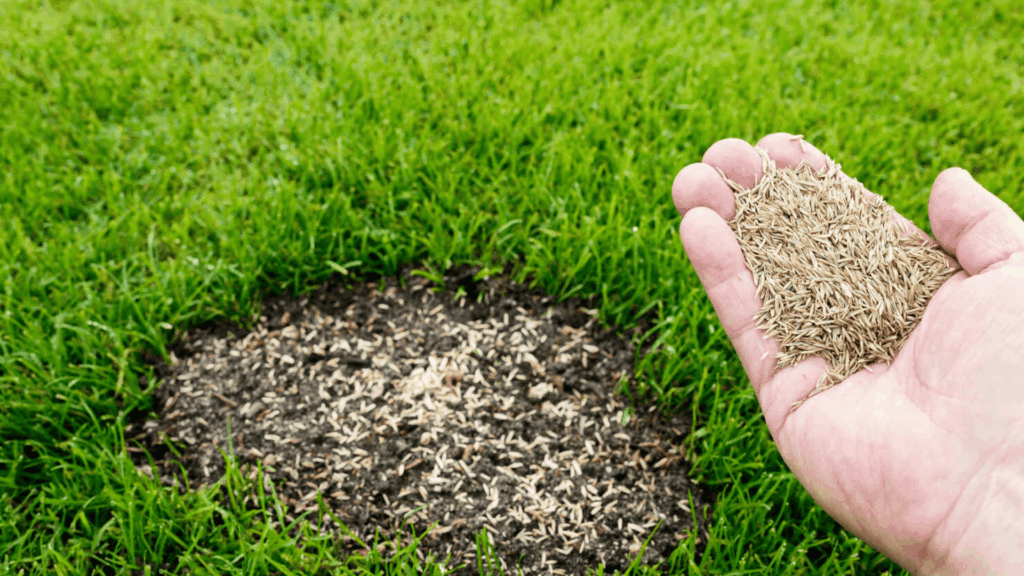
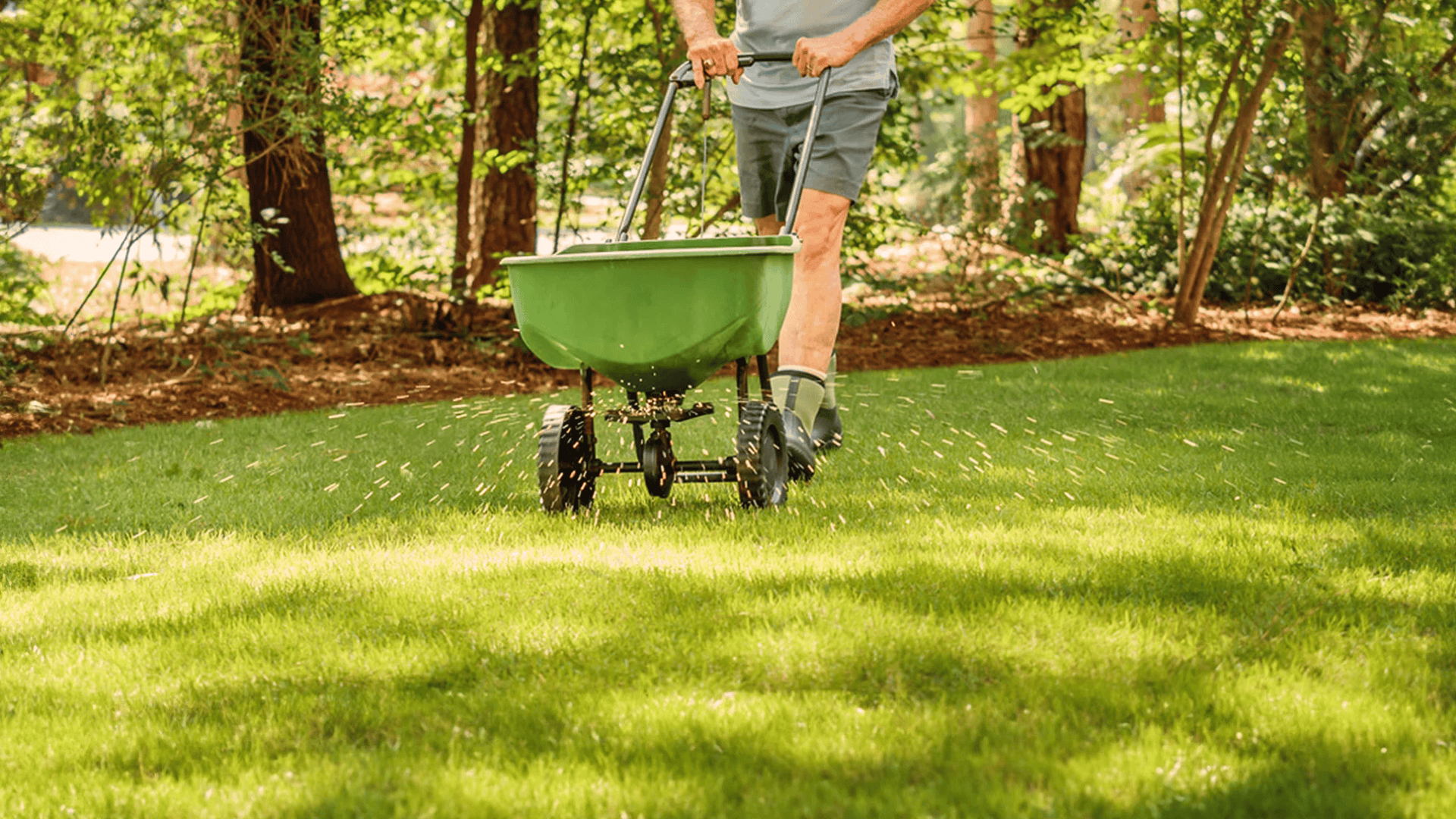
Use a broadcast spreader to spread seed evenly across the lawn for consistent coverage.
Follow the application rate listed on the seed bag, since using too much seed can cause overcrowding and weak growth.
Walk at a steady pace and slightly overlap each pass to avoid missed strips. For small areas, spreading by hand can work, but take care to distribute the seed evenly.
Proper seed placement helps grass grow at the same rate and reduces patchy spots as the lawn fills in.
Step 5: Water and Keep the Soil Moist
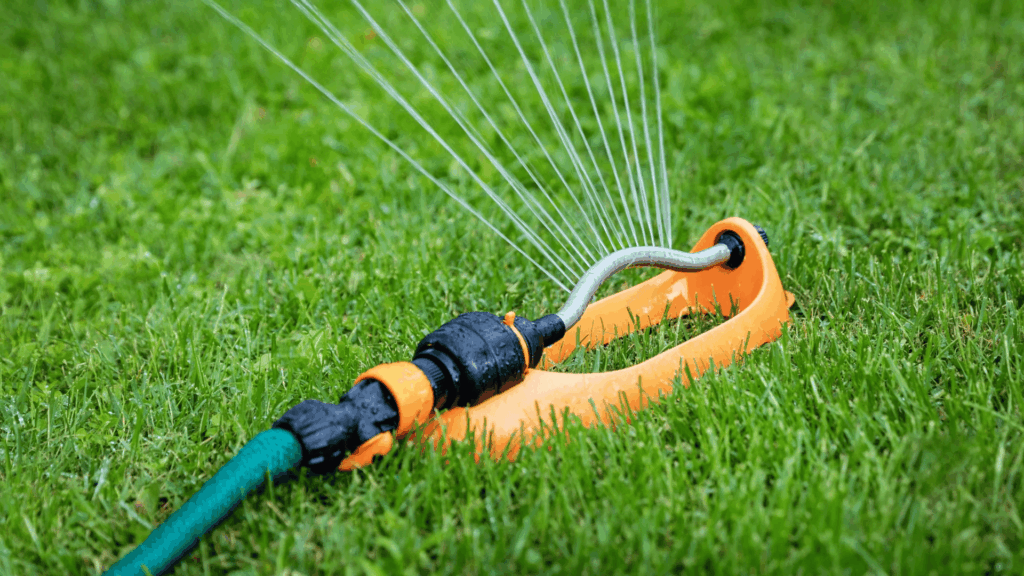
Water the lawn right after seeding and keep the soil consistently moist until the seeds fully germinate.
Light, frequent watering works better than soaking the area. Letting the soil dry out, even for one day, can reduce germination and slow growth.
Avoid heavy watering that could wash seeds away.
Continue gentle watering until new grass is established, then slowly reduce frequency as roots grow deeper into the soil.
This tutorial is based on a helpful video by Lowe’s Home Improvement. You can check out the original video on their YouTube channel here or watch it below.
Tips for Reseeding and Overseeding Success
Small details can make a big difference once the seed is down. Paying attention during the first few weeks helps new grass grow evenly and stay strong.
- Keep the soil slightly moist at all times, especially during germination
- Water lightly and often instead of soaking the area
- Stay off the lawn until the new grass is well rooted
- Avoid mowing until the grass reaches the right height
- Use a starter fertilizer only if the soil needs it
- Watch the weather and protect the seed from heavy rain
- Fill thin or bare spots again if growth looks uneven
What Homeowners Recommend for Reseeding a Lawn?
Reseeding a damaged lawn works best when you focus on timing, prep, and seed quality.
Many homeowners on Reddit share that rushing the process leads to weak results. For areas like the south suburbs of Chicago, late April through May is usually safer than early spring because soil temperatures stay more stable.
Spring seeding can work, but weed pressure is higher. Start by dethatching and raking to remove dead grass so the seed can reach the soil.
Aerating helps water and nutrients soak in and gives the seed space to settle.
Fill holes from pets or foot traffic and lightly tamp the soil to level the surface. Choose high-quality grass seed that matches your sun and shade conditions.
After seeding, water consistently for the first few weeks, and blocking pets during early growth helps the grass establish faster.
Best Time to Reseed or Overseed a Lawn
The best time to reseed or overseed a lawn depends on the type of grass and the weather.
Early fall works best for most cool-season grasses because the soil stays warm while the air cools down. This helps seeds grow strong roots before winter.
Weeds are also less active during this time, so new grass has more space to grow.
Spring can work too, but timing matters. Seeds need mild temperatures and steady moisture, and weeds may compete with new growth.
For warm-season grasses, late spring to early summer is the right window. The soil needs to stay warm for seeds to sprout. Avoid seeding during heat waves or before heavy rain.
Calm weather and moist soil give grass the best chance to grow evenly and stay healthy.
Reseeding vs Overseeding: What’s the Difference
Both methods improve lawn growth, but they are used in different situations. Choosing the right one depends on how much grass you still have and the condition of the soil.
|
Feature |
Reseeding |
Overseeding |
|
Purpose |
Replaces large bare or dead areas |
Thickens thin or patchy grass |
|
Existing Grass |
Usually removed or very thin |
Kept in place |
|
Soil Prep |
More prep needed |
Light prep is enough |
|
Amount of Seed |
Higher amount used |
Lower amount used |
|
Best For |
Lawns with major damage |
Mostly healthy lawns |
|
Time Needed |
Takes longer to fill in |
Faster visible improvement |
|
Skill Level |
Requires more effort |
Easier for beginners |
Common Reseeding and Overseeding Mistakes
Many lawn problems come from small steps that get skipped or rushed. Paying attention early can save time, seed, and effort later.
- Skipping soil prep and spreading seed on hard ground
- Using too much seed and crowding new growth
- Letting seeds dry out during the first two weeks
- Watering too heavily and washing seeds away
- Mowing too soon after seeding
- Walking on the lawn before the roots are established
- Seeding during extreme heat or heavy rain
Conclusion
A healthier lawn comes down to a few clear steps. Start by choosing the right method, gathering your supplies, and preparing the soil with care.
Spread seed evenly, keep the area moist, and give new grass time to settle before mowing or walking on it.
Timing matters just as much as technique, so planting during the right season makes a big difference in how well the grass grows.
You do not need special skills. With steady care, thin spots can fill in, and the lawn can look full again.
Take it one step at a time and adjust as needed based on what you see.
If you have reseeded or overseeded before, share what worked for you in the comments below. Your experience may help someone else get better results.