

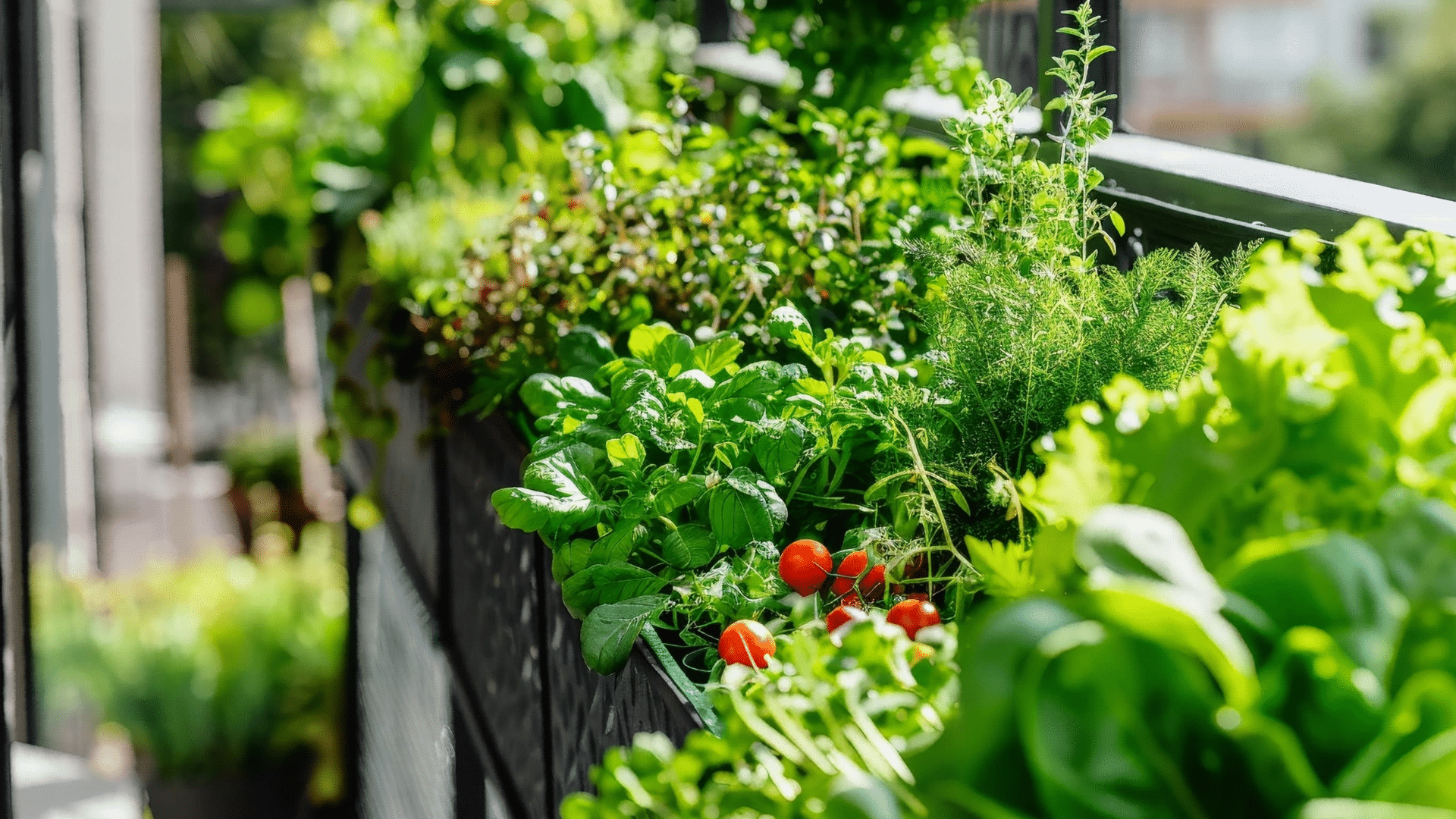
Growing your own food does not always need a backyard or years of experience. An indoor vegetable garden is a simple way to grow fresh produce at home, even if you are just starting out.
It works well for small spaces, apartments, and busy routines.
You can control the light, water, and care, which makes learning easier and less stressful.
This guide walks you through everything step by step. You will learn what supplies you need, how to set up your plants, and which vegetables are best for indoor growing.
It also covers basic care, daily habits, and common mistakes beginners often make.
By the end, you will know how to start with confidence and keep your plants healthy.
Whether you want fresh herbs, leafy greens, or simple vegetables, this article helps you grow food indoors the easy way today.
Why Start an Indoor Vegetable Garden?
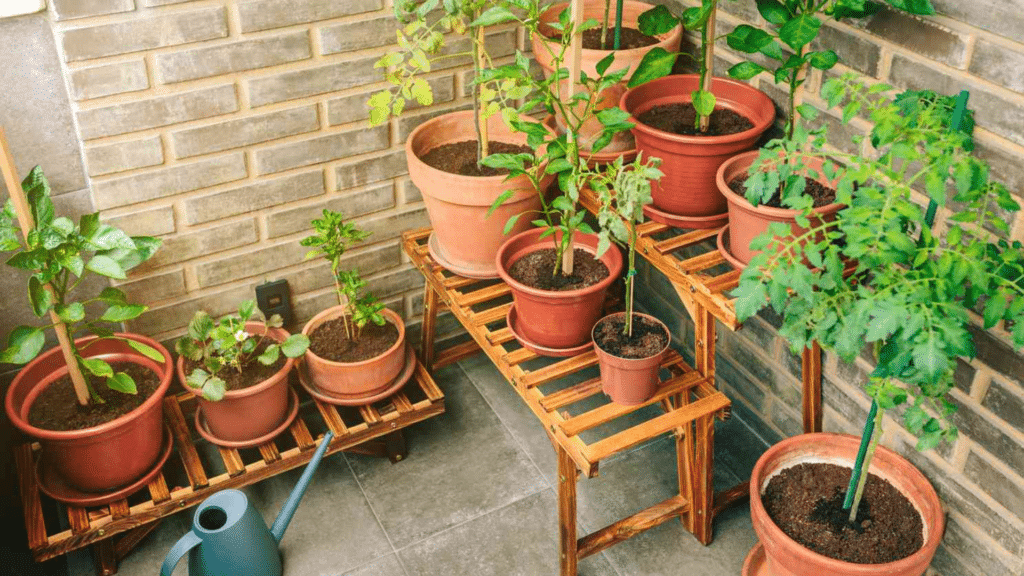
Starting an indoor vegetable garden makes sense for beginners because it keeps things simple and manageable.
You can grow food at home without needing a yard, which is helpful for apartments or small spaces. Indoor gardening is also about convenience.
Your plants stay close, so watering, checking growth, and daily care take only a few minutes.
Another big reason is fresh produce. You can pick vegetables when you need them, which saves store trips and reduces waste.
Indoor gardens are also space-saving. A windowsill, shelf, or small corner is often enough to get started.
Many beginners also like that indoor gardening allows year-round growing.
You are not limited by seasons or weather changes. This steady setup helps beginners learn faster, fix mistakes early, and build confidence without feeling overwhelmed or rushed.
What You Need to Start an Indoor Vegetable Garden?
These basics help you get started without making things complicated. You do not need special tools or expensive setups in the beginning.
- Containers or pots: Use pots with drainage holes so extra water can escape. Small containers work well for herbs and leafy greens.
- Soil or potting mix: Choose a light potting mix made for indoor plants. It holds moisture well and helps roots grow strong.
- Seeds or starter plants: Seeds cost less and give more choice. Starter plants grow faster and are easier for first-time gardeners.
- Light source: A sunny window works for many plants. Grow lights help if natural light is limited.
- Watering basics: Water when the soil feels dry on top. Avoid soaking the soil every time.
How to Start an Indoor Vegetable Garden as a Beginner?
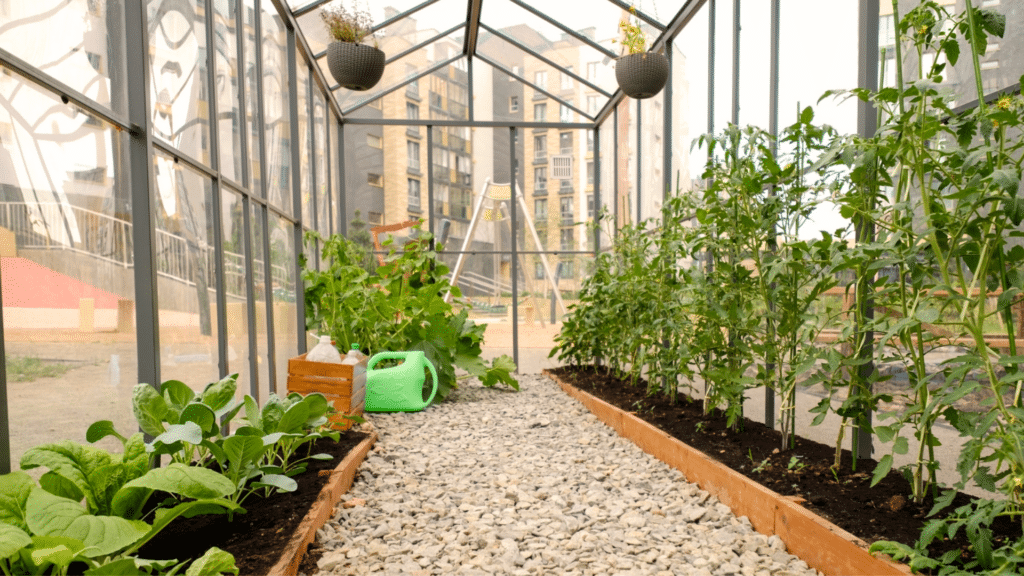
Starting small and following a clear setup process makes indoor gardening less confusing. These steps help beginners build confidence and avoid common mistakes early on.
1. Choose the Right Spot Indoors
Start by choosing a spot in your home that gets steady light throughout the day. A sunny window often works well for beginners and keeps things simple.
If your space does not get enough natural light, a small grow light can support healthy plant growth.
Pick a place that is easy to reach so watering and checking plants become part of your daily routine. Avoid spots near cold drafts, heaters, or air vents.
A stable location helps plants grow evenly and lowers early problems.
2. Pick Containers and Prepare the Soil
Choose containers that have drainage holes so extra water can flow out easily.
This reduces the risk of root issues caused by soggy soil. Fill each container with a light potting mix made for indoor plants.
Avoid using garden soil because it holds too much moisture indoors and can slow growth. Leave some space at the top of the pot to prevent spills when watering.
A proper container and soil setup gives plants a strong base and supports steady, healthy growth.
3. Plant Seeds or Starter Plants
Follow the seed packet instructions for planting depth and spacing to give seeds enough room to grow.
Place seeds gently into the soil and cover them lightly without pressing down too hard. If you are using starter plants, loosen the roots a bit before placing them in the pot.
Water lightly after planting to help the soil settle around the roots. Keep the soil slightly moist, not soaked.
This early care helps plants adjust and start growing without stress.
4. Set up Light and Watering
Place your plants where they can get light for several hours each day. A bright window or a grow light works well.
Turn the pots every few days so all sides receive light and plants grow straight. Water only when the top layer of soil feels dry when you touch it.
Pour water slowly until it drains from the bottom of the pot. Do not follow a fixed watering schedule.
Watching soil moisture closely helps avoid overwatering and keeps roots healthy over time.
5. Watch Growth and Make Small Adjustments
Check your plants each day for new leaves and changes in color. Yellow leaves or slow growth can point to light or water problems.
If plants look weak, move them closer to a light source.
Trim dead or damaged leaves so the plant can focus on new growth. Make small changes instead of big ones and give plants time to respond.
Paying attention to these signs helps you learn faster, build confidence, and grow healthier vegetables indoors over time.
Indoor Vegetable Gardening Tips for Healthy Growth
Small habits can make indoor vegetable gardening easier and more rewarding. Paying attention to daily details helps plants stay strong and grow better.
- Consistent watering habits: Water plants only when the topsoil feels dry. This helps avoid root problems caused by too much moisture.
- Proper light exposure: Make sure plants get enough light each day. Rotate pots often so all sides grow evenly.
- Spacing plants correctly: Give each plant enough space to spread and grow. Crowded plants compete for light and nutrients.
- Watching for early signs of problems: Look for yellow leaves or slow growth. Early action helps prevent bigger issues later.
How to Care for an Indoor Vegetable Garden Daily?
Caring for an indoor vegetable garden each day does not take much time. Start by checking moisture levels using your finger to feel the top soil.
Water only when it feels dry. Next, look at your plants and adjust light placement if leaves lean or stretch.
This keeps growth even. Follow basic feeding routines by using a mild plant food every few weeks, not daily. Too much feeding can slow growth.
Take a moment to keep plants clean and tidy by removing dead leaves and wiping dust from healthy ones.
These small tasks help plants breathe better and stay strong. A few minutes of daily care helps you spot issues early and keeps your indoor vegetables growing well without stress.
Common Indoor Vegetable Gardening Mistakes
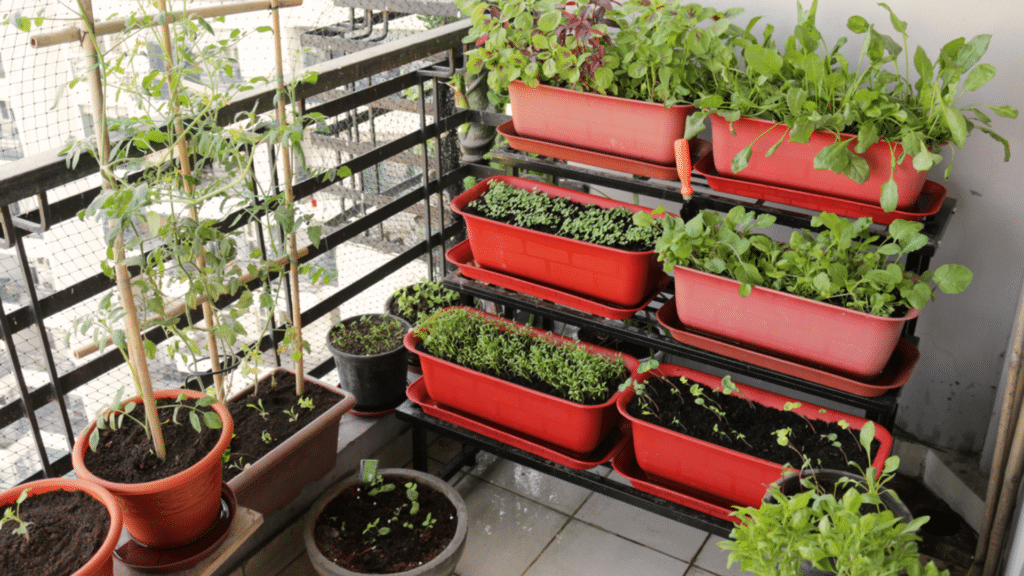
Many problems start small and are easy to fix when noticed early. Knowing what to avoid helps plants grow better and saves time.
- Overwatering plants: Too much water can cause root problems and slow growth. Always check the soil before watering.
- Not giving enough light: Weak light leads to thin stems and pale leaves. Plants need steady light to grow well.
- Using the wrong soil: Heavy garden soil holds too much moisture indoors. A light potting mix works better.
- Crowding plants together: Plants placed too close together compete for light and nutrients, which affects growth.
- Ignoring early warning signs: Yellow leaves or slow growth should be checked right away to prevent bigger issues.
What Do Reddit Users Say About Growing Vegetables Indoors?
Reddit users often say indoor vegetable gardening is possible, but it comes with limits. Many beginners mention living in small apartments and wanting to grow food without an outdoor space.
A common point is that space matters, so people suggest starting small or using vertical setups.
Users also stress that lighting is important. A sunny window can work, but grow lights help a lot, especially in winter.
Several comments point out that some crops do better indoors than others. Leafy greens, herbs, and green onions come up often as easier wins.
Larger crops like potatoes or beans may need compact varieties. Another key takeaway is start simple.
Many users say success came from easy plants and basic care, not expensive gear. Overall, Reddit advice leans toward patience, low expectations at first, and learning through small experiments.
Conclusion
Starting an indoor vegetable garden may feel new at first, but it is easier than it seems.
You do not need a big space, special tools, or years of experience to grow something you can enjoy.
With a little patience and daily care, small wins start to add up. Watching seeds turn into fresh food is rewarding in a quiet, simple way.
Mistakes will happen, and that is part of learning. Each plant teaches you something useful.
The key is to start small, stay consistent, and enjoy the process instead of rushing results. Indoor vegetable gardening is about progress, not perfection.
If you have tried growing vegetables indoors or plan to start soon, share your experience or questions in the comments below. Your story might help someone else take their first step.