

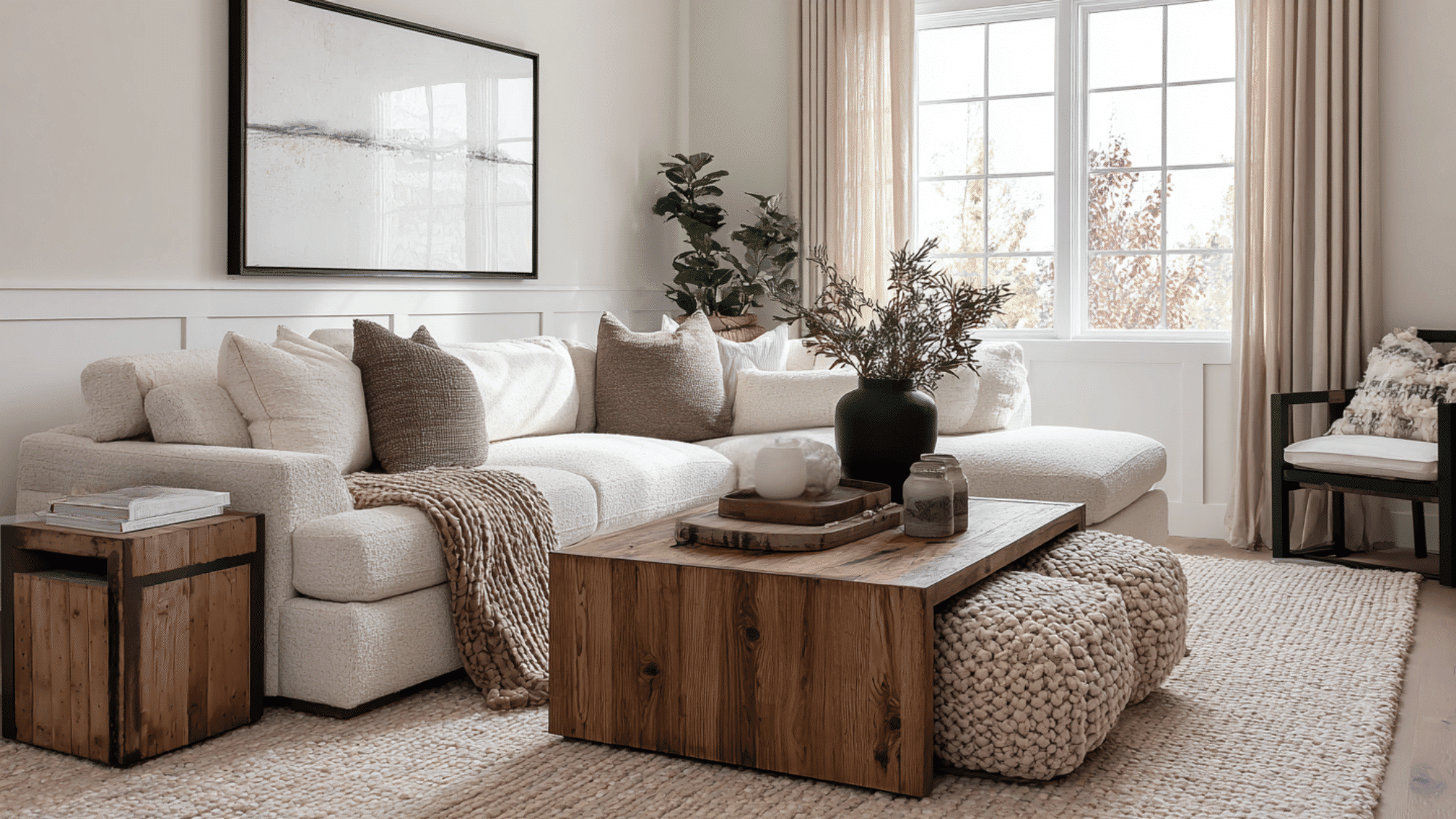
Texture in interior design plays a big role in how a room looks and feels, and it’s often the secret behind a space that feels warm, interesting, and complete.
When someone understands the basics of interior design texture, it becomes easier to mix materials in a way that feels natural and not confusing.
For beginners, texture helps bring life to simple rooms by adding depth, comfort, and personality.
In this blog, readers will learn how texture works, why it matters, and how to use it to make any room feel better and more balanced.
Why is Texture Important in Interior Design?
Texture refers to the way a surface looks and feels. It helps people understand whether something is soft, rough, smooth, bumpy, or anything in between.
There are two main types of texture: visual and tactile, working together to add depth, interest, and balance to any space.
Tactile Texture
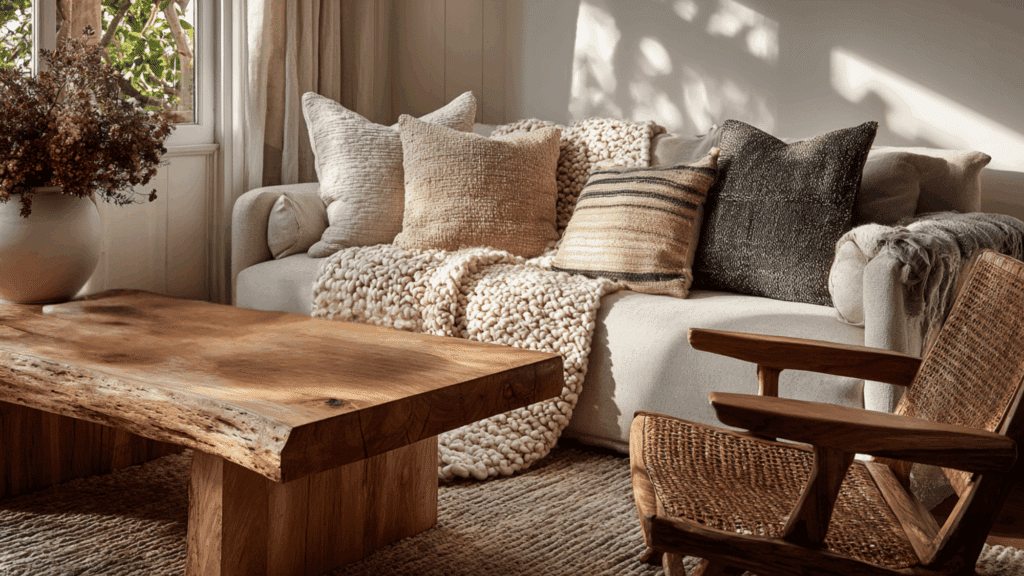
Tactile texture refers to surfaces people can actually touch and feel, and it plays a key role in how comfortable a room feels.
Natural-fiber details add hands-on texture, creating a room that feels real, layered, and inviting, making the space more enjoyable to live in. Such as:
- Linen: Light, breathable fabric that adds soft, natural texture.
- Rattan: Woven material bringing warmth and a relaxed, organic feel.
- Wool: Cozy, thick fiber that adds warmth and plush comfort.
Visual texture
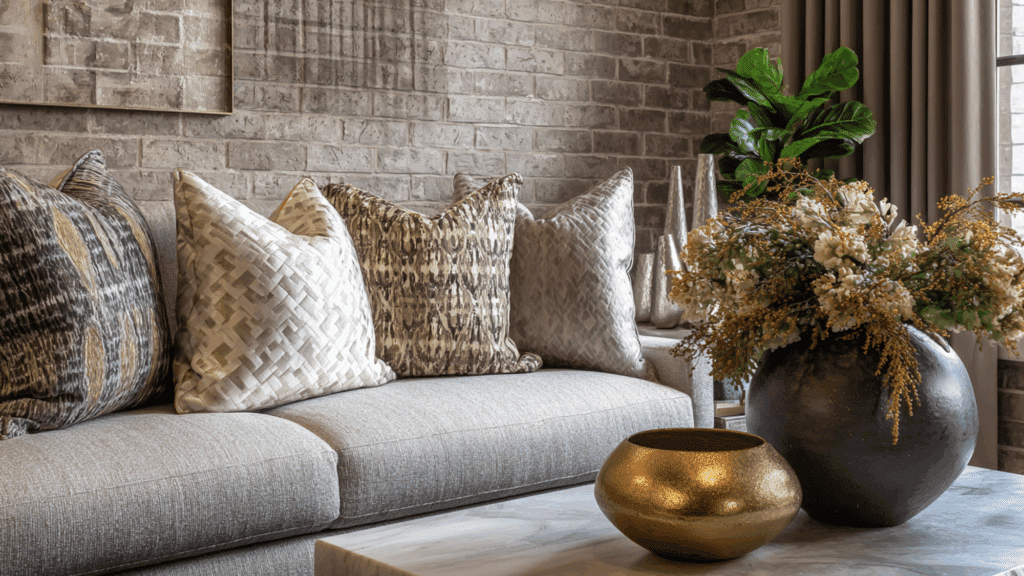
Visual texture is all about how a surface looks, even before someone touches it. Patterned fabrics, like stripes or florals, create interest through design alone.
Light reflection also plays a role; shiny, matte, or glossy surfaces change how the eye reads depth. Faux textures such as:
- Printed brick: Creates a realistic brick look without bulk, adding visual depth.
- Textured wallpaper: Adds pattern and dimension, making walls appear richer and layered.
How to Use Texture in Interior Design
Using textures helps create balance, depth, and personality. Simple choices can instantly change how a room feels and functions.
1. Layer Soft and Hard Textures
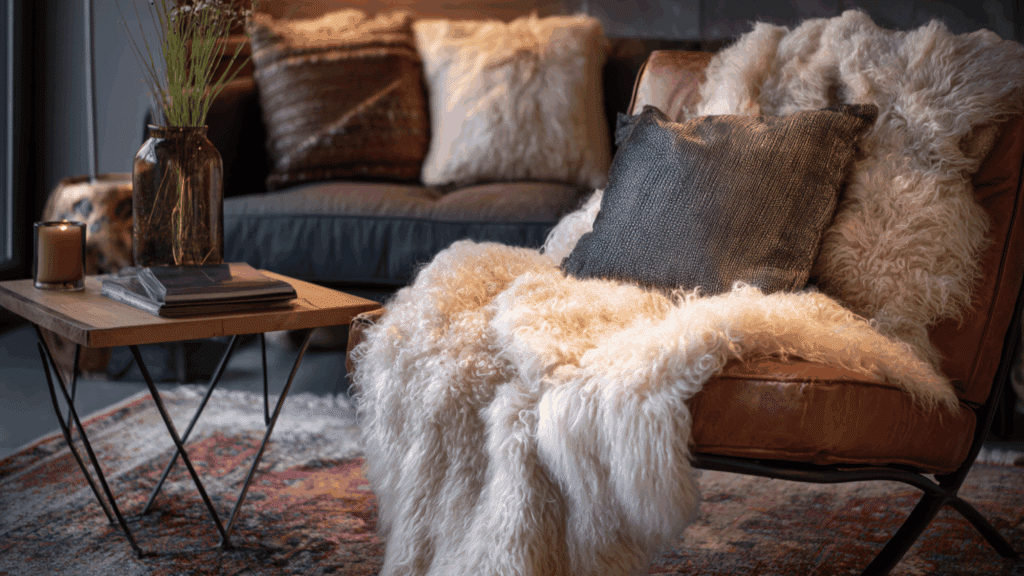
Layering soft and hard textures keeps a room balanced and engaging. Pair plush throws or cushions with metal lamps, glass tables, or sleek sideboards.
Combine a soft rug with a solid-wood coffee table the create a cozy yet structured space.
This mix prevents the room from feeling either too cold or overly cushy. Aim for roughly equal amounts of soft and hard elements, so comfort and definition work together.
2. Combine Natural and Manufactured Materials
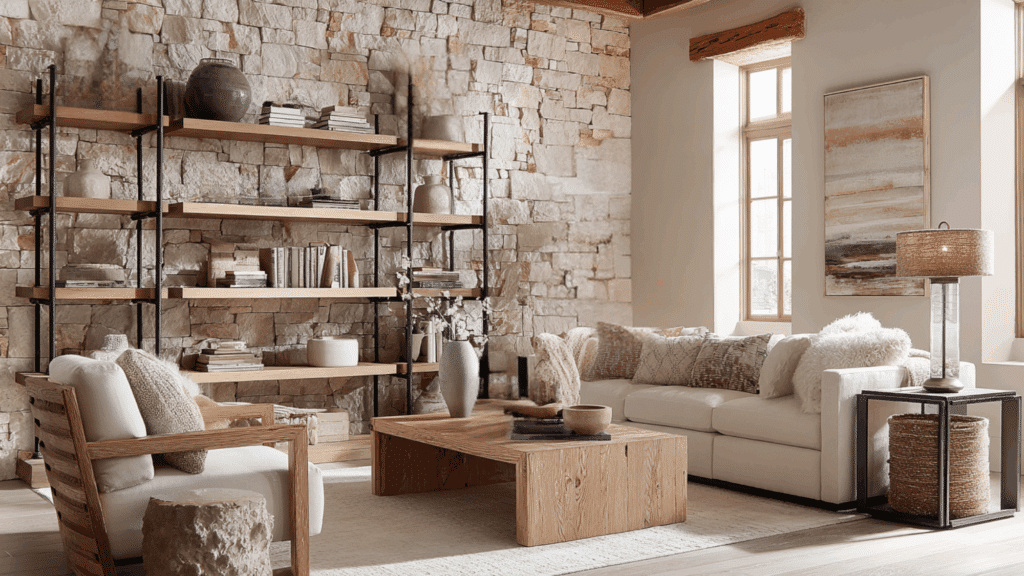
Using both natural and manufactured materials helps create a well-rounded look.
Natural elements like wood, cotton, and stone add warmth, while manufactured surfaces like metal, glass, or acrylic bring a modern touch.
When blended, they prevent the room from leaning too rustic or too industrial, creating a smooth, balanced feel that works in many design styles.
3. Mix Large-Scale and Small-Scale Textures
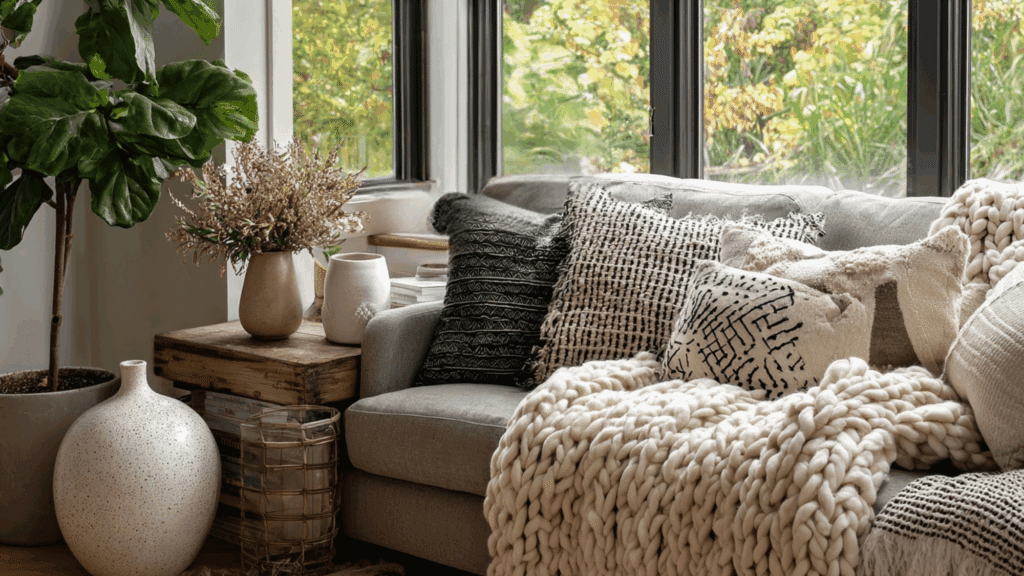
Combining large-scale and small-scale textures creates a room that feels layered and dynamic. Bold elements like chunky knit blankets, large woven baskets, or textured wall panels create a strong visual impact.
Pair them with smaller details such as fine-patterned pillows, smooth ceramics, or subtle weaves.
This range of texture sizes keeps the eye moving without overwhelming the space. It adds richness and depth, making the room feel thoughtfully finished and visually complete.
4. Use One Dominant Texture to Anchor the Room
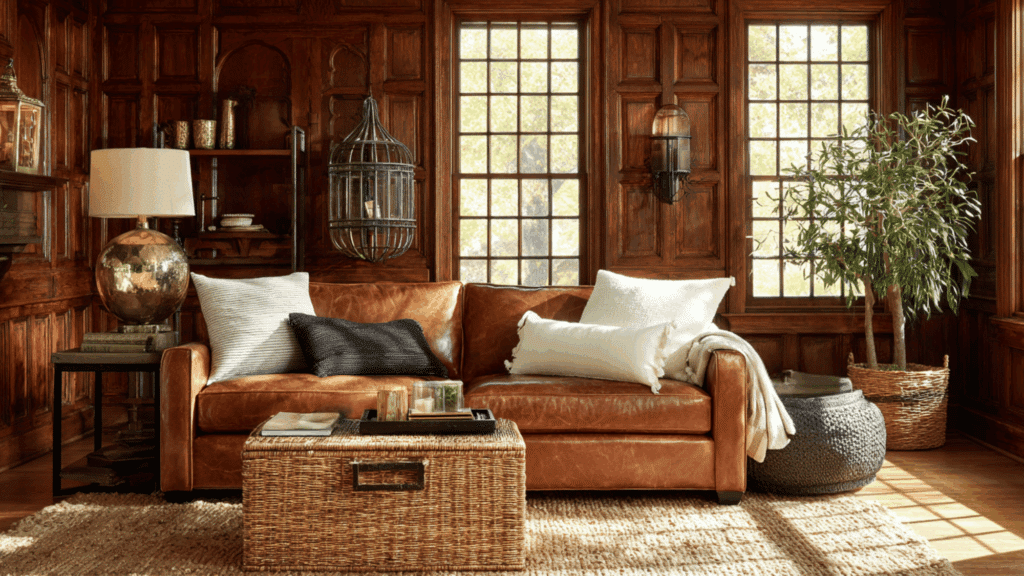
Choose one main texture, such as a leather sofa, a wood‑paneled wall, or a large woven rug, to act as the visual anchor for your space.
This “hero” texture sets the overall mood and style. Then layer in a few smaller, supporting textures through pillows, throws, decor, or side chairs.
Keeping one clear star and several backups prevents the room from feeling chaotic, helping everything look cohesive, intentional, and thoughtfully pulled together while still feeling rich and layered.
5. Add Texture Through Contrast
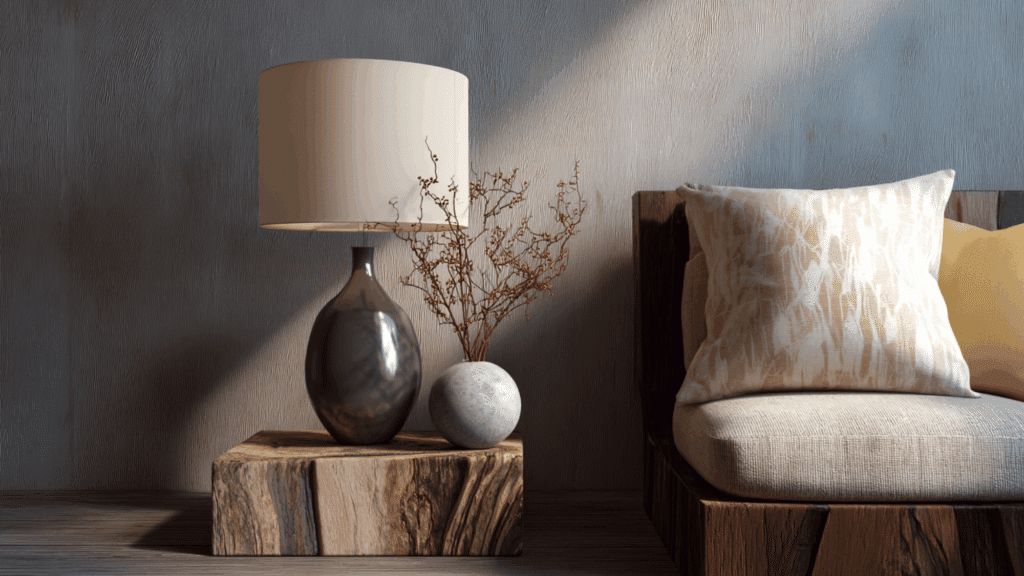
Contrast makes textures easier to notice without relying on bold color or busy patterns. Pair opposites like matte with glossy, rough with smooth, or soft with firm to create subtle tension and interest.
These pairings draw the eye naturally, making even simple rooms feel more layered, dynamic, and thoughtfully designed.
Start with one obvious contrast, then repeat it in small ways around the space so the look feels intentional, not random.
6. Use Texture to Set the Mood
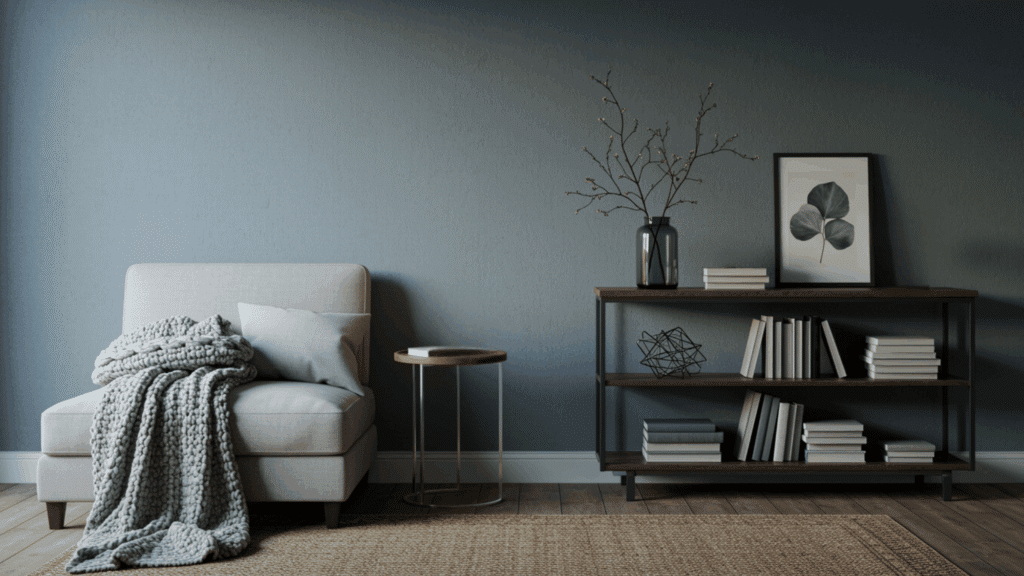
Texture strongly influences how a room feels the moment you walk in. Soft materials like knits, wool, and velvet make spaces feel warm, cozy, and inviting, perfect for living rooms or bedrooms.
Sleek textures such as glass, metal, or polished stone read modern and minimal, ideal for contemporary spaces.
Natural textures like jute, linen, and raw wood create a calm, grounded, organic vibe. Blending these intentionally lets you dial the mood from relaxed to refined.
7. Avoid Overloading the Space
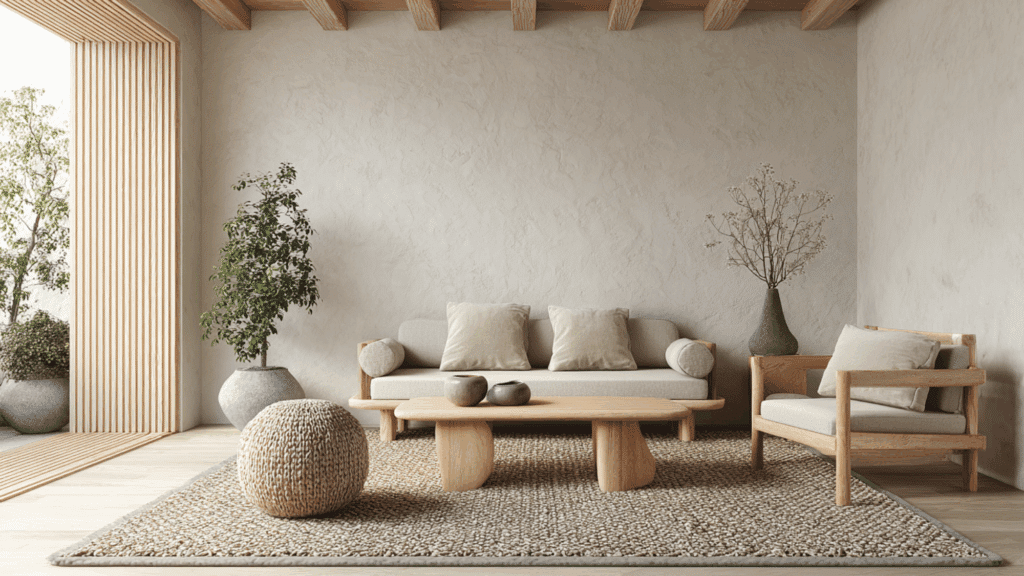
Using too many textures at once can quickly make a room feel noisy and cluttered rather than stylish.
Choose one dominant texture: leather, wood, or a chunky weave, and support it with just a few complementary textures.
This balance keeps the space interesting but not overwhelming, helping the design feel cohesive, comfortable, and easy to live in.
Common Mistakes to Avoid When Using Texture
Using texture the wrong way can make a room feel unbalanced. Knowing common mistakes helps create a space that feels comfortable and well-designed.
- Using only one type of texture: Relying on a single texture makes a room feel flat and lacks depth or visual interest.
- Overloading with too many textures: Too many textures create clutter, making the space feel overwhelming rather than balanced and comfortable.
- Forgetting visual texture: Skipping it leaves the room looking plain, even when tactile surfaces are present. Patterns help add a subtle dimension.
- Ignoring how lighting affects texture: Poor lighting hides texture details, while good lighting highlights them, making the room feel richer and more dynamic.
- Not considering comfort and practicality: Some textures look great but feel uncomfortable or require high maintenance, reducing the everyday usability of the space.
Conclusion
Texture in interior design plays an important role in bringing a room to life, making it feel complete and thoughtfully designed.
When someone understands how texture in interior design works, they can create spaces that feel comfortable, balanced, and visually appealing.
By mixing materials, paying attention to lighting, and choosing textures that improve the room’s mood, anyone can create a space that feels truly personal.
If the goal is warmth, calmness, or a modern touch, texture helps tie everything together.