

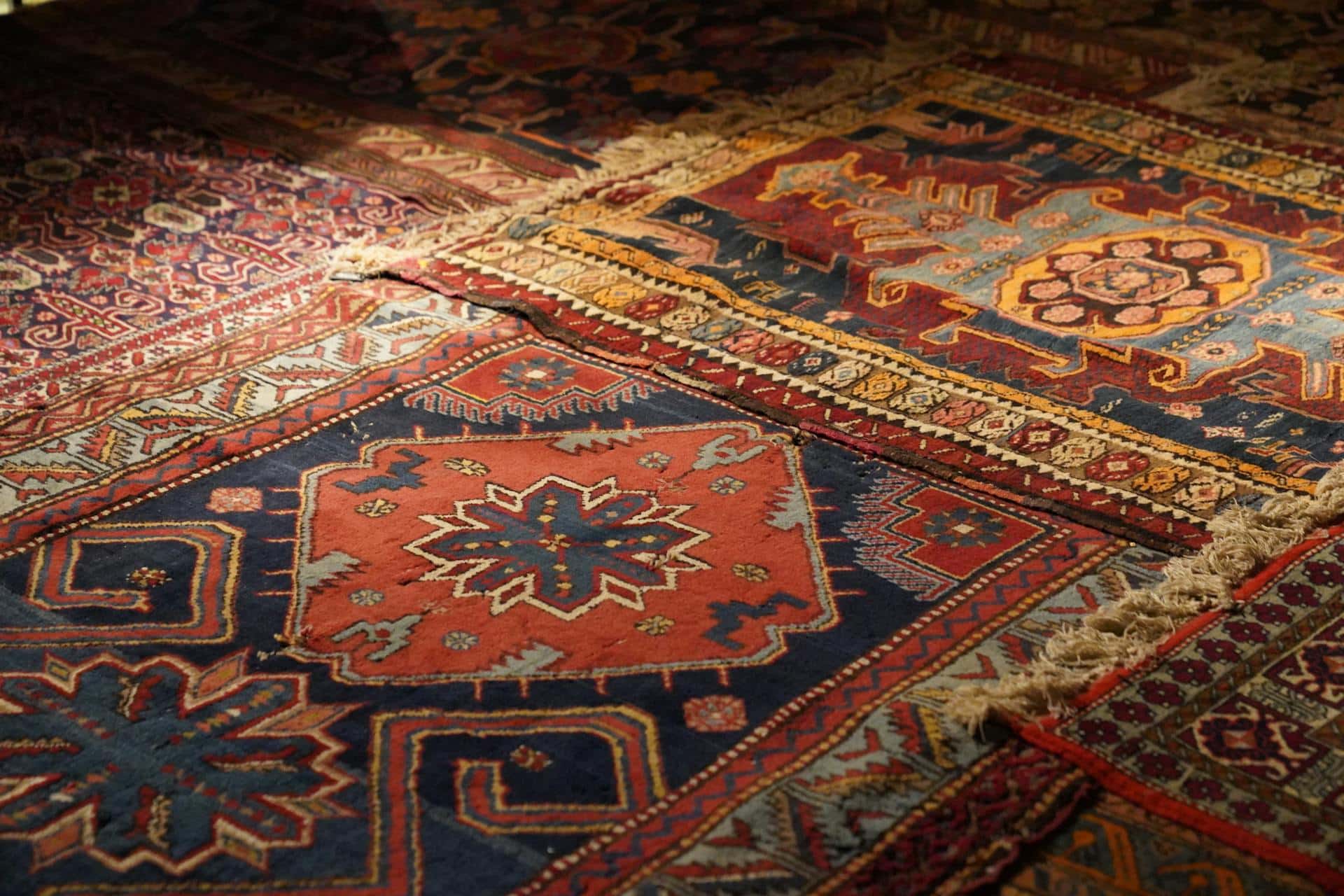
For interior designers, few decorative elements offer the transformative power of a well-chosen rug. But beyond aesthetics, antique rugs and vintage rugs represent something far more valuable: they’re tangible pieces of history that are appreciated over time while serving a functional purpose in your design projects.
If you’ve been treating rugs as mere floor coverings, it’s time to reconsider. The right antique or vintage rug isn’t just décor; it’s an investment-grade piece of art that can anchor a space, tell a story, and deliver financial returns that rival traditional investments.
Whether you’re sourcing from established galleries like SURENA RUGS or exploring auction houses, understanding what makes these textiles valuable is essential for making informed design decisions.
What Makes Antique and Vintage Rugs a Smart Investment?
Unlike mass-produced textiles that depreciate the moment they’re purchased, authentic handmade rugs often increase in value over time. The antique rugs investment market has shown consistent growth, with rare pieces appreciating 8-12% annually in recent decades.
Several factors drive vintage rugs value:
Scarcity and Authenticity: Many traditional rug-making techniques have disappeared or been simplified. Antique pieces represent craftsmanship that literally cannot be replicated today.
Market Demand: As awareness grows among collectors and designers, demand for authentic pieces continues to outpace supply, particularly for well-preserved examples.
Dual Purpose: Unlike fine art that hangs on walls, these pieces serve functional roles in interiors while maintaining investment value making them easier to justify to budget-conscious clients.
Inflation Hedge: Tangible assets like quality rugs have historically performed well during economic uncertainty, offering portfolio diversification for savvy collectors.
Key Differences Between Antique Rugs and Vintage Rugs
Understanding the distinction between antique vs vintage rugs is crucial for designers making informed purchases.
Antique Rugs are typically defined as pieces over 80-100 years old. These rugs often feature:
- Natural dyes derived from plants, minerals, and insects
- Hand-spun wool or silk
- Traditional tribal or regional patterns with cultural significance
- Visible signs of age that add character and authenticity
Vintage Rugs are generally 20-80 years old and represent a middle ground:
- May use a blend of natural and early synthetic dyes
- Often showcase mid-century design sensibilities
- Typically more affordable than true antiques
- Better availability in larger sizes
Both categories offer distinct advantages depending on your design goals and client budgets.
How Interior Designers Use Rugs to Create Timeless Spaces
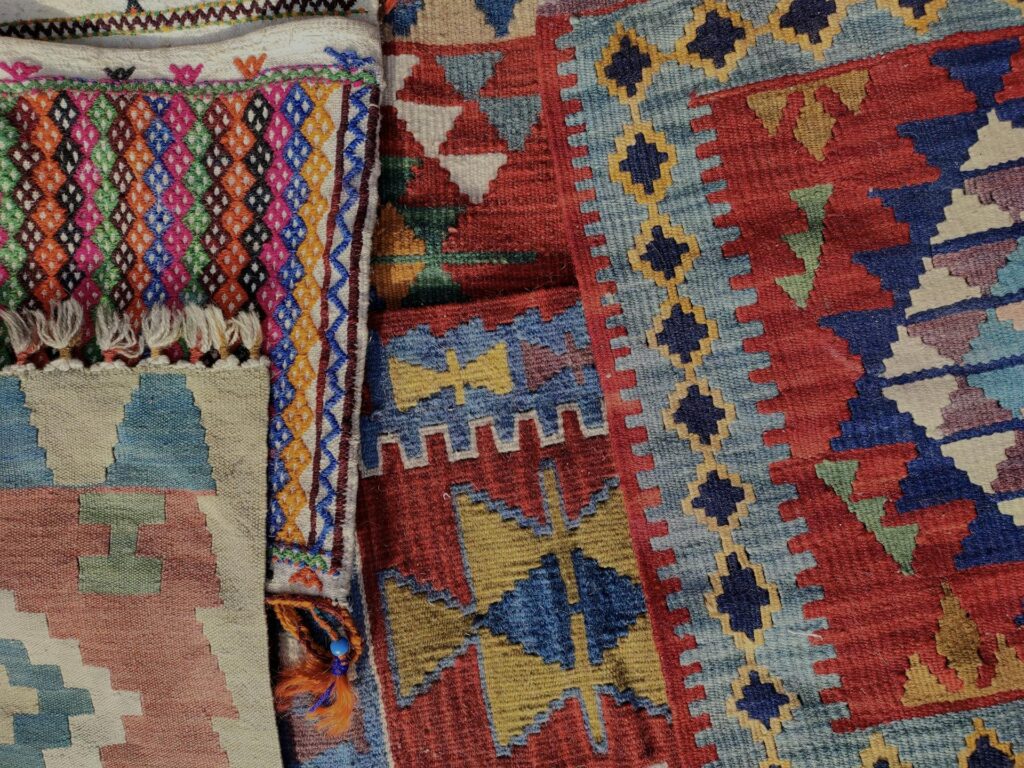
The most successful interior design rugs serve as foundational elements that ground a space while allowing flexibility in other design choices. Here’s how leading designers leverage antique and vintage pieces:
Establishing Color Palettes: Rather than choosing a rug to match existing décor, sophisticated designers select the rug first and pull accent colors from its naturally aged patina. This creates cohesive, organic color stories.
Creating Focal Points: A museum-quality antique rug immediately elevates a room’s perceived value and becomes a conversation piece that reflects the homeowner’s sophistication.
Mixing Eras Successfully: Timeless interiors often juxtapose antique textiles with contemporary furniture. A 19th-century Persian rug beneath a modern Saarinen table creates visual tension that feels curated, not dated.
Adding Texture and Depth: The natural abrash (color variation) in handmade pieces adds complexity that flat, uniform modern rugs can’t replicate.
What Designers Should Look for When Buying Antique Rugs
Buying antique rugs requires a trained eye and knowledge that protects both your reputation and your clients’ investments. Prioritize these factors:
Structural Integrity: Check the foundation. Turn the rug over and examine knot density, uniformity, and whether the foundation threads are intact. Avoid pieces with dry rot or significant foundation damage.
Rug Quality Indicators:
- Knot count (measured in knots per square inch)
- Consistency of weaving
- Symmetry of pattern
- Selvage and fringe condition
Provenance and Documentation: Reputable sellers should provide information about origin, approximate age, and any restoration history. This documentation becomes crucial if clients later decide to sell.
Natural vs. Synthetic Dyes: Burn test a tiny fiber if possible. Natural dyes fade beautifully over time; synthetic dyes can look harsh as they age.
Appropriate Sizing: Always measure twice. Antique rugs in oversized dimensions (10×14 and larger) command premium prices due to their scarcity but are essential for grand spaces in luxury homes.
The Role of Craftsmanship, Materials, and Age in Rug Value
Understanding what drives value helps designers make smart purchasing decisions.
Craftsmanship: The finest handmade rugs can contain over 1,000 knots per square inch and represent thousands of hours of labor. This level of detail is immediately visible in the intricacy of patterns and quality of execution.
Rug Materials Matter:
- Wool: The gold standard. High-quality wool has natural lanolin that resists staining and adds luster.
- Silk: Commands premium prices. Used for highlight details or entire rugs in the finest pieces.
- Cotton: Typically used for foundation warp and weft threads in Persian rugs.
Rug Age Considerations: While older isn’t always better, age correlates with certain desirable characteristics. Pre-1920s pieces often feature superior natural dyes and traditional techniques that create depth modern pieces lack.
Popular Antique and Vintage Rug Styles Designers Love
Different styles suit different design aesthetics. Here are perennially popular choices:
Persian Rugs: The pinnacle of rug artistry. Tabriz, Isfahan, and Kashan rugs feature intricate floral motifs and medallion designs that work beautifully in traditional and transitional spaces.
Oushak Rugs: These Turkish rugs feature softer color palettes with muted golds, corals, and blues. Their gentle abrash makes them incredibly versatile for contemporary interiors.
Tribal Rugs: Including Caucasian, Kurdish, and Baluchi pieces. Geometric patterns and bold colors create striking focal points in eclectic or bohemian-inspired spaces.
Oriental Rugs: A broad category encompassing Chinese, Turkish, and Central Asian pieces. Vintage Oriental rugs often feature distinctive motifs that immediately identify their origin.
Moroccan Rugs: Though typically younger vintage pieces, Beni Ourain and Azilal rugs have become designer favorites for their minimalist aesthetic and neutral palettes.
How to Care for Antique and Vintage Rugs to Preserve Value
Proper rug care protects your clients’ investments and maintains the beauty that makes these pieces special.
Regular Maintenance:
- Vacuum weekly using suction only (never beater bars)
- Rotate rugs every 6-12 months to ensure even wear
- Use quality rug pads to prevent slipping and reduce wear
Professional Antique Rug Maintenance:
- Hand-wash only never steam clean antique pieces
- Seek specialists experienced with natural dyes and delicate fibers
- Schedule professional cleaning every 3-5 years for residential use
Protection Strategies:
- Keep out of direct sunlight to prevent fading
- Address spills immediately with blotting, never rubbing
- Use furniture coasters under heavy pieces
- Avoid placing in high-moisture areas
When to Seek Restoration: Small repairs done early prevent larger problems. Address loose selvages, fraying ends, or small holes promptly through qualified restoration specialists.
When to Choose Antique Rugs vs Vintage Rugs for Design Projects
The antique vs vintage rugs interior design decision depends on multiple factors:
Choose Antique Rugs When:
- Clients have significant budgets and appreciate art-quality pieces
- Designing historically appropriate interiors (period homes, traditional estates)
- Investment value is a priority alongside aesthetics
- Smaller sizes work for the space (antique oversized rugs are rare and expensive)
Choose Vintage Rugs When:
- Budget is moderate but quality matters
- Designing mid-century modern or eclectic spaces
- Larger dimensions are needed at reasonable price points
- Clients want character without museum-level maintenance concerns
The Hybrid Approach: Many sophisticated interiors feature both. An antique Persian runner in the hallway and vintage Oushak in the living room creates layered interest while managing costs strategically.
Why Sourcing from a Reputable Rug Gallery Matters
Your reputation depends on the authenticity and quality of pieces you specify. Working with established galleries that specialize in handknotted Persian rugs and antique collectibles provides crucial advantages:
Expert Authentication: Reputable dealers have the expertise to distinguish genuine antiques from artificially aged reproductions, a growing problem in the market.
Designer Services: The best galleries offer virtual consultations, allowing you to preview pieces for specific projects without traveling. They understand designer needs for documentation, imagery, and flexible viewing arrangements.
After-Sale Support: Local cleaning and repair services ensure your clients can maintain their investments properly. This ongoing relationship protects the pieces you’ve specified.
Return Policies: A 7-day return window for online purchases demonstrates confidence in quality and gives designers peace of mind when specifying pieces sight-unseen for remote projects.
Curated Inventory: Rather than wading through hundreds of mediocre pieces, designer-curated selections streamline the sourcing process, saving valuable time.
Galleries like SURENA RUGS that combine deep expertise in traditional rug-making with an understanding of contemporary design needs make the sourcing process seamless—offering authenticated pieces, comprehensive documentation, and the design support that busy professionals require.
Common Mistakes Designers Make When Investing in Rugs
Avoid these pitfalls that can undermine otherwise successful projects:
Sizing Errors: The most common mistake. Rugs that are too small make spaces feel disjointed. For dining rooms, ensure the rug extends at least 24 inches beyond the table on all sides to accommodate pulled-out chairs.
Prioritizing Condition Over Character: Some designers avoid pieces with visible wear, but appropriate patina often adds authenticity and charm. Understanding acceptable wear versus structural damage is key.
Ignoring Pile Direction: Antique rugs have a directional pile that affects color appearance. Always view rugs from the direction they’ll be seen in the space.
Overlooking Origin: Regional characteristics matter. A client wanting “a Persian rug” needs education about the vast differences between city workshops and tribal weavings.
Forgetting About Cleaning Logistics: Specify only what clients can properly maintain. A pale silk rug in a home with pets and children is a recipe for disaster.
How Antique Rugs Elevate Both Residential and Commercial Interiors
While residential applications are obvious, commercial spaces benefit enormously from quality antique and vintage textiles:
Boutique Hotels: Authentic pieces create memorable, Instagram-worthy spaces that generic carpeting can’t match. Each rug tells a story that enhances the guest experience.
Corporate Offices: Executive suites and reception areas furnished with investment-quality rugs signal success and attention to detail. They convey permanence in ways trendy décor cannot.
Luxury Retail: High-end boutiques use antique rugs to create residential-style environments that encourage browsing and justify premium pricing.
Restaurants: In upscale dining establishments, carefully selected vintage rugs add warmth and acoustic benefits while differentiating the space from competitors.
The key is selecting durable examples appropriate for commercial traffic while maintaining authenticity.
Long-Term Value: Rugs as Functional Art in Interior Design
The strongest argument for incorporating authentic antique and vintage rugs into your design practice is simple: they represent one of the few design elements that genuinely appreciate while being used daily.
Consider this: a $15,000 antique Persian rug specified for a client today could be worth $25,000 in fifteen years while providing beauty and function throughout that period. No sofa, light fixture, or wallpaper can make that claim.
For designers building portfolios of timeless, lasting interiors rather than trend-driven spaces, handknotted rugs from traditional rug-making regions offer unmatched value. They connect contemporary spaces to centuries of artistic tradition while serving as tangible investments.
Ready to source exceptional pieces for your next project? Whether you’re seeking large-scale Oushak rugs for a grand residence or rare tribal pieces for an eclectic interior, partnering with specialists who understand both investment value and design application ensures success.
SURENA RUGS offers the expertise, curated inventory, and designer-focused services you need from free shipping and virtual consultations to comprehensive documentation and after-sale support. Discover authenticated antique and vintage rugs that will look stunning now and appreciate for decades to come.