

Manufactured home roof replacement can feel like a big job, and I’ve seen many homeowners online worry about leaks, rising costs, and which materials actually hold up.
You may have the same questions, especially if you’re trying to plan a project without guesswork.
In this guide, I’ll walk you through the advice real owners share in forums, the materials people trust, and the costs you should expect.
You’ll see what signs point to a needed repair, when a full replacement makes sense, and how other homeowners approach DIY and contractor work.
My goal is to give you clear, practical tips so you can plan your roof project with confidence.
If your roof has early damage or is worn out, this guide will help you understand your options and make choices that fit your home.
How Much Does a Mobile Home Roof Replacement Cost?
A mobile home roof replacement usually costs $2,000–$11,000, depending on the roofing system you choose. Metal roofs sit on the higher end, while membrane or coated systems often cost less.
Larger homes lead to higher prices because you need more materials and labor.
Your location also plays a role since labor rates change from one area to another. Materials make up a big part of the total cost, but labor still adds a steady amount to the final price.
In community discussions, many homeowners share that they paid $3,000–$7,000 for a standard project.
Some spent more when choosing better materials or adding insulation.
These shared experiences can give you a clearer sense of what to expect before you start planning your own roof replacement.
Mobile Home Roof Replacement Costs by Roof Type
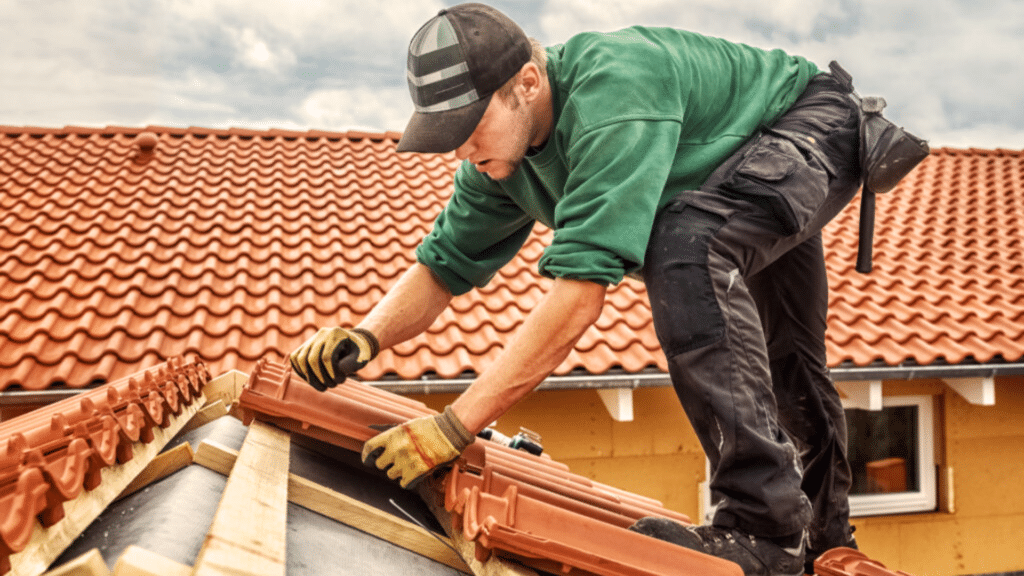
Different roofing materials come with different price ranges, lifespans, and maintenance needs. These simple breakdowns help you compare each option before starting your project.
1. Shingle Roof Replacement Costs
Shingle roof replacements often range from $2,000–$8,000, depending on home size and shingle quality.
Single-wide homes sit on the lower end, while double-wides cost more due to added labor and materials. Shingles are easy to install, but they may need more upkeep over time.
Many homeowners in forums report paying around $3,000–$5,000 for a basic shingle job.
Costs increase if the roof decking needs repairs or if you choose higher-grade shingles for better durability.
2. Flat Roof Replacement Costs
Flat roof replacements usually cost $1,500–$6,000, making them one of the more budget-friendly options.
Most flat roofs use membrane or coating systems, which can be applied quickly and work well for manufactured homes. Price changes based on the type of coating, number of layers, and prep work needed.
Homeowners say they paid between $2,000–$4,000 for a standard project.
Costs rise if the roof has soft spots, water damage, or if you choose thicker, longer-lasting materials.
3. Metal Roof Replacement Costs
Metal roof replacements often range from $3,000–$11,000, depending on panel type and home size. Metal systems last longer than shingles or coatings, which is why they cost more upfront.
Most of the homeowners choose metal because it reduces future maintenance and handles the weather well.
Forum discussions show common prices around $4,000–$8,000 for most homes.
Costs increase if you add insulation, choose heavier-grade panels, or need structural repairs before installation. This option offers strong long-term value.
What Homeowners Say About Mobile Home Roof Replacement?
Many homeowners on Reddit share that cost is one of the biggest concerns when replacing a mobile home roof, especially after sudden damage.
In one discussion, people recommended screw-down metal roofing as one of the cheapest long-lasting options, noting it can cost similar to shingles in some areas.
Others mentioned AG-panel or R-panel roofing for a low-budget fix.
Several users advised checking insurance first, since wind damage is often covered, even when the policy wording seems unclear.
For those without coverage, some suggested checking local aid programs or community groups for help.
Some shared their own costs, like paying around $5,800 for new shingles on a double-wide, giving readers a better sense of real pricing.
Overall, the advice shows that comparing materials, checking support programs, and reviewing insurance carefully can make replacement more manageable.
DIY vs Professional Roof Replacement: What to Know
Many homeowners compare both options before starting a roof project. These points make it easier to choose the approach that fits your skills, time, and budget.
| Option | What It Includes | Pros | Cons | When Homeowners Recommend It |
| DIY Roof Replacement | Doing the work yourself using basic tools and materials. | Lower labor cost, more control over the project, and good for small repairs. | Time-consuming, safety risks, harder for large or older roofs, and mistakes can lead to leaks. | Small repairs, confident skill level, clear instructions available. |
| Professional Roof Replacement | Licensed roofers handle materials, installation, and cleanup. | Proper installation, safer process, faster results, and warranties are often included. | Higher cost, contractor schedules may vary, and less control over the process. | Full replacements, structural issues, and metal roof installs, when you want long-term reliability. |
Signs Your Manufactured Home Roof Needs Replacing
Homeowners often notice a few early issues before roof damage becomes serious. These points can help you understand when repair won’t be enough for your home.
1. Leaks and Water Stains
Leaks are usually the first issue homeowners notice, often showing up as dark spots on ceilings or walls.
Many people online talk about leaks that return even after patching, which is a sign that the roof surface is breaking down.
When water keeps entering the same areas, it means the roof can no longer shed moisture the way it should. If stains keep spreading or sections stay damp, repairs may only delay the problem.
At that point, a full replacement is often the safer and more reliable fix.
2. Sagging or Soft Roof Decking
Sagging or soft spots are common concerns in homeowner forums and often signal deeper structural issues.
These weak areas usually come from long-term moisture damage, aging materials, or improper drainage. When the decking feels spongy or bows under pressure, repairs rarely hold up for long.
Many homeowners share that soft decking spreads faster than expected, making the roof unsafe and harder to fix.
A full replacement becomes necessary when the structure loses strength, helping protect the home from further damage.
3. Coating Failure and Surface Wear
On coated or rolled roofing systems, peeling, cracking, or thinning coatings are early signs of wear that homeowners mention often.
Once the coating fails, water can reach the layers beneath and cause leaks, swelling, or rot. Some owners try recoating, but it only works if the roof structure is still solid and the damage is minimal.
When large sections break down or repairs fade quickly, it usually means the material has reached the end of its lifespan.
In these cases, replacing the roof gives better long-term protection and fewer recurring issues.
Tips to Extend the Life of Your New Roof
Homeowners often share simple habits that keep a roof in good shape for years. These practical steps can help you avoid early wear and unexpected repairs.
- Clean gutters often so water drains away without backing up onto the roof.
- Check for loose fasteners, lifted edges, or small gaps after strong storms.
- Trim branches near the roof to prevent debris buildup and surface damage.
- Reseal or recoat the roof on the schedule recommended for your material.
- Watch for early signs of coating wear, cracking, or soft spots during routine checks.
- Keep home ventilation clear to reduce moisture under the roof.
- Get a professional inspection every few years if you’re unsure about potential problems.
Cost Considerations when Replacing a Mobile Home Roof
Many homeowners find that roofing costs vary more than expected. These points help you understand what affects the final price before planning your project.
1. Material Quality and Type
Material choice has one of the biggest impacts on total cost. Metal roofs cost more upfront but last longer, while shingle and coating systems are more affordable but may need earlier replacements.
Homeowners often mention that upgrading to better materials reduces future repairs.
The thickness, brand, and lifespan rating also change the price.
Even small differences in material quality can shift your budget, so comparing options carefully helps you avoid unexpected costs later.
2. Labor Rates and Installation Complexity
Labor costs vary based on your location and the skill level needed for the job.
Professional installers charge more for complex roofs, damaged decking, or older structures that need extra prep work.
Many homeowners say labor often accounts for half of the total price, especially on larger homes.
If the roof has sagging areas or structural issues, labor rates can rise quickly. Understanding how complexity affects installation helps you plan a more accurate budget.
3. Hidden Repairs and Extra Work
Hidden damage is one of the most common cost surprises shared in community discussions. Soft decking, water damage, and loose seams often appear once the old roof is removed.
These issues can add hundreds or even thousands to the project.
Some homeowners also choose extras like insulation upgrades or better ventilation, which increases the cost but improves long-term performance.
Factoring in a small buffer for unexpected repairs can prevent stress during the replacement process.
Mistakes to Avoid During Roof Replacement
Homeowners often share what went wrong in their past projects. These points can help you make better choices and avoid costly issues later.
- Hiring a contractor without checking licenses, reviews, or past work.
- Choosing the lowest bid without confirming material quality.
- Ignoring soft spots or sagging areas that need repair before installation.
- Using materials not suited for mobile homes or local weather conditions.
- Skipping ventilation checks can lead to moisture problems.
- Forgetting to ask about warranties for both materials and labor.
- Not reviewing the contract closely before the project starts.
Conclusion
Replacing a manufactured home roof is a big decision, but understanding your options makes the process much easier.
You’ve seen the costs, the materials homeowners trust, and the issues people in forums talk about most.
When you take time to plan, check for hidden problems, and choose the right installer or DIY path, you set yourself up for a stronger and longer-lasting roof.
As you move forward, choose the materials and methods that fit your home, climate, and budget.
And if you’ve been through a roof project of your own, I’d love to hear how it went. Share your experience in the comments below so others can learn from it.