

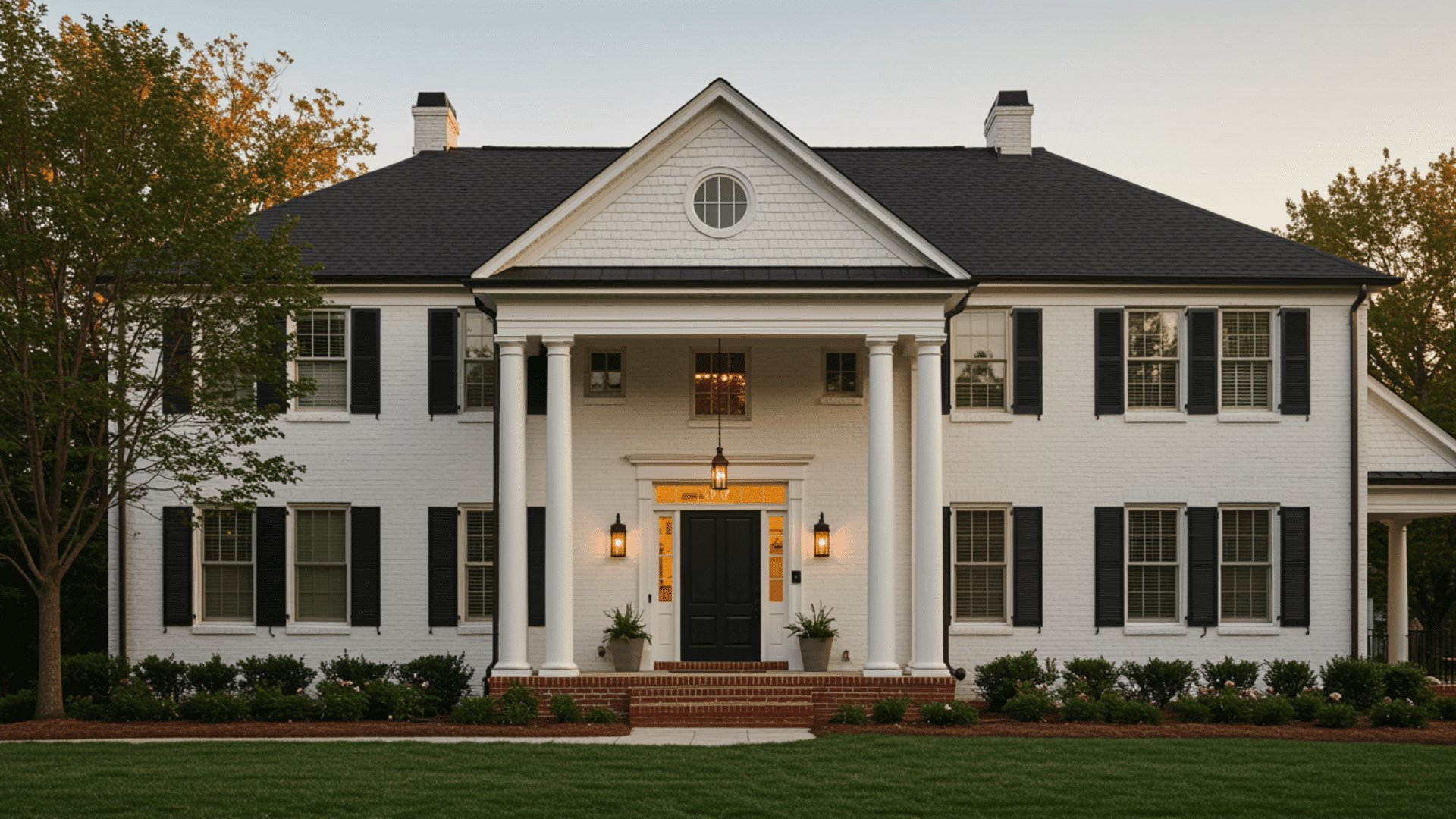
The modern colonial house represents a stunning fusion of architectural heritage and contemporary design sensibility.
Today’s homeowners are rediscovering the enduring appeal of colonial-style house aesthetics while incorporating sleek updates that align with modern living requirements.
If you’re planning a new build or renovating an existing colonial-style house, understanding how to balance historical elements with modern functionality opens exciting design possibilities.
This blog showcases practical ideas that demonstrate how modern colonial architecture successfully bridges past and present, creating homes that honor tradition.
What Defines a Modern Colonial Home?
A modern colonial home blends the symmetry and structure of traditional colonial architecture with fresh, contemporary updates.
Classic colonial elements such as a centered front door, evenly spaced windows, pitched roofs, and clean, rectangular forms create the foundation.
Modern versions elevate these features with sleek details like black-framed windows, simplified trim, and updated exterior materials such as white brick, smooth siding, or soft neutral palettes.
Inside, modern colonial homes preserve the sense of order and balance while introducing open-concept flow, lighter color schemes, and streamlined finishes.
The style succeeds because it maintains colonial while giving homeowners a comfortable, stylish, and highly livable modern environment.
Modern Colonial Home Ideas for a Contemporary Style
Blending classic architecture with fresh, updated elements, modern colonial homes offer the perfect balance of tradition and contemporary design.
1. Symmetrical Grandeur with Contemporary Materials
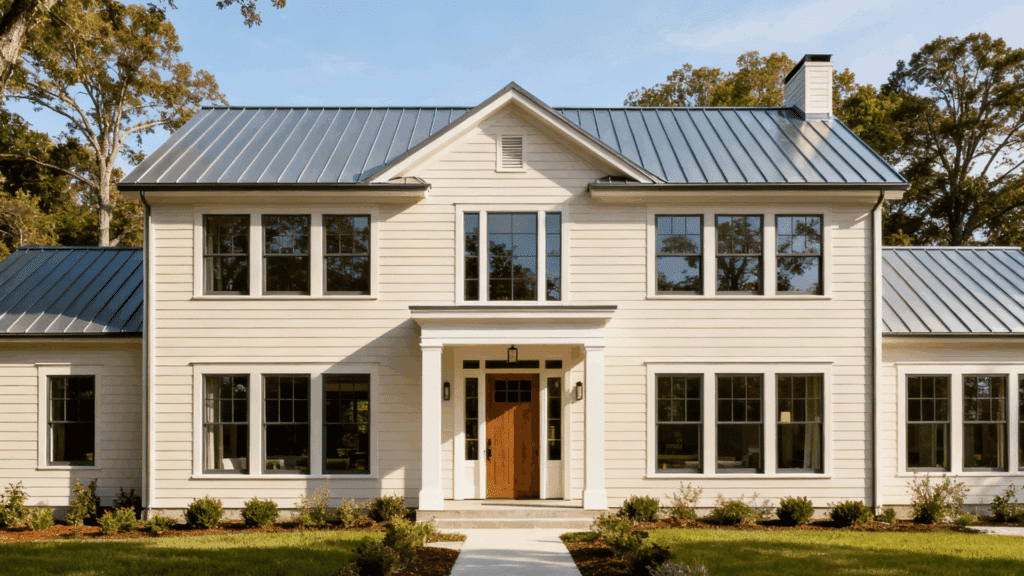
Balance traditional architectural proportions with modern materials such as fiber-cement siding, metal roofing, and expansive glass panels.
Maintain the classic center-door layout while incorporating floor-to-ceiling windows flanking the entrance.
Use clean lines and minimal trim details to create a refined aesthetic that honors historical roots. This approach creates harmony while maximizing natural light throughout the interior spaces.
2. Black and White Contrast Facades
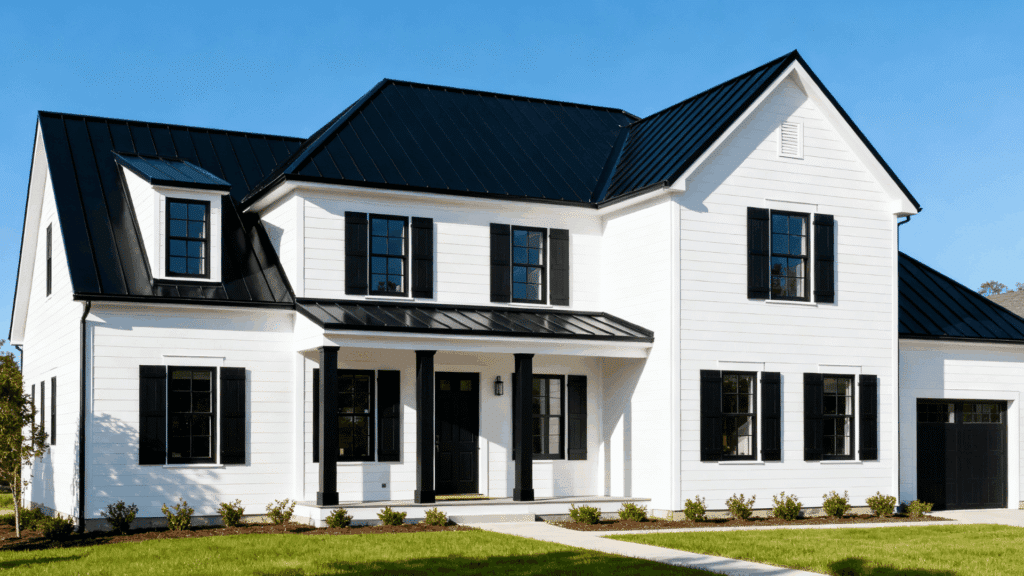
Create dramatic curb appeal by painting the main structure in crisp white or cream while accentuating shutters, doors, and trim in matte black.
This high-contrast palette modernizes the traditional aesthetic while maintaining aesthetics. Add black-framed windows and a sleek black metal roof to complete the look.
The monochromatic scheme allows architectural details to stand out while providing a fresh, contemporary interpretation of classic design principles.
3. Painted Brick in Soft Gray Tones
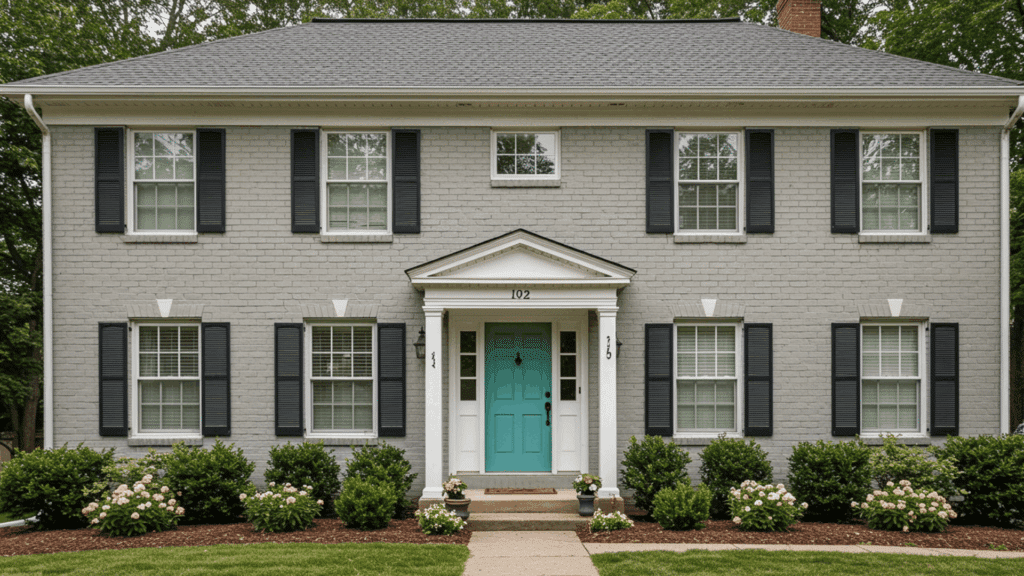
Achieve a traditional brick exterior with modern painted finishes in aesthetic gray, greige, or taupe shades.
This contemporary update maintains textural interest while creating a fresh, updated appearance. Pair with white trim, black window frames, and a colorful front door for contrast.
The painted surface unifies mismatched additions and modernizes the overall aesthetic without sacrificing durability.
4. Cedar Shake Siding with Natural Finish
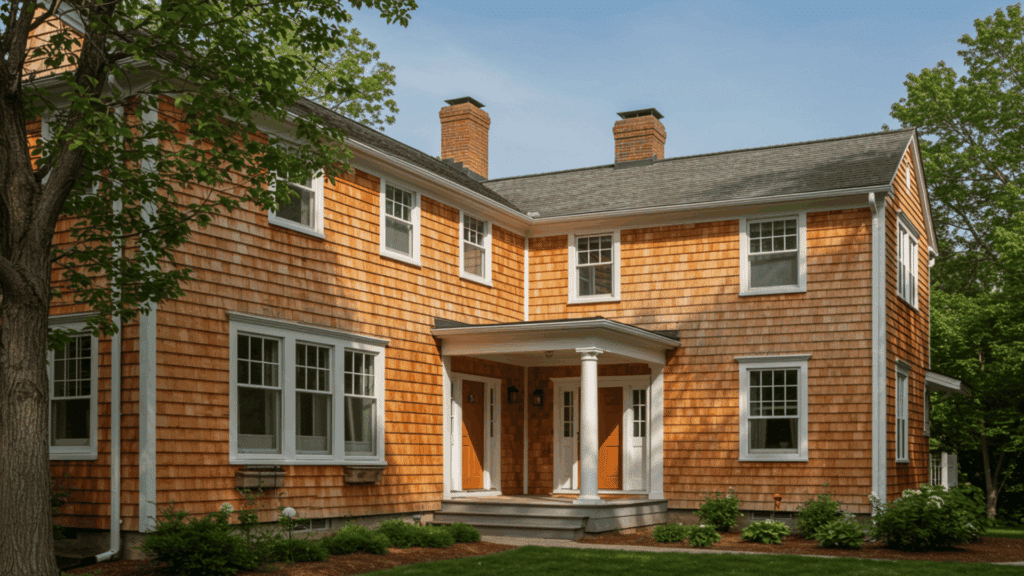
Authentic cedar shake shingles weathered to a silvery-gray patina or stained in warm honey tones provide organic texture and character.
This premium material offers excellent insulation properties and ages beautifully over time.
The irregular edges and layered installation create depth and shadow play that changes throughout the day, delivering low-maintenance requirements.
5. Double-Height Entry Portico
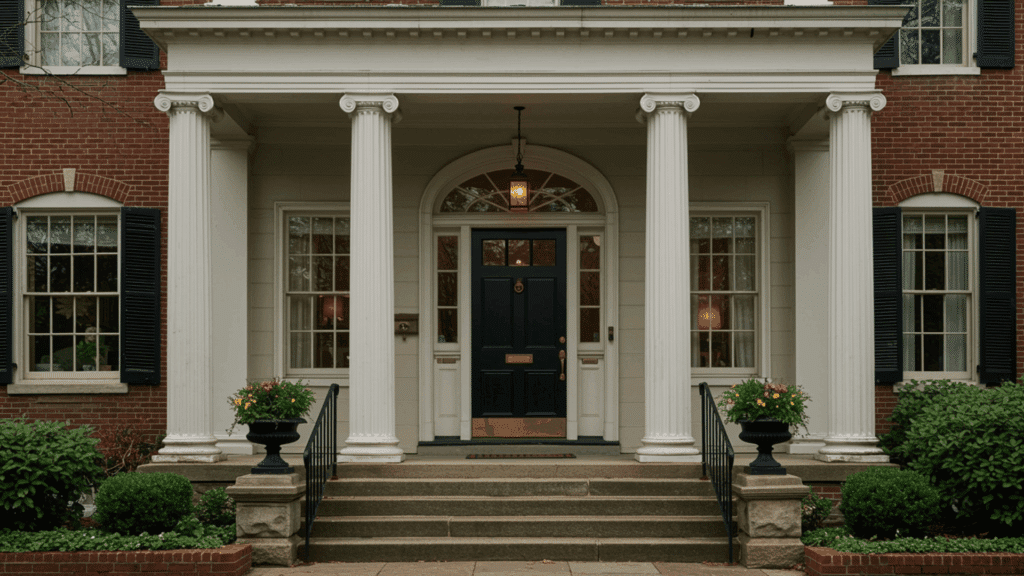
An impressive two-story entrance feature with tall columns supporting a triangular pediment creates a grand focal point.
This architectural element can incorporate decorative moldings, a semi-circular fanlight window above the door, and steps flanked by brick or stone planters.
The verticality adds presence and formality while providing a covered entryway that protects from the weather.
6. Navy Blue with Crisp White Trim
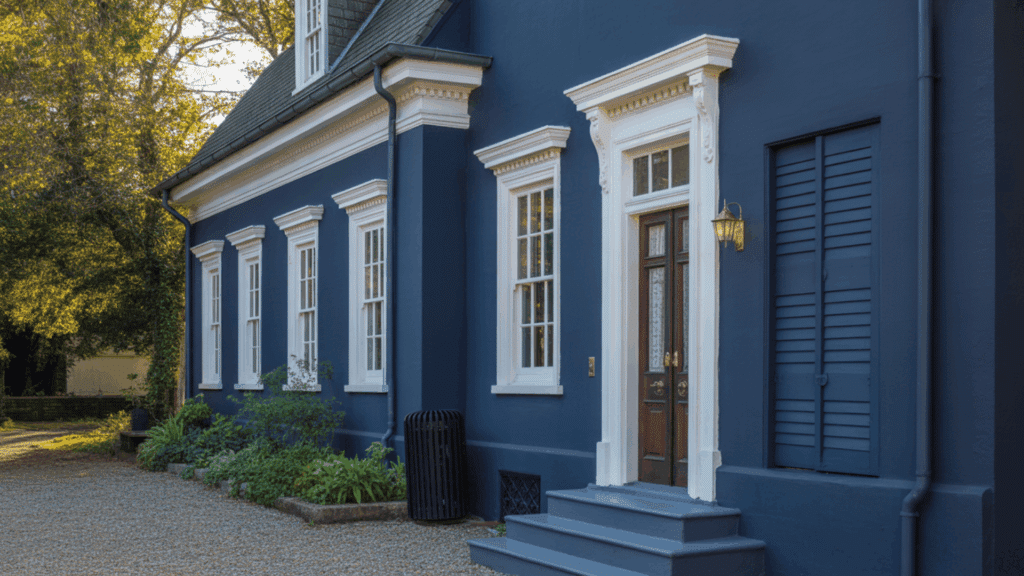
A bold navy exterior creates a striking contrast against bright white window casings, door frames, and cornerboards.
This color combination feels both traditional and contemporary, offering depth that changes beautifully in different lighting conditions.
Brass or bronze hardware and light fixtures add warm metallic accents that elevate the overall design scheme.
7. Stone Veneer Lower Level
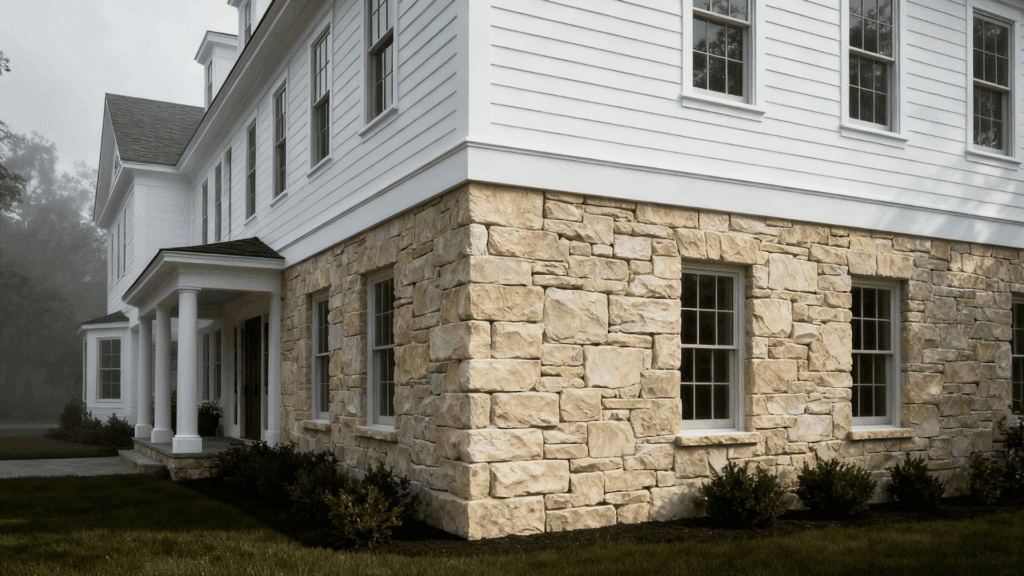
Natural or manufactured stone cladding on the first floor creates a substantial, grounded appearance while upper levels feature complementary siding.
This mixed-material approach adds textural variety and visual weight to the foundation.
Choose limestone, fieldstone, or river rock in colors that harmonize with your siding choice for a custom, high-end appearance that suggests permanence.
8. Multi-Pane Windows with Divided Lights
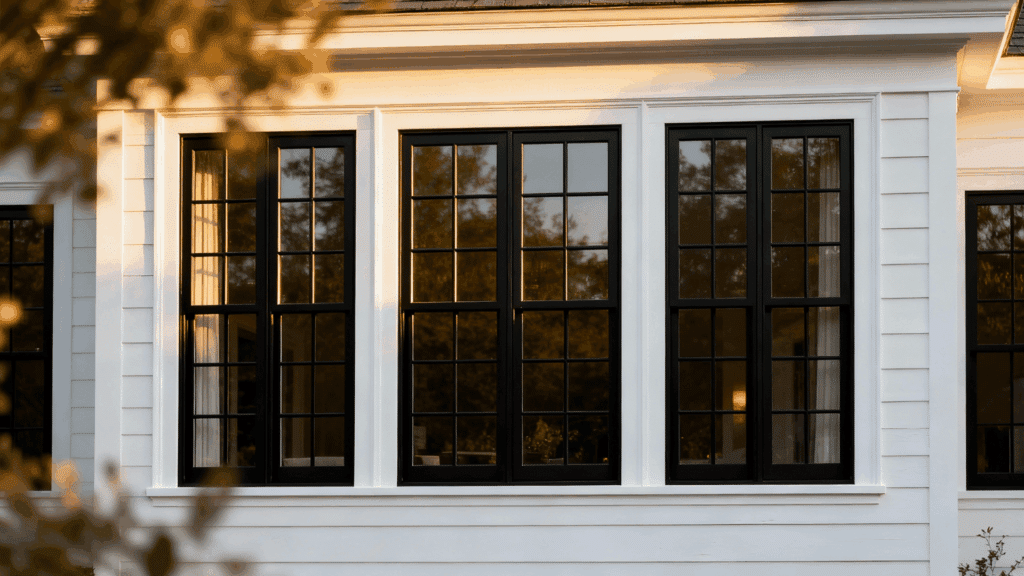
Windows featuring six-over-six or nine-over-nine divided light patterns create authentic historical character.
These grilles can be sandwiched between glass panes or applied externally for easier cleaning.
Consistent window sizing and placement across the facade maintains symmetry, while black or white frames complement any siding color and enhance the architectural integrity of your design.
9. Charcoal Slate Roof with Copper Accents
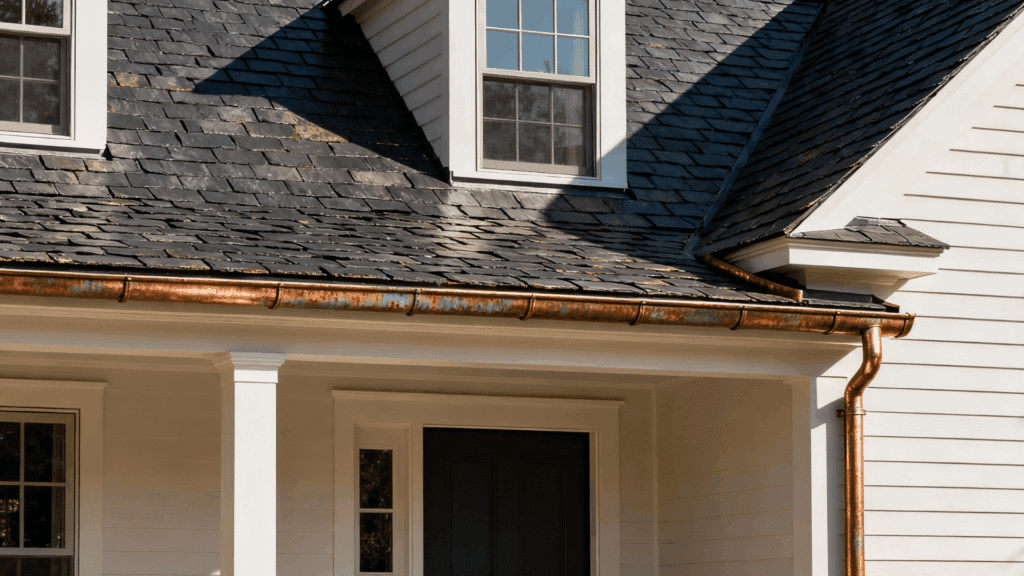
A dark slate or slate-style roof provides dramatic contrast against lighter siding while offering superior longevity.
Copper elements, including gutters, downspouts, and chimney caps, develop a beautiful verdigris patina over time.
This premium roofing choice adds substantial curb appeal and requires minimal maintenance while providing excellent weather resistance.
10. Front Gable with Decorative Brackets
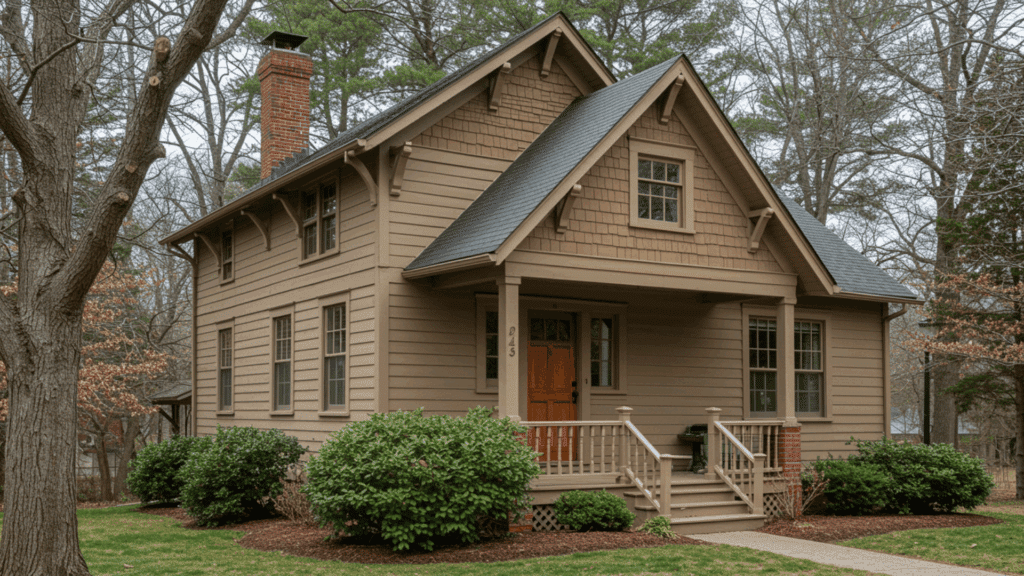
A prominent forward-facing gable above the entrance creates architectural interest and vertical emphasis.
Ornamental wooden brackets or corbels supporting the gable overhang add craftsmanship details that draw the eye upward.
This feature can incorporate decorative trim, contrasting paint colors, or even a small attic window that breaks up the roofline and adds character.
11. Sage Green Exterior with Natural Wood Door
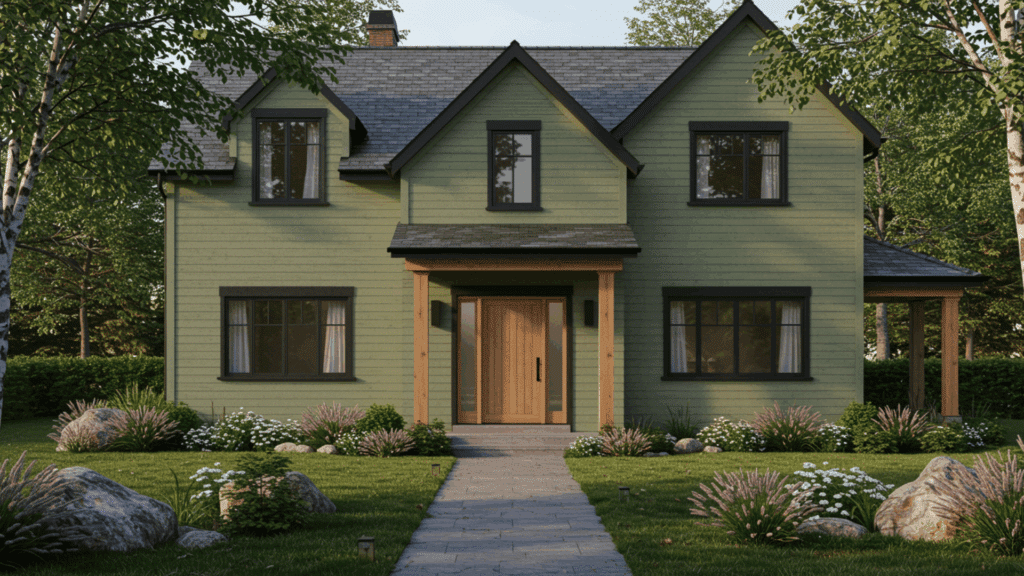
Soft sage or olive green siding creates a nature-inspired palette that feels fresh yet grounded.
A substantial wooden entry door in natural oak, mahogany, or walnut tones provides a warm contrast and becomes a welcoming focal point.
Black or oil-rubbed bronze hardware and coordinating exterior lights complete this organic color story that connects architecture to landscape.
12. Partial Porch with Detailed Railing
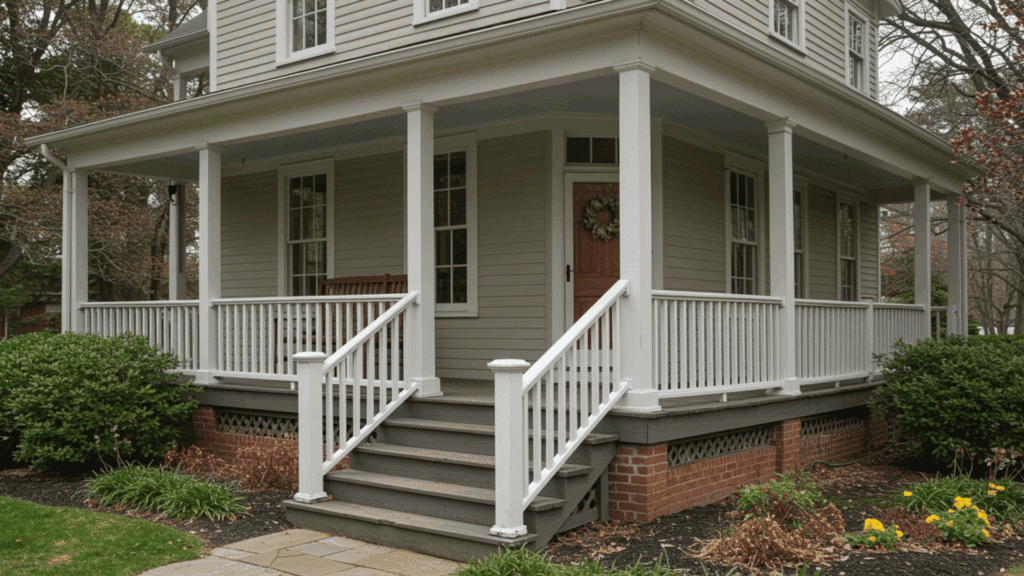
Rather than a full wraparound, a centered front porch provides covered entry space with intricate wooden railings featuring turned balusters or geometric patterns.
Wide steps invite approach while integrated bench seating adds functionality.
This scaled design works well on smaller lots while maintaining traditional elements and providing sufficient outdoor transitional space between public and private areas.
13. Brick Chimney as Exterior Feature
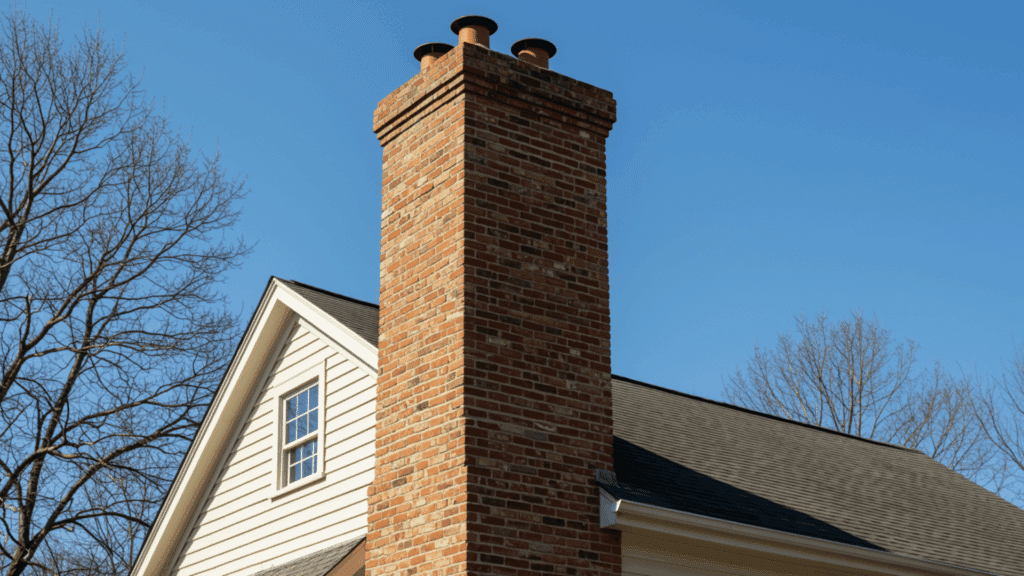
An exposed brick chimney running up the exterior wall creates a strong vertical element and nostalgic architectural focal point.
The masonry can be painted to match or contrast with siding, or left in natural brick tones.
Crown details at the roofline and a substantial chimney cap add finishing touches to this functional feature that suggests warmth and hearth-centered living.
14. Board-and-Batten Vertical Siding
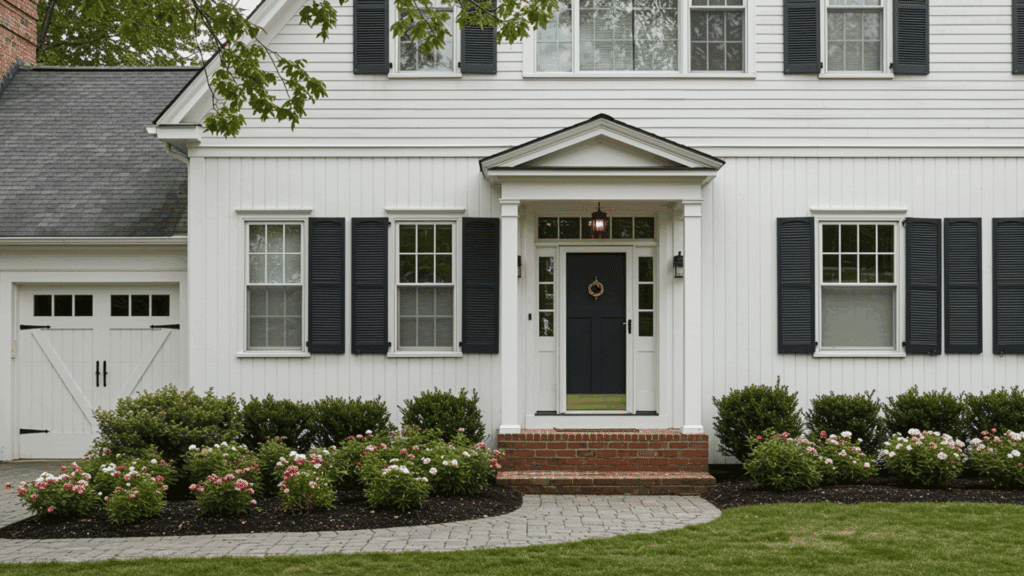
Wide vertical boards with narrow battens covering seams create clean lines and farmhouse appeal.
This siding style works beautifully in white, cream, or even black for dramatic effect.
The vertical orientation makes homes appear taller, while the simplicity of the pattern allows other architectural details like shutters, trim, and doors to stand out as decorative elements.
15. Arched Transom Window Above Entry
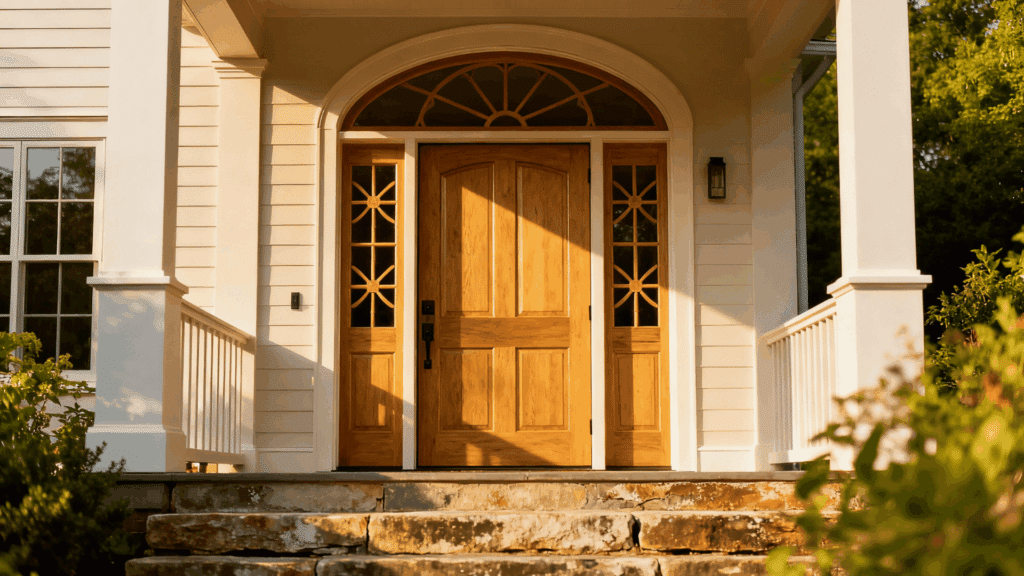
A semi-circular or elliptical window above the front door floods the foyer with natural light while adding graceful architectural detail.
This can feature decorative muntins in sunburst or spoke patterns.
The curved element softens the angular geometry of the facade and serves as a distinctive signature detail that elevates the entrance beyond standard door configurations.
16. Cream-Colored Stucco with Tile Accents
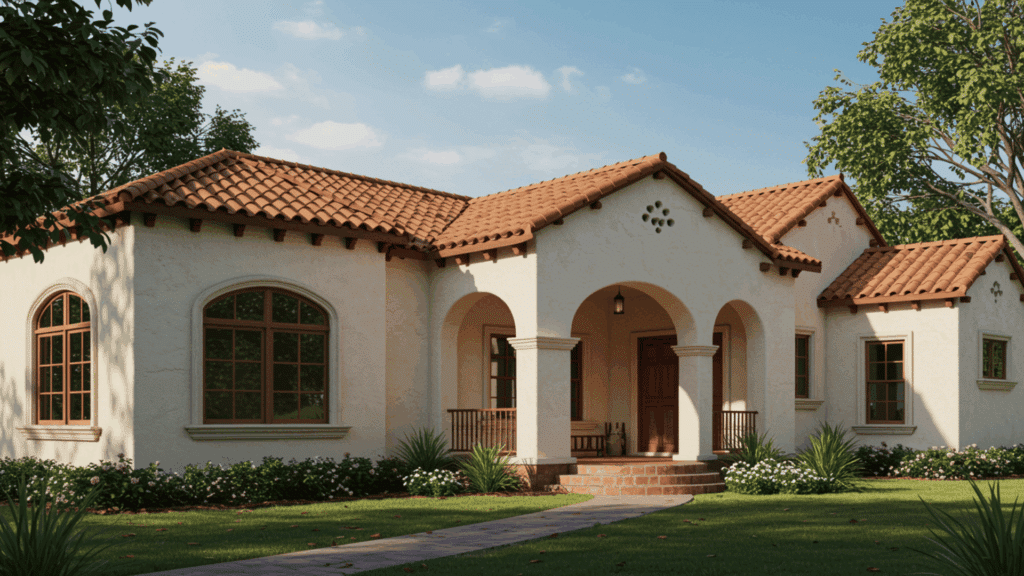
Smooth or textured stucco in warm cream or buff tones creates a Mediterranean-influenced exterior with clean, minimalist appeal.
Clay roof tiles in terracotta shades add authenticity and visual warmth. Stucco offers excellent durability and insulation.
While allowing for curved architectural elements, decorative quoins at corners, and integrated window surrounds that emphasize depth and shadow.
17. Dual Chimneys on Exterior Walls
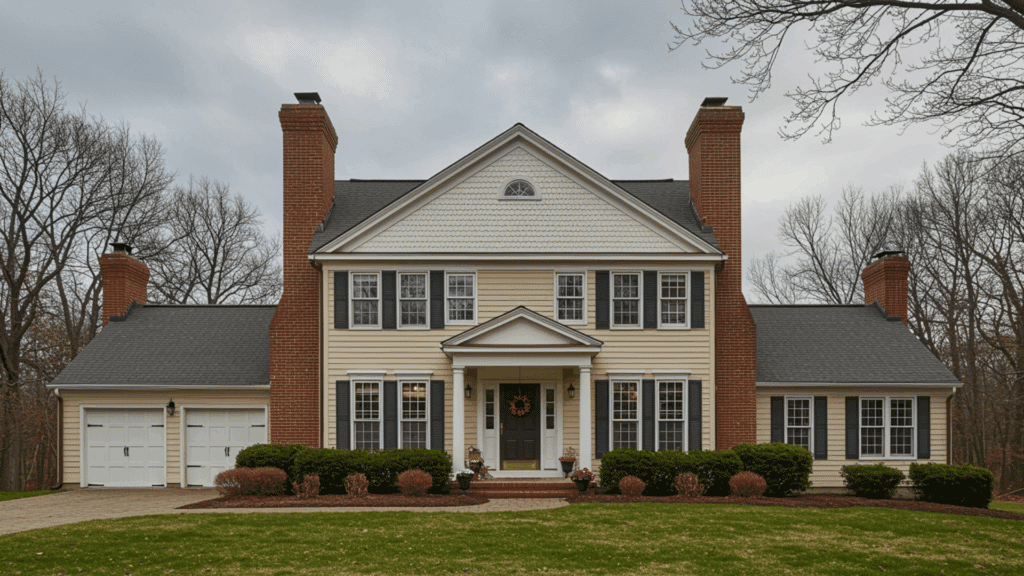
Symmetrical brick chimneys positioned on opposite ends of the home create balanced visual anchors and suggest multiple fireplaces within.
These vertical elements can be adorned with decorative corbelling near the roofline and substantial caps.
The masonry construction provides textural contrast against siding while reinforcing the home’s symmetrical proportions and adding substantial architectural presence.
18. Dentil Molding Beneath Roofline
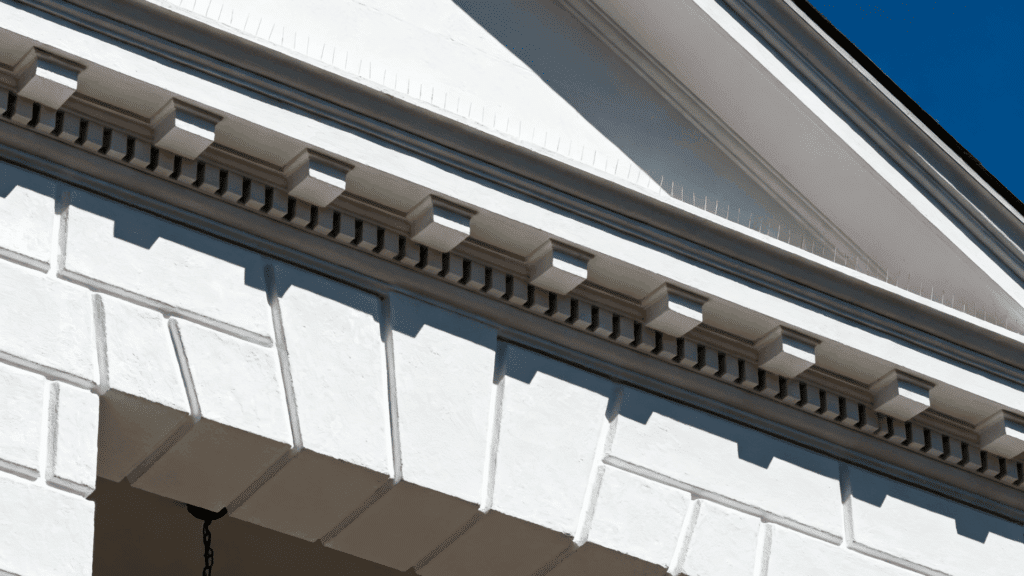
Small, repeating rectangular blocks creating a tooth-like pattern add detail to the cornice area.
This classical architectural element draws the eye upward and provides a finished, refined appearance where walls meet the roofline.
Dentil molding works especially well when painted in contrasting colors and can be incorporated into porch overhangs and gable ends for consistency.
19. Black Windows with White Exterior
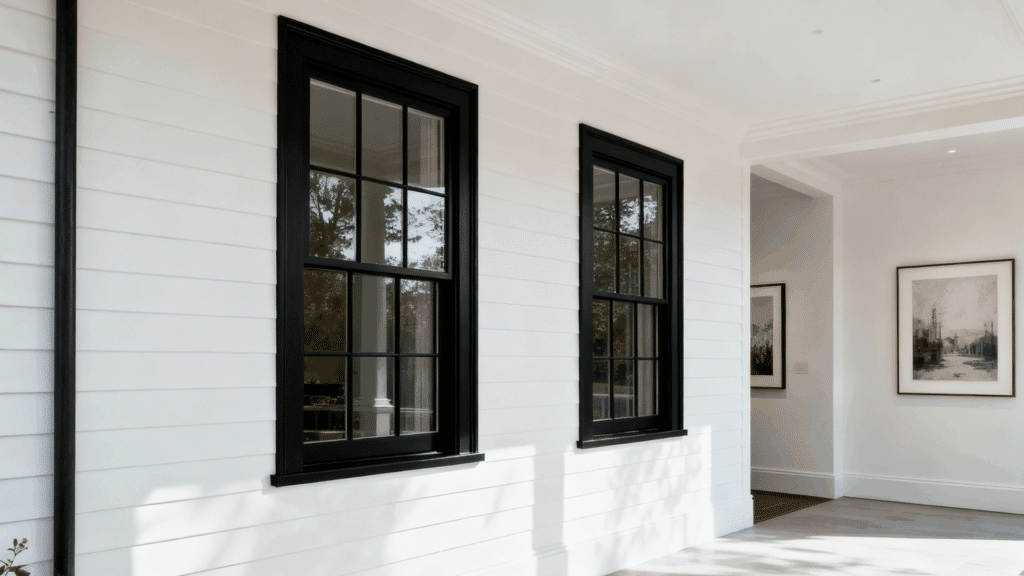
Dramatic black-framed windows create bold geometric patterns against white or light-colored siding.
This high-contrast approach feels contemporary while respecting traditional proportions and window placement.
The dark frames eliminate the need for shutters while making windows appear as intentional design elements rather than functional necessities, creating a crisp, gallery-like aesthetic
20. Lantern-Style Front Porch Lighting
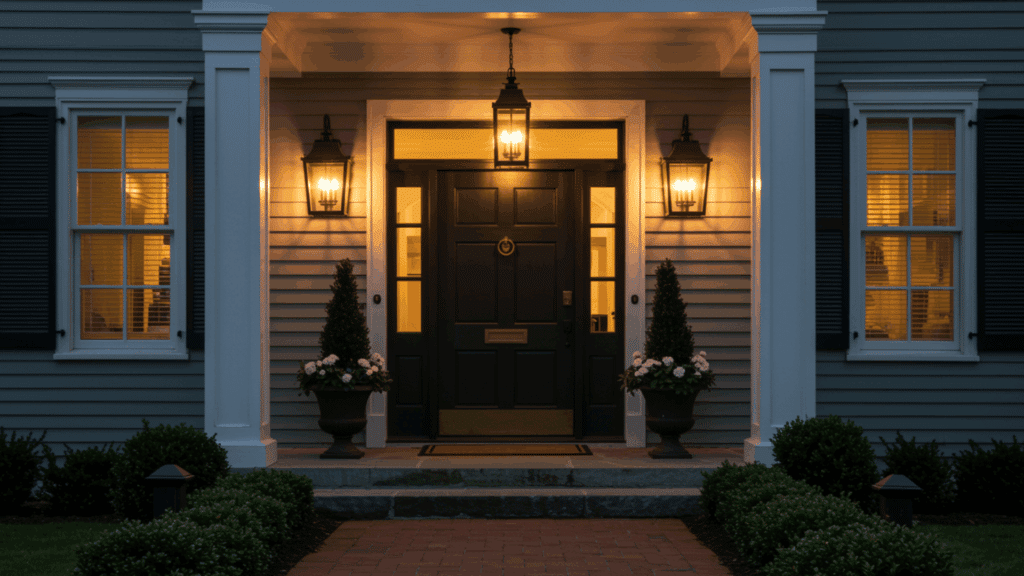
Oversized pendant lanterns or coach lights flanking the entrance provide functional illumination while establishing period-appropriate ambiance.
Choose fixtures in black metal, aged bronze, or polished brass, depending on your overall palette.
Proper scale is crucial; larger fixtures create more impact and better proportions for spacious porches, while casting welcoming pools of light for evening arrivals.
21. Pilasters Framing the Front Door
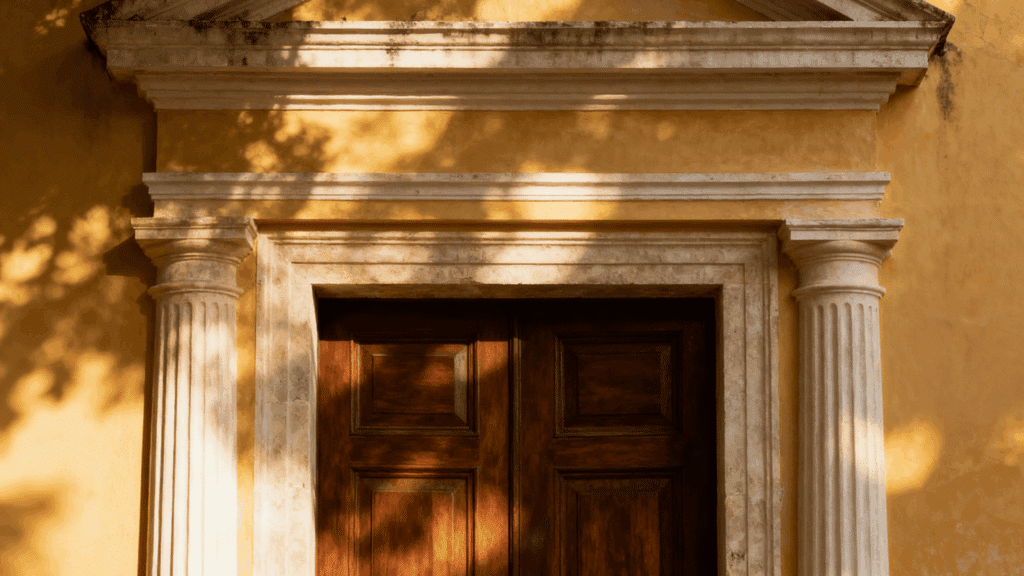
Flat decorative columns attached to the wall on either side of the entrance create a formal frame that draws attention to the entry.
These can be simple rectangular forms or include classical details like fluting and capitals. Topped with an entablature or small pediment.
This architectural surround elevates a standard doorway into a distinguished focal point requiring no additional porch structure.
22. Rounded Dormer Windows
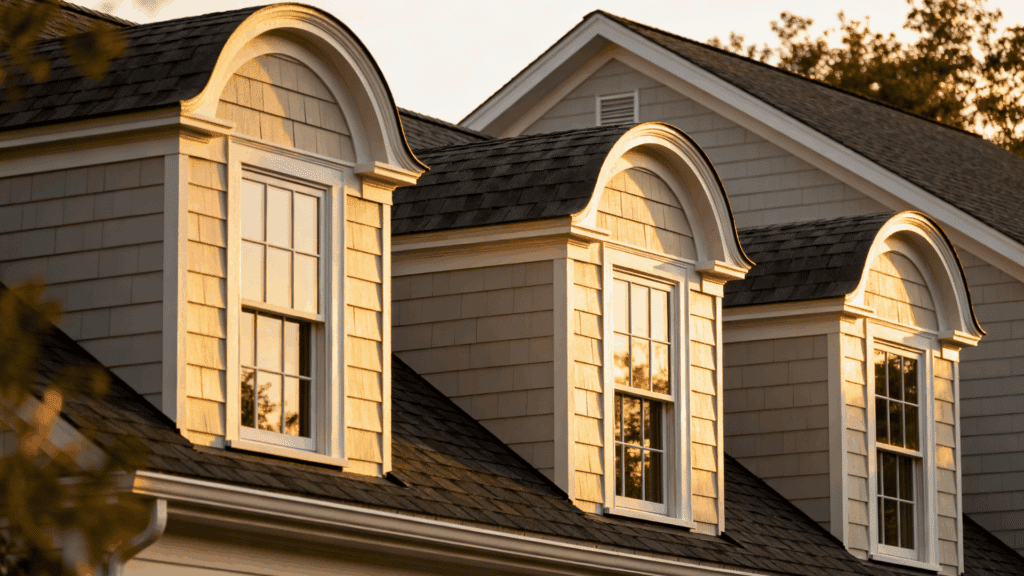
Curved or eyebrow dormers breaking through the roofline add whimsical character while providing light and space to upper-level rooms.
These distinctive features create visual interest on an otherwise plain roof slope and can be clad in contrasting materials or colors.
The soft curves provide relief from the predominantly rectilinear geometry of windows, doors, and trim elsewhere on the facade.
23. Painted Wood Garage Doors
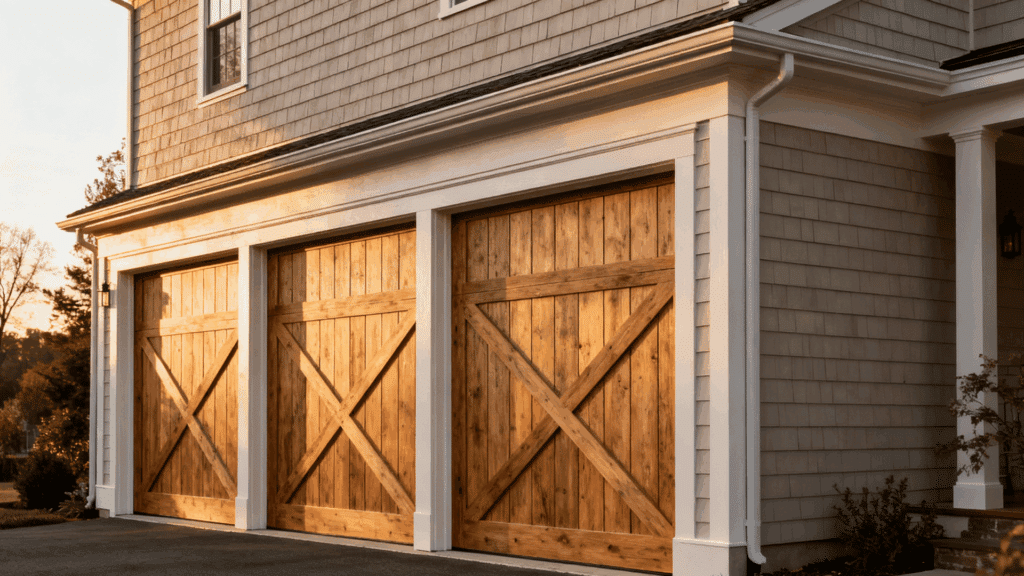
Custom or custom-appearing garage doors featuring horizontal planks, cross-bracing patterns, or carriage-house styling.
Integrate these functional elements into the overall design rather than treating them as afterthoughts.
Painted to match or complement the home’s exterior color scheme, quality doors with appropriate hardware become architectural assets that enhance rather than detract.
24. Metal Roof with Standing Seam Design
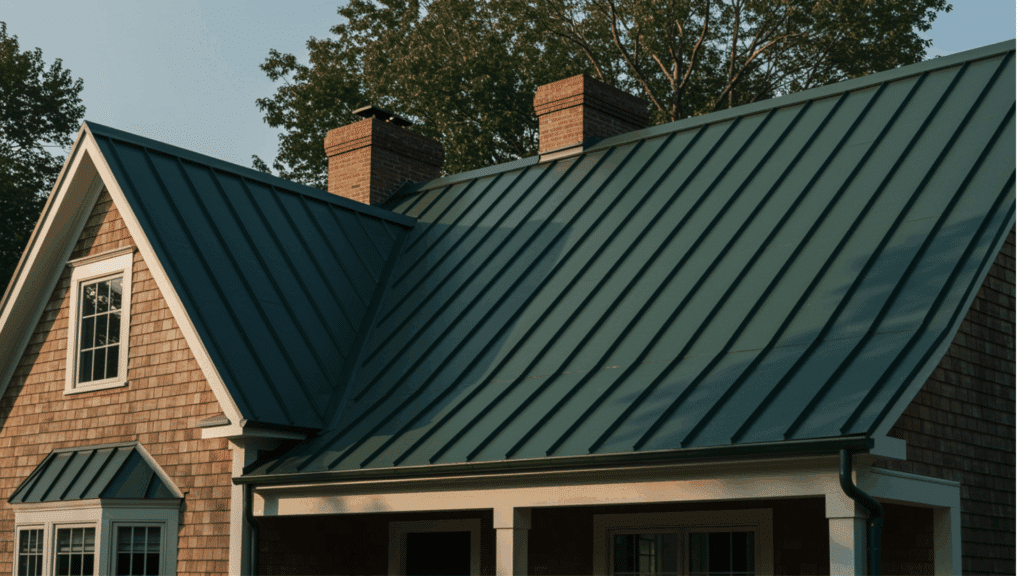
Contemporary metal roofing in charcoal, bronze, or even deep green offers durability exceeding 50 years with minimal maintenance.
The vertical standing seam pattern adds linear texture and modern appeal while remaining compatible with traditional architecture.
Metal roofs excel in weather resistance, energy efficiency through reflectivity, and environmental sustainability, while their clean lines won’t compete with other design elements.
Modern Colonial Color Palette Ideas
Use this modern colonial color palette guide to find the perfect hues for creating a warm, classic, and refined look throughout your home.
| Color Category | Recommended Shades | Where It Works Best | Why It Fits Modern Colonial Style |
|---|---|---|---|
| Classic Whites | Pure White, Chantilly Lace, Simply White | Exteriors, trim, and living rooms | Bright, crisp, and it enhances symmetry and clean lines. |
| Soft Greiges | Revere Pewter, Edgecomb Gray, Agreeable Gray | Bedrooms, hallways, kitchens | Warm and neutral, offering a modern yet classic backdrop. |
| Deep Blues | Hale Navy, Naval, Blue Note | Front doors, dining rooms, studies | Adds richness and traditional elegance with a modern edge. |
| Earthy Greens | Saybrook Sage, October Mist, Evergreen Fog | Exteriors, entryways, accent walls | Brings natural warmth while maintaining traditional elements. |
| Warm Neutrals | Accessible Beige, Natural Linen, Swiss Coffee | Living spaces, kitchens, fireplaces | Creates a cozy, modernized colonial feel with subtle warmth. |
| Black Accents | Tricorn Black, Iron Ore, Black Magic | Window frames, shutters, doors | Sharp contrast elevates symmetry and enhances modern updates. |
| Wood Tones | Natural oak, walnut, hickory | Floors, beams, furniture | Adds organic texture and balances clean colonial lines. |
Common Mistakes to Avoid
To maintain the elements and structure of a modern colonial home, be mindful of these frequent design mistakes homeowners often make.
- Overmodernizing the Exterior: Stripping away too many traditional colonial elements can make the home lose its character and appear disconnected from its architectural roots.
- Ignoring Symmetry: Colonial design relies heavily on balance. Off-centered doors, mismatched windows, or uneven landscaping can disrupt the classic, clean look.
- Using Harsh or Trend-Heavy Colors: Extremely bold or overly trendy shades can clash with colonial architecture. Stick to neutrals, soft tones, and classic contrasts.
- Choosing Oversized Modern Lighting: Very large or ultra-minimalist fixtures can look out of place. Opt for updated lanterns or transitional styles that blend well with colonial features.
- Mixing Too Many Styles: Combining farmhouse, industrial, and ultra-modern elements can create visual confusion instead of a cohesive modern colonial look.
- Skipping Quality Materials: Cheap shutters, thin trim, or low-quality siding can diminish the home’s traditional elegance. Invest in durable, classic finishes for lasting appeal.
Conclusion
The modern colonial house proves that architectural heritage and contemporary design can coexist beautifully, creating homes that honor history while embracing today’s lifestyle demands.
By thoughtfully updating traditional colonial-style house elements from symmetrical facades to classic columns with modern materials, you can achieve a residence that feels refreshing.
If you’re drawn to subtle updates or dramatic contemporary twists, the colonial-style house framework offers remarkable flexibility for personalization while maintaining its iconic curb.
Start by collecting inspiration photos, consulting with architects experienced in traditional-meets-contemporary design, and see how these principles can make your dream home into reality!