

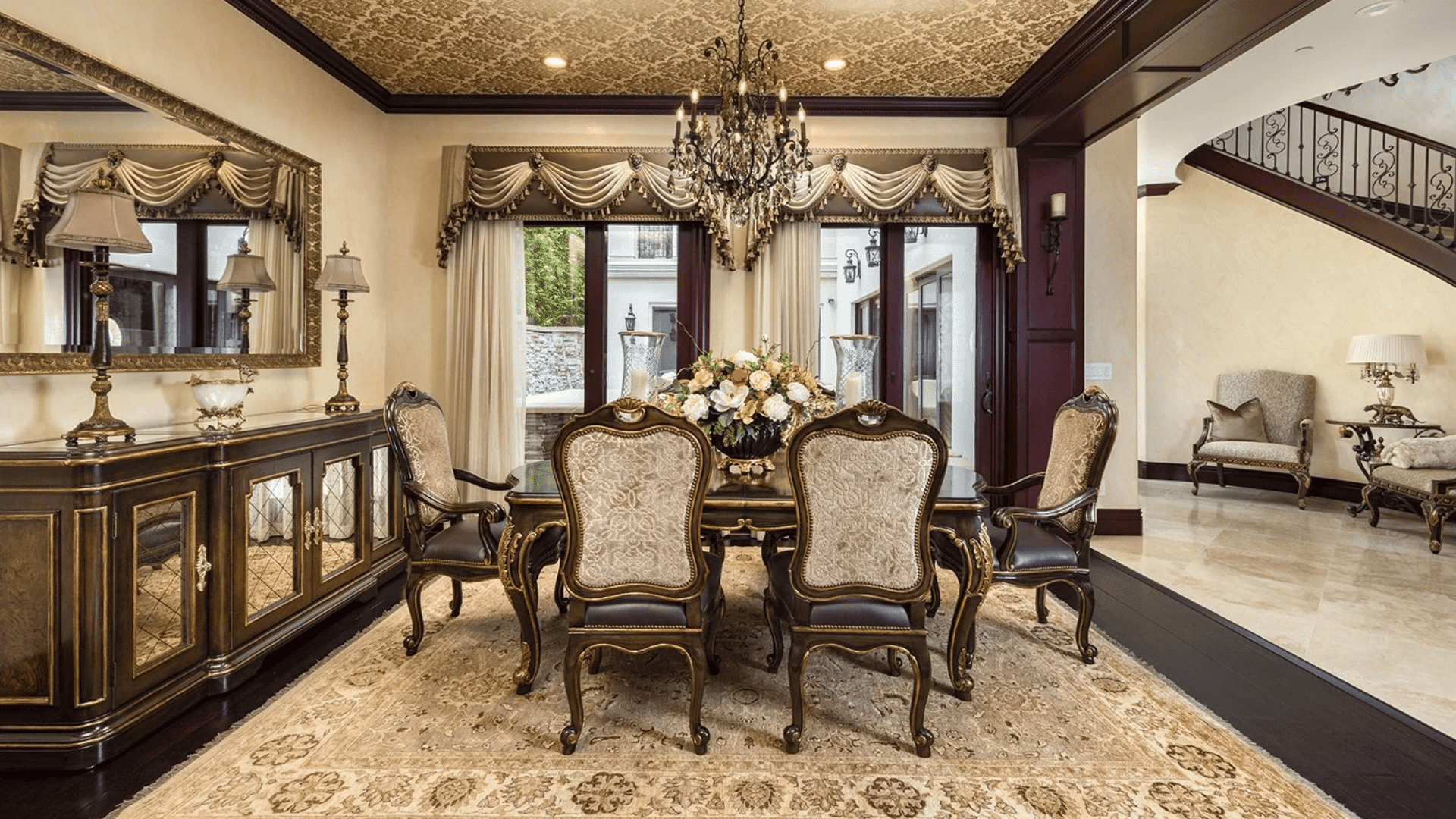
Tuscan interior design has always been loved for its warmth and rustic charm. With earthy tones, natural materials, and cozy elements, it creates a welcoming, lived-in feel.
Over the years, Tuscan style has evolved, with dark furniture and deep colors giving way to lighter, brighter designs.
You may be wondering, how can you combine the classic Tuscan feel with today’s modern, airy spaces?
In this blog, I’ll share the key differences between old and new Tuscan design, offering tips on how to update your space without losing its beauty.
If you’re looking to refresh your living room or fully redesign your home, you’ll find helpful ideas for incorporating both traditional and modern elements into your decor.
Let’s get started and take a look at what’s trending in Tuscan interiors today.
What Is Tuscan Interior Design?
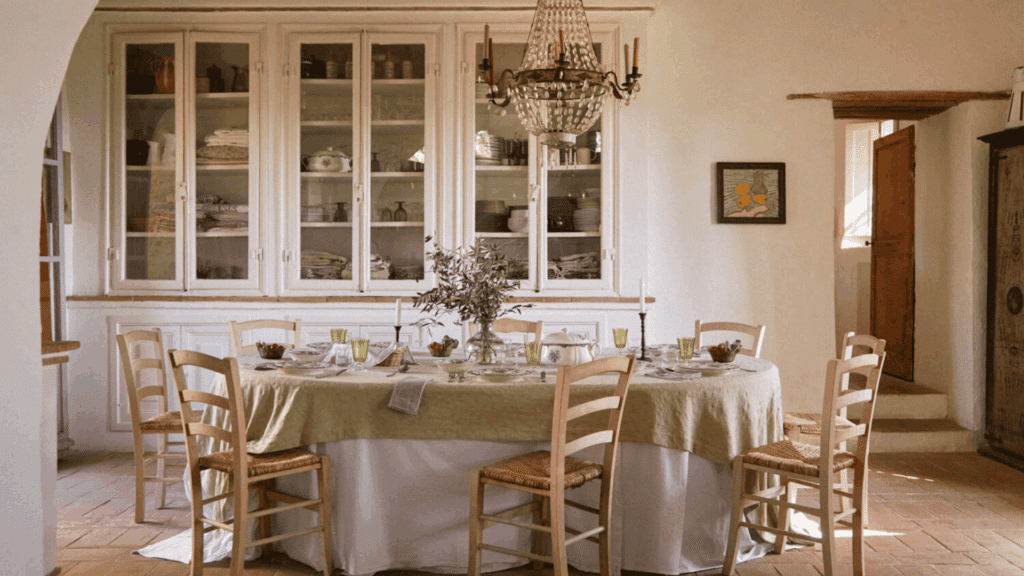
Tuscan interior design comes from the beautiful region of Tuscany in Italy. It’s known for its warm, earthy feel that reflects the natural landscape.
Traditional Tuscan style features earthy tones like warm browns, terracotta, and olive greens, along with rustic beauty.
Natural materials such as wood, stone, and wrought iron are often used in furniture and decor, giving a homey, lived-in vibe. The furniture is typically heavy and sturdy, with a focus on comfort.
Tuscan homes also feature wide open spaces and big windows to bring in natural light.
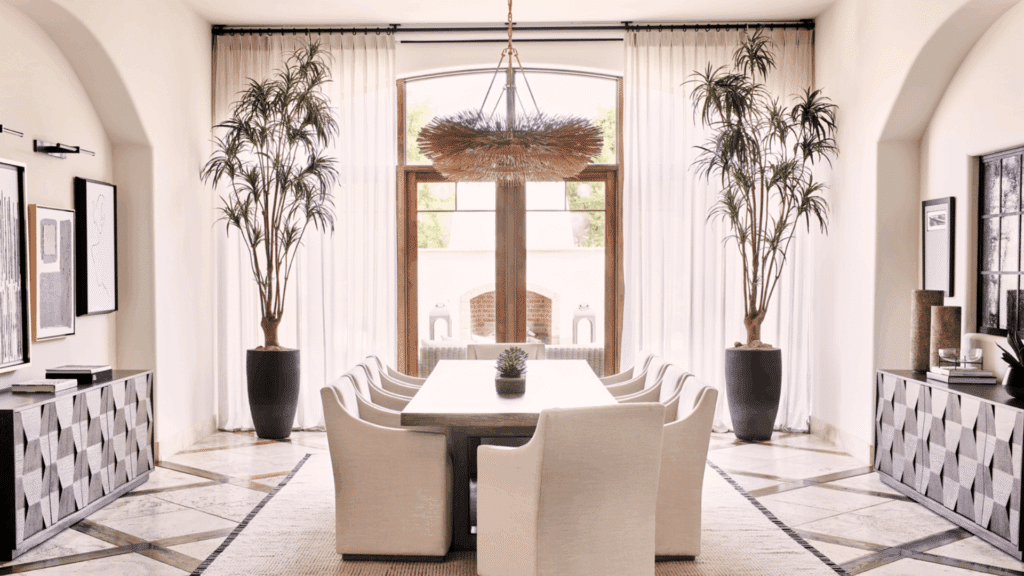
Over time, this style has shifted, with modern Tuscan interiors moving toward lighter colors and simpler designs while keeping the same inviting feel.
This shift reflects today’s desire for more open, airy spaces without losing the traditional warmth.
Evolution of Interior Design Trends: Mid-Century to Maximalism
Interior design has evolved through changing tastes and cultural shifts, from classy modernism to bold maximalism. Take a look at key movements from the 1950s to today.
1. The 1950s: Mid-Century Modern
In the 1950s, Mid-century modern style took the design world by storm. With clean lines, minimalism, and functional furniture, this style embraced simplicity and innovation.
The furniture was often made from teak or molded plastic, with a focus on gloss, unadorned surfaces.
Colorful accents, geometric patterns, and large windows that brought the outdoors in became staples.
It reflected the optimistic, forward-thinking attitude of the post-war era, making it one of the most beloved and lasting design movements.
2. The 1960s and 70s: Geometric Patterns and Shag Carpets
In the 1960s and 70s, design became more experimental and bold. Geometric patterns and vibrant colors dominated, with mod and psychedelic influences adding a unique flair.
Shag carpets, which offered comfort and texture, became a household staple.
Furnishings were often low-profile, with bean bags and funky, oversized sofas making their way into homes.
This era marked a departure from the minimalist styles of the previous decade, focusing instead on self-expression, eccentricity, and a laid-back lifestyle.
3. The 1980s: Jewel Tones and Glamour
The 1980s were all about luxury and glamour. Jewel tones like emerald green, sapphire blue, and ruby red came into play, transforming interiors into rich, dramatic spaces.
Glossy finishes, mirrored surfaces, and metallics were used to add a touch of opulence.
Furniture became more grandiose, with oversized couches and bold, angular shapes.
The era saw the rise of statement pieces, with bold patterns and textures taking center stage. This period reflected a desire for status, luxury, and excess in home design.
4. The 1990s and Early 2000s: Texas Tuscan
In the 1990s and early 2000s, the Texas Tuscan style emerged, bringing a rustic touch into the mainstream.
Inspired by the Italian countryside, this style uses earthy tones, exposed brick, wrought iron, and stone, with heavy wooden furniture for a cozy, inviting atmosphere.
Terra-cotta tiles, warm golden hues, and Mediterranean-inspired decor were prominent.
The style symbolized comfort and stability, combining traditional European influences with a Southwestern twist, giving a rich, earthy feel to interiors.
5. The 2010s: Modern Farmhouse
The modern farmhouse trend took over in the 2010s, offering a blend of rustic charm and contemporary style. The signature look included shiplap walls, reclaimed wood, and white and gray color schemes.
Open spaces, large kitchens, and a focus on practicality were central to this design movement.
While maintaining the warmth and simplicity of traditional farmhouse styles, the modern farmhouse added sleek, clean lines and minimalistic decor.
It represented a return to simpler, more sustainable living, with a focus on functionality and comfort.
6. The 2020s: Return of Earth Tones
The 2020s brought a shift toward individuality and maximalism, as people embraced bold, expressive design choices.
There was a move away from minimalist trends, with homeowners opting for rich textures, vibrant colors, and personalized decor.
Earth tones like terracotta and deep greens returned, emphasizing a natural look. This era combines mixing styles, blending patterns, and creating personalized spaces.
It’s all about bold expression, embracing contrasts, and designing spaces that feel true to the individual.
Old vs New Tuscan Interiors: Key Differences
Tuscan interior design has evolved over time, blending traditional elements with modern trends. Take a look at how old and new styles differ in key aspects.
| Aspect | Old Tuscan Interiors | New Tuscan Interiors |
| Color Palette | Warm, earthy tones like terracotta, deep browns, and ochre | Lighter tones such as soft beiges, whites, and muted greens |
| Furniture | Heavy, dark wood furniture with intricate designs | Lighter wood or neutral-toned, sleek, simple pieces |
| Materials | Rustic materials like stone, wrought iron, and exposed brick | Natural materials with a cleaner, more minimal look, including light woods and glass |
| Space | Cozier, with smaller, more enclosed rooms | Open, airy spaces with more natural light and fewer barriers |
| Textures | Rich, textured fabrics and thick, plush cushions | Softer fabrics, linen, and cotton for a lighter, more breathable feel |
| Decor | Ornate, with bold, vintage decor like large chandeliers and intricate carvings | Modern, functional decor with subtle accents and decorative plants |
| Lighting | Limited natural light with heavier drapery and dim lighting | Larger windows, sheer curtains, and more natural light sources |
How to Achieve Modern Tuscan Interior Design?
Modern Tuscan interior design combines traditional warmth with contemporary simplicity. These are practical tips for updating your home while maintaining the classic appeal of Tuscan style.
1. Update the Color Scheme
To create a more modern Tuscan look, shift away from heavy, dark shades and opt for lighter, neutral tones like soft beige, pale gray, and muted greens.
These colors create an airy, bright atmosphere without losing the warmth associated with Tuscan homes.
Use bold, rich accents in small doses, like deep olive or terracotta, to maintain that grounded, earthy feel.
Updating your walls, furniture, and accessories with these lighter shades will instantly refresh your space while staying true to Tuscan roots.
2. Choose Lighter Furniture
In modern Tuscan design, replace heavy, dark wood furniture with pieces made of lighter woods, such as oak or maple.
Look for streamlined, simple designs that focus on function without being overly ornate.
Contemporary sofas and chairs with clean lines and neutral upholstery can provide comfort while maintaining a modern look.
Mixing traditional Tuscan shapes with a modern finish is a great way to achieve a balanced look, keeping the beauty of the old style while embracing current trends.
3. Combine Traditional and Contemporary Decor
To mix old and new Tuscan interior design styles, combine rustic, traditional pieces with sleek, modern decor. For instance, pair wrought iron light fixtures with contemporary pendant lighting.
Choose a vintage wooden dining table, but update the chairs with a modern, minimalist design.
The key is balancing the two elements to create harmony in your space.
Don’t be afraid to introduce unique, contemporary art or accessories alongside classic Tuscan pottery or antiques for an eclectic yet cohesive style.
4. Incorporate Natural Materials
While the traditional Tuscan style emphasizes materials like stone and brick, modern designs embrace these elements in a more subtle way.
Use natural stone accents for countertops or backsplash, but opt for smoother, polished surfaces rather than rough-hewn textures.
Wood should still play a big role, but consider using lighter, natural finishes instead of dark, heavy wood.
This allows you to keep that earthy vibe while giving your home a fresher, more modern feel.
5. Maximize Natural Light
A hallmark of modern Tuscan design is creating bright, open spaces that invite in plenty of natural light.
Replace heavy curtains with light, sheer fabrics that allow sunlight to flood in. Use large windows or even glass doors to open up the room to outdoor spaces.
The goal is to brighten the interiors without sacrificing the warmth and intimacy that traditional Tuscan design offers.
By maximizing natural light, your home will feel open, airy, and welcoming.
What Do Homeowners Think of Tuscan Interior Design?
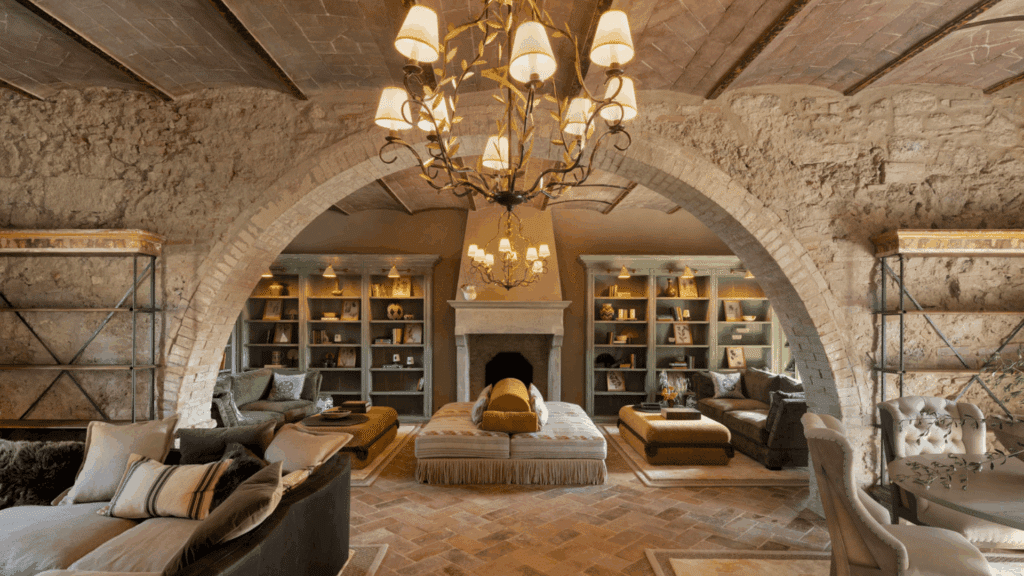
When it comes to Tuscan interior design, many homeowners on Reddit shared mixed feelings.
Some love the warmth and inviting feel of the 2000s Tuscan style, describing it as nostalgic and cozy.
They associate it with fond memories of popular places like Olive Garden or Panera Bread, where the rich earthy tones and rustic furniture created a familiar atmosphere.
However, others find it outdated, often referring to it as “kitschy” or “McTuscan.”
Despite this, some still appreciate its beauty and warmth but feel the need to update it with lighter, more modern touches.
A popular suggestion is to mix classic Tuscan elements, like terracotta and wrought iron, with modern styles.
This helps the space feel fresher and more aligned with today’s design trends while maintaining its inviting, homey essence.
Conclusion
Modern Tuscan interior design combines the warmth of tradition with fresh, contemporary updates.
By shifting to lighter colors, sleeker furniture, and more open spaces, the style feels more airy and approachable while still holding onto its cozy, inviting essence.
The key is mixing old and new with earthy tones, natural materials, and rustic elements for a classy feel.
Don’t be afraid to experiment with these changes in your own home! What do you think about the evolution of Tuscan design?
Have you tried combining the old and new styles? Share your thoughts and experiences in the comments below.
I’d love to hear how you’re incorporating modern Tuscan elements into your space!