

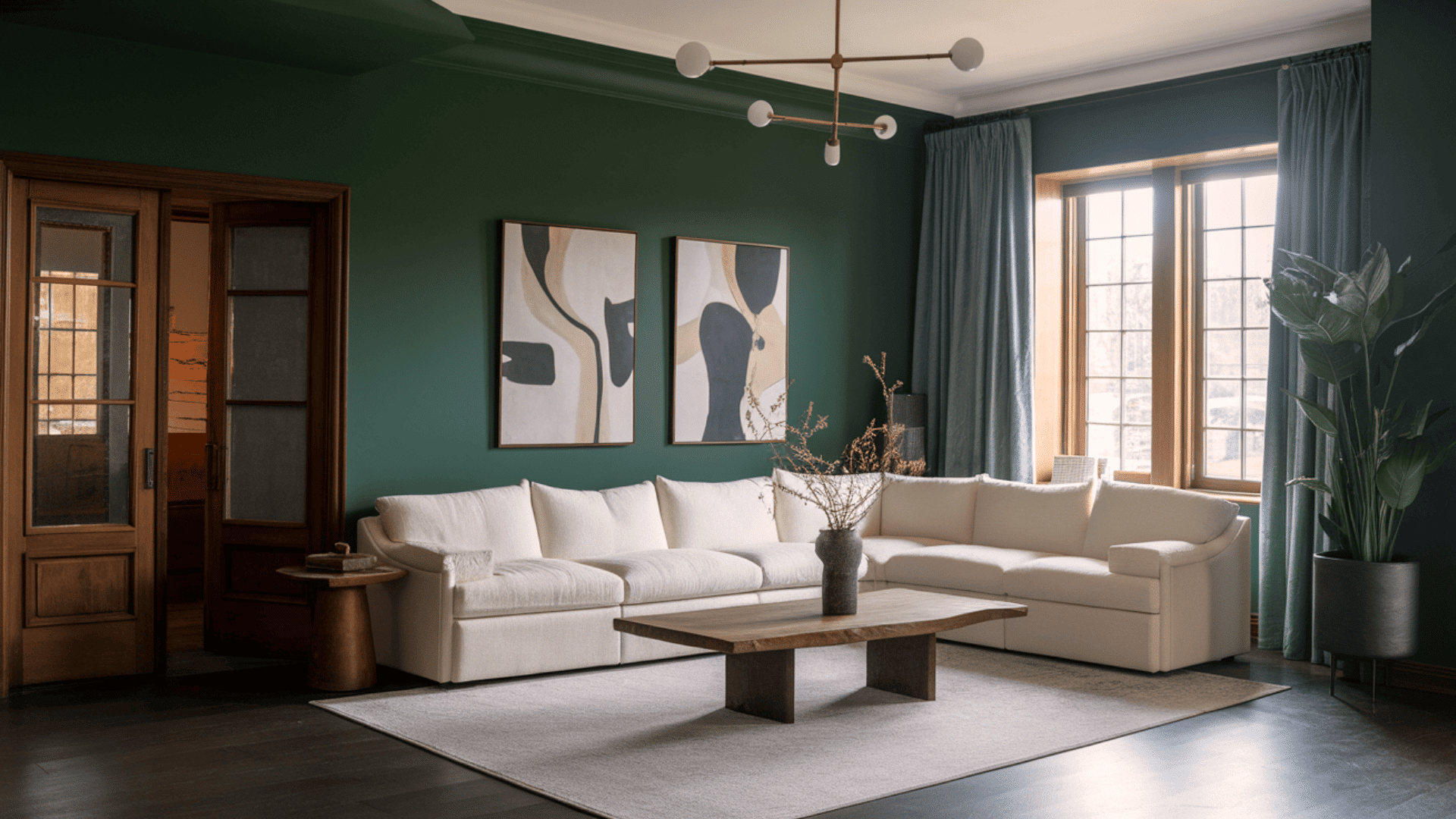
Painting walls and trim the same color is showing up more and more in homes, not just design photos.
Some people like the smooth, simple look, while others worry it makes rooms feel plain.
Choosing to paint walls and trim the same color can change how a space feels, how big it looks, and how much detail stands out.
In this post, I’ll share what works and what doesn’t with this paint choice. You’ll read about the main pros and cons, honest homeowner opinions, and when this style works well, and when it does not.
I’ll also share tips on rooms where it works best and cases where separate colors are a better fit.
If you’re planning a paint update and want clear, honest guidance, this article will help you decide what works for your home.
What to Know Before Choosing One Color for Walls and Trim?
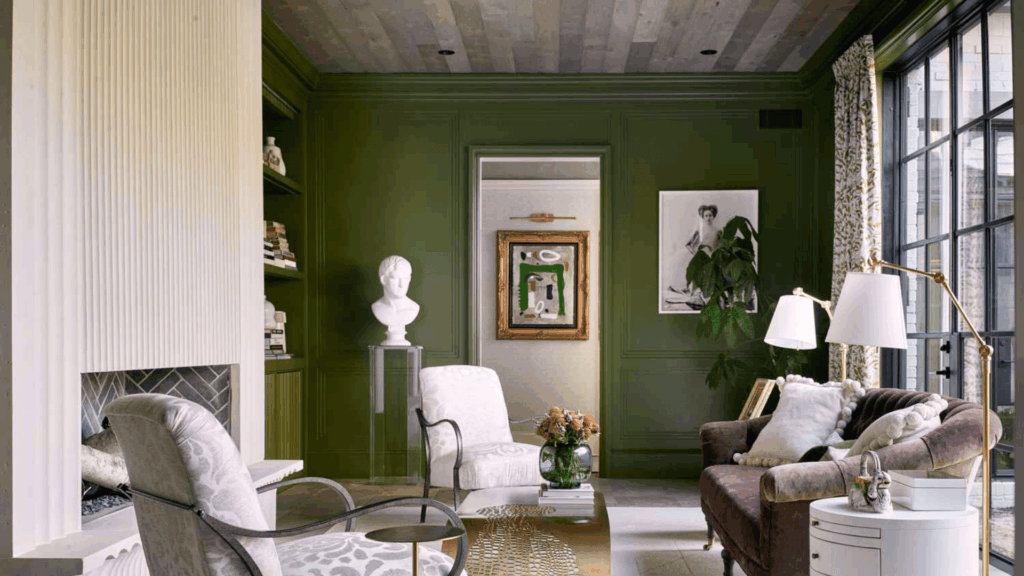
Choosing one color for walls and trim affects the entire look of a room, so it’s not a small decision. When walls and trim go together, the space can feel more open, but trim details may stand out less.
Lighting plays a big role here. Bright rooms usually handle this look better, while darker spaces may feel flat.
Room size matters too. Small rooms often benefit from fewer color breaks, which can make them feel larger.
You should also look at trim style. Simple trim works well with one color, while detailed trim may lose its shape. Finally, think about the paint finish.
Using different finishes can add light contrast without changing colors.
Before committing, test samples in your space. Seeing the color in real light helps avoid regrets later.
Pros of Painting Walls and Trim the Same Color
This approach has become popular for its clean look and simple feel. It can change how a room looks without adding extra colors.
1. Makes Rooms Feel Larger and More Open
When walls and trim share the same color, the eye moves smoothly around the room.
There are no strong breaks, so the space often feels wider and less crowded. This works especially well in small rooms, hallways, or homes with lower ceilings.
By reducing contrast, the room feels calmer and more balanced.
Many homeowners choose this style to avoid visual clutter and create a simple layout that feels easy to live with every day.
2. Creates a Clean and Simple Look
Using one color gives a room a neat and put-together appearance. It removes sharp lines between walls and trim, which can feel busy in some spaces.
This look works well for modern, casual, or updated homes.
Many people like how it keeps the focus on furniture and décor instead of paint lines. It’s a good option if you prefer a calm space without strong visual distractions.
3. Makes Painting and Touch-Ups Easier
Painting walls and trim the same color can save time and effort during the job.
There’s less cutting in and fewer edges to worry about, which helps reduce mistakes. Touch-ups later are also simpler since you only need one paint color on hand.
For busy homeowners or DIY painters, this can make maintenance easier.
It also helps rooms look consistent even after small repairs or updates.
4. Helps Furniture and Decor Stand out More
When walls and trim blend together, furniture and decor naturally become the focus. There are fewer lines pulling attention around the room, so pieces like artwork, shelves, and lighting stand out more.
This works well if you enjoy changing decor often or want your room to feel flexible over time.
Many homeowners like how this approach creates a soft background that supports, not competes with, personal style choices.
5. Works Well in Homes with Simple Trim Styles
Homes with flat or minimal trim often benefit from using one color throughout.
Since the trim is not very detailed, it doesn’t rely on contrast to be noticed. Painting it the same color as the walls can make the room feel more modern and smooth.
This is a popular choice in newer homes, apartments, and remodels where a simple finish fits the overall design.
Cons of Using the Same Color on Walls and Trim
While this style works well in many spaces, it’s not the best choice for every home. Some rooms may lose contrast or character with this approach.
1. Trim Details Can Blend in Too Much
When walls and trim share the same color, decorative trim can lose its definition.
Details like crown molding or thick baseboards may not stand out as intended. In homes with classic or detailed trim, this can make the room feel flat.
Many homeowners miss the contrast that helps frame walls and highlight craftsmanship.
If trim is a key feature in your space, one color may hide its impact.
2. Rooms Can Feel Flat in Low Light
In rooms with limited natural light, using one color everywhere can reduce depth.
Without contrast, walls and trim may go together and feel dull.
This is more noticeable with darker paint colors or north-facing rooms. Some homeowners find that adding contrast helps break up the space and makes it feel more balanced.
Lighting should always be tested before committing to one color.
3. Less Visual Separation Between Surfaces
Trim usually helps define where walls end, and other surfaces begin. When everything is the same color, that separation becomes less clear.
This can make doors, windows, and baseboards blend into the background.
While some people like this effect, others feel it removes structure from the room. It may not suit spaces where clear lines help with visual flow.
4. Not Ideal for Traditional or Formal Homes
Older or formal homes often rely on contrast to highlight architectural features. Painting walls and trim the same color can feel out of place in these settings.
Many traditional spaces look better with crisp trim that frames the room.
Homeowners with classic interiors often prefer separate colors to keep the style balanced. One-color paint schemes tend to suit modern layouts more naturally.
5. Harder to Change the Look Later
Once walls and trim are the same color, changing the style later can take more work.
Adding contrast back means repainting the trim carefully, which can be time-consuming. This matters if you like updating your home often.
Some homeowners prefer keeping trim separate so future color changes are easier.
Planning ahead can help avoid extra work down the road.
What Homeowners Say About Matching Wall and Trim Colors?
Homeowners have mixed feelings about choosing the same color for walls and trim, and many Reddit users were clear about that.
Some see it as a strong trend that works only in certain rooms, not entire homes.
A few users said it looks fine in small spaces like offices, closets, or rooms with built-ins, but feels wrong in living areas.
Others shared that they prefer contrast and feel one color can look flat or unfinished.
Several people pointed out that sheen matters, since trim gets touched more and usually needs a glossier finish than walls. There was also agreement that this look works best when it fits your style, not just a trend.
Many stressed that you have to live with it, not the designer.
Overall, homeowners suggest testing first and using this approach only where it truly makes sense.
Tips for Choosing the Right Paint Finish
Finish choice affects how a color looks and feels while also impacting durability, light reflection, and how much upkeep the surface will need over time.
- Matte or flat finishes: Soften walls and help hide small surface flaws
- Satin finishes: Add a light sheen and are easier to clean than matte finishes.
- Semi-gloss finishes: Reflect more light and highlight trim and edges
- Wall finishes: Matte or satin help avoid an overly shiny look
- Trim finishes: Satin or semi-gloss create a gentle contrast using the same color
- Mixed finishes: Different finishes help trim stand out without changing color
- Testing samples: Check finishes in your room’s lighting before deciding
Best Rooms for Same-Color Walls and Trim
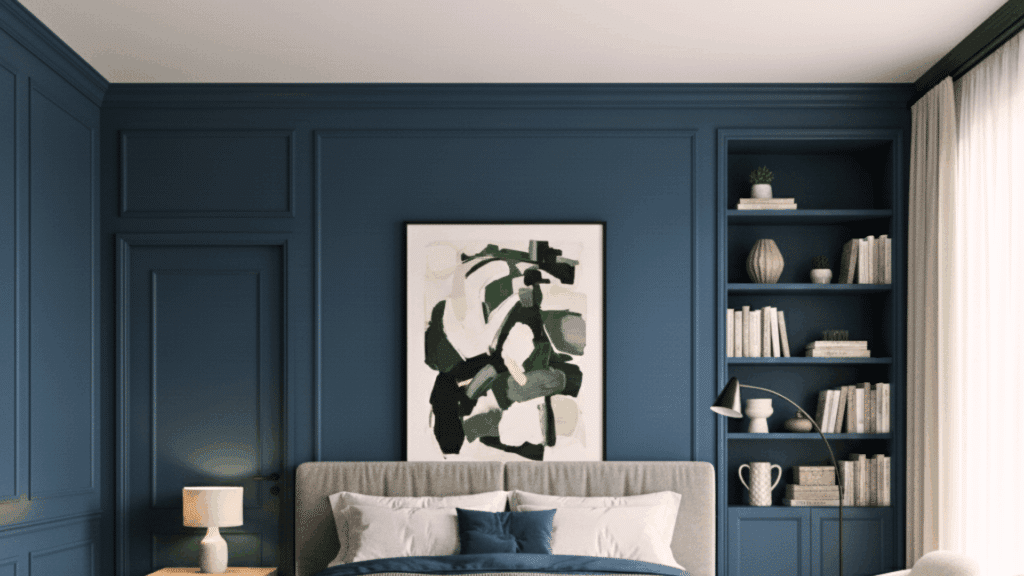
Some rooms work better with a soft, unified paint look that creates fewer visual breaks and a calmer overall feel.
1. Bedrooms
Bedrooms work well with the same-color walls and trim because the look feels calm and relaxed.
Fewer color changes help the room feel less busy, which supports rest and comfort. This approach also makes small or narrow bedrooms feel more open.
Many homeowners like how the walls fade into the background, letting bedding and furniture stand out.
Soft neutrals and light colors work especially well here and keep the space feeling balanced.
2. Home Offices
Home offices benefit from a clean and simple setup that limits distractions.
Painting walls and trim the same color helps create a focused environment without strong visual breaks. This can make the room feel more organized and easier to work in.
It also works well for video calls, since the background looks smooth and tidy.
Light or mid-tone colors often help the space feel professional without feeling cold.
3. Small Bathrooms
Small bathrooms often feel tight, so reducing color contrast can help.
Using the same color on walls and trim keeps the eye moving and makes the room feel larger. This works especially well in bathrooms with limited natural light.
Simple trim styles and lighter paint colors help avoid a boxed-in feel.
Many homeowners use this trick to make small bathrooms feel more open and less cluttered.
4. Hallways and Entry Areas
Hallways and entry spaces are often narrow and filled with doors.
Painting walls and trim the same color helps smooth out visual breaks and keeps the area from feeling crowded.
This is helpful in long hallways where a strong contrast can feel overwhelming. A single color also creates a clean flow into nearby rooms.
Neutral shades work best and help the space feel connected to the rest of the home.
5. Closets and Utility Rooms
Closets and utility rooms are practical spaces where simplicity works best.
Using one color keeps these areas looking neat without extra effort. Since these rooms are often small and low on light, fewer color changes help them feel less boxed in.
Many homeowners choose this approach to keep the focus on storage and function.
It’s an easy way to make these spaces feel cleaner and more put-together.
When do Separate Wall and Trim Colors Work Better?
Some spaces benefit from more definition and structure. Using two colors can help balance the room and highlight details.
- Homes with traditional or classic architecture where trim is meant to stand out
- Rooms with detailed molding, crown trim, or thick baseboards that need contrast
- Spaces with high ceilings where trim helps frame the walls
- Areas with lots of natural shadows, where contrast prevents a flat look
- Rooms painted in dark wall colors, where lighter trim adds balance
- Entryways and formal spaces that need a clear visual structure
- Older homes where trim highlights the home’s original style
- Rooms with many doors and windows, where contrast helps define edges
Is Painting Walls and Trim the Same Color Right for You?
Deciding if painting walls and trim the same color is right for you comes down to how you want your space to feel.
Think about your home’s style, the trim details, and how much contrast you like. If you prefer a calm, simple look, this choice may work well.
If you enjoy clear lines and definition, separate colors might feel better.
Lighting matters more than many people expect, so always look at the color at different times of day.
Test samples on both walls and trim before committing. Small test areas can reveal issues you may not notice on a paint chip.
Most importantly, remember there’s no single right answer. The best choice is the one that fits your space, your taste, and how you live in your home every day.
Conclusion
Painting walls and trim the same color can be a smart choice, but it isn’t right for every home.
On the plus side, it can make rooms feel larger, cleaner, and easier to maintain. On the downside, it may soften trim details or feel flat in certain lighting.
What matters most is how the space looks and feels to you.
Your room size, light, trim style, and personal taste should guide the final choice.
If you’re unsure, testing samples is the best next step before committing to a full paint job. Try living with the color for a few days and see how it feels.
Every home is different, and there’s no single rule that fits all.
If you’ve tried this look before, share what worked or didn’t work for you in the comments below.