

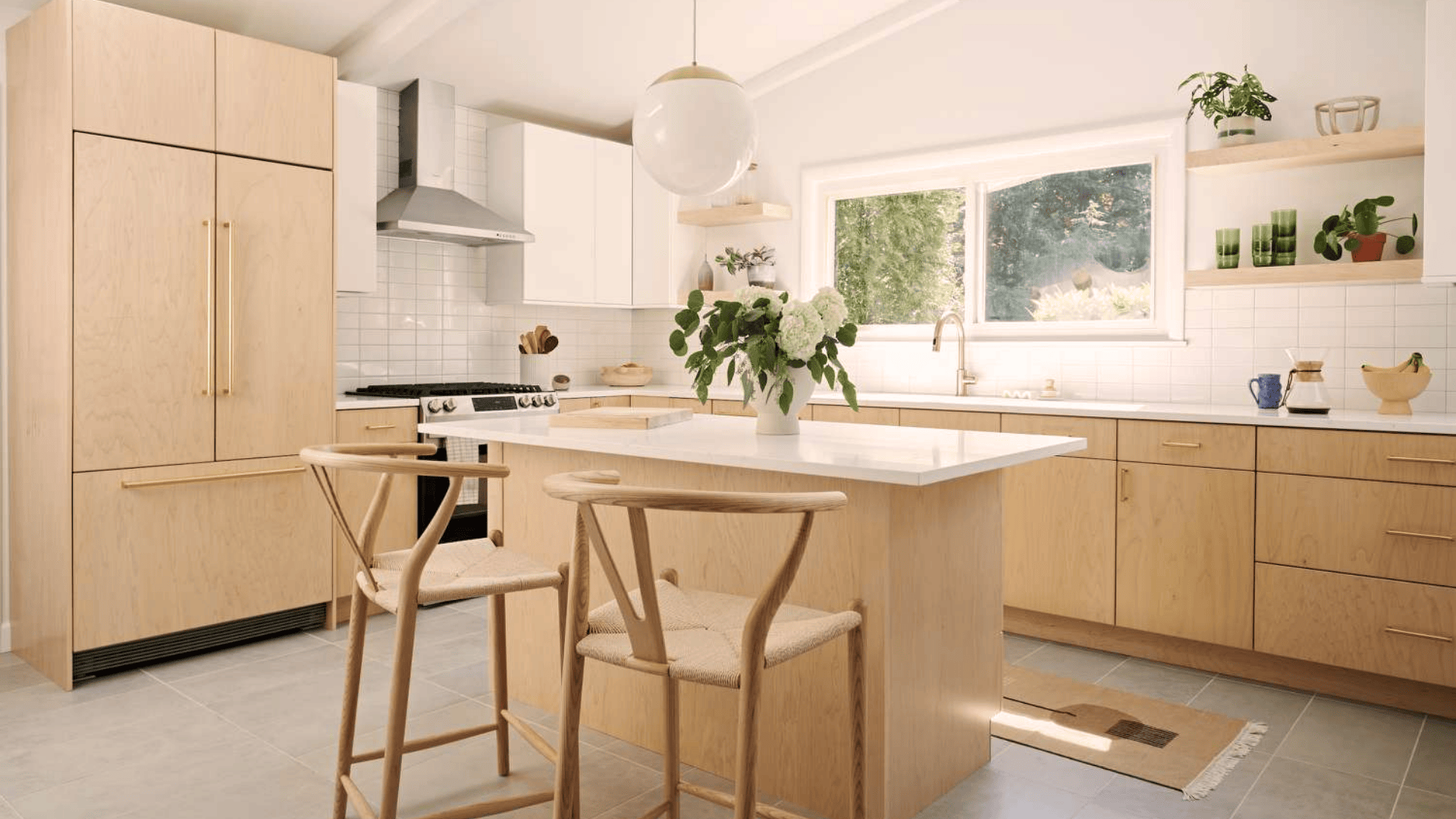
I love how Scandinavian kitchen design keeps things calm, bright, and easy to live with.
If you feel overwhelmed by busy kitchens, this style offers a refreshing change that still feels warm and practical.
In this article, I have shared what makes Scandinavian kitchens so popular and how you can use the look in any home, big or small.
You will see what defines Scandinavian kitchen design and why it feels so easy to live with.
You’ll learn the key elements, like light colors, natural materials, and clean layouts that focus on comfort and daily use.
I also share practical tips you can use in your own kitchen, no matter the size.
By the end, you will have clear inspiration and helpful guidance to shape a kitchen that feels calm, useful, and right for your space.
What Defines Scandinavian Kitchen Design?
Scandinavian kitchen design is built around simplicity, function, and comfort. The goal is to create a space that feels calm, bright, and easy to use every day.
Most Scandinavian kitchens use light and neutral colors like white, soft gray, or beige to keep the room open and airy.
Natural materials such as wood and stone add warmth and prevent the space from feeling cold.
The design focuses on clean lines and uncluttered layouts, which means fewer details, smooth surfaces, and smart storage that keeps countertops clear.
Every choice has a purpose, from cabinet style to lighting placement.
Most importantly, the kitchen is designed for real life. Everyday use and comfort come first, so the space feels practical, welcoming, and easy to move through.
This balance is what makes Scandinavian kitchens feel simple yet livable.
Unique Scandinavian Kitchen Design Ideas for Modern Homes
These designs show how Scandinavian kitchens fit modern homes without feeling cold or plain. Each one focuses on comfort, function, and a clean look that works in real life.
1. White Cabinets with Light Wood Floors
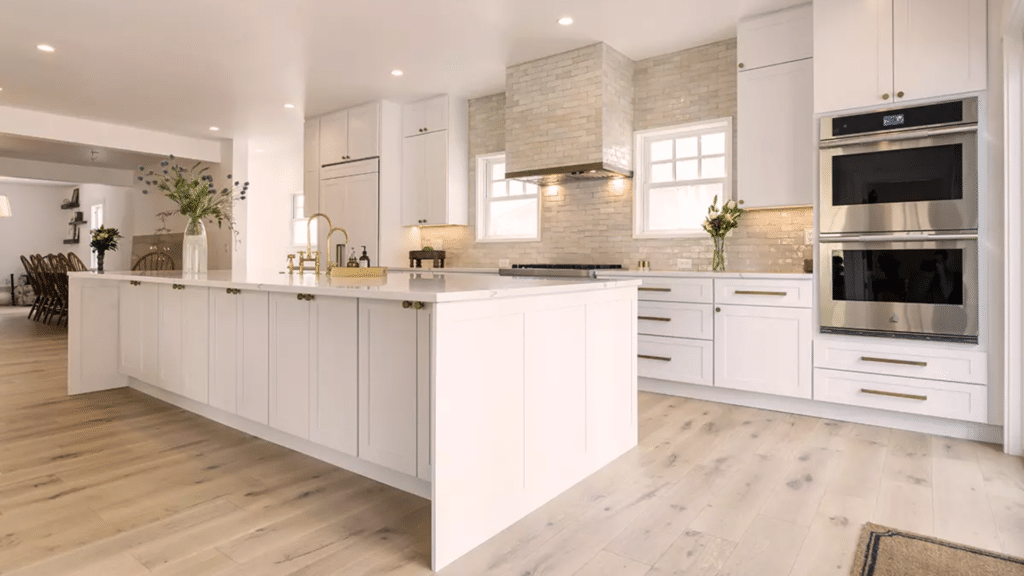
This design pairs white cabinets with light wood floors to create a bright and balanced kitchen.
White cabinets reflect light and keep the space feeling open, while wood floors add warmth and prevent the room from feeling flat.
This combination works well in both small and large kitchens. It also gives you flexibility with decor, since most colors and finishes combine easily with this base.
The result is a kitchen that feels calm, welcoming, and easy to live with every day.
2. Handleless Cabinets for a Clean Look
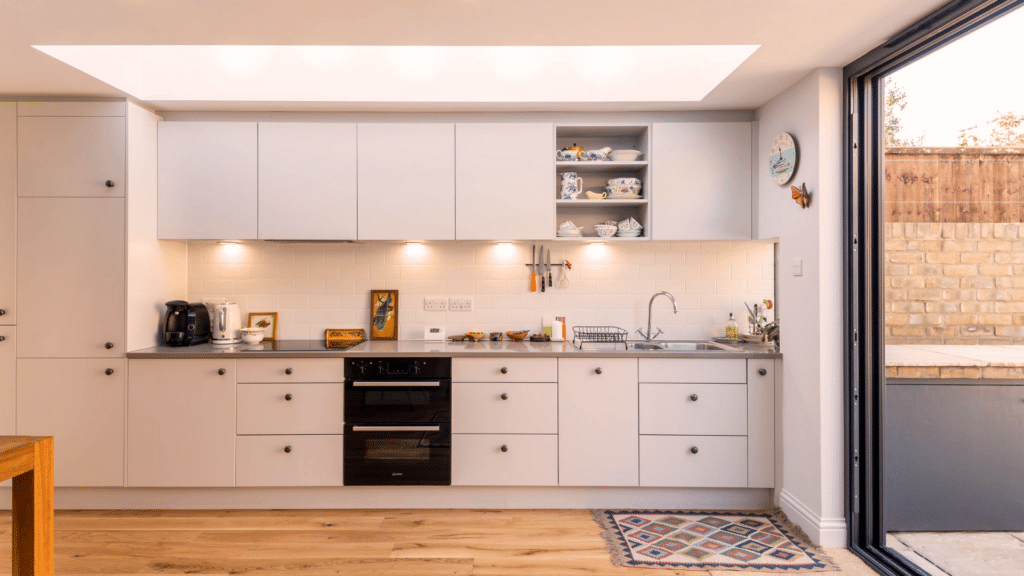
Handleless cabinets help create a smooth and modern kitchen layout. Without visible hardware, the cabinets look neat and uncluttered, which fits well with Scandinavian design.
This style keeps the focus on clean lines and simple surfaces.
It also makes small kitchens feel more open since nothing breaks up the cabinet fronts. Handleless cabinets work well with white, soft gray, or light wood finishes.
The result is a kitchen that feels organized, calm, and easy to move through during daily use.
3. Open Shelving with Everyday Dishes
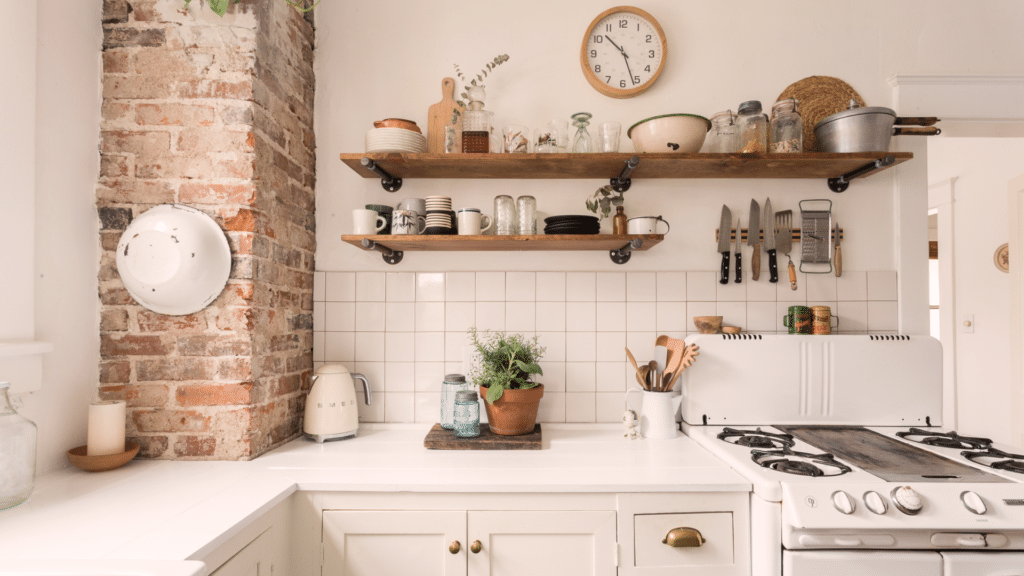
Open shelving adds a simple and practical touch to a Scandinavian kitchen. It keeps everyday dishes within easy reach and makes the space feel more open.
Replacing upper cabinets with shelves reduces visual weight and helps small kitchens feel less boxed in.
To keep the look clean, display only items you use often. Stick to neutral colors and simple shapes.
This setup supports daily cooking while keeping counters clear and the kitchen organized, calm, and easy to maintain over time for busy homes today everywhere.
4. Soft Gray Walls Instead of Pure White
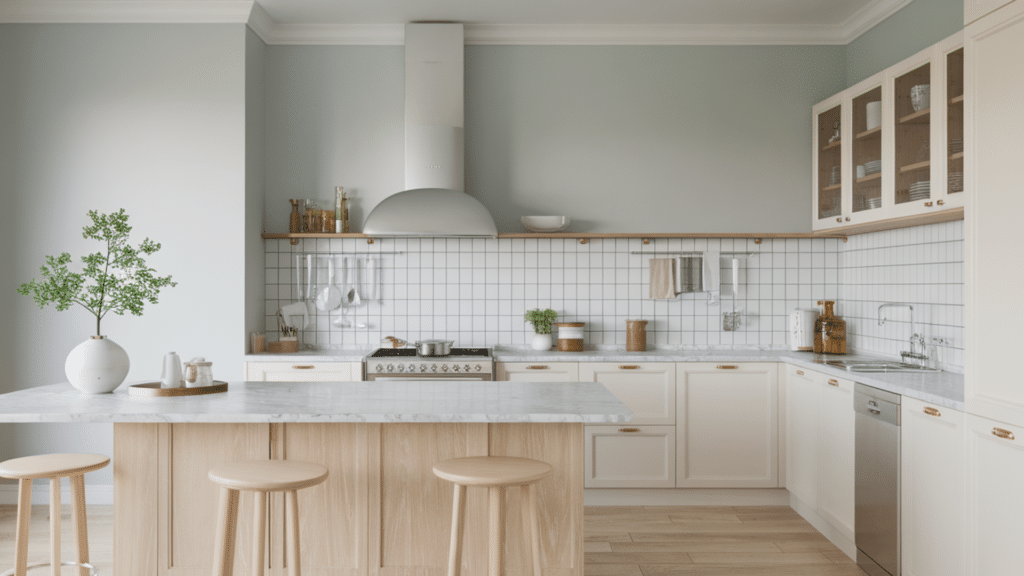
Soft gray walls offer a gentle alternative to bright white in a Scandinavian kitchen. This shade keeps the space light while adding a bit more depth and warmth.
It works well with white cabinets and light wood finishes, helping everything feel balanced.
Gray also hides marks better than white, which makes it practical for busy kitchens. The color stays calm and neutral, so it does not overpower the room.
This choice suits modern homes that want a softer, lived-in feel.
5. Wood Countertops to Add Warmth
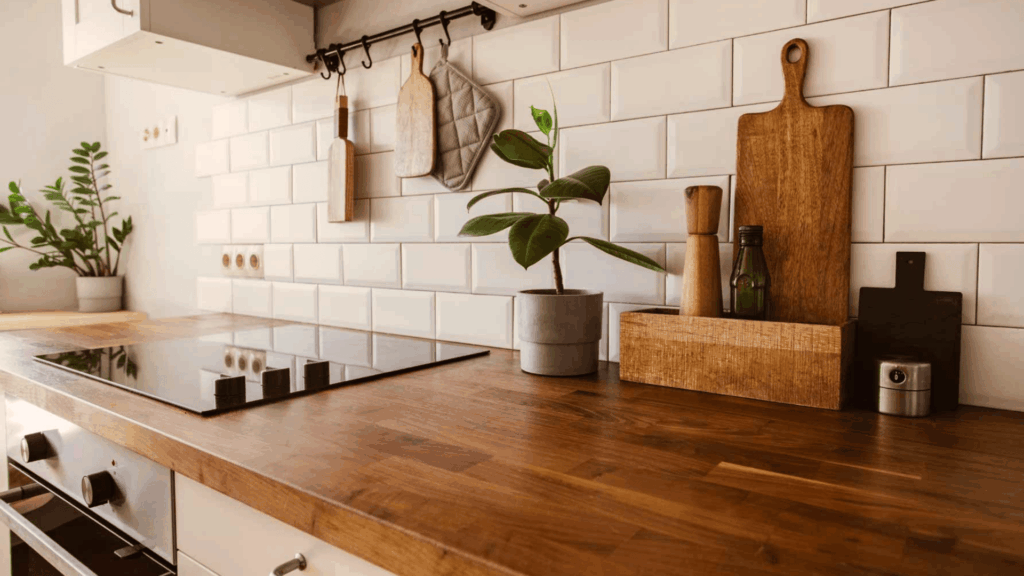
Wood countertops bring warmth and comfort into a Scandinavian kitchen. They soften the clean lines of cabinets and add a natural feel that makes the space more welcoming.
Light woods like oak or birch work best and pair easily with neutral colors.
These countertops also age well and develop character over time. When sealed properly, they are practical for daily use.
Wood surfaces help balance simple layouts and keep the kitchen from feeling too plain or cold.
6. Matte Black Fixtures for Subtle Contrast
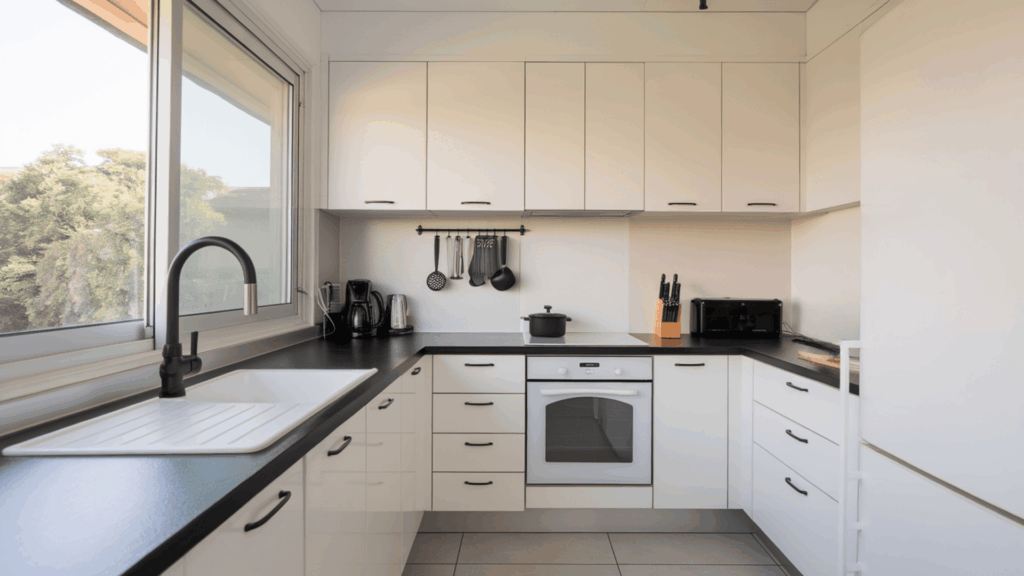
Matte black fixtures add contrast without overpowering a Scandinavian kitchen. They work well against light cabinets and neutral walls, giving the space a clear focal point.
Black faucets, handles, or lighting fixtures help define the layout while keeping the look clean.
The matte finish feels soft and modern, not shiny or bold.
This contrast adds structure and depth while still fitting the simple design style. It is an easy update that makes the kitchen feel finished and balanced.
7. Simple Pendant Lights Over the Island
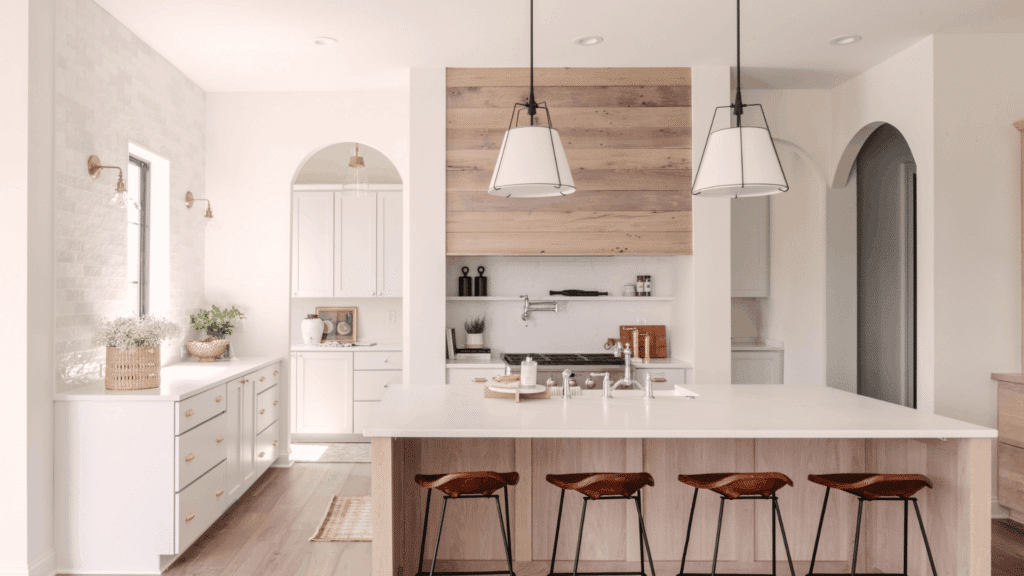
Simple pendant lights help define the island area without adding visual noise. In a Scandinavian kitchen, these lights are often plain in shape and neutral in color.
They provide focused lighting for daily tasks while keeping the overall look clean.
Choosing soft lighting helps the space feel calm and comfortable. Pendant lights also add balance by drawing the eye upward without overwhelming the room.
This lighting choice works well in both small kitchens and open layouts.
8. Minimal Backsplash with Plain Tiles
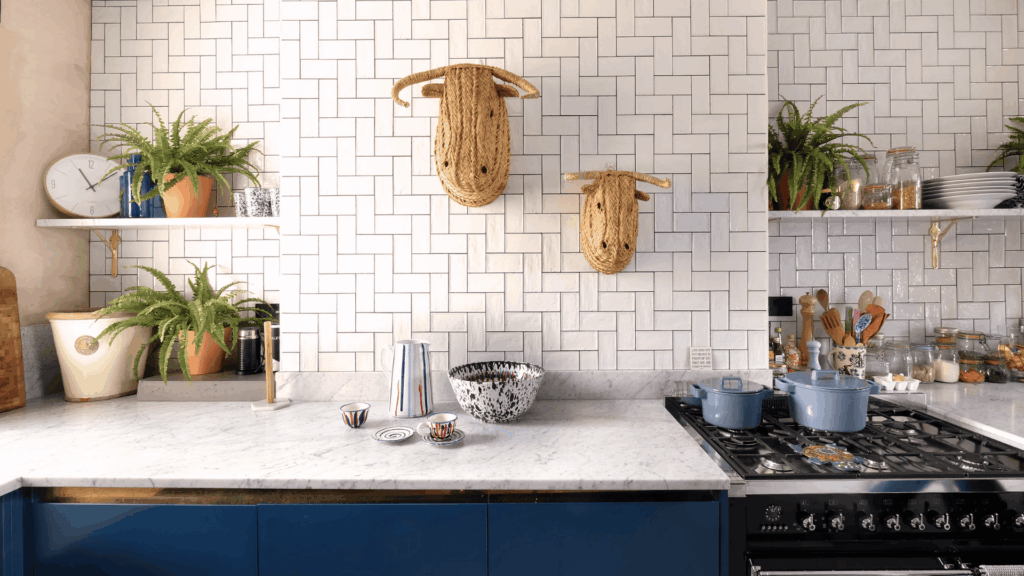
A minimal backsplash keeps the kitchen looking neat and easy to maintain. Plain tiles in white or soft neutral shades blend smoothly with cabinets and counters.
This choice supports clean lines and avoids busy patterns that can distract the eye.
Simple tiles also reflect light, helping the space feel brighter. A minimal backsplash works well behind sinks and stoves while keeping the kitchen practical.
It allows other elements, like wood or lighting, to stand out naturally.
9. Natural Stone Accents for Texture
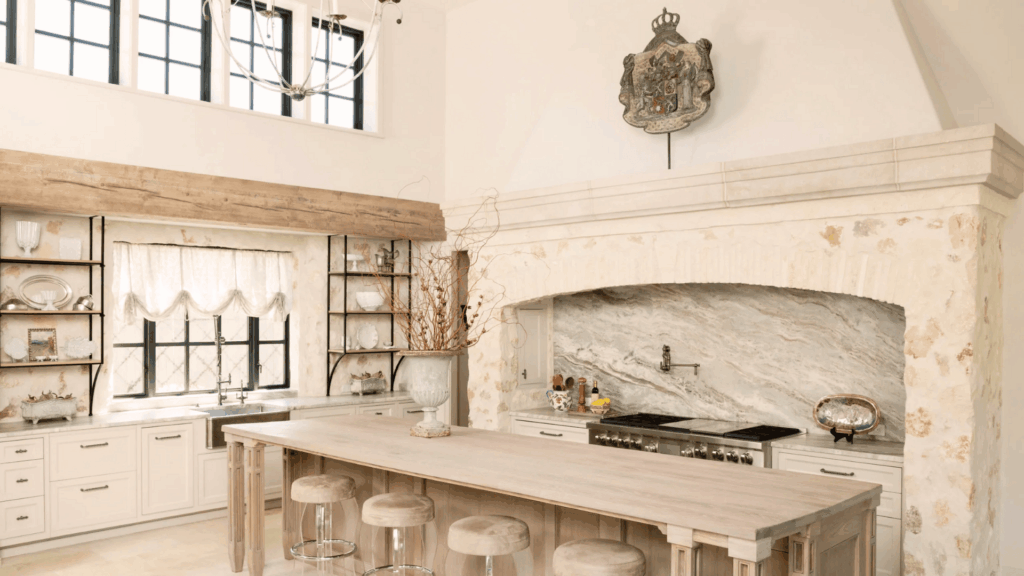
Natural stone accents add texture without making the kitchen feel heavy.
Stone can be used on countertops, backsplashes, or small details to create balance. In a Scandinavian kitchen, stone works best in soft, muted tones that match the calm color palette.
It pairs well with wood surfaces and simple cabinets. Stone adds depth and interest while still feeling grounded and practical.
This material helps the kitchen feel finished but not overdone.
10. Built-In Appliances that Blend in
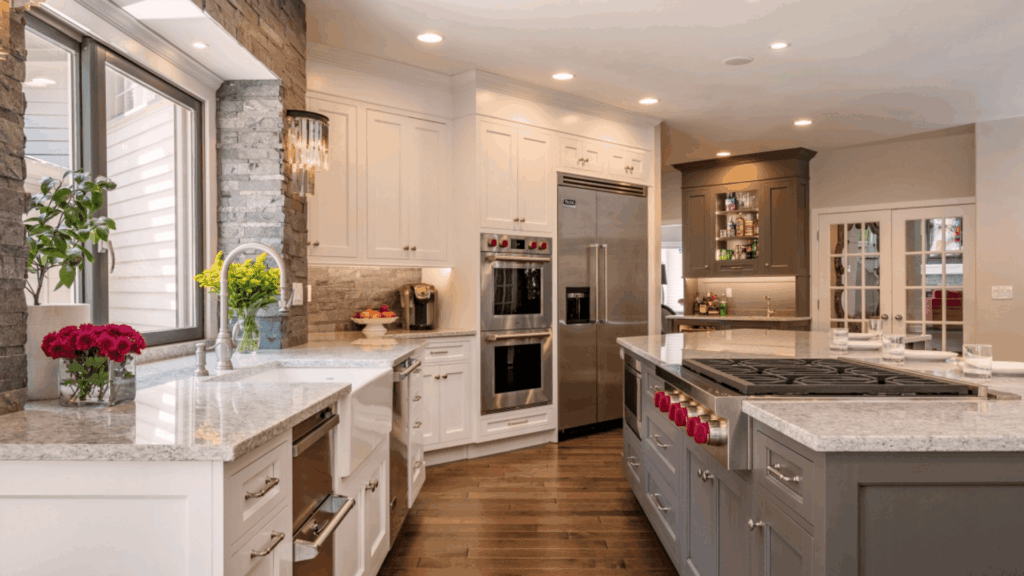
Built-in appliances help keep a Scandinavian kitchen looking clean and well-organized.
When appliances sit flush with cabinets, the space feels smoother and less busy. This design supports clean lines and makes the kitchen easier to look at as a whole.
Panel-ready fridges and hidden dishwashers work especially well in modern homes.
They also help small kitchens feel larger by reducing visual breaks. Built-in appliances keep the focus on layout and materials instead of bulky machines.
11. Narrow Shelves Instead of Upper Cabinets
Narrow shelves offer storage without the heaviness of full upper cabinets. They keep the walls open and allow light to move freely through the space.
In a Scandinavian kitchen, these shelves work best for daily items like cups, bowls, or jars.
Keeping the shelf depth shallow prevents clutter from building up. This approach makes the kitchen feel lighter and more relaxed.
It also helps create a simple and functional layout that suits modern living.
12. Large Windows to Bring in Light
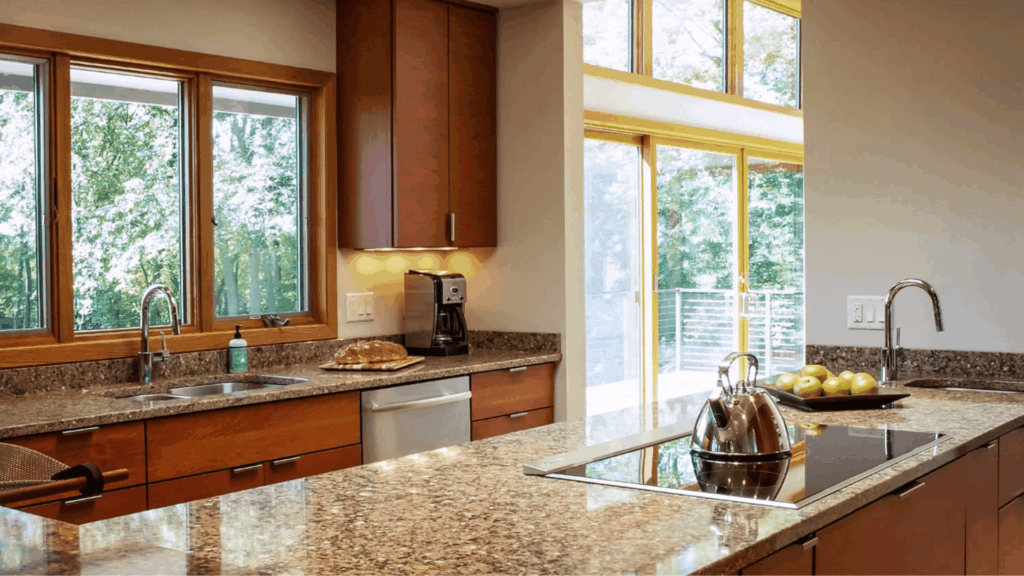
Large windows play a big role in Scandinavian kitchen design. They bring in natural light, which helps the space feel open and calm.
Placing work areas near windows makes cooking more pleasant and practical.
Light-filled kitchens also highlight neutral colors and natural materials like wood and stone. Avoid heavy window coverings to keep the look clean.
Large windows connect the kitchen to the outdoors and support a bright, comfortable space used every day.
13. Pale Oak or Birch Cabinet Finishes
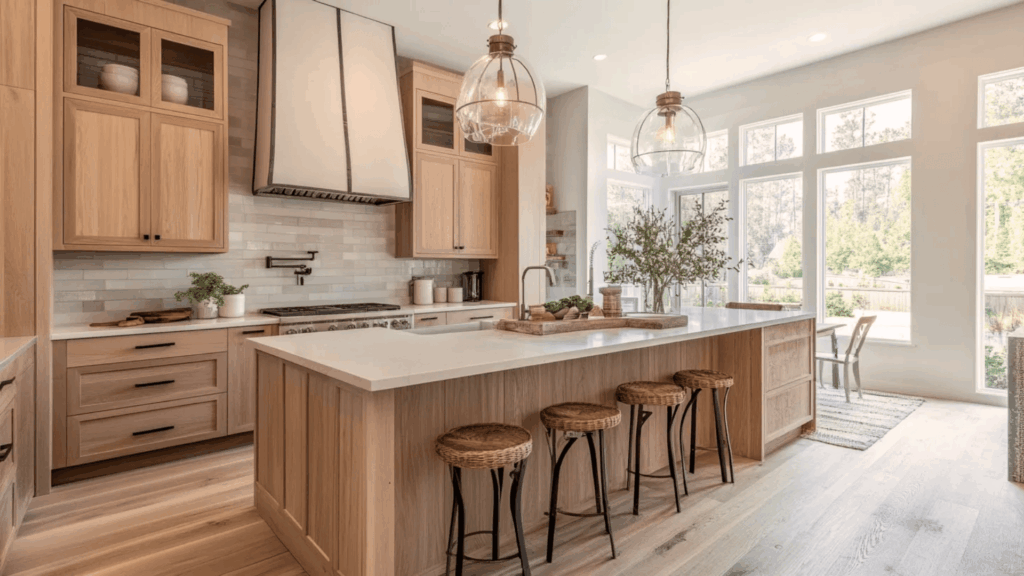
Pale oak or birch cabinets add warmth while keeping the kitchen light. These woods fit well with neutral color palettes and help soften modern layouts.
The natural grain adds texture without feeling busy or heavy. Light wood cabinets also age well and work in both small and large kitchens.
They pair easily with white walls, stone counters, and simple hardware.
This finish creates a calm look that feels welcoming, practical, and easy to live with every day.
14. Flat-Front Drawers with Hidden Pulls
Flat-front drawers with hidden pulls help maintain a smooth and clean layout.
Without visible handles, the drawers blend into the cabinetry and reduce visual clutter. This design supports simple lines and keeps the focus on function.
Hidden pulls are easy to use and work well in busy kitchens.
They also make small spaces feel less crowded. This drawer style fits modern homes that want a neat, organized kitchen without extra detail.
15. Neutral Rugs to Soften the Space
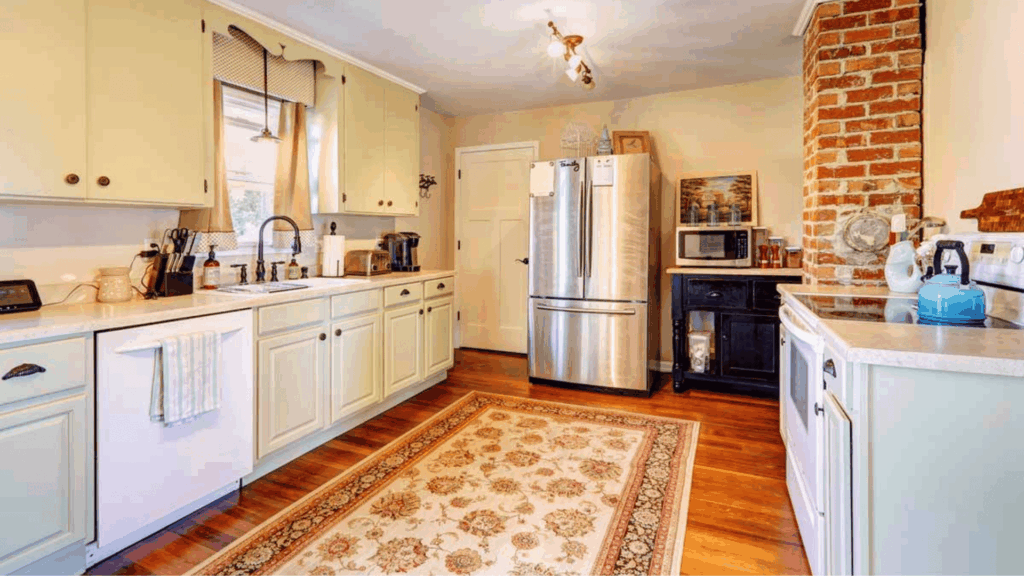
Neutral rugs help soften hard surfaces in a Scandinavian kitchen. They add comfort underfoot while keeping the look simple and balanced.
Rugs in soft tones like beige or light gray blend easily with wood floors and white cabinets.
They also help define work areas without breaking the layout. Choose low-pile rugs that are easy to clean and maintain.
This small addition adds warmth and comfort without taking attention away from the overall design.
16. Mixing White Cabinets with Wood Lowers
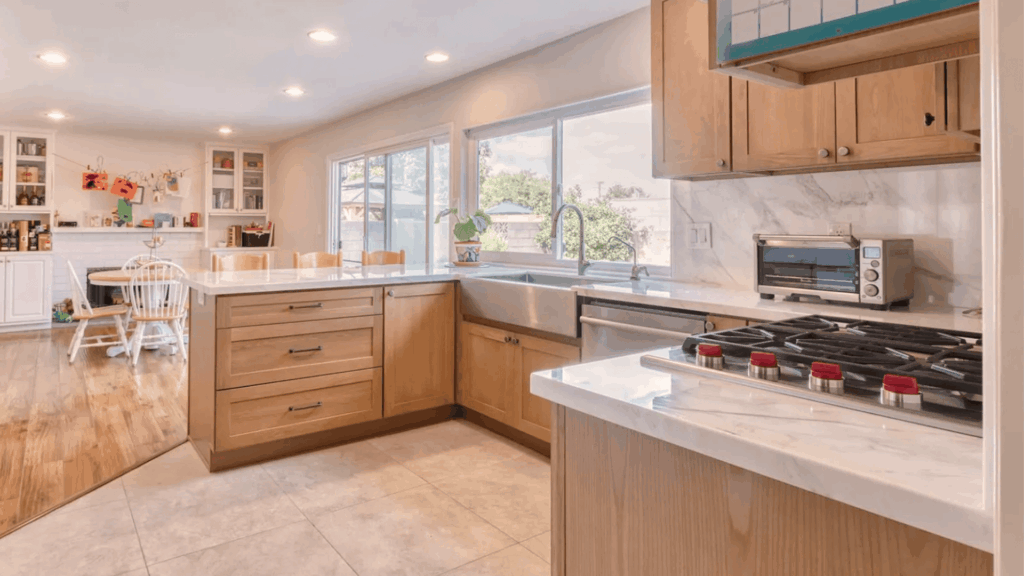
Mixing white upper cabinets with wood lower cabinets creates a balanced and grounded kitchen.
The white cabinets keep the space bright and open, while the wood lowers add warmth and visual weight. This contrast helps define the layout without making it feel busy.
Using light wood finishes keeps the look soft and natural. This setup works well in modern homes and open layouts.
It also helps hide wear on lower cabinets while keeping the kitchen calm and easy to use.
17. Simple Bar Stools with Wood Seats
Simple bar stools with wood seats fit naturally into a Scandinavian kitchen.
They add seating without pulling attention away from the rest of the space. Wood seats bring warmth and pair well with neutral colors and light finishes.
Slim frames keep the area open and easy to move through. These stools work well at islands or breakfast bars.
They support everyday use while keeping the kitchen relaxed, practical, and welcoming for family or guests.
18. Compact Islands for Small Kitchens
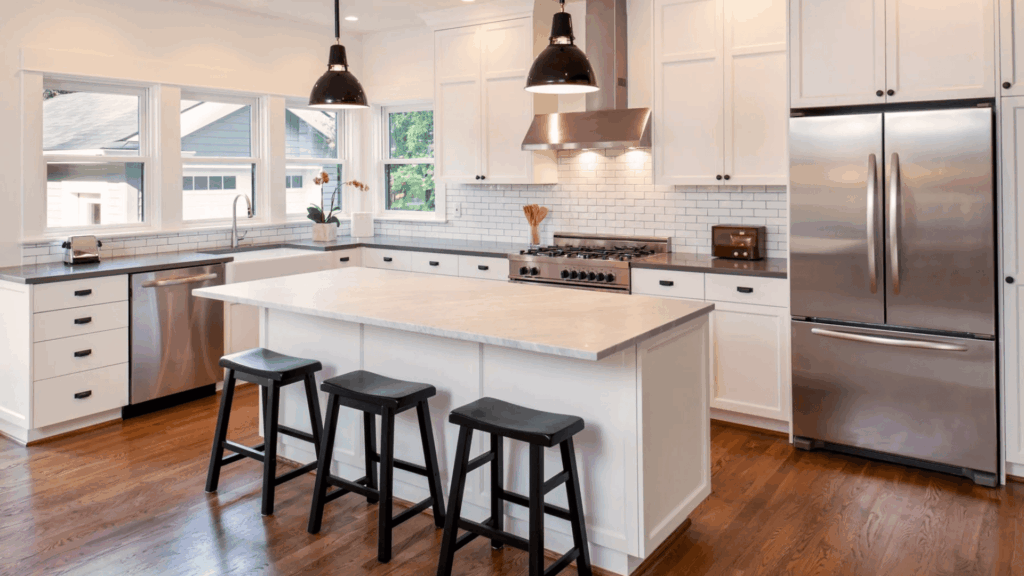
Compact islands add function without taking over the kitchen.
In smaller spaces, a slim island provides extra counter space and storage while keeping walkways clear. Using simple shapes and light finishes helps the island blend into the room.
Compact islands also work well for quick meals or prep tasks.
This option supports daily use while keeping the kitchen open, comfortable, and easy to move through.
19. Warm Lighting Instead of Harsh White Bulbs
Warm lighting helps a Scandinavian kitchen feel comfortable and lived-in. Instead of bright white bulbs, soft, warm light creates a calm mood and reduces glare.
This type of lighting works well with light colors and natural materials like wood.
Use warm bulbs in ceiling lights, pendants, and under-cabinet fixtures for balance. Good lighting makes daily tasks easier while keeping the space relaxed.
Warm lighting supports a kitchen that feels welcoming throughout the day and evening.
20. Clean Countertops with Only Daily Items
Clean countertops are a key part of Scandinavian kitchen design. Keeping only daily-use items on display helps the space feel organized and calm.
Items like a cutting board, utensil jar, or coffee maker can stay out if they are used often.
Everything else should be stored away to reduce visual clutter.
Clear counters make kitchens easier to clean and more pleasant to use. This habit supports simple living and a stress-free cooking space.
21. Plants Used Sparingly for a Fresh Touch
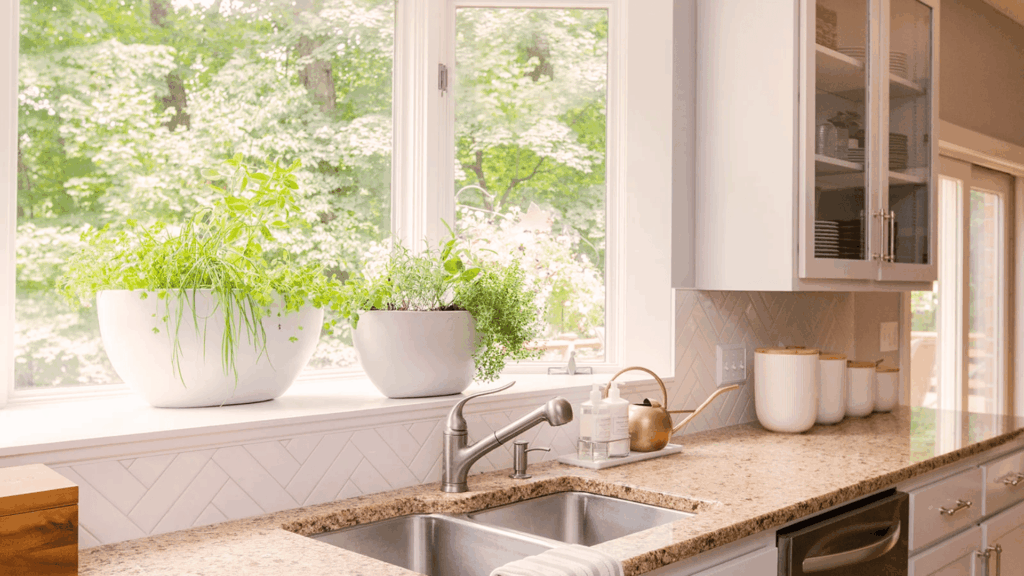
Plants add life to a Scandinavian kitchen when used with care. A few small plants bring color and freshness without overwhelming the space.
Choose easy-care plants and keep pots simple to match clean design lines.
Placing plants near windows works best and supports natural light. Avoid using too many plants, as that can make the kitchen feel busy.
When kept minimal, plants add warmth and help the kitchen feel calm, fresh, and welcoming.
Tips for Creating a Scandinavian Kitchen Design
These tips focus on simple choices that help the kitchen feel calm, bright, and easy to use. Small updates can make a big difference over time.
- Keep colors light and consistent: Stick to whites, soft grays, and warm neutrals to create a clean and open feel.
- Choose flat-front cabinets and simple hardware: Smooth cabinet fronts and minimal handles help reduce visual clutter.
- Balance open shelves with closed storage: Use open shelves for daily items and closed cabinets to hide mess.
- Let natural light guide the layout: Place work areas near windows and avoid blocking light sources.
- Keep decor useful and uncluttered: Choose items that serve a purpose, like jars, bowls, or cutting boards.
Conclusion
Scandinavian kitchen design works because it puts comfort and daily use first. It shows that a kitchen does not need to feel busy to feel warm or welcoming.
With light colors, natural materials, and simple layouts, you can create a space that feels calm and easy to live in.
The best part is that this style can be shaped to fit your home, your routine, and your needs. You can take what works for you and leave the rest.
Start small, make thoughtful choices, and let the space grow with you over time. If you are planning a Scandinavian-style kitchen or already have one, I would love to hear about it.
Share your thoughts, questions, or experiences in the comments below.