

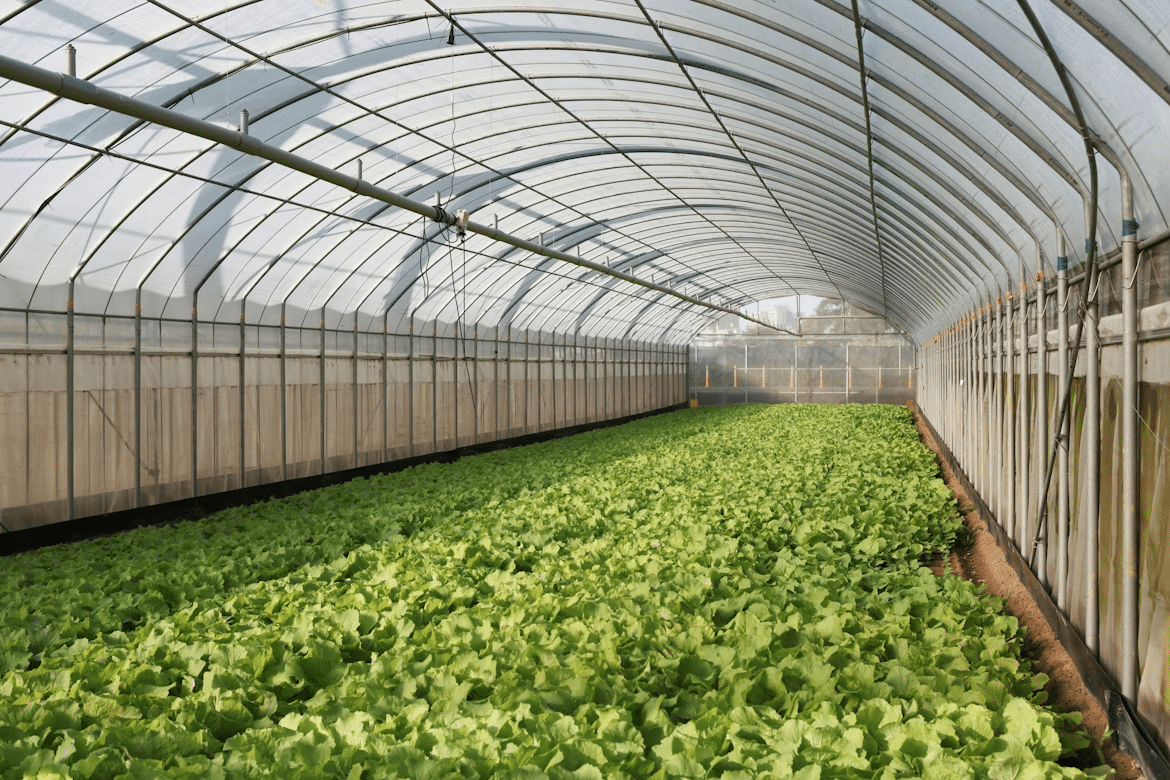
Owning a greenhouse offers more than just an extended growing season, as it creates a controlled environment where plants can thrive consistently. Gardeners, growers, and agricultural businesses benefit from greater predictability and flexibility in their planting routines. A greenhouse transforms outdoor limitations into manageable variables.
Beyond plant growth, greenhouses support sustainability, efficiency, and long-term productivity. They allow better use of space, resources, and time while reducing dependence on unpredictable weather. Understanding these benefits helps clarify why greenhouses remain a valuable investment for both small-scale and commercial growers.
Year-Round Growing Opportunities
One of the most appealing benefits of a greenhouse is the ability to grow plants throughout the year. Temperature, humidity, and light can be managed to support crops regardless of season. This stability allows growers to plan production schedules with confidence.
Key advantages of year-round growing include:
- Extended growing seasons for vegetables, flowers, and herbs
- Protection from frost, heavy rain, and extreme heat
- Greater control over planting and harvesting timelines
Consistent conditions encourage healthier plants and more reliable yields. This level of control reduces crop loss and supports steady productivity across the calendar.
Improved Control Over Growing Conditions
Greenhouses provide a space where environmental factors are adjustable rather than reactive. Light exposure, airflow, and moisture levels can be tailored to the needs of specific plants. This precision supports optimal growth and reduces stress on crops.
Many growers exploring commercial greenhouses find that controlled environments improve efficiency and crop quality significantly. These commercial growing structures are designed to support consistent conditions at scale while maintaining flexibility for different growing needs. The result is a balance between productivity and adaptability.
Controlled environments simplify pest and disease management. Barriers reduce exposure to external threats, while monitoring systems allow early detection. This proactive approach supports healthier plants and reduces reliance on reactive treatments.
Increased Yield And Plant Health
Healthier plants tend to produce higher and more consistent yields. Greenhouses minimize exposure to environmental stressors that can stunt growth or reduce output. Stable conditions support stronger root systems and uniform development.
Improved plant health translates into better-quality produce. Crops grown in greenhouses often show enhanced flavor, appearance, and shelf life. These qualities benefit both personal consumption and commercial distribution.
Consistent yields support better planning and reduced waste. Predictable output allows growers to align harvesting, storage, and distribution more efficiently. This reliability strengthens both small and large growing operations.
Protection From Unpredictable Weather
Weather variability presents ongoing challenges for outdoor growing. Sudden storms, droughts, or temperature shifts can disrupt even well-planned planting schedules. Greenhouses offer a protective barrier against these uncertainties.
Shielding plants from harsh conditions reduces the risk of damage. Wind, heavy rain, and extreme temperatures remain outside, while internal conditions stay regulated. This protection supports long-term crop stability.
Reduced weather dependency encourages experimentation with diverse plant varieties. Growers can explore crops that may not thrive outdoors in their region. This flexibility expands growing potential and innovation.
Efficient Use Of Space And Resources
Greenhouses maximize productivity within a defined footprint. Vertical growing systems, organized layouts, and controlled spacing allow more plants to thrive in less space. This efficiency benefits growers with limited land.
Resource management improves within enclosed environments. Water usage becomes more precise, and nutrient delivery can be closely monitored. These efficiencies support sustainability and cost control.
Energy use can be optimized through insulation and modern greenhouse design. Strategic heating, cooling, and lighting reduce waste while maintaining ideal conditions. This balance supports responsible and efficient growing practices.
Opportunities For Commercial And Educational Use
Greenhouses serve a wide range of purposes beyond personal gardening. Commercial operations rely on them for consistent production and quality control. Educational institutions use greenhouses to teach plant science and sustainability.
Students and trainees benefit from hands-on learning in controlled environments. Observation, experimentation, and data collection become more accessible. These experiences foster deeper understanding and practical skills.
Commercial growers benefit from scalability and customization. Greenhouses can be designed to meet specific production goals, whether for food, flowers, or research. This adaptability supports diverse applications and long-term growth.
Long-Term Value And Sustainability
Investing in a greenhouse supports long-term productivity and environmental responsibility. Reduced crop loss, efficient resource use, and consistent yields contribute to sustainable practices. These benefits accumulate over years of use.
Long-term value includes both economic and environmental returns. Greenhouses help stabilize production while minimizing waste and resource strain. This balance aligns productivity with sustainability goals.
Modern designs integrate automation, monitoring, and energy-efficient systems. These innovations enhance performance and extend the lifespan of greenhouse investments.
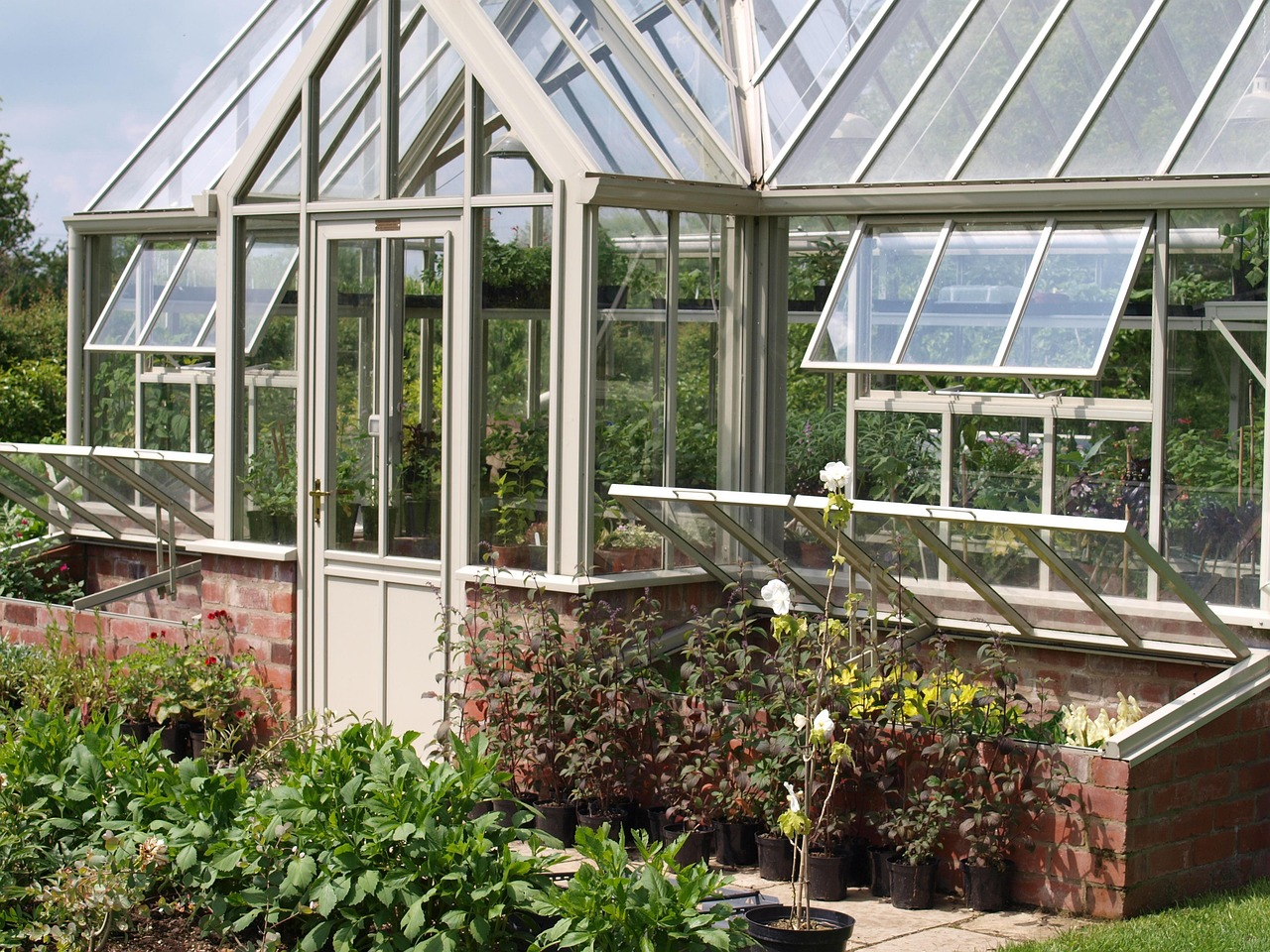
Owning a greenhouse provides control, protection, and flexibility that outdoor growing cannot consistently offer. From improved plant health to efficient resource use, the benefits support both personal and commercial goals. Greenhouses transform growing into a predictable and rewarding process.
Whether used for year-round gardening, education, or large-scale production, greenhouses deliver lasting value. By investing in the right structure and approach, growers create environments that support sustainability, productivity, and long-term success.