

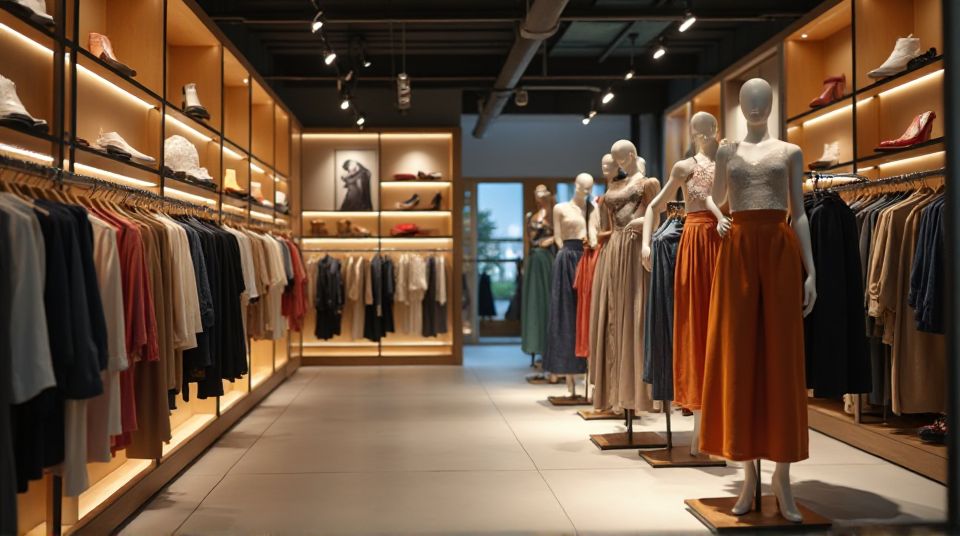
Walk into any retail store and the first thing that greets you is not always the product. It is the atmosphere. Often, that atmosphere is shaped by light.
I have spent years consulting on projects where owners debated fixtures more than flooring, and I can tell you this: the decisions made around a store’s lighting design influence sales, mood, and loyalty in ways that are difficult to ignore.
If you have ever worked with commercial lighting, you know that lighting is not just about brightness. It is about experience, about how light creates a pathway for the customer.
I remember working with a small clothing store owner who wanted to cut costs by using a single set of fluorescent tubes. The result? Fitting rooms that made customers look pale, shelves that looked flat, and a shopping experience that pushed people out the door faster than they came in.
After revising the lighting plan with accent lighting and proper color temperature adjustments, sales in the first quarter rose by 18 percent. That moment reinforced for me that store lighting is not an expense, it is an investment.
Why Lighting Matters More Than You Think
Retail lighting is not decoration. It is the silent guide in every retail environment, directing attention, encouraging movement, and influencing decisions. Studies show that over 80 percent of the information our brain processes about an environment comes through our eyes. The right lighting, or the wrong one, sets the tone before a single word is spoken by staff.
Effective retail lighting does more than illuminate. It helps customers feel comfortable, encourages them to explore, and even impacts customer behavior. For instance, bright light has been linked to faster decision-making, sometimes nudging people toward impulse purchases.
On the other hand, a dim setting slows people down, extending browsing time and often leading to higher cart values. Retailers who understand this balance already have an edge.
Hard Evidence That Lighting Drives Results
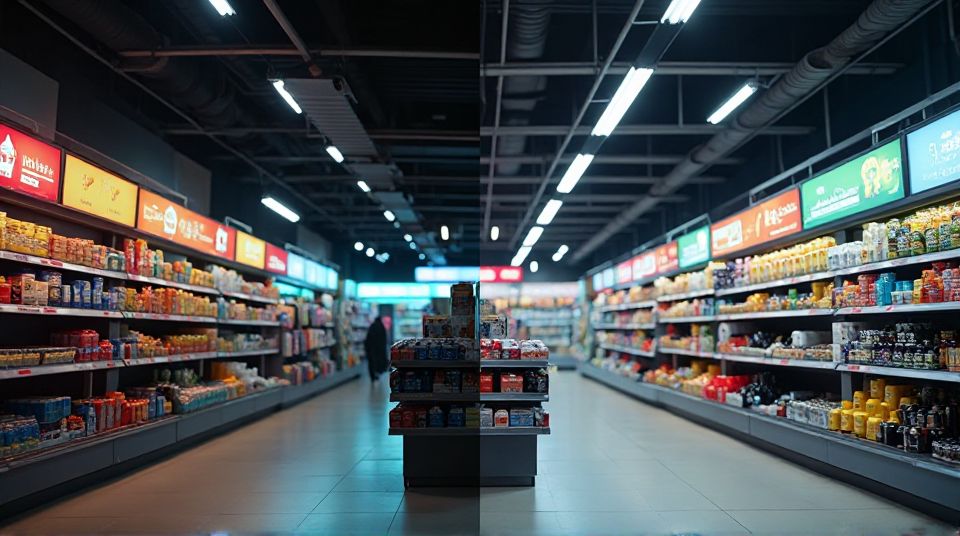
This is not only theory. Numbers back it up. One grocery chain that tested LEDs in half its aisles found that sales per customer rose by 2 percent within five months. Another study tied a 19 percent increase in sales directly to a switch to an energy-efficient lighting system.
When you consider that nearly 80 percent of global retail sales still happen inside a physical retail store, the impact becomes even more significant.
And let’s be practical. Customers often compare online photos with in-store reality. If lighting provides clarity and shows products in their true color rendering, trust builds. Poorly lit shelves or mismatched tones can undermine brand identity faster than a competitor’s promotion.
Lighting Design Principles That Shape Experience
When I speak with retailers, I often suggest thinking of lighting design as a layered recipe. Each element plays a role.
- Ambient lighting: The base layer. This is your general lighting that sets the mood of the space. Too harsh and the environment feels sterile. Too soft and customers cannot navigate easily.
- Accent lighting: The detail layer. Accent lighting highlights products, displays, or even architectural features. In one project, we used narrow beam LED lights above a seasonal display, and sales of those products jumped by 22 percent compared to the previous year.
- Task lighting: Often overlooked. This is for employees and customers where clarity is critical, like checkout counters or fitting rooms. Good task lighting can make customers feel confident in what they are buying.
- Color temperature: Warm lighting around 2700K creates a relaxed feel, while cooler tones around 4000K make spaces feel sharp and modern. The right color temperature depends on brand identity. A high-end clothing store might lean warm to flatter skin tones, while a tech retailer prefers cooler tones to convey precision.
A balanced lighting plan ensures that each layer works together, not against each other.
How Light Creates Emotion in Stores

Lighting can make or break the emotional connection between customer and brand. I once walked into a boutique where every corner was lit with a slightly different lighting intensities. It was exhausting. Customers left quickly, distracted rather than engaged.
Compare that with a store where general lighting blends seamlessly with accent lighting, where every detail seems thought through. Lighting provides a sense of harmony, and customers respond with longer stays and higher spending.
Different lighting systems send different signals. Bright light energizes, dim zones invite curiosity. When color rendering is accurate, customers feel more trust in what they are purchasing. When it is off, returns rise. These are small but measurable outcomes that retailers ignore at their own risk.
Beyond Sales: Well-Being and Security
It is easy to focus on sales, but the benefits of effective retail lighting go further. Properly designed lighting systems improve security. High color rendering makes camera footage clearer, which reduces theft.
A well-lit retail environment also enhances comfort, reducing eye strain and creating a space where customers feel welcome. This matters. A shopping experience that feels pleasant encourages repeat visits.
I have seen facilities where staff performance improved after a shift to LED light solutions with balanced lighting intensities. Employees reported less fatigue, which translated into better service. In retail, staff energy directly affects customer experience.
The Role of Technology
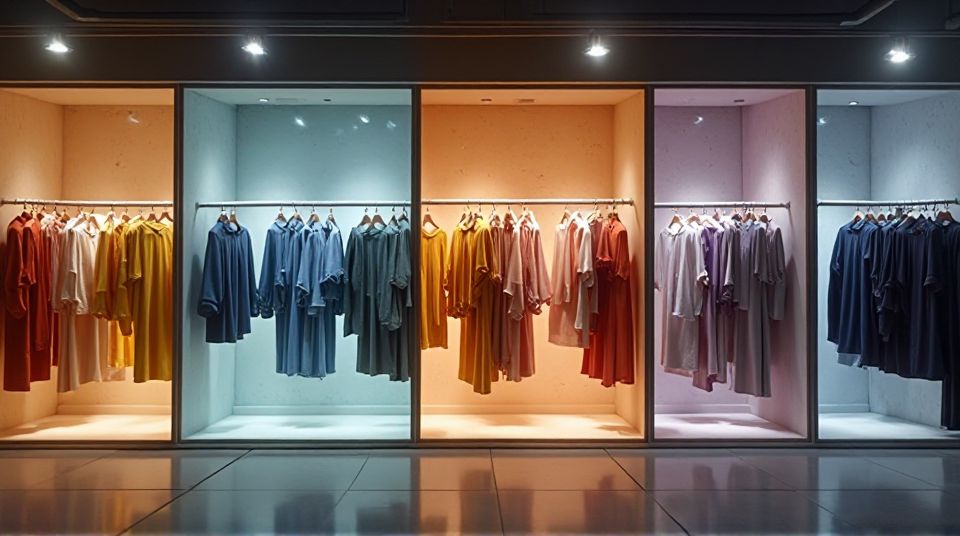
Modern lighting systems are not static. IoT-enabled LEDs and tunable options allow retailers to adjust color temperature throughout the day. Morning might begin with cooler tones to energize, shifting to warmer tones in the evening to relax.
A commercial lighting contractor often brings in these advanced tools, ensuring not only efficiency but adaptability. The right lighting today must also be flexible enough for tomorrow’s retail environment.
Lighting and Brand Identity
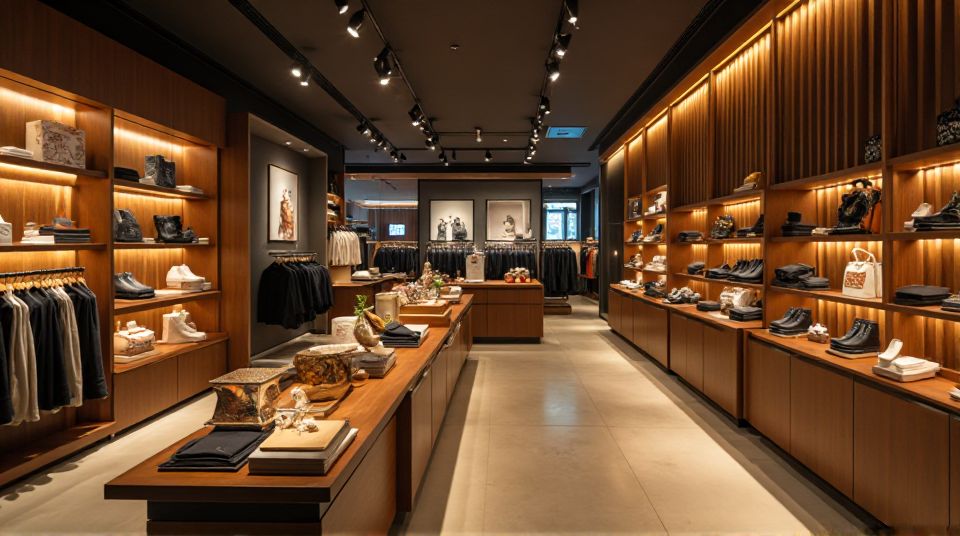
Lighting design is storytelling. Every retailer communicates a message, consciously or not, through its environment. For some, brand identity is about luxury, for others it is speed or affordability. Lighting can make these messages clearer.
A clothing store that invests in flattering fitting room light is saying, silently, that they care about how customers feel. A technology store with sharp, clean lighting is saying precision and innovation define them. Customers feel these things even if they cannot articulate them.
Best Practices Checklist
- Audit your current store lighting.
- Evaluate general lighting, accent lighting, and task lighting separately.
- Check color temperature consistency across spaces.
- Experiment with different lighting intensities to find the right balance.
- Use LED lights for both energy efficiency and product visibility.
- Partner with a commercial lighting expert who understands retail.
- Test results in one area before rolling out storewide.
Conclusion
Lighting design is not just technical. It is psychological, emotional, and financial. It shapes the way customers move, the way they feel, and the way they decide to purchase. Retail lighting affects everything from security to staff performance to brand identity.
Lighting can make a product irresistible or forgettable. And in a time when physical retail still dominates global sales, ignoring its power is a mistake no retailer can afford.
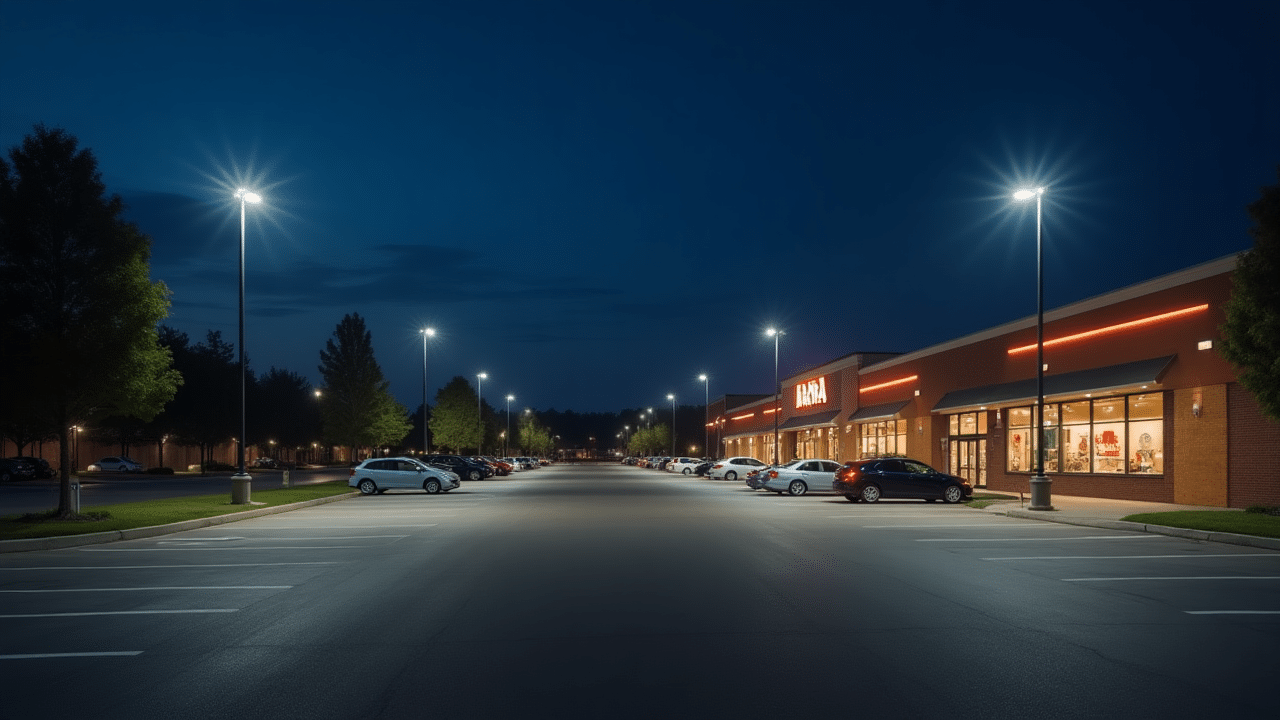
As I often tell clients, the right lighting does not only illuminate products. It enhances the entire customer experience, leaving an impression that goes far beyond the walls of a retail store. The same principle applies outside, where well-planned parking lot lighting adds another layer of safety, visibility, and reassurance before a single step is taken inside.