

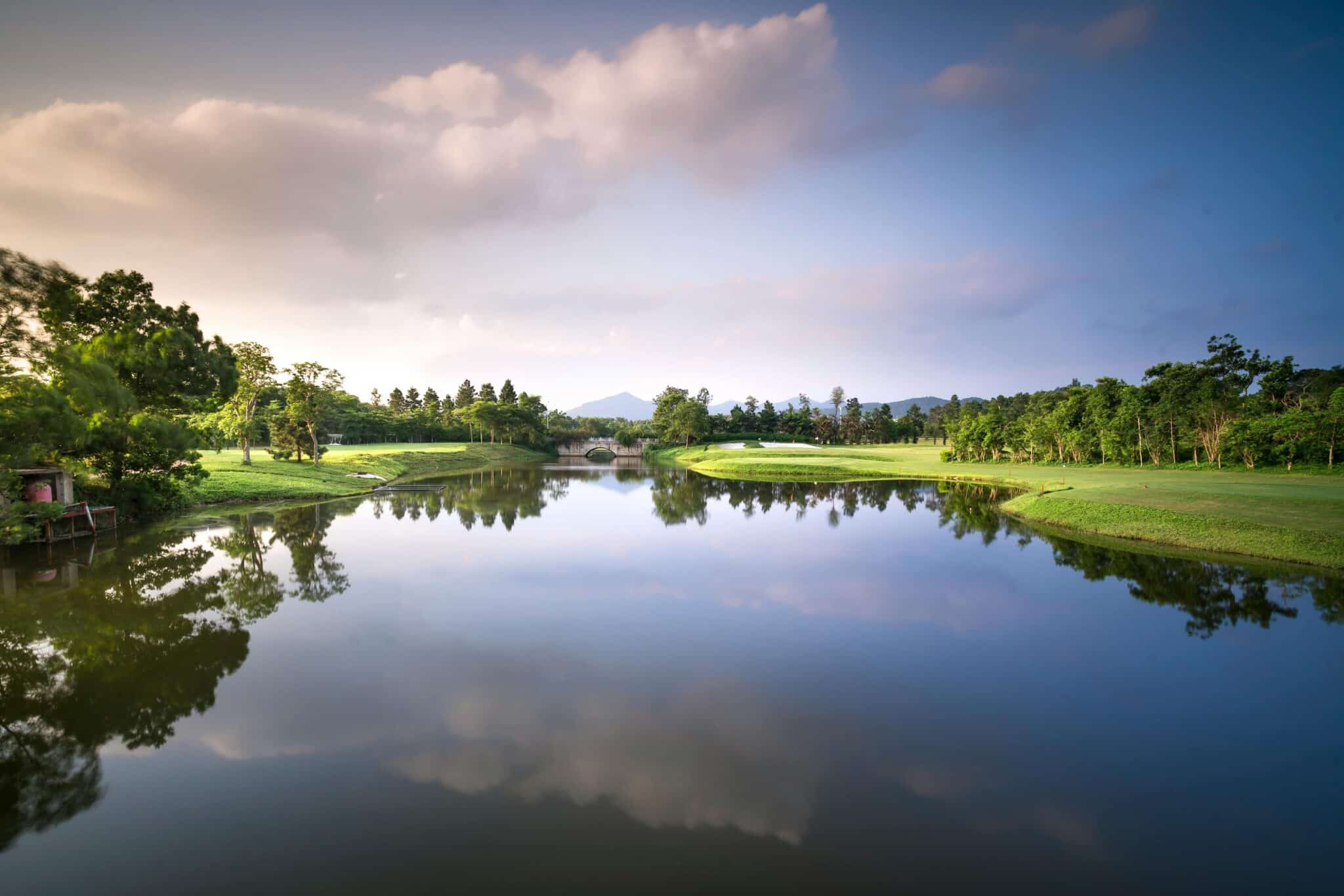
Ponds never really crash out of nowhere. It’s a slow fade. First, an owner might see an extra algae patch or two. Then, the spring water seems to take forever to clear up.
Some people shrug—they think it’s nothing. But that’s the pond’s first whisper that things are slipping. If they ignore that whisper, it’ll eventually scream.
That’s when they get the green, soupy water, the fish gasping at the edge, and a smell that keeps them off the patio. Catching the whisper is how someone avoids the costly and messy scream.
The Early Warning System: Don’t Ignore These Signs
Ponds give you hints. Small ones, like a bit more scum or slower-clearing water. Those hints mean the ecosystem’s balance is off. An experienced pond owner spots those clues right away. That’s how they keep maintenance simple and avoid a major cleanup later.
The Top 5 Subtle Red Flags
These are the quiet signs a pond’s health is shifting. They suggest the water’s ability to clean itself is slipping.
- Noticeable increase in bottom “muck.”
- Surface films that regularly reappear.
- Excessive debris that isn’t decomposing.
- Unusual cloudiness or color in the water.
- One weed type outcompeting the others.
When these appear, it means the pond’s equilibrium is under stress. It’s a clear nudge for some proactive care.
Why “Quick Fix” Products are a Trap
The immediate reaction to pond problems is often a trip to the supply center for an algaecide or a “magic” water clarifier. These products offer a tempting promise of fast results. However, they are almost always a short-term trap that worsens the long-term problem.
The application of algaecides causes immediate plant mortality. The resulting biomass deposits on the pond floor, where its microbial breakdown lowers oxygen concentrations and liberates stored nutrients. This process frequently initiates a succession of increasingly severe algal blooms, weakening system stability.
The Professional Approach: Solving for “Why,” Not “What”
A professional doesn’t just look at green water and think “algae.” They see a symptom and start asking “why?”
Their whole process is built on finding the root cause—like too many nutrients or poor circulation—that threw the pond off balance. Then they fix that.
The goal isn’t to just clear the water for a week; it’s to restore the pond’s health so the problem doesn’t keep coming back.
The Diagnostic Checklist
Real pros don’t guess. They play detective. They check everything until they find the exact reason a pond is struggling.
They’re trying to answer things like:
- “What’s flowing into this thing?” Is it acting as a drain for the whole yard?
- “What’s the bottom like?” Is it a deep layer of nutrient-rich goo?
- “Is there any life in the deep end?” Or is it a dead zone with no oxygen?
- “Has the wildlife check-out gone wild?” Is one species running the show?
- “Is the pond itself broken?” Are there leaks or erosion issues?
Finding out if a pond is being overfed or suffocated is the key. It’s the only way to stop constantly treating surface problems and actually cure the pond’s health for good.
Core Strategies for Effective Pond Restoration

Lasting restoration isn’t one step; it’s a series of connected actions that rebuild the pond’s natural balance.
Key actions include:
- Dredging to physically remove nutrient-heavy sediment.
- Supplementing with beneficial, waste-digesting bacteria.
- Installing aeration to oxygenate the water and support healthy processes.
- Establishing a buffer of plants to filter incoming water.
- Re-planting with beneficial species to absorb nutrients.
A layered approach that tackles both the visible problems and their root causes is what builds a strong, self-sustaining pond. It’s how you create a system that naturally resissues.
The Critical Role of Consistent, Professional Maintenance
A restored pond remains a dynamic ecosystem, not a permanent installation. Seasonal changes and natural processes will gradually alter its balance. Consistent professional maintenance is therefore not a corrective measure, but the essential and proactive care required to sustain its health.
Professional maintenance isn’t occasional; it’s a scheduled program of informed care designed to sustain a pond’s health.
Key scheduled tasks include:
- Seasonal Removal of organic matter to prevent nutrient overload.
- Aquatic Plant Management to ensure they remain assets, not problems.
- Mechanical System Servicing to keep aeration and filtration running optimally.
- Routine Water Analysis to detect and correct imbalances early.
- Flow Management by keeping water surfaces and entry points clear.
This disciplined and preventative strategy is what stops minor neglect from becoming a major restoration.
Transforming Your Pond from Problem to Asset
A great pond feels alive. It attracts birds, looks beautiful in any season, and is your go-to spot to relax. Creating that isn’t about dumping in a quick fix. It’s about learning some basics and helping nature do its thing, which is how you build something that lasts for years.
Waiting until the pond is in crisis makes everything harder. The smarter path is consistent, professional care. To achieve that, property owners should seek out reliable pond cleaning and maintenance services. A company like Pond Perfections can provide an assessment and use proven methods to create a pond that stays vibrant season after season.