

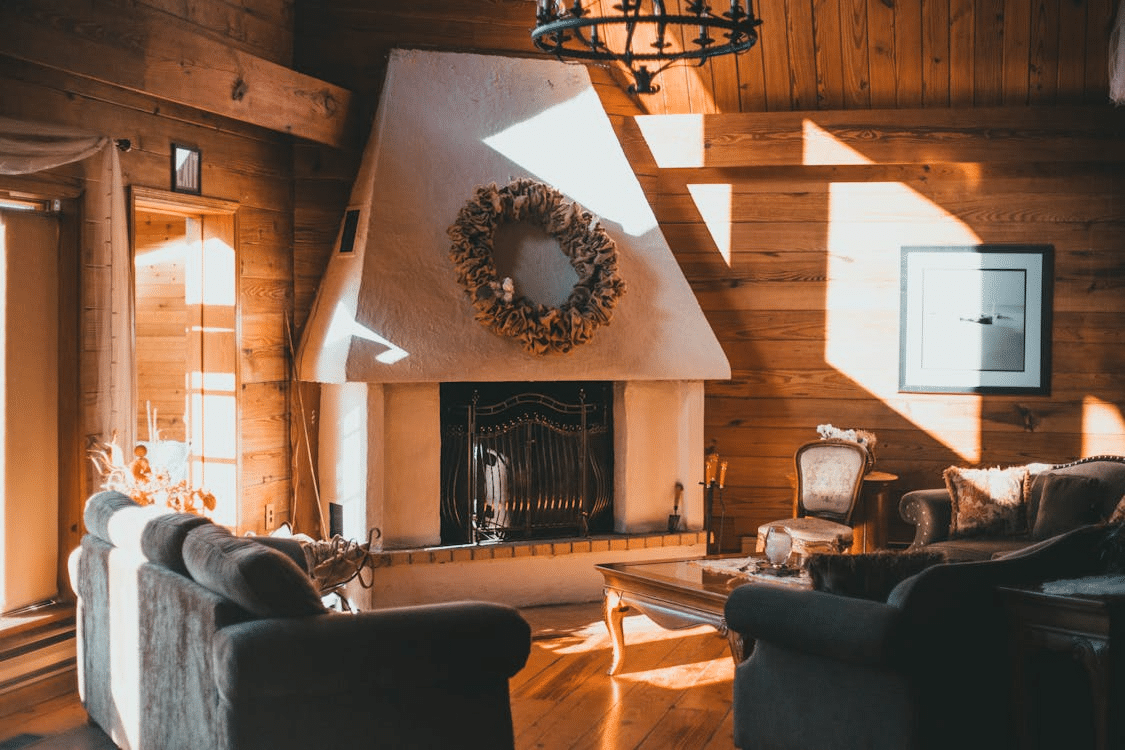
Feeling at home is about more than décor. It is the mix of comfort, safety, and small details that make daily life easier for everyone who walks through the door.
When a space supports different needs without calling attention to them, people relax. They move more freely, connect more easily, and feel welcomed by design.
Start With Safety That Fades Into The Background
Home should feel effortless, so begin where people’s feet meet the floor. Clear walkways, stable surfaces, and smart lighting reduce friction for kids, guests, and older adults alike.
Falls are common in everyday life, especially for people over 65, so building in safeguards matters. A national public health report notes that millions of older adults experience a fall each year, and those incidents often affect confidence long after. That is a strong reason to balance style choices with practical measures that quietly lower risk, according to the Centers for Disease Control and Prevention.
Add Texture And Warmth Underfoot
Comfort often starts with what you feel, not what you see. Soft textures help rooms read as warm and inviting instead of echoing and stark.
Stairs and corridors deserve attention because they set the tone for movement. Thoughtfully chosen runner rugs for stairs and landings add traction, soften sound, and knit floors together so the home feels unified from the first step. Keep patterns calm in busy zones and introduce bolder textures where people slow down, like reading nooks and bedrooms.
Use rug pads to keep everything securely in place. Choose low profiles near doors so they do not catch, and check edges every season. Small maintenance habits help the whole house feel cared for.
Bring Nature In With Intention
People tend to relax around natural elements. Plants, daylight, and organic textures can shift a room from stiff to soothing in a single afternoon.
A recent study observed that features inspired by nature may lift mood and support well-being. Translating that to the home is simple with leafy plants, wood grain furniture, and stone accents placed where people look first. Even artwork of outdoor landscapes adds a gentle cue that calms the nervous system, as suggested by PLOS ONE.
Let rooms breathe by varying heights and textures. Mix a woven basket beside a smooth table and a leafy plant near a textured wall. Variety keeps the eye engaged without visual clutter.
Plan Clear Paths And Flexible Zones
Flow is comfort in motion. If people can move easily, they feel at ease faster. Map the main routes from the entry to the kitchen, living room, and bathroom.
Test them with full hands and at night. The best layouts let two people pass without bumping, and they offer places to pause, sit, or set something down along the way.
When seating is flexible, the home adapts to different bodies and activities. Combine a deep sofa with upright chairs and a sturdy ottoman that doubles as a table. Guests can choose what feels right for them without feeling singled out.
Light For Tasks, Mood, And Safety
Light shapes how rooms feel at every hour. Layer it so no single fixture has to do all the work.
Aim for three types in most spaces. Ambient lights set the base level, task lights help with reading or cooking, and accents create pockets of glow for the evening. Put motion lights in entries and along hallways to make night navigation less stressful.
- Table lamps for reading corners
- Under-cabinet strips for counters
- Floor washers for stairs or long corridors
Dimmers and smart bulbs add flexibility without a full remodel. Warm temperatures in the evening signal rest, while cooler light during the day supports focus.
Choose Materials That Stand Up To Real Life
Durable materials make homes more welcoming because people do not worry about using them. When surfaces are easy to clean and hold up to traffic, the space stays relaxed.
Focus on the spots that take the most wear. Stairs, entries, and kitchens benefit from sturdy finishes and textured flooring that offers grip. Good ventilation and washable paint finishes help, too, especially in homes with kids or pets.
Safety is part of durability. Workplace data shows how serious falls can be, with a notable share of fatalities tied to slips and trips in one major industry. While homes are different than job sites, the lesson is clear that better traction and smart design reduce risk, as highlighted by the Bureau of Labor Statistics.
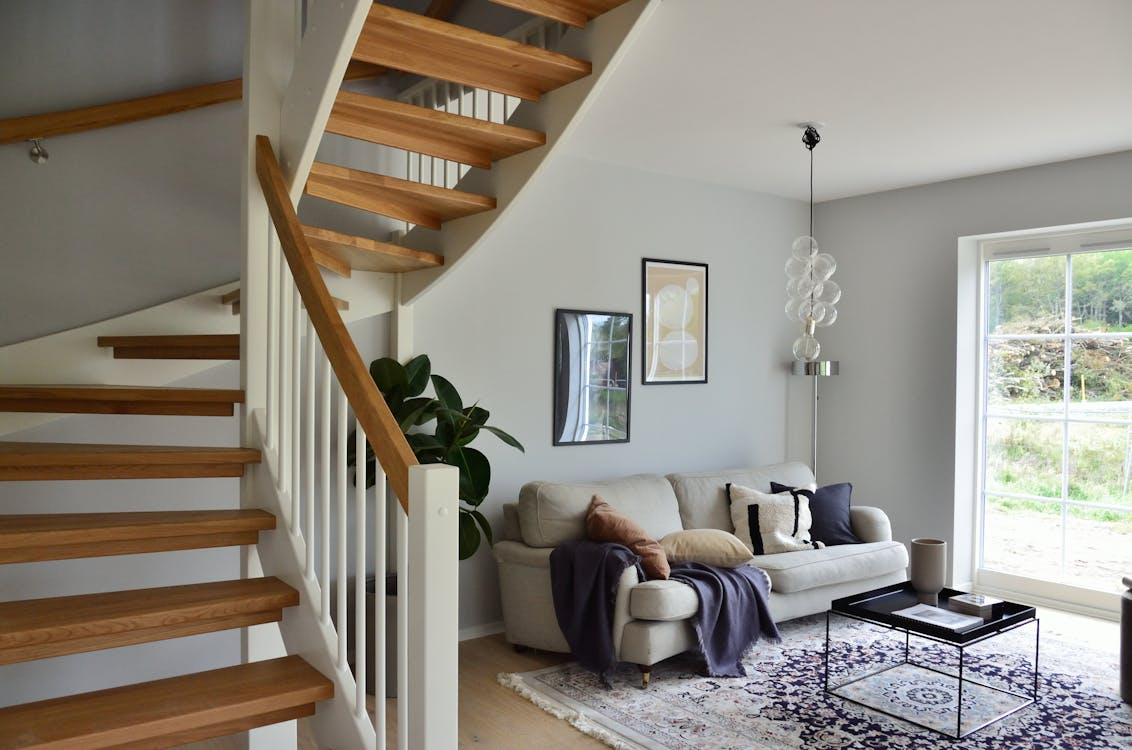
Creating spaces that feel like home to everyone is about stacking helpful choices. When you combine safety, texture, natural elements, and flexible lighting, rooms start to work with people instead of against them.
That easy feeling becomes the house’s signature. Guests sense it at the door, family feels it after long days, and you see it in the way the space invites people to be themselves.