
If you’ve been dreaming of having a garden pond, you know it’s more than just a water feature. It’s a diverse ecosystem for a wide range of wildlife as well as a sanctuary for you. Achieving this, however, requires a lot of thoughtful decisions. Here are some essential tips for designing a stunning garden pond!
Deciding on The Purpose
Before you start digging anything, the first step is to decide what the actual goal of your pond is. Do you want to attract wildlife like butterflies and frogs or keep exotic fish, like Koi Carp? For some people, a pond is primarily there for aesthetic purposes, with the added benefit of wildlife. Having a clear goal will dictate further decisions, such as the size, depth, landscaping, and equipment needed.
Location, Location, Location
It cannot be understated just how important the location is to your pond’s health as well as your enjoyment. The ideal area would have plenty of light to help the plants grow, yet not too much direct sunlight as this may increase algae problems. Make sure there are no big trees around it, because falling leaves will end up in the water and clog filters.
Additionally, access to an outdoor power source may be necessary if you’re running an electric pump or filtration system. You may also want to incorporate some aesthetic elements like pond lights from In-lite or a small water fountain, which require power.
Beyond the practical aspects, the location of your pond should be such that you could see and enjoy it regularly, perhaps as you sip your morning coffee. But, crucially, it shouldn’t be in an area with high traffic, as you do not want to disturb or scare off the wildlife.
Size and Shape
The scale of your pound will, of course, depend on the size of your garden. A huge pond will make no sense in a small yard, while a tiny one may seem lost in a huge open landscape. The size and, in particular, depth should also be based on the kinds of plants or wildlife you want to invite here.
All ponds should be at least 15 inches deep to prevent them from overheating in the summer but 30 inches is the gold standard for the largest range of plants. Larger fish require even more depth (around 3 feet, or 36 inches, for Koi Carp). It’s a great idea to have varied depths, meaning some parts of the pond are more shallow than the others.
When it comes to shape, you have more freedom. Formal gardens typically have classic shapes, like squares or circles, but you could also go for a more organic look with curved, asymmetrical edges. Using a flexible pond liner will let you play around with the shape, while a preformed shell is best if you want clean lines.
Building a Balanced Ecosystem
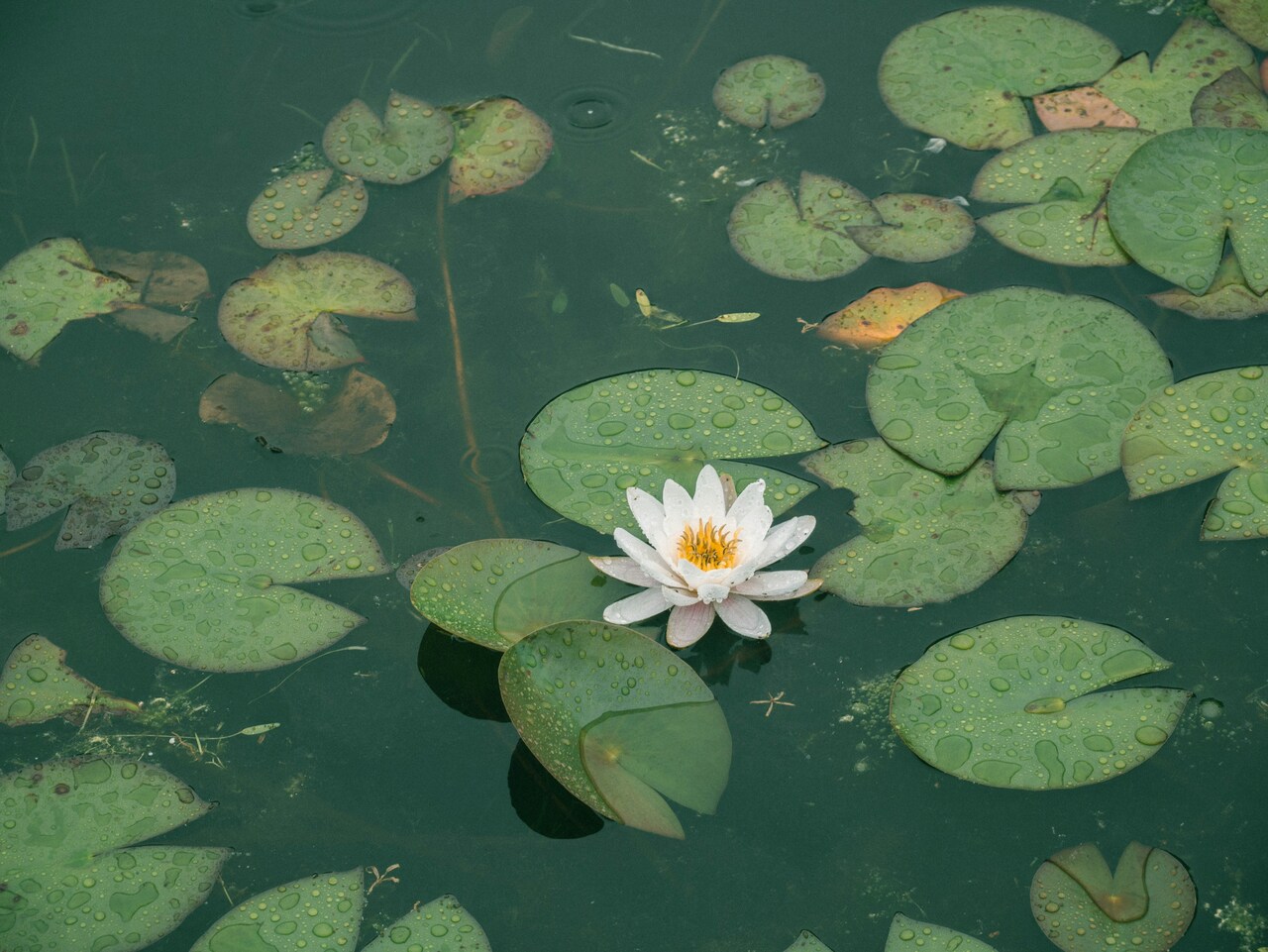
A stunning pond is a healthy one, with a balanced ecosystem and a variety of aquatic plants. Water lilies are a common choice, not only because they’re beautiful, but also help limit algae growth by shading the water from direct sunlight. Marginal plants around the edges of the pond are not just there for the looks – they help soften the transition from water to land, providing habitat for a range of wildlife.
If adding fish, you’ll have to gradually introduce them to the new environment with the help of biological filters. They may also need water heaters in colder climates, to survive during the winter. A reliable pond filtration system is essential to maintain the water quality and keep it clear of any debris. Other needs might arise based on your environment and climate.
Doing Your Research
As you can tell, there’s quite a lot to know when designing and building a garden pond. It’s important that you do your research or consult a professional before going ahead, to ensure a successful outcome.