

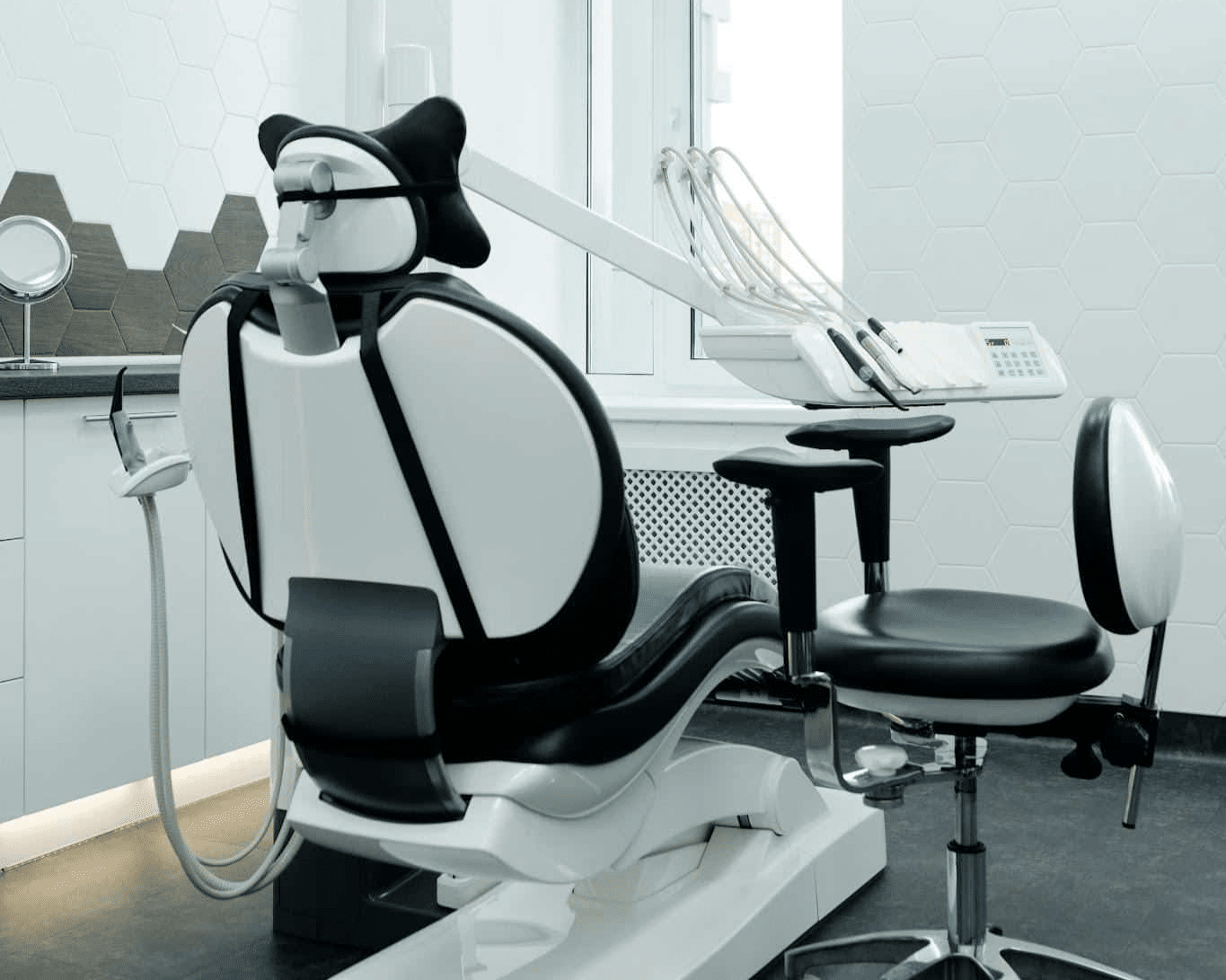
Building a healthcare facility requires more than just four walls and a roof. It involves a deep understanding of how medical staff and patients move through a space. The goal is to create an environment that supports healing while remaining efficient for those providing care.
When you start the planning phase, look at the physical flow of the building. Success in medical construction depends on a floor plan that makes sense for everyone inside. You want to avoid long hallways that slow down response times or frustrate visitors.
Smart Design for Better Outcomes
Modern facilities are moving away from the rigid structures of the past. New trends in the industry suggest that designers are rethinking layouts and getting creative with cutting-edge technologies. These experts are even looking at ways to separate robot traffic from human movement to keep hallways clear.
Integrating technology early saves money and time during the building process. It is much easier to install heavy equipment or specialized wiring before the drywall goes up. If you wait until later, you might face expensive teardowns or structural issues.
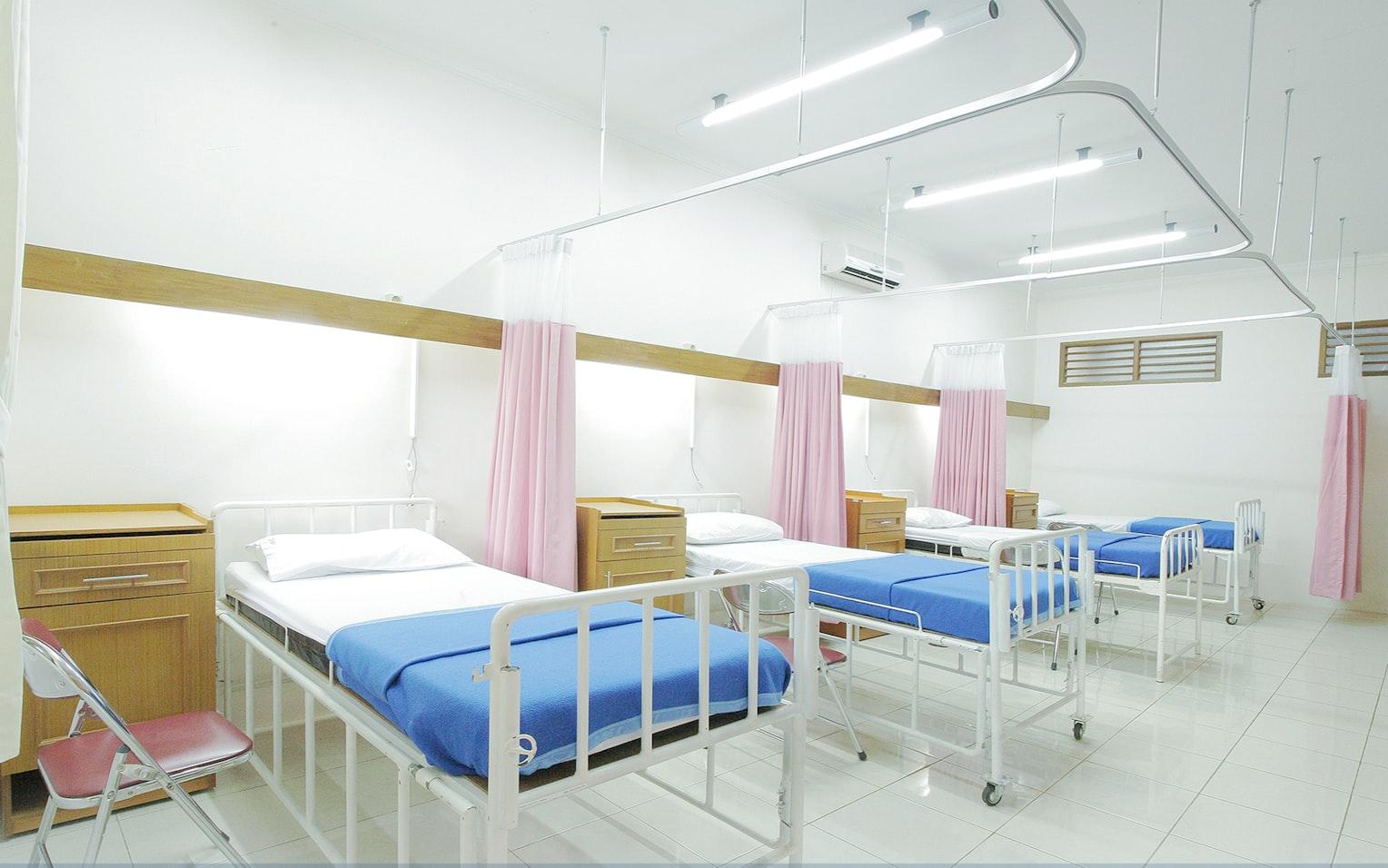
One specific area that needs attention is the patient room setup. Quality medical curtain track and hardware help define these personal spaces without the need for permanent walls. This flexibility is helpful when you need to change a room layout for different types of care. Using high-quality tracks also ensures that staff can move curtains quickly and quietly during emergencies.
Long-Term Planning and Flexibility
Healthcare needs change every few years as new treatments emerge. A building that is too rigid will become outdated before it reaches its full potential. Building for the future means choosing modular components that can be adjusted as your patient volume grows.
The scale of the industry shows why these choices matter so much. Research into the healthcare architecture market found that the hospitals segment accounted for the largest market share of 54.67% in 2026. This high demand means facilities must be built to last while staying adaptable.
Focus on Patient Comfort
A facility should feel less like an institution and more like a place of recovery. Small details in the environment can have a massive impact on how quickly a person gets better. Natural light and views of the outdoors are not just for looks; they are tools for healing.
Consider these factors for a better patient experience:
- Large windows to let in sunlight and provide views of nature.
- Acoustic tiles to reduce the noise from medical machines and carts.
- Private zones for families to sit comfortably with their loved ones.
- Clear signage that uses simple symbols instead of complex medical terms.
Lighting plays a huge role in the recovery process. Bright lights are necessary for exams, but dimmable options help patients maintain a normal sleep schedule. When a patient feels in control of their environment, their stress levels drop.
Equipment and Technology Integration
Choosing the right equipment is just as important as the floor plan itself. Every piece of machinery needs a dedicated space with the correct power supply and ventilation. You should consult with medical teams to see what tools they use most often.
Modern imaging suites and surgical robots require precise environmental controls. These rooms often need reinforced flooring to handle the weight of heavy machines. Planning for these needs during the initial design phase prevents costly retrofitting later.
Data management is another area where technology shines. High-speed fiber optics and secure server rooms are the backbone of a digital hospital. If your network fails, your ability to provide care is compromised. Make sure your infrastructure can handle the massive data loads of modern medical records.
Creating Efficient Workspaces
A happy staff leads to better patient care. Nurses and doctors spend long hours on their feet, so their workspace should be ergonomic. Centralized nurse stations allow for better visibility of patient rooms while reducing the distance staff must walk.
Storage is often overlooked in the early stages of design. You need easy access to supplies like bandages, medications, and clean linens. Placing these items in logical locations throughout the facility saves time and reduces fatigue for your team.
Break rooms should be quiet areas where staff can actually relax. Providing a space away from the clinical environment helps prevent burnout. A well-rested team is a more alert and effective team.
Maintenance and Efficiency
Keeping a facility running is a 24-hour job. You need to choose materials that are easy to clean and can withstand heavy use. High-traffic areas like lobbies and nurse stations require floors and walls that do not scuff or stain easily.
Smart building systems can now track how much energy and water a facility uses. These tools allow managers to find leaks or waste before they become major expenses. Investing in these systems early might cost more upfront, but the savings over time are worth the price.
When you combine smart design with high-quality equipment, you create a space that truly serves the community. A well-planned facility helps doctors and nurses do their best work. It also gives patients the peace of mind they need to focus on their health. By thinking about these details now, you set the stage for years of successful care.