

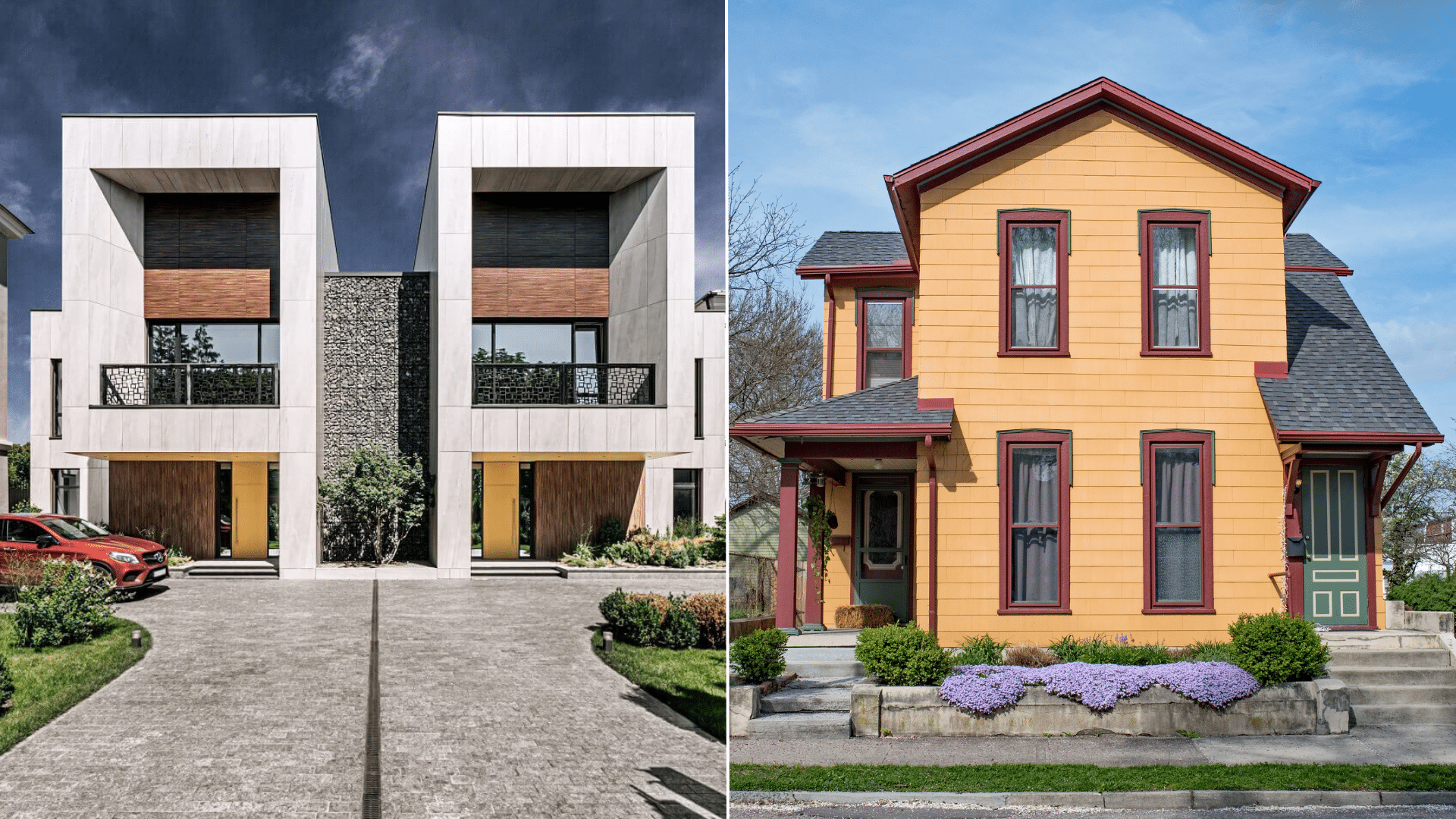
Buying a home can feel confusing when housing terms sound similar. Twin homes and duplexes are a good example.
At first glance, they look almost the same, which leads many buyers to mix them up. That confusion can matter when money, ownership, and long-term plans are on the line.
In this guide, I share the key differences between a twin home and a duplex in clear, simple terms.
You will learn how each one is built, how ownership works, and what daily living is really like.
I have also shared costs, shared walls, and maintenance, so there are no surprises later. By the end, you will know the key differences and why they matter.
This will help you decide which option fits your budget, lifestyle, and future goals before making a move.
Clear facts make choosing a home feel less stressful and more confident overall today.
What Is a Twin Home?
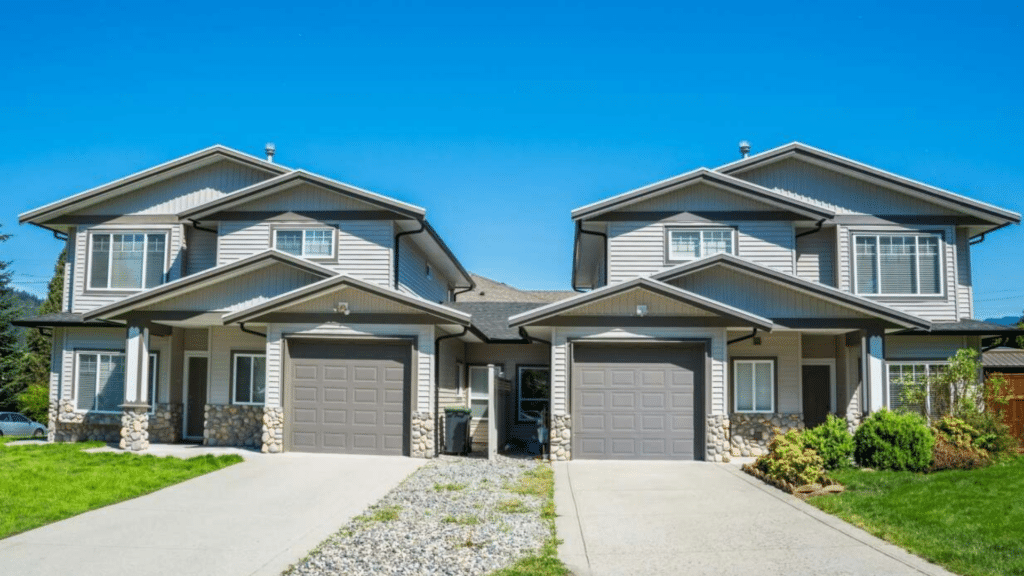
A twin home is a type of house where two separate homes share one wall but sit on their own lots. Each side has its own entrance, driveway, and yard.
Ownership is separate, which means each homeowner owns their unit and the land it sits on.
This makes a twin home feel closer to a single-family home than an apartment-style setup. Unlike a duplex, which is often owned by one person, a twin home is usually owned by two different buyers.
You still get privacy, but you may hear some noise through the shared wall.
Maintenance is mostly your own responsibility, just like a single-family house, though some areas may have shared rules.
Twin homes often cost less than single-family homes, which makes them appealing to buyers who want space without a high price tag.
What Is a Duplex?
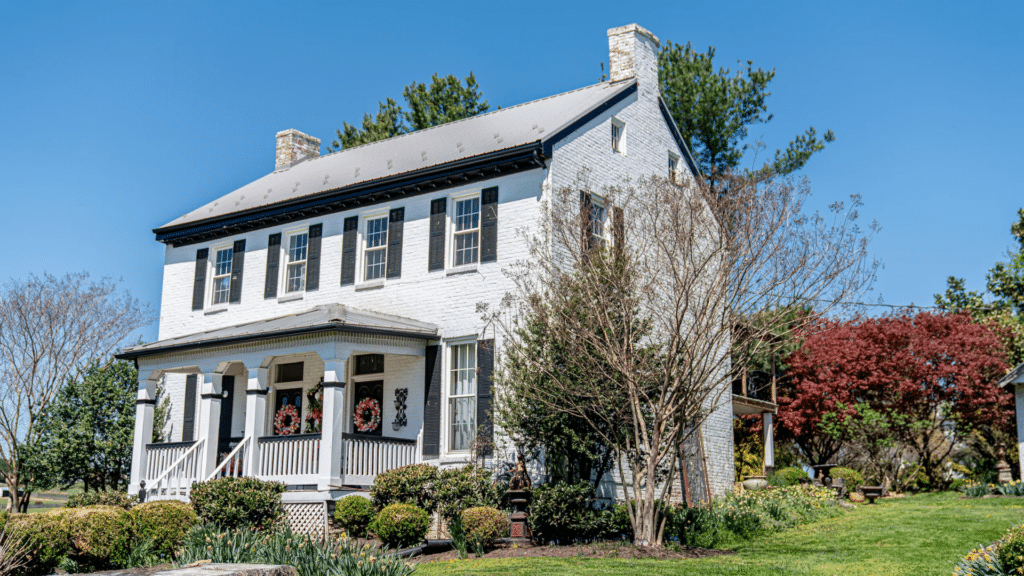
A duplex is one building with two living units inside it. The units sit side by side or one above the other.
They share the same structure, roof, and foundation. Both units are usually owned by one person, not two separate buyers.
That owner may live in one unit and rent out the other, or rent both. Each unit has its own kitchen, bathroom, and entrance, but some features may be shared.
Maintenance and repairs are handled by the owner, not separate households.
This setup is different from a single-family home because more than one household lives in the same building.
Duplexes are common in cities and mixed neighborhoods. They work well for buyers who want rental income or investors who want to manage two units in one place.
Key Differences Between Twin Homes and Duplexes
Many buyers compare these homes because they look similar, but key differences in structure, ownership, and land use can affect daily living and long-term decisions.
1. Layout and Building Design
A twin home has two separate houses joined by one shared wall. Each side feels like its own home with its own entrance, yard, and often a driveway.
A duplex is one building that holds two units. The units may sit side by side or one above the other.
They share the same roof, foundation, and main structure.
Because of this setup, a twin home often feels closer to a single-family house, while a duplex feels more like a small multi-unit building.
2. Ownership Structure
Twin homes usually have separate owners for each unit. Each buyer owns their side fully, along with the land it sits on.
A duplex is most often owned by one person who owns the entire building. That owner may live in one unit and rent the other or rent both units out.
This difference matters because ownership affects control, responsibility, and long-term plans.
Buyers looking for full ownership often prefer twin homes, while duplexes appeal more to investors.
3. Property Lines and Land Use
In a twin home, property lines are clearly divided.
Each owner has their own lot, yard, and outdoor space. This is similar to owning a single-family home. In a duplex, the land is not split between units.
The entire property belongs to one owner, and outdoor areas are shared or managed by that owner.
This can affect how space is used, where fences go, and how much freedom each household has outside.
4. Legal and Zoning Setup
Twin homes are often zoned like single-family homes, even though they share a wall.
Each unit has its own deed, taxes, and legal records. Duplexes are zoned as multi-family properties. They usually have one deed, one tax bill, and one insurance policy.
These legal differences affect financing, taxes, and resale options.
Understanding zoning and legal setup helps buyers avoid surprises and choose the option that fits their goals.
5. Maintenance and Daily Responsibility
In a twin home, each owner handles their own maintenance. This includes repairs, yard work, and exterior care on their side of the home.
It feels similar to owning a single-family house, with fewer shared decisions.
In a duplex, maintenance is usually the responsibility of one owner. That person handles repairs for both units, including shared systems like plumbing or roofing.
This setup affects daily living, response time for fixes, and how much control each household has over upkeep.
Cost Differences Between Twin Homes and Duplexes
Twin homes and duplexes can differ in cost in several ways. A twin home often has a lower purchase price than a single-family house, but it may cost more than one unit in a duplex.
Each twin home owner pays their own property taxes and insurance, which are billed separately.
This makes costs clear and easier to track. A duplex is usually bought as one property, so the purchase price is higher upfront, but it covers both units.
Property taxes and insurance are paid under one policy. Long-term costs also vary.
In a twin home, each owner pays for their own repairs and upkeep. In a duplex, the owner covers repairs for both units, including shared systems.
These costs can add up, but rental income may help offset them.
Understanding these differences helps buyers plan their budget with fewer surprises.
Twin Homes vs Duplexes: Pros and Cons
Both options come with clear advantages and trade-offs. Understanding these points helps buyers know what daily life may look like.
| Housing Type | Pros | Cons |
| Twin Homes |
More privacy than a duplex, with separate ownership and outdoor space. Each owner handles their own maintenance and decisions. |
A shared wall may allow some noise. Rules or agreements may apply for shared areas or exterior changes. |
| Duplexes |
One owner controls the whole building, making repairs and updates more direct. Rental income can help cover costs. |
Less privacy between units. The owner is responsible for all maintenance and shared systems. |
Which Is Better for First-Time Buyers?
For first-time buyers, the better choice depends on budget, comfort level, and responsibility.
A twin home often works well for buyers who want separate ownership and a setup that feels like a single-family house.
You manage your own space, yard, and repairs, which gives more control but also more tasks.
A duplex may suit buyers who are open to being a landlord. Living in one unit while renting the other can help cover monthly costs.
However, maintenance can be heavier since one owner handles the whole building.
New buyers who prefer simple living and fewer shared duties often lean toward twin homes.
Those focused on long-term income and hands-on management may find a duplex more useful. Thinking about daily upkeep, time, and comfort helps make the right choice.
Conclusion
Choosing between a twin home and a duplex comes down to how you want to live and what you want long-term.
Twin homes offer separate ownership and a setup that feels closer to a single-family house.
Duplexes bring shared space but open the door to rental income and investment potential. Both options have clear benefits and real trade-offs, so there is no one right answer for everyone.
Before deciding, take time to think about your budget, comfort with maintenance, and how much privacy matters to you.
A real estate expert can help explain local rules and costs. Every buyer’s situation is different.
If you have lived in a twin home or duplex, share your experience in the comments below. Your insight may help someone else make a smarter choice.