

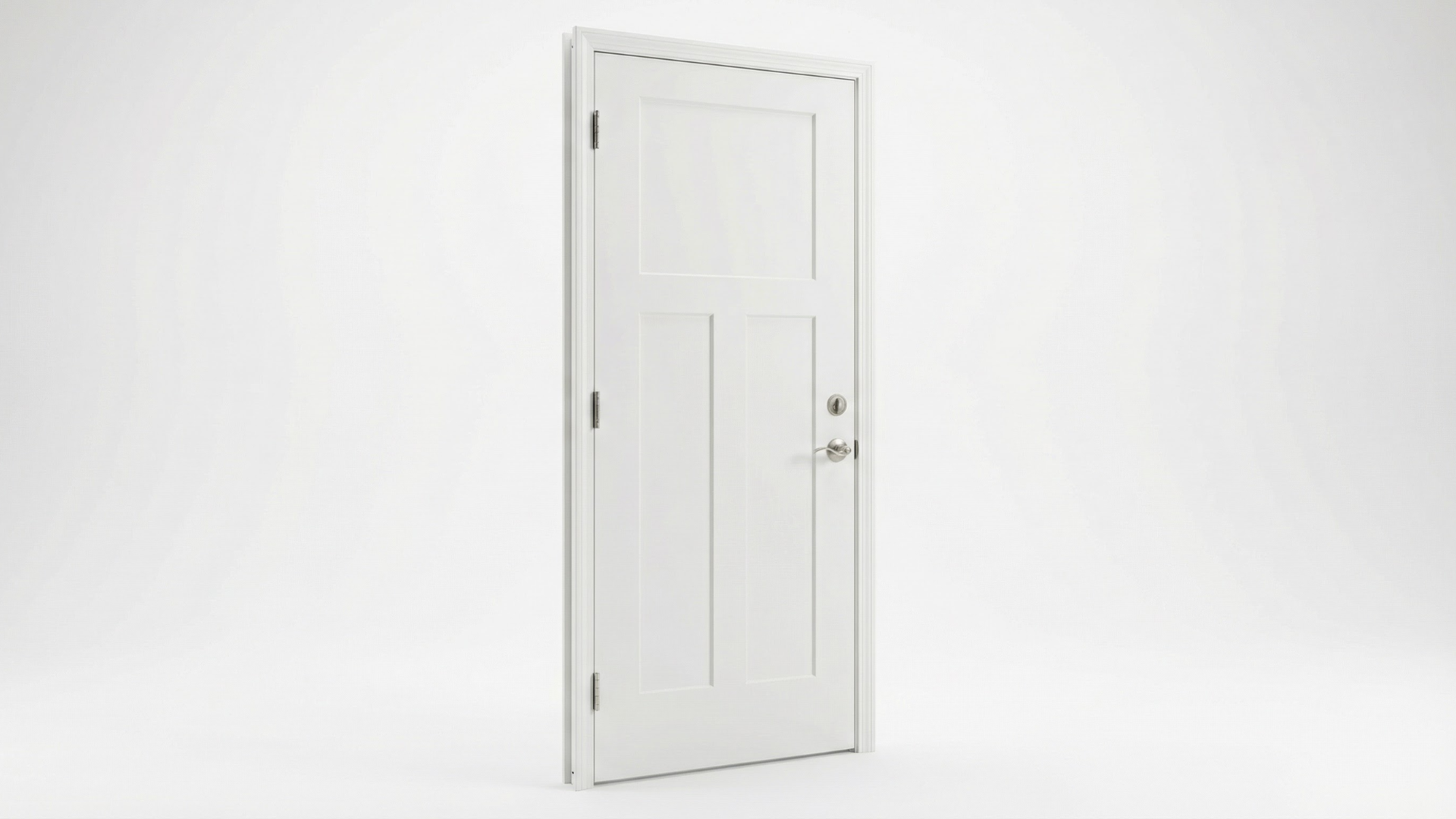
A prehung door is a ready-to-install door unit that comes already attached to its own frame.
Many homeowners see this option at home improvement stores, but are not always sure what makes it different from other doors.
The way it is built and packaged changes how it fits into a doorway and how much work is involved during installation. This detail becomes important during remodeling projects or new construction.
Understanding what a prehung door is helps readers make better choices, avoid installation issues, and select the right type of door for their specific needs.
What is a Prehung Door?
A prehung door is a complete door unit that comes already mounted inside its own frame. The door slab is attached to the frame with hinges, and the unit is prepared so it can be installed directly into a rough wall opening.
In most cases, it also includes the door jamb, stop molding, and pre-cut holes for the handle and latch. Some models may even include weatherstripping or a threshold, especially for exterior use.
Instead of buying a door slab separately and attaching hinges later, the buyer receives a system that is already aligned and ready to install.
This design reduces guesswork during installation and helps ensure the door swings properly. The main purpose of a prehung door is to simplify the installation process while improving alignment and fit.
Main Parts of a Prehung Door
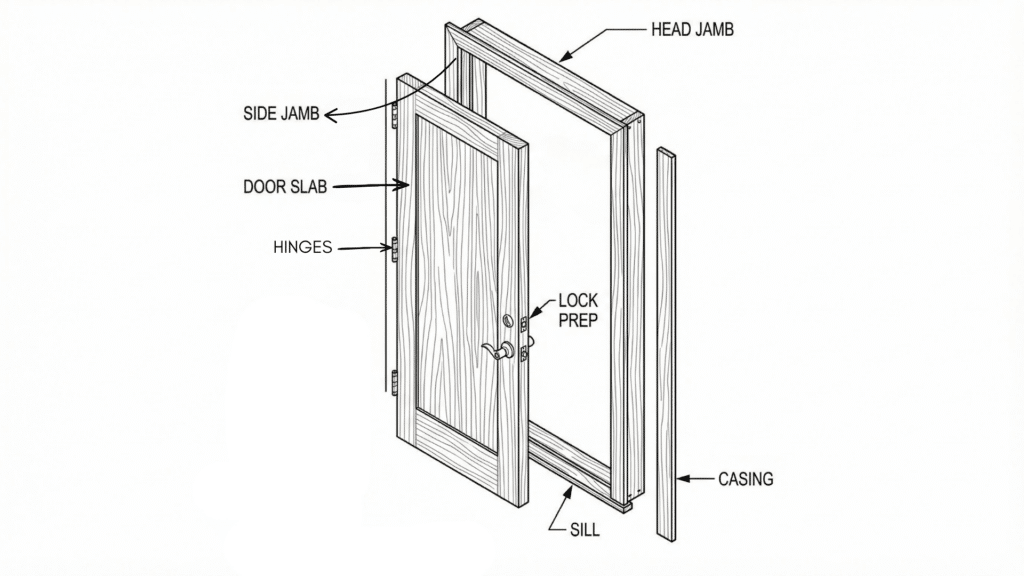
Understanding the main parts of a prehung door helps clarify how the entire unit works as a single system rather than just a standalone panel. Each component plays a specific structural or functional role in ensuring smooth operation and proper installation.
| Part | Description | Why It Matters |
|---|---|---|
| Door Slab | The actual door panel that swings open and closed. It may be made of wood, fiberglass, steel, or composite materials. | This is the visible, functional part of the unit, responsible for privacy, security, and appearance. |
| Door Frame | The outer structure that surrounds the slab, including the side jambs and head jamb. | Holds the slab in position and anchors the entire unit to the wall framing. |
| Side Jambs | The vertical sections of the frame are attached to the wall studs. | Support the hinges and keep the door aligned vertically. |
| Head Jamb | The horizontal top section of the frame. | Maintains structural stability and keeps the door square within the opening. |
| Hinges | Metal hardware connecting the slab to the jamb. Usually pre-installed at the factory. | Allow the door to swing smoothly and ensure proper spacing between the slab and frame. |
| Door Stop | A thin strip attached to the inside edge of the jamb. | Prevents the door from swinging too far and helps create a tight closure. |
| Threshold (Exterior Models) | The bottom piece was installed across the doorway. | Seals the lower gap to block drafts, water, and debris. |
| Weatherstripping (Exterior Models) | Flexible sealing material around the frame edges. | Improves insulation and reduces air and moisture infiltration. |
| Pre-Cut Hardware Holes | Factory-drilled openings for the knob and latch. | Ensures accurate hardware placement and simplifies installation. |
Types of Prehung Doors
Prehung doors come in different configurations depending on where they are installed and how they function. While all include a slab mounted in a frame, their construction and features vary by purpose.
Interior Prehung Doors
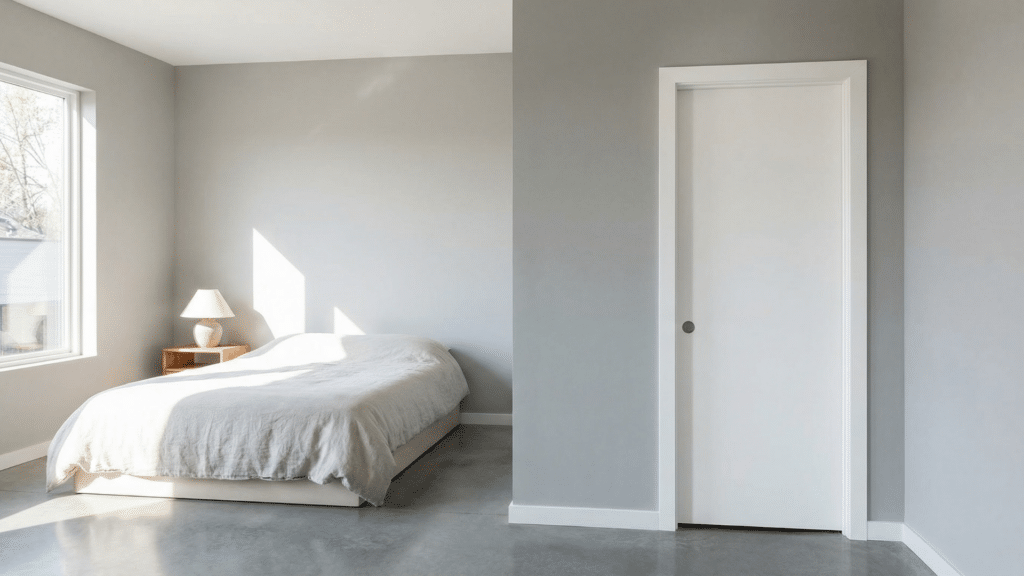
Interior prehung doors are designed for use inside the home, where weather protection is not required. They are generally lighter and easier to handle during installation.
These doors are commonly used for bedrooms, bathrooms, closets, and offices. Most interior units do not include thresholds or weatherstripping, as their main purpose is privacy, sound control, and visual separation between rooms.
Exterior Prehung Doors
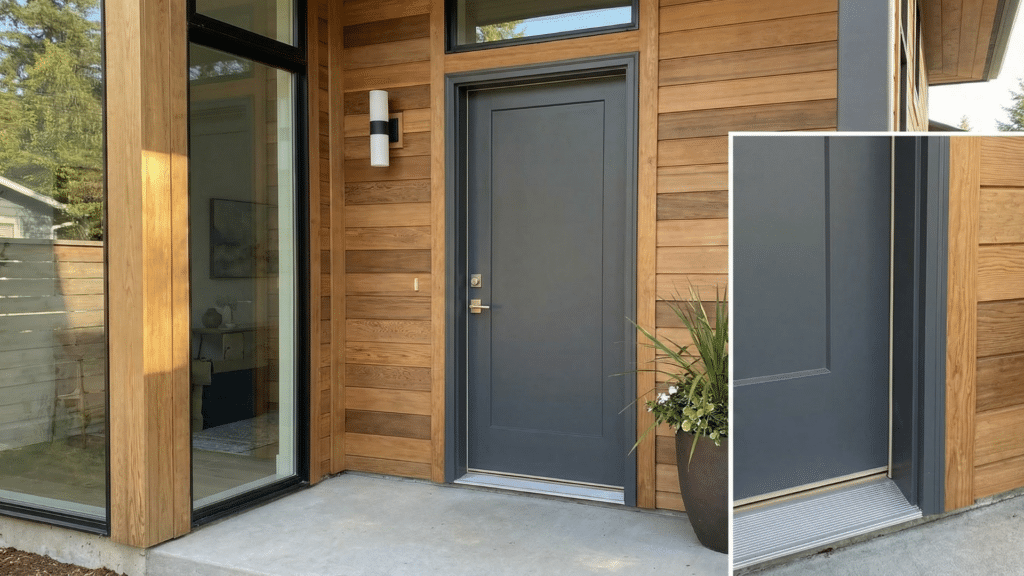
Exterior prehung doors are built to provide insulation, durability, and security. They are heavier and often made from fiberglass, steel, or solid wood.
These units usually include weatherstripping, a threshold, and reinforced framing to reduce air leaks and resist moisture. Because they protect the home from outdoor conditions, proper installation is especially important to ensure long-term performance.
Single Prehung Doors
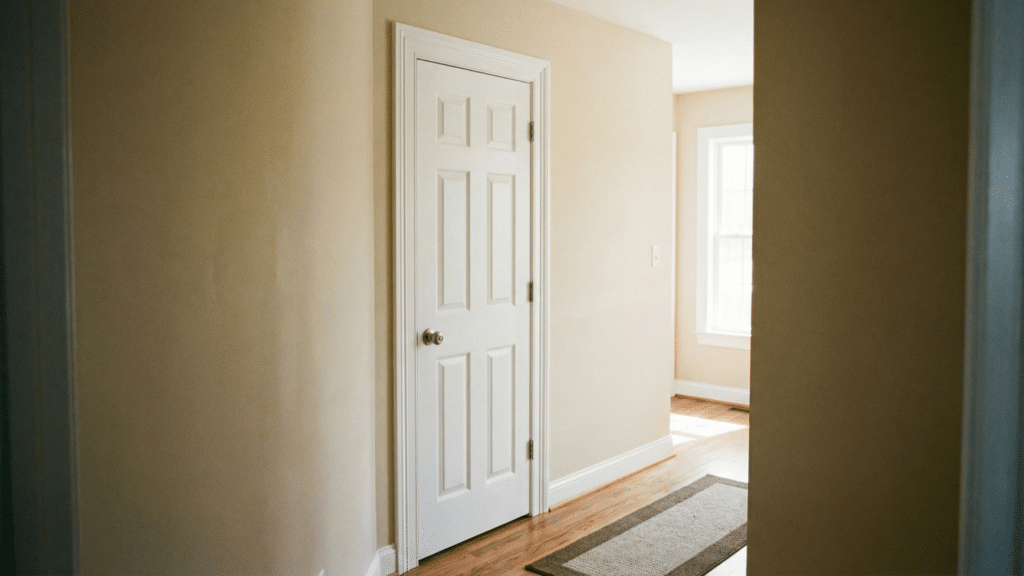
A single prehung door consists of a single door slab mounted in a single frame. This is the most common configuration for both interior and exterior applications.
It is typically used for standard entryways, bedrooms, and bathrooms. Single units are easier to install and require less space than double configurations, making them practical for most residential layouts.
Double Prehung Doors
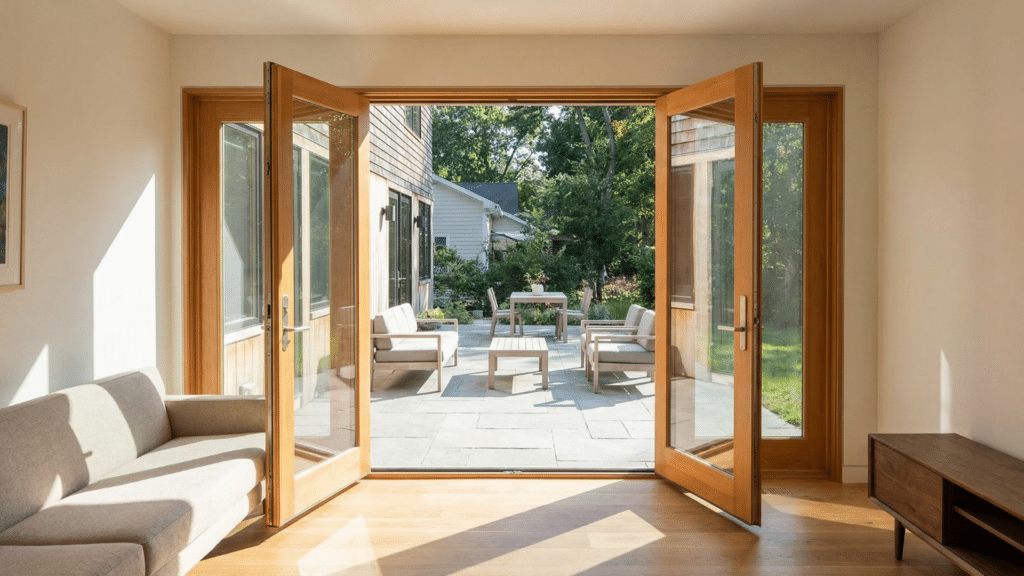
Double prehung doors include two slabs within one larger frame. They are often referred to as French doors when both panels open from the center.
These doors are commonly used for patios, large interior openings, or formal entryways. Double units create a wider opening, allow more natural light when glass panels are included, and add a more open architectural appearance.
Left-Hand and Right-Hand Swing
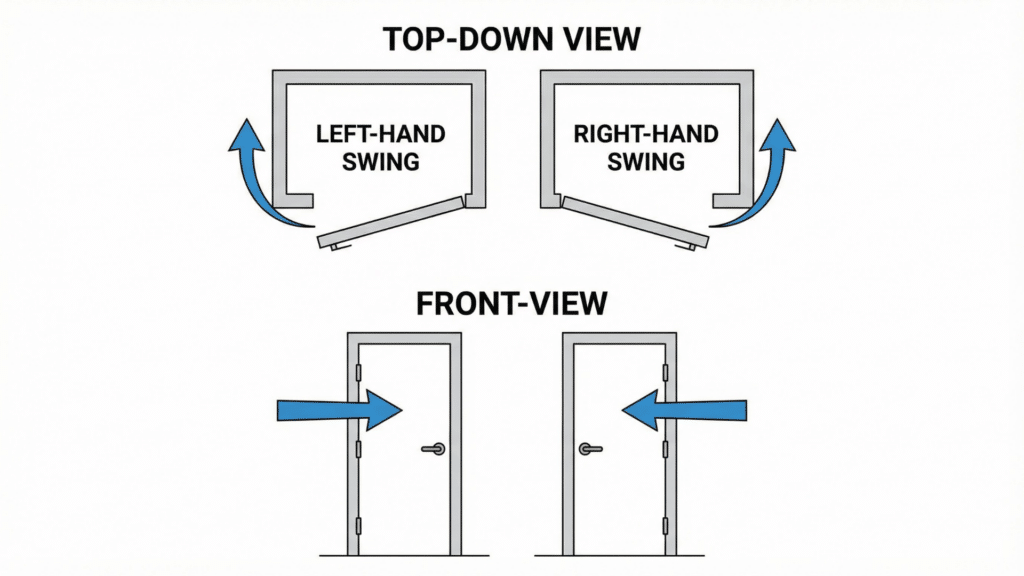
Prehung doors are manufactured with a specific swing direction, meaning buyers must choose between left-hand and right-hand configurations.
The hinge placement determines how the door opens and how it fits within the room layout. Selecting the correct swing is important for proper clearance, furniture placement, and overall functionality within the space.
Cost of a Prehung Door
Typical costs for prehung doors depend on the material, complexity, and whether professional installation is included. The table below provides estimated price ranges for common scenarios.
| Category | Typical Cost Range (USD) | Notes |
|---|---|---|
| Interior Prehung Door Unit | $150 – $400 | Basic wood, hollow-core, or composite; no trim or hardware |
| Exterior Prehung Door Unit | $400 – $1,500+ | Fiberglass, steel, or solid wood; includes frame and weather components |
| High-End Custom Exterior Unit | $1,500 – $3,000+ | Larger sizes, decorative glass, upgraded finishes |
| Professional Installation | $300 – $800 per door | Depends on labor rates and any additional framing work |
| Additional Materials | $50 – $200 | Shims, screws, insulation foam, trim |
When Should You Use a Prehung Door?
Choosing the right type of door depends largely on the condition of the existing frame and the scope of the project. The following situations typically justify installing a full prehung unit instead of replacing only the slab.
- New Construction: There is no existing door frame. Builders typically install prehung doors because they can secure the entire unit directly into the wall framing.
- Major Remodeling: If a wall is being rebuilt or if the existing frame is damaged or out of square, replacing everything with a prehung door is often the better option.
- Exterior Door Replacement: Exterior doors often benefit from a full unit replacement. Because exterior doors must seal tightly against the weather, installing a prehung unit ensures better insulation and security.
- Structural Frame Damage: If the original frame has water damage, rot, or cracking, replacing only the slab will not solve the problem. A prehung door provides a complete reset.
How to Measure for a Prehung Door
Accurate measurement is essential before purchasing.
Measure the Rough Opening
The rough opening is the framed space in the wall before trim is installed. Measure:
- Width between studs
- Height from floor to header
- Wall thickness
The rough opening should be slightly larger than the prehung unit to allow space for shimming and adjustments.
Check Wall Thickness
Standard interior walls are usually 4-9/16 inches thick, but this can vary. Exterior walls are often thicker. Matching the jamb depth to the wall thickness ensures a flush fit.
Confirm Swing Direction
Stand facing the door opening and determine which side the hinges should be on. This avoids ordering the wrong configuration.
Precise measurements reduce installation problems and prevent costly returns.
Advantages and Disadvantages of a Prehung Door
While a prehung unit offers structural benefits and simplified alignment, it may not be the right solution for every situation. The comparison below outlines the key pros and cons.
| Advantages | Disadvantages |
|---|---|
| Easier installation since the door is already mounted and aligned within its frame | Higher upfront cost compared to a slab door |
| Factory-set hinges improve alignment and reduce installation errors | Heavier and more difficult to transport and position |
| Ideal for new construction or damaged frames | Requires removing existing trim and possibly drywall |
| Exterior models provide better sealing and insulation | Not necessary if the existing frame is in good condition |
Common Mistakes When Buying a Prehung Door
Many purchasing mistakes happen not because the door is defective, but because key specifications were overlooked before buying. The following are common errors homeowners should avoid:
- Incorrect Rough Opening Measurements: Failing to measure the width, height, and depth of the rough opening accurately can result in a poor fit or costly returns.
- Choosing the Wrong Swing Direction: Ordering a left-hand door instead of a right-hand configuration can create clearance issues and disrupt room layout.
- Ignoring Wall Thickness: If the jamb depth does not match the wall thickness, the frame may not sit flush, requiring additional adjustments.
- Overlooking Exterior Weather Protection: Selecting an exterior prehung door without proper weatherstripping or threshold components can reduce insulation performance.
- Not Checking Floor Level: An uneven subfloor can cause alignment issues, even if the door itself is properly manufactured.
- Assuming All Hardware Is Included: Some units do not include knobs, locks, or trim, which can increase total project costs.
- Replacing the Unit When the Frame Is Still Good: In some cases, a slab door may be sufficient, making replacing the entire frame unnecessary.
Final Thoughts
A clear understanding of how a prehung door is built and installed helps remove much of the uncertainty around door replacement decisions.
Instead of focusing only on style or price, it becomes easier to evaluate structural needs, installation effort, and long-term performance.
The right choice depends on the condition of the existing opening and the goals of the project. Careful measurement and planning will prevent the most common problems before they begin.
Take time to assess your doorway, review specifications closely, and choose a door system that fits both your space and your long-term expectations.