


If you’re planning a bedroom update or laying out a new home, the average bedroom size is one of the first things worth thinking about.
I see this come up often because bedrooms do more than hold a bed.
You sleep there, unwind there, and sometimes even work there. When the size feels off, the whole room can feel uncomfortable.
In this short read, I will share the average bedroom sizes, standard dimensions, and how they vary by home type. You’ll also learn simple planning tips to help you use the space you have in a smart way.
By the end, you’ll have a clear idea of what to expect and how to plan your bedroom with confidence.
What Is the Average Size of a Bedroom?
The average bedroom size in the US usually falls between 100 and 200 square feet, depending on the home and location.
Most standard bedrooms measure around 10×10 feet to 12×12 feet, which is enough space for a bed, a small dresser, and a walk-in closet.
Smaller bedrooms, often found in older homes or apartments, can be closer to 70–90 square feet.
This is often the minimum size needed for a room to count as a legal bedroom in many areas.
A typical bedroom, though, is larger and feels more comfortable for daily use. Master bedrooms are usually bigger, often starting at 200 square feet or more.
Knowing these size ranges helps you plan furniture, storage, and layout better.
It also makes it easier to judge if a bedroom will meet your needs now and in the future.
Standard Bedroom Size by House Type
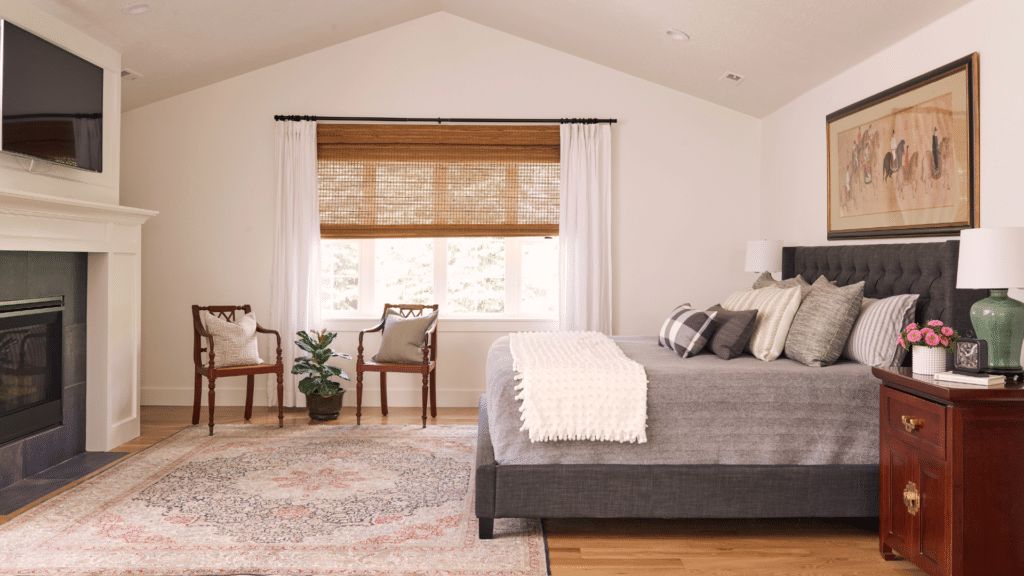
Bedroom sizes can change a lot based on the type of home. Layout, build year, and buyer needs all play a role in how much space bedrooms get.
1. Single-Family Homes
Bedrooms in single-family homes are usually more spacious than other housing types.
A standard bedroom often ranges from 120 to 150 square feet, while master bedrooms can be much larger.
These homes are designed for long-term living, so builders often allow more space for furniture, storage, and walking room.
Newer single-family homes tend to have larger bedrooms than older ones. Extra space also makes it easier to add features like walk-in closets or seating areas.
2. Apartments and Condos
Apartments and condos usually have smaller bedrooms due to limited floor space. A typical bedroom often falls between 90 and 120 square feet.
In many cases, the layout focuses on efficiency rather than size.
Closets may be smaller, and there is often just enough room for a bed and basic furniture.
Urban apartments tend to have the smallest bedrooms, while suburban condos may offer slightly more space. Smart layouts help make these rooms feel usable.
3. Older Homes vs Newer Homes
Older homes often have smaller bedrooms, especially those built before the 1980s. Bedrooms in these homes may range from 80 to 110 square feet.
Newer homes usually offer larger bedrooms, with better layouts and storage options.
Builders today focus more on comfort and lifestyle needs, which leads to wider rooms and higher ceilings. The difference is noticeable when comparing walk space, closet size, and overall room flow.
How to Measure Bedroom Size Accurately?
Getting the right numbers helps you plan furniture, layouts, and storage with confidence. A few simple steps can give you clear and usable results.
- Tools Needed for Measuring: Use a tape measure or laser measure, a notepad, and a calculator. A phone works well for notes and quick math.
- Step-by-Step Measuring Tips: Measure wall-to-wall, not baseboards. Take length and width at the widest points. Measure twice to avoid errors.
- How to Calculate Square Footage: Multiply the room’s length by its width. For example, a 10-foot by 12-foot room equals 120 square feet.
- Common Measuring Mistakes to Avoid: Skipping closets, guessing dimensions, or rounding numbers too much can lead to poor layout planning later.
Factors Affecting Average Bedroom Size
Bedroom size is shaped by more than personal choice. Design limits, costs, and daily living needs all influence how much space a bedroom gets.
1. Home Age and Layout
The age of a home has a strong impact on bedroom size and layout.
Older homes often include smaller bedrooms because designs focused more on dining rooms and formal living areas. Closets were also smaller or sometimes missing.
Newer homes are planned around comfort and flexibility, which leads to wider bedrooms and better furniture placement.
Modern layouts reduce wasted space, helping bedrooms feel more open. Ceiling height and window placement also shape how spacious a room feels.
2. Location and Zoning Rules
Where a home is built plays a major role in bedroom size. Local zoning laws and building codes often set minimum bedroom dimensions for safety and comfort.
Cities usually have tighter space limits, leading to smaller bedrooms, especially in apartments.
Suburban and rural areas allow larger floor plans and bigger rooms.
Rules about windows, exits, and ceiling height also affect bedroom size and layout, even if the square footage stays the same.
3. Construction Costs and Budget
Construction costs directly influence how much space goes into bedrooms.
Larger bedrooms require more materials, labor, and heating or cooling, which raises building costs.
To stay within budget, builders may reduce bedroom size and focus on shared living areas. In custom builds, buyers can choose larger bedrooms, but this often means cutting space elsewhere.
Budget planning usually involves finding a balance between comfort, function, and total home cost.
4. Lifestyle and Family Needs
Lifestyle needs often guide how big bedrooms should be.
Families with young children may prefer smaller bedrooms and larger play or living areas.
Adults working from home may need extra bedroom space for desks or storage. Guest bedrooms and spare rooms are often smaller since they are not used every day.
Sleep habits, privacy needs, and daily routines all influence what bedroom size feels comfortable and practical.
Bedroom Sizes Across Different Countries
Bedroom size is influenced by housing styles, land availability, and local living habits. These differences shape how much space is given to private rooms.
| Region | Average Bedroom Size | Common Dimensions | Key Notes |
| United States | 100–200 sq ft | 10×10 to 14×14 ft | Bedrooms are often larger, especially in suburban homes. Master bedrooms usually take up more space. |
| Europe | 90–150 sq ft | 9×10 to 12×12 ft | Homes are more compact, especially in cities. Bedrooms focus on function rather than extra space. |
| Asia | 70–120 sq ft | 8×9 to 10×11 ft | High-density living leads to smaller bedrooms. Smart layouts and storage are common. |
| Global Variation | Varies by country | Depends on housing type | Climate, culture, land cost, and building rules all affect bedroom size standards. |
How Bedroom Size Affects Home Value?
Bedroom size can influence how buyers feel about a home and what they are willing to pay. Many buyers expect bedrooms to fit a bed, storage, and walking space without feeling tight.
Homes with adequate bedroom sizes often attract more interest and feel easier to live in.
Smaller bedrooms may reduce appeal, but a smart layout can help. Larger bedrooms, especially primary ones, often add comfort and value.
Bedroom size matters most when it affects daily use, furniture placement, or privacy.
In competitive markets, homes with well-sized bedrooms may sell faster and closer to the asking price.
While size alone does not set value, it plays a role in how buyers compare homes. A bedroom that feels usable and balanced often leaves a better impression during showings.
Tips for Designing with Average Room Sizes in Mind

Smart design choices help rooms feel comfortable and easy to use. Small changes in layout and furniture can make a big difference.
- Choose furniture that fits the room scale and leaves clear walking paths
- Use beds with built-in storage to save floor space
- Place larger furniture against the walls to open up the center of the room
- Keep decor simple to avoid a crowded look
- Use light wall colors to help the room feel open
- Add mirrors to reflect light and create depth
- Pick vertical storage to free up floor space
- Use good lighting to make the room feel balanced and usable
Conclusion
Understanding the average bedroom size makes planning feel less stressful and more realistic. You now know common bedroom sizes, how they vary by home type, and why layout matters as much as space.
Even if your bedroom is not large, smart choices can help it feel comfortable and easy to use.
The key is using the space you have in a smart way.
With the right layout, furniture, and storage, an average bedroom can still meet your needs. Thoughtful planning often matters more than extra feet.
If you have worked with a small or average bedroom before, your experience could help others.
Share what worked for you, what didn’t, or what you wish you knew earlier in the comments below.