


I often hear people ask what the best color for sleep is and why it makes such a difference at night.
Color does more than change how a room looks. It can tell your brain when to stay alert or when it’s time to slow down.
If you’ve ever struggled to relax in your own bedroom, the colors around you may be part of the problem.
Your eyes respond to different colors of light and send signals that affect melatonin, the hormone that controls sleep. Some colors can make it harder for you to unwind, while others help your body feel calm and ready for rest.
This is why screens and bright lights can keep you awake longer than you want.
In this post, I’ll explain which colors support sleep and relaxation, which ones to avoid, and how you can use both wall colors and lighting to sleep better each night.
The Science Behind Color and Sleep
Color affects sleep because light sends signals to your brain about when to stay awake or slow down.
Your eyes have special cells that react to light and control melatonin, the hormone that helps you sleep. Blue light is the most stimulating.
It lowers melatonin and tells your brain it’s still daytime. That’s why screens and bright white lights can make it harder to fall asleep. Warmer colors work differently.
Red, amber, and soft yellow light have less impact on melatonin, so your body can relax more easily.
These colors don’t trigger alert signals in the brain. Wall colors matter too, but light has a stronger effect at night. When your room uses calm colors and low, warm light, your brain gets a clear message that it’s time to rest.
This simple color response is one reason the right shades can support better sleep and relaxation.
Best Colors for Sleep and Relaxation
Certain colors help your body slow down, and your mind feel calm at night. These shades reduce visual stress and create a space that supports rest and relaxation.
1. Blue and Soft Blue Shades
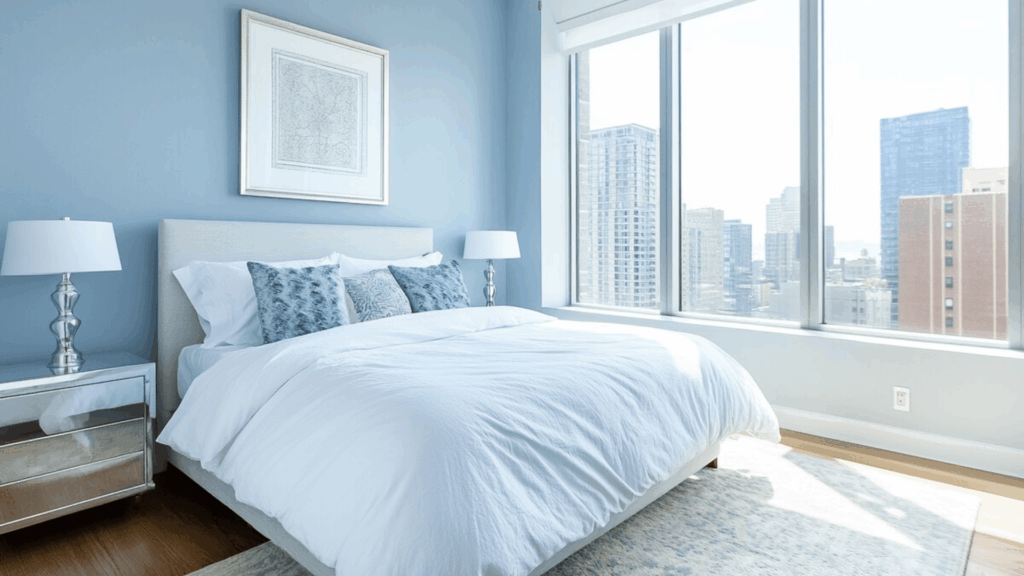
Soft blue is often linked to calm and steady breathing. It can lower stress and help your mind feel less busy at bedtime.
Light blue shades remind the brain of quiet, open spaces, which can support relaxation.
Dark or bright blues may feel too strong, so it’s best to stick with softer tones.
When used on walls, bedding, or decor, gentle blue can help you feel settled and ready for sleep without making the room feel cold or dull.
2. Green and Nature-Inspired Tones

Green is a balanced color that sits between warm and cool tones. This balance helps create a sense of calm and comfort in the bedroom.
Soft green shades can reduce eye strain and support a relaxed mood at night.
Because green is linked to nature, it often helps the mind feel grounded and safe. Muted greens work best for sleep, while bright or bold greens may feel too energizing.
Used in the right shade, green supports steady, peaceful rest.
3. Soft Neutrals Like Beige and Gray

Soft neutrals create a calm background that does not demand attention. Light beige, warm gray, and soft cream shades help the bedroom feel quiet and balanced.
These colors are easy on the eyes and do not overstimulate the brain, which supports relaxation at night.
Neutrals also give the room a steady, comfortable feel. They work well if you like to change bedding or decor over time.
Choosing warmer neutral tones instead of cool gray helps the space feel cozy and inviting, not cold or stiff, when it’s time to sleep.
4. Lavender and Soft Purple Tones
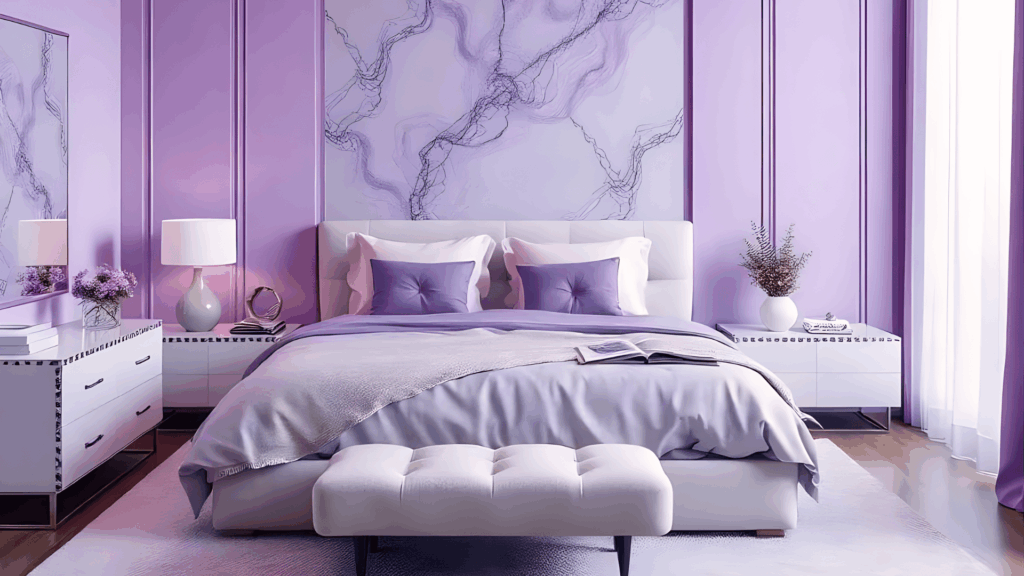
Lavender is a gentle color that blends calm blue with soft warmth. This mix can help ease tension and support relaxation before sleep.
Light lavender shades feel soothing without being heavy or distracting.
They can create a peaceful mood while still adding a touch of color to the room. Dark purple shades are not ideal for sleep, as they can feel intense.
Soft lavender works best when used in small amounts or paired with neutral tones.
5. Warm White and Cream Shades
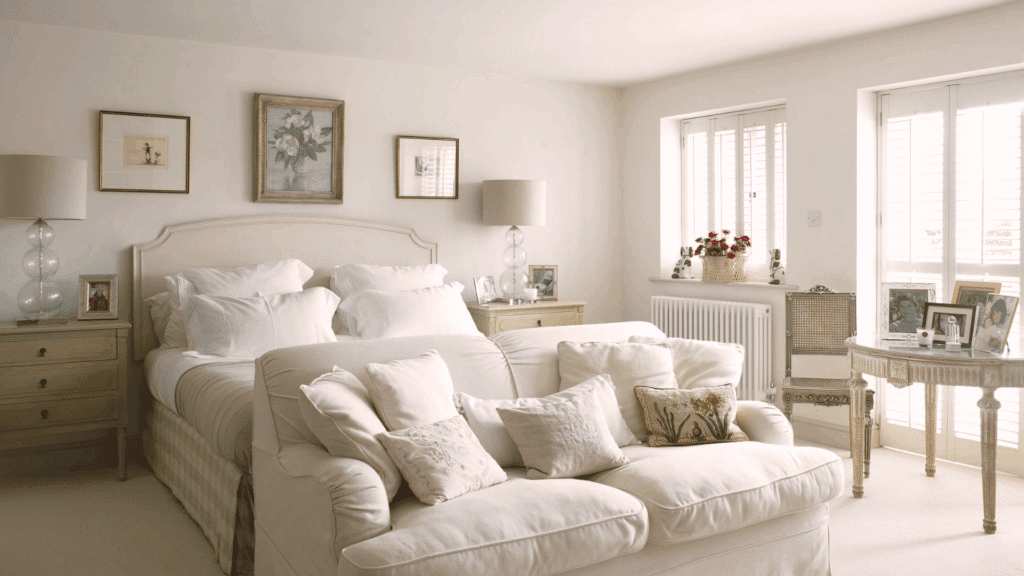
Warm white and cream colors help create a soft, clean look without feeling harsh.
These shades reflect light gently, which keeps the room feeling calm and balanced.
Unlike bright white, warm white does not strain the eyes at night. It also helps other calming colors stand out without overpowering them.
Cream and warm white are good choices if you want a simple, relaxed bedroom that feels open, comfortable, and easy to unwind in at the end of the day.
Paint vs Lighting: Which Matters More for Sleep?
Both affect how your bedroom feels at night, but they work in different ways. Understanding their impact helps you decide where to focus first.
| Factor | Paint Color | Lighting Color |
| Impact on Sleep | Affects mood and overall room feel | Directly affects melatonin and sleep signals |
| Strength of Effect | Moderate and indirect | Strong and immediate |
| Nighttime Influence | Constant but subtle | Changes sleep readiness quickly |
| Best Choices | Soft blue, green, beige, warm gray | Warm white, amber, red, soft yellow |
| Worst Choices | Bright red, neon shades, dark jewel tones | Blue, cool white, bright LED |
| Ease of Change | Requires repainting | Easy to adjust with bulbs or settings |
| Budget-Friendly | Higher cost and effort | Low cost and quick to fix |
| Overall Priority | Supports long-term comfort | Most important for better sleep |
Worst Colors to Avoid for Sleep
Some colors can make it harder for your body and mind to relax at night. These shades may raise energy levels, increase alertness, or interfere with your natural sleep rhythm.
1. Bright Red and Strong Orange
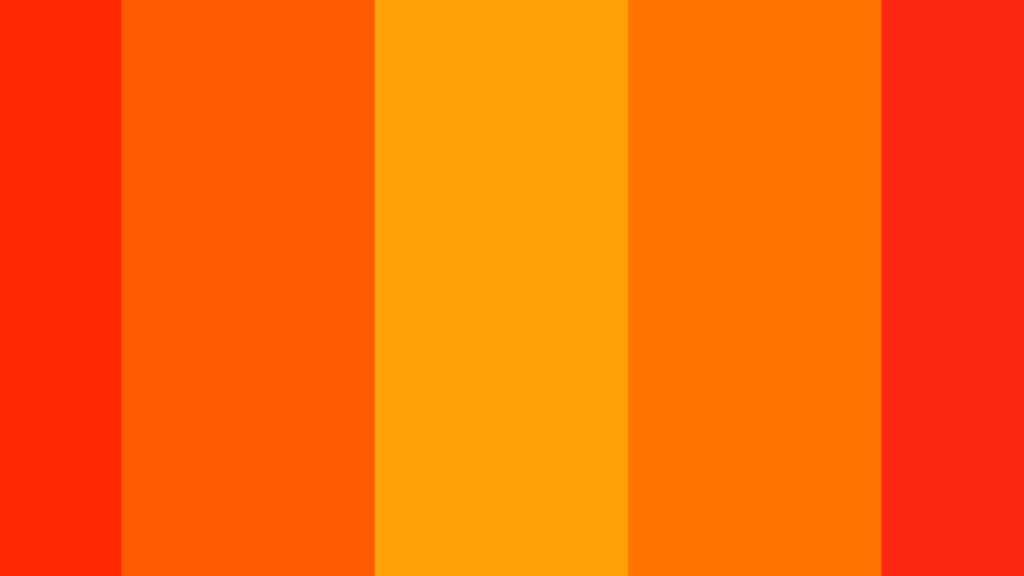
Bright red and strong orange colors can make it hard for your brain to slow down at night.
These shades are linked to energy and movement, which can raise your heart rate and increase alertness. When used on walls, bedding, or large decor pieces, they may keep your mind active longer than it should be.
This can lead to restlessness and trouble falling asleep.
Even small touches of these colors can feel overwhelming in a bedroom, especially when paired with bright or cool lighting before bedtime.
2. Bright Yellow and Neon Shades
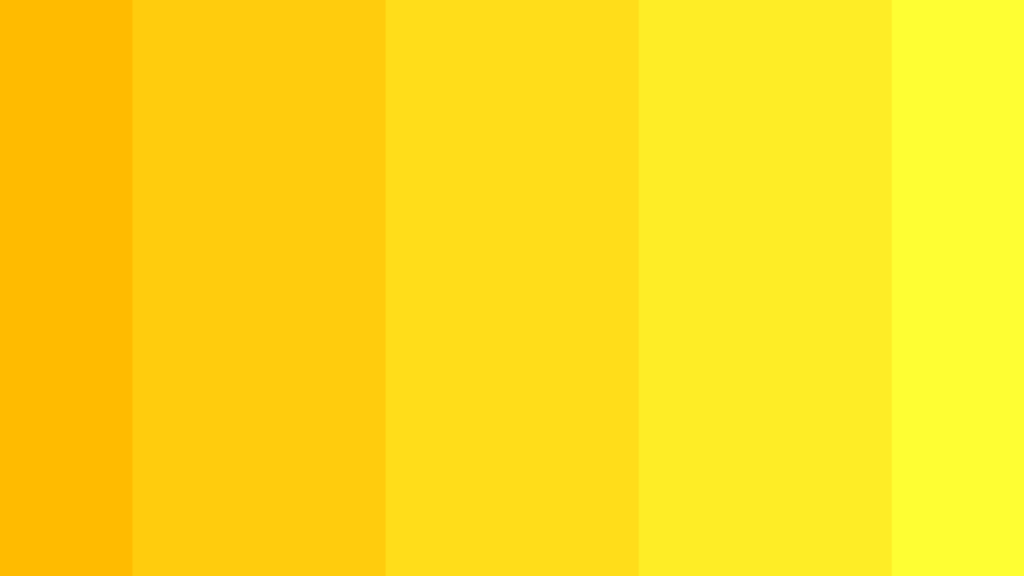
Bright yellow and neon colors can make it harder for your mind to settle down at night.
These shades reflect a lot of light and pull attention, which keeps your brain active. Yellow is often linked to focus and energy, so it can work against relaxation.
Neon colors are even more stimulating because they keep your eyes engaged.
When used in a bedroom, these colors can create visual stress and make the space feel too lively, especially when you are trying to wind down before sleep.
3. Dark Purple and Heavy Jewel Tones
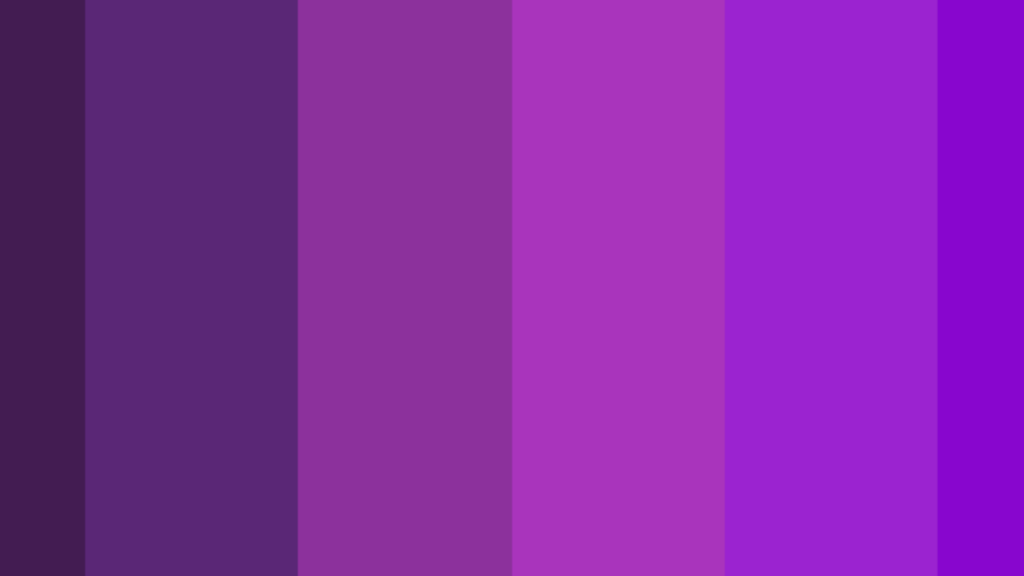
Dark purple and heavy jewel tones like deep blue or emerald can feel too intense for a bedroom.
While softer versions of these colors may feel calm, darker shades often absorb light and change the mood of the room.
This can make the space feel closed in or heavy, which may affect how relaxed you feel. Instead of creating comfort, these colors can increase mental tension.
When the room feels too dark or strong, it may be harder for your body and mind to fully relax before sleep.
4. Bright White and Cool White

Bright white and cool white shades may look clean, but they can feel too harsh at night. These colors reflect a lot of light, which can strain your eyes when you are trying to relax.
Cool white tones often copy daylight, sending signals that keep your brain alert.
This can interfere with melatonin and delay sleep. When your room feels too bright, your body may struggle to wind down.
Softer, warmer white shades help create a calmer space that supports rest and makes bedtime feel more natural.
5. High-Contrast Black and White

High-contrast black and white designs can be too stimulating for a bedroom. Strong contrasts force the eyes to keep adjusting, which keeps the brain alert instead of relaxed.
Black walls may also make the room feel heavy or tense, especially at night.
When black is paired with bright white, the contrast becomes even sharper.
This visual intensity can interfere with calm thoughts and slow breathing, making it harder for your body to settle down and follow a steady, relaxing sleep routine.
What People Say About Sleep Colors on Reddit?
Many Reddit users agree that light color plays a big role in how relaxed they feel at night.
In one popular thread, several people said that no light at all works best for sleep, but that is not realistic for everyone.
When light is needed, users are strongly warned against blue light. They shared that blue light can disrupt circadian rhythm and make it harder to fall asleep.
Some mentioned using blue light filters on phones and computers with good results.
Others found that warm, dim yellow light felt more calming than white light. A few users also shared positive experiences with red or very low red-toned light, saying it felt less stimulating.
Overall, the advice leaned toward keeping light levels low and choosing warm tones instead of cool ones.
Many users stressed that less light is always better, even covering small LED lights to reduce sleep disruption.
Other Factors to Consider for Better Sleep
Color plays a role, but it works best when combined with other simple habits. These factors help create a calm space that supports steady, restful sleep.
1. Room Lighting and Brightness
The brightness of your room can affect how easily your body settles down at night.
Bright overhead lights may keep your brain alert when it should be slowing down. Lower light levels help signal that it’s time to rest.
Using lamps, dimmers, or soft bulbs can reduce eye strain and support relaxation.
Keeping lighting low and consistent before bed helps your body follow a natural sleep rhythm and makes falling asleep feel easier.
2. Bedding and Curtains
Bedding, curtains, and decor add to how calm your bedroom feels. Loud patterns or bold colors can distract the eyes and keep your mind active.
Softer colors and simple designs help the space feel balanced and quiet.
Curtains that block outside light also support better sleep.
When these items match your wall color or stay within the same soft tone range, the room feels more settled and comfortable at night.
3. Screen Use and Evening Habits
Screen use before bed can affect sleep more than many people realize.
Phones, TVs, and tablets give off blue light, which can interfere with melatonin. Using screens late at night may delay sleep and increase restlessness.
Reducing screen time before bed or switching to night settings helps limit this effect.
Pairing low screen use with calm colors and soft lighting helps your body ease into sleep more naturally.
Simple Tips to Use Color for Better Sleep
Small color changes can make a noticeable difference without a full room update. These ideas are easy to try and work with most bedrooms.
- Use warm light bulbs in lamps and bedside lights
- Add calming colors through bedding, pillows, or throws
- Avoid high-contrast color patterns near the bed
- Keep decor colors within the same calm tone range
- Use curtains or blinds in neutral or soft colors
- Switch to red or amber night lights for evening use
- Test colors with small items before making big changes
Conclusion
Finding the best colors for sleep and relaxation helps your body feel calm and ready for rest. Soft blues, gentle greens, warm neutrals, and warm lighting support a calm bedtime mood.
These choices reduce visual stress and help your brain slow down naturally.
On the other hand, bright colors, cool white light, and strong contrast can keep you alert when you want to unwind.
You don’t need a full bedroom makeover. Small changes like new light bulbs or softer bedding colors can make a big difference.
I suggest trying one change at a time and noticing how your sleep feels after a few nights.
If you’ve tried changing colors in your bedroom, I’d love to hear about it. Share your experience or tips in the comments below.