

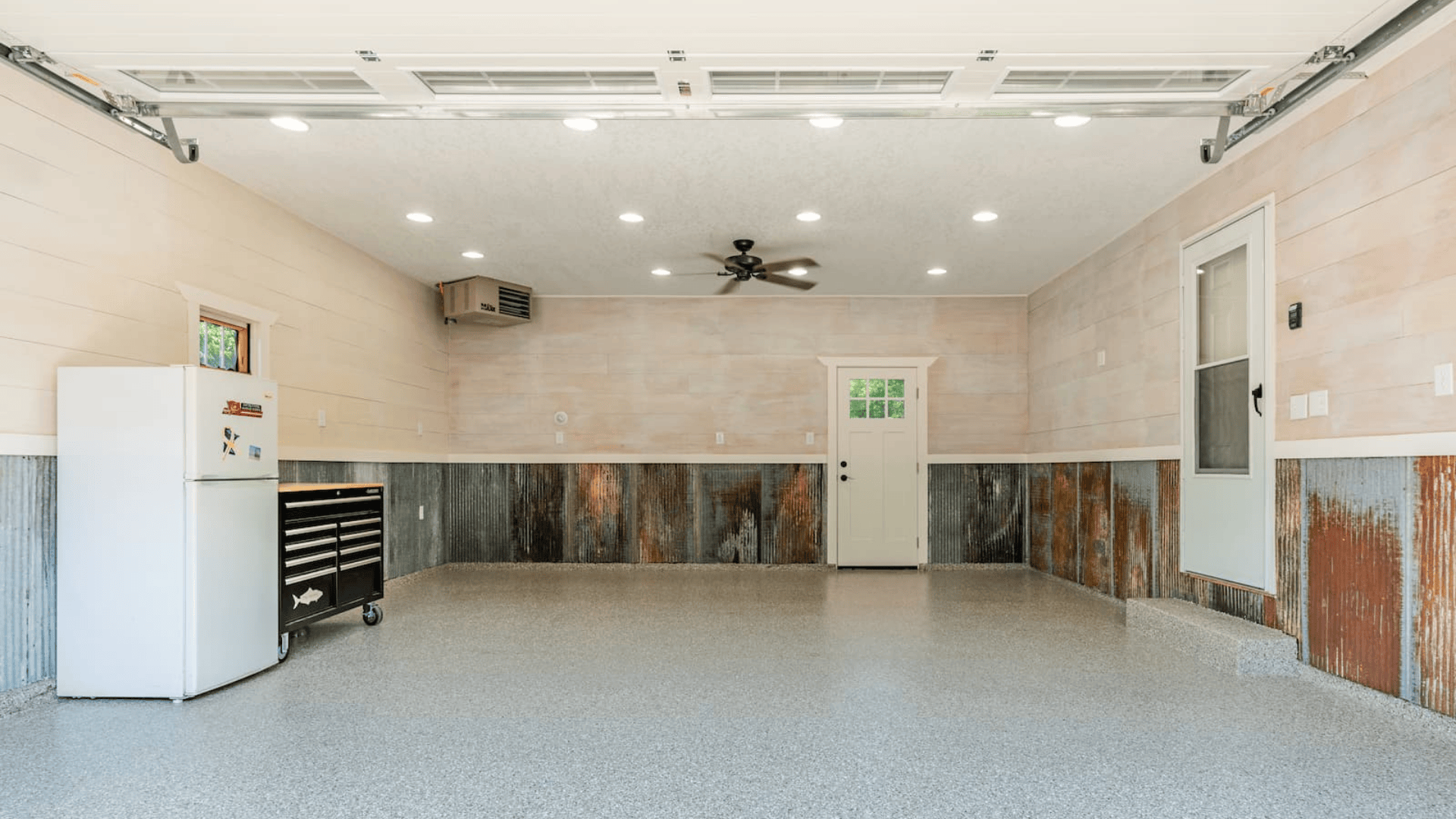
Choosing the right paint for garage walls can make a big difference in both the look and durability of your space.
A well-painted garage not only looks better but also stands up to wear and tear.
If you’re using your garage for storage, a workshop, or just parking your car, the right paint can protect your walls from dirt, moisture, and stains.
In this guide, I’ll share the best types of paint for garage walls, factors to consider before you start, and tips for a smooth, long-lasting finish.
With the right paint, your garage will not only stay cleaner but also maintain its appearance for years to come.
Keep reading to find out everything you need to know to make the best choice for your garage walls.
Why Choosing the Right Paint for Garage Walls Matters?
Choosing the right paint for your garage walls is important because it directly affects the durability and appearance of the space.
Garages are exposed to a lot of wear and tear, and oil stains, dirt, and moisture are common.
Moisture resistance is key, as garages can often get damp, which can cause paint to peel or mold to grow.
The right paint can protect your walls from these issues, keeping them in good shape longer. A durable paint also makes cleaning easier. When picking paint, consider how your garage will be used.
If it’s a high-traffic area or a workspace, you’ll need something that stands up to scuffs and stains.
In the end, a well-chosen paint not only makes your garage look better but also helps maintain its structure and cleanliness for years to come.
Best Paint Types for Garage Walls and Ceilings
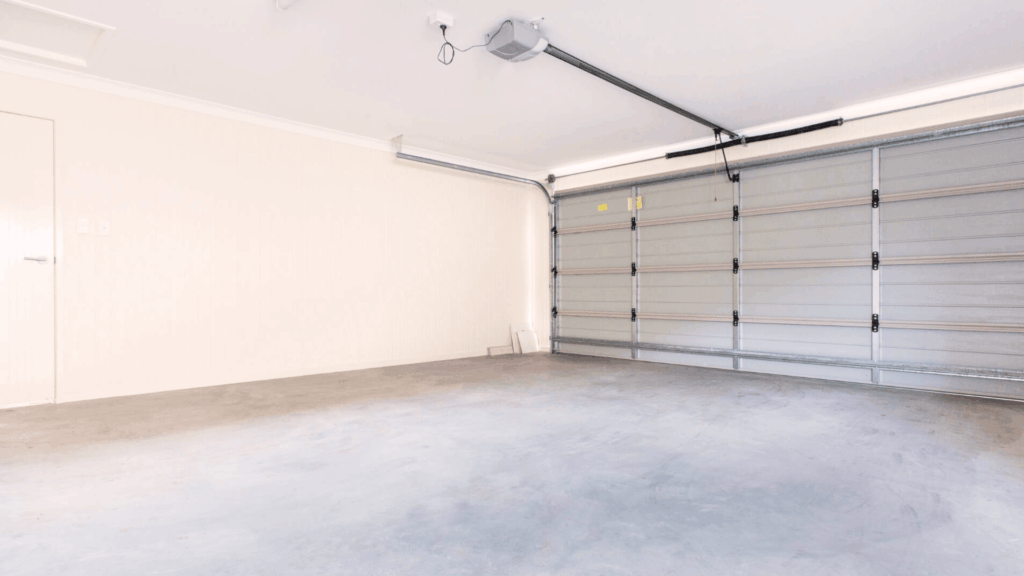
Choosing the right type of paint for your garage walls and ceilings ensures durability, easy maintenance, and a clean, fresh look. Here are some of the best paint options to consider.
1. Epoxy Paint
Epoxy paint is an excellent choice for garages with concrete or cinder block walls. I
t creates a strong, durable surface that resists moisture, oil, and stains. Epoxy is perfect for high-traffic areas like workshops or areas where you store chemicals.
Its smooth finish makes cleaning easier and helps protect walls from damage.
Though more expensive than other types of paint, the investment in epoxy is worth it for its long-lasting benefits and protection.
2. Latex Paint
Latex paint is a versatile and affordable option for garage walls, especially for drywall or pre-painted surfaces.
It is easy to apply and dries quickly. Latex paint also offers decent resistance to moisture and is available in various finishes, including matte and semi-gloss.
While it’s not as durable as epoxy, latex paint works well for garages with moderate use, where durability is less of a concern.
It’s also easy to clean, making it suitable for light garage activities.
3. Oil-Based Paint
Oil-based paint is known for its durability and smooth finish, making it a good option for garage walls that need to withstand heavy use.
It’s highly resistant to moisture and stains, offering better coverage than latex paint.
However, oil-based paints have a longer drying time and stronger fumes, requiring proper ventilation.
While not as popular as latex, oil-based paint can be a good choice for areas that experience a lot of wear, such as around workbenches or storage areas.
4. Acrylic Paint
Acrylic paint is a water-based option that works well for garage walls, particularly if you’re looking for a non-toxic, eco-friendly choice.
It provides good adhesion, dries quickly, and resists fading, making it a great option for both walls and ceilings.
Acrylic paint offers a balance between affordability and durability, although it may not be as moisture-resistant as epoxy.
It’s easy to clean and works well for garages with moderate use, offering a clean, vibrant finish.
Best Garage Wall Paint Options at a Glance
Choosing the right paint can make a significant difference in the durability and appearance of your garage. Below is a quick overview of the best options.
| Paint Type | Best For | Key Benefits | Drawbacks |
| Epoxy Paint | Concrete/cinder block walls, high-traffic workshops, chemical storage | Strong durability, resists moisture/oil/stains, smooth/easy clean, long-lasting | More expensive |
| Latex Paint | Drywall/pre-painted surfaces, moderate/light use | Versatile, affordable, quick-drying, moisture-resistant, various finishes (matte/semi-gloss) | Less durable than epoxy |
| Oil-Based Paint | Heavy-use areas like workbenches/storage | Highly durable, smooth finish, superior moisture/stain resistance, better coverage | Longer drying time, strong fumes, and needs ventilation |
| Acrylic Paint | Walls/ceilings, moderate use, eco-friendly needs | Water-based/non-toxic, good adhesion, quick-drying, fade-resistant, affordable balance | Less moisture-resistant than epoxy |
Choosing the Right Paint Sheen for Garage Interiors
The sheen of your garage wall paint affects both the appearance and functionality of the space. Below is a guide to understanding the most common sheens for garage interiors.
- Matte Finish: Best for hiding imperfections on the walls. Not as easy to clean, so it’s better for low-traffic areas.
- Satin Finish: Provides a soft, low sheen while offering better resistance to dirt and moisture. Easier to clean than matte, making it suitable for moderate-traffic areas.
- Semi-Gloss Finish: Offers a shiny finish that’s easy to wipe clean, making it ideal for high-traffic or messy areas. Perfect for garages used as workshops or where chemicals are stored.
- Gloss Finish: Very shiny and highly durable, great for areas exposed to heavy cleaning or spills. Reflects light, which can help smaller garages appear brighter.
Top Factors to Consider Before Painting Your Garage Walls
When painting your garage walls, several factors play a key role in choosing the right paint. These are the main things you should think about to make the best decision.
1. Garage Function
Consider how your garage is used. If it’s simply for parking your car, a basic latex paint may be sufficient.
However, if you use your garage as a workshop or for storage, you’ll need more durable paint that can stand up to heavy use, stains, and possible spills.
Durable, washable paints like epoxy or semi-gloss finishes are great choices for high-traffic areas.
Choosing paint suited to your garage’s function ensures it can handle the wear and tear specific to how you use the space, giving you a longer-lasting and cleaner result.
2. Wall Material
Different wall materials need different types of paint to ensure proper coverage and durability.
Drywall typically does well with latex or acrylic paint, which are easy to apply and clean.
However, concrete, brick, and other porous surfaces may require a more specialized paint, such as epoxy or oil-based paints, to properly seal and adhere.
These paints help protect the walls from moisture, stains, and dirt.
Always ensure the paint you choose is designed to bond well with the specific material in your garage to avoid peeling or bubbling over time.
3. Climate Conditions
The climate in your area greatly influences the paint selection for your garage walls. In humid regions, moisture-resistant paint is crucial to prevent mildew and peeling.
On the other hand, garages in hotter climates may need heat-resistant paints to withstand intense sun exposure and prevent cracking or fading.
Even in a temperate climate, temperature fluctuations can affect the paint’s performance.
Choosing the right paint that can handle these conditions ensures your garage looks fresh longer, no matter the weather.
4. Budget
Your budget is a significant factor when choosing the right paint for your garage.
While it can be tempting to opt for the cheapest option, investing in higher-quality paint will save you money in the long run.
High-quality paints typically last longer, resist stains, and require less maintenance.
They also tend to have better coverage, meaning fewer coats are needed.
Determine your budget by balancing the cost of materials with the level of protection you need for your garage, ensuring that you’re getting the most value for your money while meeting your needs.
What Homeowners Say About the Best Paint for Garage Walls?
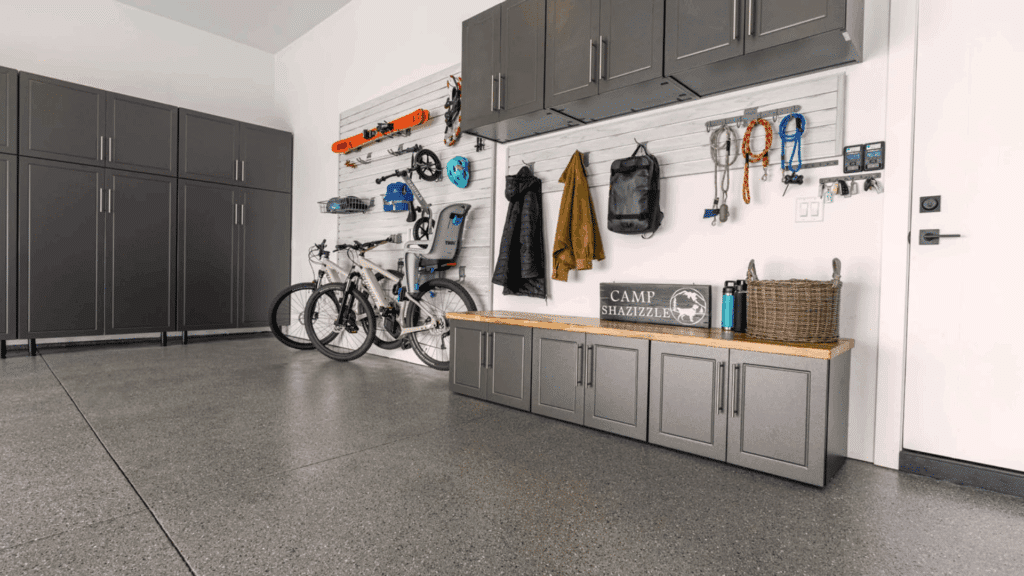
Homeowners on Reddit have shared their experiences with different paints for garage walls, offering helpful insights.
Many recommend Behr Premium Plus Eggshell for its balance of cost and performance. It provides durability and is easy to clean, making it ideal for garages with moderate use.
Acrylic-based paints are also popular, especially for their flexibility in withstanding temperature changes.
For high-traffic or workshop areas, epoxy paint is frequently suggested due to its strong resistance to stains, oil, and moisture.
Other users recommend Sherwin-Williams Loxon for rough, unpainted walls, while some swear by Zinsser Perm-White for mold prevention in humid areas.
Overall, homeowners agree that using a quality primer and multiple coats enhances the longevity of the paint job.
Common Mistakes to Avoid when Painting Garage Walls
Painting your garage walls can be straightforward, but some common mistakes can affect the final result. Avoid these pitfalls for a smooth, long-lasting finish.
- Skipping Surface Preparation: Not cleaning the walls properly or failing to repair cracks and holes can cause the paint to peel or not adhere well.
- Not Using a Primer: A primer helps paint stick better and ensures a more even finish, especially on new or patched walls.
- Choosing the Wrong Paint Type: Using interior paint in a garage can lead to peeling and stains, so be sure to choose paint specifically designed for garage environments.
- Rushing the Drying Process: Allow each coat of paint to fully dry before applying the next to avoid smudging or uneven coverage.
- Overusing Paint: Applying too much paint in one coat can cause it to drip or leave an uneven finish.
- Not Ventilating Properly: Poor ventilation can lead to paint fumes lingering longer than necessary and can even affect the finish.
How to Maintain Your Garage Wall Paint for Long-Lasting Results?
To keep your garage walls looking fresh, regular cleaning is key. Use a soft cloth or sponge with warm, soapy water to wipe down walls and remove dust or dirt.
For stubborn stains, try a mild cleaning solution or a gentle scrub. Avoid harsh chemicals that can damage the paint.
Be mindful of moisture; if your garage gets damp, ensure proper ventilation to prevent mold.
Touch up any chips or scratches immediately to prevent further damage. Regularly inspect the walls for cracks or peeling, and address them promptly.
Keeping the garage well-organized and avoiding heavy impacts on the walls will also help maintain the paint longer.
Simple care can extend the life of your garage wall paint significantly.
Conclusion
Choosing the best paint for your garage walls is more than just about looks; it’s about durability and long-term protection.
By considering your garage’s function, wall material, and climate, you can choose the best paint for your needs.
Whether you go for epoxy for high-traffic areas or latex for a simple finish, a well-chosen paint ensures a smooth, long-lasting result.
Don’t forget about maintenance to keep your garage walls looking great year after year.
Now, it’s your turn. What paint did you choose for your garage, and how’s it holding up?
Share your experience in the comments below! Your feedback might just help someone else make their next paint choice easier.