

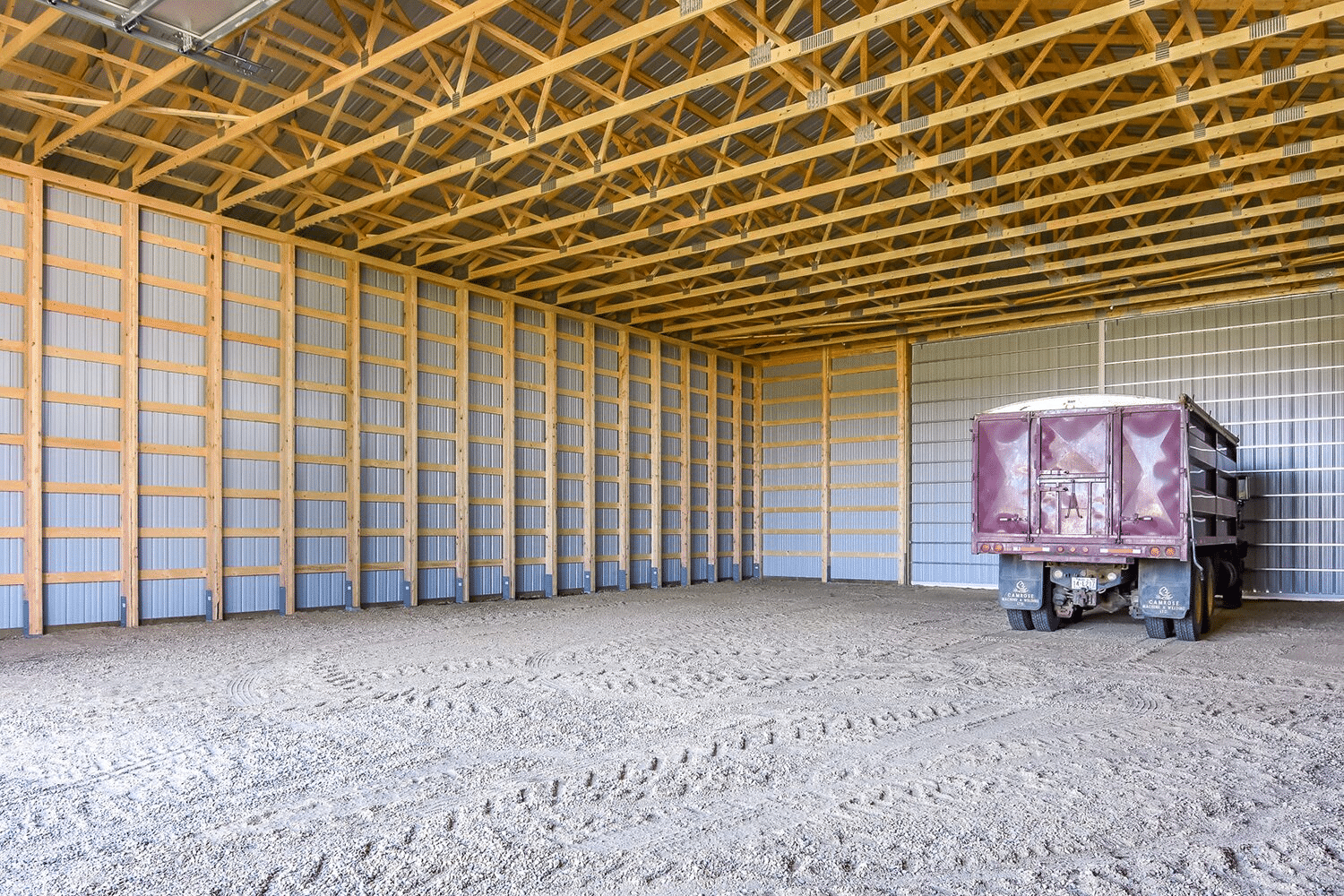
There’s something to be said for a building that keeps things simple and gets the job done. Post-frame buildings are a great example of this – they might not be the flashiest things to look at, but they’re really good at straightforwardly solving everyday problems.
They’re efficient, practical, and adaptable, making them really useful. If you’re considering one, you’re likely already thinking beyond surface-level design.
You’re weighing cost against durability, flexibility against long-term value, and trying to understand how this structure will actually support your day-to-day needs. That’s the right place to begin.
Understanding What a Post-Frame Structure Really Is
A post-frame building is special because it uses big posts that go straight into the ground or are attached to a foundation. These posts support the entire structure, so you don’t need as many interior walls.
This makes the inside space feel more open and useful. The posts do all the work, so you can use the space however you want without being blocked by extra walls. It’s a clever way to build, and it makes a building’s interior feel really spacious. That openness is one of the main reasons people choose this type of building.
It allows for a wide range of uses, from storage and agricultural work to workshops or even residential conversions. However, this flexibility can also lead to planning that lacks clarity. It’s easy to assume the structure will naturally adapt to whatever you need later.
In reality, the design decisions you make early on will shape how usable that space actually becomes. So it’s worth asking yourself a more precise question. What do you need this building to support, both now and in the near future?
Planning Beyond the Immediate Use
Designing for your current situation is the default approach. It feels efficient, and it keeps decisions simple. When you build a post-frame structure, you’re making a long-term investment.
But if you need to make changes later on, it can be a lot harder than you think. It helps to think in terms of progression. Will you eventually need insulation, even if it’s not a priority right now? Is there a chance you’ll want plumbing or electrical systems installed later?
Will the size still feel appropriate if your work expands or changes direction? These aren’t edge-case scenarios. They’re common outcomes that are easier to plan for early than to correct later.
Choosing the Right Builder Matters More than You Think
Eventually, the project moves from planning into execution, and that transition tends to reveal how solid your earlier decisions really were.
Working with experienced pole barn contractors can significantly influence how smoothly that process unfolds. Not just in terms of construction quality, but in how well the project is guided from the beginning.
A reliable contractor will do more than follow instructions. They’ll challenge unclear assumptions, explain trade-offs in practical terms, and help you avoid decisions that seem cost-effective upfront but introduce complications later. That kind of input isn’t always obvious when you’re comparing options.
But it tends to matter more as the project progresses.
Materials and Design Are Not One-Size-Fits-All
At a glance, many post-frame buildings appear similar, which can make material and design choices feel less important than they actually are. In practice, those details directly affect performance. The type of lumber used for structural posts, the durability of exterior siding, the design of the roof system, and the approach to ventilation and moisture control all contribute to how well the building holds up over time.
Lower-cost materials can reduce upfront expenses. But they often shift the cost into maintenance, repairs, or reduced efficiency later on. A more effective approach is to evaluate materials based on how they align with your environment and intended use, rather than focusing only on initial price.
Site Conditions Shape More Than You Expect
The characteristics of your building site play a major role in how the structure should be designed and constructed. When designing something, there are many factors to consider.
The type of soil, how water drains, how much wind it gets, and what the weather is like at different times of the year – all these things can affect how well it works.
What works perfectly in one place might need some tweaks to work as well in another. This is where local experience becomes especially valuable. Understanding how water moves across your property or how the ground responds to temperature changes can help prevent structural issues that are difficult to address after construction is complete.
Budgeting With Clarity, Not Just Optimism
Budgets are often built around ideal conditions. In reality, most construction projects involve small adjustments along the way. Material costs shift, minor design changes arise, and unexpected details surface once work begins. The goal isn’t to eliminate uncertainty. It’s to account for it.
Having some extra money set aside in your budget is a good idea. It helps you handle changes without messing up the whole project. You won’t have to make quick decisions when you’re stressed out. This way, you can handle things as they happen and keep everything on track.
Permits, Codes, and the Less Visible Requirements
It’s natural to focus on the building’s physical aspects: the structure, layout, and finished appearance. But regulatory requirements play an equally important role.
Permits, zoning restrictions, and building codes can influence everything from placement and size to specific construction methods.
Overlooking these details can lead to delays, additional costs, or changes required after work has already started. It may not be the most engaging part of the process. But addressing it early helps avoid complications later.
The Long-Term Perspective
A post-frame structure is rarely a temporary solution. It becomes part of how you use your space, how you work, and how your property functions over time. So it’s worth stepping back and considering the long-term experience. How will the building perform a few years from now?
Will it still support your needs without requiring significant changes? Will it continue to feel like a practical asset rather than a limitation? Those are the questions that matter most. Because a well-planned structure doesn’t just meet immediate needs, it keeps paying off over time.