

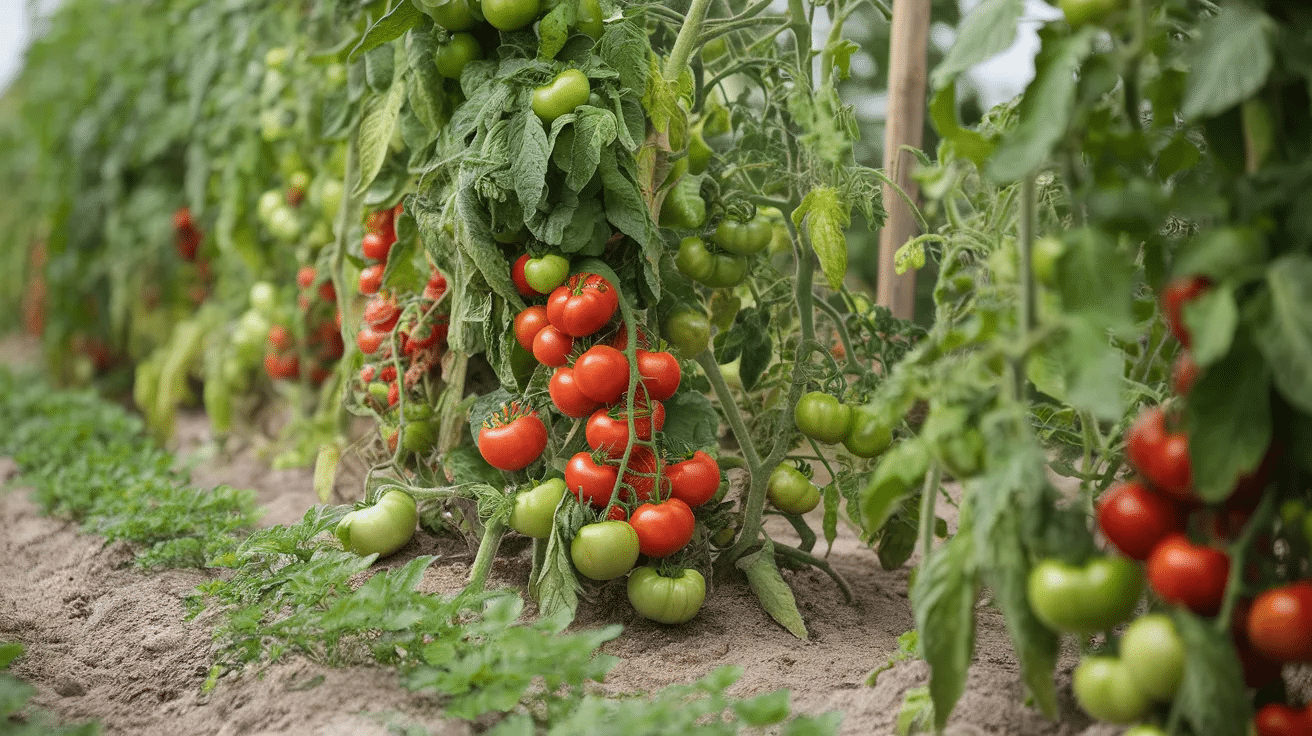
Tomatoes are one of the most popular plants grown in home gardens. They taste great fresh, cooked, or in sauces.
But to grow strong, healthy tomatoes, timing is important. Knowing when to plant them can make a big difference.
The right time depends on the weather and where someone lives. It also matters how the tomatoes are started, by seed or plant.
Planting too early or too late can lead to weak plants or fewer tomatoes. This blog shares simple tips to help anyone figure out the best time to plant tomatoes.
With the right start, tomato plants can grow better and produce more fruit during the season.
What Tomatoes Need to Grow Well
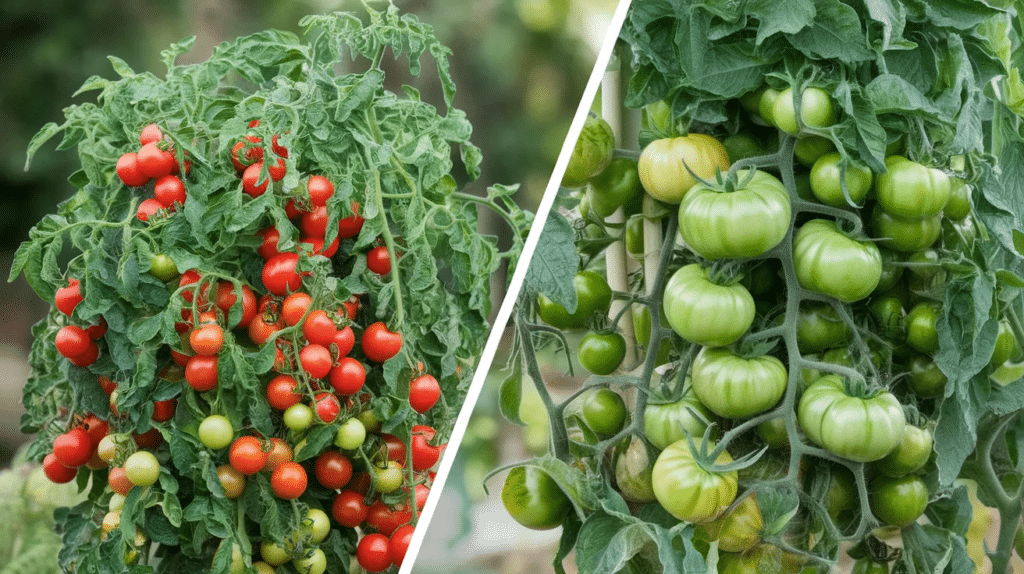
Tomatoes need warm weather to grow. They do not do well in cold soil or cold air. Most tomato plants grow best when the daytime temperature stays between 70°F and 85°F.
At night, the temperature should stay above 50°F. If it is too cold, the plants will not grow well. If it is too hot, they may stop making fruit.
Tomatoes need a lot of sunlight. They grow best in places that receive at least 6 to 8 hours of direct sun each day. The soil should be loose, rich, and well-drained. If the ground stays soggy, the roots can rot.
Before learning when to plant tomatoes, it’s important to know what kind of tomato plant someone is growing. There are two main types:
- Determinate tomatoes: These grow to a set size and produce all their fruit at once. They are good for smaller spaces or containers.
- Indeterminate tomatoes: These keep growing and making fruit all season. They need more space and support.
Why Timing is Important for Tomatoes
Planting tomatoes at the right time can make a big difference. It helps the plants grow better, stay healthy, and produce more fruit.
Timing is Key for Healthy Tomato Plants
Tomatoes are sensitive to the weather. If planted too early, frost can harm or even kill them.
If planted too late, they may not have enough time to grow and ripen. The best time to plant tomatoes is when both the air and soil are warm.
Watch Out for the Last Frost
Frost is a thin layer of ice that forms when temperatures drop near freezing. It can quickly damage young tomato plants.
To stay safe, most gardeners wait 1 to 2 weeks after the last frost date to plant tomatoes. This gives the ground time to warm up. Since frost dates vary by region, it’s smart to check a local gardening chart or ask a nearby garden center.
Soil Temperature Matters Too
Warm soil is just as important as warm air. If the soil is too cold, tomato roots will not grow well. The plant may stop growing or look weak.
- The soil should be at least 60°F before planting.
- 65°F to 70°F is even better for strong root growth.
To check the soil temperature, gardeners can use a soil thermometer. These are simple tools found in most garden stores or online.
A Warm Start Helps Tomatoes Grow Strong
When both the air and soil are warm, tomato plants grow faster. Their roots spread out better, the stems become stronger, and they are more likely to produce healthy fruit.
Waiting for the right time gives tomatoes a better start and a better harvest.
Tomato Planting Time by Region
The best time to plant tomatoes depends on where someone lives. Each region has different weather and frost dates. Here’s a simple guide to help plan when to plant tomatoes based on the climate.
Northern Regions (Cold Climates)
In cooler areas such as the northern U.S., Canada, and other cold zones, the growing season is short. That means planting must happen at just the right time.
- Best planting time: Late May to early June
- Start seeds indoors 6 to 8 weeks before the last frost
- Transplant seedlings after frost is gone and the soil is warm
- Use row covers or cloches to protect from surprise cold nights
Southern Regions (Warm Climates)
Southern areas like Texas, Florida, and parts of California have longer, warmer seasons. Tomatoes can be planted earlier and sometimes even grown twice a year.
- Best planting time: March to April
- Some grow two crops: one in spring, one in early fall
- Be careful during summer, extreme heat can stop fruit growth
Central Regions (Mild Climates)
The Midwest and other places with mild spring weather usually have steady growing conditions, but it’s still important to avoid frost and hot spells.
- Best planting time: Mid-April to mid-May
- Watch for late frost or early heat waves
- Check the 10-day forecast before planting outdoors
Coastal and Pacific Northwest
These areas have cool, wet springs, so tomatoes take longer to get started. Choosing fast-growing tomato types can help.
- Best planting time: Mid-May to early June
- Choose early or small tomato varieties like cherry tomatoes
- Make sure plants get enough sun and warmth as the season begins
When to Start Tomato Seeds Indoors
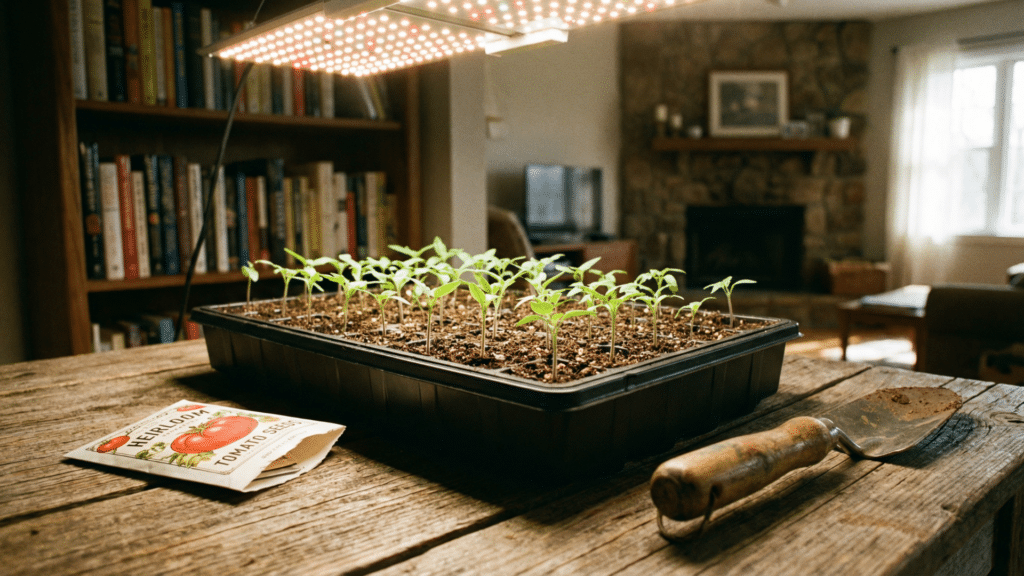
Starting tomato seeds indoors gives plants a strong head start, especially in colder regions with short growing seasons. It also helps save money and gives more control over the growing process.
| Step | Details |
|---|---|
| Start seeds early | Begin 6 to 8 weeks before your area’s last frost date. |
| Choose the right container | Use seed trays, small pots, or any container with drainage holes. |
| Provide warmth and light | Place in a sunny window or under grow lights for strong growth. |
| Watch for leaf growth | Seedlings are ready when they have 2–3 sets of true leaves. |
| Harden off seedlings | Gradually acclimate them to outdoor air, sun, and wind before planting outdoors. |
How to Harden Off Tomato Plants
Hardening off means gradually acclimating tomato plants to outdoor conditions. Plants started indoors live in ideal conditions, no wind, steady warmth, and soft light. Outside, they face cooler air, sun, and breezes. Moving them too quickly can shock the plant and stop growth.
Here’s a simple step-by-step guide:
1. Start 7 to 10 days before transplanting: Begin about one week before you plan to plant tomatoes in the garden.
2. Day 1–2: Set plants outside in the shade: Place seedlings in a shaded, wind-free spot for 2–3 hours. Bring them back indoors afterward.
3. Day 3–5: Add sunlight slowly: Let them get some morning or late afternoon sun. Increase outdoor time to 4–6 hours.
4. Day 6–7: Keep them out longer: Give the plants 6–8 hours of outdoor time, including more direct sunlight. Make sure they stay safe from the wind and cold.
5. Nighttime care: Bring them inside at night, especially if temperatures drop below 50°F.
6. After 7–10 days: Ready for planting: Once the plants are strong and used to outdoor conditions, they’re ready for full sun and garden life.
Tip: If it’s windy or very cold, skip that day or give less time outside. Slow and steady is best.
Tomato Planting Calendar by Month (General Guide)
| Month | Action |
|---|---|
| January | Start planning, buy seeds |
| February | Start seeds indoors in warmer areas |
| March | Start seeds indoors in mild/cool areas |
| April | Transplant in southern zones, start seeds indoors in the north |
| May | Transplant in most areas after the frost is gone |
| June | Last chance to transplant in northern zones |
| July | Not a good time to plant; too hot in many places |
| August | In warm areas, fall planting can begin |
| September | Some late-season planting in southern areas |
| October | Season ends in most regions; start cleanup |
Tomato Varieties and How They Affect Planting Time
Some types of tomatoes grow faster than others. This changes the timing of when they should be planted.
- Early-season tomatoes: These grow fast (about 55–65 days to ripen). Good for cooler areas.
- Mid-season tomatoes: These take 70–80 days.
- Late-season tomatoes require more than 85 days. Best in warm climates with long growing seasons.
Choose the right type for the local weather. This helps ensure the tomatoes ripen before cold weather comes.
Tips to Get the Best Tomato Harvest
Once you know when to plant tomatoes, it helps to follow a few more tips:
- Add compost or fertilizer: This gives plants food to grow strong.
- Mulch around the base: Helps keep the soil warm and moist.
- Use cages or stakes: Supports the plant and keeps fruit off the ground.
- Water at the base: Keeps leaves dry and lowers the chance of disease.
- Check for bugs: Look for holes, spots, or pests on leaves.
With good care, a tomato plant can give pounds of fruit in one season.
To Conclude
Planting tomatoes at the right time helps them grow strong and healthy. The best time depends on the weather, frost dates, and how warm the soil is.
Starting seeds indoors can give plants a head start, but they still need to be hardened off before going outside.
In each region, the planting time is different, so it’s important to plan ahead. Waiting for warm days and nights gives your plants the best chance to grow and make lots of fruit.
With the right start, you’ll enjoy fresh, tasty tomatoes all season long. Ready to grow your own? Use this guide to plant tomatoes at the perfect time in your area.