

Los Angeles has this strange way of changing how you think about rooms. You walk into a house in the Hills and you’re never totally sure where “inside” ends. There’s a sofa facing the fireplace, but the doors are wide open, and the breeze moves through the space like it’s part of the design, because it is.
People here don’t want big statements; they want homes that feel lived-in but still refined, almost like everything was placed there slowly, over time, without trying too hard.
And lately, the thing tying these spaces together isn’t some new trend or another round of “Earth tones are back.” It’s furniture with actual presence. The good stuff. The type you only find from places that understand proportion and craftsmanship.
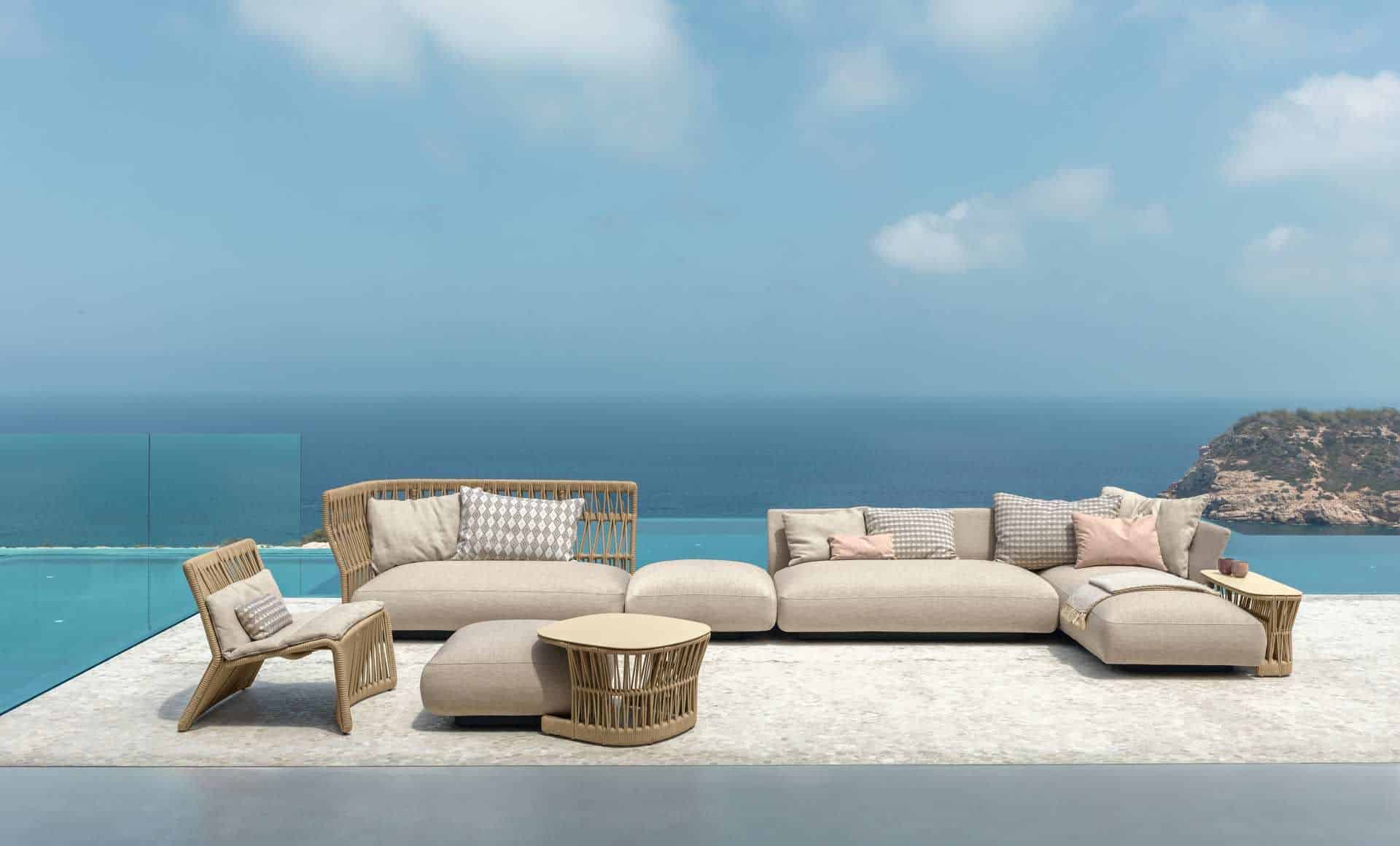
If you look at what designers specify for clients, you keep seeing the same idea: start with one really good teak sofa set, something architectural but not stiff, and let the room grow around it.
Homes across Brentwood, Silver Lake, Pasadena, they’re doing this soft, layered thing. Muted upholstery. Cushions that feel shaped rather than stuffed. A frame that doesn’t scream for attention but has enough detail that you notice it on the second or third glance.
People don’t want “showroom energy” anymore; they want pieces that look like they belong to someone who travels and pays attention.
That shift is also why there’s so much talk about luxury furniture in Los Angeles right now. Not the glossy catalog stuff — the real thing. Wood that feels warm under your hand. Textiles that look better in sunlight.
The kind of craftsmanship where the back of the furniture matters as much as the front, because here, everything is visible from some angle thanks to all the glass walls. You can’t hide bad design in this city; the daylight will expose it instantly.
Outdoor spaces are following the same direction. Instead of those bulky patio pieces everyone used to buy, people are mixing natural materials with sculptural forms. You’ll see a teak armchair next to an indoor rug. A metal accent table beside linen cushions. It looks like it shouldn’t work, but somehow it does, probably because the climate lets you get away with anything as long as it’s thoughtful.
And speaking of teak, it’s having a moment again, but not in that “coastal grandma” way people joke about. Good teak furniture has this quiet weight to it. When it ages, it doesn’t look old; it looks settled, like it belongs there. The grain, the slight silvering… it fits perfectly into the kind of homes that stay open most of the year. You can put a teak bench in a garden and another inside the dining room, and they feel related without matching.
Designers love it because it softens modern architecture. A lot of newer homes here lean very glass-and-steel, which looks amazing but can feel cold if you leave it untouched. Teak adds warmth without leaning rustic. Pair it with Italian upholstery, and boom, you get this hybrid style that’s very L.A.: elegant, unbothered, quietly confident.
What’s interesting is how homeowners are using these materials together. A teak side table next to a velvet sofa. A linen chaise angled toward a courtyard. A stone coffee table that picks up the tones of the surrounding landscape. The rooms feel more like moods than layouts. It’s less about following rules and more about creating places where people actually want to sit, talk, and decompress.
And that’s why the focus isn’t on chasing trends. People here are done with disposable décor. They’re choosing pieces that will age well, pieces that don’t look embarrassed five years from now. That’s why more designers are pulling from local showrooms and curated collections instead of mass-produced options. Los Angeles has quietly become a hub for furniture that feels artisanal but still modern.
The homes that get it right don’t look decorated. They look lived in, in the best way. A well-made sofa set that anchors the whole flow. Teak accents catching the afternoon light. Fabrics that don’t fight the climate. Architecture that lets the breeze move through. It’s a kind of luxury that doesn’t announce itself. It just feels good the moment you walk in.
LA design is drifting toward spaces that breathe. Spaces where the materials handle the work and the furniture sets the tone. And honestly, it suits the city. The whole point of living here is that you don’t have to choose between indoors and outdoors. You can have both, and your home ends up feeling like one long, continuous, comfortable thought.