

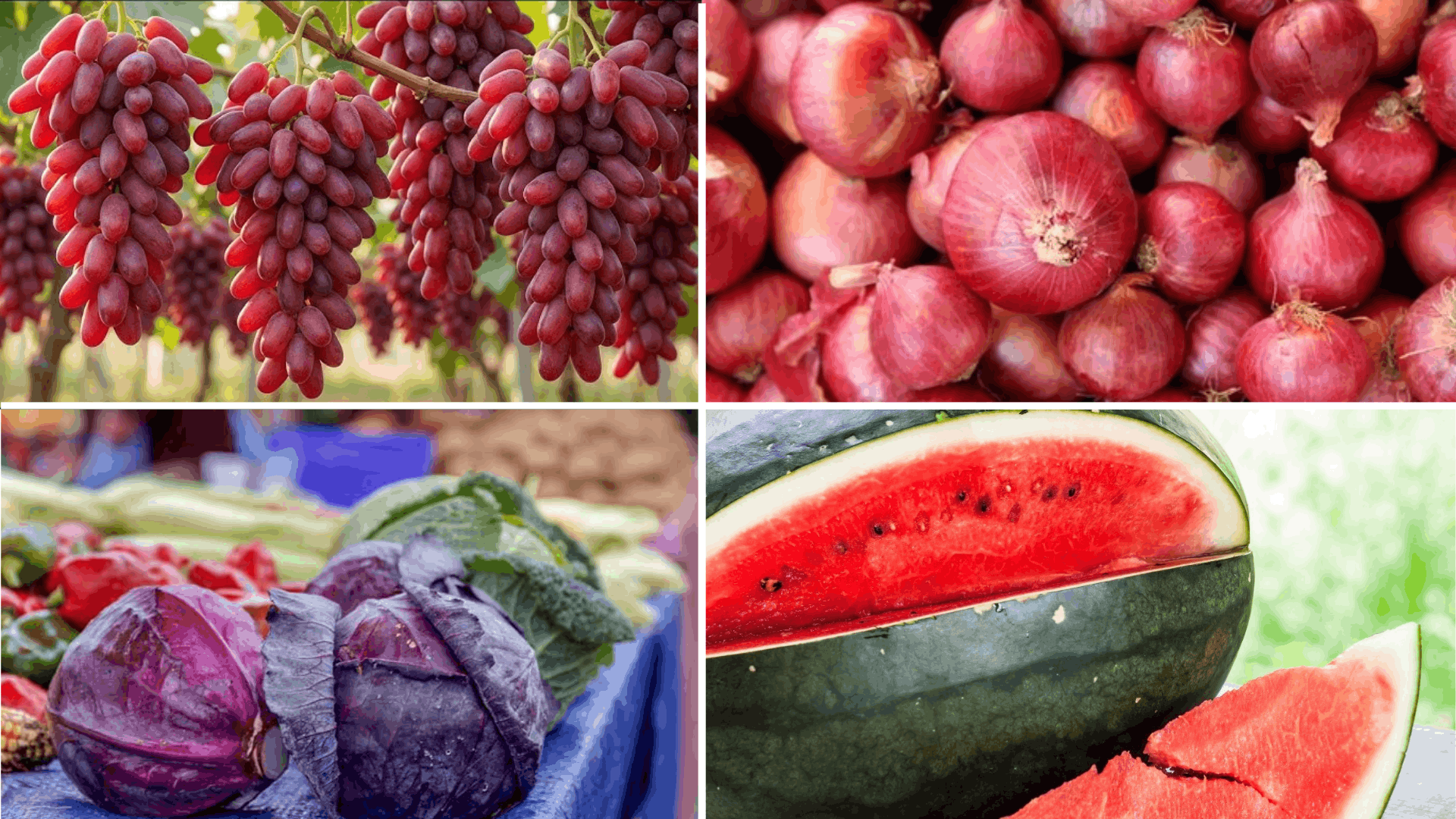
Bright red vegetables do more than make your plate look colorful. They also add nutrients that support your body in different ways.
I often tell people that eating a mix of vegetable colors is one of the easiest ways to build better meals.
Red vegetables stand out for their rich content of natural plant compounds, vitamins, minerals, and fiber. You do not need to eat the same foods every day to get these benefits.
Small changes can make meals healthier and more enjoyable. Learn about the best red vegetables, their nutrition, and easy ways to eat them.
I will also explain how red vegetables compare with other colorful vegetables so you can make smarter food choices.
What Are Red Vegetables?
Red vegetables are vegetables with naturally red or deep reddish-purple skin, flesh, or leaves. Their color comes from plant pigments such as lycopene, anthocyanins, or betalains.
These compounds give each vegetable its color and are part of a healthy eating pattern.
Tomatoes, red bell peppers, beets, red cabbage, radishes, and red onions are some of the most common examples.
Each one offers a different mix of vitamins, minerals, fiber, and other nutrients. That is why eating a variety of red vegetables is more helpful than relying on just one.
I like adding different red vegetables to my meals because they bring color, flavor, and nutrition without much effort.
When you include them alongside green, orange, white, and purple vegetables, your meals become more balanced and satisfying.
What Are the Health Benefits of Red Vegetables?
Red vegetables contain a mix of nutrients that support many parts of the body. Adding different kinds to your meals helps you get a wider range of vitamins, minerals, fiber, and natural plant compounds.
| Health Benefit | How Red Vegetables Help |
|---|---|
| Supports Heart Health | Tomatoes, beets, and red peppers contain nutrients that help maintain normal blood circulation and support heart function. |
| Provides Antioxidants | Natural pigments like lycopene, anthocyanins, and betalains help protect cells from everyday damage caused by free radicals. |
| Strengthens the Immune System | Many red vegetables are rich in vitamin C, which helps your body fight illness and supports normal immune function. |
| Supports Eye Health | Red bell peppers and tomatoes provide vitamin A and other nutrients that help maintain normal vision. |
| Helps Maintain Healthy Skin | Vitamins A and C support collagen production and help keep skin healthy from within. |
| Supports Healthy Blood Flow | Beets contain natural nitrates that help the body produce nitric oxide, which supports normal blood vessel function. |
| Adds Nutrients With Few Calories | Most red vegetables are naturally low in calories while providing fiber, vitamins, and minerals, making them a smart addition to balanced meals. |
Best Red Vegetables and Fruits to Eat
Adding red vegetables and fruits to your meals is an easy way to bring more color and variety to your diet.
1. Tomatoes
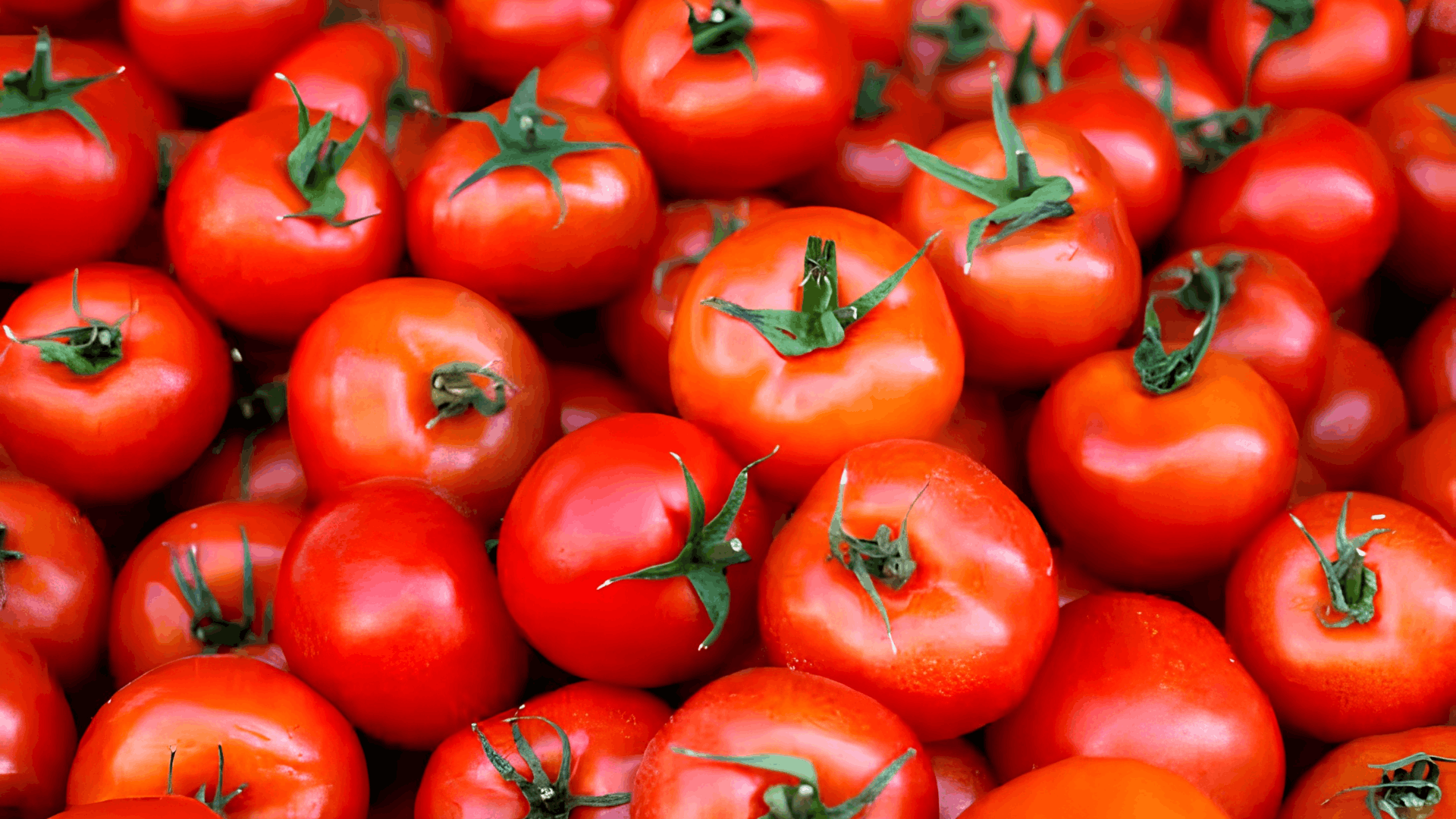
Tomatoes are among the most widely used red vegetables and appear in salads, soups, sauces, sandwiches, and many cooked dishes.
They provide important nutrients such as lycopene, vitamin C, potassium, and fiber, making them a healthy addition to everyday meals.
Cooking tomatoes helps your body absorb more lycopene, while fresh tomatoes offer a crisp texture in salads and sandwiches. Cooked tomatoes also add rich flavor to pasta, casseroles, and stews.
Their versatility makes them easy to enjoy throughout the year in countless recipes.
2. Red Bell Peppers
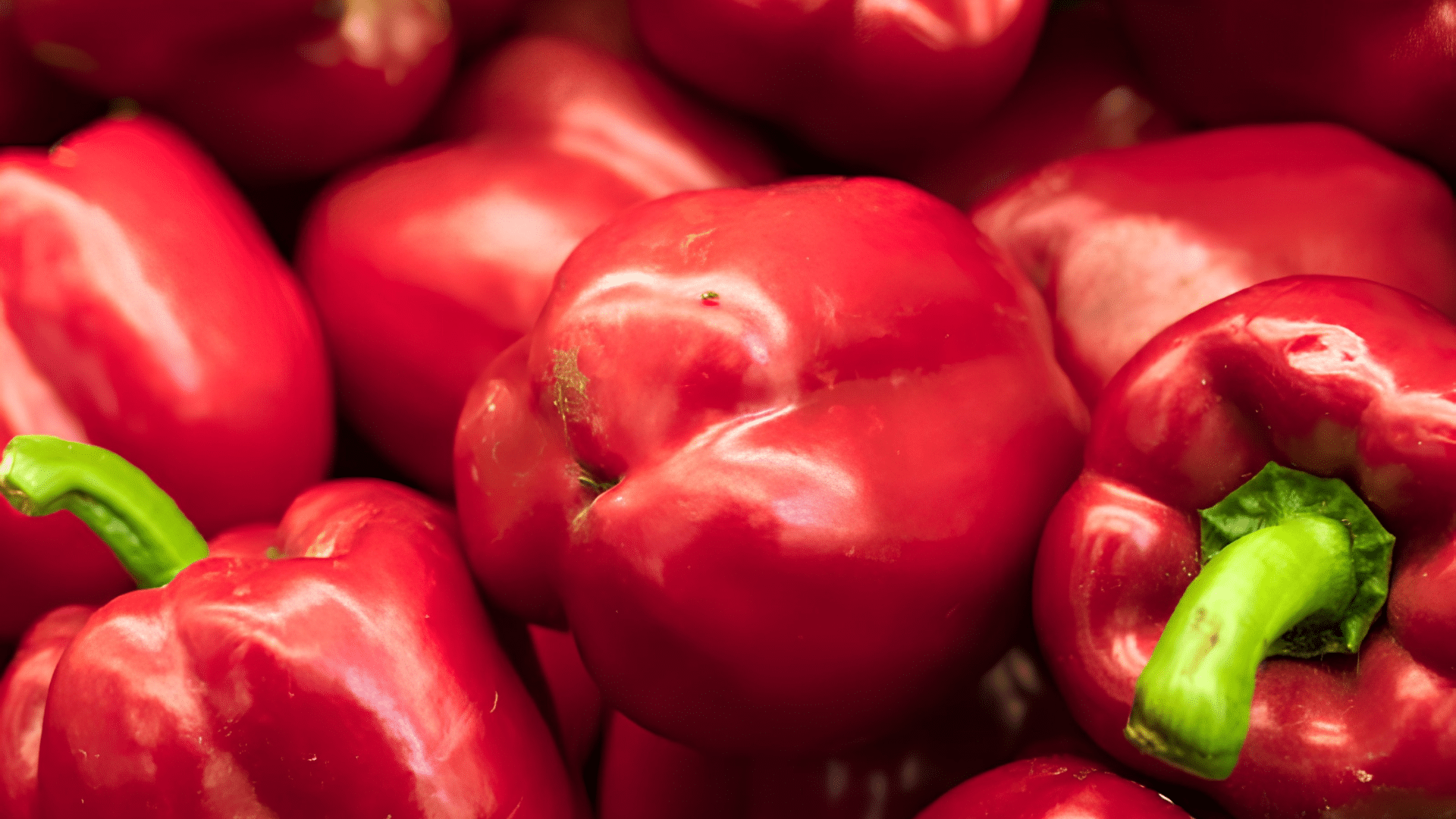
Red bell peppers have a naturally sweet flavor and a crisp texture, making them a popular choice for many recipes.
They are rich in vitamin C, vitamin A, fiber, and potassium, which support overall health. Enjoy them raw with your favorite dip, slice them into fresh salads, or roast them as a flavorful side dish.
Chopped red bell peppers also work well in wraps, sandwiches, stir-fries, and pasta dishes, adding bright color without extra heat. They stay fresh in the refrigerator for several days when stored properly.
3. Beets
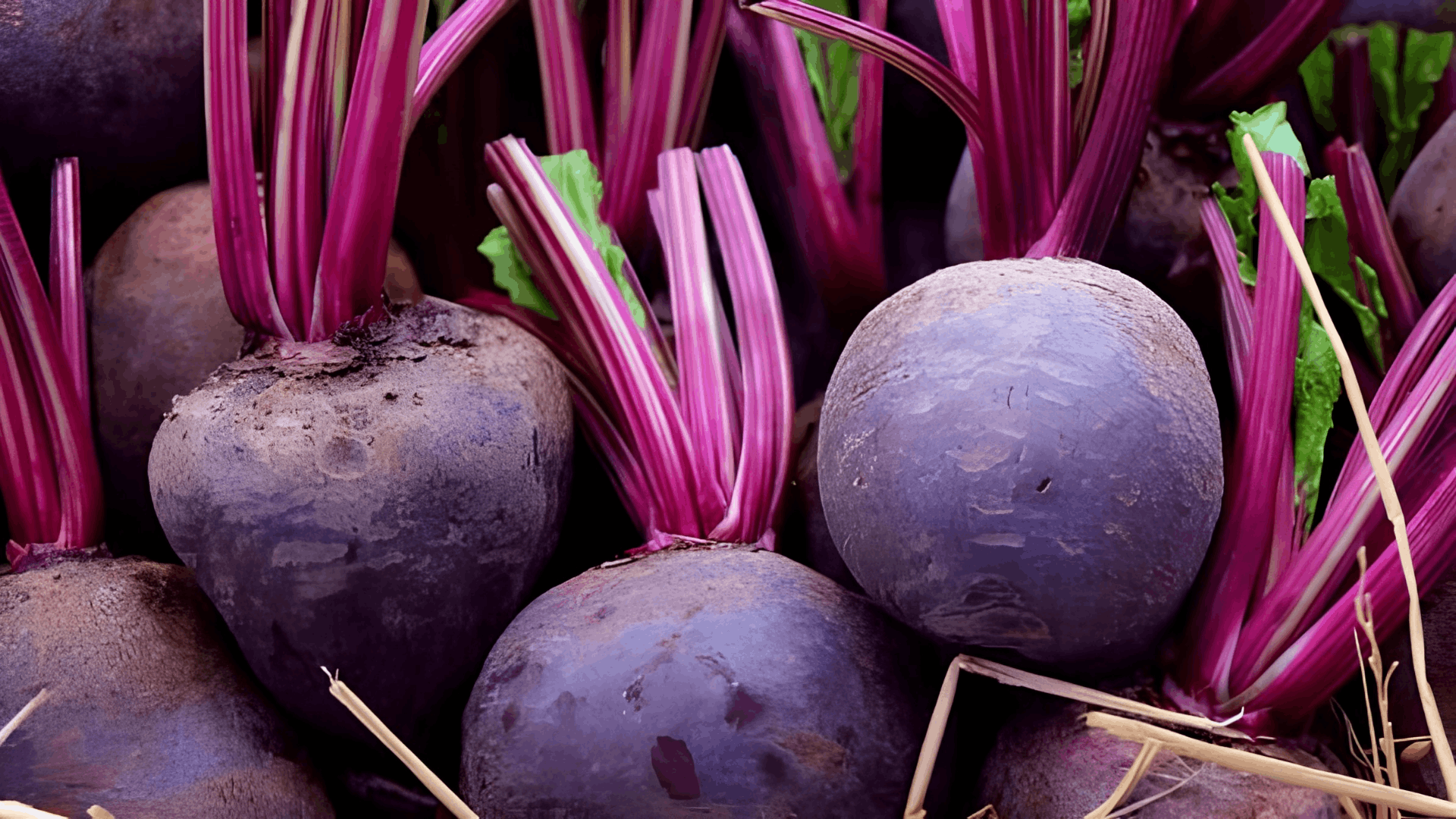
Beets are root vegetables recognized for their deep red color and earthy flavor. They provide fiber, folate, manganese, potassium, and natural nitrates, making them a nutritious addition to many meals.
Roasting beets brings out their natural sweetness, while grated raw beets add crunch and color to fresh salads.
Cooked beets also pair well with grain bowls, soups, and side dishes.
Their vibrant red-purple color comes from betalains, which are natural plant pigments that give beets their distinctive appearance and nutritional value.
4. Radishes
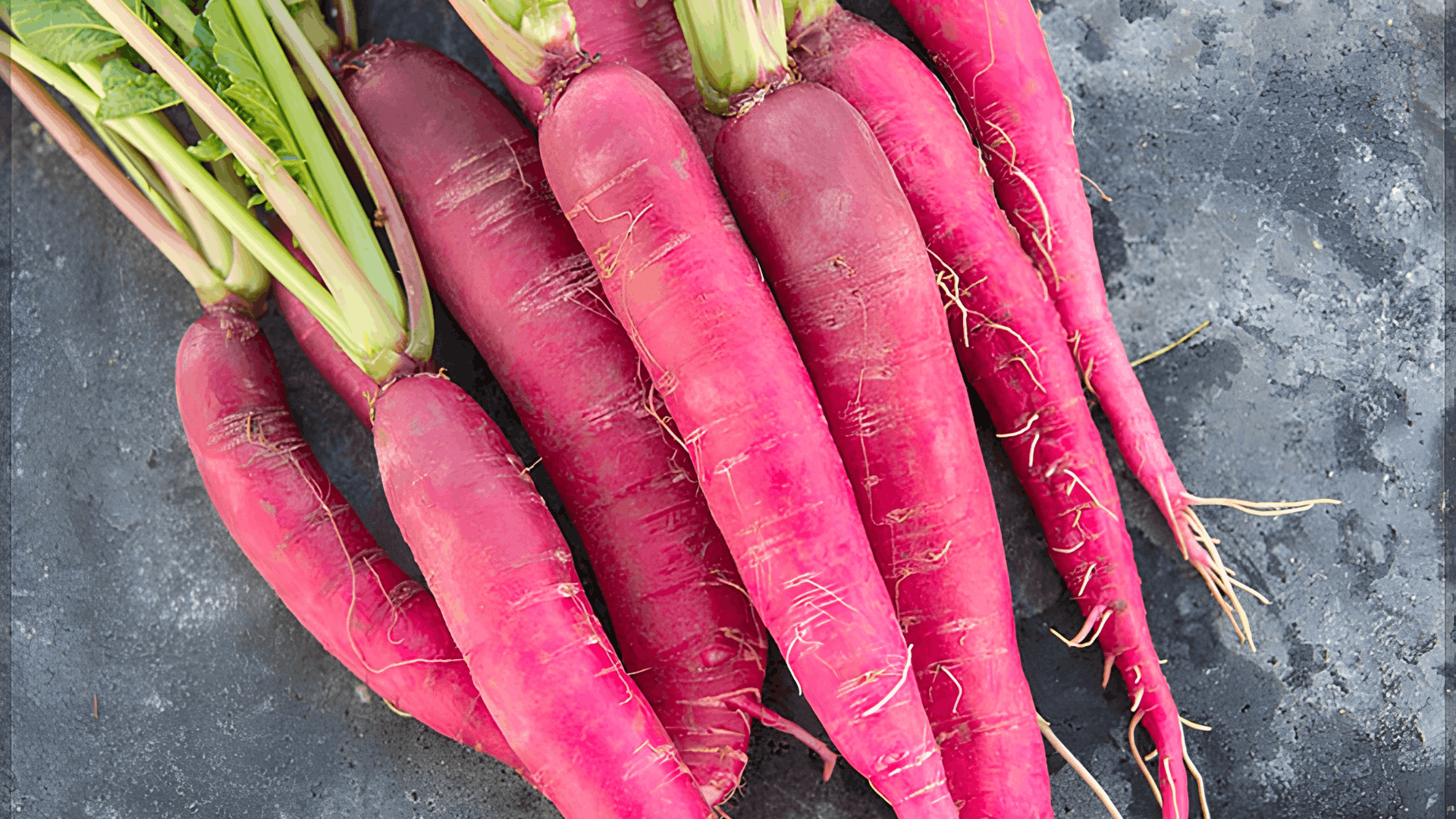
Radishes are small root vegetables with a crisp texture and a mildly peppery flavor.
They provide vitamin C, fiber, and plenty of water, making them a refreshing choice for everyday meals.
Thinly sliced radishes add crunch to salads, tacos, sandwiches, and wraps, while roasting gives them a softer texture and a milder taste.
They are easy to grow in home gardens and are commonly available during spring and early summer. Their fresh flavor makes them a versatile ingredient for many recipes.
5. Red Cabbage
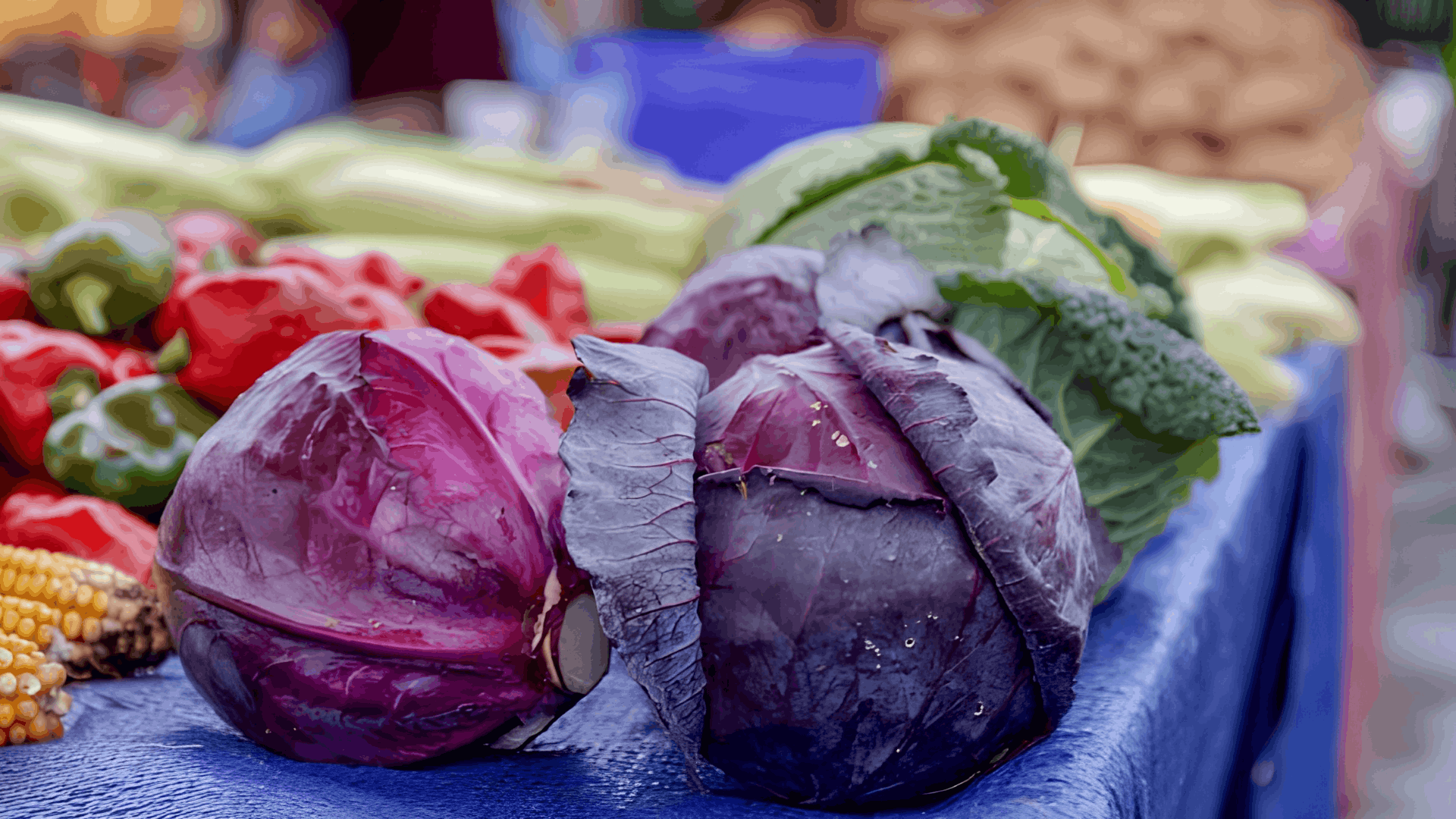
Red cabbage has crisp, crunchy leaves and a mild, slightly sweet flavor that works well in many dishes. It is a good source of fiber, vitamin C, vitamin K, and anthocyanins, the natural compounds responsible for its deep purple-red color.
Shredded red cabbage is commonly used in slaws, salads, wraps, and tacos, while cooked cabbage pairs well with stir-fries and side dishes.
It stays fresh in the refrigerator for several days after cutting, making it a practical vegetable to keep on hand.
6. Red Onions
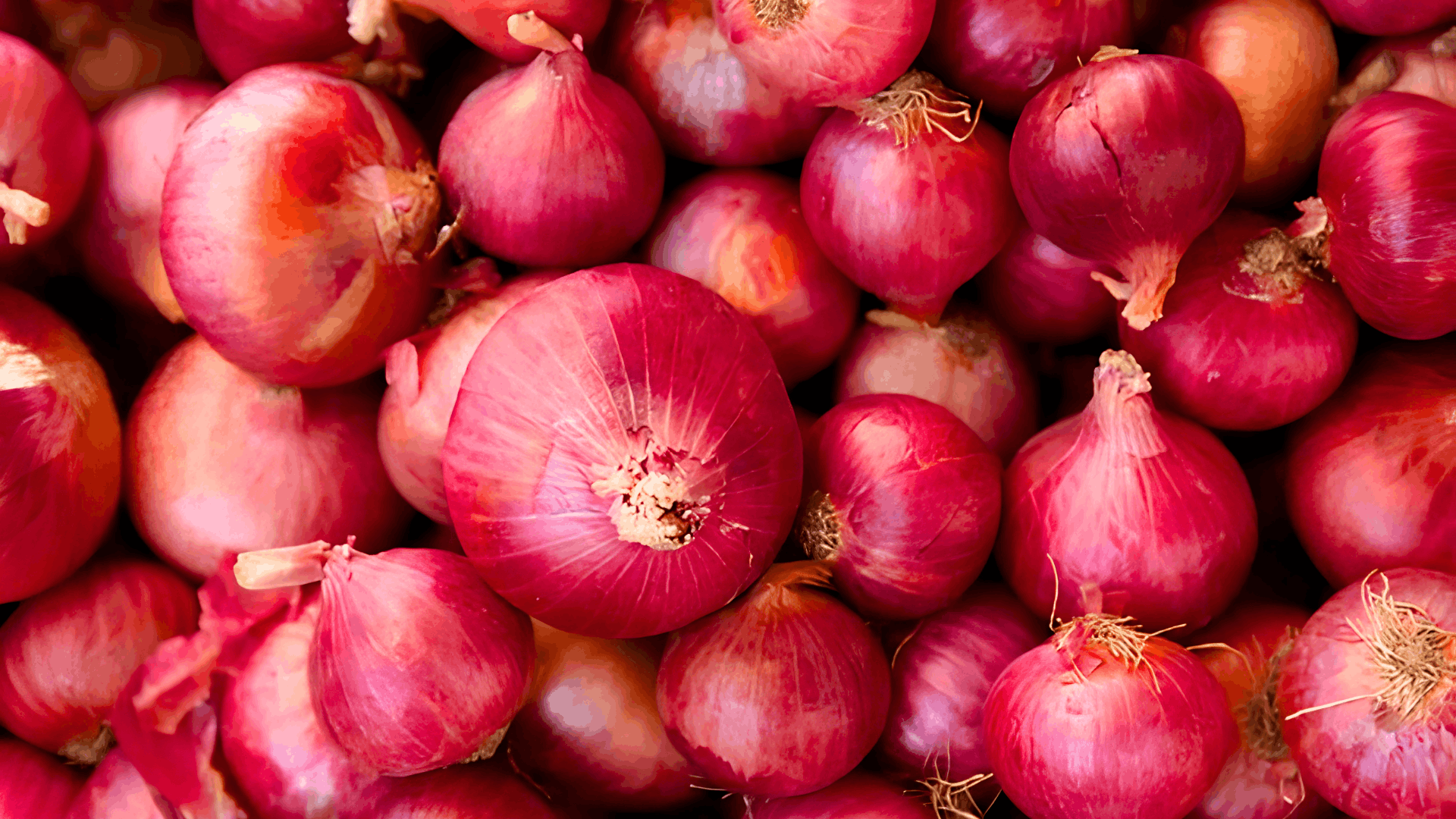
Red onions add a mild, slightly sharp flavor and vibrant color to a wide variety of dishes. They provide fiber, vitamin C, and small amounts of essential minerals that support a balanced diet.
When cooked, their flavor becomes sweeter, making them ideal for roasting, grilling, caramelizing, or sautéing.
Raw red onions are commonly added to salads, burgers, sandwiches, and tacos for extra crunch.
Pickled red onions are another popular option, adding a tangy flavor that pairs well with grain bowls, wraps, and many everyday meals.
7. Cherries
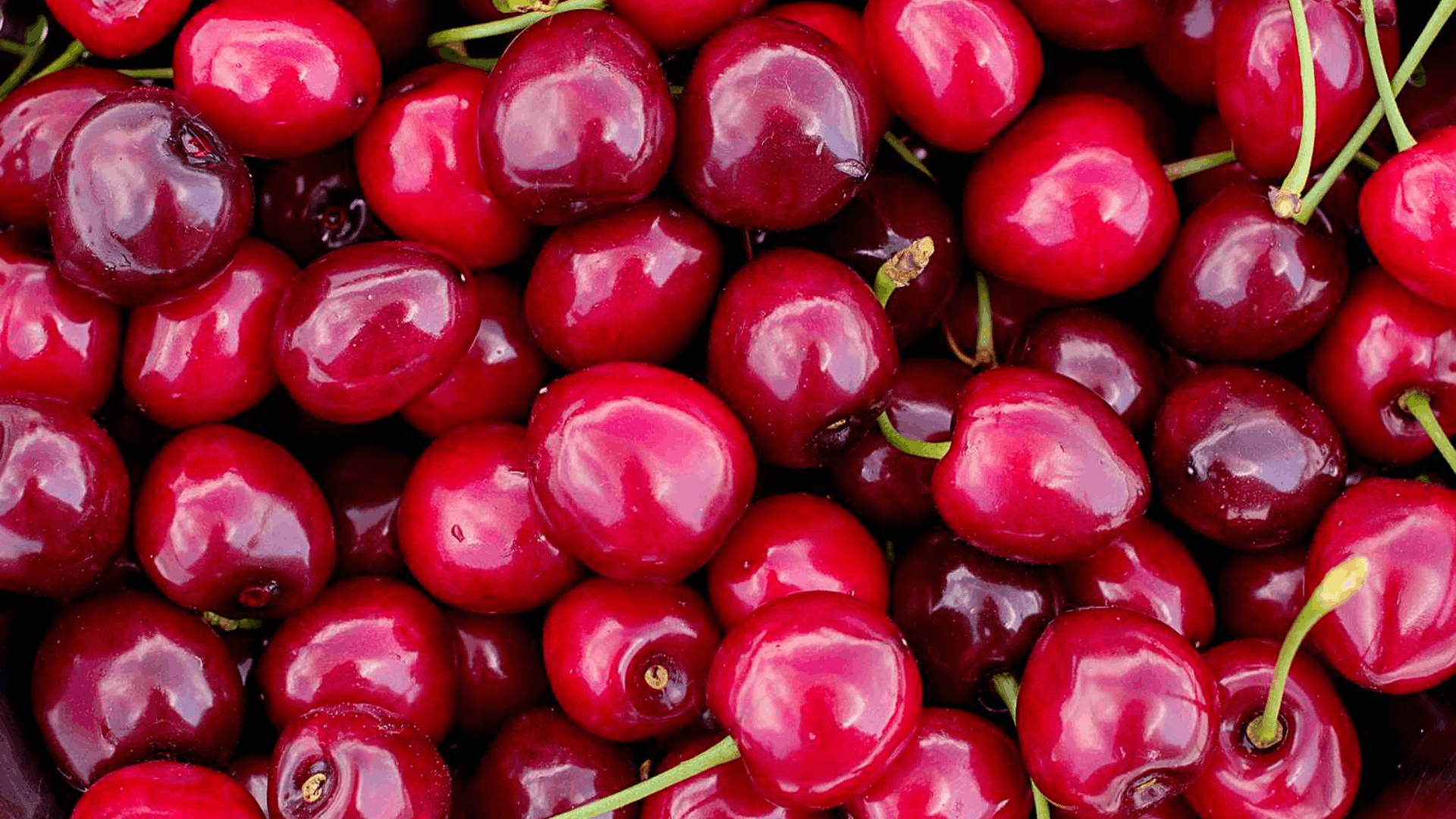
Cherries are small red fruits with a sweet or slightly tart flavor that makes them enjoyable in many recipes.
They provide vitamin C, fiber, potassium, and beneficial plant compounds that support overall health.
Fresh cherries are a convenient snack, while frozen cherries blend well into smoothies, yogurt bowls, and desserts. They can also be added to oatmeal, fruit salads, or baked goods during their season.
Always wash cherries thoroughly and remove the pits before eating them or using them in your favorite recipes.
8. Strawberries
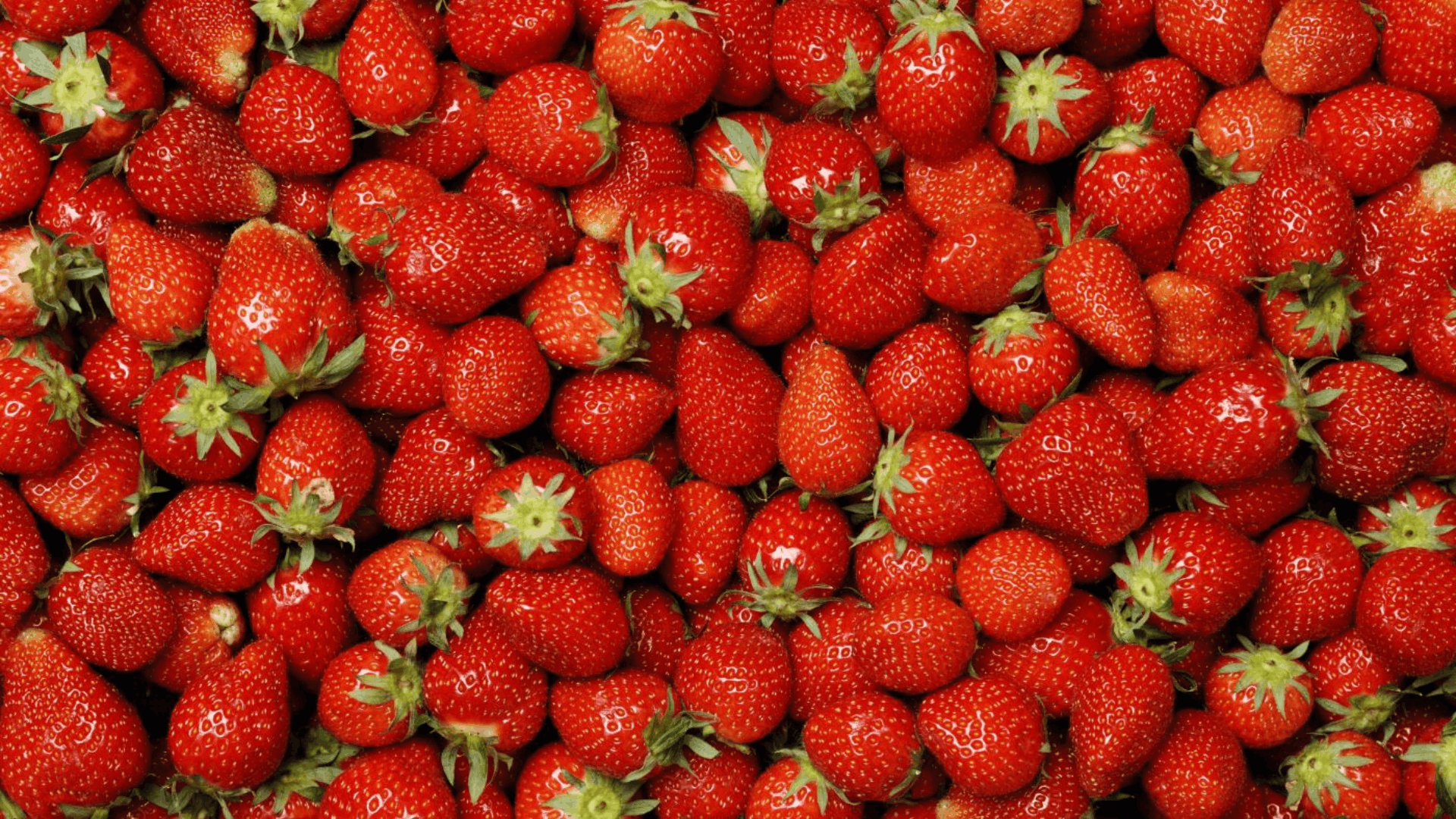
Strawberries are one of the easiest fruits to include in a healthy diet. They provide vitamin C, fiber, manganese, and natural antioxidants that support overall wellness.
Fresh strawberries make a convenient snack, while sliced berries add natural sweetness to cereal, oatmeal, yogurt, and fruit salads.
They also work well in smoothies and homemade desserts.
For the best flavor and texture, choose strawberries that are firm, brightly colored, and free from soft spots. Store them in the refrigerator and wash them just before eating.
9. Watermelon
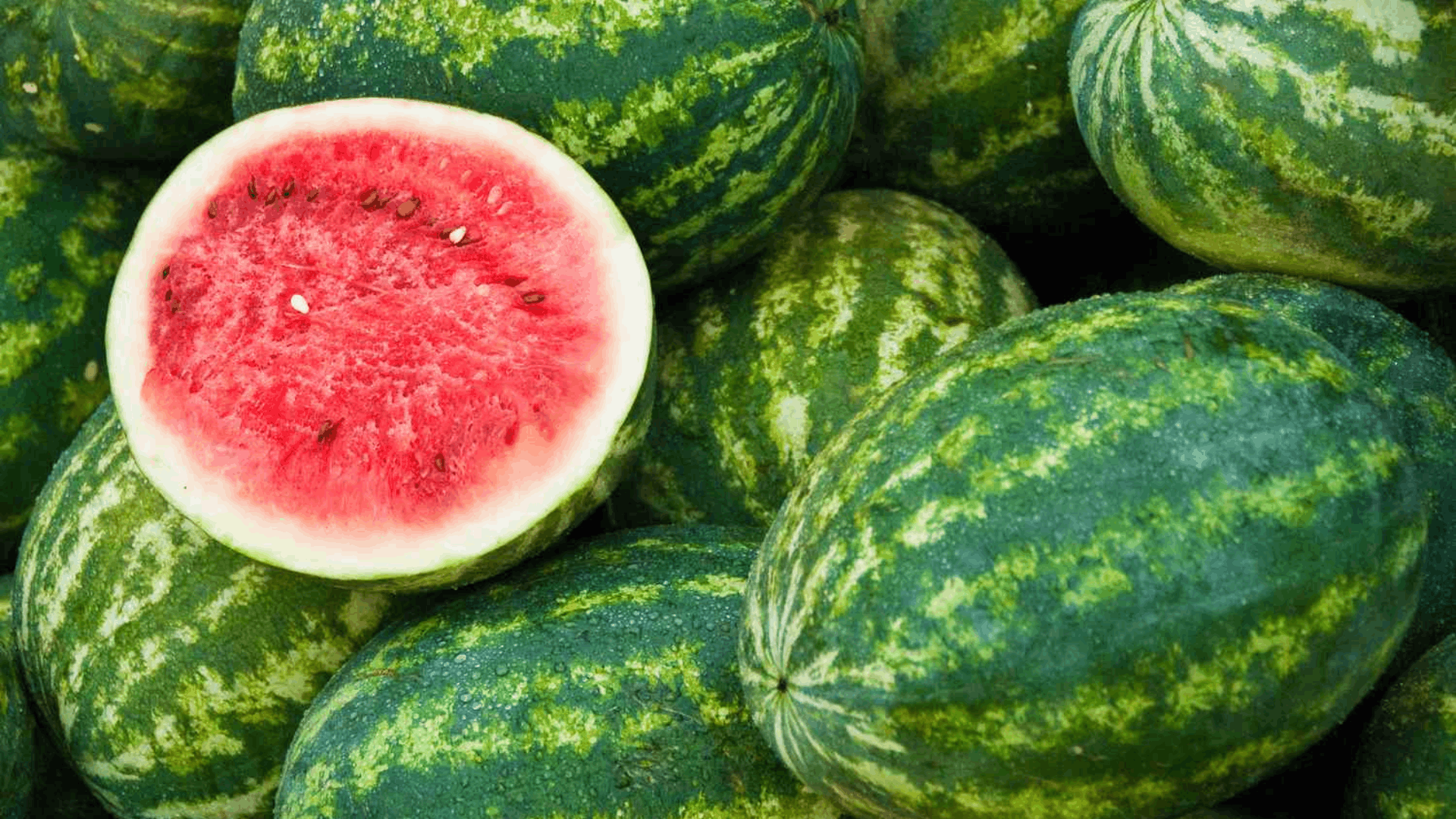
Watermelon is a refreshing fruit with a high water content, making it an excellent choice during warm weather.
It provides lycopene, vitamin C, vitamin A, and potassium, which support overall health.
Fresh watermelon slices make a quick snack, while cubed watermelon adds natural sweetness to fruit salads, smoothies, and yogurt bowls.
Chilled watermelon also pairs well with summer meals and requires very little preparation.
To maintain freshness and flavor, store cut watermelon pieces in an airtight container in the refrigerator and enjoy them within a few days.
10. Raspberries
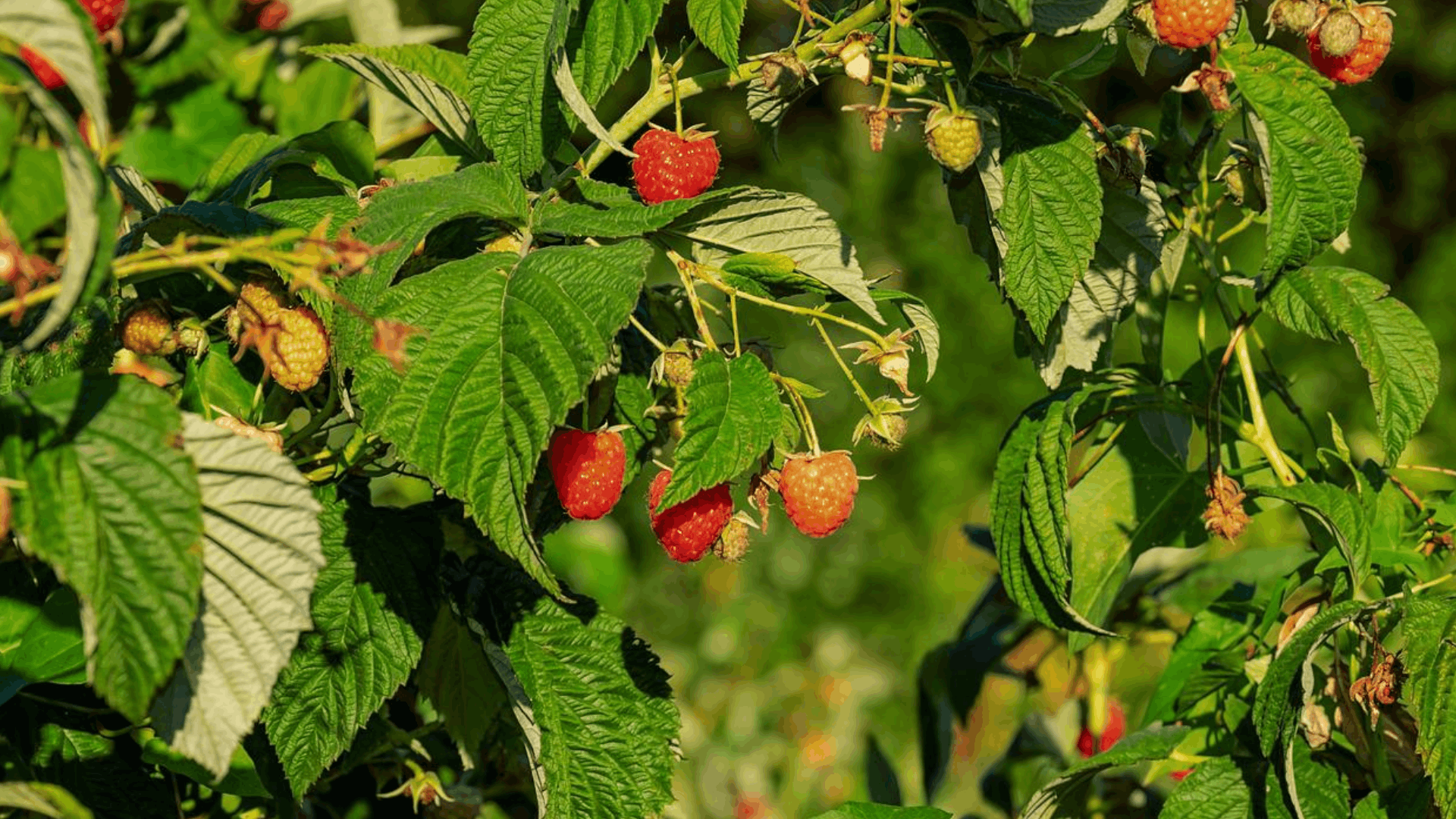
Raspberries have a sweet-tart flavor and are an excellent source of fiber, making them a nutritious fruit for everyday meals.
They also provide vitamin C, manganese, and beneficial plant compounds that support overall health.
Fresh raspberries taste great with oatmeal, yogurt, whole-grain cereal, and fruit salads. They also blend well into smoothies, desserts, and homemade snacks for added flavor and nutrition.
Since raspberries are delicate and spoil quickly, store them in the refrigerator and enjoy them within a few days of purchase for the best quality.
11. Red Grapes
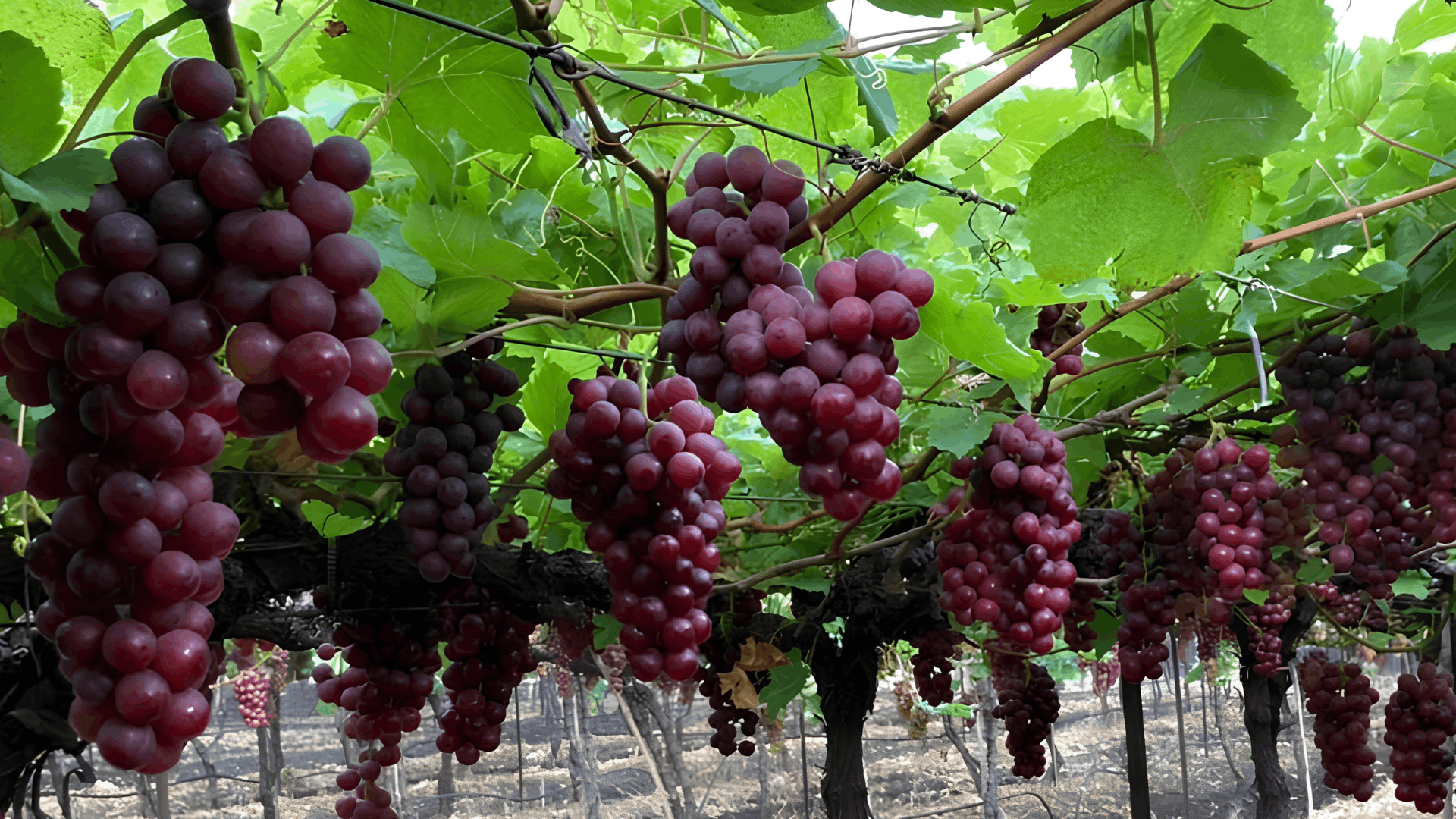
Red grapes are a convenient fruit that requires little preparation, making them perfect for busy days. They provide vitamin K, vitamin C, potassium, and natural antioxidants that support overall health.
Enjoy them fresh as a snack, add them to fruit salads, or freeze them for a refreshing treat during warm weather.
Red grapes also pair well with nuts and cheese for a balanced snack. For the best flavor and freshness, choose grapes with firm, smooth skin and healthy green stems still attached.
Nutritional Value of Red Vegetables
Red vegetables provide a wide range of nutrients that support everyday health. Since each vegetable has a different nutritional profile, eating a variety helps you get a better balance of vitamins, minerals, fiber, and natural plant compounds.
- Lycopene: Tomatoes and watermelon contain lycopene, a natural pigment associated with heart health and cellular protection. Cooked tomatoes provide a form that is easier for the body to absorb.
- Vitamin C: Red bell peppers, tomatoes, and radishes are good sources of vitamin C. This vitamin supports the immune system and helps your body produce collagen for healthy skin.
- Vitamin A: Red peppers and tomatoes provide vitamin A, which supports normal vision, skin health, and immune function. It also helps maintain healthy cells throughout the body.
- Dietary Fiber: Beets, red cabbage, and radishes contain fiber that supports healthy digestion. Fiber also helps you feel full for longer after meals.
- Potassium: Tomatoes, beets, and red peppers provide potassium, a mineral that supports normal muscle function and helps maintain healthy blood pressure.
- Anthocyanins and Betalains: Red cabbage contains anthocyanins, while beets contain betalains. These natural pigments act as antioxidants and help protect cells from everyday damage.
- Low in Calories: Most red vegetables are naturally low in calories while providing plenty of nutrients. They make it easier to build filling, balanced meals without adding excessive calories.
Why Do Vegetable Colors Matter?
The color of a vegetable is more than its appearance. Different colors often point to different nutrients and natural plant compounds that support your health.
Red vegetables are rich in compounds such as lycopene, anthocyanins, and betalains, while orange vegetables are rich in beta-carotene.
Green vegetables provide nutrients such as folate and vitamin K, and purple vegetables contain their own set of antioxidants. White vegetables, including garlic and onions, also add useful nutrients to a balanced diet.
I like filling my plate with several colors of vegetables instead of choosing only one, because each color adds something different.
You do not need to eat every color at every meal, but including a mix throughout the week can help you get a wider range of vitamins, minerals, fiber, and other nutrients your body needs.
What Do Different Vegetable Colors Mean for Nutrition?
Each vegetable color provides a different mix of nutrients and health benefits. Eating a variety of colors during the week helps you get a broader range of vitamins, minerals, fiber, and natural plant compounds.
| Vegetable Color | Key Nutrients and Plant Compounds | Common Examples | Main Health Benefit |
|---|---|---|---|
| Red | Lycopene, anthocyanins, betalains, vitamin C | Tomatoes, beets, red bell peppers, red cabbage | Supports heart health, healthy cells, and the immune system |
| Orange & Yellow | Beta-carotene, vitamin A, vitamin C | Carrots, pumpkin, sweet potatoes, yellow peppers | Supports eye health, healthy skin, and immune function |
| Green | Folate, vitamin K, lutein, chlorophyll | Spinach, broccoli, kale, green beans | Supports bone health, normal blood clotting, and eye health |
| Purple & Blue | Anthocyanins, vitamin C, fiber | Eggplant, purple cabbage, purple carrots | Helps protect cells and supports brain and heart health |
| White & Brown | Potassium, fiber, allicin, selenium | Garlic, onions, mushrooms, cauliflower | Supports immune function and adds important minerals to the diet |
How to Eat Red Vegetables?
Adding red vegetables to your meals does not have to be difficult. Small changes throughout the day can help you enjoy more variety while increasing your intake of important nutrients.
- Add Them to Salads: Toss tomatoes, red cabbage, radishes, or red bell peppers into fresh salads. They add color, crunch, and a mix of vitamins and fiber.
- Roast for Extra Flavor: Roast beets, red onions, and red peppers with a little olive oil and your favorite herbs. Roasting brings out their natural sweetness.
- Include Them in Soups and Stews: Tomatoes, red peppers, and beets work well in warm dishes. They add both flavor and nutrition without much preparation.
- Use Them in Sandwiches and Wraps: Layer sliced tomatoes, red onions, and roasted peppers into sandwiches or wraps. They make simple lunches more colorful and satisfying.
- Blend Into Smoothies: Cooked beets pair well with berries, bananas, and yogurt. This is an easy way to enjoy more vegetables.
- Mix Into Pasta and Rice Dishes: Stir chopped tomatoes, roasted peppers, or red cabbage into pasta, rice, or grain bowls. These vegetables blend well with many recipes.
- Enjoy Them as Healthy Snacks: Slice red bell peppers or radishes and serve them with hummus or yogurt dip. They make a crunchy snack between meals.
- Pair With Other Vegetable Colors: Combine red vegetables with green, orange, white, and purple vegetables during the week. A colorful plate provides a wider range of nutrients.
How to Build Balanced Meals with Colorful Vegetables?
Pairing red vegetables with other colorful foods helps you enjoy balanced meals without making your menu complicated.
| Vegetable Color | Include These Foods | Key Nutrients | Easy Meal Idea |
|---|---|---|---|
| Red | Tomatoes, red bell peppers, beets, red cabbage | Lycopene, vitamin C, fiber | Add to salads, wraps, or roasted vegetable bowls |
| Green | Spinach, broccoli, kale, green beans | Folate, vitamin K, lutein | Serve with grilled chicken or mix into pasta |
| Orange & Yellow | Carrots, pumpkin, sweet potatoes, yellow peppers | Beta-carotene, vitamin A | Roast as a side dish or add to soups |
| Purple & Blue | Purple cabbage, eggplant, purple carrots | Anthocyanins, fiber | Mix into stir-fries or colorful slaws |
| White & Brown | Garlic, onions, mushrooms, cauliflower | Potassium, allicin, selenium | Add to soups, rice dishes, or roasted vegetables |
| Whole Grains & Protein | Brown rice, quinoa, beans, eggs, fish, chicken | Protein, fiber, healthy carbohydrates | Pair with colorful vegetables for a balanced meal |
Common Mistakes when Choosing Vegetables
Choosing the right vegetables is about more than filling your cart. Avoiding a few common shopping habits can help you enjoy fresher produce, reduce waste, and build more balanced meals.
- Choosing Only One Vegetable Color: Buying the same vegetables every week limits the variety of nutrients you get. Mix red, green, orange, white, and purple vegetables for a more balanced diet.
- Ignoring Freshness: Look for vegetables with bright color, firm texture, and crisp leaves or stems. Fresh produce usually tastes better and stays usable for longer.
- Buying More Than You Can Use: Purchasing too many vegetables often leads to waste. Buy amounts that match your weekly meals so you can use everything before it spoils.
- Skipping Seasonal Vegetables: Seasonal vegetables are often fresher, more flavorful, and easier on your budget. Rotating your choices throughout the year also adds more variety to your meals.
- Overlooking Frozen Vegetables: Frozen vegetables provide many of the same nutrients as fresh ones. They are convenient to keep on hand and work well in soups, stir-fries, and casseroles.
- Shopping Without a Meal Plan: Buying vegetables without a meal plan can leave you with unused produce. A simple weekly menu makes shopping easier and helps reduce food waste.
Conclusion
Red vegetables add color, flavor, and nutrients to your diet. Tomatoes, red peppers, beets, and red cabbage provide vitamins, minerals, fiber, and plant compounds.
Pairing red vegetables with green, orange, purple, and white vegetables can help you enjoy a wider range of nutrients throughout the week.
I find that adding different colors to everyday meals keeps them interesting without making meal planning difficult. You do not need to change your entire diet at once.
Add one or two red vegetables to your favorite recipes, then include more colorful options for balanced family meals.
Have a favorite red vegetable or recipe? Share it in the comments to inspire others to enjoy more colorful, nutritious meals.
Frequently Asked Questions
What Are the Healthiest Red Vegetables?
Tomatoes, red bell peppers, beets, red cabbage, and radishes are among the healthiest red vegetables. They provide vitamins, fiber, and natural plant compounds that support heart health, immunity, and overall wellness.
What Are the Top 5 Healthiest Vegetables?
Spinach, broccoli, kale, carrots, and red bell peppers are among the healthiest vegetables. They provide fiber, vitamins, minerals, and antioxidants that support overall health as part of a balanced diet.
Can Red Spinach Be Eaten Daily?
Yes, red spinach can be eaten daily as part of a balanced diet. It provides iron, folate, fiber, vitamins A and C, and antioxidants. Rotate it with other leafy vegetables for better nutrient variety.
Which Is Better: Carrot or Radish?
Neither is better overall. Carrots provide more vitamin A for eye health, while radishes are lower in calories and offer vitamin C and fiber. Both are healthy choices in a balanced diet.