

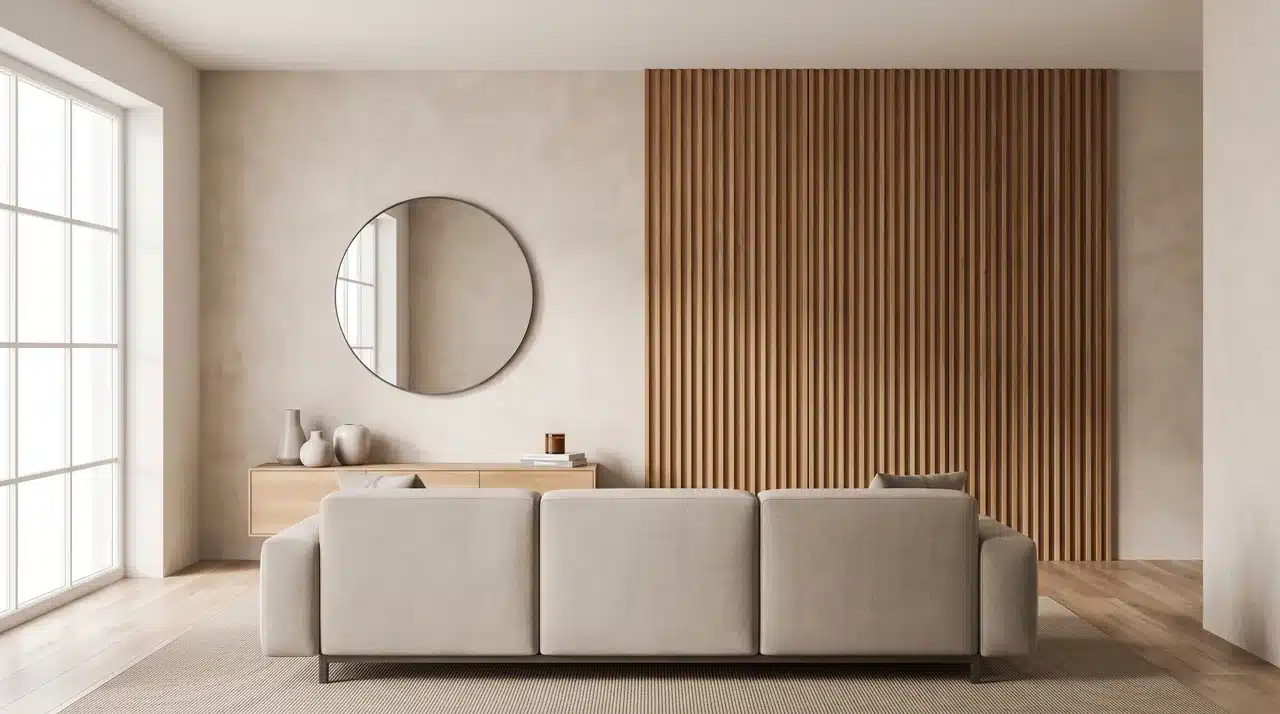
Some rooms feel warm and inviting the moment you walk in, while others seem like they’re missing something, even with nice furniture and décor. A feature wall can bring balance, add personality, and give the room a clear focal point without changing the entire space.
From bold paint colors and eye-catching wallpaper to wood panels and textured finishes, there are plenty of ways to make one wall stand out.
Thesefeature wall ideas work for different budgets, styles, and skill levels, making it easier to find an option that fits your home and creates a space you’ll enjoy every day.
Which Wall Should Be the Feature Wall?
The best feature wall is the one your eyes land on first, not necessarily your favorite wall.
When you walk into a room, notice where your attention goes naturally. In most bedrooms, that’s the wall behind the bed. In living rooms, it’s usually the wall behind the sofa or fireplace.
Skip walls broken up by several windows, doors, or odd angles. Too many interruptions weaken the design and make the wall feel cluttered instead of intentional.
Open-plan spaces are a little different. Here, a feature wall also helps define separate areas, such as the living or dining zone. The right wall creates structure without adding physical dividers.
One rule is worth following in every room: stick to one feature wall.
Adding two feature walls doesn’t create twice the impact. It creates visual competition, leaving the room feeling busy instead of balanced. Choose one wall, and let it do the job well.
Feature Wall Ideas You’ll Want to Try
There’s no single right way to do a feature wall. The best choice depends on your room, your skill level, and how permanent you want the result to be.
Paint Techniques
Paint is the most accessible starting point: low-cost, reversible, and capable of more than most people expect. Done well, it can add depth, texture, and architectural interest without touching a single tool beyond a roller and brush.
1. Limewash Paint
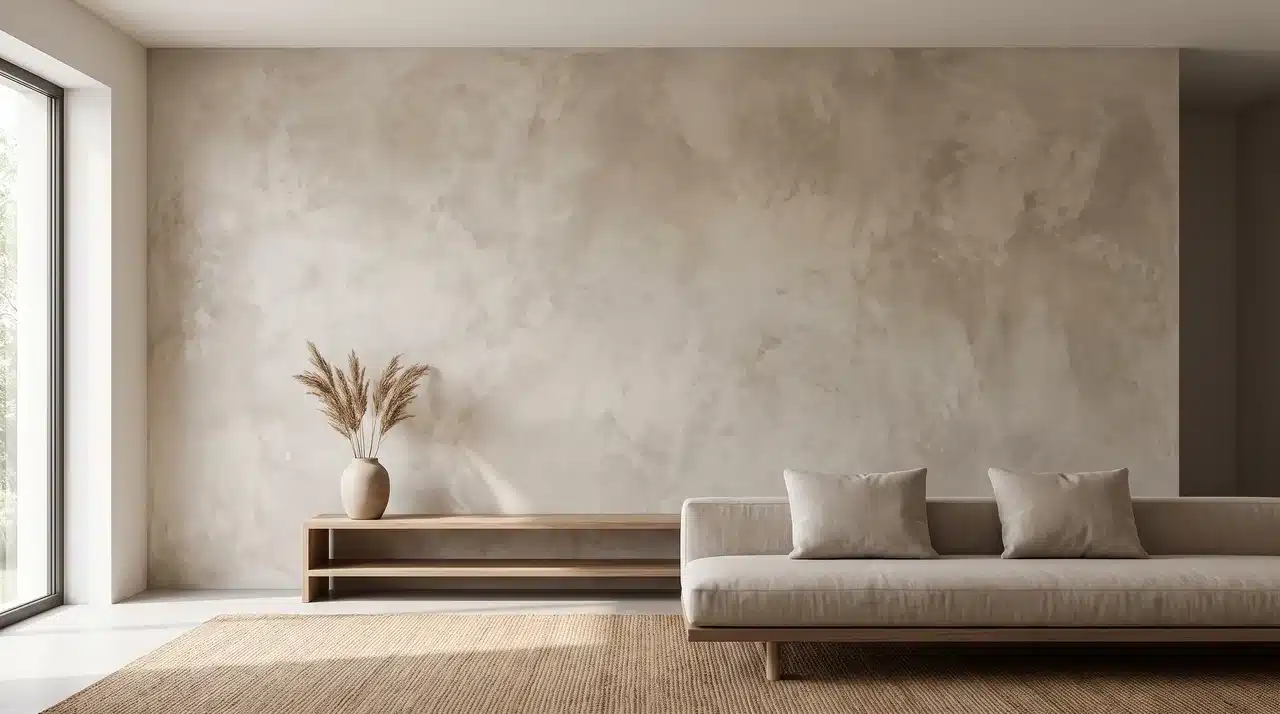
Limewash creates a soft, layered finish that looks like aged plaster. It builds depth by absorbing unevenly into the wall, lighter in some patches, deeper in others, so the surface changes appearance as the light moves through the day.
It suits living rooms and bedrooms best. Avoid it in high-moisture areas unless you use a purpose-made formula.
Difficulty: Low to moderate. Most brands sell it ready to apply.
2. Color Blocking
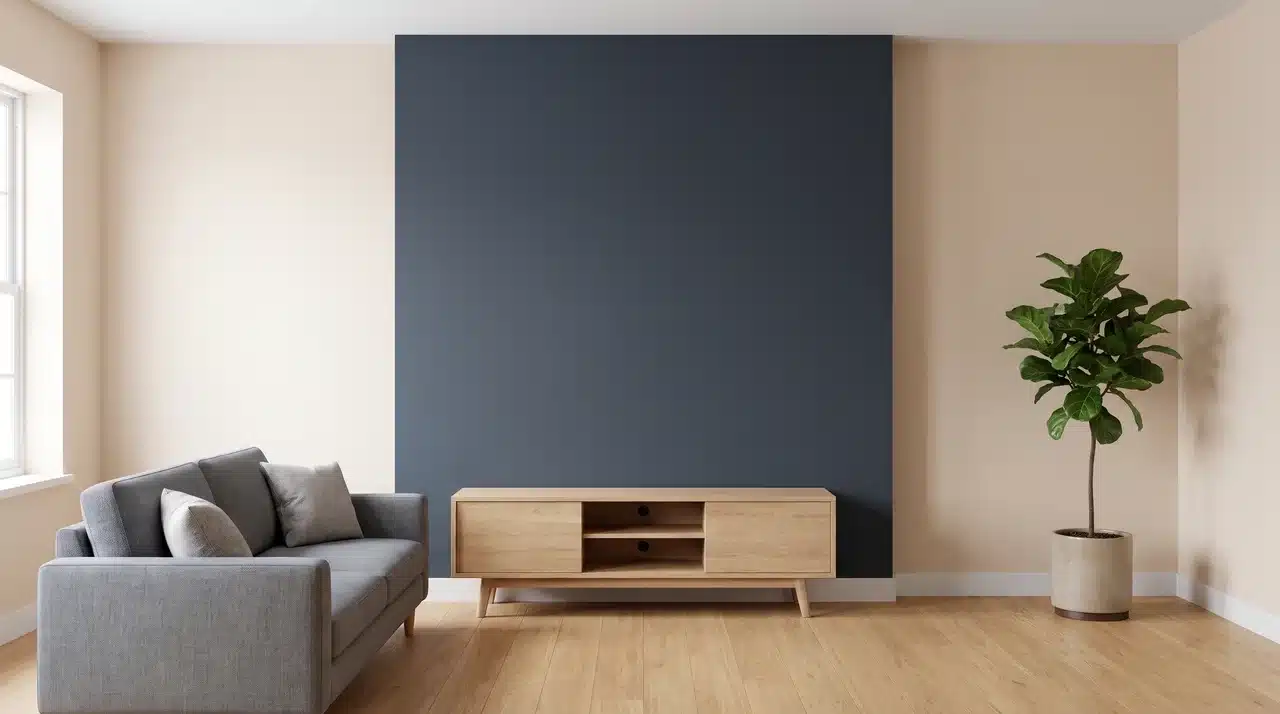
This means painting one wall, or a defined section of a wall, in a bold, saturated tone while keeping the rest of the room neutral.
It works because contrast does the heavy lifting. You don’t need texture or pattern. A strong color against white walls is enough to anchor the space.
Best for: Rooms where you want impact without commitment to a permanent material.
3. Two-Tone Walls
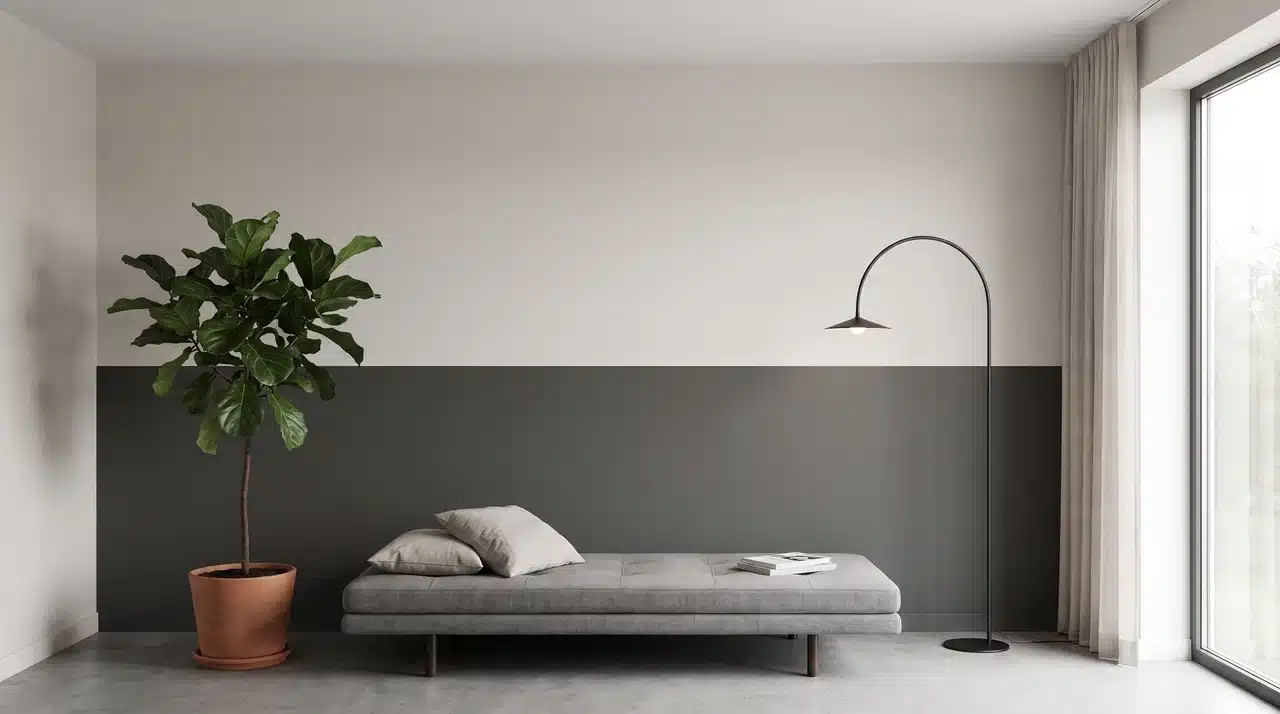
Split the wall horizontally, typically one-third up, and paint each half a different tone. The lower section is usually darker.
It’s an old technique, but it holds up because it solves a real problem: it makes low-ceiling rooms feel taller and gives plain walls a sense of structure.
Use colors from the same family to keep it intentional rather than jarring.
4. Painted Arch or Shape
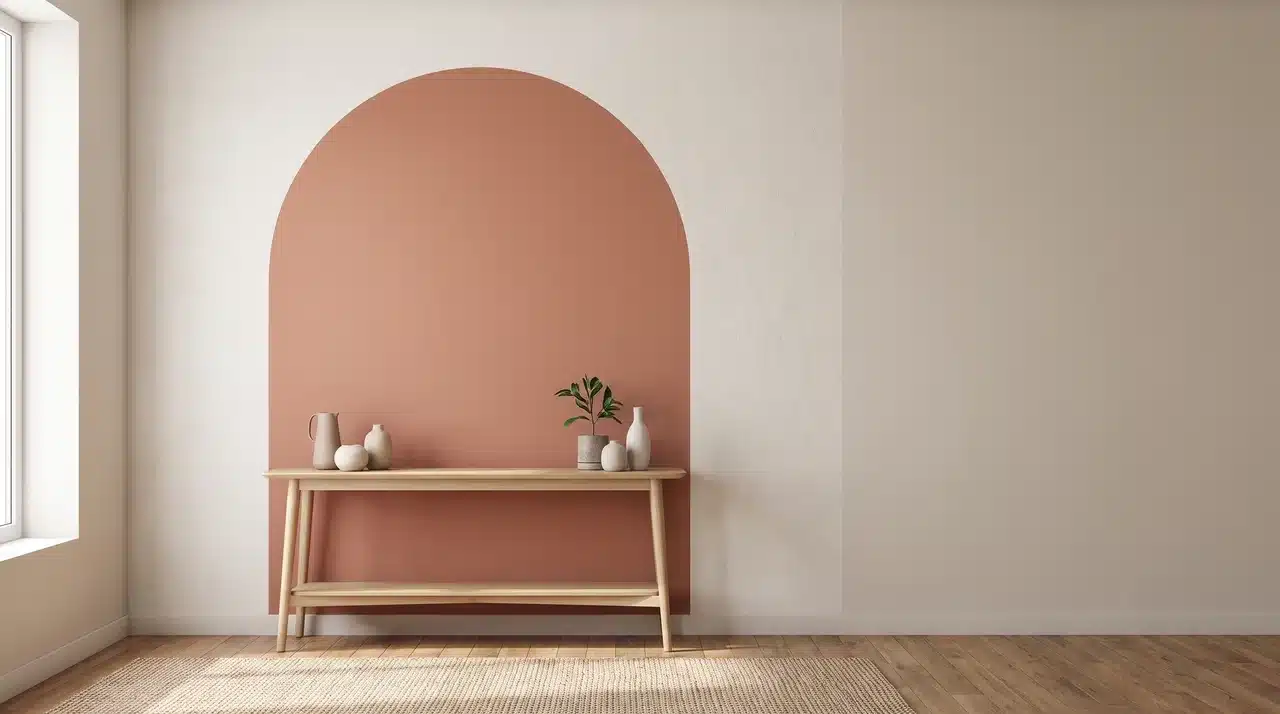
Paint a large arch, oval, or geometric shape directly onto the wall rather than treating the full surface.
This works well in rental spaces or rooms where full-wall color feels too committed. The shape acts as a frame for furniture, a console table, a bed, a reading chair, and a sitting area in front of it.
Difficulty: Low, tape, a pencil, and a steady hand are all you need.
5. Dark Ceiling Extension
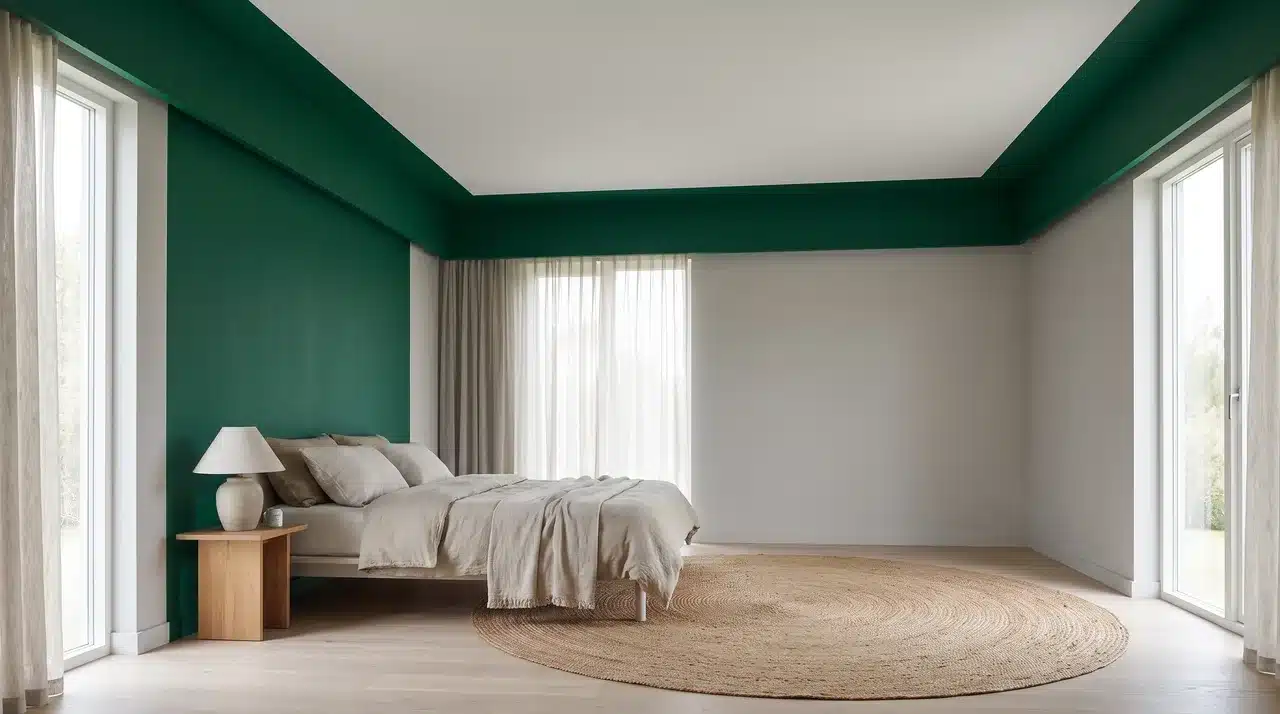
Bring the wall color up and over onto the ceiling by 30–50cm. This blurs the boundary between wall and ceiling and makes the room feel more enclosed, in a good way.
It suits dining rooms and bedrooms where you want a cocooning, atmospheric effect. It reads especially well with deep greens, navy, and charcoal.
6. Textured Paint Finish
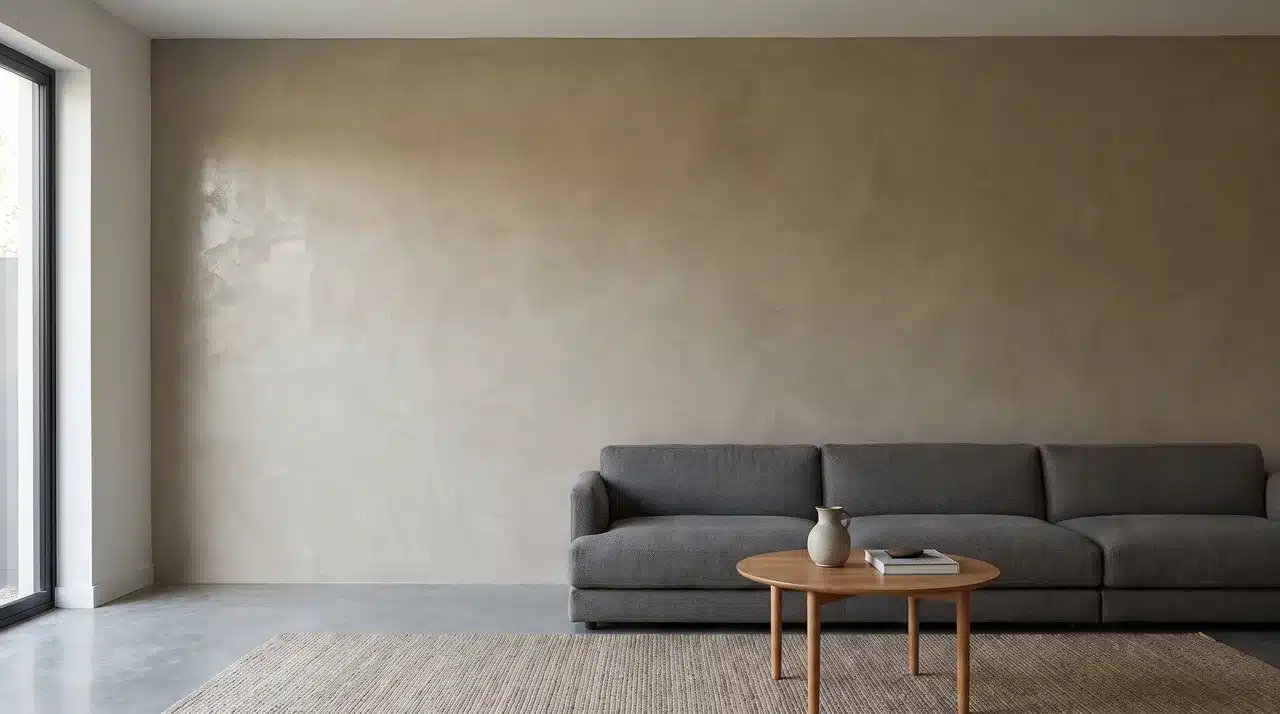
Techniques like rag rolling, sponging, or Venetian plaster create surface variation using paint alone. No materials, no installation, just application method.
The result is a wall that catches light differently across its surface, giving it the visual weight of a textured material without the cost or commitment.
Worth knowing: the finish quality depends heavily on prep. Prime the wall well, or the texture will highlight imperfections rather than mask them.
Wallpaper and Murals
Wallpaper has moved well beyond florals and feature strips. Today’s options include large-format murals, architectural prints, and peel-and-stick formats that can be removed without damaging the surface beneath.
7. Peel-and-Stick Wallpaper
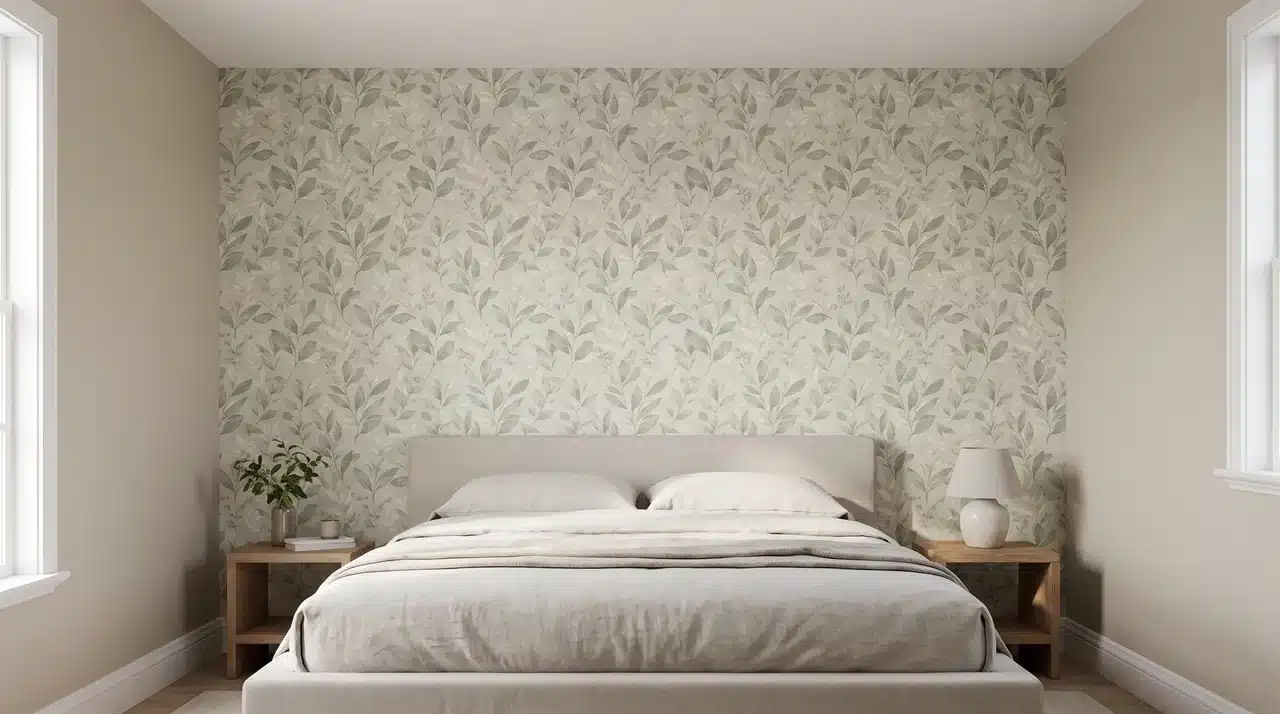
The renter’s best option. Peel-and-stick wallpaper applies directly to a clean, painted wall and removes cleanly when you’re done, no paste, no soaking, no damage.
Quality has improved significantly. Current options include textured finishes, large-scale botanicals, and geometric prints that hold up to close inspection.
Best for: Rental spaces, bedrooms, and anywhere you want the option to change your mind.
8. Traditional Paste Wallpaper
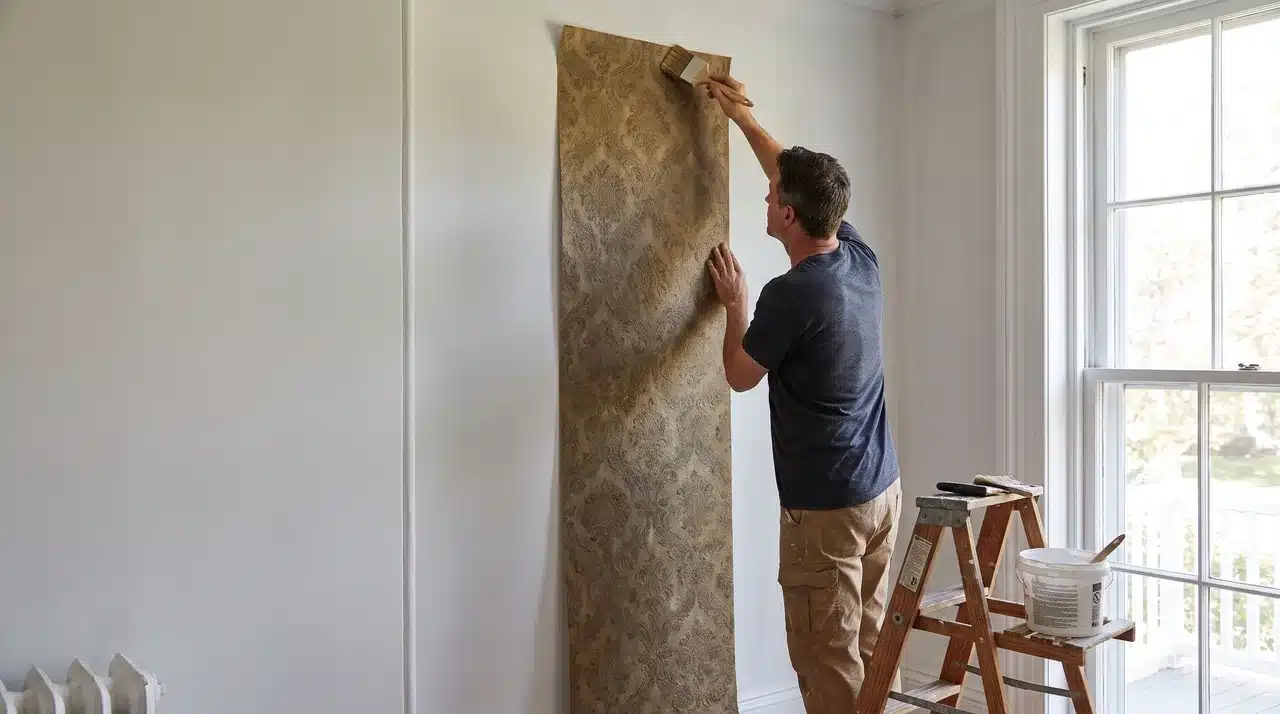
More permanent than peel-and-stick, and generally more convincing up close. The weight and finish of paste wallpaper give a result that reads as architectural rather than applied.
It takes more time and preparation; walls need to be primed, seams need to be aligned carefully, but the result lasts and ages better than removable alternatives.
Best for: Feature walls you’re committing to for several years.
9. Oversized Botanical Print
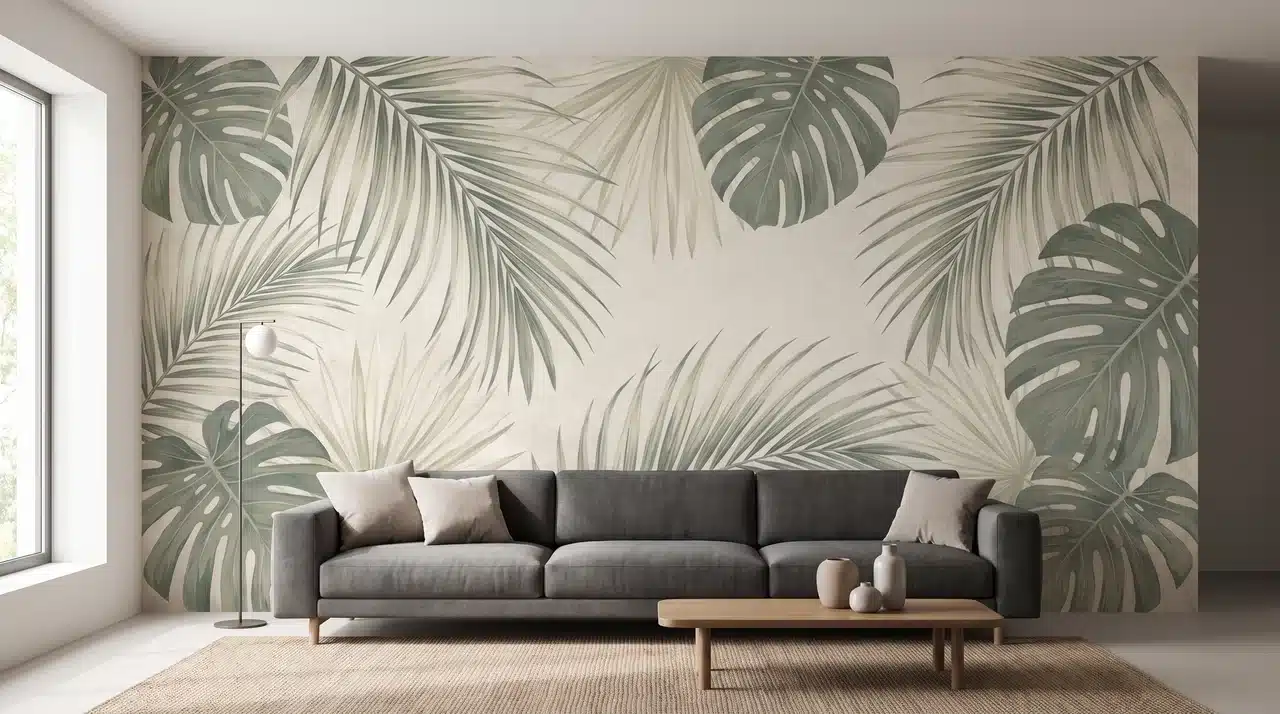
A single large-scale print, a palm, a fig leaf, a tropical scene used across the full feature wall.
This works because scale transforms a pattern. The same motif that reads as busy at a small scale becomes bold and graphic when printed large. It suits living rooms and dining rooms where the wall is seen from a distance.
10. Geometric Wallpaper
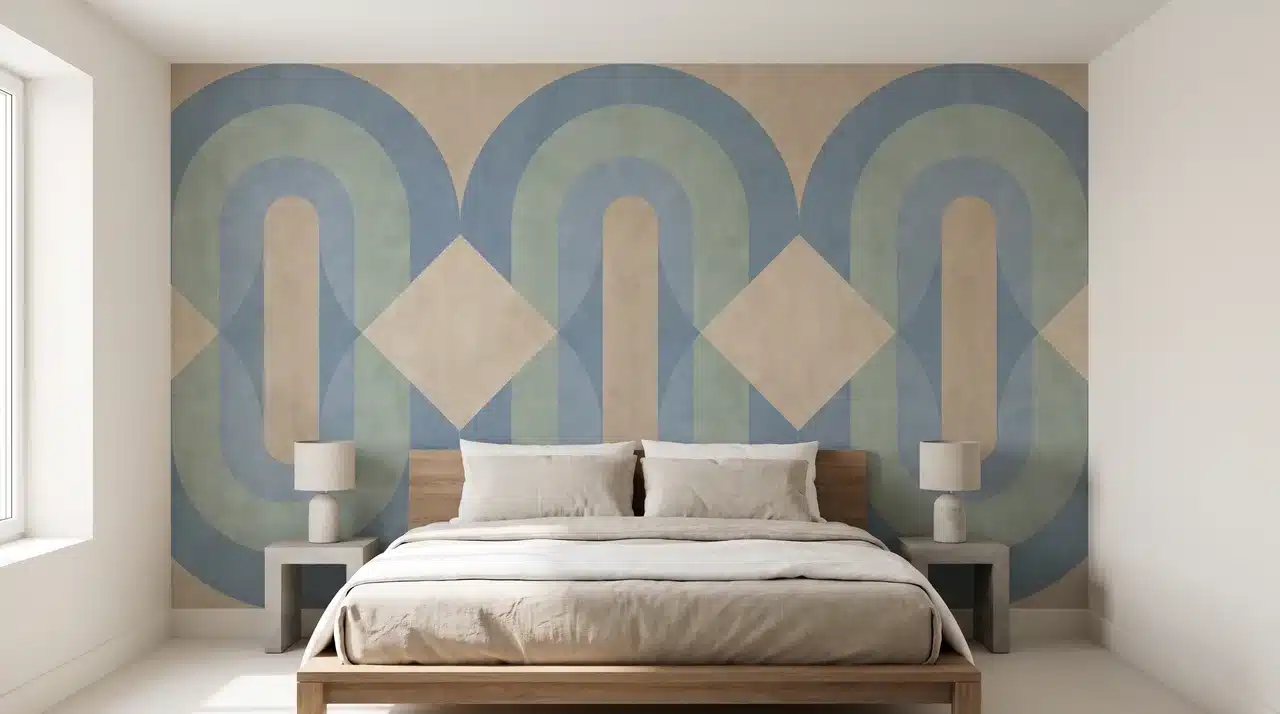
Grids, diamonds, arches, and chevrons create structure without using physical materials. A strong geometric pattern on a feature wall adds architectural interest to a room without built-in features. Works especially well behind beds.
The pattern acts as a visual headboard even when the actual headboard is minimal.
11. Wall Mural
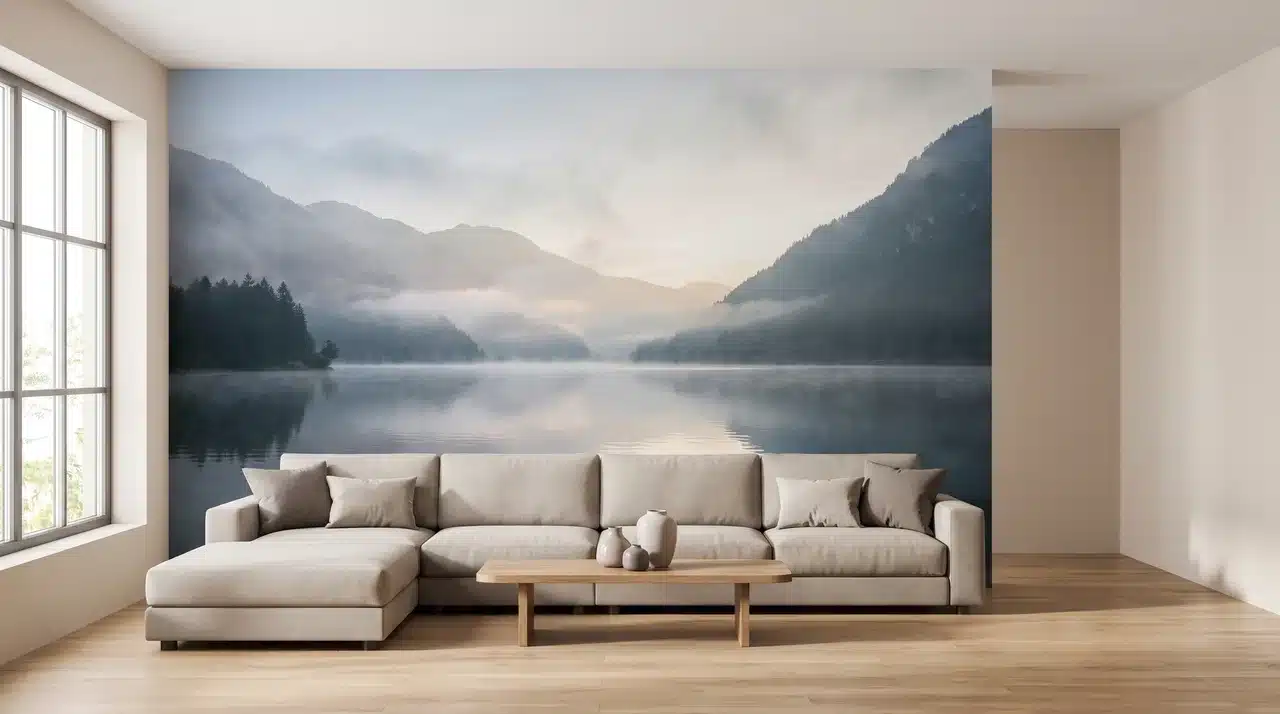
A mural covers the entire feature wall in a single image, a landscape, a forest, an abstract wash of color. Unlike repeat-pattern wallpaper, a mural has one composition, so the wall reads as a single piece of art.
Custom murals are now available at most price points. For a more affordable option, look for panel-format murals you hang in strips and trim to fit.
12. Grasscloth or Textured Wallpaper
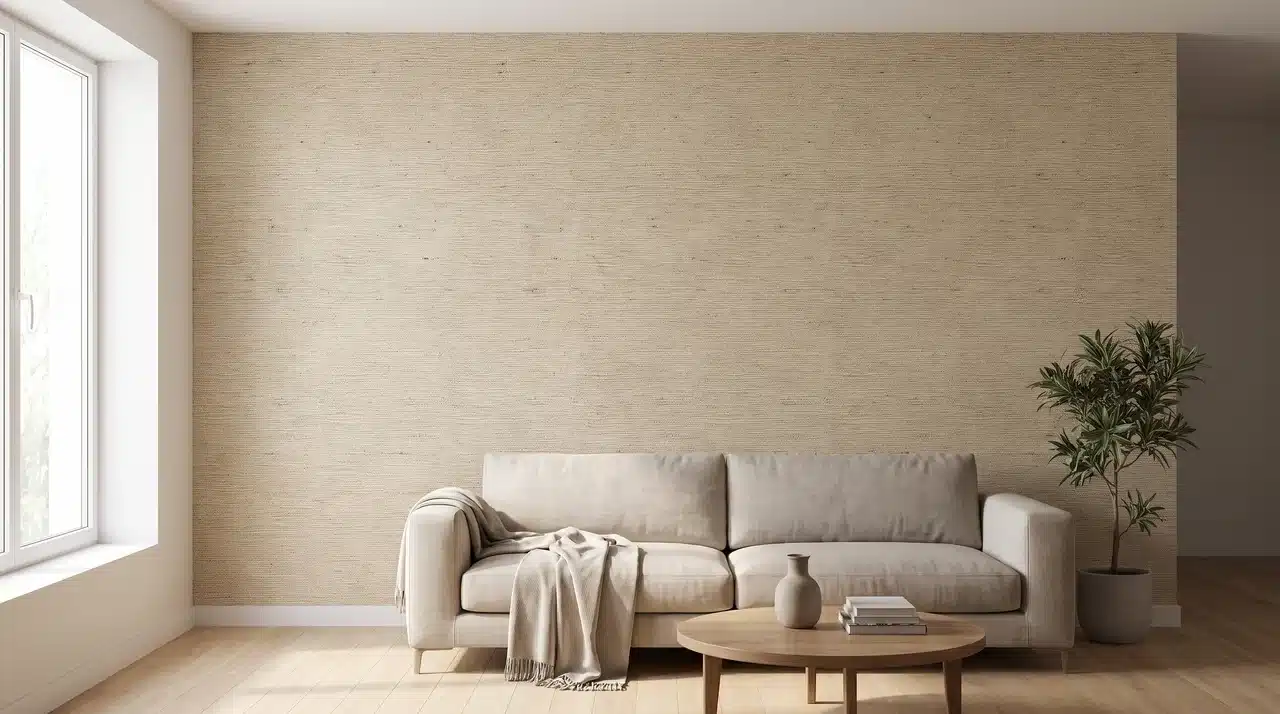
Grasscloth is woven from natural fibers and glued to a paper backing. It adds genuine texture, not the printed illusion of it, and creates a surface that absorbs light rather than reflecting it.
Worth knowing: grasscloth doesn’t hide imperfections. If the wall beneath is uneven, it will show through. Prep matters here more than almost anywhere else.
Wood and Paneling
Wood paneling has had a genuine revival, and for good reason. It adds depth, warmth, and architectural character that paint and wallpaper can’t replicate.
The light catches it differently depending on the time of day, and that’s what makes it feel alive rather than static.
13. Shiplap Paneling
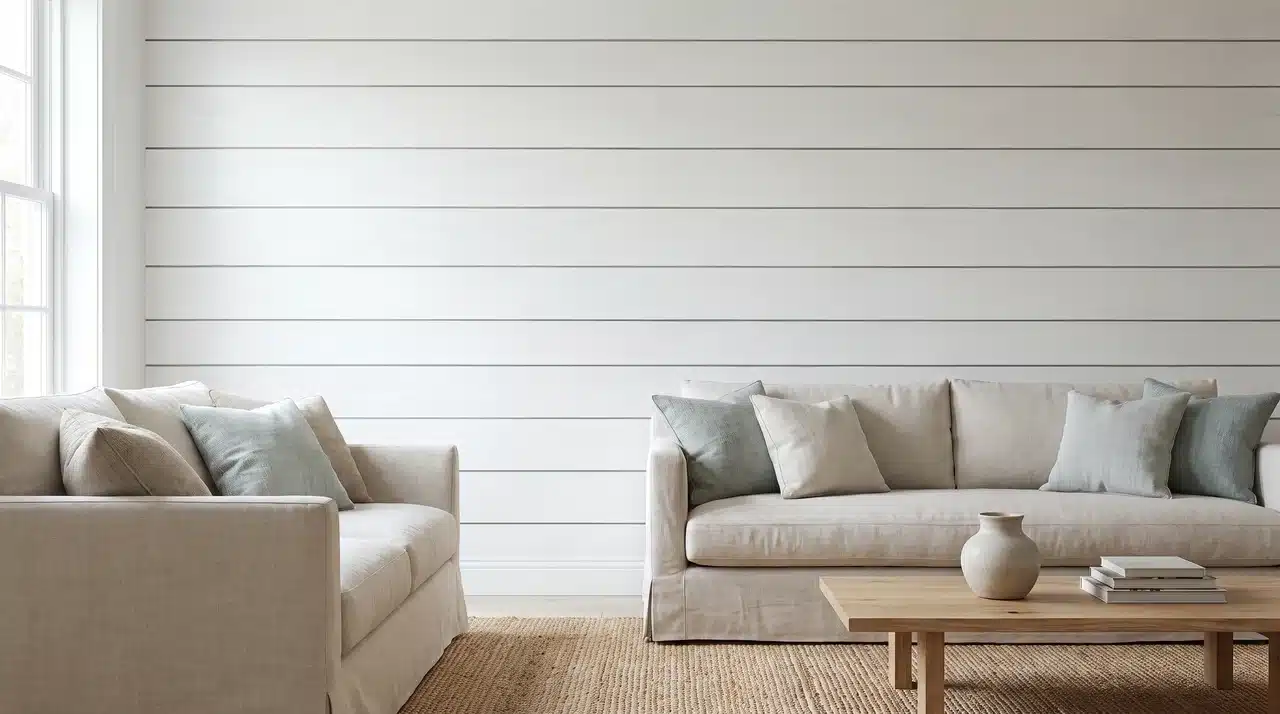
Horizontal timber boards with a small shadow gap between each one. The gap is what does the work; it creates a line of shadow across the wall that reads as depth rather than just texture.
Suits coastal, Scandi, and casual-contemporary interiors. Works in living rooms, bathrooms, and laundries. Easy to paint over in any color once installed.
Difficulty: Moderate, requires a miter saw and some patience with alignment.
14. Fluted Panels
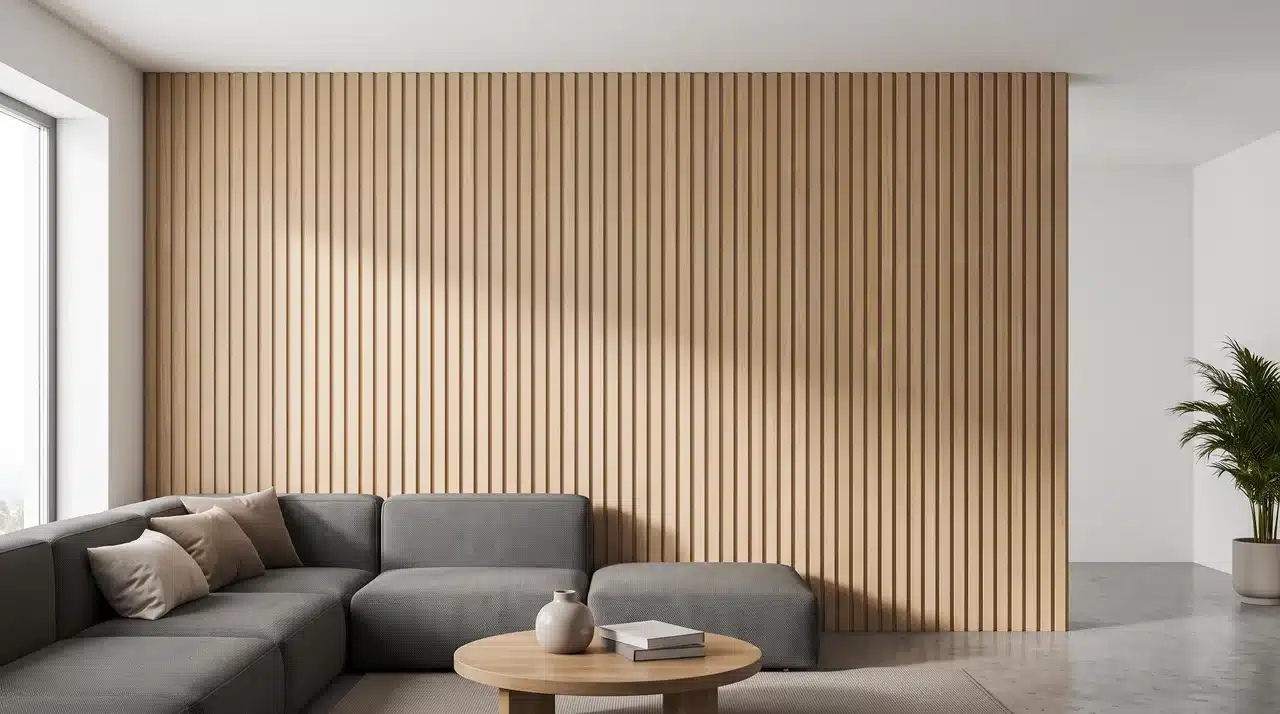
Vertical grooves routed or pressed into MDF or timber panels. Fluting is one of the strongest 2026 trends in interior design; it’s showing up in bedrooms, living rooms, and even kitchens because it adds a tactile, architectural finish without overwhelming the space.
The grooves catch light in thin vertical lines, which makes the wall feel taller and more deliberate. Available as pre-made panels that can be glued or clipped directly to the wall.
15. Slat Wall
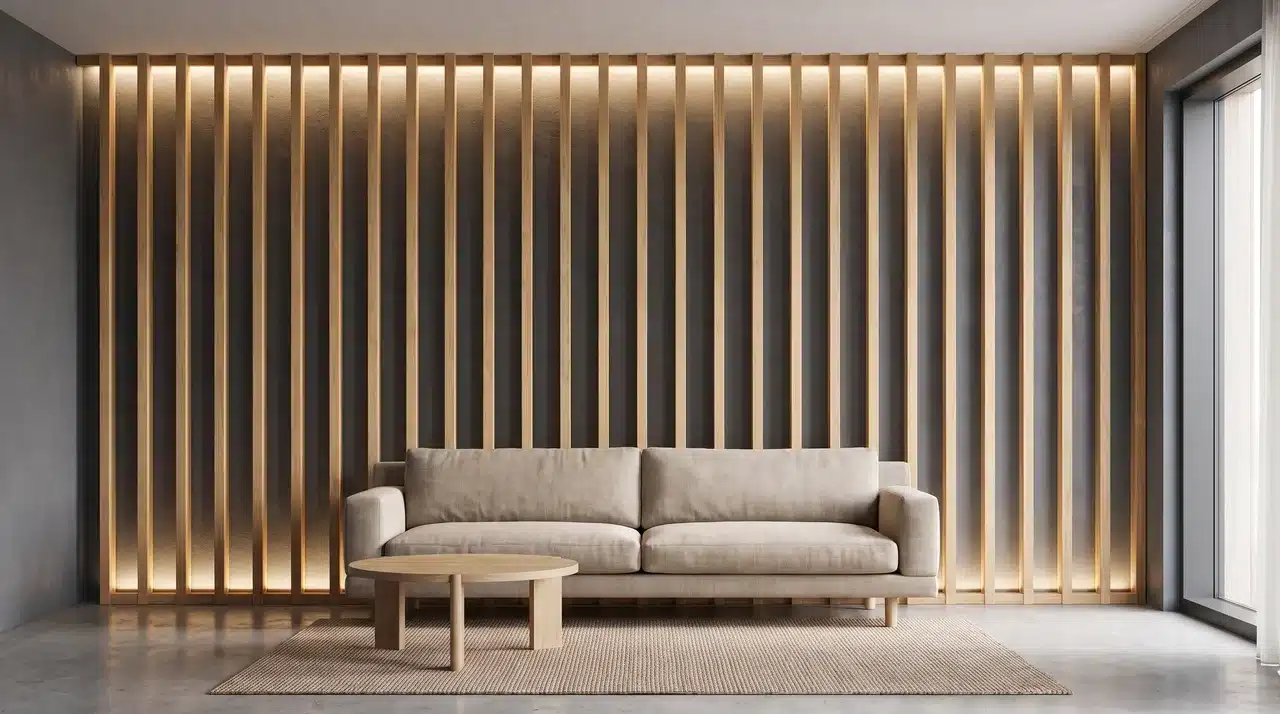
Individual timber battens are fixed vertically with even gaps between them. Similar to fluting, but more open, you can see the wall surface behind the slats, which adds a layered quality.
Works especially well when backlit. A strip of LED lighting behind the slats creates a glow effect between them that changes the mood of the room significantly.
16. Reclaimed Wood Planks
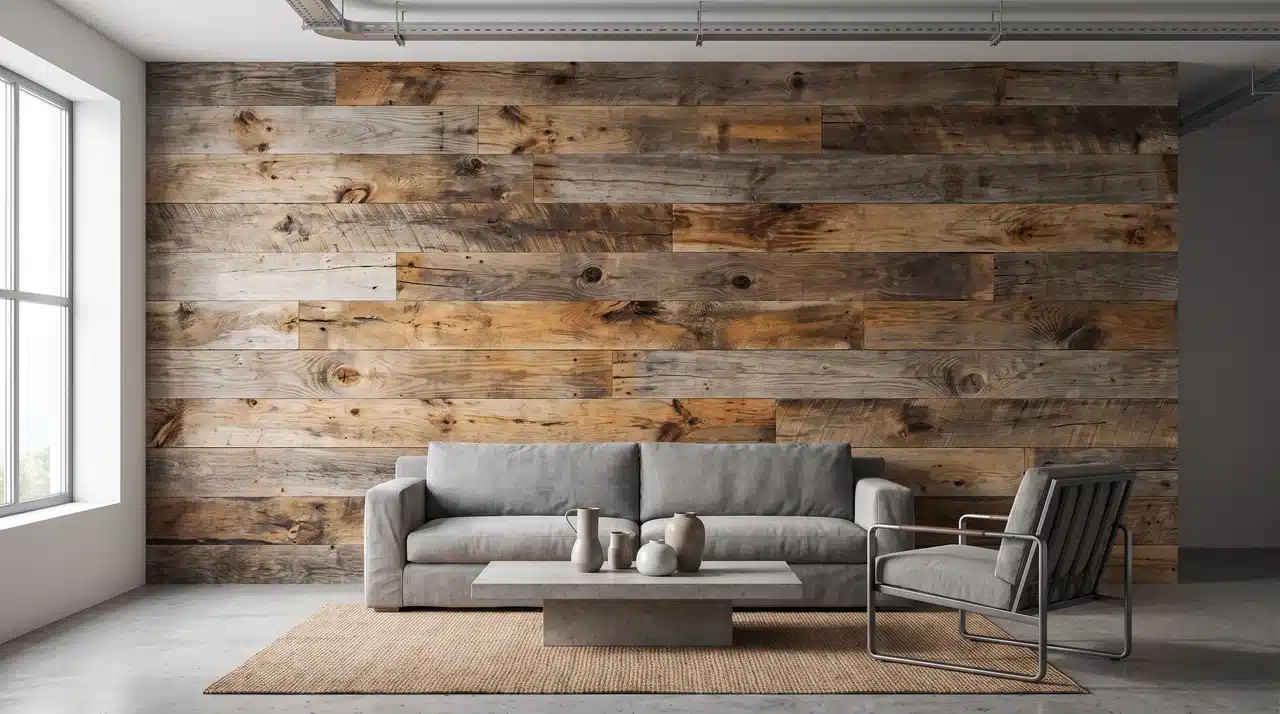
Salvaged timber brings something no new material can: genuine history. The marks, knots, and color variation in reclaimed wood are unique to each piece, so no two walls look identical.
It suits industrial, rustic, and warm-contemporary interiors. Weight can be an issue on older plasterboard walls; check the load capacity before installing.
17. Picture Frame Molding
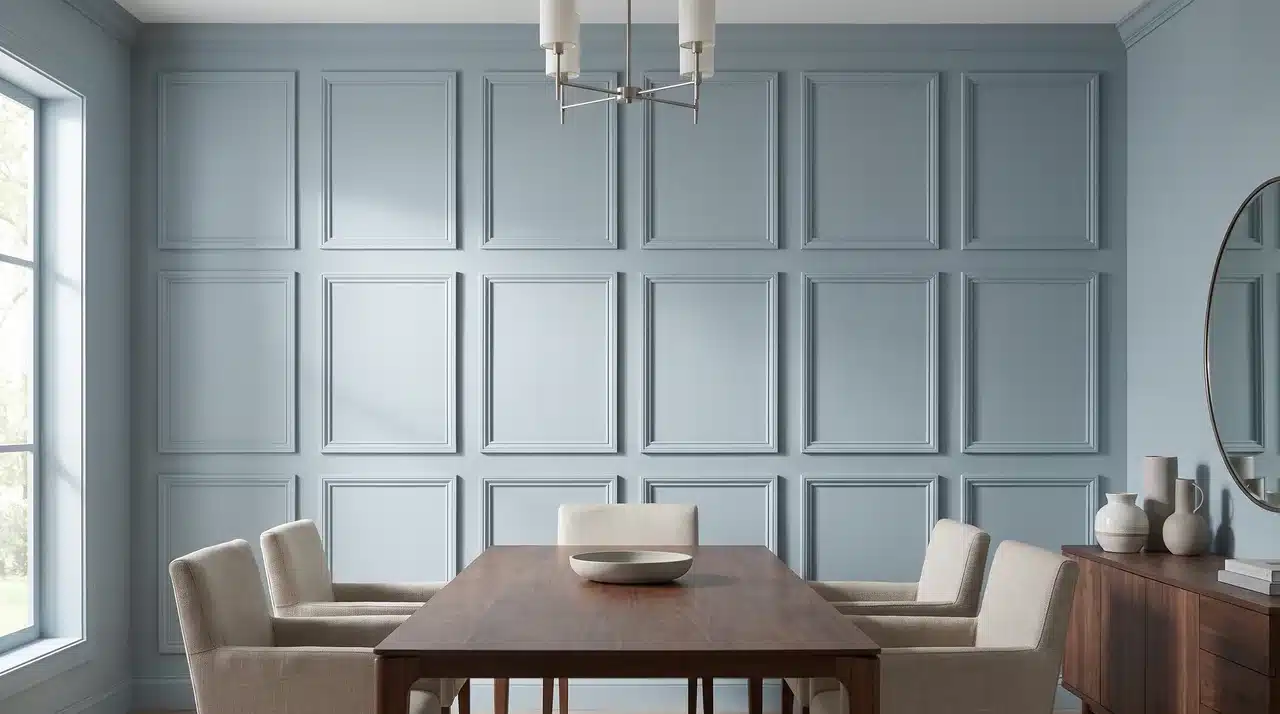
This is the traditional paneling technique, rectangular timber frames applied to a flat wall in a grid pattern. It looks expensive and architectural, and it costs far less than it suggests.
The frames are made from simple timber beading, glued and pinned to the wall, then painted the same color as the wall itself. The effect is subtle: it adds shadow and structure without shouting.
Best for: Hallways, dining rooms, and bedrooms where you want elegance over drama.
18. Wainscoting
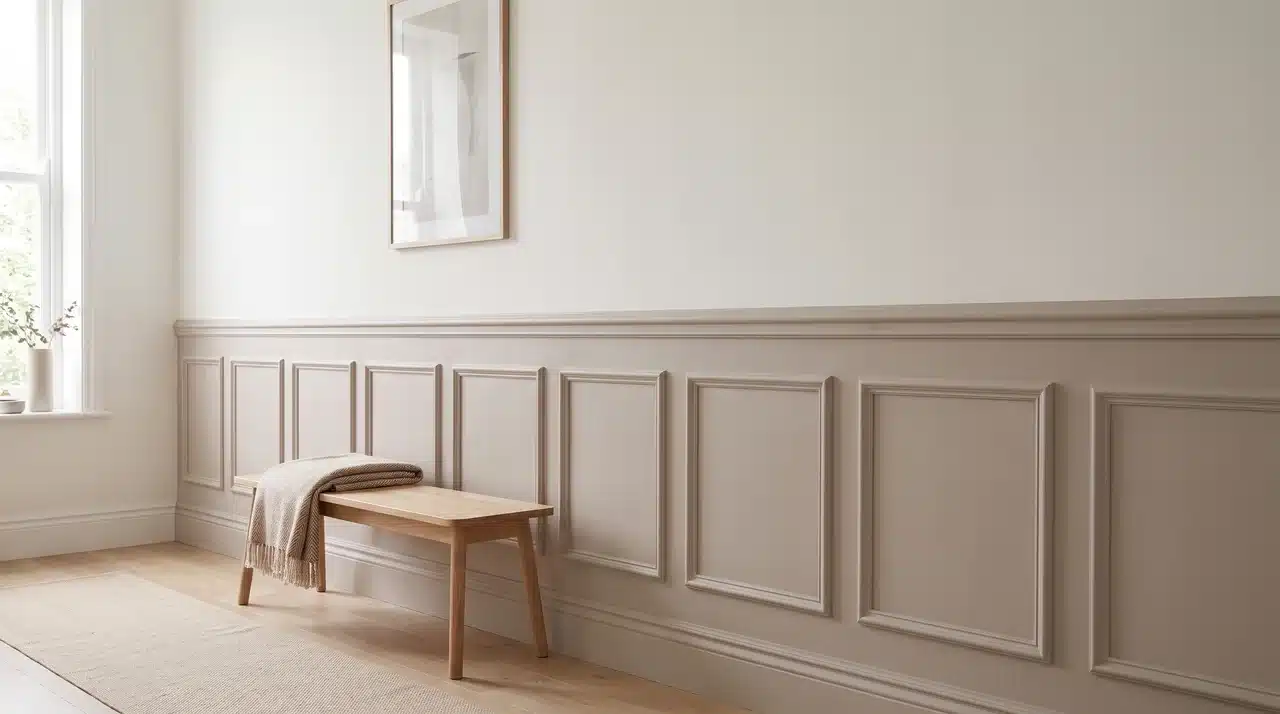
Timber paneling that runs from the floor to roughly a third of the way up the wall. The upper portion stays painted or papered, and a rail sits at the join.
It’s a period technique, but it suits a wide range of modern interiors when kept simple and painted in contemporary tones. Also practical, the lower section protects the wall from scuffs, which is especially important in hallways and dining rooms.
Tile, Stone, and Hard Materials
Hard materials make the strongest statement and the most permanent one. These ideas suit rooms where the wall will also take functional punishment: bathrooms, kitchens, and fireplace walls.
19. Subway Tile Feature Wall
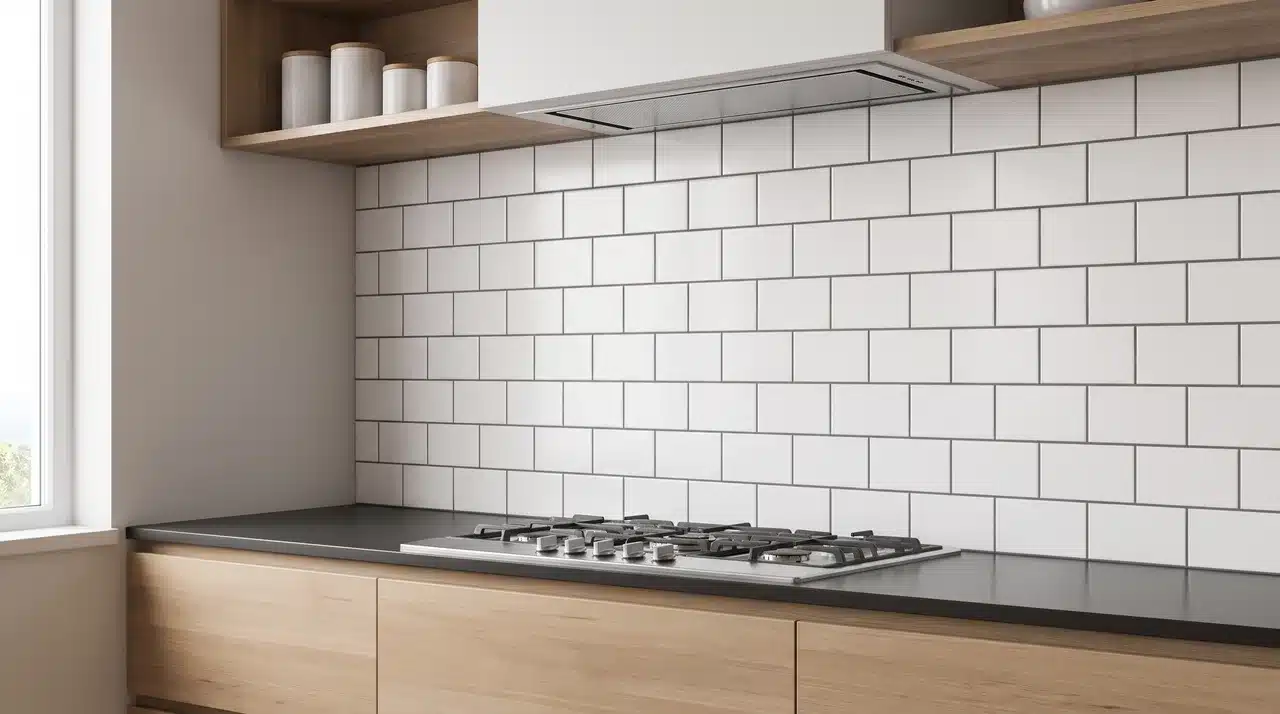
Classic rectangular ceramic tiles, usually 75 x 150mm, laid in a brick pattern. In a bathroom or behind a kitchen cooktop, a full feature wall in subway tile reads as clean, considered, and timeless.
Vary the grout color to shift the mood: white grout keeps it fresh, dark grout makes it graphic and deliberate.
20. Zellige Tile
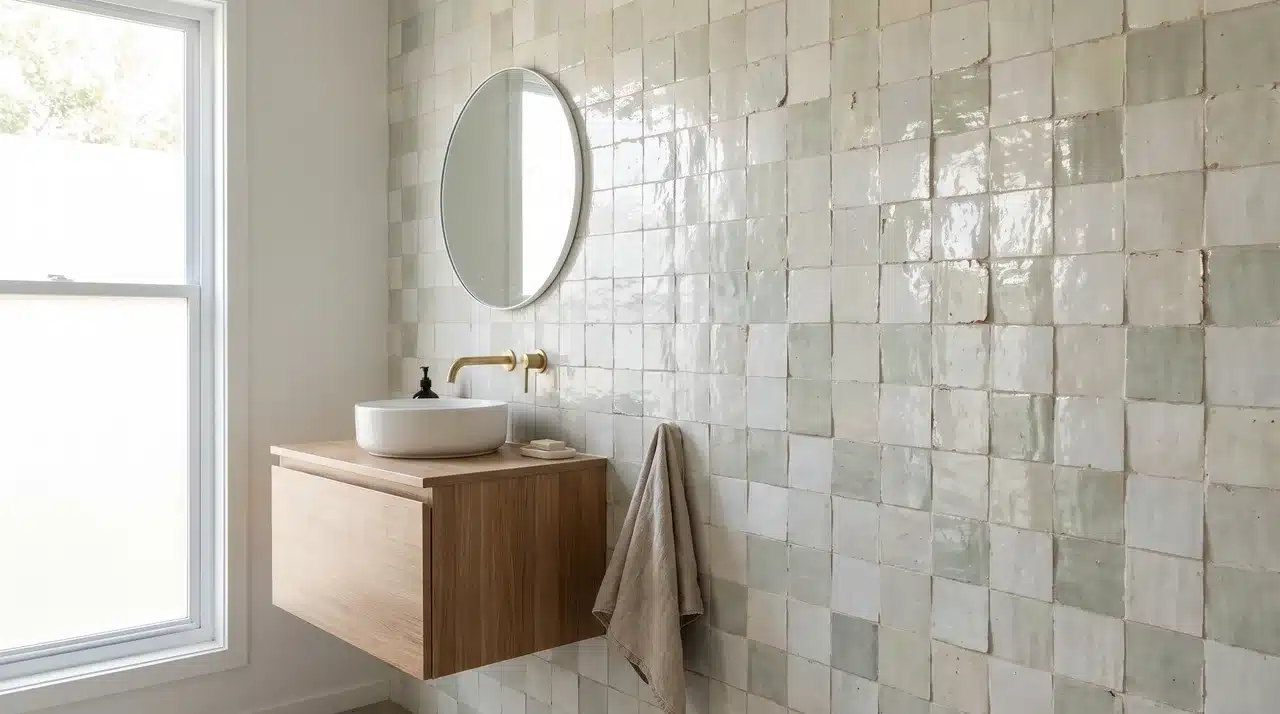
Handmade Moroccan clay tiles with an irregular, slightly uneven glaze. Each tile reflects light differently, so a zellige wall shimmers rather than sitting flat.
It works in small doses on a bathroom wall, a kitchen splashback, where the texture can be seen up close. At scale in a large room, it can read as busy. Cost is higher than standard tile. Budget accordingly.
21. Stone Cladding
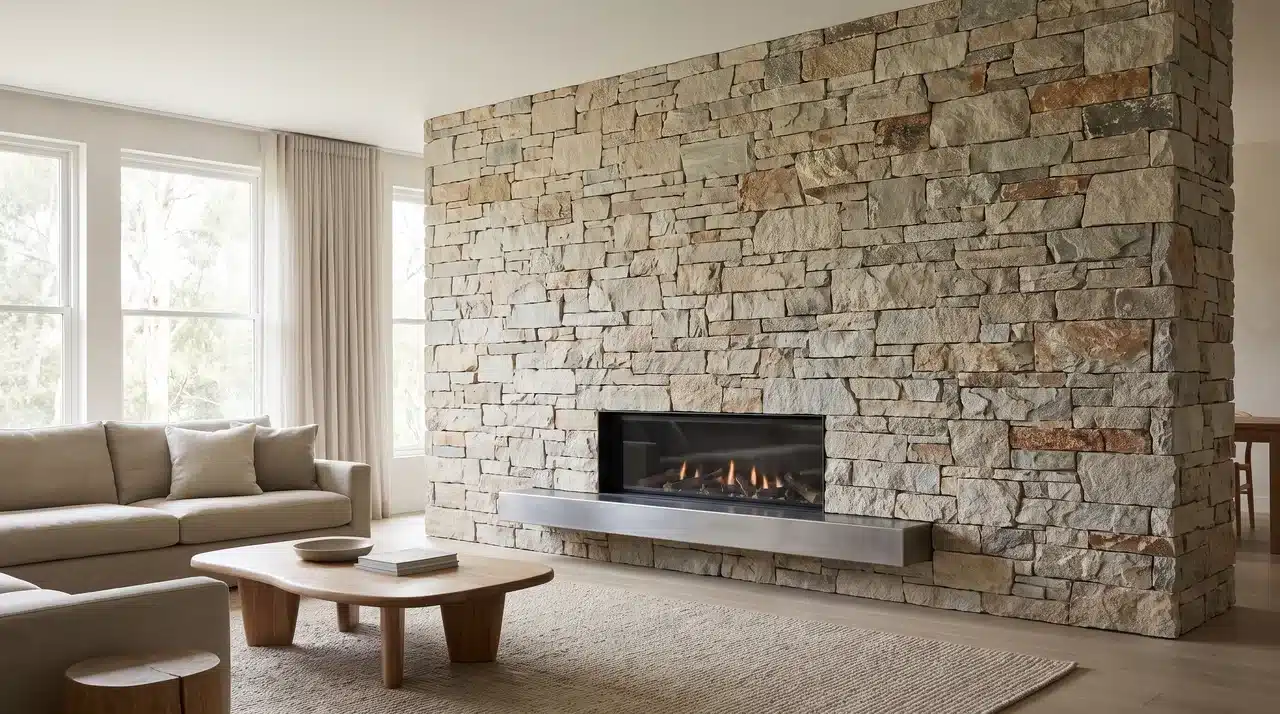
Natural or reconstituted stone panels are commonly seen on fireplace walls and TV walls in living rooms. It adds genuine weight and permanence to a space. The effect is unmistakably architectural.
Worth knowing: reconstituted stone panels are lighter and easier to install than natural stone, and the difference in appearance is minimal at viewing distance.
22. Brick Effect Panel or Exposed Brick
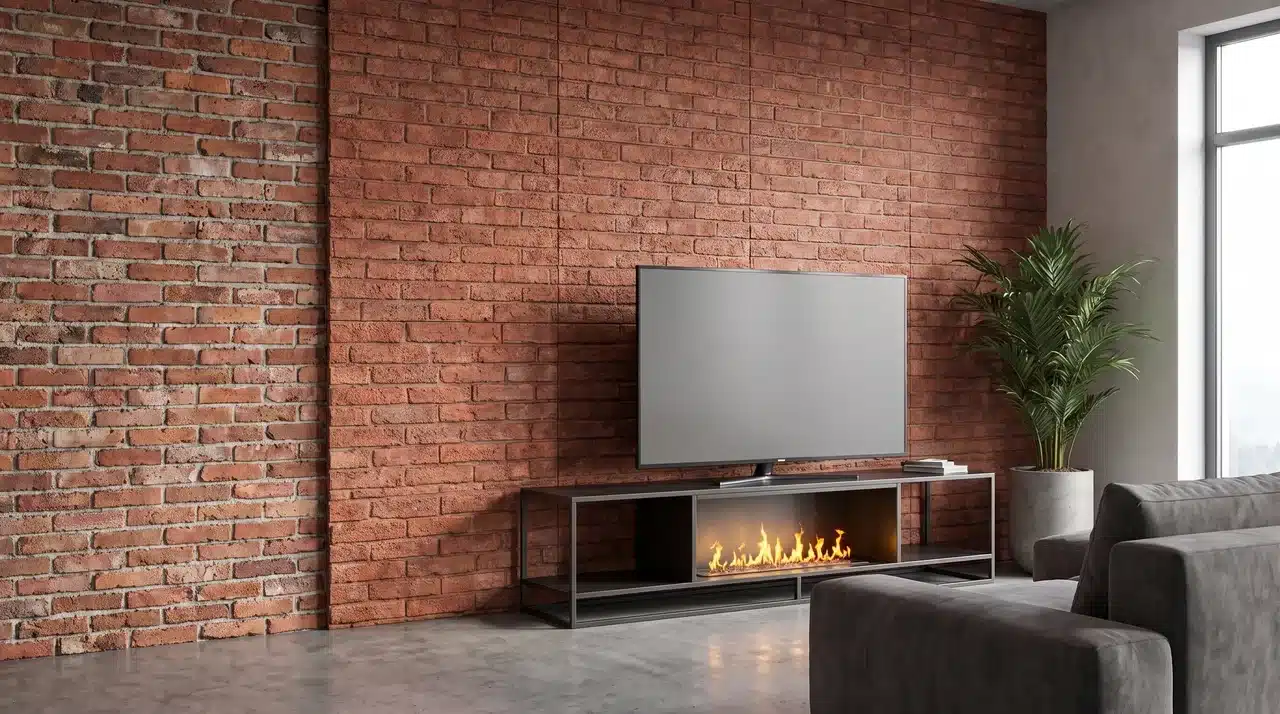
Where genuine exposed brick exists, stripping back plaster to reveal it is one of the highest-impact feature wall options available. The texture, color variation, and history built into real brick can’t be replicated.
Where it doesn’t exist, high-quality brick-effect panels and slips provide a convincing alternative, especially once painted or limewashed.
Best for: Industrial, warehouse, and warm-contemporary interiors.
Fabric, Soft Furnishings, and Temporary Solutions
Not every feature wall needs to be permanent. These ideas are built for renters, for rooms in flux, and for anyone who wants impact without commitment.
They’re also genuinely underestimated. A well-executed temporary feature wall looks intentional, not like a compromise.
23. Fabric Wall Hanging
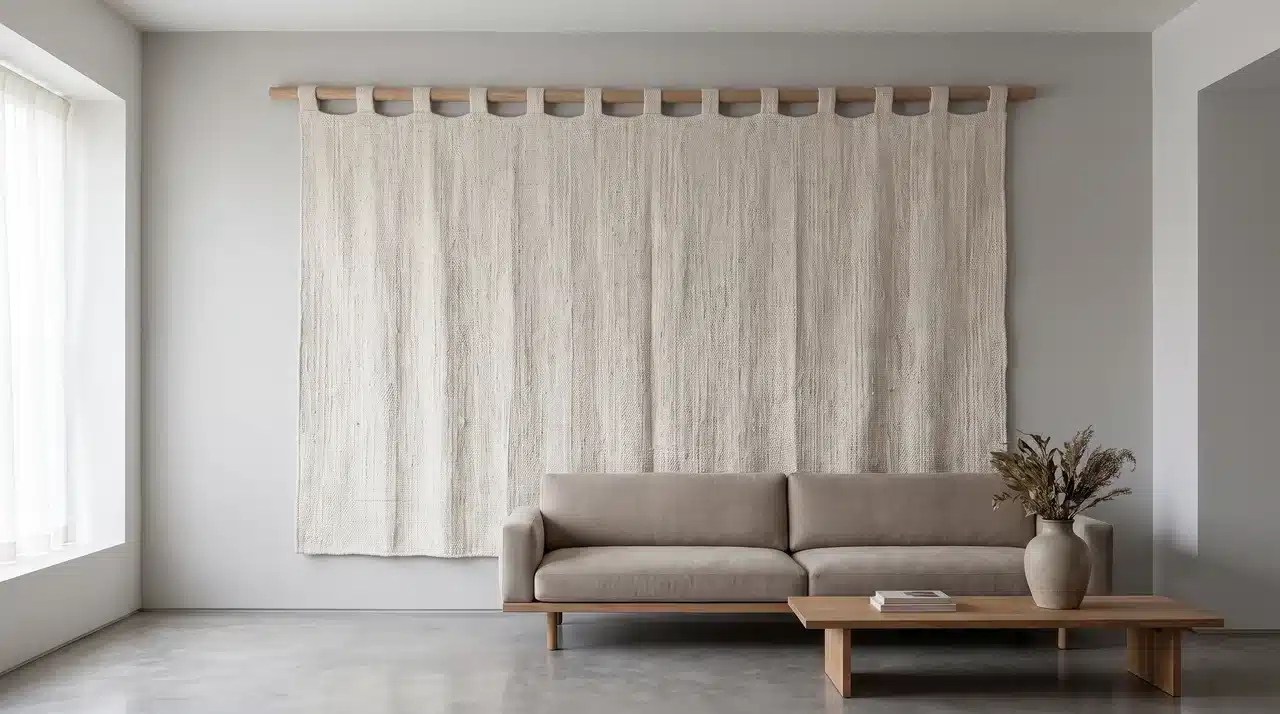
A large piece of fabric, linen, canvas, or woven textile, hung directly on the wall as a single statement piece.
Scale is everything here. A small hanging reads as decoration. A large one, taking up most of the wall, reads as a deliberate design choice. Look for handwoven or naturally dyed fabrics for the most considered result.
No fixings beyond two hooks or a timber dowel.
24. Tapestry or Woven Art
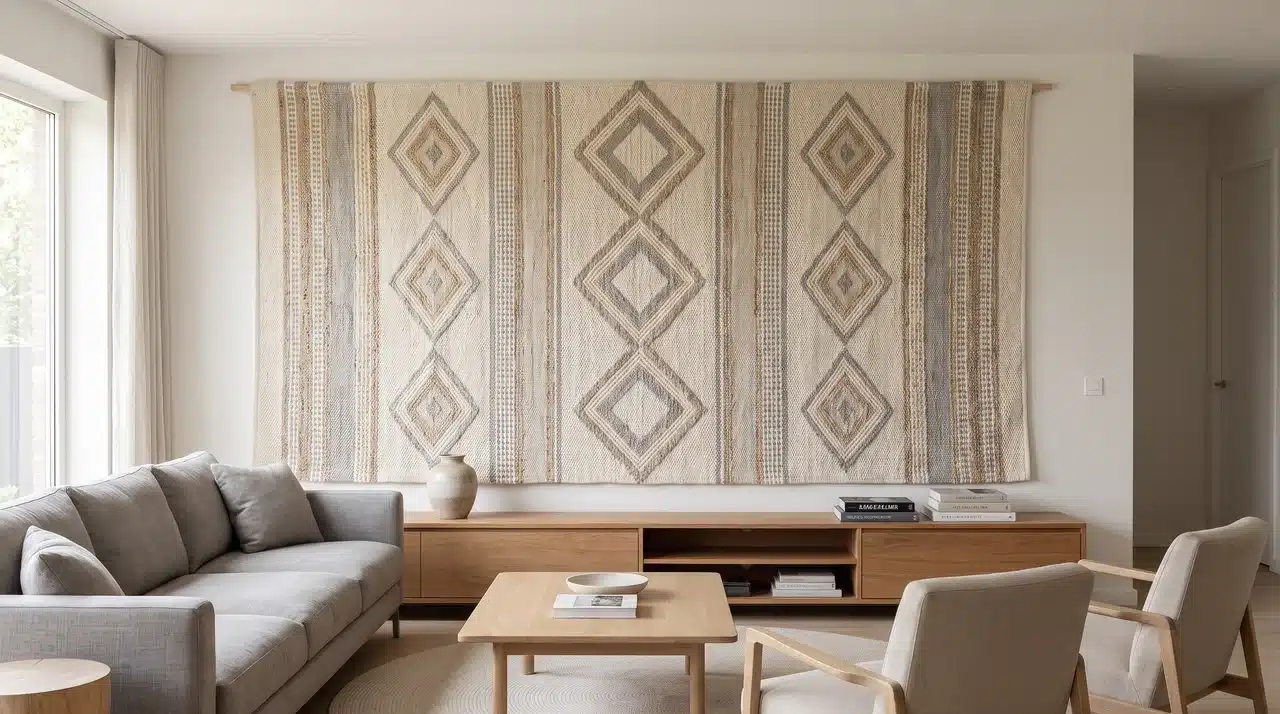
A tapestry brings texture, pattern, and warmth to a wall without touching the surface beneath it. It’s been a feature-wall solution for centuries, and it’s experiencing a revival for good reason.
Works in bedrooms and living rooms. Choose one that picks up a color already present in the room, and it will tie the space together rather than competing with it.
25. Temporary Wallpaper (Rental-Friendly)
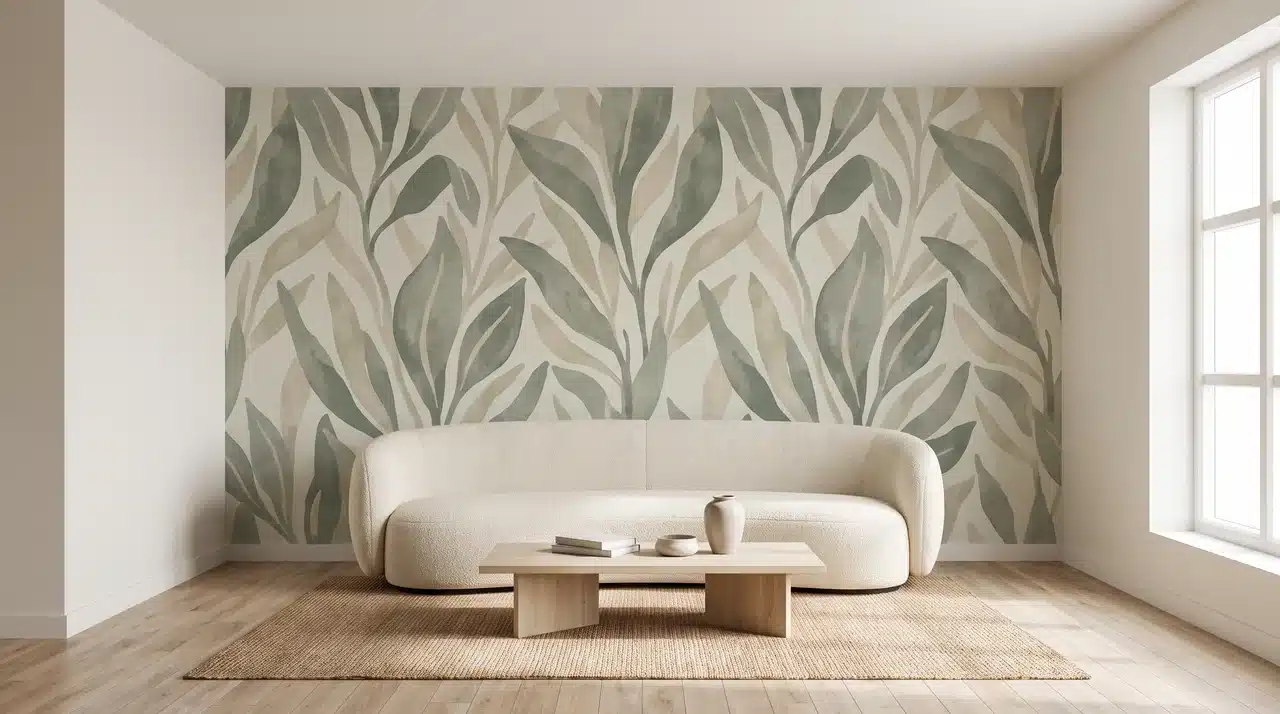
Covered in the wallpaper section, but worth naming again here for renters specifically. Modern peel-and-stick options have significantly closed the quality gap with traditional paste wallpaper. The key is surface preparation.
The wall needs to be clean, dry, and free of loose paint for the adhesive to hold without peeling at the edges.
26. Large-Scale Art or Print
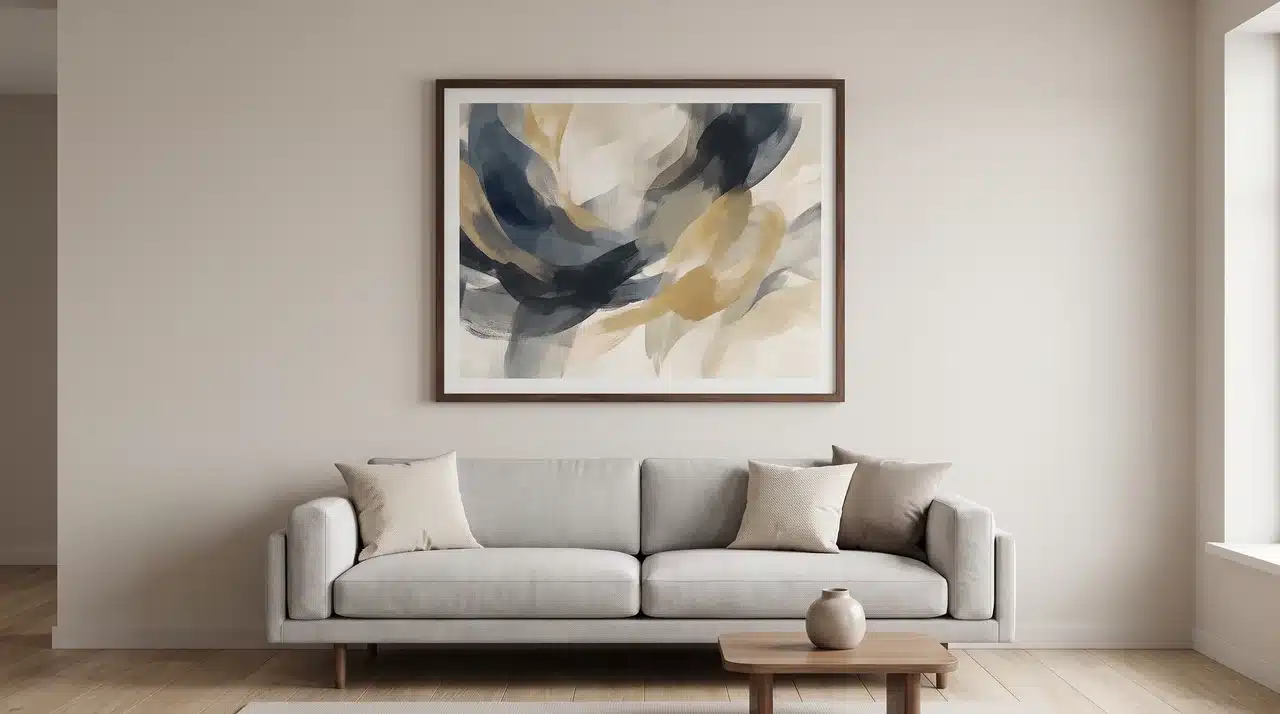
A single oversized art print, framed or unframed, can anchor a feature wall without any surface treatment at all.
This works best when the print is genuinely large: at least 100 x 140cm on a standard wall. Smaller prints grouped as a gallery wall, which is a different idea entirely.
Shelving, Mirrors, and Dimensional Approaches
Some of the most effective feature walls don’t involve treating the wall surface at all. These ideas use what is in front of or attached to the wall to create a focal point.
27. Full-Wall Mirror or Mirror Arrangement
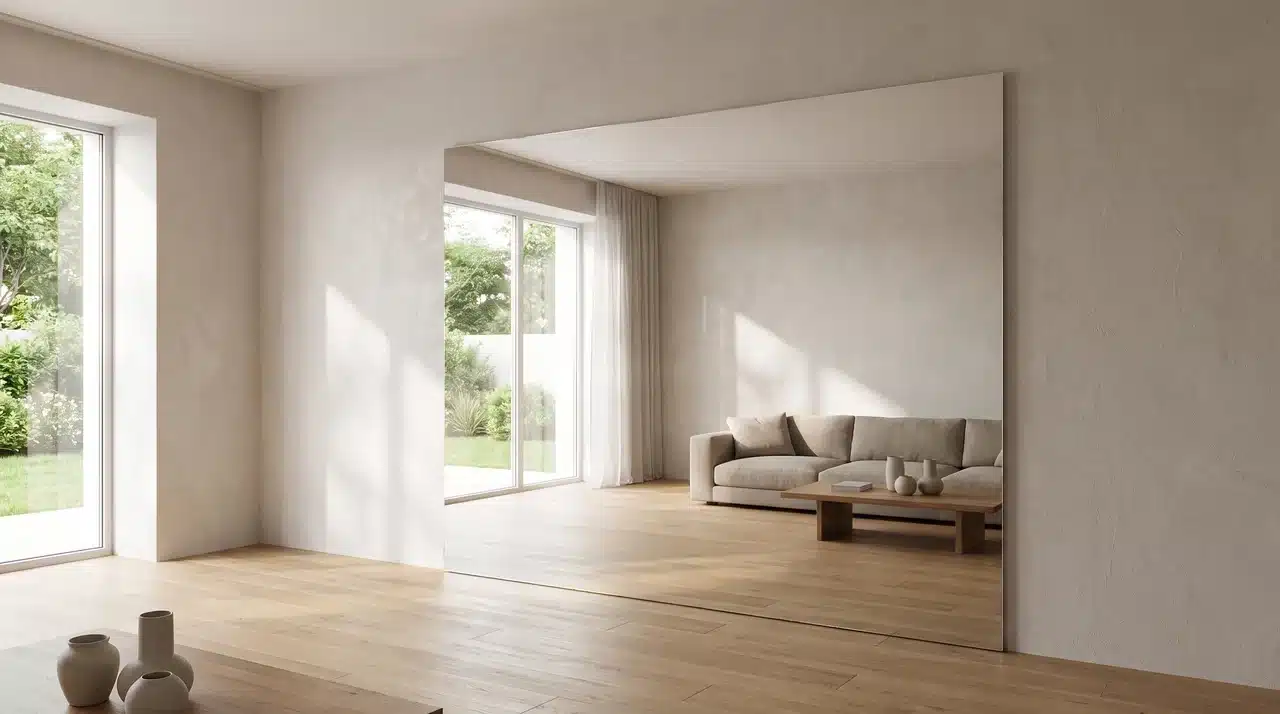
A single large mirror, or a grid of smaller mirrors, on the feature wall.
Mirrors do two jobs at once: they create a focal point, and they bounce light and space back into the room. In smaller rooms or north-facing rooms with limited natural light, a mirror feature wall changes how the space feels, not just how it looks.
Best positioned opposite or adjacent to a window for maximum effect.
28. Built-In Shelving
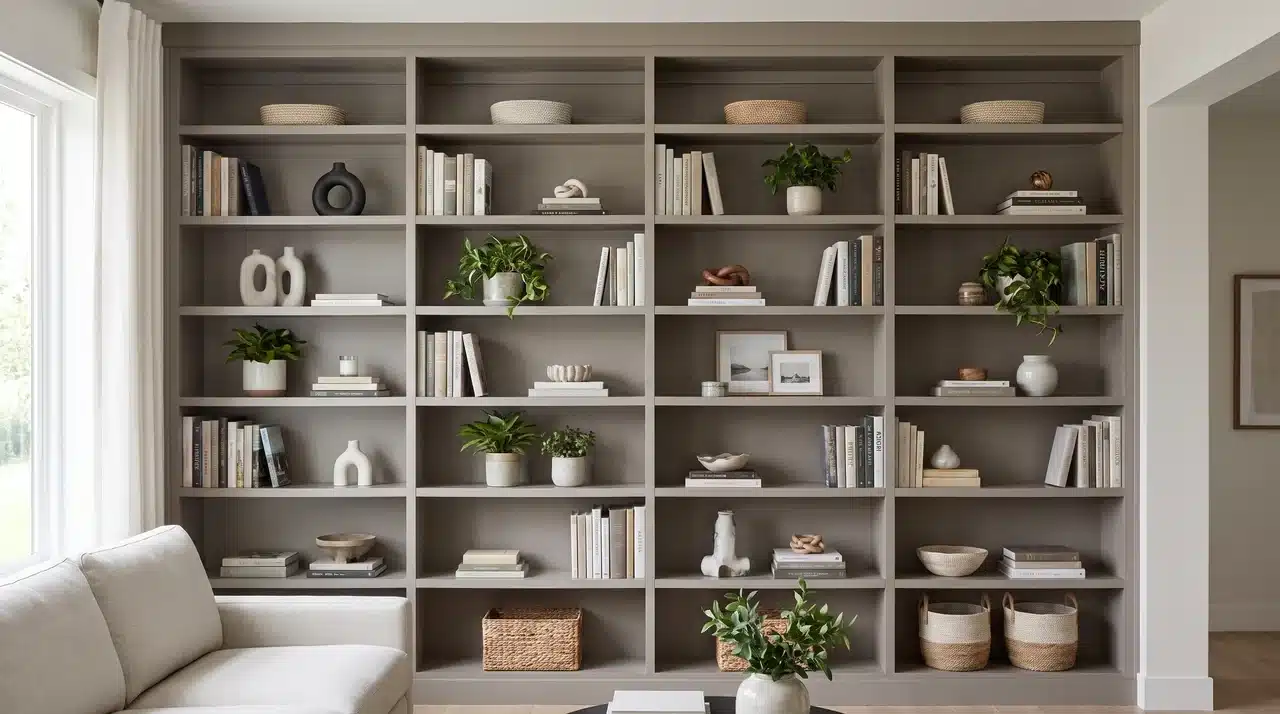
Floor-to-ceiling shelving built into or against the feature wall turns it into a functional focal point.
Styled well, books, plants, and objects in a considered arrangement, a shelving wall is one of the most characterful options in this list. It earns its place in living rooms and home offices where the wall needs to do more than look good.
Worth knowing: floating shelves styled sparsely, ready to form packed-full built-ins very differently. Decide which version you’re going for before you start.
29. Curved Plaster Arch Detail
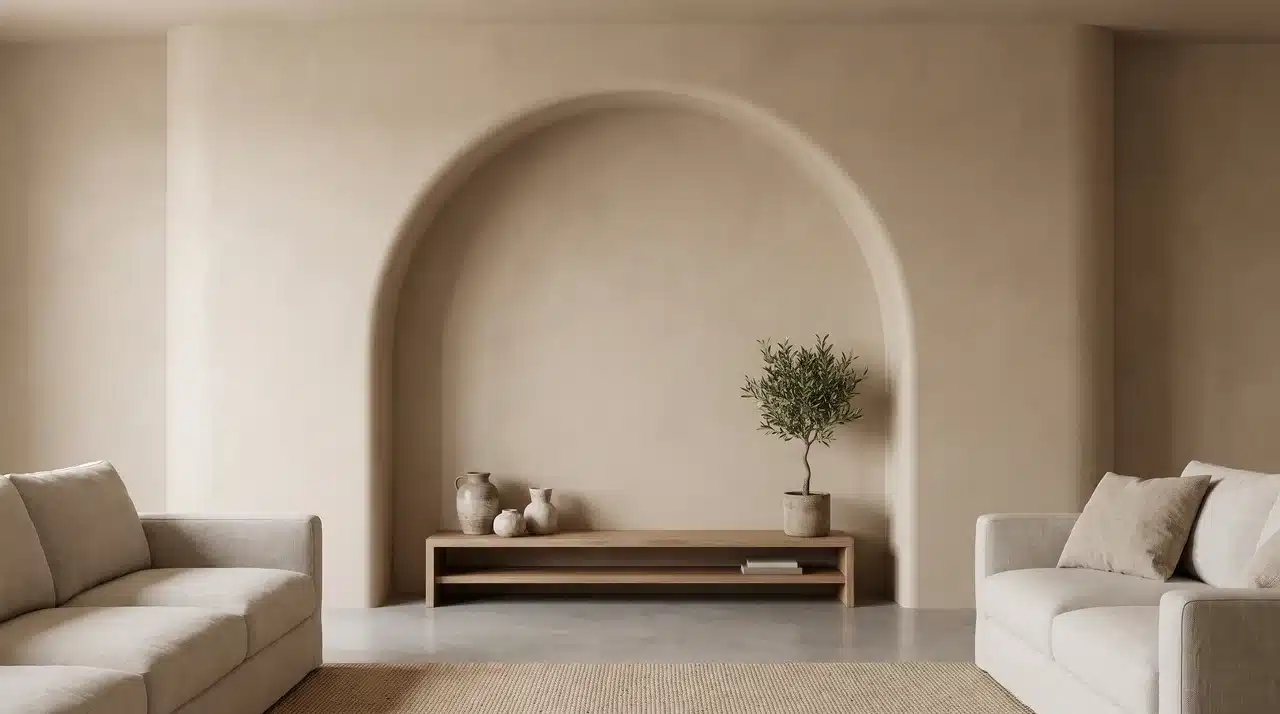
A plastered arch built out from the wall, framing a doorway, a niche, or simply a section of the wall itself.
This is one of the stronger 2026 design directions: curved, organic forms applied to walls that were previously flat and plain. The effect is architectural without being heavy. It photographs beautifully, which is partly why it’s everywhere right now.
Difficulty: Moderate to high. Involves lightweight framing and plaster work. Worth getting a plasterer in unless you’re confident with the process.
How Much Does a Feature Wall Cost?
The range is wider than most people expect, from under $50 for a paint project to several thousand for stone cladding or built-in shelving.
What you spend depends on the material, the wall size, and if you’re doing the work yourself.
| Budget Tier | Ideas It Covers | DIY Friendly? |
|---|---|---|
| Under $100 | Limewash or standard paint, peel-and-stick wallpaper, fabric hanging, painted arch | Yes |
| $100–$500 | Traditional wallpaper, shiplap, slat wall, picture frame molding, fluted MDF panels | Mostly yes |
| $500–$1,500 | Grasscloth, reclaimed wood, subway tile, wainscoting | Depends on the finish |
| $1,500+ | Zellige tile, stone cladding, built-in shelving, curved plaster arch | Professional recommended |
Keep in mind that material prices are only part of the total cost. Surface preparation, tools, adhesives, paint, trim, and professional installation can all increase the final budget.
If you’re hiring a contractor, get a few quotes before making a decision, as labor rates vary by location.
How to Make a Feature Wall Look Intentional, Not Accidental
A feature wall should feel like a natural part of the room, not something added as an afterthought. A few simple design choices can make the difference between a wall that stands out for the right reasons and one that feels out of place.
- Match the Scale to the Room: Choose a treatment that fits the size of the wall. Small patterns can get lost on large walls, while oversized designs may overwhelm a compact room. Always measure the wall before deciding on a finish.
- Create Enough Contrast: Your feature wall should stand apart from the others through color, texture, pattern, or material. If the difference is too subtle, it won’t create the visual impact you’re aiming for.
- Anchor the Wall with Furniture: Position the feature wall behind a bed, sofa, fireplace, dining table, or another major piece of furniture. This gives the wall a clear purpose and helps it feel connected to the rest of the room.
When these elements work together, the feature wall feels balanced and intentional
Conclusion
The best feature wall ideas are the ones that suit your space, match your style, and feel natural in the room.
A simple paint finish, textured wallpaper, wood paneling, or stone detail can all make a big difference when used on the right wall.
Start with one idea that fits your budget, plan the layout carefully, and build from there.
Small changes often have the biggest impact when they are done with purpose. If you have a favorite idea or have already created a feature wall at home, share your experience or tips in the comments below!
Frequently Asked Questions
What is the most popular feature wall idea right now?
Limewash paint and fluted wood paneling are leading in 2026. Limewash creates a soft, aged texture that shifts tone as the light changes through the day. Fluted panels add architectural depth without major construction work. Both suit living rooms and bedrooms, and both are available as DIY-friendly options.
Are feature walls out of style?
No, but the execution has changed. Single-color accent walls from the 2010s have largely given way to textured treatments, paneling, and mural wallpaper. When the wall has a clear anchor and a considered treatment, a feature wall remains one of the highest-impact changes you can make to a room.
What wall in a bedroom should be the feature wall?
The wall behind the headboard. It’s the first wall you see when you enter most bedrooms, and it’s naturally anchored by the largest piece of furniture in the room. Both conditions, sightline and anchor, are already met, which is why it works almost every time.
Can you have a feature wall in a small room?
Yes, but scale matters. Large patterns and heavily textured panels can make a small space feel compressed. A deeper paint tone, vertical shiplap, or a contained wallpaper print will create a focal point without making the room feel smaller than it is.