

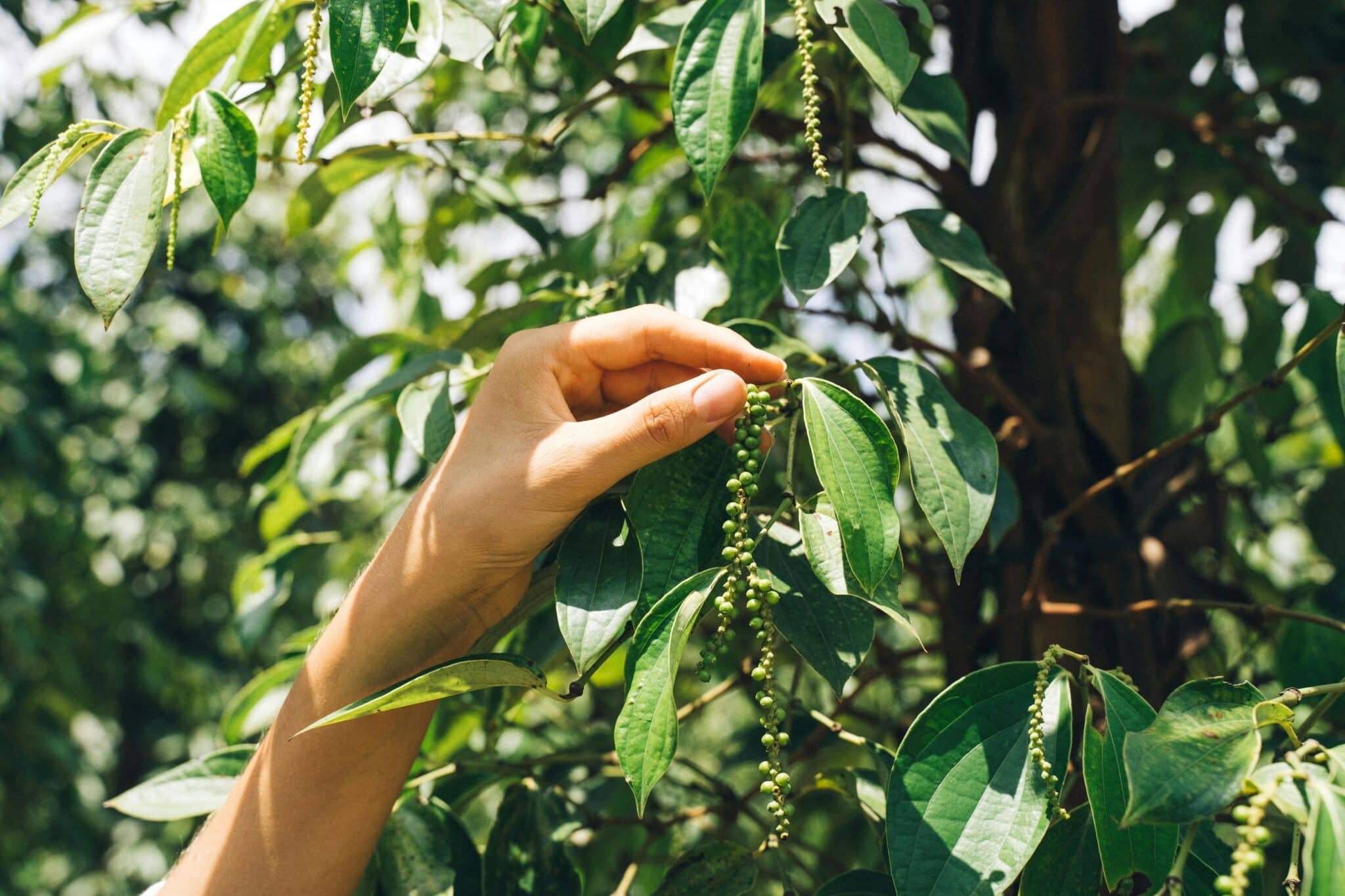
Growing food at home has become increasingly appealing for individuals who want more control over what they eat and how it is grown. Many people begin by setting up a small outdoor space with simple equipment such as a light weight garden hose, planting containers, and a few starter seeds.
This straightforward setup helps new gardeners explore the many ways that homegrown produce can promote better health. From fresher ingredients to improved daily routines, the benefits extend far beyond the food on the plate.
Freshness and Nutrient Density From Homegrown Produce
One of the most significant advantages of growing food at home is the ability to consume produce at peak freshness. Fruits and vegetables begin losing nutritional value soon after they are harvested, especially when they must travel long distances before reaching a store shelf.
Homegrown produce is often picked shortly before it is prepared, which helps retain higher levels of nutrients. Garden-grown vegetables can also develop stronger flavors because they are allowed to ripen naturally, rather than being harvested prematurely to withstand transportation.
Another health benefit comes from the control gardeners have over their growing methods. Home gardens help individuals limit or avoid chemical fertilizers and pesticides, reducing exposure to unnecessary additives. This makes it easier to focus on naturally grown, high-quality ingredients that contribute positively to overall nutrition.
Consistently choosing fresh, nutrient-rich produce can support long-term health and encourage a more balanced eating pattern.
Physical Activity Through Gardening Tasks
Gardening naturally incorporates regular movement into daily life. Activities such as planting, watering, pruning, weeding, and harvesting require steady physical effort. These movements engage various muscle groups and support flexibility, balance, and endurance. Because gardening can be adjusted to different levels of intensity, it is accessible for people of many ages and fitness levels.
Regular physical activity contributes to energy balance, mobility, and strength. Gardening offers these benefits without requiring structured exercise sessions, making it easier to maintain an active lifestyle. The sustained movements involved in tending a garden make it possible to incorporate low-impact activity into an existing routine. This active engagement supports cardiovascular health, muscle conditioning, and overall physical well-being.
Emotional Wellness from Time Outdoors
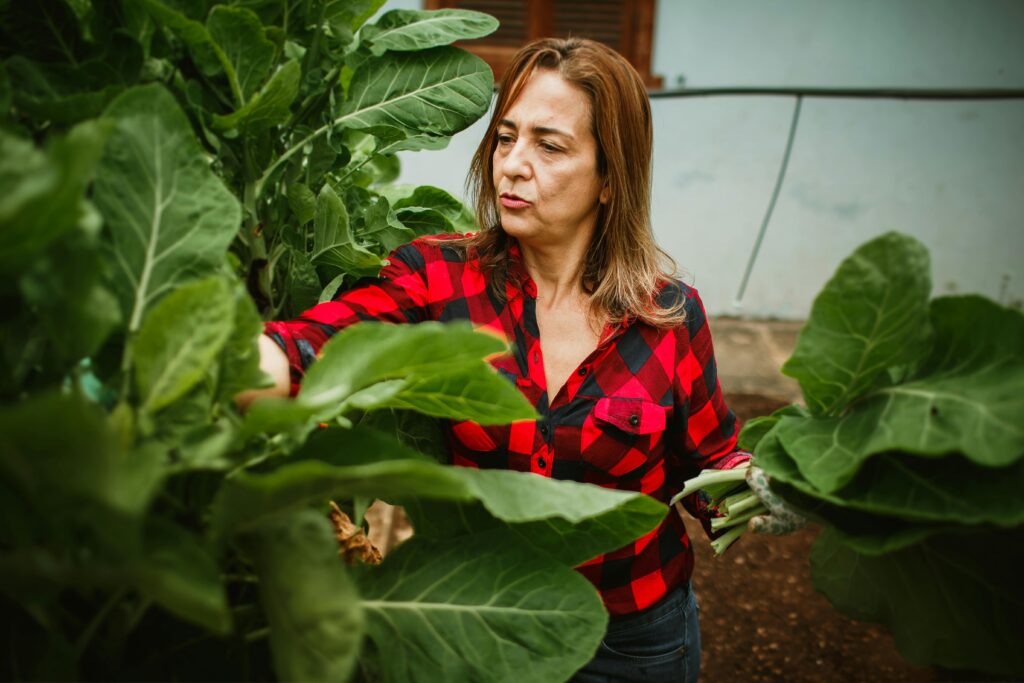
Another significant benefit of home gardening is its positive impact on emotional well-being. Spending time outdoors encourages relaxation and focus, creating a calming environment away from digital distractions and busy schedules. Engaging with soil, plants, and sunlight can help reduce everyday tension and support a more balanced emotional state.
Gardening also offers a sense of accomplishment as plants grow and produce food. Seeing progress over time reinforces a positive mindset and supports motivation. This sense of purpose can be especially helpful during periods of stress or uncertainty because maintaining a garden offers structure and routine.
The combination of gentle outdoor activity and visible results can contribute to a greater sense of stability and emotional grounding.
Greater Awareness of Eating Habits
Growing food at home often encourages more thoughtful eating habits.
When individuals are directly involved in the planting and harvesting process, they tend to develop a deeper appreciation for the ingredients they prepare. This awareness can lead to choosing meals that feature more fresh produce and fewer processed items. Understanding how much time and care go into growing food can also promote a more intentional approach to portion sizes and meal planning.
Homegrown ingredients can motivate people to explore healthier recipes that highlight vegetables, herbs, and fruits. Preparing meals with fresh produce becomes an enjoyable part of the gardening experience, promoting consistent and balanced nutrition. Over time, these habits support long-term dietary improvements, helping to reduce reliance on packaged foods and encouraging more whole-food choices.
A Stronger Connection to Sustainable Living
Gardening at home supports environmentally responsible habits that also benefit personal health. When people grow their own produce, they rely less on commercial sources that often require transportation, packaging, and chemical preservation. Reducing this dependency contributes to a lower environmental impact. Additionally, composting food scraps and yard waste can create nutrient-rich soil, supporting healthier plants without synthetic additives.
This connection to sustainable practices encourages a more mindful relationship with food production. Individuals often become more aware of seasonal eating, water usage, and natural resource conservation. These habits support healthier environments that contribute to improved well-being for both individuals and communities.
The awareness that comes from tending a garden can inspire long-term lifestyle choices that prioritize environmental and personal health.
Healthy Living Begins in the Backyard
Growing food at home offers a combination of nutritional, physical, and emotional benefits that support long-term well-being. Fresher produce, consistent physical activity, more intentional eating habits, and a closer connection to sustainable practices contribute to a healthier lifestyle. With the right approach and steady commitment, even a modest garden can become an important part of a healthier routine.
Healthy Backyard Garden Design: Grow Your Own Food at Home
Designing a productive outdoor space has become increasingly popular among homeowners who want more control over what they eat and how their surroundings support a healthy lifestyle. Many start with simple essentials such as planting containers, starter seeds, and a light weight garden hose, creating an accessible setup that fits even small yards, patios, or balconies. This practical foundation allows beginners to explore how outdoor design and homegrown produce can work together to support better living—through fresher ingredients, mindful routines, and spaces that encourage spending more time outdoors.
Fresh, Healthy Food Starts with Smart Outdoor Layouts
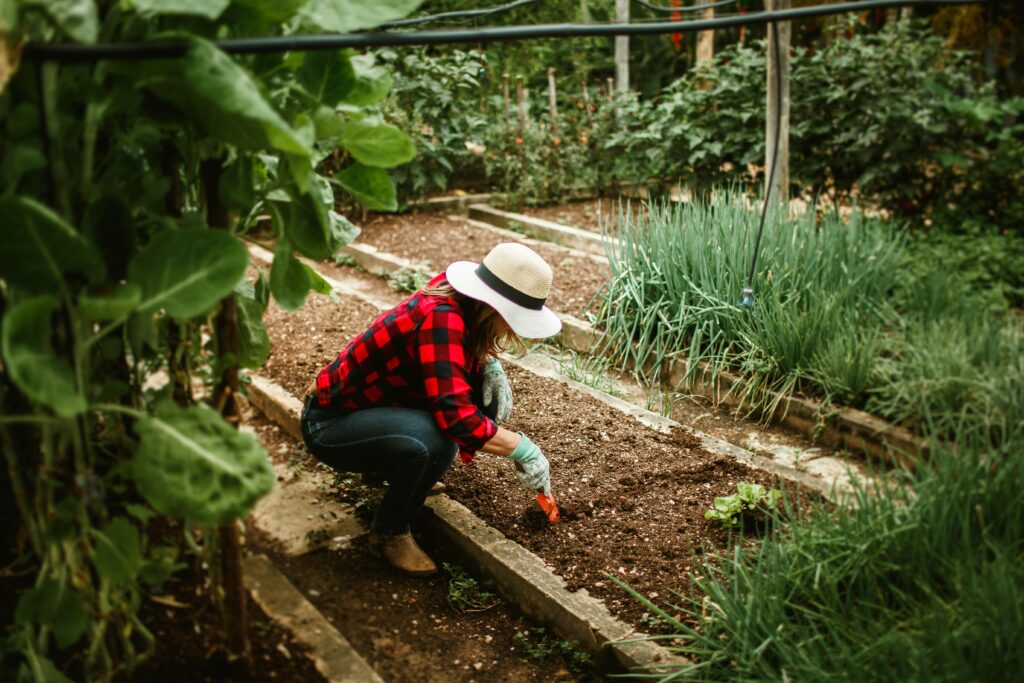
One of the greatest advantages of growing food at home is the ability to enjoy ingredients at their peak. Store-bought fruits and vegetables often lose nutrients during transport and storage, while homegrown produce can be harvested just minutes before cooking.
A well-designed garden layout improves not only freshness, but also the overall experience of tending and harvesting. Raised garden beds placed in sunny areas, vertical planters for tight spaces, and easy-access walkways all contribute to a practical and attractive outdoor environment. Allowing vegetables to ripen naturally creates richer flavors, and maintaining control over soil, water, and sunlight encourages healthier eating habits year-round.
Outdoor Design That Supports Health and Daily Movement
A productive garden naturally incorporates physical activity into everyday life. Tasks such as watering, pruning, planting, and harvesting create gentle, consistent movement—an ideal alternative for people who prefer natural activity over structured exercise.
Design choices can make this even more comfortable and appealing.
For example:
- Elevated planters reduce strain on the back.
- Wide pathways accommodate easy movement and tool access.
- Shaded seating areas offer resting points while working outdoors.
By incorporating these elements intentionally, homeowners transform a simple garden into a space that encourages movement, balance, and well-being without feeling like exercise.
Emotional Wellness Through Outdoor Living
Time spent in thoughtfully designed outdoor spaces can significantly improve emotional health. A small garden—whether built along a fence, beside a patio, or in raised beds—invites relaxation and offers a welcome break from digital noise. The rhythm of watering plants, observing growth, and harvesting food creates a grounding routine that supports mental clarity.
Designers often incorporate calming elements such as:
- natural stone paths,
- soft outdoor lighting,
- weather-resistant seating,
- and plant groupings that frame views.
These design details encourage more time outdoors and help homeowners build emotional resilience through engagement with nature.
Designing for Better Eating Habits
When people grow even a small portion of their food, they tend to make better choices in the kitchen. Thoughtful garden design can reinforce these habits by making fresh ingredients easily accessible.
Placing herbs in containers near outdoor dining areas, growing salad greens in raised beds close to the kitchen door, and adding trellises for tomatoes or cucumbers help integrate healthy eating into daily life. These design strategies reduce reliance on processed foods, promote cooking with whole ingredients, and make meal preparation an enjoyable extension of garden care.
Sustainable Outdoor Design and Eco-Friendly Living
Home gardening naturally aligns with sustainable design principles. When homeowners grow their own produce, they reduce dependence on commercial supply chains that require transportation, packaging, and refrigeration.
Outdoor design choices, such as:
- composting bins for organic waste,
- rain barrels for water conservation,
- or drip irrigation lines connected to a lightweight hose,
make the garden more eco-friendly and cost-effective.
Choosing durable materials like natural stone, reclaimed timber, and terracotta planters enhances both sustainability and long-term visual appeal. These elements reinforce a home environment where healthy living and environmental responsibility work together.
A Backyard That Supports Healthy Living
A well-designed garden does more than grow vegetables—it transforms a backyard into a functional, beautiful, and health-enhancing extension of the home. Homeowners gain fresher produce, daily movement, emotional comfort, and a stronger connection to sustainable living.
Even a modest garden—with intentional design decisions—can become a cornerstone of a healthier lifestyle, proving that outdoor spaces are powerful contributors to well-being.