

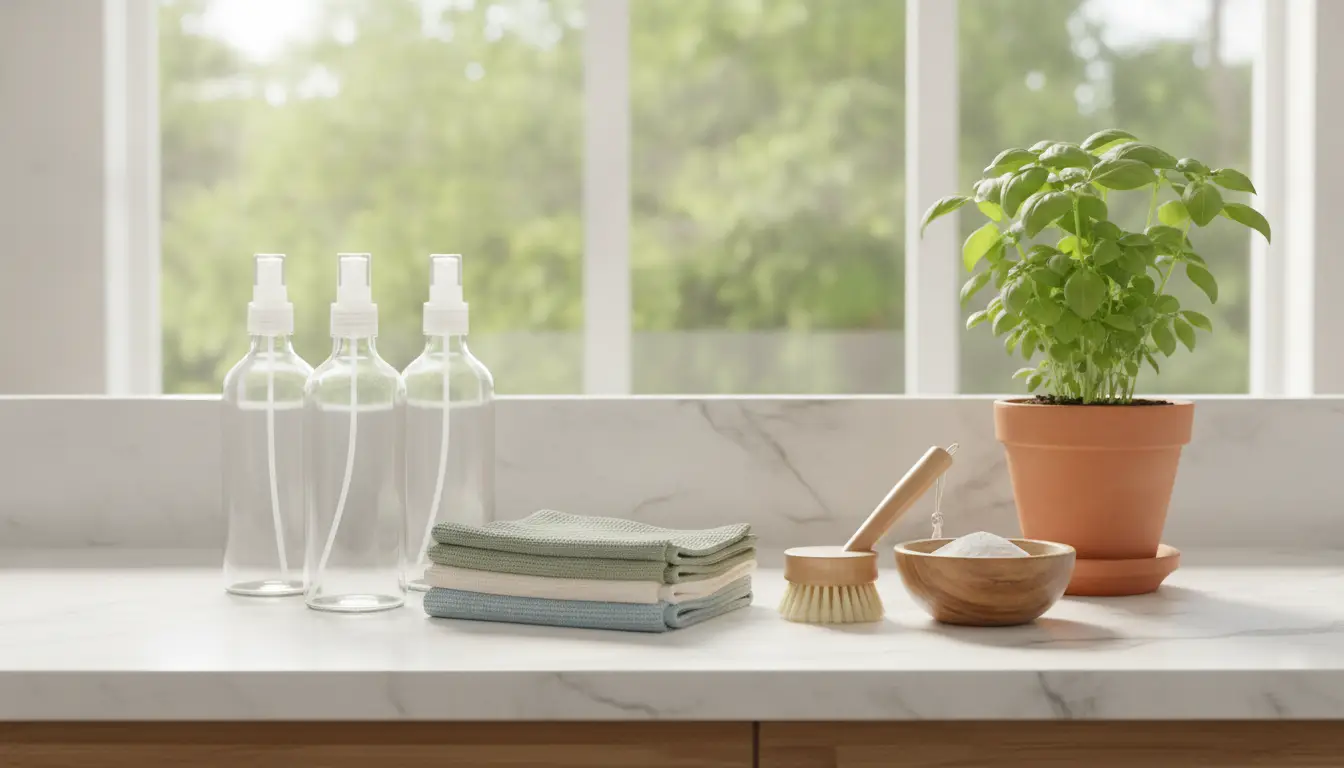
Keeping a home clean does not have to involve harsh chemicals, overflowing cabinets, or a constant stream of disposable products. Many eco-friendly cleaning habits are surprisingly simple, and they often save money while reducing everyday waste. By making thoughtful choices about the products you buy and the routines you follow, you can create a healthier living space without adding unnecessary work to your schedule. From laundry and kitchen maintenance to reusable cleaning tools, small adjustments can have a lasting impact. The best part is that sustainable cleaning is less about perfection and more about building practical habits that stick.
Start With Fewer, Better Cleaning Products
Creating a cleaner home does not have to mean filling every cabinet with specialty sprays and disposable wipes. In many cases, a smaller collection of reliable products works just as well while producing less waste and reducing unnecessary spending. Multipurpose cleaners, reusable microfiber cloths, and simple ingredients like vinegar and baking soda can handle many everyday jobs around the house when used appropriately. Choosing refillable containers instead of repeatedly buying single use plastic bottles also helps reduce household waste over time.
An eco-friendly cleaning routine is easier to maintain because it removes unnecessary steps. Rather than reaching for a different bottle in every room, focus on products that perform well across multiple surfaces. Pair them with washable cleaning tools instead of disposable options, and you create a system that is practical, affordable, and easier to stick with throughout the year.
Upgrade Your Laundry Routine Without Creating More Waste
Laundry is one of the biggest sources of water, energy, and packaging waste in many homes, but a few thoughtful adjustments can make a noticeable difference. Washing full loads, choosing cold water whenever fabrics allow, and skipping excessive detergent all reduce environmental impact while helping clothing last longer. Many fabrics come out just as clean without hot water, especially when stains are treated early.
If you want extra stain fighting power, consider products designed to minimize unnecessary packaging. An oxi laundry booster set with a reusable holder can simplify storage while reducing the number of disposable plastic containers entering your home. Pair that with reusable dryer balls instead of single use dryer sheets, and your laundry room becomes noticeably less wasteful without sacrificing fresh, clean clothes. These changes are small on their own, yet they build a routine that feels natural instead of restrictive.
Choose Reusable Tools That Last
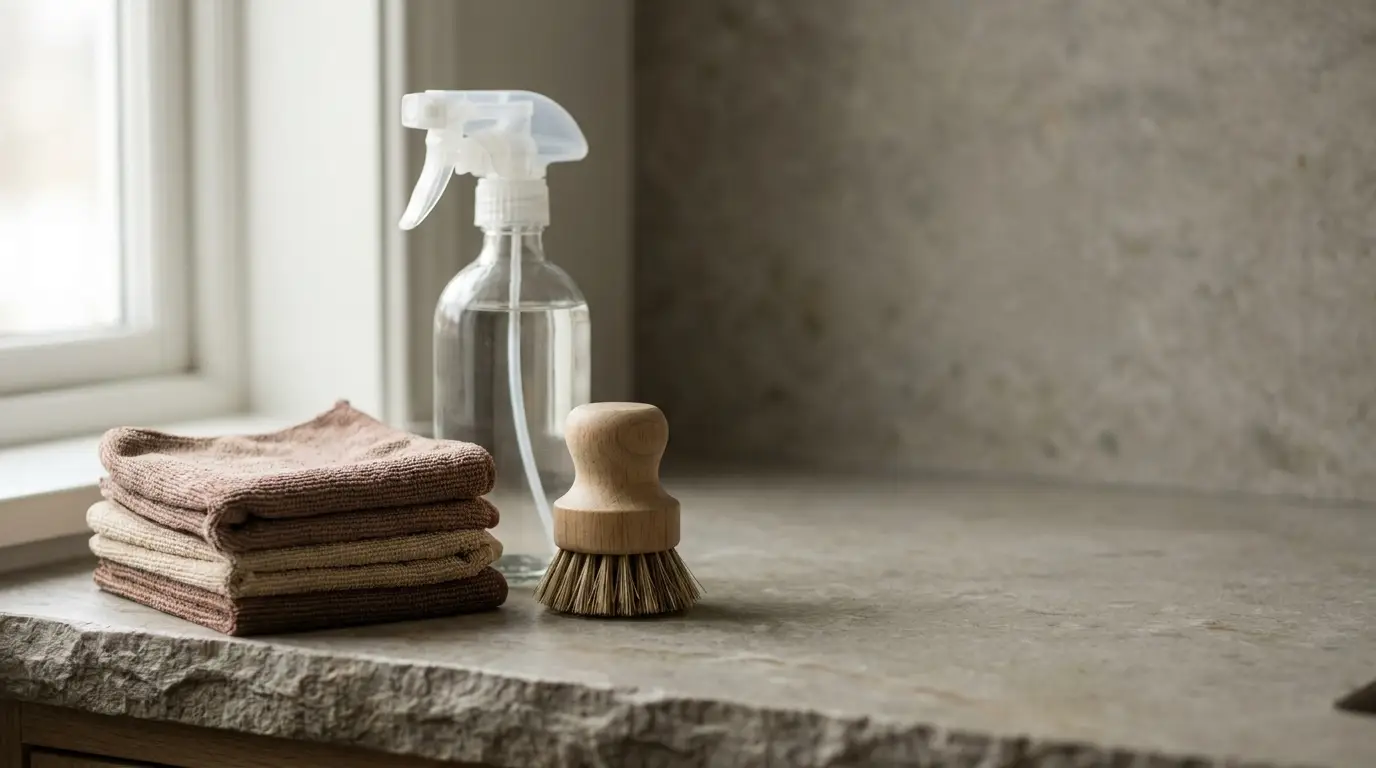
Disposable cleaning supplies may seem convenient, but they often create more trash than necessary while increasing long term costs. Reusable microfiber cloths can replace paper towels for many household jobs, including wiping countertops, polishing glass, dusting furniture, and cleaning appliances. After use, simply wash them and put them back into rotation.
The same idea applies throughout the house. Refillable spray bottles, washable mop pads, sturdy scrub brushes, and reusable dusters eliminate the constant cycle of buying and throwing away disposable products. When selecting new cleaning tools, durability matters more than having the latest trend. A well made item that lasts for years almost always creates less waste than cheaper alternatives that need frequent replacement. As those reusable tools become part of your regular routine, cleaning becomes more efficient because everything has a consistent purpose instead of being replaced after only a few uses.
Don’t Forget the Appliances That Clean for You
Household appliances perform better when they receive regular attention. Many people focus on visible surfaces while overlooking machines that work behind the scenes every day. Refrigerators benefit from clean door seals, washing machines perform better with occasional maintenance cycles, and range hoods work more effectively when grease filters are washed regularly.
One task that deserves a permanent place on your calendar is cleaning a dishwasher. Food residue, grease, and mineral buildup gradually reduce performance and can even leave unpleasant odors behind. Removing debris from the filter, wiping the door gasket, and running a maintenance cycle according to the manufacturer’s recommendations helps the appliance operate more efficiently. A dishwasher that functions properly uses water and energy more effectively than one struggling with accumulated buildup. Preventive care also reduces the likelihood of repairs, extending the life of one of the hardest working appliances in the kitchen.
Build Sustainable Habits One Room at a Time
The most successful eco-friendly cleaning routines are built gradually rather than all at once. Start with one room, replace one disposable product with a reusable alternative, or simplify one daily habit. Those small decisions become automatic over time, making the entire routine easier to maintain without feeling like another household project.
You do not have to achieve perfection to make meaningful progress. Reducing waste, buying products that last, and caring for the tools and appliances you already own creates a cleaner home while supporting more responsible everyday habits. Even modest changes add up over months and years, proving that consistency often has a greater impact than dramatic overhauls. In the end, an eco-conscious approach is simply about making practical choices that work for your home today and continue paying off well into the future.