

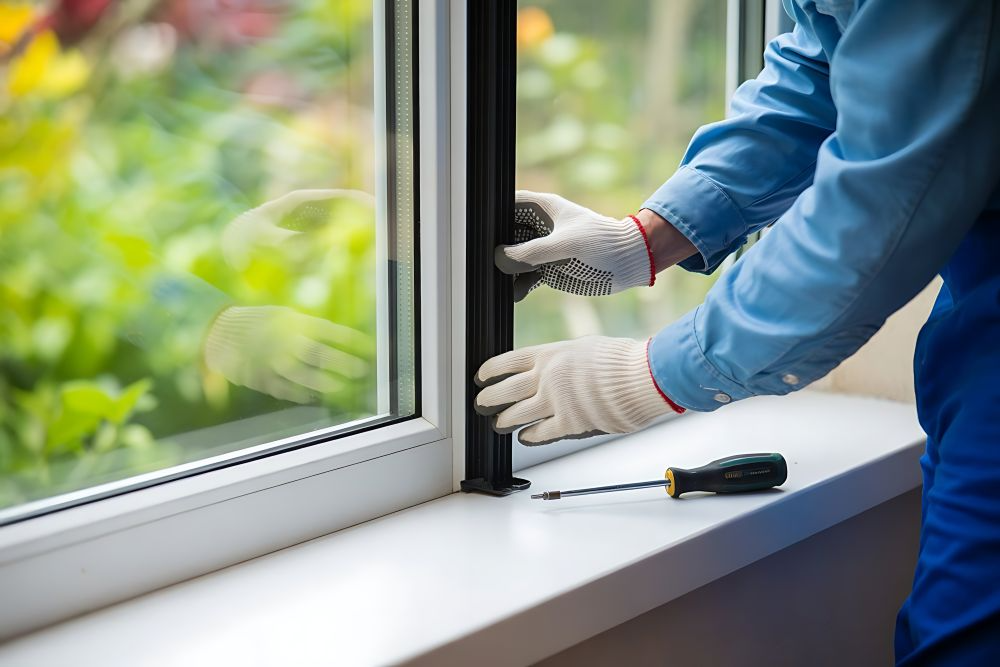
Toronto winters can be unforgiving. When the temperature drops below –20°C and the wind cuts straight through, your windows become the first barrier between you and the cold.
If your windows aren’t built for it, you notice right away. Drafts sweep into your rooms, and condensation builds on the glass. Your heating bill can start rising too. Quality windows do the opposite. They keep the heat in, stop drafts, and make your home feel warm again.
So which windows actually stand up to a Toronto winter? Let’s take a closer look!
Vinyl Windows
Vinyl-frame windows can be a good choice for Toronto’s cold weather. The material doesn’t carry heat the way metal does. So, the frames stay warmer and reduce the chill that moves through your home. When combined with double-pane or triple-pane glass, your rooms can become more stable during long stretches of winter.
Vinyl stays stable when temperatures drop. It won’t expand and contract as some materials do. That means fewer gaps and less air leakage over time.
You have options with vinyl too. Casement windows, sliders, hung windows, you name it. Their installation costs are also generally reasonable. Maybe that’s why so many homeowners choose them.
You can also look for vinyl frames with added insulation on the inside or a stronger winter performance. Those extra details can make the window feel more reliable when the cold hits hard.
If your Toronto windows are drafty or worn, it’s probably time to think about a replacement. Just make sure you find the best installer to handle your replacement windows in Toronto. This will ensure proper sealing and correct measurements. They also have a warranty you can actually count on when problems arise.
Fiberglass Windows
Fiberglass windows handle extreme weather better than most window frame materials. These windows barely expand or contract when temperatures swing, so your seal stays tight even through Toronto’s coldest months. Less movement means fewer drafts and better protection against wind.
Fiberglass is strong enough to support heavier materials. The frame holds multiple insulating layers that don’t bend or loosen over time. You get better insulation without sacrificing structural integrity.
Some manufacturers also include fiberglass screens. They hold up well against strong winds and heavy snow. This matters even more when you’re dealing with Toronto winters year after year.
What makes it even better is that fiberglass frames give you performance and clean aesthetics. You get strength with modern lines that don’t bulk up your frames.
Wood-Frame Windows
Wood-frame windows have a warm, natural look that many homeowners love. Wood contains natural insulating qualities. So, these frames reduce heat transfer during long winter months. They can pair well with more energy-efficient features like Low-E glass or thicker glazing.
The downside is that wood needs care. Without proper maintenance, winter moisture can affect paint or exposed grain.
But if you want to avoid all that hassle, get wood frames with aluminum or vinyl cladding on the exterior. This way, you’ll keep the wood look inside without the constant maintenance.
The bottom line? Wood windows can offer timeless style combined with excellent natural thermal performance. This boosts your curb appeal while still offering better insulation than traditional frames.
Triple-Pane Windows
Triple-pane windows make a real difference on Toronto’s coldest days. Three layers of glass with air or argon gas between them keep way more heat inside. Your rooms feel warmer and quieter. You’ll see less frost building up on the glass too.
The installation costs more upfront. But the energy savings add up over time, especially in rooms that face harsh winds or always feel cold. That extra layer of glass does serious work.
To make the most of them, pair them with solid frames like vinyl or fiberglass. This way, you’ll be looking at a setup that’ll add long-term value to your home for years.
Low-E Glass Windows
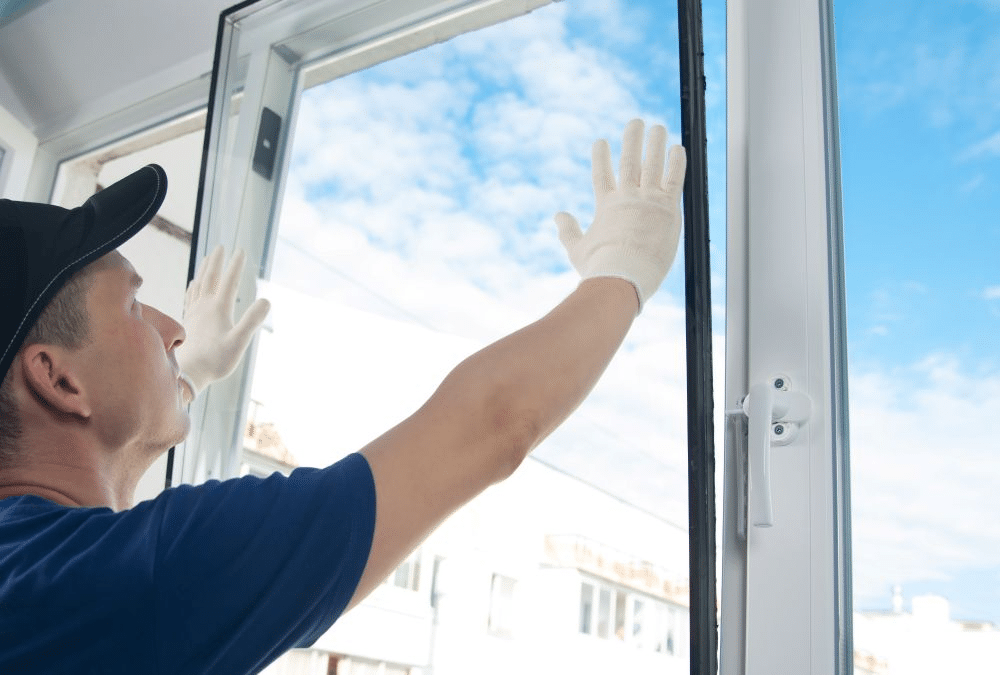
Low-E coatings reflect heat. They’re thin layers on the glass that bounce warmth back into your house instead of letting it escape outside. This means you’ll get fewer cold spots around your windows.
Many energy-efficient windows include Low-E as a standard feature. To make things easier, check for the Energy Star label. It can guide you toward products that meet certain energy ratings. Combine them with insulated frames, and your window won’t feel like ice when you get near it.
If lowering your energy costs is the target, Low-E glass windows could be your best bet. It’s one of the easiest ways to see the savings on your energy costs.
Aluminum-Clad Wood Windows
These windows are wood wrapped in aluminum. Wood is on the inside, where you see it, and the aluminum is on the outside.
The setup makes sense. You get the wood’s warmth and natural look indoors. Aluminum, on the other hand, protects it from snow, ice, and freezing rain. No rotting or constant maintenance.
Lake-effect weather doesn’t faze these windows. Winter storms hit the aluminum exterior while the wood core keeps your home insulated. Your temperature stays steady.
Modern cladding includes thermal breaks. These are insulating strips that stop cold from moving through the aluminum. Your indoor temperature stays comfortable instead of dropping near the windows.
They’re tougher than plain wood and better looking than straight vinyl. That’s why people pick them.
Conclusion
Toronto’s winter weather can be harsh on homes. But choosing windows built for cold conditions can make the season far more comfortable. The right mix of frame material, glass layers, and coating features can create a warm, steady space even when temperatures fall. With the options available today, you can find windows that fit your style, meet your needs, and offer comfort through every cold snap the season brings.