

Surges may happen unexpectedly and put your heating devices in a difficult situation and making them inefficient or dysfunctional. Knowledge of the reasons why it occurs, the problems to be noticed, and the preventive measures to be implemented will save you a lot of money spent on a heating system repair service.
This article discusses the correlation between power outbursts and HVAC power surge damage, with clear instructions on what you should do to be in safe hands, regardless of the most depended-upon appliance in your house.
What Is a Power Surge?
A sudden and short burst of electrical voltage passes through the wiring of your house. Although the common U.S. domestic voltage is approximately 120 volts, a surge may cause that figure to skyrocket and even reach thousands of volts.
Sources of power surges are generally of the following few sources:
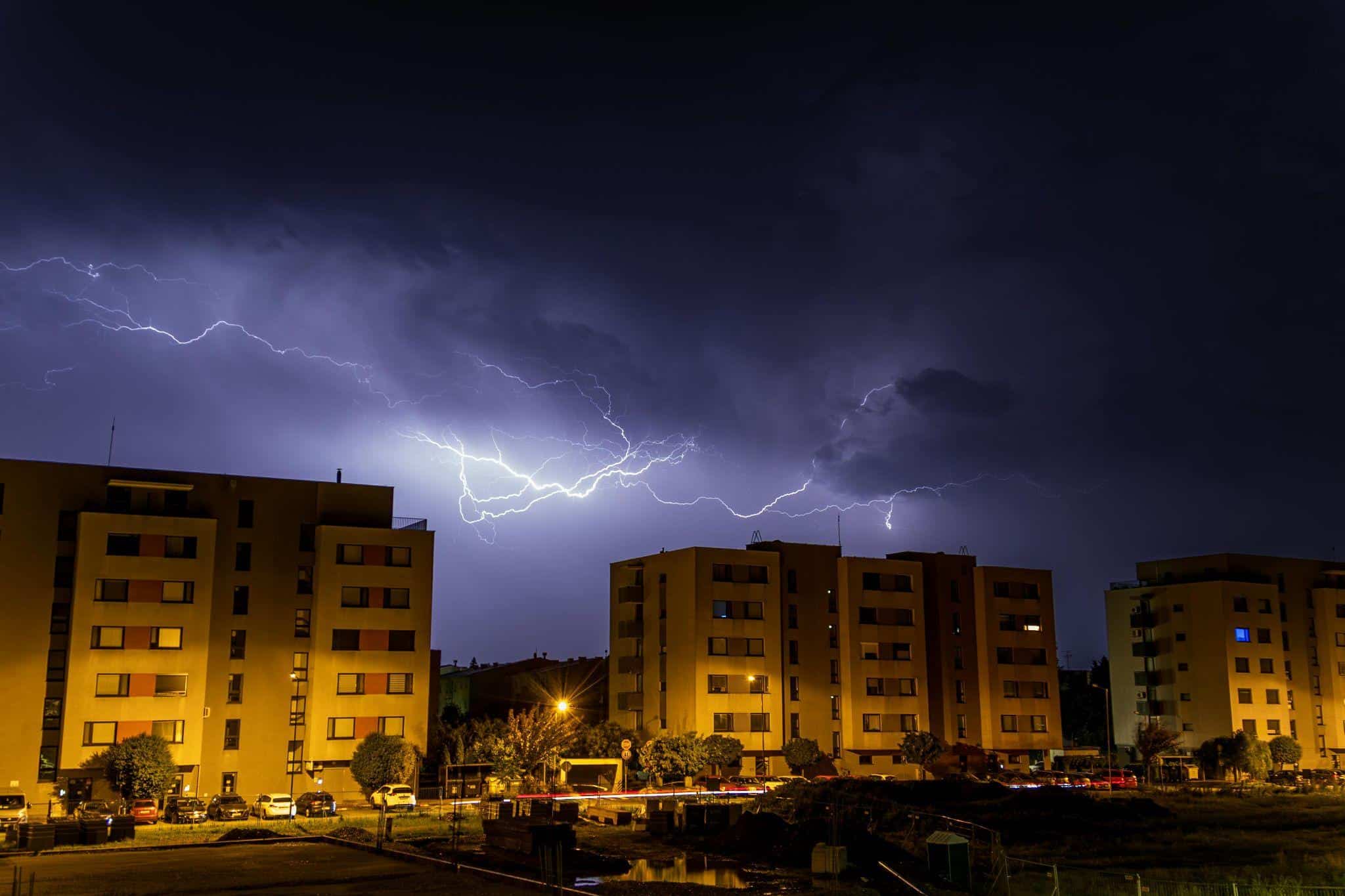
- Lightning strikes
- Utility company issues
- Appliances with a large size, turning on and off
- Faulty wiring
Some of these surges may be minor and hardly felt, but others may destroy the electrical systems, your heating system.
How Heating Systems Are Affected
When power surges occur, they interfere with the flow of power to these components, thus causing HVAC power surge damage immediately or gradually. The US experienced 18 natural disasters in 2022 alone, with $1 billion in damages.
Control Board Damage
There are also digital control boards (little computers) that manage ignition, airflow, temperature control, as well as safety features in most of the modern furnaces and heat pumps. These boards are easily fried by a power burst, leaving the system inoperative or intermittent.
Blower Motor Failure
Blower motors require constant electricity. A burst may cause the windings of the motor or capacitor to overheat, resulting in lower performance or the burnout of the whole motor.
Thermostat Malfunction
The so-called smart thermostats and programmable devices are particularly susceptible. Their software can be corrupted, Wiring can be damaged, and their sensors may break.
Breakage of Transformers and Relays
Voltages are reduced by transformers to levels that can be controlled. They can short out in the event of surges. The relays, which transmit signals of various heating functions, may also fail when they are subjected to too much electricity.
Gradual Wear and Tear
Not all damage is immediate. The constant little spurts, which usually go undetected by house owners, weaken the system parts with time, leading to failed systems that are difficult to predict in the end.
Concisely, the heating systems are designed to withstand the consistent power and not the unpredictable rise in voltage. All it takes is one major burst, and they will be out of their comfort zone.
Signs Your Heating System Has Been Damaged
The damage can be apparent immediately after a power surge or take a long time of days or weeks. Common indicators include:
- The system won’t turn on
- Excessive cycling or limited working hours
- Unusual noises
- Incidents of poor or irregular airflow.
- Smells or electrical smells of burning.
- Thermostat unresponsiveness
In case of any of these symptoms, it is important to check them immediately to avoid additional furnace electrical issues and occupational risks.
Preventive Measures
Although it is impossible to avoid power surges, proper precautions can greatly diminish the number of furnace electrical issues.
- Install a surge protector in the entire home: When installed at the electrical panel, it offers a wide-ranging protection in that it prevents excessive voltage before it gets to your circuits.
- Include a surge protector for HVAC: This is a device that provides extra security for any furnace or heat pump components that are very sensitive, particularly the control board.
- Check the grounding of domestic electrical power: An electrician has the capacity to determine whether your house is grounded appropriately, a very important line of defense against the destructive power of a surge.
- Apply HVAC equipment to dedicated circuits: Having your heating on a separate circuit will avoid the little internal surges created by the large appliances in the house.
A trained HVAC specialist, e.g., Chill Heating and Cooling, will be able to detect worn-out parts, electrical susceptibility, and indicators of stress caused by surges before failures.
What to Do After a Power Surge
In case of a power surge, and your heating system is behaving weirdly, then the following are ways of preventing surge damage:
- Tripped the electrical panel and reset it once only.
- Check the thermostat to be sure that it is turned on and has not been reprogrammed.
- Search for physical damage, including the appearance of scorches, melted wiring, and burned smells.
- Do not restart the system again and again, as this may increase the damage inside the system.
- Safely and correctly diagnose the failures of surges by calling a licensed HVAC technician.
Conclusion
Power surges can be short, but can produce large, expensive damage to the heating systems. When you know the mechanisms of surges and are able to identify the damage symptoms, as well as invest in preventive precautions, you will be able to protect the heating system of your house in case of some unexpected failures.
When your system has already, a timely professional assessment makes your system safe, efficient, and comfortable during the colder months.