

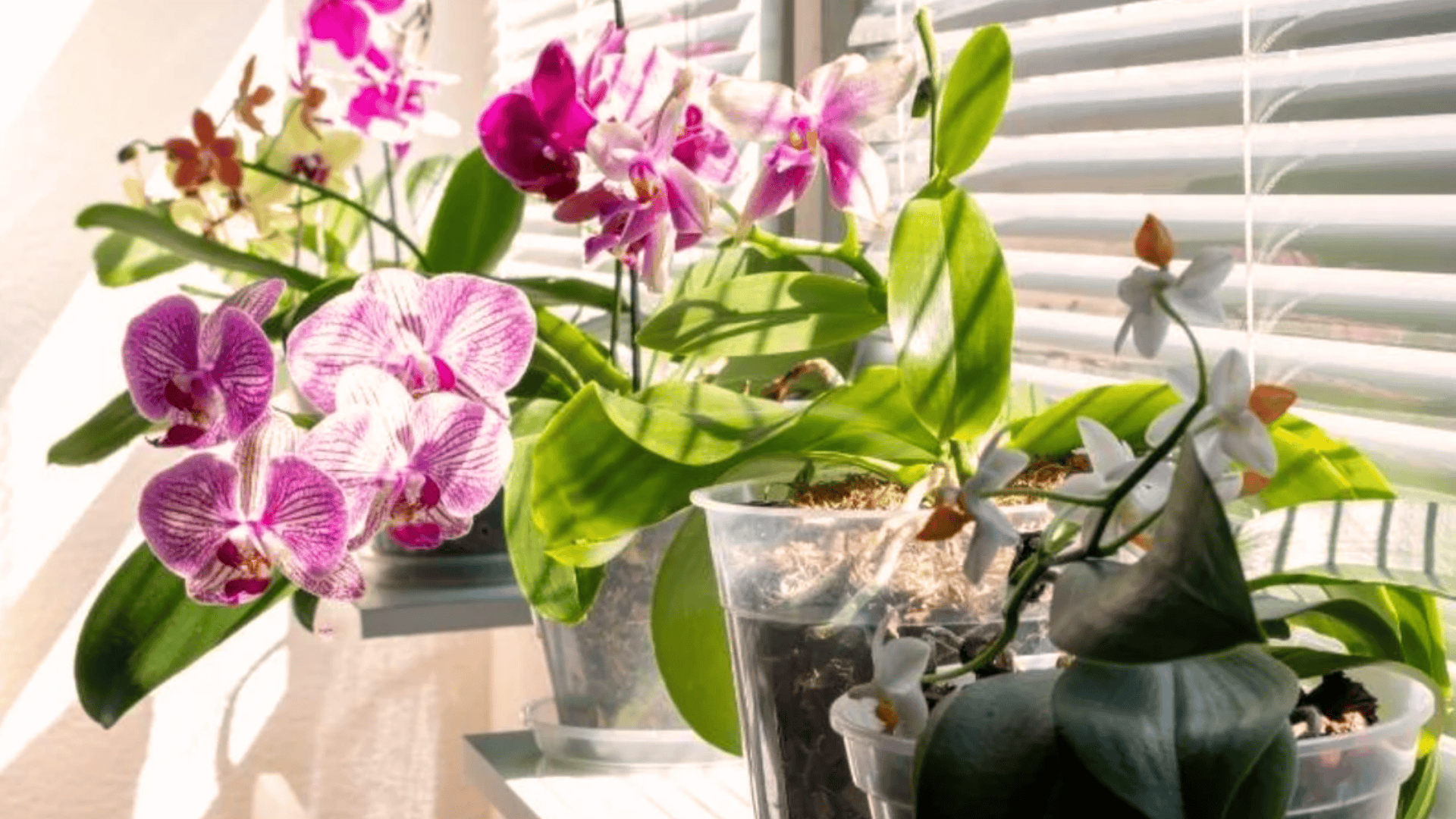
When I first started growing orchids, I kept asking how much sunlight orchids really need and never felt sure of the answer. If you feel confused about where to place your orchid, you are not alone.
Light is one of the hardest parts of orchid care because it sounds simple, but it works differently indoors.
In this article, I shared the orchid light needs in a clear and practical way.
You will learn how much light orchids need each day, the difference between direct and indirect light, and how window direction affects growth.
I have also explained how seasons change light levels. Proper sunlight supports healthy leaves and blooms.
Once you understand what your orchid needs, choosing the right spot in your home becomes much easier and less stressful.
About Orchids
Orchids are easy to recognize but are often misunderstood as houseplants. Most orchids grown indoors belong to the Orchidaceae family, which is one of the largest plant families in the world.
In their natural environment, many orchids grow in warm, humid regions and attach themselves to trees or rocks instead of growing in soil.
This allows them to stay above the forest floor and receive light that is filtered through leaves and branches.
Because this light is gentle and indirect, orchids are not used to harsh sun.
This natural setup explains why orchids respond differently to light compared to common houseplants like pothos or snake plants.
Key Specifications
- Scientific family: Orchidaceae
- Common indoor types: Phalaenopsis, Cattleya, Dendrobium
- Native regions: tropical and subtropical areas
- Growth habit: epiphytic or lithophytic
- Leaf structure: thick, moisture-storing leaves
How Much Sunlight Do Orchids Need?
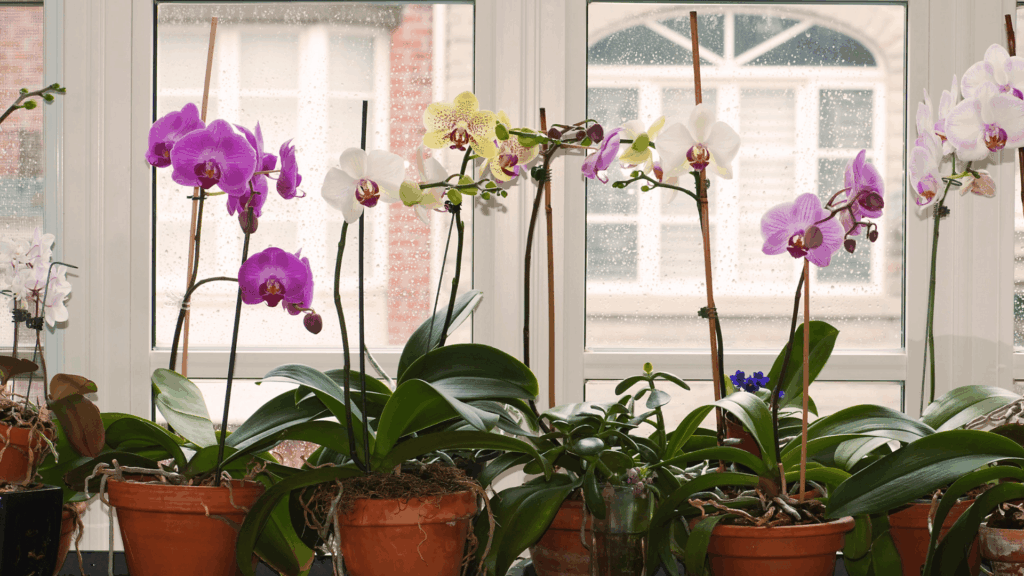
Most orchids need bright but filtered light for healthy growth and blooms. On average, orchids do well with10 to 12 hours of light each day.
This light should be indirect, not harsh sunlight hitting the leaves.
Direct sun, especially in the afternoon, can damage leaves and cause burn marks. Indirect light spreads through the room and feels softer on the plant.
In a home, this usually means placing orchids near an east-facing window or a bright window with a sheer curtain.
Bright but filtered light means the space feels well-lit, but the sun does not shine directly on the leaves.
A simple way to judge light is leaf color. Medium green leaves often mean the light level is right, while very dark or yellow leaves can signal a light problem.
Signs Your Orchid Is Not Getting Enough Light
Low light can cause problems that are easy to miss at first. These signs often look like care issues but are usually linked to light, not watering.
1. Slow or Stalled Growth
When an orchid does not get enough light, its growth often slows down or stops.
You may notice fewer new leaves, smaller roots, or long gaps between growth stages. This can look like a watering issue, but the plant may still have healthy roots and firm leaves.
Light fuels growth, so without enough of it, the orchid saves energy instead of growing.
If your orchid has stayed the same size for months with no change, low light is often the reason.
2. Dark Green Leaves
Dark green leaves are a common sign that an orchid needs more light.
While green leaves are normal, very dark leaves mean the plant is trying to absorb as much light as possible.
Many people think dark leaves are healthy, but for orchids, medium green is usually better. If watering, temperature, and humidity seem fine, leaf color can point to a light problem.
Moving the plant slightly closer to a light source often helps balance leaf color over time.
3. No Blooms or Very Few Flowers
A lack of blooms is one of the clearest signs of low light. Orchids need enough light to store energy for flowering.
When light levels are too low, the plant may grow leaves but skip blooms altogether. This often leads people to change fertilizer or watering schedules without success.
If your orchid looks healthy but has not bloomed in a long time, light is usually the missing piece.
Better light often leads to flower spikes within a growth cycle.
Seasonal Changes in Orchid Sunlight Needs
Orchid sunlight needs to change with the seasons, even when plants stay indoors. During winter, days are shorter, and the sun sits lower in the sky.
Orchids may not get enough light, especially near north-facing windows. Moving them closer to a window can help.
In summer, sunlight becomes stronger and lasts longer. Direct sun through glass can burn leaves, so orchids may need to be moved back or shaded.
Seasonal light changes affect orchid energy, and leaf color helps guide adjustments.
Medium green leaves usually mean the light is right. If leaves darken in winter, add light.
If they turn yellow in summer, reduce the sun. Small moves during the year help orchids grow well and bloom on schedule.
Signs Your Orchid Is Getting Too Much Light
Too much light can harm orchids just as much as too little. These signs often show up on the leaves first and can worsen if light is not adjusted.
1. Yellowing Leaves
Yellowing leaves are a common sign that an orchid is getting more light than it can handle.
This often starts on the leaves closest to the window and spreads over time. Many growers mistake this for overwatering or aging leaves.
Light stress causes the plant to lose its healthy green color.
To reduce damage, move the orchid farther from the window or filter the light with a sheer curtain. Gradual changes help the plant adjust without shock.
2. Sunburn Spots on Leaves
Sunburn spots appear as white, pale yellow, or brown patches on orchid leaves.
These spots form when direct sunlight hits the leaf surface for too long, especially through glass. Once a leaf is burned, the damage cannot be reversed.
However, new growth can stay healthy with better light control. Move the orchid out of direct sunlight and provide filtered light.
Avoid placing the plant in a dark area suddenly, as orchids need time to adjust.
3. Dry or Crispy Leaf Edges
Dry or crispy leaf edges often happen when strong light is combined with heat.
Afternoon sun can dry leaf tissue even if watering is correct. This damage usually starts at the tips and slowly moves inward.
It may also cause leaves to feel thin or weak. Reducing light intensity helps stop further damage.
Move the plant back from the window or block the harsh sun during peak hours. Balanced light helps leaves stay firm and hydrated.
How Window Direction Affects Orchid Light?
Window direction plays a big role in how much light your orchid receives. East-facing windows give gentle morning light and are often the best choice for orchids.
South-facing windows provide strong light for most of the day, which can be too intense without a sheer curtain.
West-facing windows bring hot afternoon sun that may burn leaves if the plant sits too close.
North-facing windows offer the least light and may not be enough on their own. Choosing the right spot depends on your home layout and window access.
Orchids should get bright light without direct sun hitting the leaves.
If your only option is strong light, use a curtain or place the plant a few feet back. Small placement changes can greatly improve orchid health and blooming.
How Much Sunlight Do Different Types of Orchids Need?
Not all orchids need the same amount of light to grow well. Knowing the light needs of each type helps you place them correctly and avoid common care mistakes.
1. Phalaenopsis Orchids
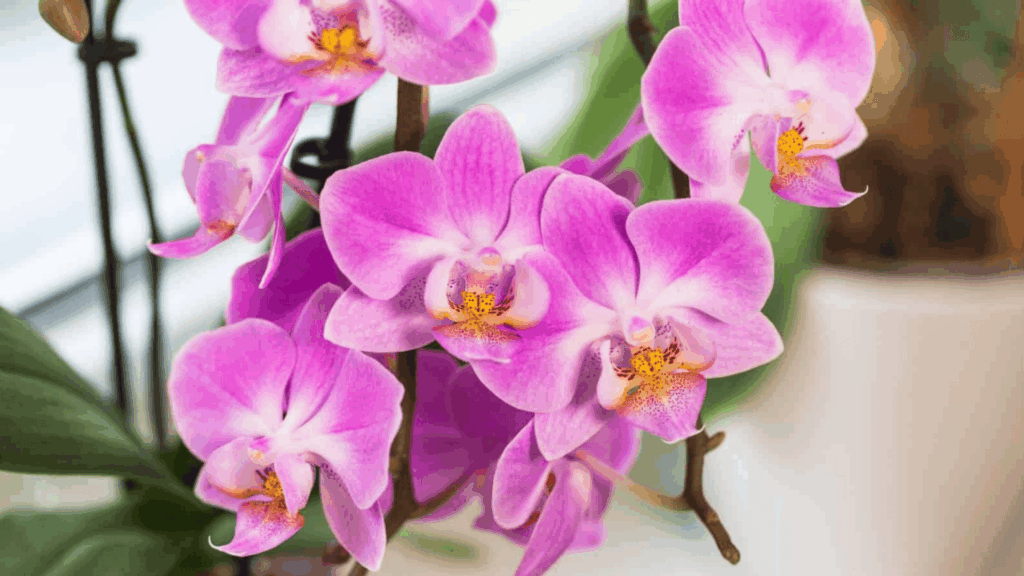
Phalaenopsis orchids prefer low to medium light and grow best in bright, indirect sunlight.
In nature, they grow under tree canopies, which block strong sun but allow steady light. Indoors, an east-facing window or a bright room with filtered light works well.
Direct sunlight can burn their soft leaves, while very low light often leads to slow growth and no blooms.
Medium green leaves usually mean the light level is right. Dark green leaves may signal low light, while yellowing can mean too much sun.
2. Cattleya Orchids
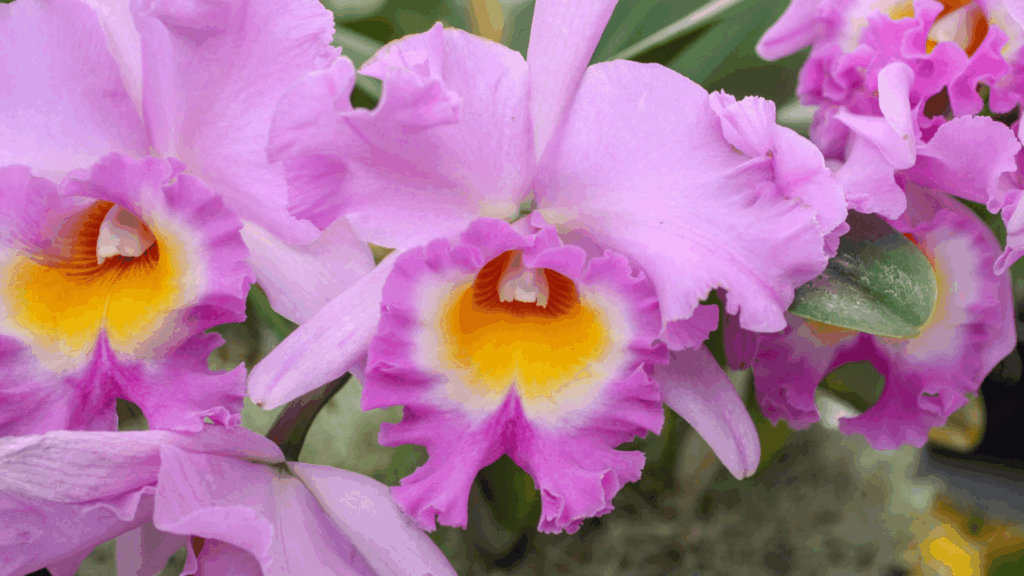
Cattleya orchids need more light than many common house orchids. They prefer bright light and can handle some gentle direct sun, especially during the morning hours.
A south or west-facing window can work if the light is softened with a sheer curtain.
When light levels are too low, Cattleyas may grow strong leaves but fail to bloom.
Their leaves are often lighter green than other orchids, which is normal. Strong light supports flower production and healthy growth.
3. Dendrobium Orchids
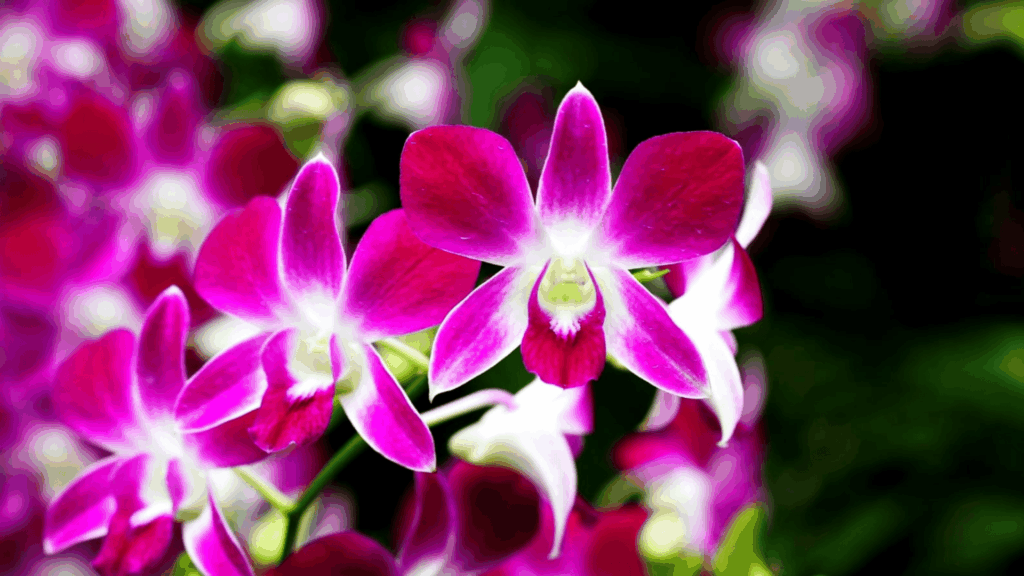
Dendrobium orchids enjoy medium to bright light, though exact needs vary by variety.
Most types do best with bright, indirect light and a short period of morning sun. East-facing windows or lightly shaded south windows are good choices.
If the light is too low, growth may become weak, and flowering may stop. Too much sun can cause yellowing or dry patches on leaves.
Checking leaf color and growth speed helps you adjust light before damage occurs.
4. Oncidium Orchids
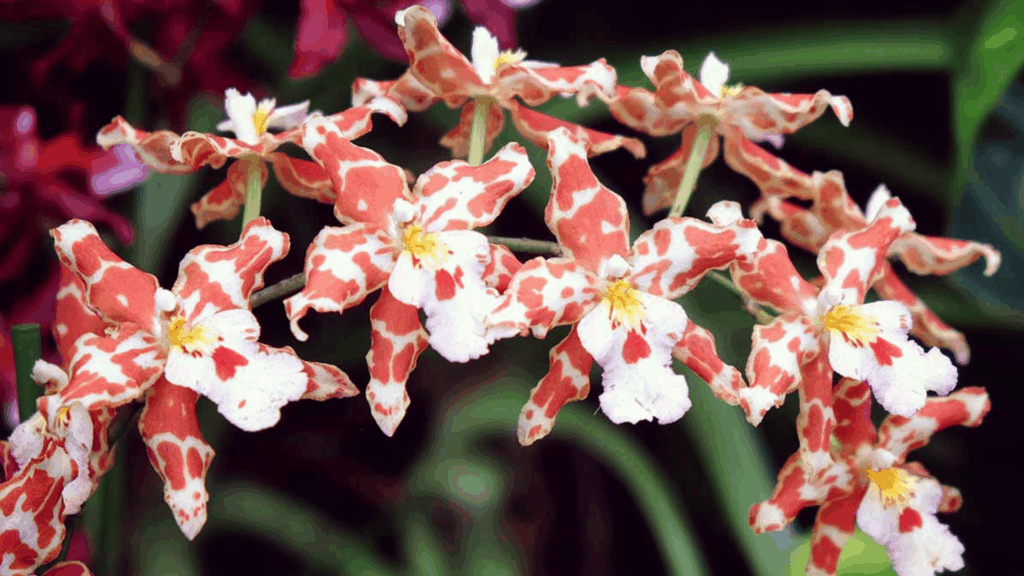
Oncidium orchids prefer bright light but usually struggle with strong afternoon sun.
They grow well near east-facing windows or south-facing windows with filtered light. These orchids often show light stress quickly, which makes them easier to adjust.
Leaves may wrinkle or fold if the light is too low. Yellowing leaves can mean too much sun.
Consistent, bright light helps Oncidiums grow strong roots, steady leaves, and frequent blooms throughout the year.
Tips for Providing the Right Light for Orchids
Small changes in placement and timing can make a big difference. These practical tips help you adjust the light without stressing your plant.
- Place orchids near east-facing windows for gentle morning light
- Use sheer curtains to soften strong sunlight from south or west windows
- Keep orchids a few feet back from windows with harsh afternoon sun
- Watch leaf color and adjust light if leaves turn very dark or yellow
- Rotate the plant every few weeks for even light exposure
- Move orchids closer to windows in winter when daylight is weaker
- Shift orchids away from direct sun in summer to prevent leaf burn
- Avoid sudden light changes, which can stress the plant
- Use grow lights if natural light is limited, especially in darker rooms
Conclusion
Getting orchid light right does not have to feel confusing. Most orchids grow best with bright, indirect light, steady placement, and small seasonal changes.
Paying attention to leaf color, growth speed, and blooming habits gives you clear clues about what your plant needs.
If something looks off, a simple move closer to or farther from a window can make a real difference.
Orchids respond slowly, so patience matters just as much as placement. Once you start observing your orchid instead of guessing, caring for it feels easier and more rewarding.
Every home is different, and learning what works in your space takes time.
If you have found a good window spot or faced light issues, share your experience in the comments to help others.