

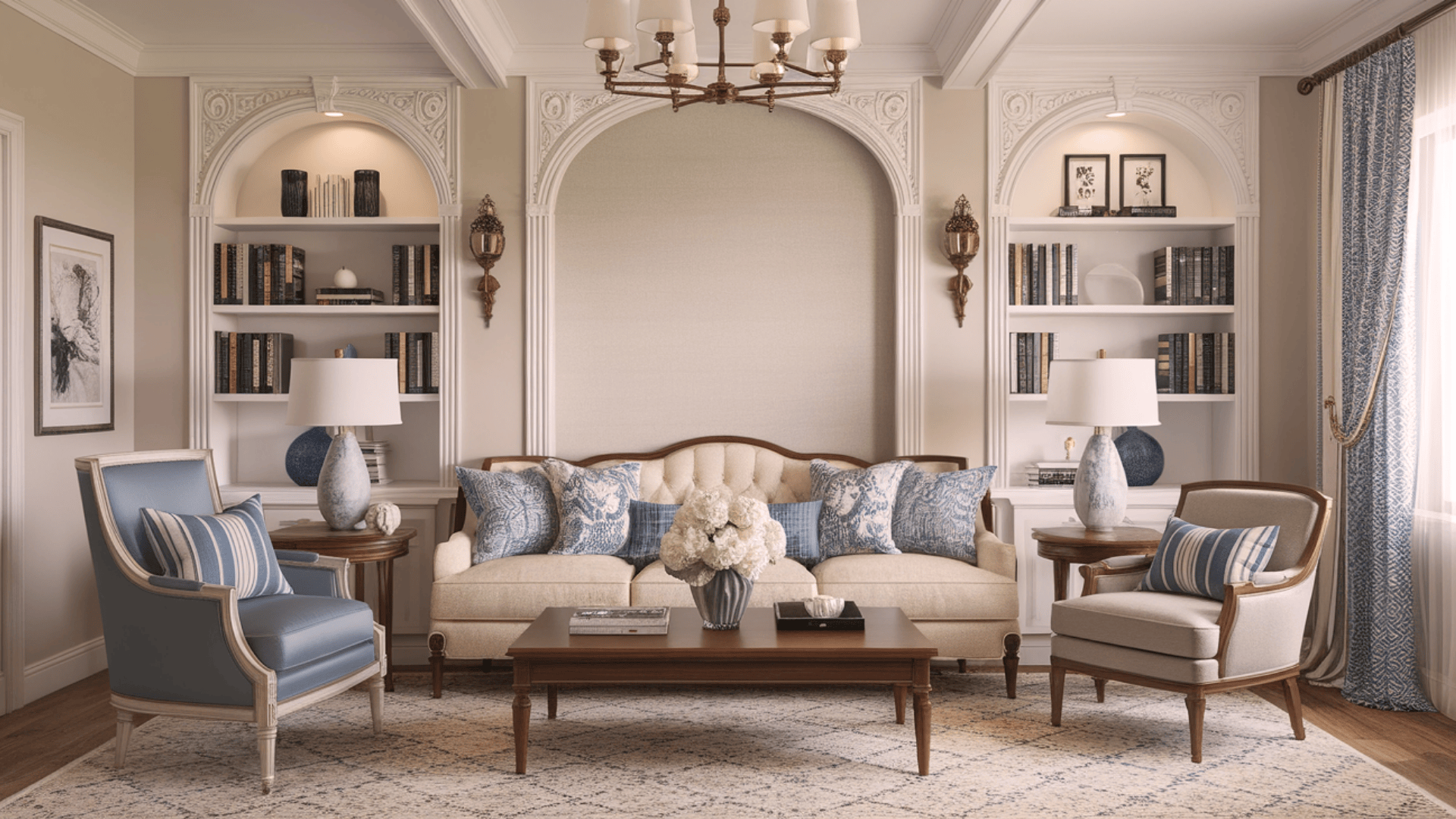
When it comes to home decor, different types of interior design styles can feel confusing at first, and I know that from experience.
I used to look at homes online and wonder why some felt right while others did not. Interior design styles are simply different ways homes are planned and decorated using colors, furniture, and layout choices.
Once you understand these styles, planning your home gets much easier. You stop guessing and make choices that work together.
This saves time, avoids mistakes, and helps you feel more sure about your space.
In this guide, I shared interior design styles in a clear and simple way. I have also explained what makes each style different and how it looks in real homes.
By the end, you will know which styles fit your taste and how to use them in your own space.
Why Interior Design Styles Matter?
Interior design styles matter because they shape how your home looks and how it feels to live in every day. A clear style helps your space feel put together instead of random.
When you know your style, it becomes easier to choose furniture that fits the room and works well together.
Colors also make more sense, since you are not guessing what will match.
This helps you avoid buying items that feel out of place later. Interior design styles also make decorating decisions simpler.
Instead of feeling stuck, you have a clear direction to follow. This saves time and reduces stress during planning. Most importantly, a defined style helps your home feel comfortable and personal.
A clear style creates balance, guides furniture and color choices, and makes decorating easier.
When everything works together, your home feels more organized and easier to enjoy.
Popular Interior Design Styles You Should Know
Popular interior design styles shape how a home looks and feels every day. Knowing the basics of each style makes it easier to choose what fits your space and lifestyle.
1. Modern
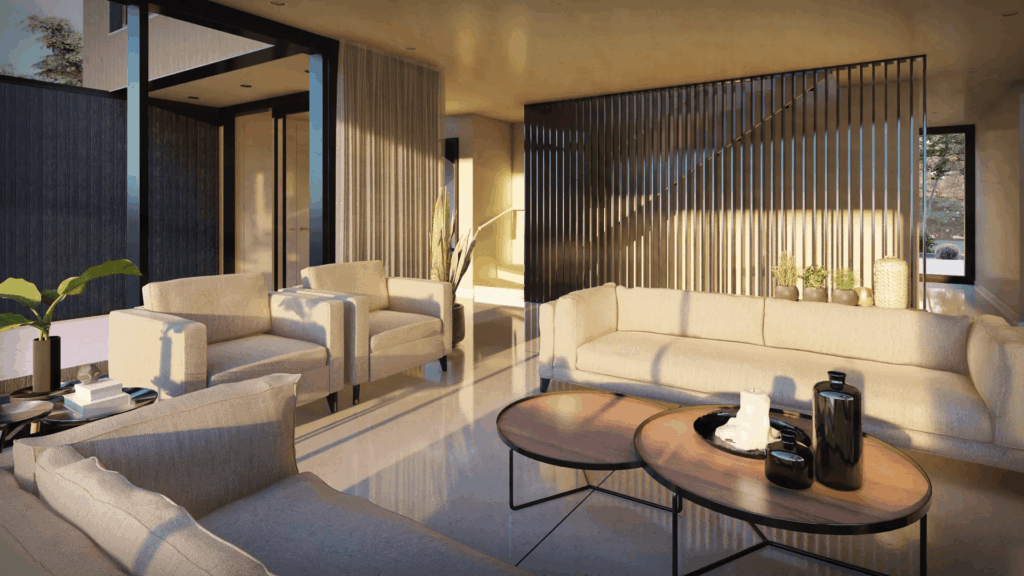
Modern interior design focuses on keeping spaces clean, calm, and easy to live in.
This style values order and simplicity, creating rooms that feel open and uncluttered. Layouts feature clear walking paths with very little visual noise.
Furniture often sits low and feels structured, which helps rooms look balanced.
This style suits those who prefer a neat home without excess decor and works well for busy lifestyles where ease, function, and comfort matter most.
Key features:
- Use of glass, metal, and smooth wood
- Simple lighting with clean fixtures
- Flat surfaces with little to no detailing
2. Contemporary
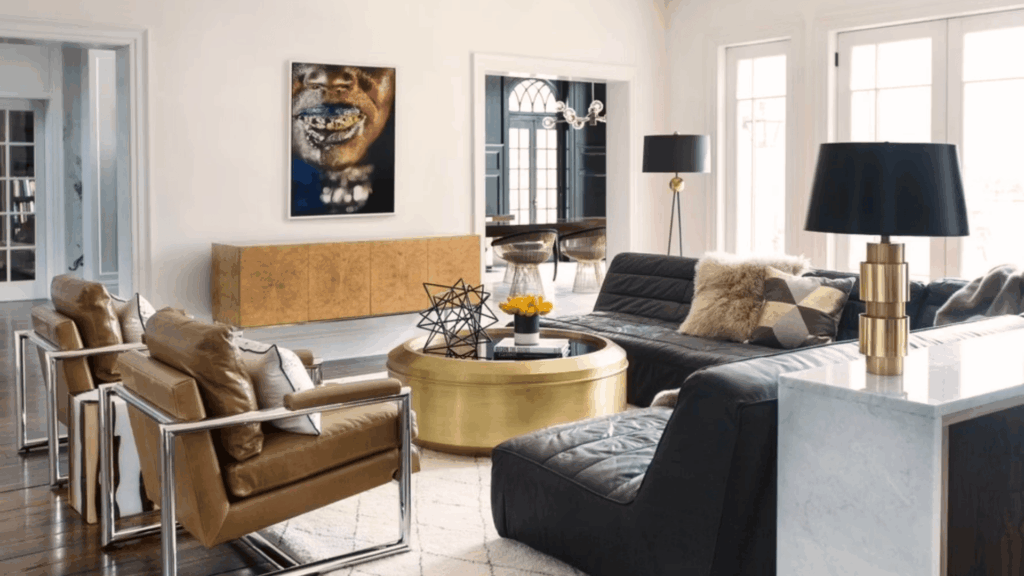
Contemporary interior design reflects what feels current and fresh today. This style changes over time, which makes it flexible and easy to update.
Spaces often feel open and relaxed, with a mix of textures that add interest without clutter.
Furniture looks comfortable but is still clean in form. This style works well if you like staying updated with trends but do not want your home to feel dated too quickly.
It allows room to adjust pieces as your taste changes.
Key features:
- Mix of smooth and textured finishes
- Neutral base with subtle contrast tones
- Statement lighting or accent pieces
3. Minimalist
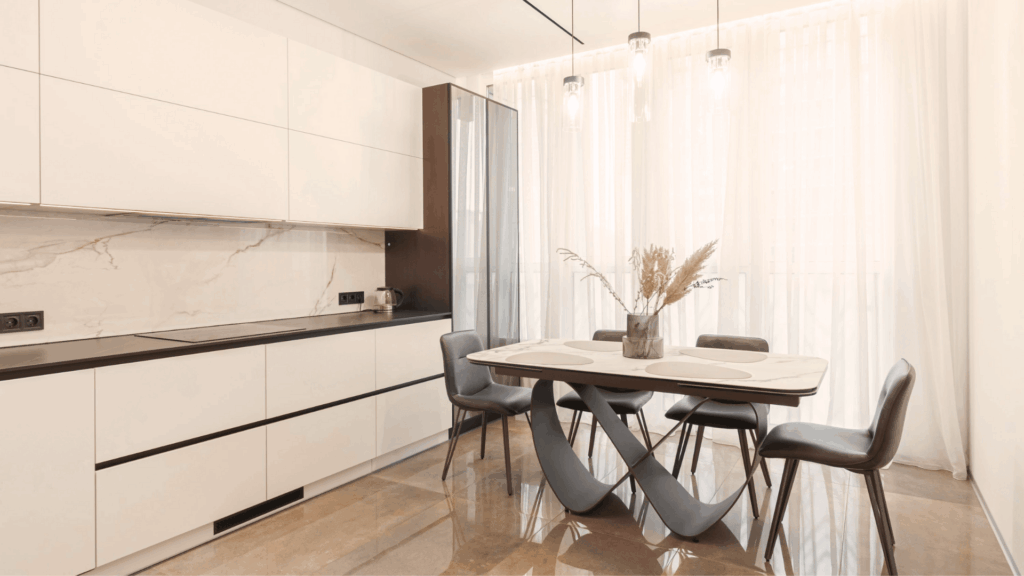
Minimalist interior design focuses on living with less and keeping only what you truly need.
This style feels calm because there is nothing extra to distract the eye. Every item in the room serves a clear purpose, which helps create order.
Storage plays a big role, keeping things out of sight and spaces tidy.
This style suits people who enjoy quiet, simple surroundings and want their home to feel easy to manage and stress-free.
Key features:
- Limited furniture pieces
- Hidden or smart storage solutions
- Simple decor with clean finishes
4. Traditional
Traditional interior design is rooted in classic home layouts and long-standing decor rules. This style feels familiar and steady, which helps spaces feel welcoming and comfortable.
Rooms usually follow a clear structure, with furniture arranged in a balanced and orderly way.
Patterns, fabrics, and finishes appear rich without drawing too much attention.
This style works well for those who enjoy consistency and prefer designs that do not change often, creating a home that feels settled and easy to recognize.
Key features:
- Symmetrical room layouts
- Detailed woodwork and trim
- Rich fabrics like silk or velvet
5. Transitional
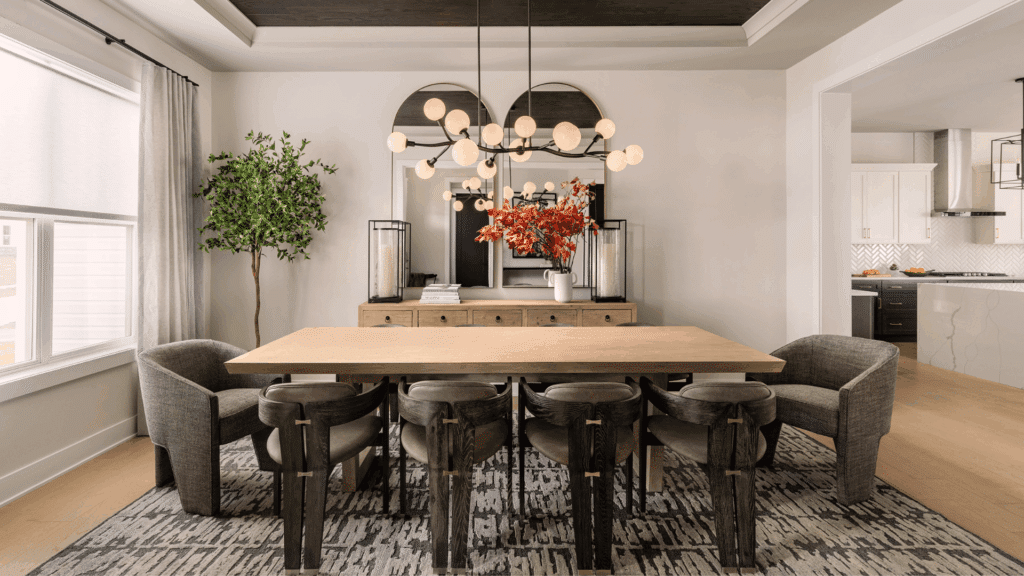
Transitional interior design blends old and new in a way that feels balanced and relaxed. I like this style because it avoids extremes and feels easy to live with.
The space does not feel too formal or too casual, which makes it appealing to many homeowners.
Furniture shapes feel soft, and the overall look stays neutral.
This style is a good choice if you want something classic but still fresh. It allows flexibility while keeping the home looking pulled together.
Key features:
- Mix of classic and modern pieces
- Soft curves and clean finishes
- Calm, neutral color tones
6. Scandinavian
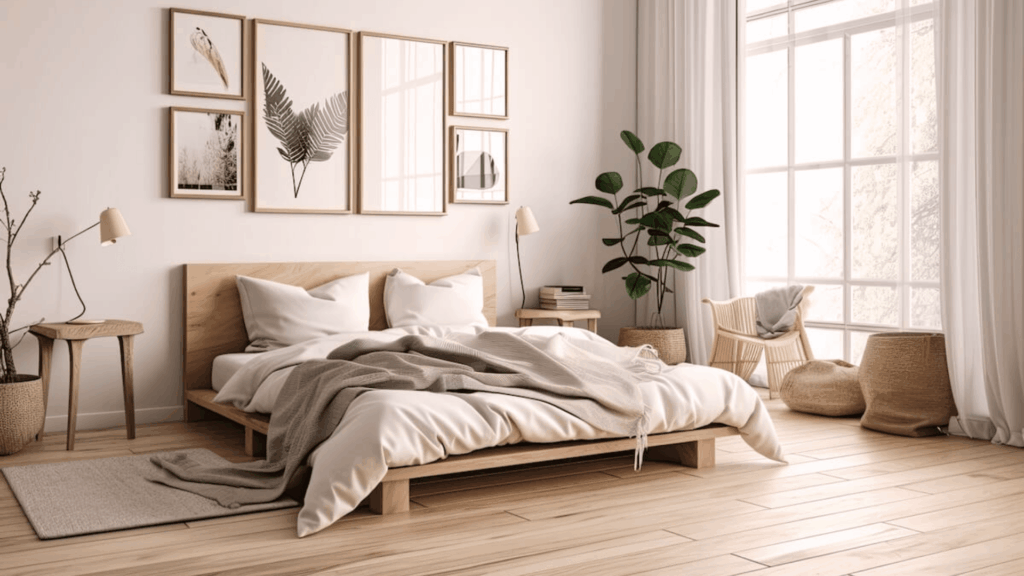
Scandinavian interior design focuses on comfort, simplicity, and everyday use.
This style helps homes feel warm without feeling heavy or crowded. Rooms often feel bright and welcoming, even in smaller spaces.
Furniture is practical and well placed, which keeps the layout open and easy to move through.
Light colors and simple materials support daily living without visual clutter. This style works well for those who want a simple home that still feels cozy and inviting.
Key features:
- Light wood tones and pale colors
- Simple furniture with comfort in mind
- Natural light as a design focus
7. Industrial

Industrial interior design is inspired by old factories and open workspaces. This style often feels raw and unfinished, which gives it a strong and bold character.
Spaces usually feel open, with fewer walls and a clear focus on structure.
Furniture looks sturdy and practical, helping the room feel grounded.
This style suits those who prefer bold interiors that feel different from traditional homes and works well in lofts or spaces with high ceilings and open layouts.
Key features:
- Exposed brick, pipes, or concrete
- Metal and reclaimed materials
- Open floor plans
8. Farmhouse
Farmhouse interior design creates a relaxed and welcoming home atmosphere focused on comfort and everyday living.
Rooms feel open and lived-in without appearing messy or cluttered. Furniture is simple and sturdy, which helps the space feel practical and easy to use.
Layouts support daily routines and shared family time.
This style works well for families or anyone who wants a warm, easygoing home that feels friendly, comfortable, and not overly formal.
Key features:
- Wood accents and simple finishes
- Large, practical furniture pieces
- Open shelving and casual layouts
9. Rustic
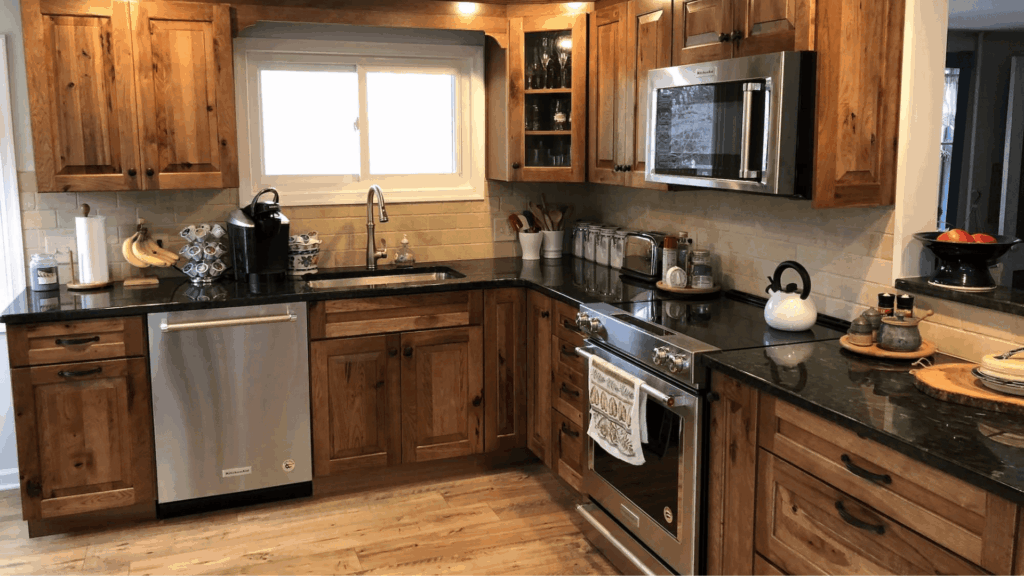
Rustic interior design brings a natural and grounded feel to the home.
This style often feels calm and steady, using materials that appear aged or worn.
Spaces feel warm without relying on heavy decoration or excess detail. Furniture is usually solid and built to last, which adds to the relaxed and comfortable atmosphere.
Natural textures and earthy tones help create a space that feels strong, welcoming, and closely connected to nature.
Key features:
- Rough wood and stone elements
- Earth-toned color palette
- Natural textures and finishes
10. Bohemian
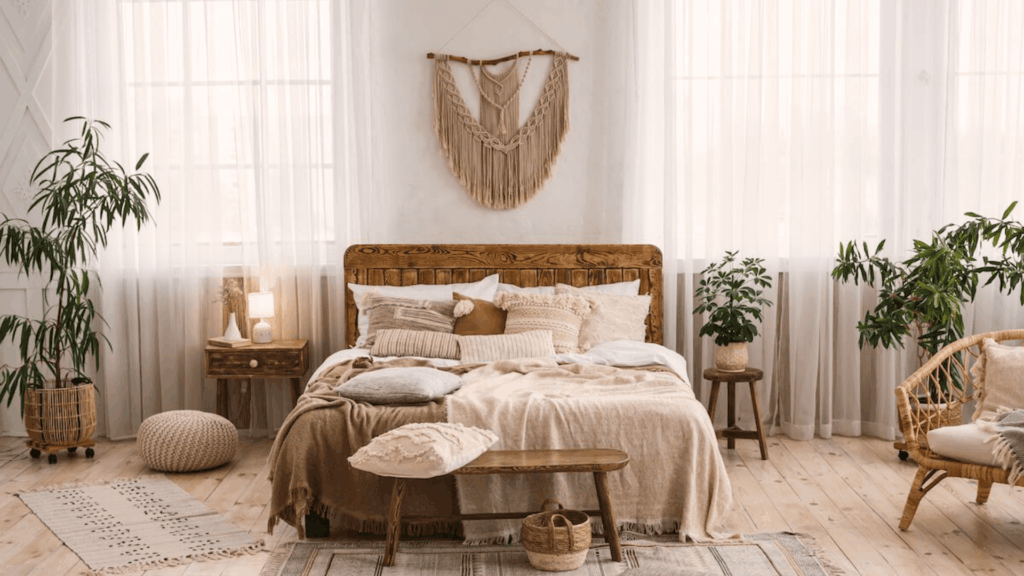
Bohemian interior design feels relaxed and personal, with no strict rules to follow. I often see this style reflect the homeowner’s taste and life experiences.
Spaces feel casual and layered, allowing different items to live together without looking forced.
The focus is on comfort and self-expression rather than matching everything perfectly.
This style works well if you enjoy mixing ideas and want your home to feel lived-in and free. It allows creativity without pressure or structure.
Key features:
- Mixed patterns and textures
- Collected personal decor items
- Relaxed and informal layouts
11. Mid-Century Modern
Mid-century modern interior design is known for its clean look and lasting appeal. This style feels balanced and well planned without feeling heavy or crowded.
Furniture features smooth, intentional shapes that help rooms stay open and organized.
Layouts support easy movement and clear structure. This style works well in both small and large spaces and mixes easily with other designs.
It suits those who prefer simple interiors with a strong sense of purpose and order.
Key features:
- Tapered legs on furniture
- Simple geometric forms
- Warm wood tones
12. Coastal
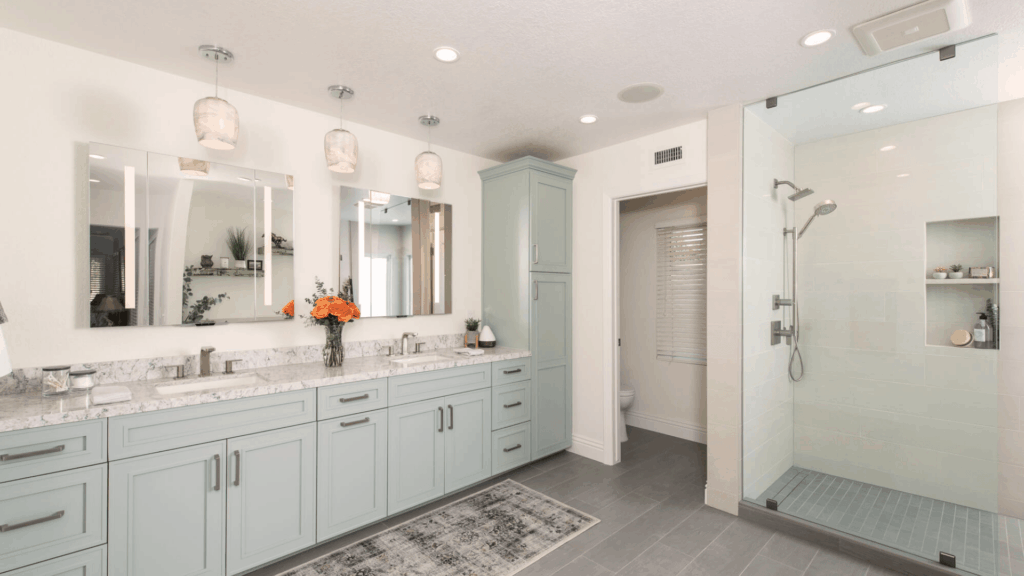
Coastal interior design creates a light and relaxed home environment that feels open and easygoing.
Spaces often feel fresh and uncluttered, which helps the home stay calm and comfortable. Rooms are arranged to support natural movement and everyday comfort rather than formality.
Simple layouts and soft colors keep the space feeling breathable.
This style works well for those who want a peaceful home that feels relaxed without looking themed or overly styled.
Key features:
- Soft blue and white color schemes
- Natural fabrics like linen
- Open and breezy room layouts
13. Mediterranean
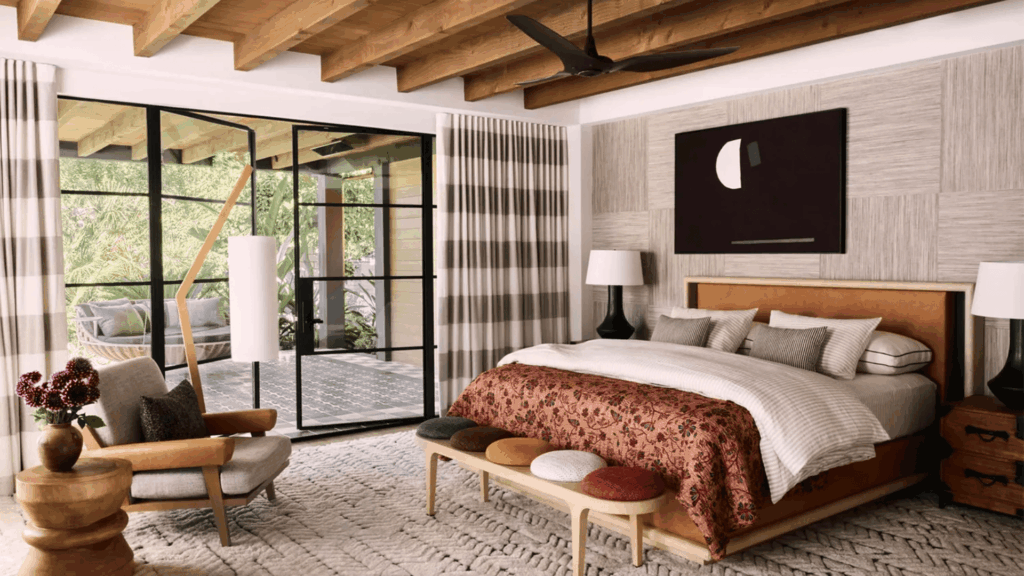
Mediterranean interior design draws from homes found in southern Europe.
I often notice this style feels relaxed but well-grounded. Rooms feel open and connected, which helps the home feel welcoming.
Furniture placement supports easy movement and casual gatherings. This style works well in warm climates or homes that get plenty of natural light.
It suits people who enjoy a lived-in look that feels steady and comfortable rather than polished or strict.
Key features:
- Arched doorways and curved details
- Textured walls or plaster finishes
- Warm, sun-inspired color tones
14. French Country
French Country interior design blends comfort with a soft, lived-in feel. This style creates spaces that feel welcoming without looking formal or stiff.
Rooms feel relaxed but thoughtfully arranged, which makes them easy to enjoy every day. Furniture often appears gently worn, adding warmth and comfort to the space.
Soft colors and practical accents help the home feel familiar and inviting while still looking neat and put together.
Key features:
- Soft, muted color palettes
- Mix of old and new furnishings
- Decorative but practical accents
15. Shabby Chic
Shabby chic interior design focuses on comfort and a gentle, relaxed look.
I often notice this style feels calm and personal, with spaces that do not try to look perfect. Rooms feel soft and easygoing, making them comfortable for daily use.
This style works well for people who enjoy a casual home with character.
It allows imperfections and wear to be part of the design rather than something to hide.
Key features:
- Light colors with worn finishes
- Vintage-inspired furniture
- Soft fabrics and layered textiles
16. Art Deco
Art Deco interior design feels bold and structured, with a strong sense of order and clarity.
This style makes spaces feel confident and well defined through clear shapes and strong visual balance. Rooms often feel polished without becoming overwhelming, thanks to intentional layouts and clean lines.
Furniture feels solid and carefully placed, which helps the room stay balanced.
This style works well for those who enjoy a put-together look with a slightly dramatic feel that still supports daily living.
Key features:
- Geometric patterns and shapes
- Glossy finishes and smooth surfaces
- Bold accent colors
17. Hollywood Regency
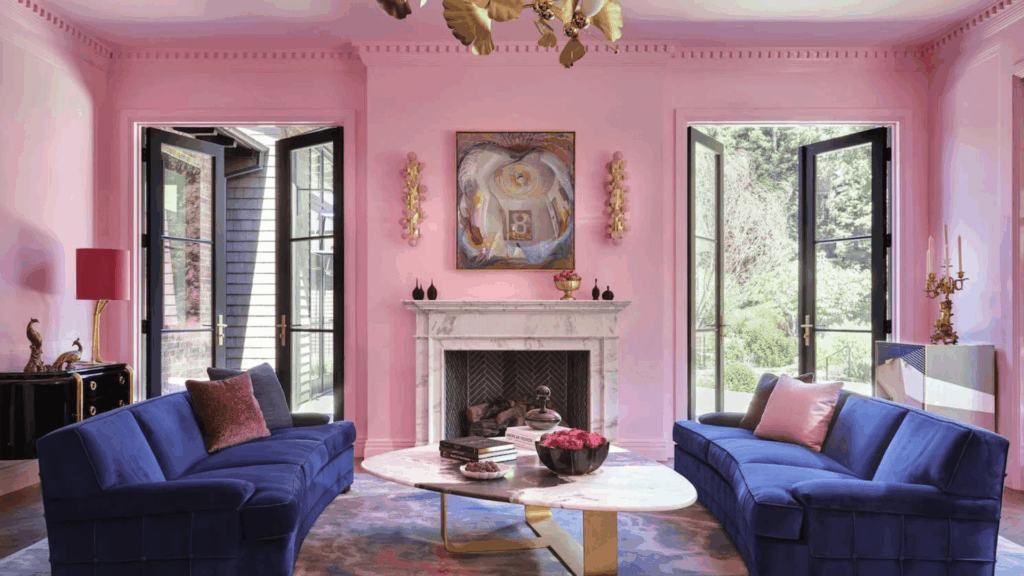
Hollywood Regency interior design brings a polished and confident feel to a space. This style often feels neat and well planned, with a strong focus on visual impact.
Rooms are carefully arranged to look refined without feeling stiff or formal.
Furniture placement feels intentional, which gives the space a clear presence.
Bold contrasts, clean lines, and thoughtful accents help create a stylish home that still feels comfortable and easy to live in.
Key features:
- High-contrast color combinations
- Statement mirrors or metallic accents
- Sleek, structured furniture
18. Asian Zen
Asian Zen interior design focuses on calm, balance, and simplicity to create a peaceful home environment. The style helps spaces feel open and uncluttered, which reduces visual stress and supports relaxation.
Rooms are arranged to feel light and easy to move through. Furniture placement encourages smooth movement and quiet use of the space.
Natural materials and neutral tones help maintain a steady, calm feel.
This style works well for those who want a home that feels peaceful, organized, and easy to maintain.
Key features:
- Natural materials like bamboo or wood
- Low-profile furniture
- Neutral and earthy color tones
19. Cottage
Cottage interior design feels warm, relaxed, and easy to live in, creating a soft and welcoming mood.
The style focuses on comfort and simplicity, helping spaces feel calm and familiar. Rooms often feel gentle and unforced, which makes them pleasant for everyday use.
Furniture placement supports conversation and comfort rather than formality.
Light colors, simple patterns, and casual layouts help the home feel cozy without looking heavy or overdone.
Key features:
- Soft color palettes
- Comfortable, casual furniture
- Simple patterns and textures
20. Urban Modern
Urban modern interior design reflects city living and open spaces.
This style feels clean and structured, while still feeling livable. Rooms feel open and efficient, making good use of available space.
Furniture placement supports movement and daily routines.
This style works well in apartments or lofts and suits people who like a clean look without feeling cold or empty.
Key features:
- Sleek furniture with clean lines
- Neutral colors with bold accents
- Efficient use of space
21. Victorian
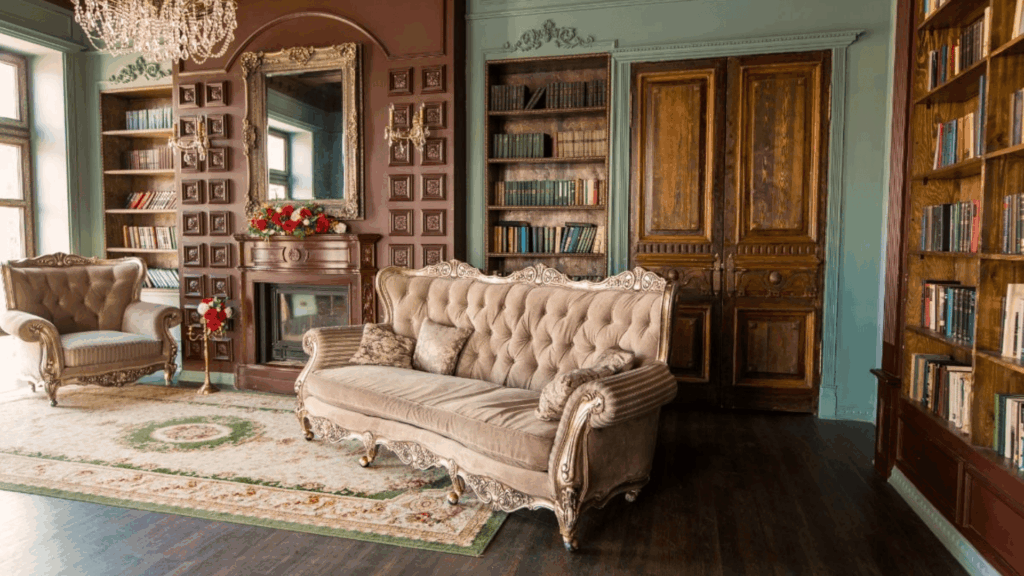
Victorian interior design reflects homes from the late 19th century and features a detailed, structured look.
Rooms often feel full and well defined, with layered elements that create clear zones for different uses. Furniture placement tends to be formal, which adds a strong sense of order to the space.
Decorative details and rich finishes give the home a settled, intentional feel.
This style works well for those who enjoy classic homes with history and prefer a more decorated interior.
Key features:
- Ornate furniture and detailing
- Rich colors and patterned fabrics
- Decorative trims and molding
22. Southwestern
Southwestern interior design is inspired by desert landscapes and regional culture.
This style feels grounded and relaxed, with spaces that stay open and casual. Rooms often feel warm and welcoming, which makes them comfortable for everyday living.
Furniture placement supports easy movement and encourages social gathering areas.
Earthy colors and natural materials help create a relaxed, easygoing home that feels comfortable rather than polished or formal.
Key features:
- Warm earth-tone colors
- Natural materials like clay or wood
- Regional patterns and accents
23. Craftsman
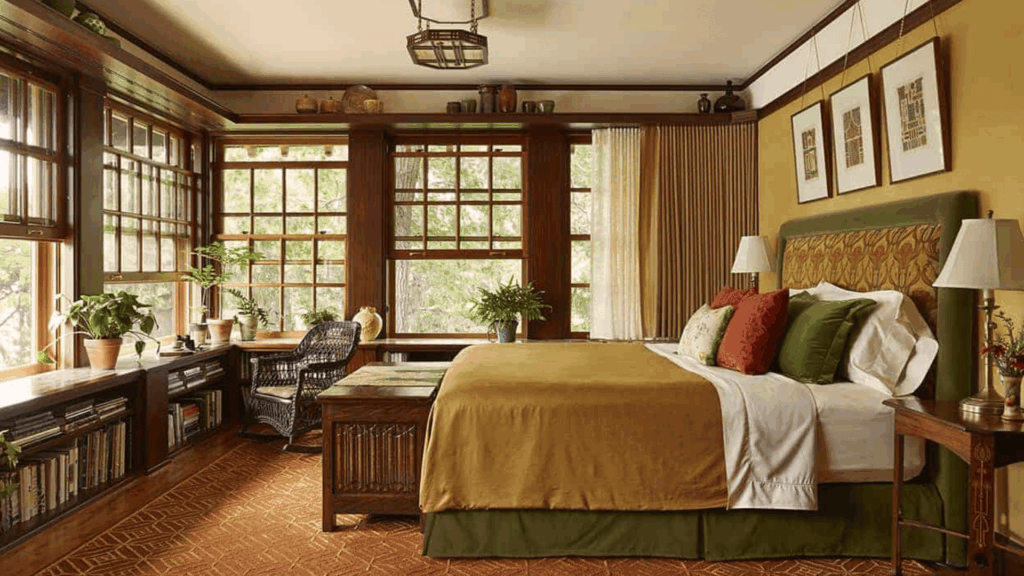
Craftsman interior design focuses on solid construction and thoughtful details that support everyday living.
This style feels practical and well planned, with rooms designed for comfort and balance. Spaces feel easy to use, with layouts that support daily routines and long-term needs.
Furniture placement feels intentional and functional rather than decorative.
Quality materials play a key role, helping the home feel sturdy and dependable while remaining comfortable for regular use.
Key features:
- Built-in furniture or shelving
- Exposed wood details
- Simple, functional layouts
How to Choose the Right Interior Design Style?
Choosing the right interior design style starts with understanding your space. The size and layout of your home play a big role in what will work well.
Small rooms often feel better with simple layouts, while larger spaces can handle more detail. Your daily habits also matter.
Think about how you live, relax, and move through your home. Comfort should always come first.
Budget is another key factor. Some styles need more upkeep, while others are easier to manage over time. It helps to choose a style you can maintain without stress.
Inspiration is useful, but copying a space exactly rarely works. Use ideas as a guide, then adjust them to fit your needs.
Your space should match your lifestyle, fit your budget, and feel easy to live in.
When the style supports your routine, your home feels right.
Tips to Update Your Home’s Interior Style
Small updates can make a big difference without turning your home upside down. A few smart changes help refresh your space and make it feel more put-together.
- Start with small changes: Swap throw pillows, rugs, or wall art to test a new look without a big commitment.
- Focus on color, lighting, and layout: Change paint, improve lighting, or rearrange furniture to improve flow and mood.
- Swap key furniture pieces: Replace one main item, like a sofa or table, to shift the room’s overall feel.
- Use decor to tie the style together: Add matching textures, frames, or accents so the space feels balanced and complete.
Conclusion
Understanding interior design styles makes decorating feel less confusing and more doable.
When you know what each style stands for, it’s easier to spot what you like and skip what does not fit your space or routine.
This knowledge helps you plan better, choose with confidence, and avoid costly mistakes. You do not need to change everything at once. Trying one style at a time lets you see what works before moving forward.
Even small updates can help your home feel more put-together and comfortable.
Use this guide as a starting point, not a rulebook. Take what makes sense for you and leave the rest.
If you have already tried a style or are planning a refresh, I would love to hear about it. Share your experience or ideas in the comments below and join the conversation.