

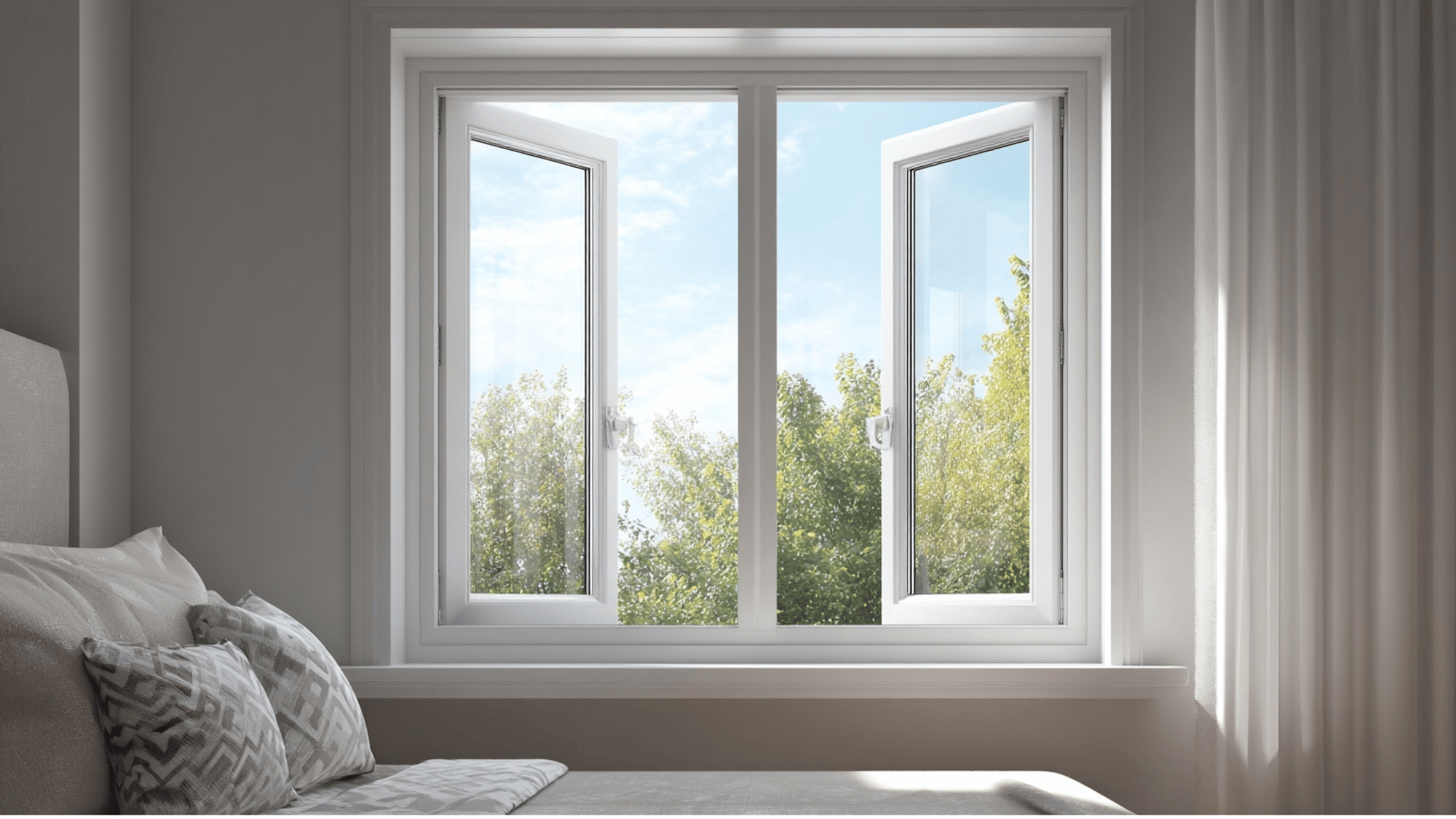
Looking at houses these days? Windows matter more than most people think.
They let in light. They keep out the noise. They make a room feel bigger or smaller. And honestly, they can make or break a home’s look from the outside.
Modern homes need modern windows. But which ones? There’s casement, double-hung, sliding, picture windows; the list goes on. Each type works differently and fits different spaces.
Some open wide for fresh air. Others stay sealed tight for energy savings. A few are just there to frame a view. This blog breaks down all window types that actually work in today’s homes. No fluff, just what matters.
Window Types by Material: Wood vs. Vinyl vs. Fiberglass
Material choice affects everything: price, maintenance, lifespan, and how a window looks.
Wood windows bring warmth and classic style. They’re strong, insulate well, but need regular upkeep. Paint peels. Wood rots if ignored. Still, many homeowners love the natural look.
Vinyl is the budget-friendly pick. Low maintenance, won’t rust or rot, and handles moisture like a champ. The downside? Limited colors, and it can warp in extreme heat.
Fiberglass sits in the middle. Strong as wood, low maintenance like vinyl. It expands and contracts with temperature changes without cracking. Costs more upfront but lasts longer.
Each material suits different needs and budgets.
Essential Window Types Every Homeowner Needs
Not all windows serve the same purpose. Some prioritize ventilation, others focus on views or energy efficiency. Knowing the basics helps make smart choices for any room.
1. Double-Hung Windows
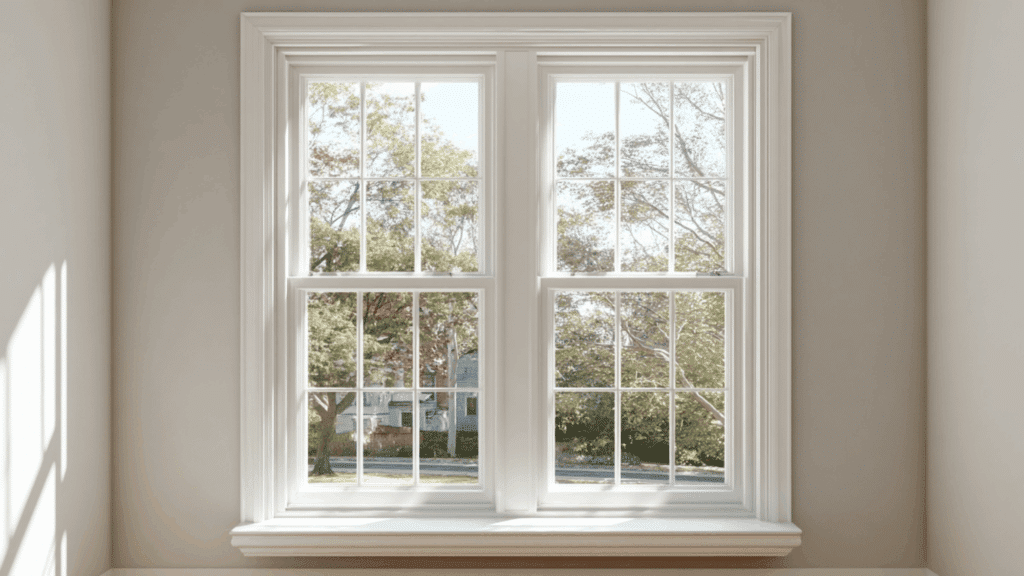
Double-hung windows feature two vertically sliding sashes that operate independently, allowing controlled airflow from the top, bottom, or both.
This design improves ventilation, helps regulate indoor temperature, and enhances comfort. Their classic appearance suits traditional and modern homes alike.
Many models tilt inward, simplifying cleaning. Double-hung windows are versatile, energy-efficient when sealed properly, and ideal for rooms requiring flexible ventilation options.
2. Single-Hung Windows
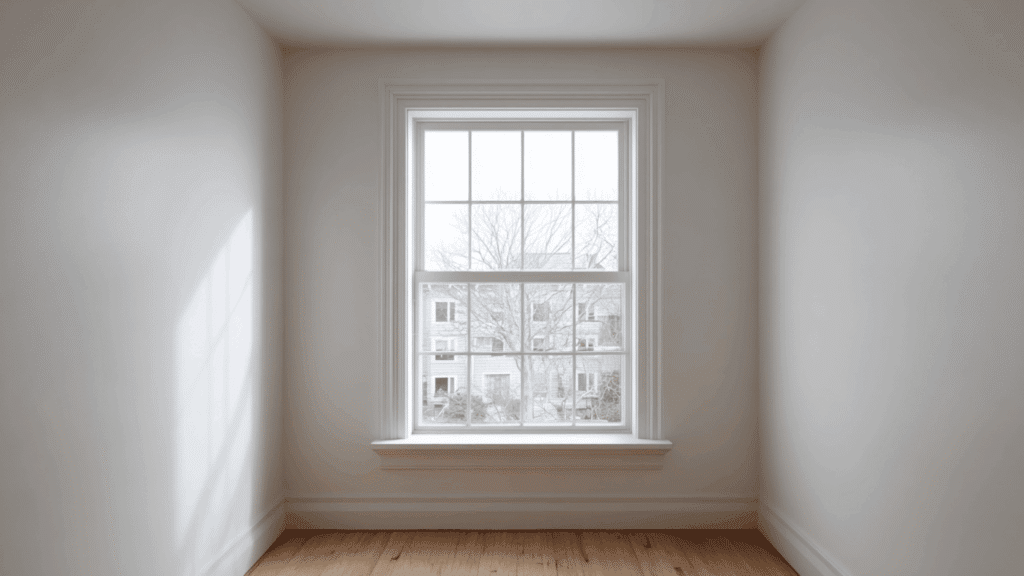
Single-hung windows have a fixed upper sash and a movable lower sash that slides upward. This simple construction makes them cost-effective and easy to maintain. They provide basic ventilation while retaining a clean, traditional look suitable for many architectural styles.
Fewer moving parts often mean better durability and lower air leakage. Single-hung windows are popular for homeowners seeking affordability, reliability, and straightforward window functionality.
3. Casement Windows
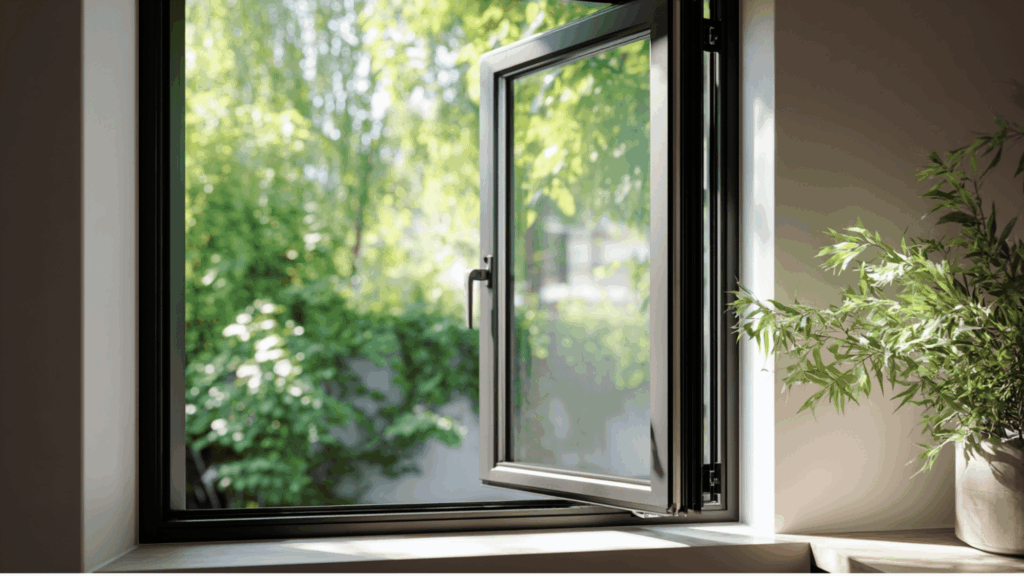
Casement windows are side-hinged and open outward using a hand crank, allowing full ventilation and unobstructed views.
When open, they catch breezes efficiently, directing fresh air indoors. Their tight seal when closed enhances energy efficiency and weather resistance. Casement windows work well in hard-to-reach areas like above sinks.
Their sleek design complements contemporary and transitional architectural styles beautifully.
4. Sliding Windows
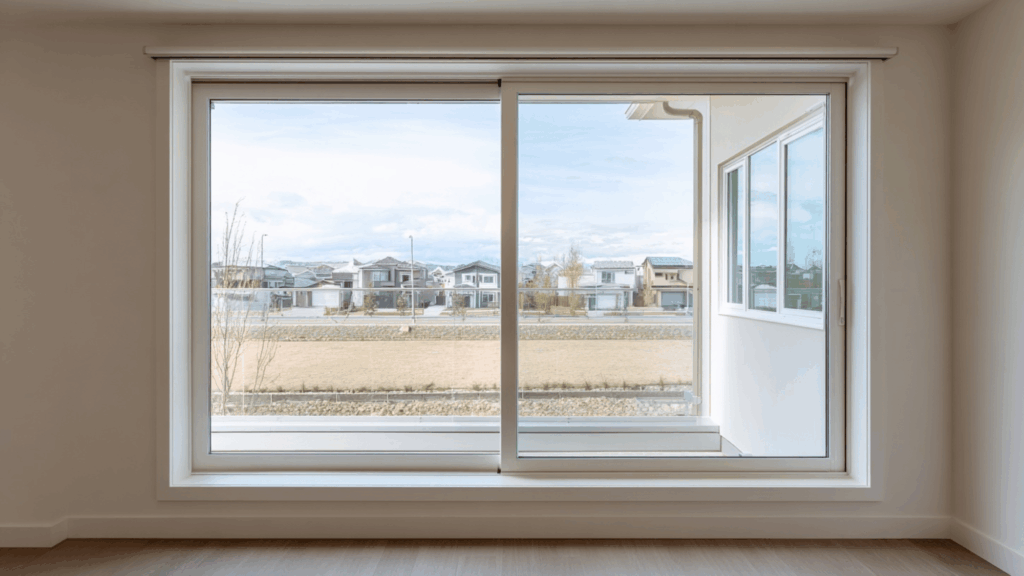
Sliding windows operate horizontally along a track, making them ideal for wide openings and spaces where outward-opening windows are impractical. They provide expansive views, consistent airflow, and easy operation.
With fewer mechanical components, sliding windows are durable and low-maintenance. Their clean lines suit modern homes, apartments, and contemporary renovations, offering a balance of functionality, simplicity, and visual openness.
5. Awning Windows

Awning windows are hinged at the top and open outward from the bottom, forming a protective canopy.
This design allows ventilation even during light rain, making them highly practical. They provide good airflow while maintaining privacy and security.
Often placed higher on walls, awning windows pair well with fixed windows. Their compact form and weather resistance suit bathrooms, kitchens, and basements.
6. Hopper Windows
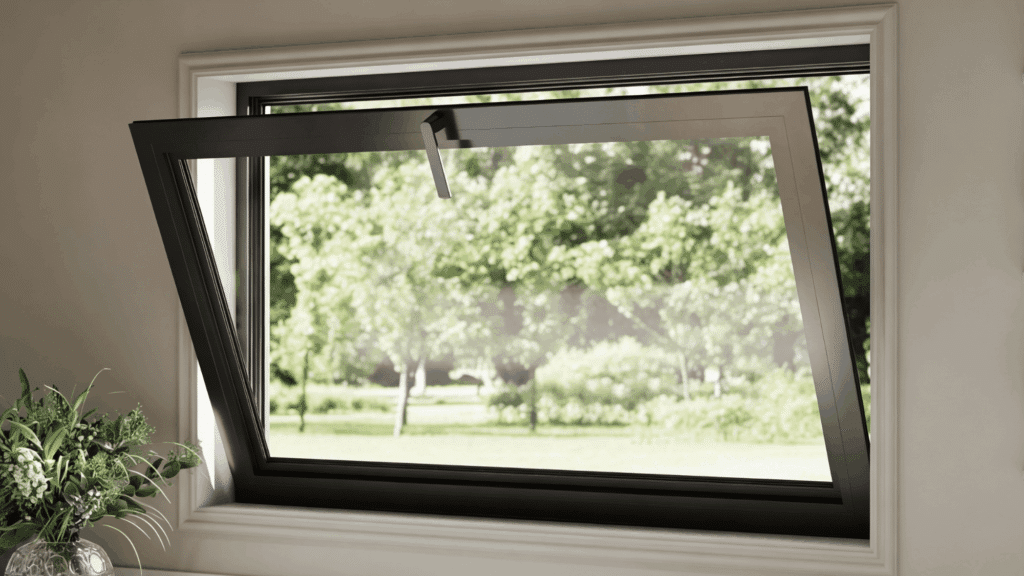
Hopper windows are bottom-hinged and open inward, directing airflow upward into the room.
Commonly used in basements, they offer efficient ventilation in compact spaces. Their inward opening makes them easy to clean from inside the home.
Hopper windows provide good insulation when closed and can enhance security. Their practical design supports airflow while fitting neatly into smaller wall openings.
7. Picture / Fixed Windows
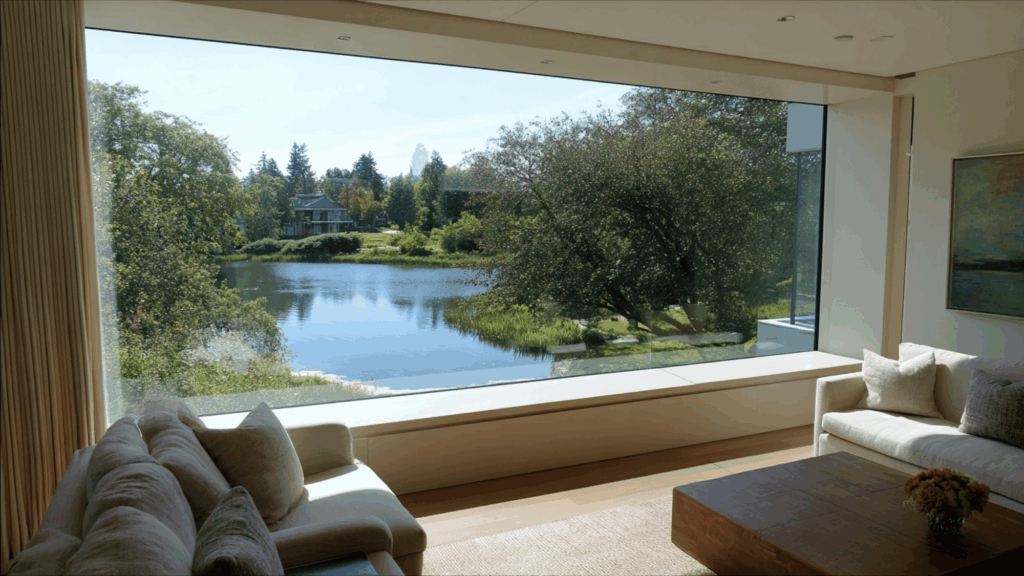
Picture or fixed windows are stationary panes designed to frame views and maximize natural light.
Since they do not open, they provide excellent energy efficiency and weather sealing. These windows create a sense of openness and visual connection with the outdoors.
Often paired with operable windows, picture windows enhance aesthetics while delivering uninterrupted sightlines and abundant daylight to interior spaces.
8. Bay Windows

Bay windows extend outward from the home, typically featuring three panels arranged at angles. This projection creates additional interior space, often used for seating or display areas.
Bay windows allow light to enter from multiple directions, brightening rooms significantly. They add architectural interest and depth to both interiors and exteriors, increasing curb appeal and providing a cozy interior nook.
9. Bow Windows

Bow windows consist of four or more narrow windows arranged in a gentle curve, forming a rounded projection. They provide panoramic views and allow abundant natural light from various angles.
Bow windows create a soft, elegant exterior appearance and enhance interior spaciousness.
Their curved design adds architectural sophistication while offering opportunities for seating, plants, or decorative interior arrangements.
10. Garden Windows
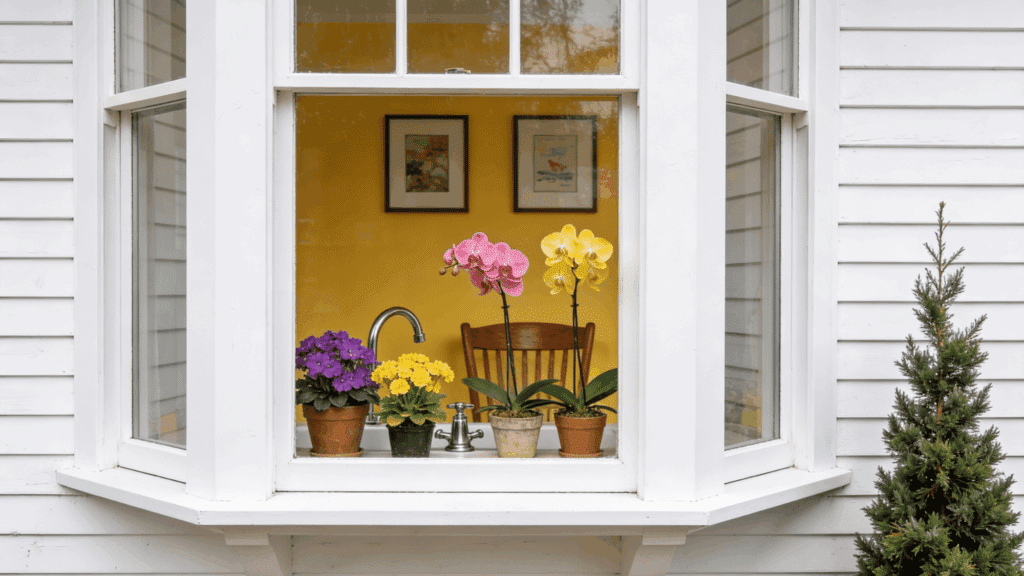
Garden windows project outward like a glass box, creating a mini greenhouse effect. They are ideal for growing herbs, plants, or flowers indoors with ample sunlight.
Typically installed in kitchens, garden windows provide excellent light exposure and ventilation through operable side panels. Their unique structure adds charm, depth, and functionality while connecting indoor spaces with nature-inspired elements.
11. Skylights
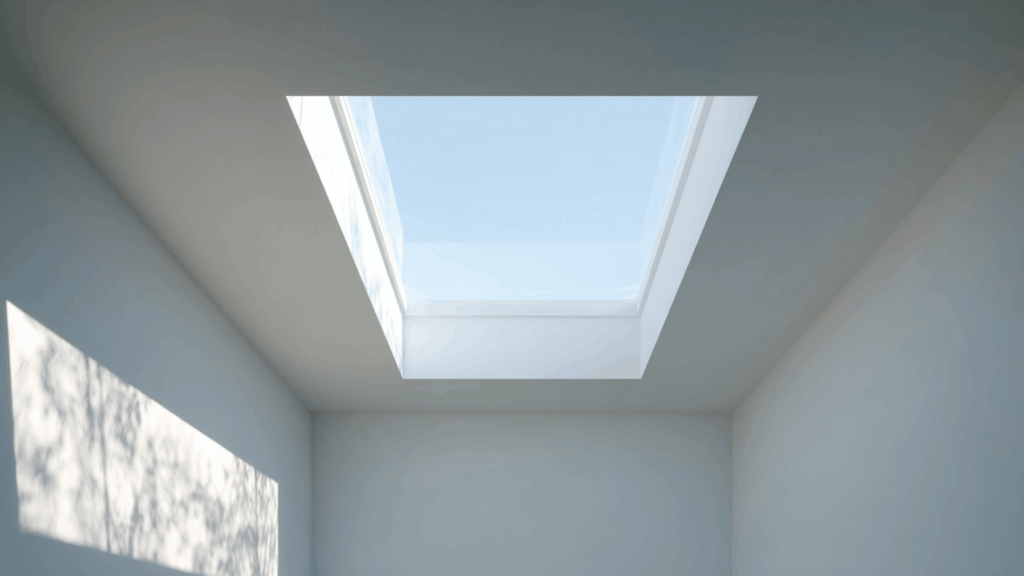
Skylights are installed directly into the roof, delivering natural light from above. They brighten interior spaces that lack wall windows, such as hallways or bathrooms.
Skylights can improve energy efficiency by reducing the need for artificial lighting.
Available in fixed or vented designs, they enhance indoor ambiance, create visual interest, and contribute to a more open, airy feeling.
12. Clerestory Windows
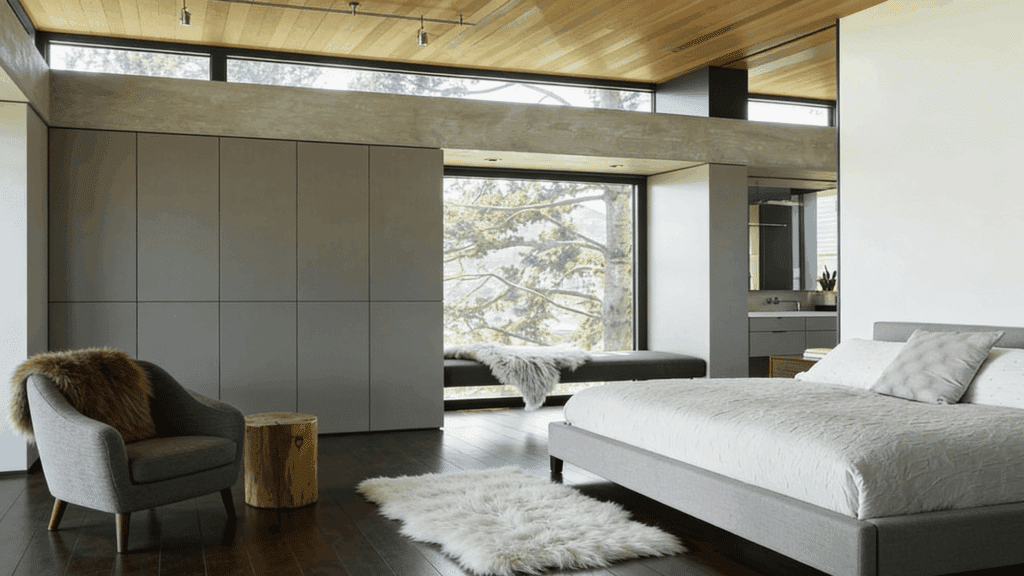
Clerestory windows are narrow, horizontal windows placed high on walls near the ceiling. They allow natural light to enter while preserving privacy and wall space.
Common in modern and energy-efficient homes, clerestory windows enhance daylight distribution and passive solar heating. Their amplified position supports ventilation without compromising security, making them ideal for living areas, bedrooms, and open-plan designs.
13. Dormer Windows
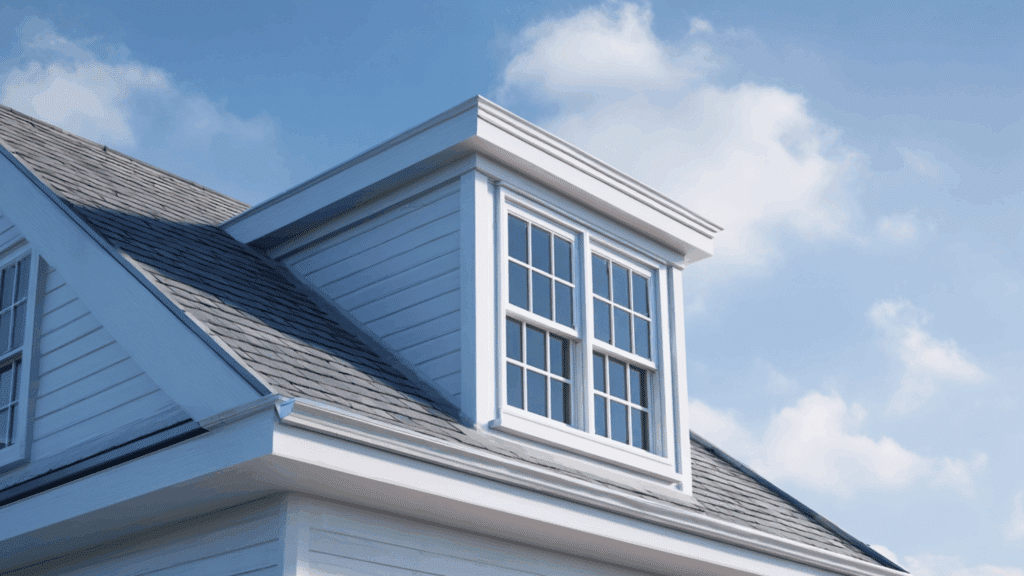
Dormer windows project vertically from a sloped roof, increasing usable attic or loft space. They bring natural light and ventilation into upper levels while adding architectural character.
Dormers can transform dark attic areas into functional rooms.
Available in various styles, they amplify curb appeal and interior comfort, making them a popular choice for home expansions and renovations.
14. Corner Windows
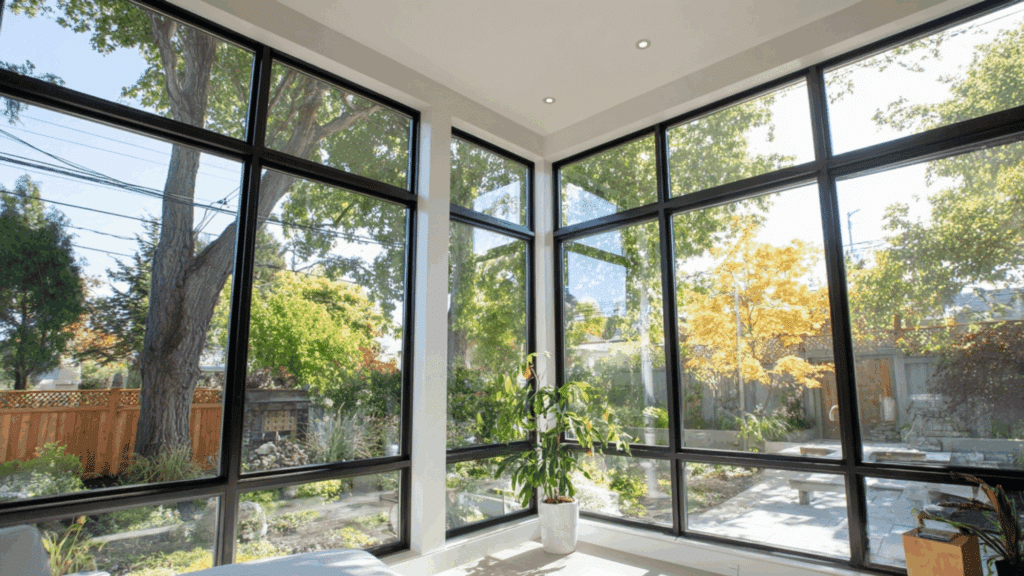
Corner windows meet at a building’s corner without a supporting frame, offering dramatic 180-degree views. They enhance natural light, visual openness, and architectural impact.
Often used in modern designs, corner windows blur the boundary between indoors and outdoors.
Their unique placement creates striking focal points while maximizing scenery, daylight, and a sense of spaciousness within interior living areas.
15. Louvered / Jalousie Windows
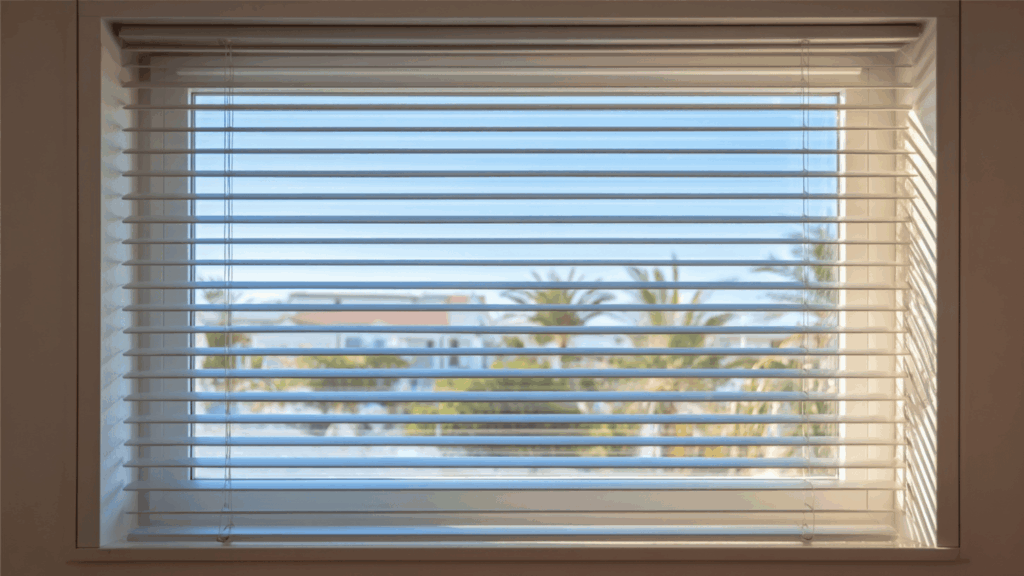
Louvered, or jalousie, windows consist of adjustable horizontal glass slats that open and close simultaneously. They provide excellent ventilation by allowing air to flow freely while offering shade.
Common in warm climates, these windows help regulate indoor temperature. While less airtight than other styles, they are valued for airflow control, simplicity, and distinctive mid-century design appeal.
16. Transom Windows
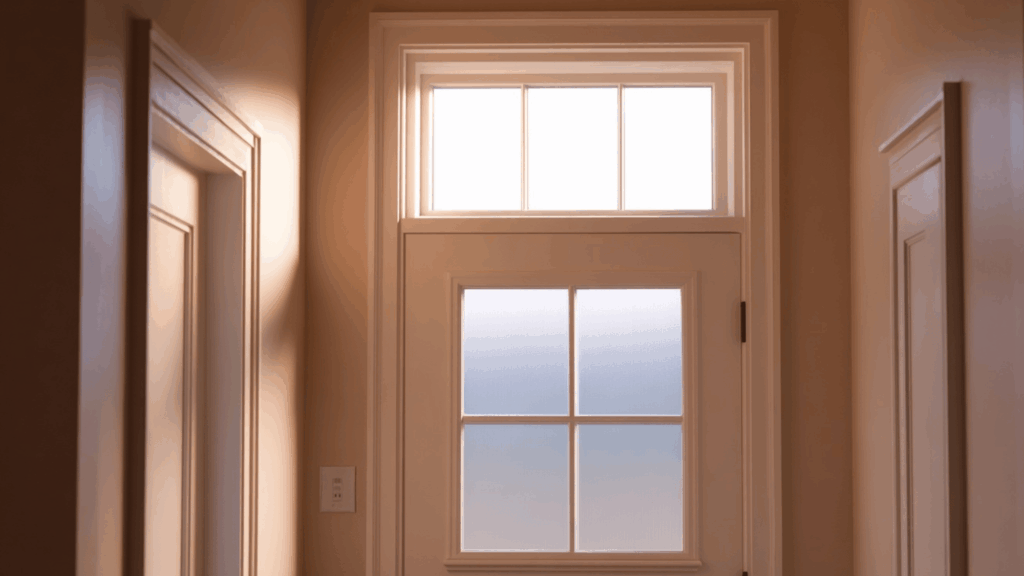
Transom windows are installed above doors or larger windows to introduce extra light without sacrificing privacy. Typically fixed, they enhance airflow when paired with operable windows below.
Transoms add architectural detail and help brighten interior spaces such as hallways and entryways. Their elevated placement supports natural illumination while maintaining functional wall space and visual balance.
17. Pivot Windows
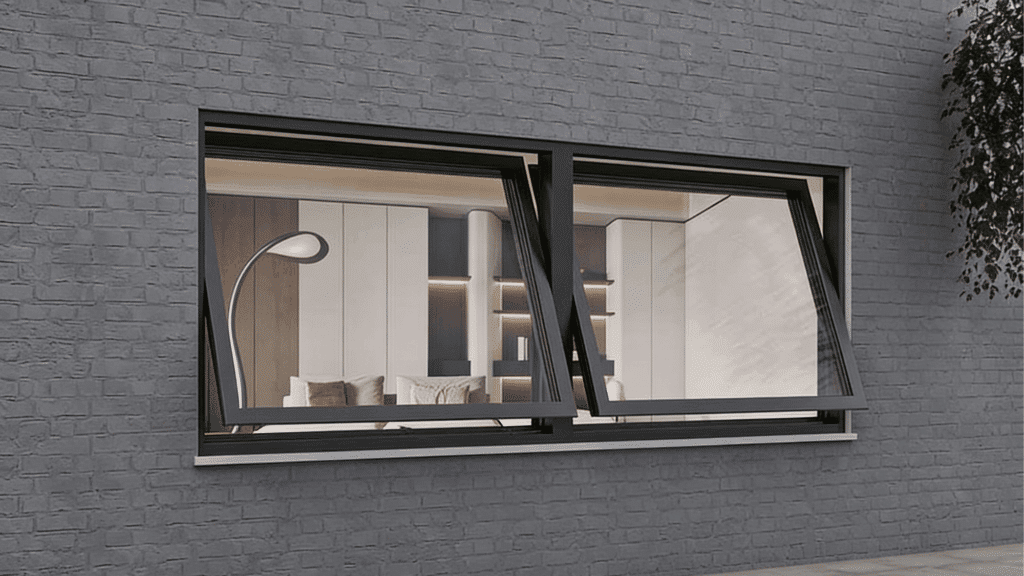
Pivot windows rotate around a central axis, either horizontally or vertically, allowing flexible opening positions. This design improves ventilation control and weather resistance.
Pivot windows are easy to clean, as the sash rotates inward. Their modern aesthetic suits contemporary architecture.
Strong seals and balanced operation make pivot windows durable, functional, and visually distinctive for residential and commercial applications.
18. Tilt-and-Turn Windows
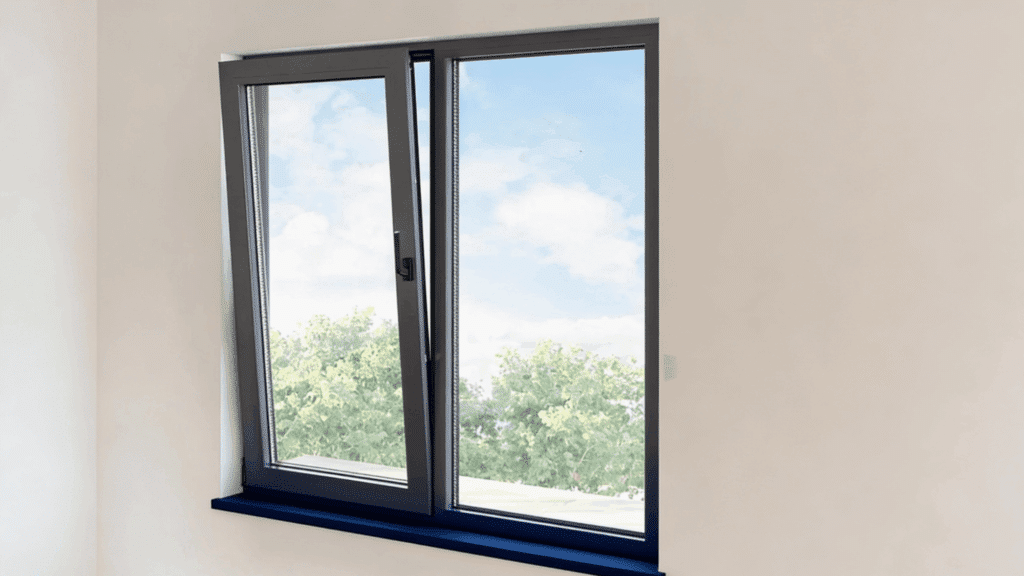
Tilt-and-turn windows offer two opening modes: tilting inward at the top for ventilation or swinging fully inward for access. This versatility improves airflow, safety, and ease of cleaning.
Popular in European designs, they provide excellent energy efficiency and airtight sealing.
Tilt-and-turn windows combine functionality, security, and modern aesthetics, making them suitable for diverse residential spaces.
19. Arched Windows
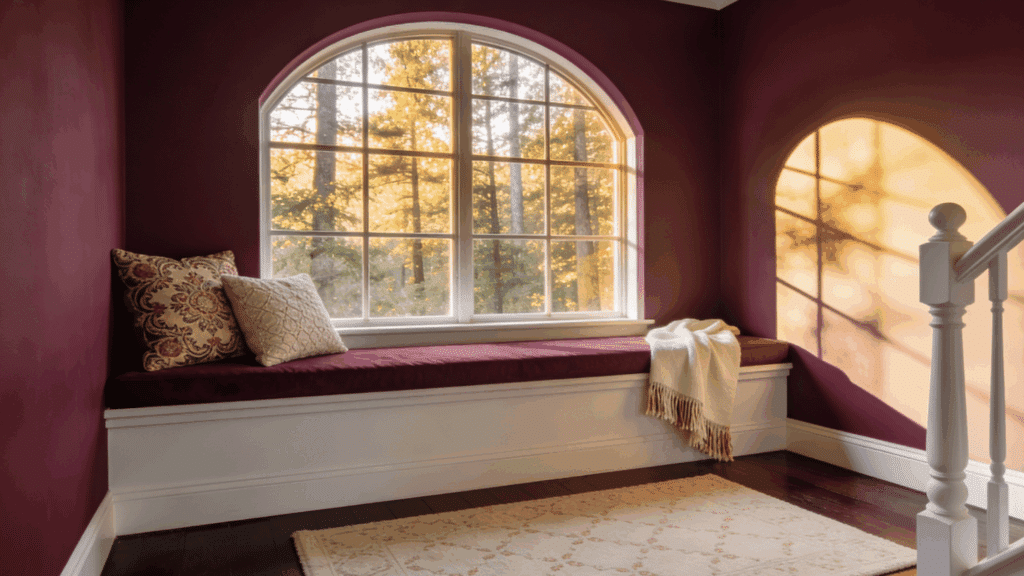
Arched windows feature curved tops that add elegance and visual interest to building façades.
Often used as accent windows, they soften architectural lines and boost natural light flow. Arched windows can be fixed or operable and suit classical, Mediterranean, and traditional designs.
Their graceful shape creates a focal point, elevating both interior ambiance and exterior curb appeal.
Cost Breakdown of Adding Windows
Window costs vary widely based on material, size, style, and installation complexity. Understanding price ranges helps set realistic budgets and avoid surprises during renovation projects.
| Window Type | Low-End Cost | Mid-Range Cost | High-End Cost |
|---|---|---|---|
| Single-Hung | $150 – $300 | $300 – $600 | $600 – $1,000 |
| Double-Hung | $200 – $400 | $400 – $800 | $800 – $1,500 |
| Casement | $250 – $500 | $500 – $1,000 | $1,000 – $2,000 |
| Sliding | $200 – $400 | $400 – $700 | $700 – $1,200 |
| Picture | $300 – $600 | $600 – $1,200 | $1,200 – $2,500 |
| Bay/Bow | $1,000 – $2,500 | $2,500 – $5,000 | $5,000 – $10,000+ |
| Awning | $300 – $500 | $500 – $900 | $900 – $1,500 |
| Skylight | $500 – $1,000 | $1,000 – $2,500 | $2,500 – $5,000+ |
Note: Costs include materials and installation. Prices vary by location, material choice, and labor rates.
To Conclude
Choosing the right windows isn’t just about style; it’s about how a home feels every single day.
Natural light changes a room’s mood. Proper ventilation keeps the air fresh. Energy-efficient frames cut down heating bills. And the right material? That decides how much time gets spent on maintenance versus actually enjoying the space.
The best choice depends on climate, budget, and what matters most; whether that’s curb appeal, low upkeep, or maximum airflow.
Take time to weigh the options. The windows picked today will frame life at home for years to come.