

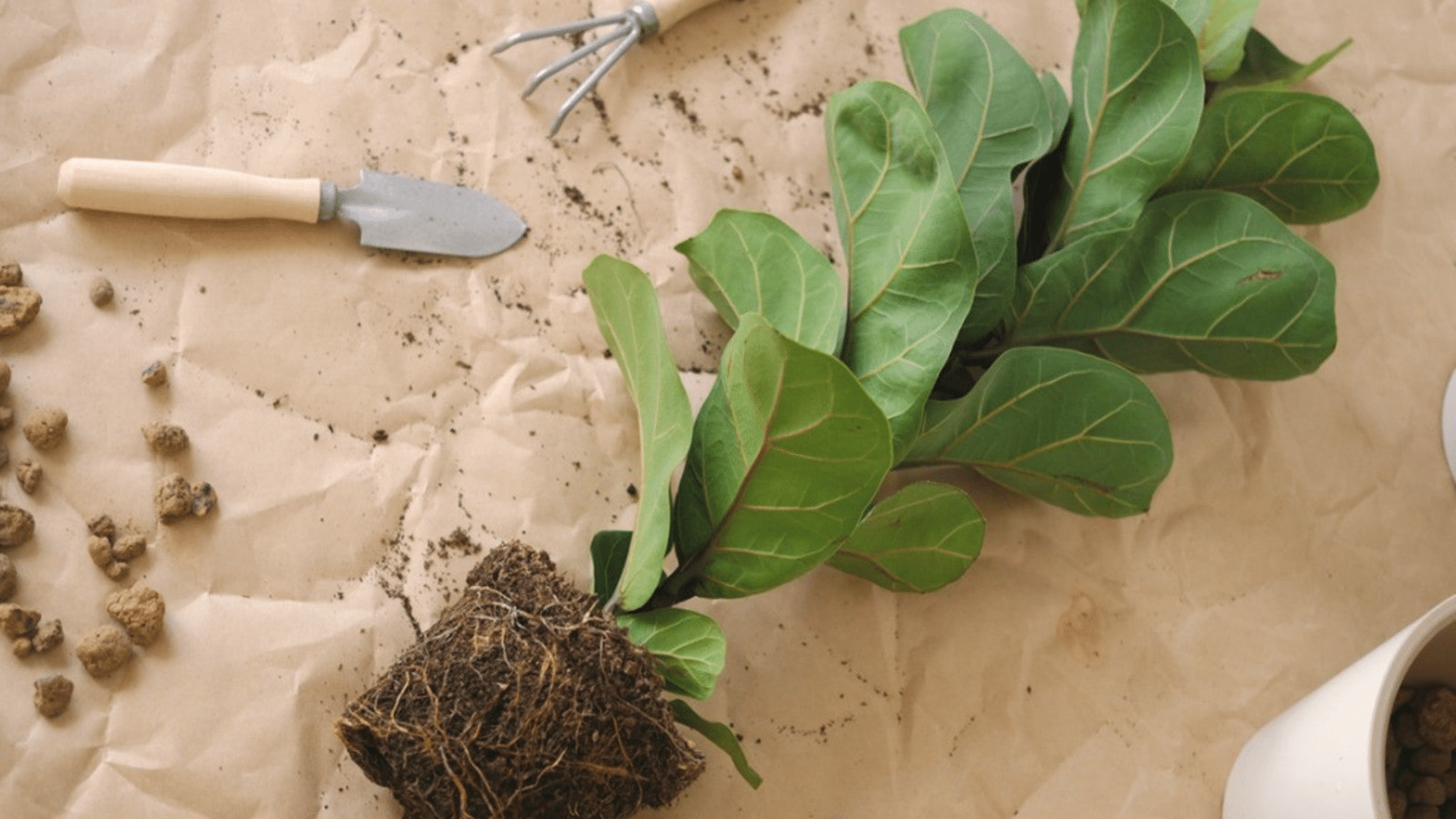
Ficus Lyrata, also known as the Fiddle Leaf Fig, has become a favorite for indoor gardeners due to its large, shiny leaves and bold appearance.
If you’re thinking about adding one to your home or already have one, you might be wondering how to provide the best care for it.
In this blog, you’ll learn how to care for a Ficus Lyrata plant, seasonal tips, and how to prevent pests on it.
From proper watering and light conditions to the best soil and humidity levels, I’ve got you covered.
Ready to give your Fiddle Leaf Fig the attention it deserves? Let’s get started and turn your plant into a statement piece in your home!
About Ficus Lyrata
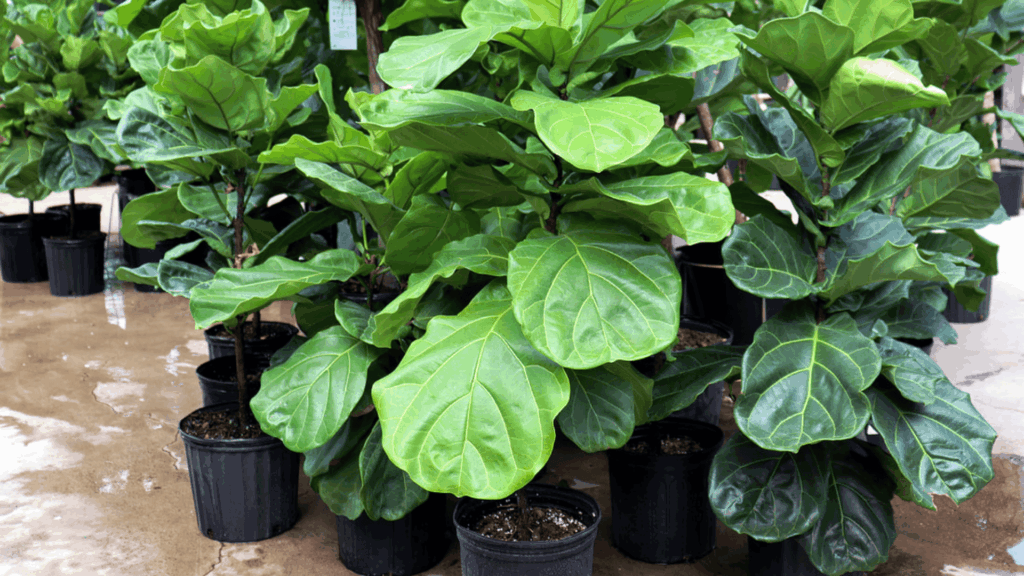
Ficus Lyrata is a tropical plant with large, violin-shaped leaves.
Native to West Africa, it’s become a favorite indoor plant thanks to its bold appearance and simple care requirements.
This plant does well in bright, indirect light and needs minimal maintenance, making it an excellent choice for both beginners and experienced plant owners.
Its attractive look adds a touch of nature to any space, making it a popular choice for home decor.
Key Specifications
- Scientific Name: Ficus lyrata
- Common Species: Fiddle Leaf Fig
- Native Habitat: West Africa
- Growth Habit: Tree-like, can reach heights of 10–15 feet indoors
- Light Needs: Bright, indirect light
- Watering: Infrequent, allowing soil to dry between waterings
How to Care for Your Ficus Lyrata?
Caring for a Ficus Lyrata is simple once you know its basic needs. These plants are relatively low-maintenance, but they do require the right environment to stay healthy and vibrant.
1. Watering Your Ficus Lyrata
Watering is a critical part of caring for your Ficus Lyrata. Make sure the soil is dry before watering again.
Check the soil with your finger; if the top 1–2 inches are dry, it’s time to water. Avoid overwatering as this can lead to root rot.
Ensure the pot has drainage holes so excess water can escape.
Water thoroughly until it drains from the bottom of the pot, then let the plant sit for a few minutes to drain completely. In winter, reduce watering as the plant enters a dormant phase.
2. Light Requirements for Ficus Lyrata
Ficus Lyrata needs bright, indirect light to grow well.
Direct sunlight can scorch its leaves, while too little light will cause the plant to become leggy and weak. Place your Ficus near a window with plenty of indirect sunlight, or use sheer curtains to filter the light.
If your home doesn’t receive enough natural light, you can supplement with artificial grow lights.
Ficus Lyrata will grow best in a spot that gets at least 6 hours of bright, indirect sunlight each day.
3. Soil and Potting Needs
This plant needs well-draining soil to prevent water from sitting around its roots.
Use a mix designed for houseplants or one with added perlite or sand for better drainage. When choosing a pot, select one that’s slightly larger than the plant’s root ball.
Ensure the pot has drainage holes to prevent water from accumulating at the bottom.
Repot your Ficus Lyrata every 1–2 years, or when it outgrows its current pot. Fresh soil helps prevent root rot and provides room for continued growth.
4. Temperature and Humidity for Ficus Lyrata
Ficus Lyrata prefers temperatures between 60°F and 75°F (16°C–24°C).
They don’t do well in temperatures below 50°F (10°C), so avoid placing them near cold drafts or in rooms that get too chilly.
As a tropical plant, Ficus Lyrata also prefers higher humidity levels. If the air in your home is too dry, especially in winter, increase humidity by placing the plant on a humidity tray or using a room humidifier.
Regular misting can also help boost humidity.
5. Fertilizing Your Ficus Lyrata
Fertilize your Ficus Lyrata during its growing season, typically from spring through early fall.
Use a balanced, liquid fertilizer diluted to half strength and apply once a month. Avoid fertilizing during the winter months when the plant is not actively growing.
Over-fertilizing can lead to nutrient burn, so stick to a regular but moderate feeding schedule.
If your Ficus shows signs of slow growth or yellowing leaves, it may need a bit of extra fertilizer during the growing season.
6. Pruning and Maintenance
Pruning is important to maintain the shape and size of your Ficus Lyrata. Trim off any dead or damaged leaves to keep the plant looking neat.
If your Ficus grows too tall or leggy, you can cut back some of the stems to encourage branching and a fuller appearance.
Prune carefully, using clean, sharp scissors or pruning shears.
Repotting is also an opportunity to remove any unhealthy or overgrown roots, ensuring the plant has plenty of space to grow.
Seasonal Care Tips for Ficus Lyrata
Adjusting your Ficus Lyrata care routine to the changing seasons will help keep your plant healthy and looking its best.
- Spring: Increase watering as the plant enters its active growth phase. Fertilize once a month to encourage new growth.
- Summer: Keep the plant in bright, indirect light for optimal growth. Maintain high humidity and water regularly, especially in the heat.
- Fall: Reduce watering as growth slows down. Consider pruning to maintain shape and remove dead leaves.
- Winter: Lower watering frequency as the plant rests. Keep away from drafts and maintain a stable indoor temperature.
How to Prevent Pests on Ficus Lyrata?
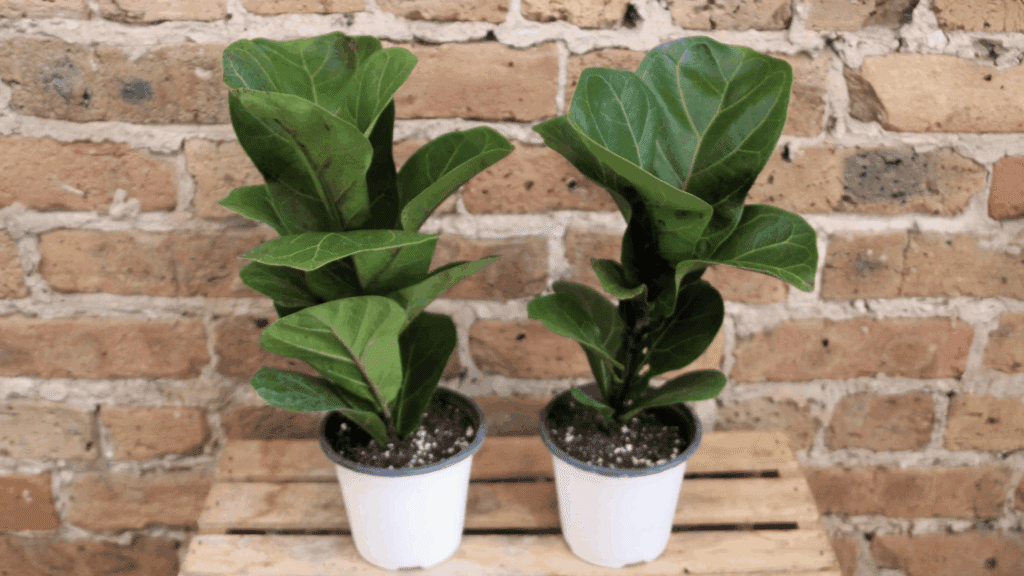
To prevent pests on your Ficus Lyrata, start by regularly checking for signs of insects, such as discolored or damaged leaves.
Keep your plant clean by wiping down its leaves with a damp cloth to remove dust and potential pests.
Make sure to inspect the plant after watering or moving it to a new spot. Maintain proper care of Ficus Lyrata by providing adequate light, water, and humidity.
A healthy plant is less likely to attract pests. If you do spot pests like aphids or spider mites, treat your plant with insecticidal soap or neem oil. Both are safe and effective for most houseplants.
Regularly check the soil for any pests as well. Proper drainage is important to avoid standing water, which can encourage pests.
By staying proactive and keeping an eye on your plant, you can prevent most pest problems before they become serious.
Common Issues with Ficus Lyrata
Caring for Ficus Lyrata is generally, but like any plant, it can face some challenges. These are common problems and how to solve them.
- Yellowing Leaves: Yellowing leaves are often caused by overwatering or poor drainage. Ensure the soil is well-draining and allow it to dry between waterings.
- Leaf Drop: Stress from temperature changes, low humidity, or a sudden move can cause leaf drop. Keep the plant in a consistent environment with proper humidity.
- Brown Spots on Leaves: Brown spots can be caused by underwatering, over-fertilizing, or exposure to direct sunlight. Adjust watering and avoid placing the plant in direct sun.
- Leggy Growth: Leggy growth happens when the plant doesn’t receive enough light. Move it to a spot with more indirect sunlight or use grow lights.
- Pests: Spider mites and aphids are common pests. Check for pests regularly and treat with insecticidal soap or neem oil.
Conclusion
Ficus Lyrata, or the Fiddle Leaf Fig, is a beautiful and low-maintenance plant that only needs a little attention to stay healthy.
With the right amount of water, light, soil, and a few seasonal care adjustments, your plant will continue to grow well.
If you’re new to Ficus Lyrata care or have experience, these simple tips can help you succeed in keeping your Fiddle Leaf Fig strong and vibrant.
I’d love to hear how your Fiddle Leaf Fig is doing! What tips have worked for you?
Have any challenges come up that you’ve overcome?
Feel free to share your experiences and questions in the comments below. Let’s share and help each other with our plant care journeys!