

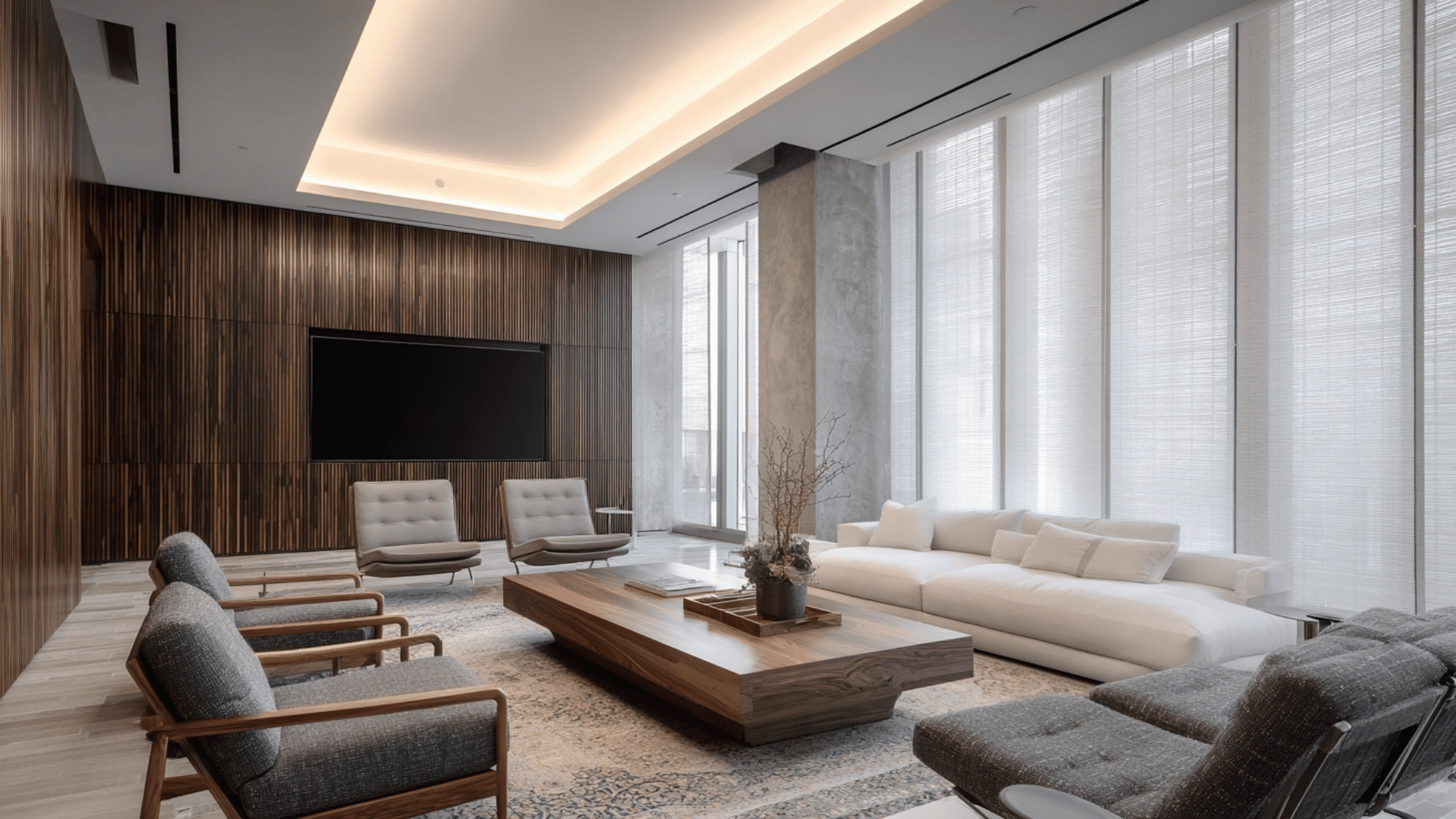
Modern luxury interior design has come a long way from the flashy, over-the-top styles of the past. Today’s approach is different. It’s about creating spaces that feel both high-end and livable at the same time.
Think clean lines instead of clutter. Quality materials that actually last. Rooms that work with your life, not against it.
But what really makes a space feel modern and luxurious? It’s not just about spending more money or filling rooms with expensive things. There are specific elements that designers use to create that refined, contemporary look.
This post breaks down the key features that define modern luxury interiors and shows how they work together to create spaces that are both beautiful and functional.
Defining Modern Luxury Interior Design in 2026
Modern luxury interior design in 2026 is all about balance. It combines high-end materials with practical living spaces that people actually use every day.
Gone are the days when luxury meant filling a room with expensive furniture just for show. Now it’s about thoughtful choices. Clean aesthetics meet smart technology. Natural elements blend with contemporary finishes.
The focus has shifted to quality over quantity. Spaces feel open and uncluttered, yet warm and inviting. Sustainability matters more than ever, and personalization is key.
It’s luxury that works for real life. Homes that look stunning but still feel comfortable enough to kick off your shoes and relax.
Essential Elements and Features of Luxury Home Interiors
Modern luxury interiors focus on refined simplicity, superior materials, and intelligent design choices that create visually calm, functional, and lasting living spaces with lasting aesthetic value.
1. Clean Architectural Lines and Uncluttered Spatial Flow
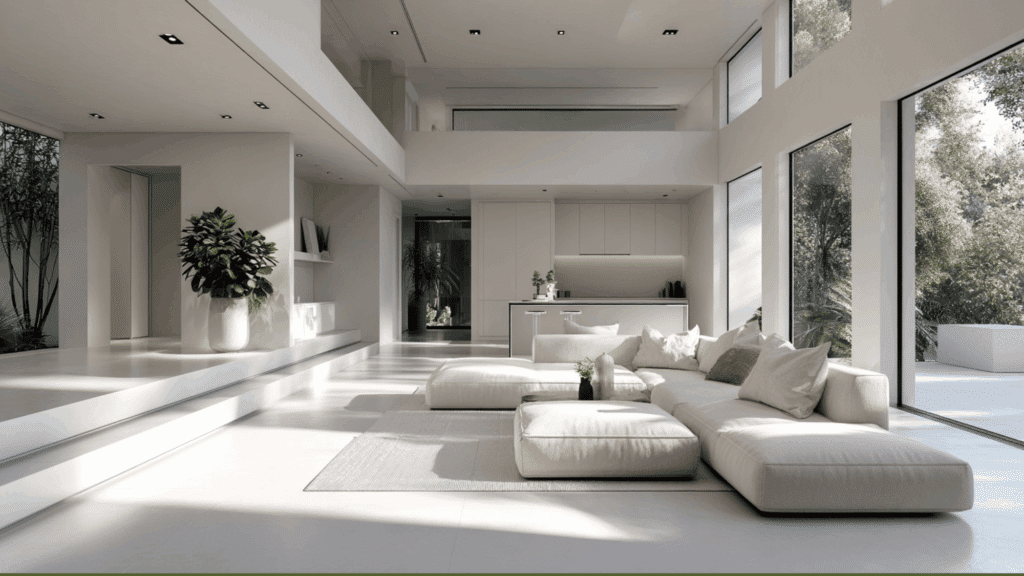
Clean lines define modern luxury by removing visual noise and allowing architecture to breathe.
Open layouts, concealed storage, and seamless transitions between rooms create a sense of order and calm.
This clarity boosts natural light movement and emphasizes form over excess, resulting in spaces that feel expansive, intentional, and effortlessly refined without appearing stark or empty.
2. High-Quality, Natural Materials (Stone, Wood, Metal, Glass)

Luxury interiors rely on authentic materials that age beautifully and feel substantial.
Natural stone, solid wood, refined metals, and glass introduce durability and tactile richness. These materials convey permanence and understated wealth while grounding the space in nature.
Their inherent textures and imperfections add depth, making interiors feel warm, amplified, and ageless rather than decorative or trend-driven.
3. Neutral and Refined Color Palettes with Controlled Contrast
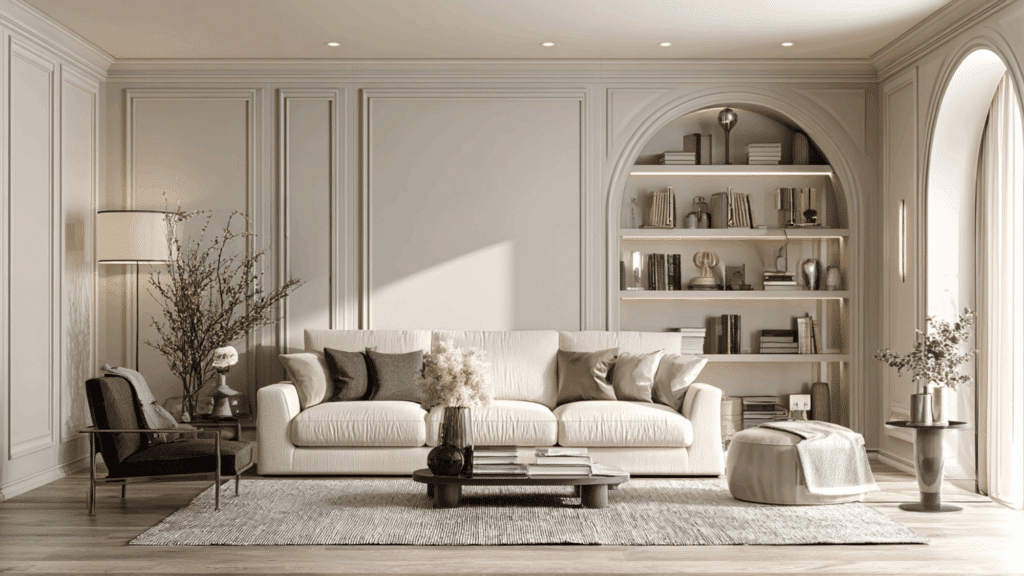
Neutral palettes create a refined backdrop that highlights form, texture, and light.
Shades like beige, taupe, gray, and soft whites establish calm, while controlled contrast through darker accents adds definition.
This approach avoids visual overload and allows materials and furnishings to stand out naturally, creating interiors that feel cohesive, graceful, and adaptable over time.
4. Custom-Made or Bespoke Furniture and Finishes
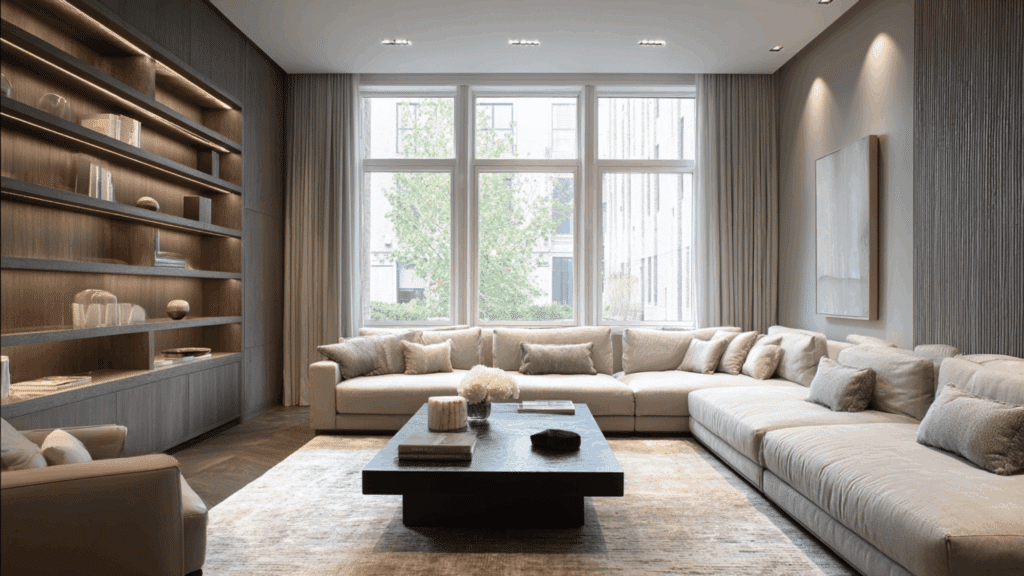
Bespoke elements boost interiors by ensuring perfect scale, fit, and functionality.
Custom furniture, cabinetry, and finishes allow designers to align aesthetics with architectural intent. These tailored solutions enhance exclusivity and prevent repetition found in mass-produced designs.
The result is a space that feels personal, cohesive, and intentionally crafted rather than assembled from generic components.
5. Emphasis on Craftsmanship and Fine Detailing
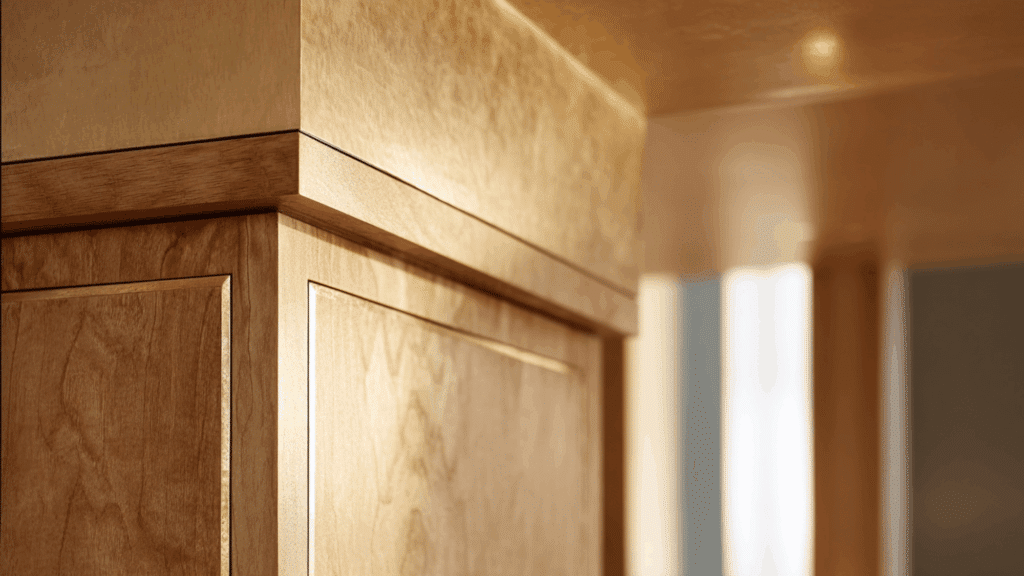
Luxury is revealed in the details: precise joinery, hand-finished surfaces, refined edges, and flawless installations.
Quality craftsmanship ensures longevity and visual integrity while subtly communicating value.
These fine details may not immediately draw attention, but they create a sense of polish and refinement that distinguishes high-end interiors from ordinary spaces.
6. Thoughtful Spatial Proportions and Balance
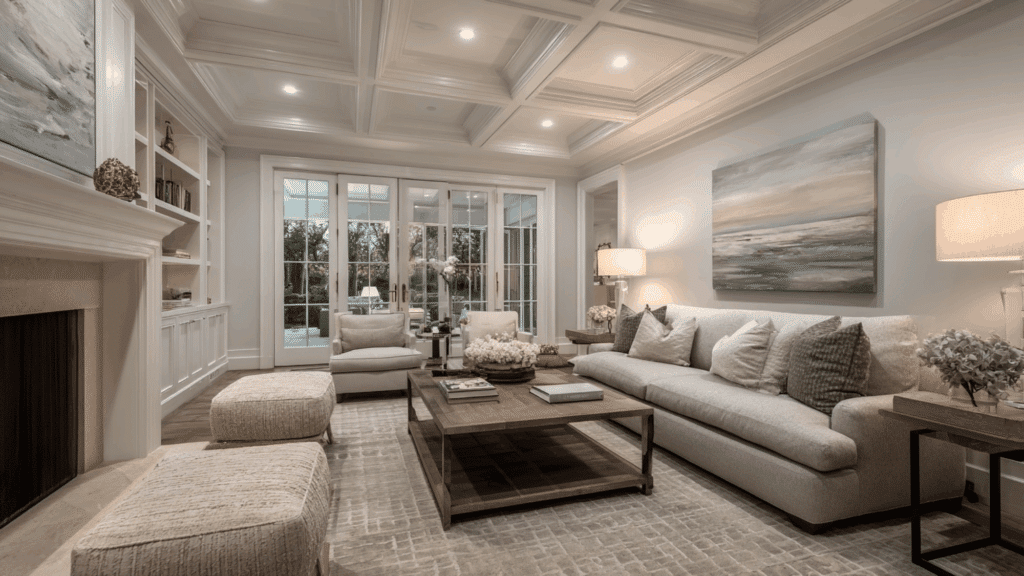
Well-proportioned spaces feel comfortable and visually harmonious. Luxury interiors prioritize ceiling heights, furniture scale, and negative space to maintain balance.
Proper proportions prevent overcrowding and ensure that each element has room to breathe.
This thoughtful planning encourages movement, usability, and visual calm, making the environment feel intuitive and naturally elegant.
7. Integrated Smart Technology with Discreet Presence
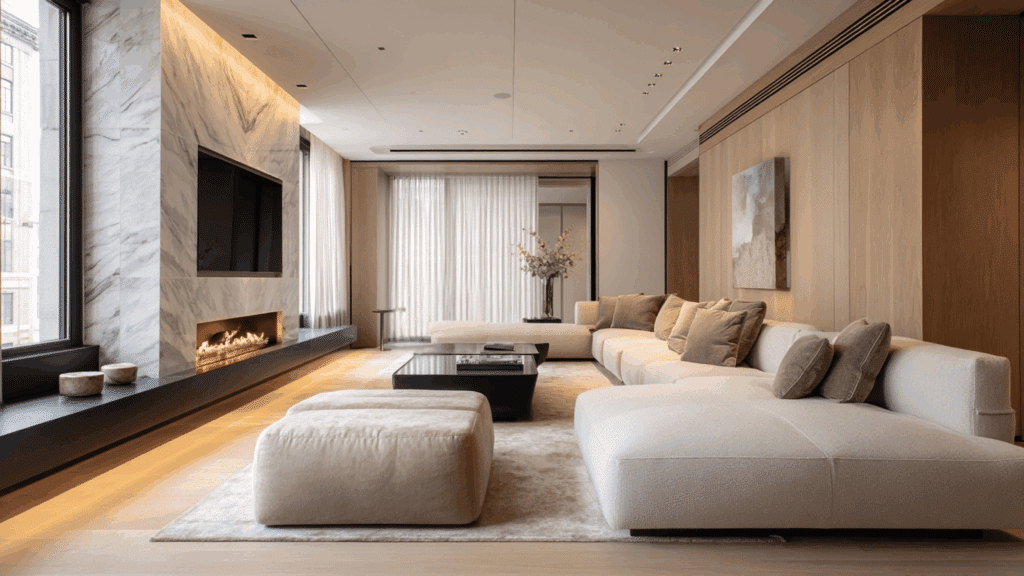
Modern luxury works with technology in a way that comforts without dominating aesthetics.
Hidden speakers, automated lighting, climate control, and motorized shades are seamlessly integrated. The focus remains on experience rather than visible devices.
This discreet approach maintains visual purity while offering convenience, efficiency, and personalized control within a refined interior setting.
8. Layered Lighting Design
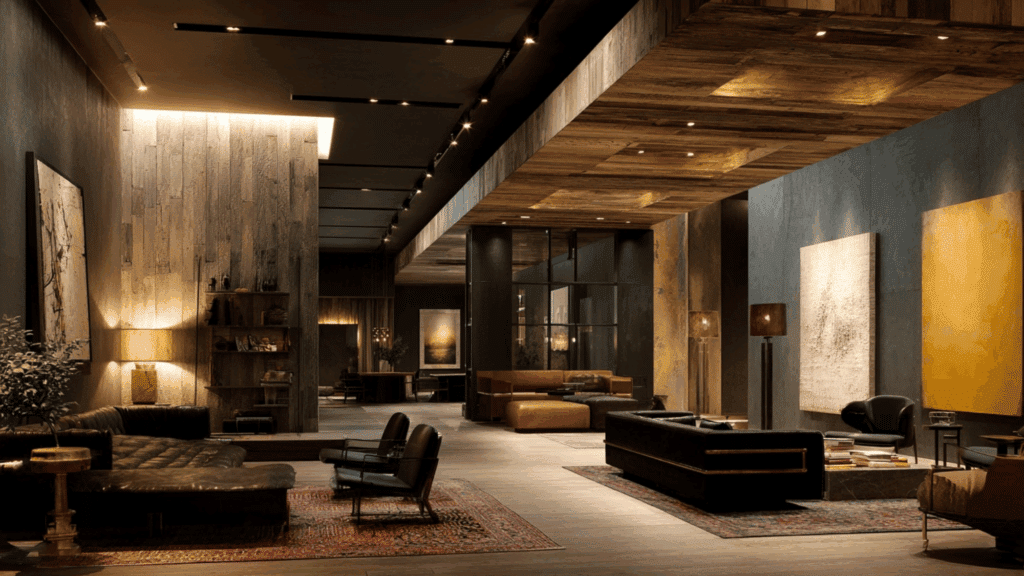
Lighting in luxury interiors is architectural and intentional. Ambient lighting establishes overall warmth, task lighting supports function, and accent lighting highlights textures and focal points.
This layered approach creates depth and mood while adapting to different times and activities. Well-planned lighting boosts materials, defines zones, and enhances the entire spatial experience.
9. Minimal Yet Intentional Décor and Accessories
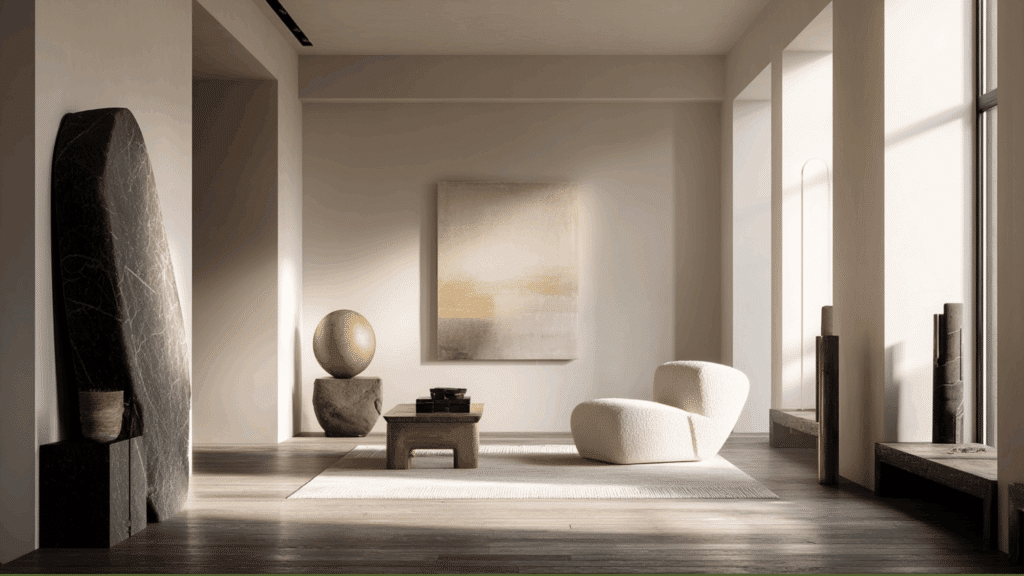
Luxury interiors avoid excess and rely on carefully selected décor pieces with purpose.
Every accessory contributes to balance, scale, or storytelling. This restraint allows statement items to stand out while maintaining visual clarity.
Intentional décor reinforces refinement, ensuring the space feels curated rather than crowded or overly styled.
10. Seamless Indoor–Outdoor Visual Connection
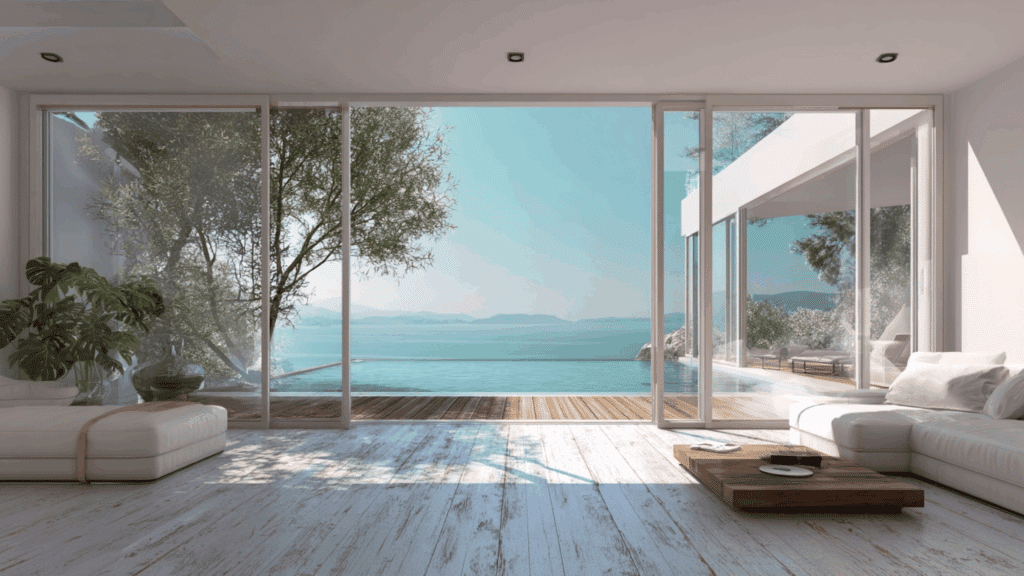
Large openings, glass walls, and aligned floor levels strengthen the relationship between interior and exterior spaces. This connection amplifies natural light, expands visual boundaries, and promotes a sense of openness.
Integrating outdoor views into interior design adds serenity and luxury, making nature an essential part of the living experience.
11. Textural Richness Through Material Variation
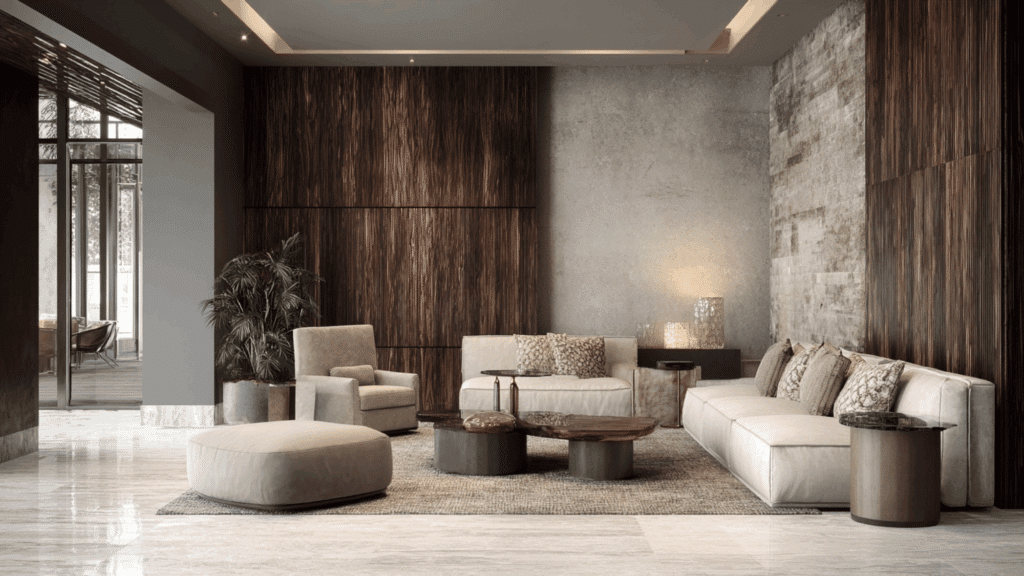
Texture adds dimension without relying on bold colors or ornamentation.
Layering smooth, rough, soft, and matte surfaces creates visual interest and tactile appeal.
Materials such as linen, leather, stone, and wood work together to enrich the environment. This subtle complexity defines luxury through sensory experience rather than decoration.
12. Functional Layouts That Prioritize Comfort and Ease

Luxury interiors are designed for daily living, not just visual impact. Efficient layouts support movement, accessibility, and comfort while reducing friction in everyday activities.
Furniture placement, circulation paths, and storage solutions are carefully planned. This focus on usability ensures that the space feels intuitive, livable, and effortlessly graceful.
13. Subtle Statement Pieces Used as Focal Points
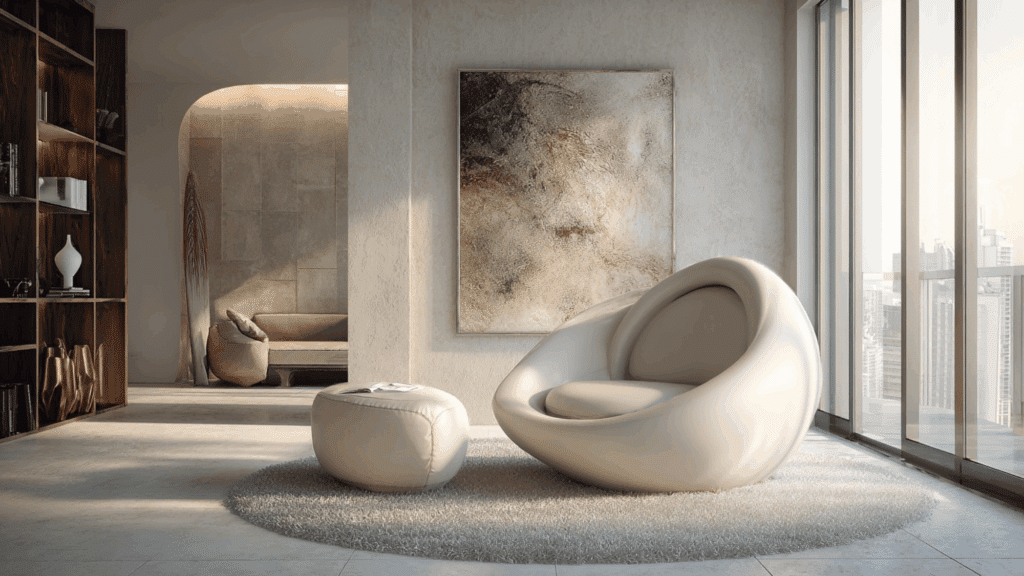
Modern luxury favors restraint by highlighting one or two impactful elements rather than many competing features.
Sculptural furniture, art, or architectural details act as focal points.
Their subtle presence adds character and identity without overwhelming the space, reinforcing refinement through confidence and intentional design choices.
Discussions and Advice on Luxury Interior Inspiration
When it comes to luxury interior trends, people have strong opinions about what really counts as an upgrade. Some homeowners are pushing boundaries with unexpected features.
One Reddit user shared their outhouse renovation, noting they
“went with the traditional moon door but upgraded to voice activated lighting, flushing and a bubble machine.”
It’s a perfect example of blending classic design with modern tech. Another commenter took a more humorous approach, suggesting
“Marble vomitoriums” as the next big thing, joking that “trends truly are cyclical.”
The conversation shows that luxury means different things to different people.
Some want practical smart features, while others appreciate the irony of historical luxury making a comeback.
DIY Tips to Achieve Luxury Interior Vibes
Creating a luxury feel doesn’t always require a designer’s budget. Small, intentional changes can transform any space into something that feels more refined and high-end.
- Replace standard hardware with brushed brass or matte black fixtures for an instant upgrade.
- Add crown molding or picture frame molding to walls for architectural interest.
- Layer different textures through throws, pillows, and rugs to create depth.
- Install dimmer switches to control lighting and set the right mood.
- Paint an accent wall in a rich, deep color to add classiness.
- Declutter surfaces and display only a few carefully chosen decorative pieces.
To Conclude
Modern luxury interior design isn’t about following a rigid checklist or copying someone else’s style.
It’s about understanding the principles that make spaces feel elevated and then adapting them to fit your own home and lifestyle.
These features covered here provide a solid foundation, but the real magic happens when you mix them with your personal taste. Start small if needed. Swap out hardware, adjust your lighting, or declutter a room.
What matters most is creating a space that feels intentional and reflects quality in every detail. Luxury is less about price tags and more about the thoughtful choices that make a house truly feel like home.