

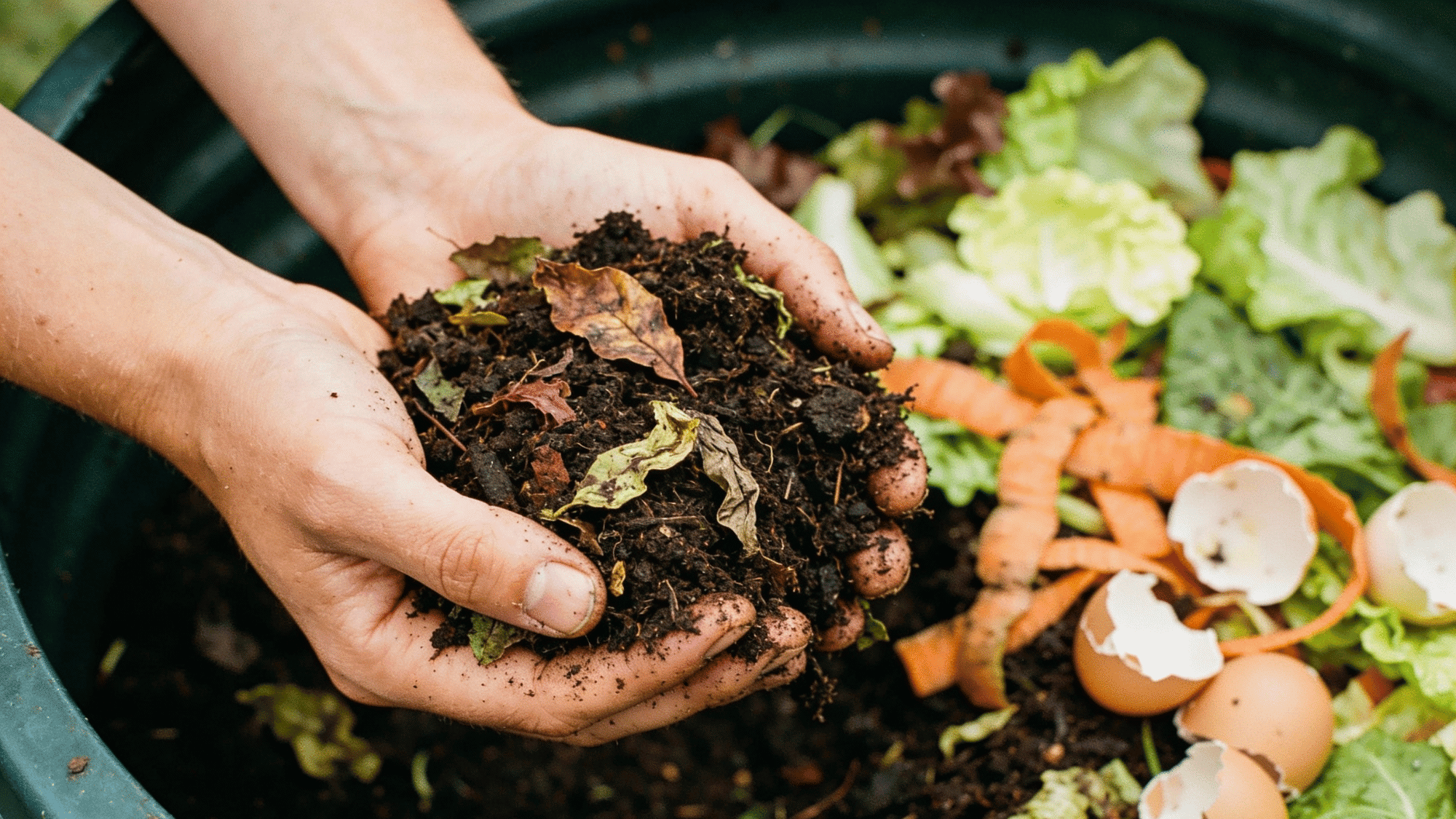
Plants need good food to grow strong. Just like people, they get hungry too. Store-bought fertilizers can be expensive and full of chemicals. But there’s a better way.
Nature has the answer right in our homes. Kitchen scraps, yard waste, and simple household items can feed plants perfectly. These natural options cost almost nothing and work wonders.
Making plant food at home is easier than most people think. No fancy equipment needed. Just a few simple ingredients and some basic steps. The results? Healthier plants, bigger blooms, and a greener garden.
Plus, it’s better for the environment. Ready to give plants the nutrition they crave? Let’s get started.
What is Natural Plant Fertilizer and Its Benefits?
Natural plant fertilizer comes from organic materials like food scraps, animal waste, and plant matter. It feeds soil naturally, helping plants grow without harsh chemicals that harm the environment.
Benefits:
- Improves soil structure and helps it retain moisture better.
- Costs little to nothing since most ingredients are already at home.
- Releases nutrients slowly, feeding plants over time instead of all at once.
- Encourages helpful microorganisms and earthworms to thrive in the soil.
- Safe for kids, pets, and wildlife, unlike synthetic chemical fertilizers.
What Nutrients Do Plants Need?
Plants require specific nutrients to survive and flourish. These fall into two categories: macronutrients and micronutrients. Macronutrients are needed in larger amounts.
The big three are nitrogen, phosphorus, and potassium, often called NPK. Nitrogen helps leaves grow green and lush. Phosphorus strengthens roots and promotes flowers and fruits. Potassium boosts overall plant health and disease resistance.
Micronutrients are needed in smaller doses but remain equally important. These include calcium, magnesium, iron, zinc, and manganese.
They support various plant functions like photosynthesis and enzyme production.
When any nutrient is missing, plants show signs of stress. Yellow leaves, stunted growth, or poor flowering are common symptoms. Homemade organic fertilizers can provide all these essential nutrients naturally.
Best Homemade Natural Plant Fertilizer Recipes
These homemade natural plant fertilizer recipes use simple organic ingredients to nourish soil, improve plant growth, and support healthy roots, leaves, flowers, and fruits without harmful chemicals.
1. Banana Peel Fertilizer
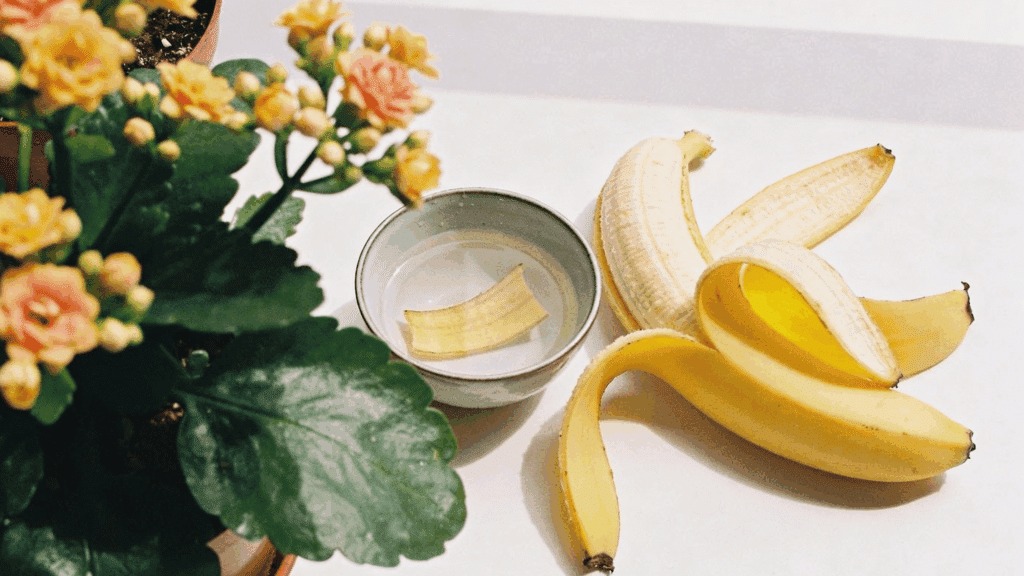
Banana peel fertilizer provides potassium and phosphorus that support flowering, fruit development, and strong roots while improving soil health naturally for garden plants and potted plants.
Steps:
- Chop banana peels into small pieces
- Soak in water for 24 hours
- Strain the liquid
- Dilute with an equal amount of water
Best for: Flowering and fruiting plants
Application Tip: Use once every two weeks near roots
2. Compost
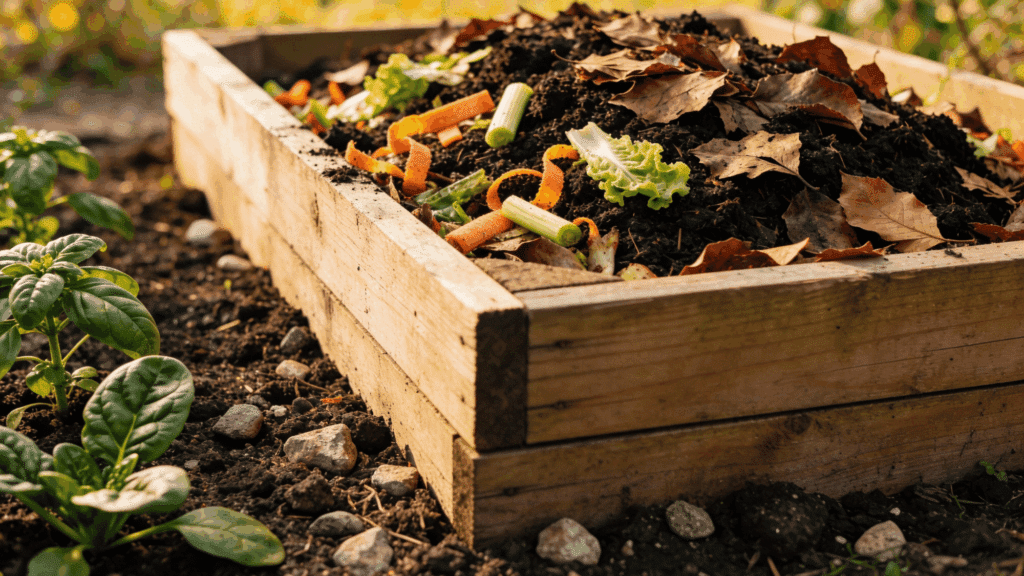
Compost is a balanced natural plant fertilizer that enriches soil structure, boosts microbial activity, improves moisture retention, and delivers slow-release nutrients essential for long-term plant health.
Steps:
- Collect kitchen and garden waste
- Layer greens and browns
- Keep compost moist
- Turn weekly
Best for: All garden plants
Application Tip: Mix into topsoil before planting
3. Compost Tea
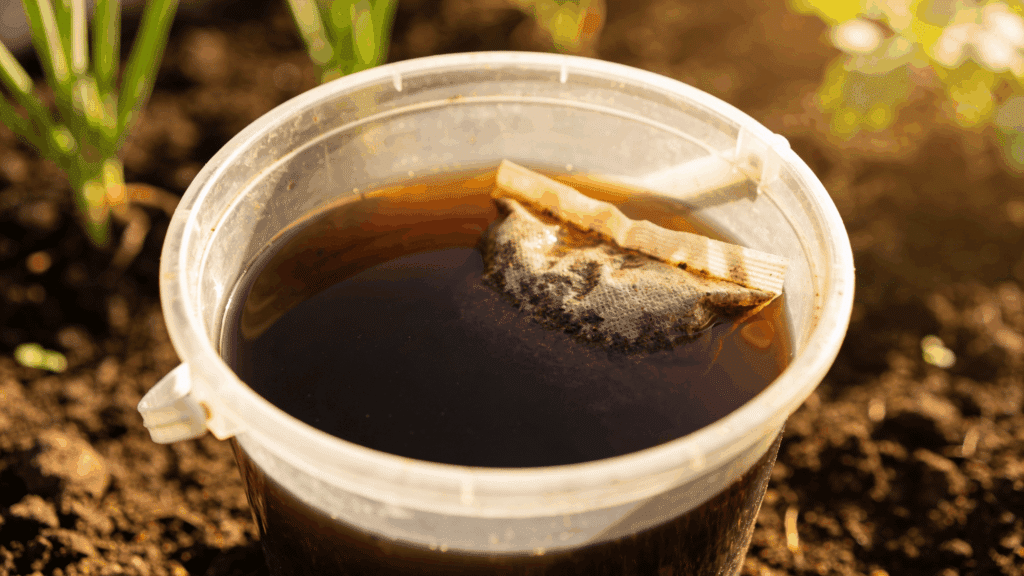
Compost tea is a fast-acting liquid natural fertilizer that improves nutrient uptake, enhances beneficial microbes, and supports healthier foliage and roots when applied to soil or leaves.
Steps:
- Add compost to the bucket
- Fill with water
- Steep for 24 hours
- Strain before use
Best for: Vegetables and leafy plants
Application Tip: Apply early morning
4. Eggshell Fertilizer
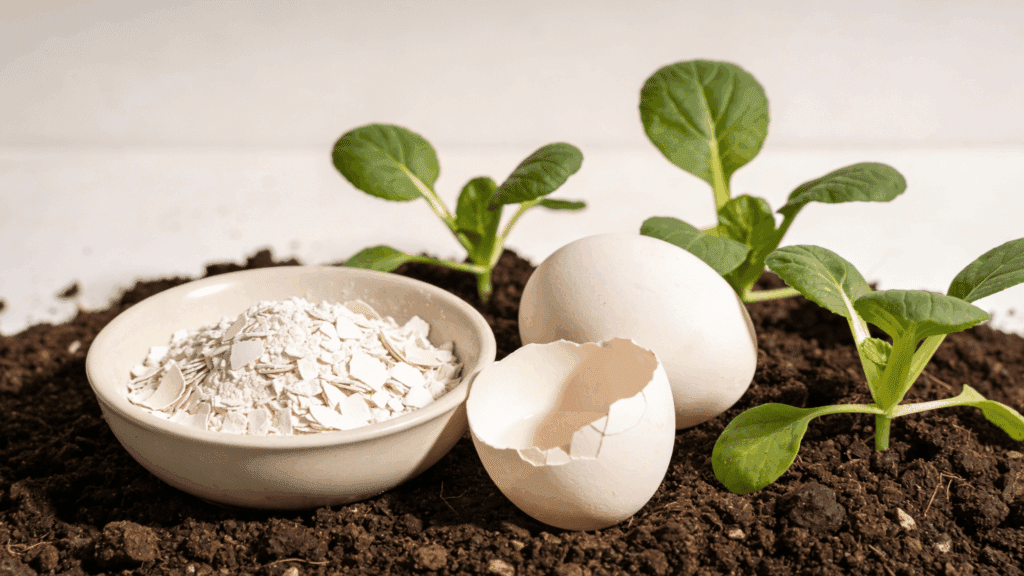
Eggshell fertilizer supplies calcium that strengthens cell walls, prevents blossom end rot, and supports healthy growth in vegetables and flowering plants grown in calcium-deficient soil.
Steps:
- Wash eggshells
- Dry completely
- Grind into powder
- Sprinkle into the soil
Best for: Tomatoes and peppers
Application Tip: Apply monthly around the base
5. Coffee Grounds
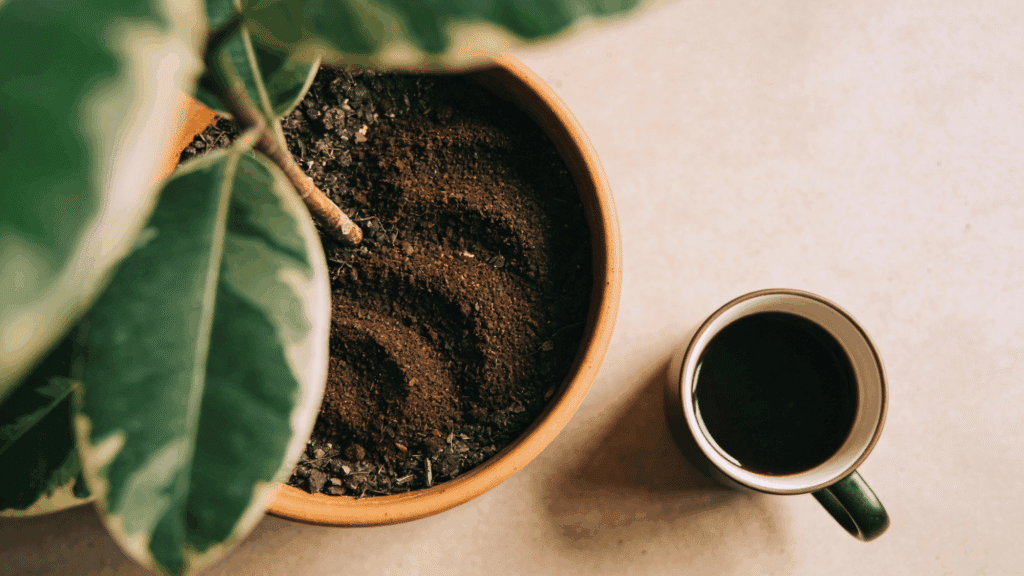
Used coffee grounds add nitrogen and organic matter, improve soil texture, and slightly acidify soil, supporting acid-loving plants while enhancing beneficial microbial activity naturally.
Steps:
- Dry used coffee grounds
- Mix with compost
- Sprinkle lightly on the soil
- Water well
Best for: Roses and blueberries
Application Tip: Avoid thick layers
6. Epsom Salt Solution
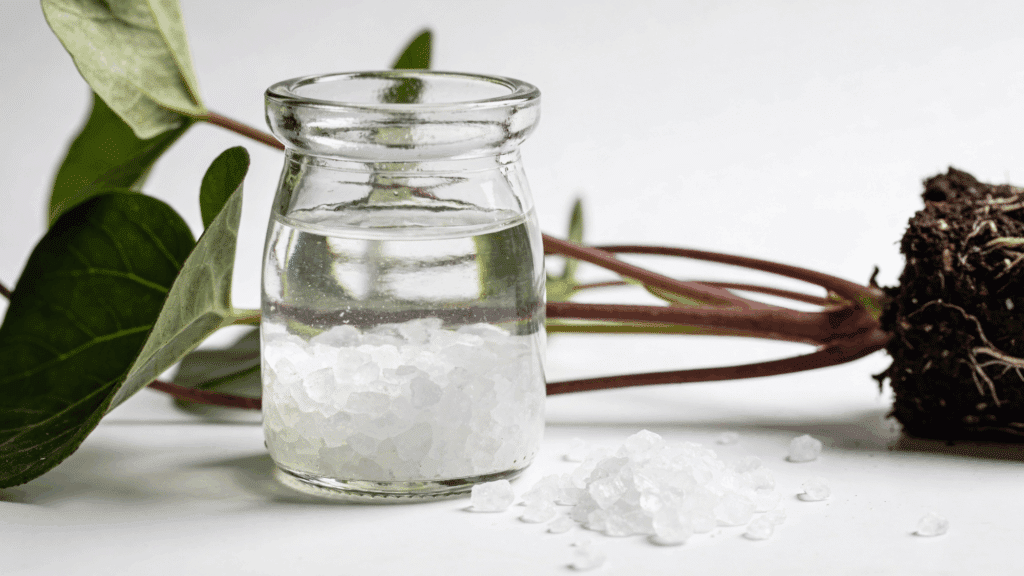
Epsom salt solution delivers magnesium and sulfur, improving chlorophyll production, leaf color, and nutrient absorption while supporting stronger stems and healthier overall plant development.
Steps:
- Dissolve salt in water
- Mix thoroughly
- Pour into a watering can
- Apply to the soil
Best for: Tomatoes and peppers
Application Tip: Use once monthly
7. Fish Tank Water
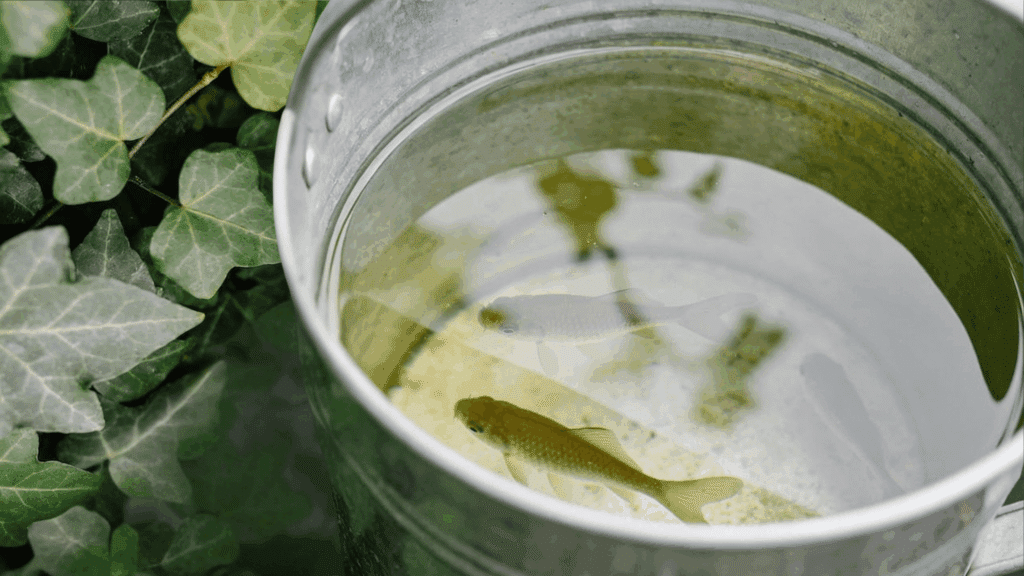
Fish tank water is a mild natural fertilizer rich in nitrogen and beneficial bacteria that support leafy growth and improve soil biology without harming sensitive plants.
Steps:
- Collect used aquarium water
- Strain debris
- Dilute if cloudy
- Water plants
Best for: Leafy greens
Application Tip: Use during regular watering
8. Grass Clipping Tea
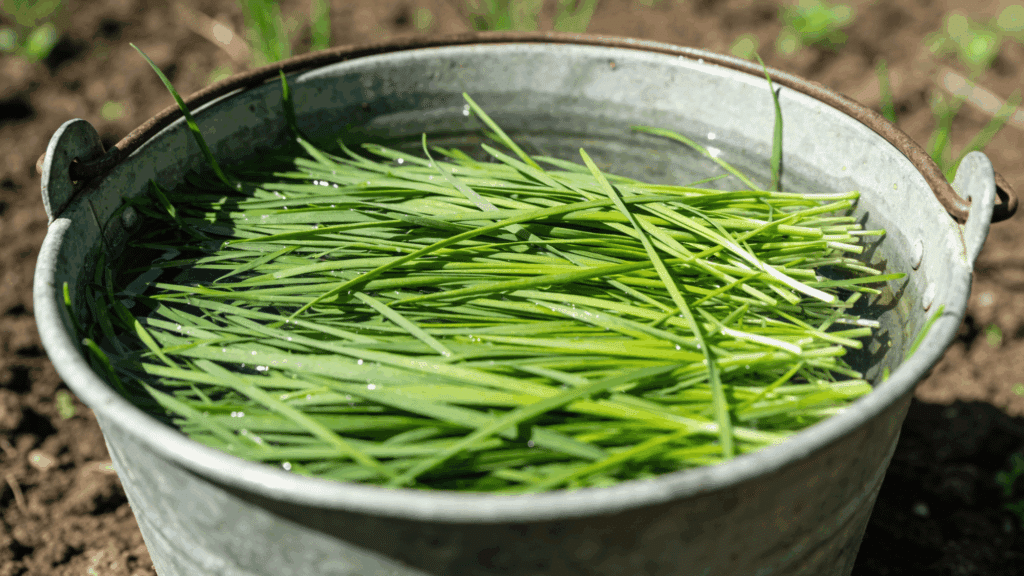
Grass clipping tea provides nitrogen that encourages lush green growth and supports rapid leaf development when diluted and applied correctly to actively growing plants.
Steps:
- Fill the bucket with clippings
- Add water
- Soak for 24 hours
- Strain before use
Best for: Lawns and leafy plants
Application Tip: Dilute to avoid burning
9. Wood Ash
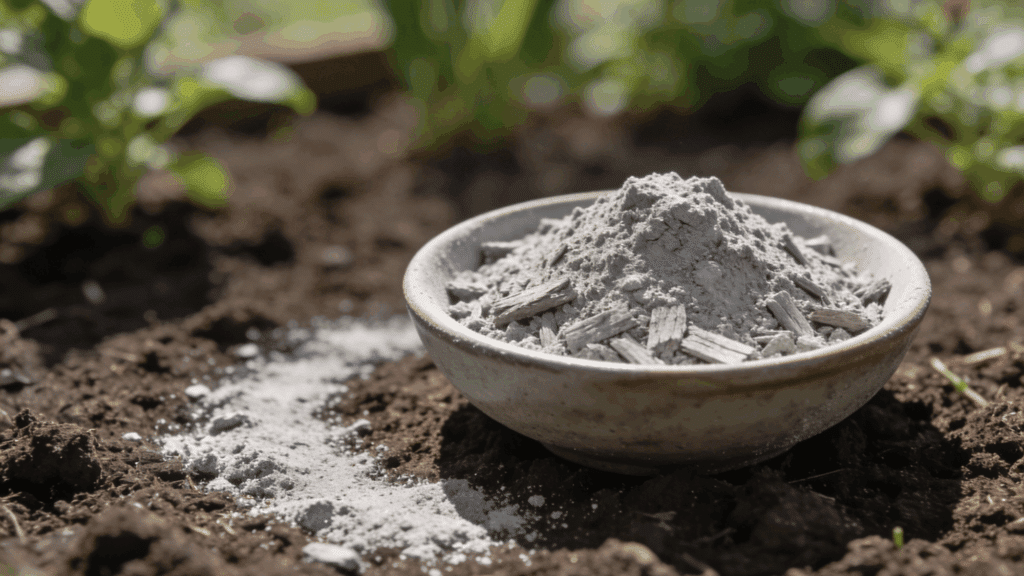
Wood ash supplies potassium and trace minerals while raising soil pH, making it useful for neutralizing acidic soils and improving flowering and fruit quality.
Steps:
- Collect cooled ash
- Sift debris
- Sprinkle lightly on the soil
- Water gently
Best for: Root vegetables
Application Tip: Test soil pH first
10. Molasses Fertilizer
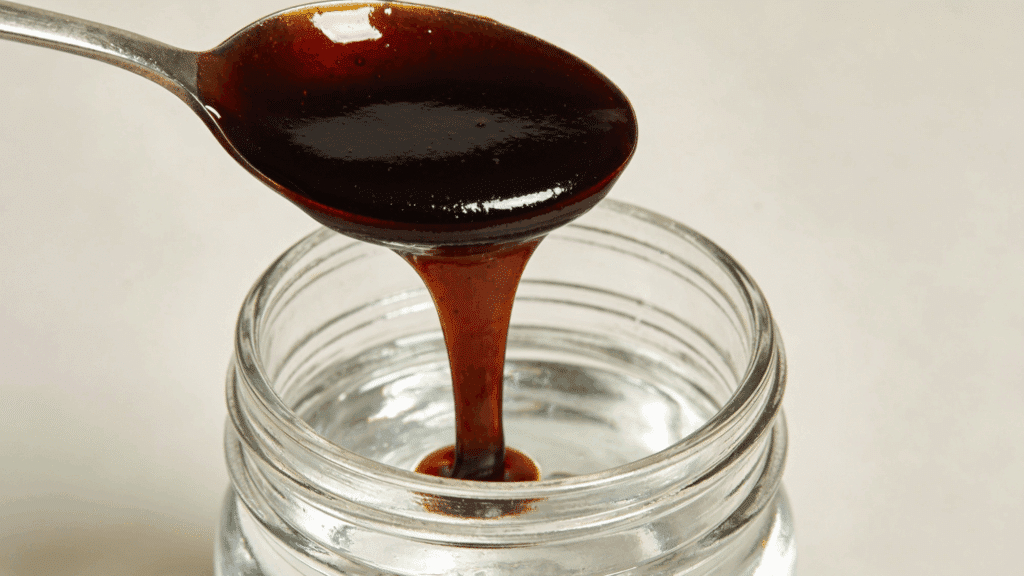
Molasses fertilizer feeds beneficial soil microbes, enhances nutrient availability, and improves soil fertility by supporting microbial activity essential for healthy plant growth.
Steps:
- Mix molasses with water
- Stir well
- Pour into soil
- Water lightly
Best for: Organic gardens
Application Tip: Use sparingly
11. Seaweed Fertilizer
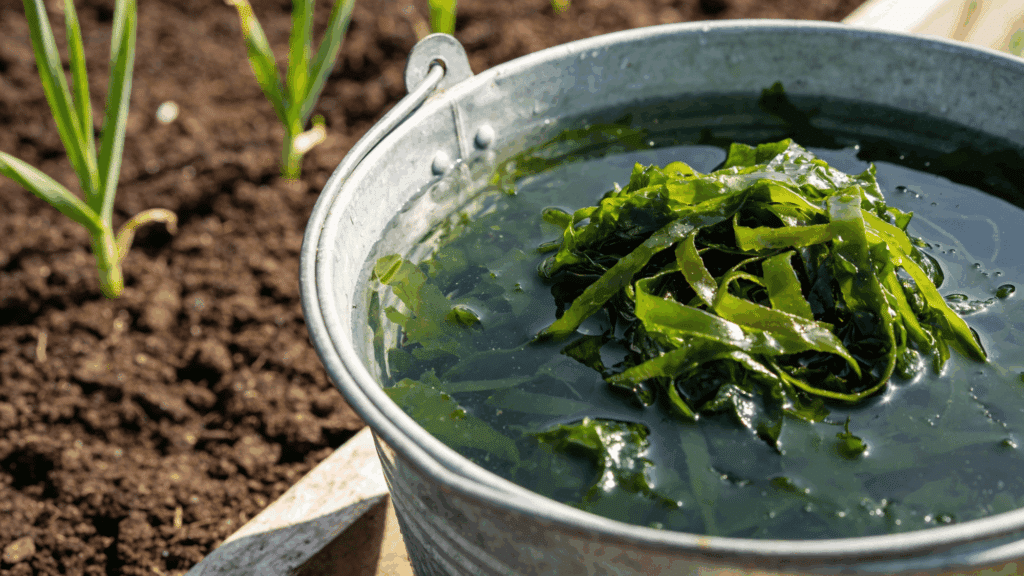
Seaweed fertilizer contains trace minerals and natural growth hormones that boost plant resilience, root development, and stress tolerance in various garden plants.
Steps:
- Rinse fresh seaweed
- Chop finely
- Soak in water
- Strain before use
Best for: Flowering plants
Application Tip: Apply during active growth
12. Manure Tea (Aged Only)
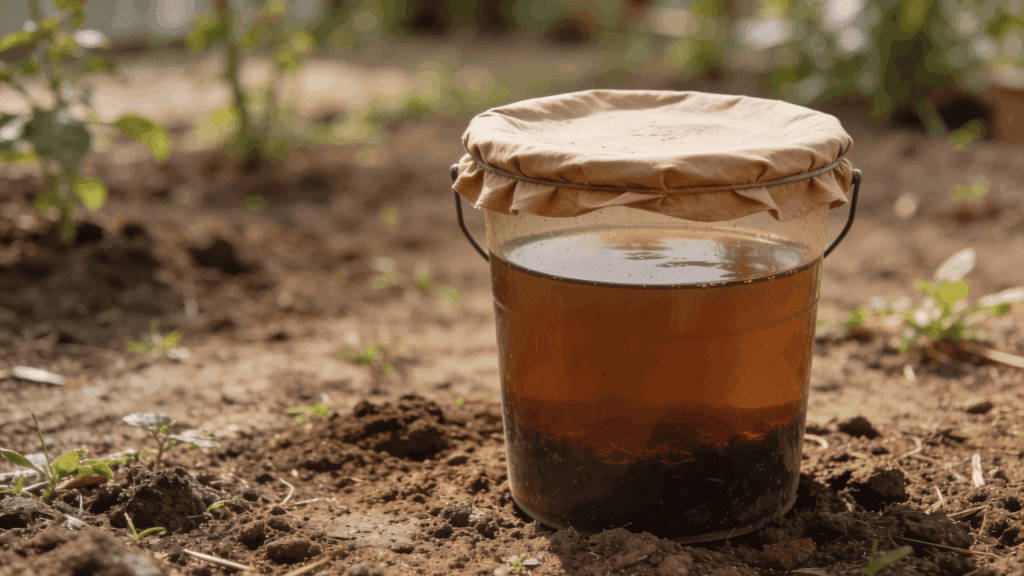
Aged manure tea provides essential nutrients and organic matter, supporting vigorous growth when properly diluted and applied safely to prevent plant damage.
Steps:
- Use composted manure
- Soak in water
- Steep for 24 hours
- Dilute before use
Best for: Vegetable gardens
Application Tip: Avoid direct leaf contact
13. Bone Meal (Homemade from Clean Bones)
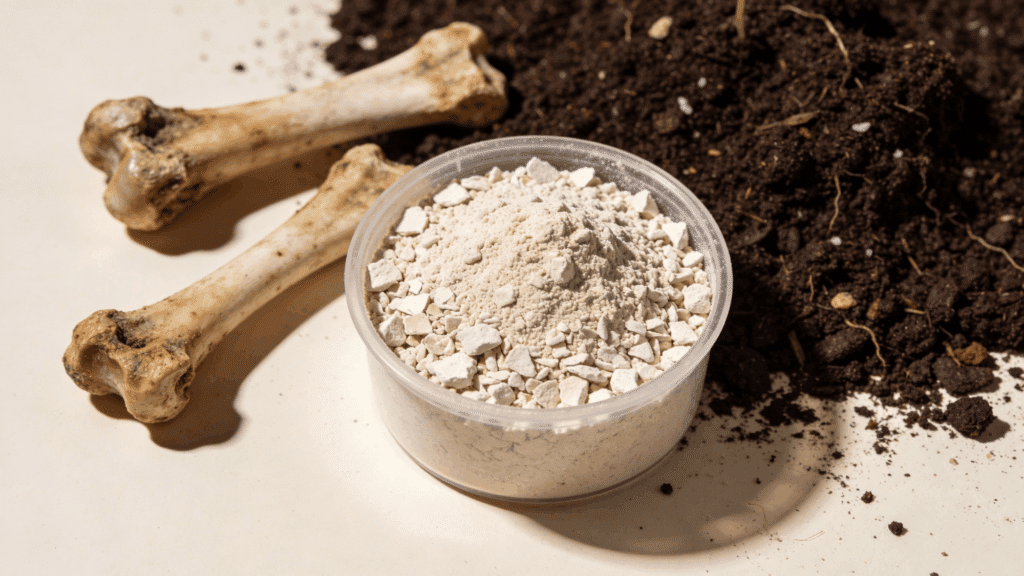
Homemade bone meal is rich in phosphorus, supporting strong root development, improved flowering, and healthy fruit formation in phosphorus-deficient soils.
Steps:
- Clean bones thoroughly
- Bake until brittle
- Crush into powder
- Mix into the soil
Best for: Flowering plants
Application Tip: Apply before planting
14. Vermicompost (Worm Castings)
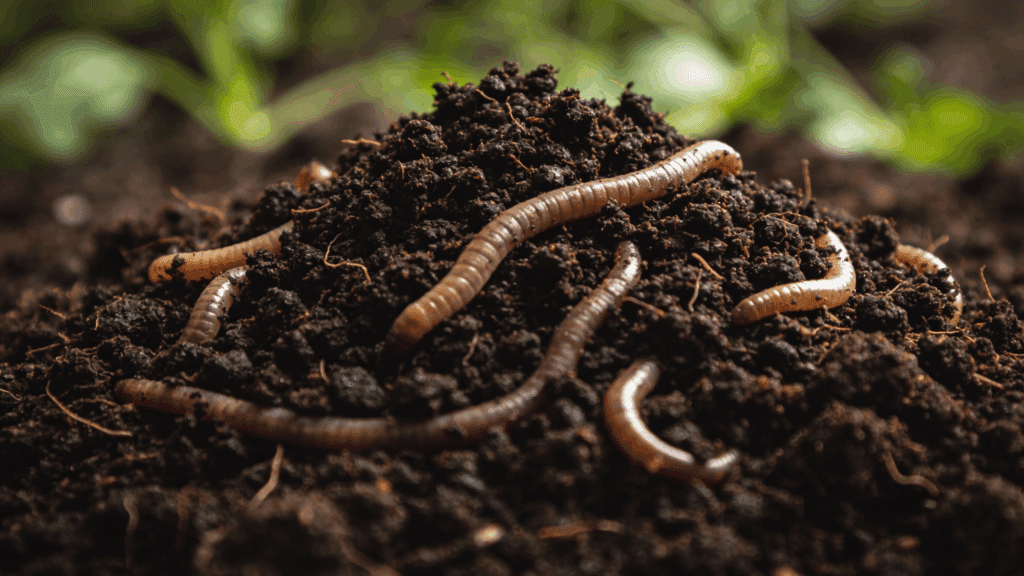
Vermicompost is a nutrient-dense natural plant fertilizer that enhances soil structure, boosts microbial life, and provides slow-release nutrients for sustained plant growth.
Steps:
- Collect worm castings
- Dry slightly
- Mix into the soil
- Water lightly
Best for: Indoor and outdoor plants
Application Tip: Use as top dressing
15. Green Tea Fertilizer
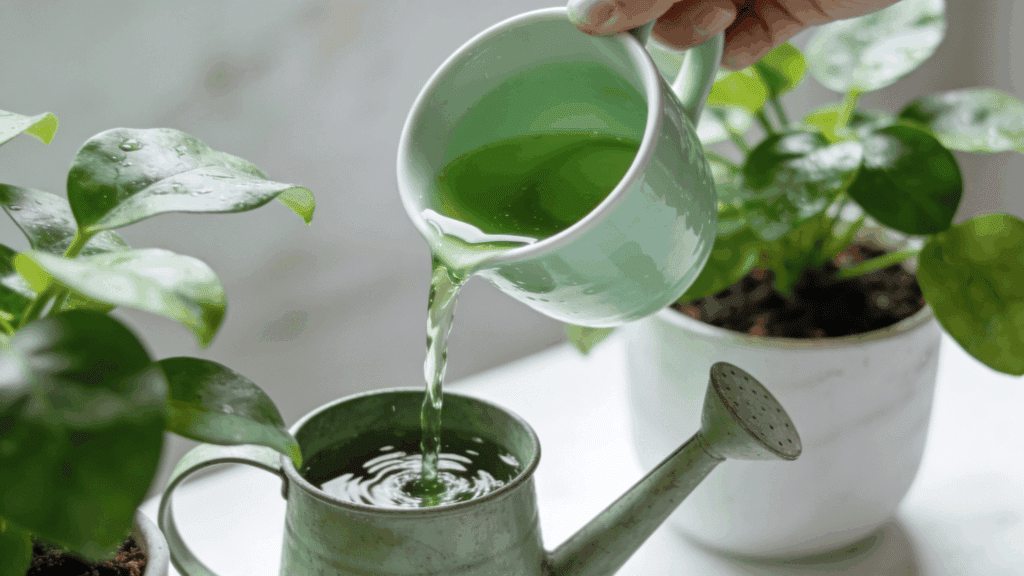
Green tea fertilizer adds mild nitrogen and antioxidants that improve soil microorganisms and support gentle growth for young or sensitive plants.
Steps:
- Brew weak green tea
- Cool completely
- Dilute with water
- Apply to the soil
Best for: Houseplants
Application Tip: Use once monthly
16. Corn Steep Liquor (Corn Water)
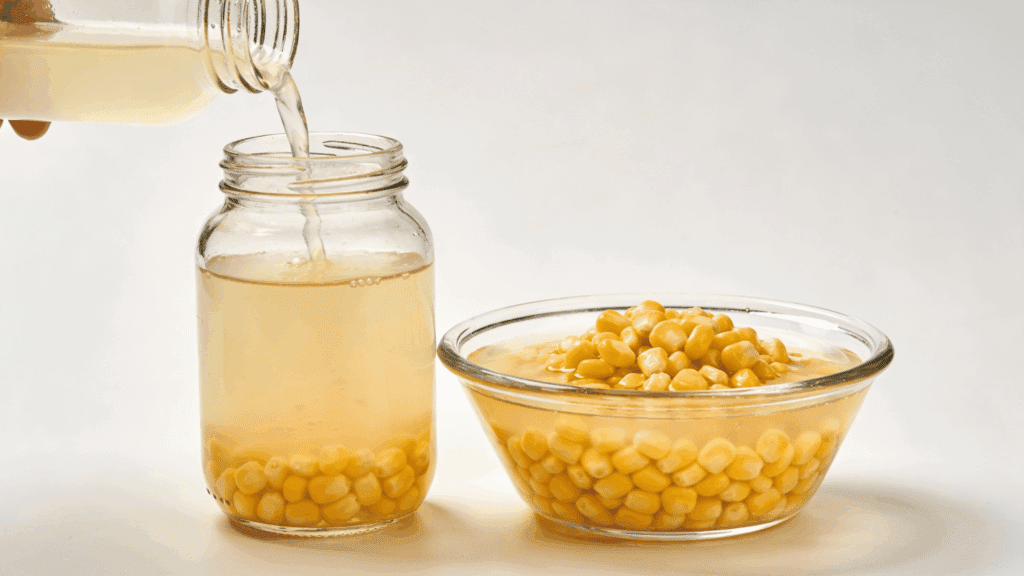
Corn water provides carbohydrates and nutrients that feed beneficial soil microbes, improving nutrient cycling and soil vitality for healthier plant growth.
Steps:
- Soak corn kernels overnight
- Strain liquid
- Dilute with water
- Apply to the soil
Best for: Vegetable plants
Application Tip: Use fresh only
17. Rice Water
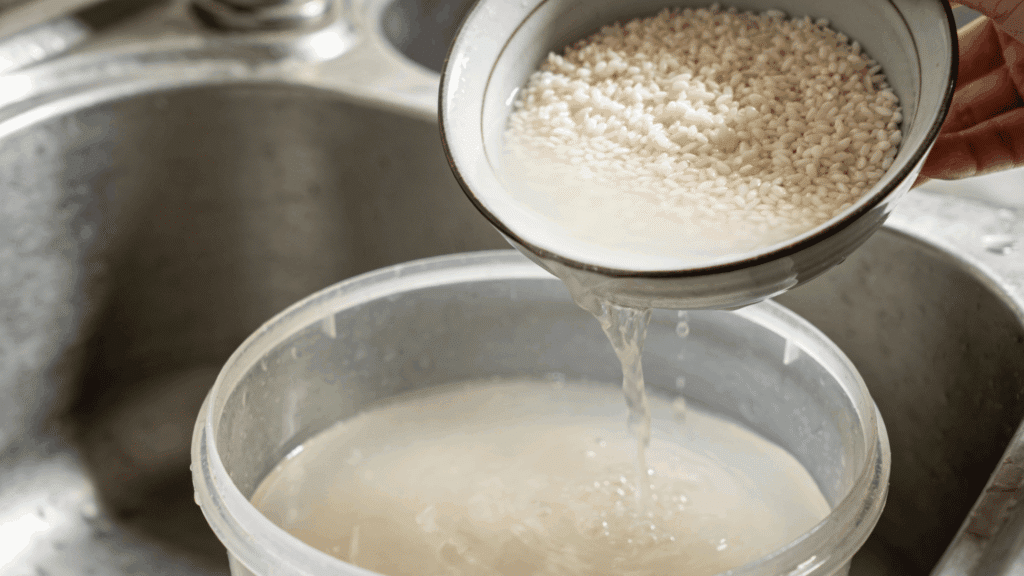
Rice water supplies starch and trace nutrients that support beneficial bacteria, improve soil health, and promote steady growth in garden and indoor plants.
Steps:
- Rinse rice in water
- Collect cloudy water
- Dilute slightly
- Water plants
Best for: Indoor plants
Application Tip: Use unsalted rice water
How Often Should You Use Natural Plant Fertilizer?
The frequency of fertilizing depends on several factors. Plant type, growing season, and soil quality all play a role.
Most houseplants need feeding every four to six weeks during spring and summer. In fall and winter, they grow more slowly and need less food.
Outdoor garden plants have different needs. Vegetables are heavy feeders and benefit from fertilizing every two to three weeks.
Flowering plants do well with monthly applications during their blooming period. Established trees and shrubs need feeding just once or twice a year.
Always check the soil before adding more fertilizer. Overfed plants can suffer from nutrient burn. Watch for signs like brown leaf tips or yellowing. Less is often more with natural fertilizers.
Common Mistakes to Avoid When Using Natural Plant Fertilizer
Natural fertilizers are safe, but improper use can still harm plants. Knowing what to avoid helps gardeners get better results.
- Adding too much fertilizer at once, which can burn roots and damage plants.
- Using fresh manure directly on plants instead of letting it compost first.
- Forgetting to water plants after applying fertilizer can prevent proper nutrient absorption.
- Applying fertilizer to dry soil, which increases the risk of root burn.
- Fertilizing dormant plants during winter when they’re not actively growing.
- Ignoring signs of nutrient deficiency and continuing with the same feeding schedule.
Conclusion
Growing healthy plants doesn’t require expensive products or complicated methods. Simple kitchen scraps and household items work just as well, if not better.
These organic fertilizer recipes prove that nature provides everything gardens need.
Start small with one or two recipes that use ingredients already available. Banana peels, coffee grounds, or eggshells are perfect for beginners. Watch how plants respond and adjust the feeding schedule accordingly.
Healthier soil means stronger plants that resist pests and diseases naturally. The garden will thank you with vibrant blooms and abundant harvests.