

Looking at that bright yellow stuff spreading across the mulch can make any gardener pause. Is it mold? Is it dangerous? Should it be removed immediately?
Yellow fungus on mulch is more common than most people realize. It pops up in gardens, flower beds, and landscaped areas, often catching homeowners off guard.
This colorful visitor is usually harmless to both plants and people. But there’s more to the story.
Understanding what this yellow growth actually is, why it appears, and whether it poses any real risks can help gardeners make informed decisions about their outdoor spaces.
What is the Yellow Fungus on Mulch?
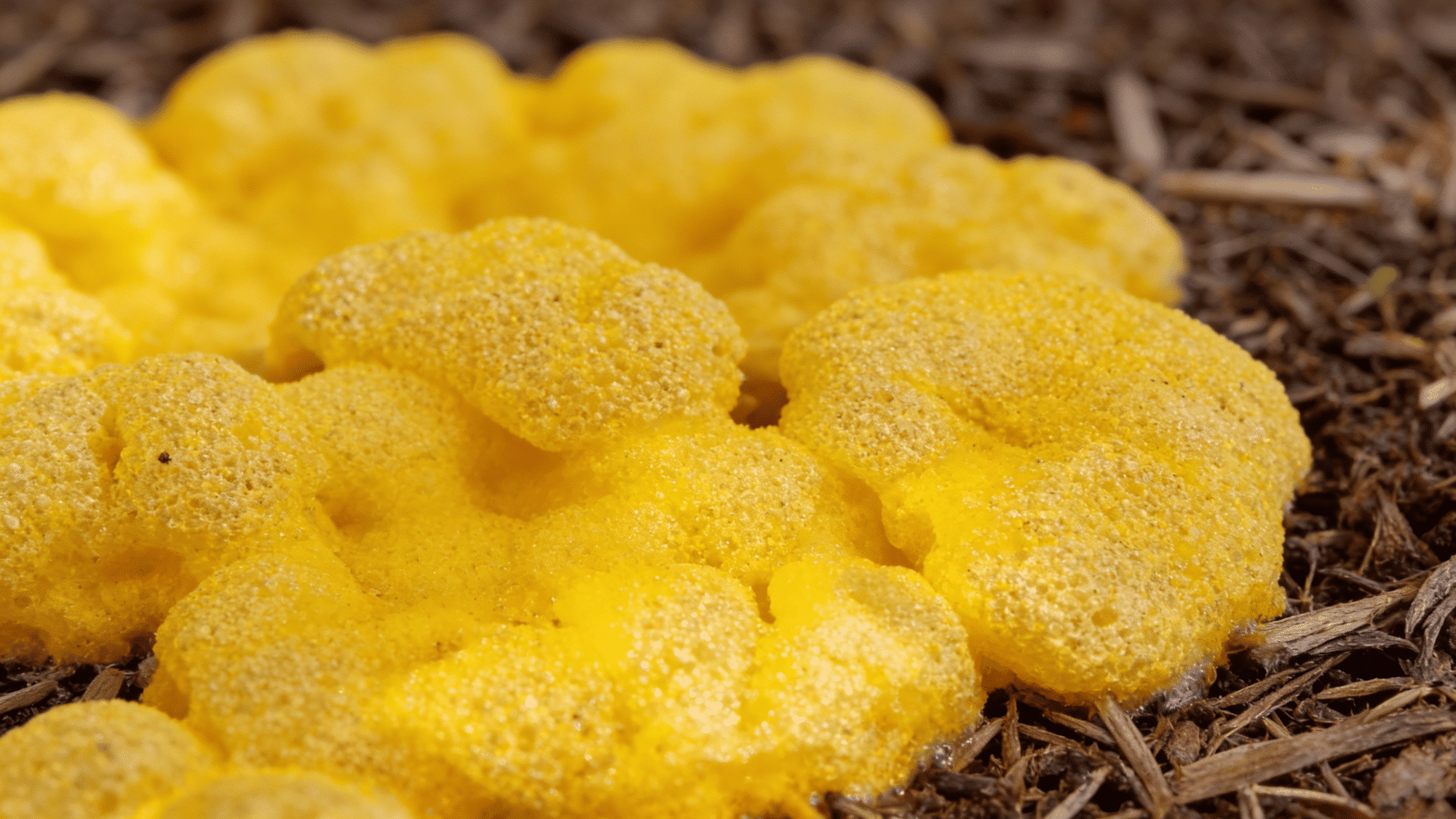
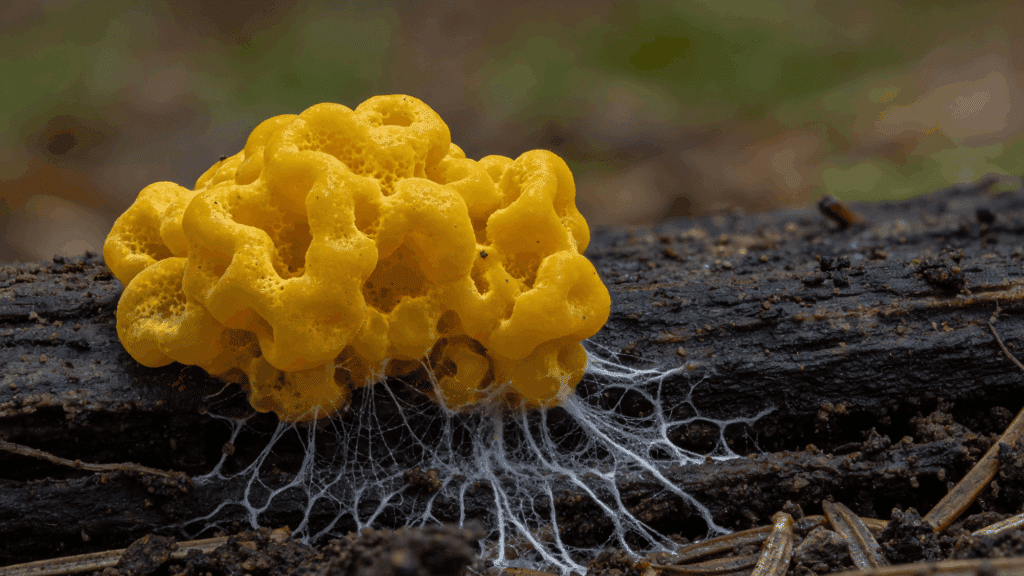
That yellow stuff on mulch is typically a slime mold called Fuligo Septica, though gardeners often call it “dog vomit slime mold” because of its appearance.
It’s not actually a fungus at all, despite the name. This organism is a type of plasmodial slime mold that feeds on bacteria and decaying organic matter in the mulch.
The yellow growth usually appears during warm, humid weather when moisture levels are high. It starts out bright yellow or orange, then gradually darkens to brown as it matures.
While it might look alarming, this slime mold is a natural part of the decomposition process happening in garden beds.
Why Does Yellow Fungus Grow on Mulch?
Yellow fungus thrives on mulch because the conditions it creates provide a perfect environment for growth and reproduction.
- Moisture: Wet mulch from rain or overwatering provides the dampness slime molds need to flourish.
- Organic matter: Decomposing wood chips and plant material provide abundant food.
- Warm temperatures: Heat combined with humidity significantly speeds up the organism’s growth cycle.
- Poor air circulation: Dense mulch layers trap moisture and limit airflow, creating ideal conditions.
- Shade: Areas with limited sunlight stay wetter longer, which encourages the growth of yellow fungus.
Risks of Yellow Fungus on Mulch
Yellow fungus on mulch is generally not dangerous to humans, pets, or plants.
The slime mold doesn’t attack living vegetation and won’t harm garden beds. It simply feeds on bacteria and decaying organic material in the mulch itself.
For most people, the biggest concern is aesthetic. The bright yellow or orange growth looks unsightly in landscaped areas.
While the organism isn’t toxic, it’s still smart to avoid direct contact and wash your hands after handling affected mulch.
People with respiratory sensitivities might want to wear a mask when removing it, as disturbing the mature spores could cause minor irritation in rare cases.
How to Identify Yellow Fungus on Mulch
Recognizing yellow fungus involves looking for specific visual characteristics and patterns that distinguish it from other garden growths.
- The growth appears in vibrant yellow, orange, or cream shades that stand out against dark mulch.
- Fresh yellow fungus has a wet, foamy appearance similar to scrambled eggs or foam insulation.
- The organism spreads in random, blob-like patterns without defined edges or uniform structure.
- Patches can range from a few inches to several feet across, depending on conditions.
- As it matures, the bright yellow fades to tan, brown, or grayish tones before drying out completely.
Types of Mulch That Commonly Grow Yellow Fungus
Different mulch types create varying conditions for yellow fungus growth, with some being more prone to infestations than others.
1. Wood Chip Mulch
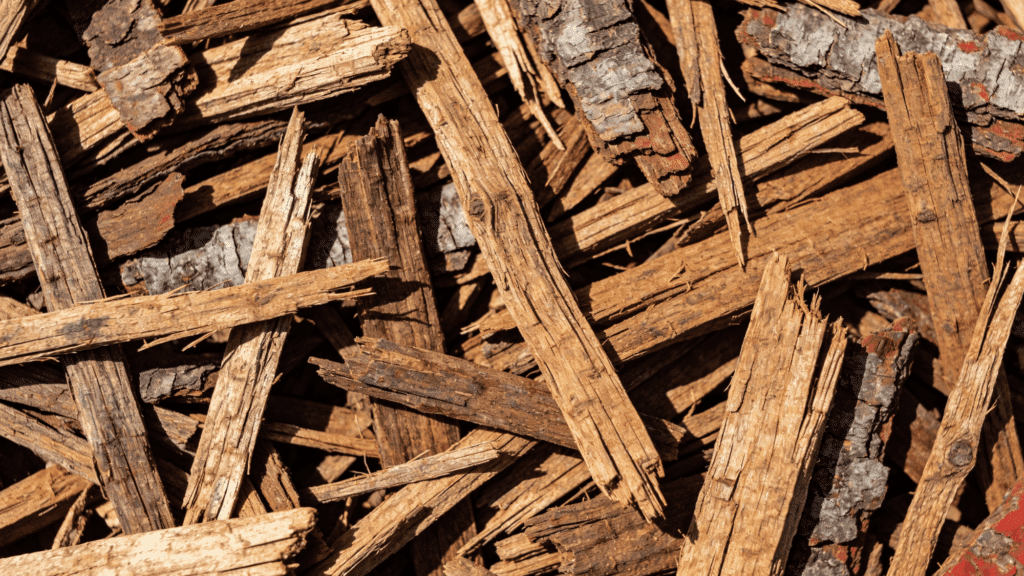
Wood chip mulch is one of the most susceptible to yellow fungus growth. The chunky pieces retain moisture between layers and slowly break down, creating ideal conditions.
Fresh wood chips contain plenty of organic matter for slime molds to feed on.
Pine, cedar, and hardwood chips all attract this growth, especially when laid in thick layers that don’t dry out quickly between waterings or rain.
2. Shredded Bark Mulch
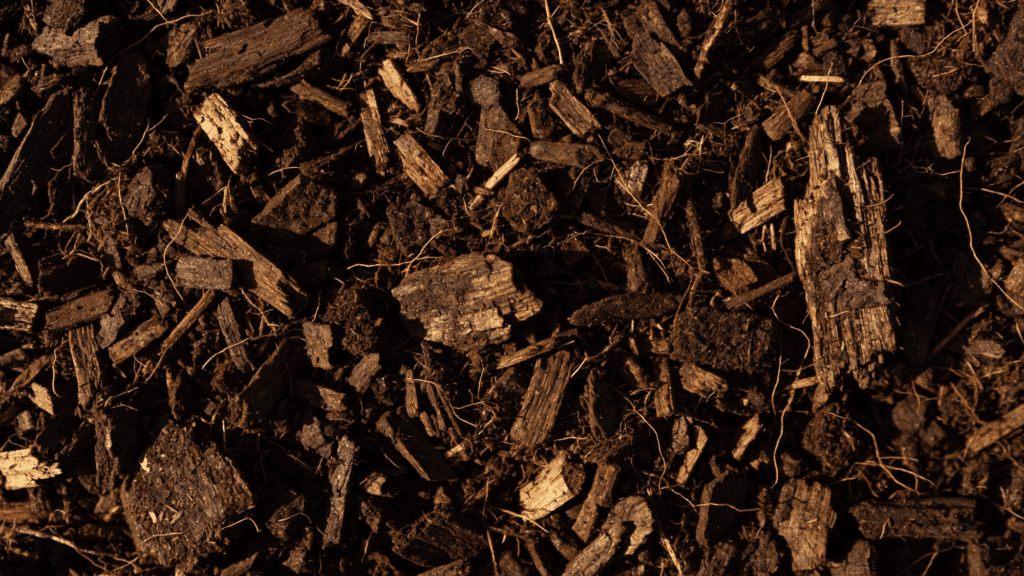
Shredded bark holds moisture exceptionally well due to its fibrous texture. This type packs down tightly over time, reducing airflow and keeping the lower layers damp.
The decomposing bark provides nutrients that slime molds love.
Shredded bark in shaded garden beds or around foundations where air circulation is limited tends to develop yellow fungus more frequently than bark placed in sunny, open areas.
3. Hardwood Mulch
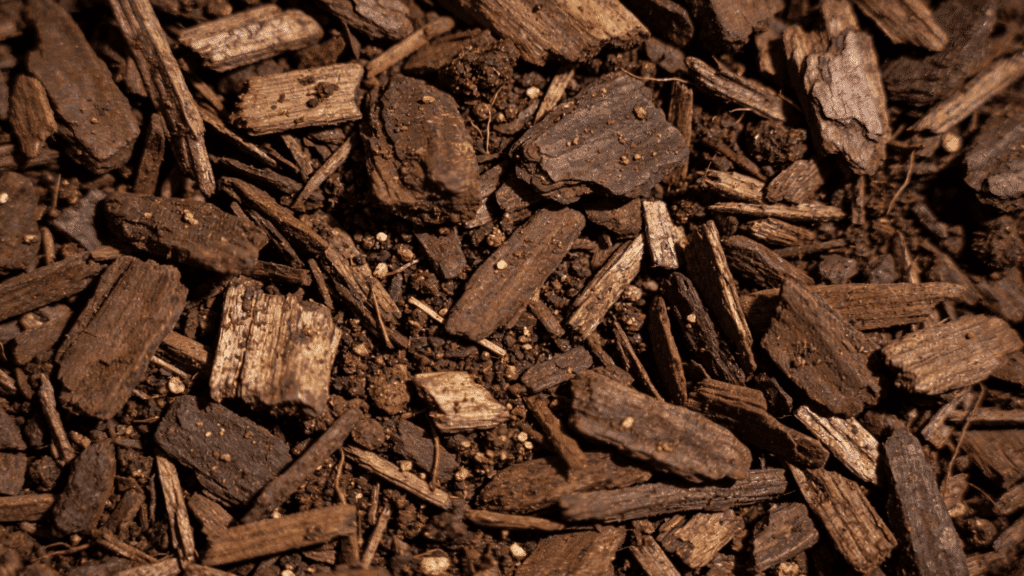
Hardwood mulch made from oak, maple, or mixed deciduous trees creates an ideal environment for yellow fungus.
It retains water well and decomposes at a moderate rate, feeding the organism continuously. The dense nature of hardwood pieces means they stay moist longer after rainfall.
This mulch type is popular for flower beds and landscaping, where the conditions often favor slime mold development during summer months.
4. Pine Straw Mulch
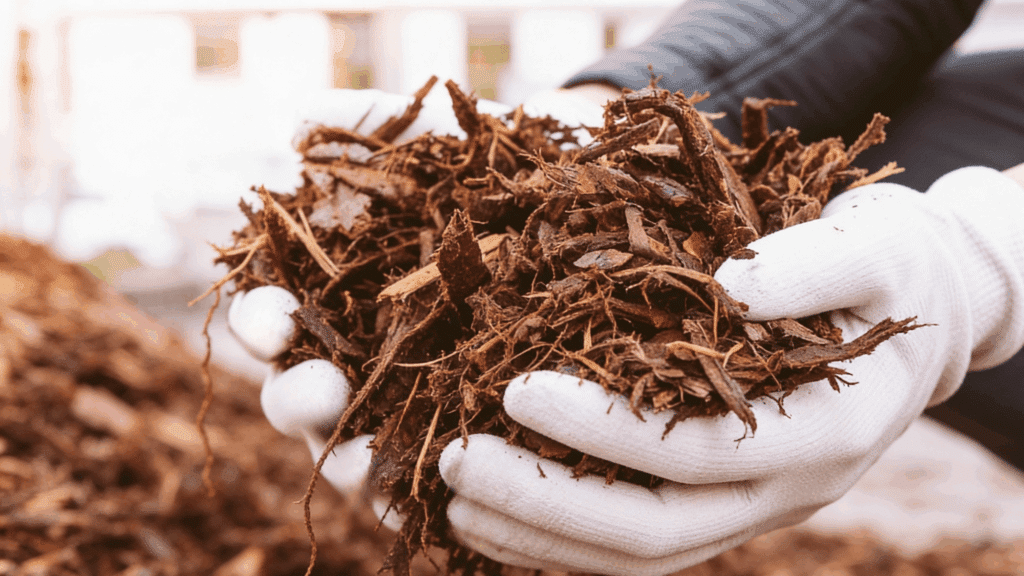
Pine straw might seem like it would dry quickly, but it can trap moisture underneath the top layer.
When pine needles mat together after rain, they create pockets where water collects. The decomposing needles provide food for yellow fungus, particularly in humid climates.
While less common than with wood mulches, slime mold can still appear on pine straw, especially in areas with poor drainage or heavy shade.
5. Compost-Based Mulch
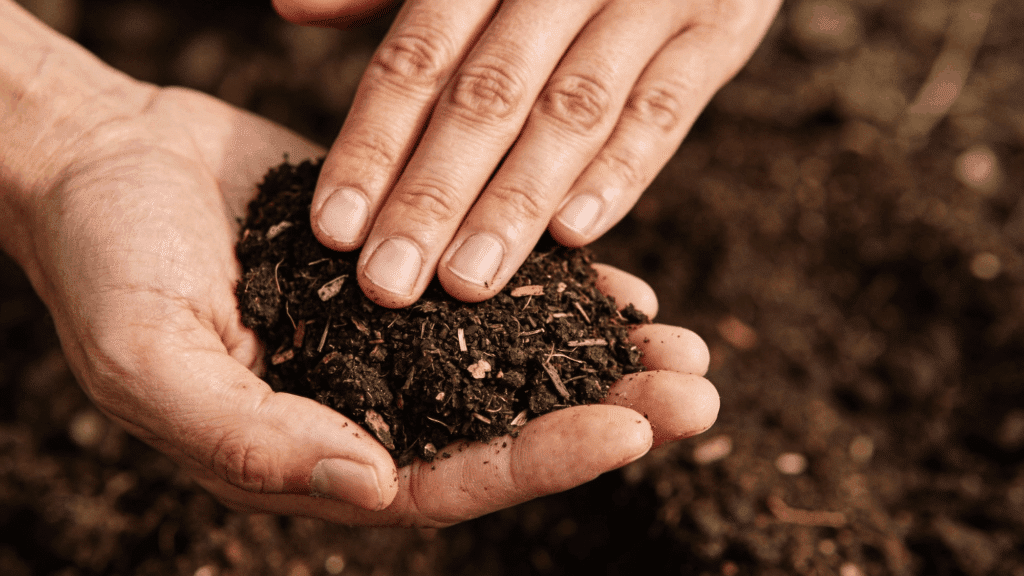
Compost-based mulch is rich in organic matter and nutrients, making it highly attractive to slime molds. The high moisture content and active decomposition create perfect growing conditions.
This type of mulch often develops yellow fungus within days of application during warm weather.
The nutrient-dense environment accelerates slime mold growth, though this also means the mulch is doing its job of enriching the soil beneath.
How to Get Rid of Yellow Fungus on Mulch
Getting rid of yellow fungus is straightforward, though it may require patience since the organism can return under the right conditions. The removal doesn’t require harsh chemicals or expensive treatments.
Most gardeners find that simple physical removal works best. Scraping off the visible growth and improving drainage usually solves the problem.
Adjusting watering schedules and increasing air circulation also help prevent regrowth. Some methods focus on changing the mulch environment to make it less hospitable.
The key is addressing the moisture issue that allowed the fungus to develop in the first place. Multiple approaches can be combined for better results.
How to Prevent Yellow Fungus from Coming Back
Preventing yellow fungus requires managing moisture levels and creating conditions that discourage slime mold growth in mulched areas.
- Rake regularly: Turning and aerating mulch every few weeks improves airflow and helps it dry out faster.
- Reduce watering: Water plants at the base rather than soaking the entire mulch layer unnecessarily.
- Thin mulch layers: Keep mulch depth at two to three inches to allow better air circulation and quicker drying.
- Improve drainage: Grade soil away from problem areas and add drainage solutions where water pools consistently.
- Increase sunlight: Trim back overhanging branches to allow more light and air movement through garden beds.
Conclusion
Yellow fungus on mulch might look alarming at first glance, but it’s just nature doing its thing.
This harmless slime mold indicates healthy decomposition happening in the garden. Rather than reaching for chemicals, a simple rake and some adjustments to watering habits usually do the trick.
Don’t panic when those bright yellow patches appear. They’re temporary visitors that pose no real threat to plants, pets, or people. By managing moisture levels and maintaining good air circulation, gardeners can keep these colorful growths under control.
Sometimes the best approach is simply letting nature run its course. The fungus will eventually disappear on its own.