

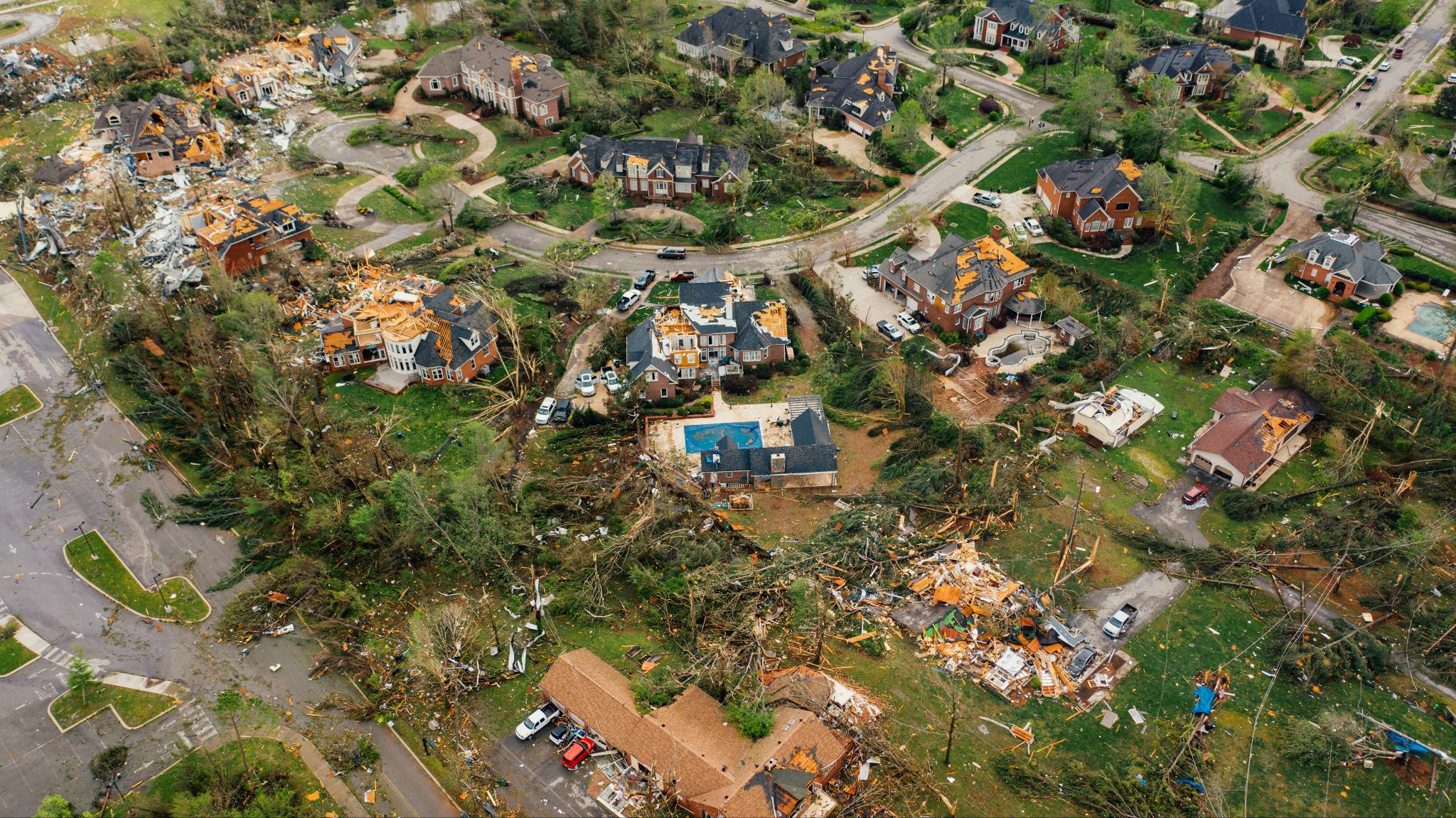
Staying ready for disasters is not only about gear. It is about the choices you make long before the sky turns dark. A good plan protects people first, then property.
This guide walks you through step-by-step moves for common hazards. You will learn how to lower risk, harden your home, and speed up recovery after a storm or quake.
Know Your Local Risks
Start with the threats where you live. Coastal homes face wind, surge, and flooding. Inland areas may see tornadoes, wildfires, or winter storms.
Track regional patterns each year. Forecast groups have noted strong odds for active Atlantic seasons, which means more chances for wind and water events. Treat that as a nudge to check your plan and fix weak spots before summer.
Map your home’s exposure. Are you near water, at the end of a canyon, or under tall trees? Walk the property and list hazards you can change, like loose fencing or clogged drains.
Meet neighbors and swap contact details. A quick text can spot issues you miss, like blocked street exits or a downed line after a storm.
Protecting Openings And Exteriors
Windows, doors, and roofs are the first line against wind and debris. If these fail, pressure builds inside, and damage grows fast. Upgrade weak hardware and keep a simple checklist for shutters, latches, and seals.
Permanent shutters are best for storms, while well fitted 5/8 inch exterior grade plywood can be a backup when shutters are not available. One safety agency stresses that these coverings must be measured and predrilled so you can install them quickly when warnings are issued.
Your area may also be prone to hurricanes, and you can reduce risk with stronger fenestration. Many South Florida homeowners look for miami hurricane impact windows and doors to resist wind pressure and flying debris – the key is proper installation and verified ratings so the system performs when it counts.
Do not forget the roof. Refasten loose shingles, seal roof deck seams with tape, and check that soffits are secured. Clear gutters so water moves away from the structure.
Build A Safer Interior Plan
Create a safe room away from windows. Interior hallways or small rooms work well. Stock it with a flashlight, first aid kit, radio, and spare phone chargers.
Train everyone to shut off water, gas, and power if officials advise it. Label valves and breakers. Keep a wrench in plain view.
Store important papers in a fire and water-resistant box. Include IDs, insurance, deeds, medical lists, and backup drive copies. Add a printed phone list in case the cloud is not available.
Run family drills twice a year. Practice sheltering, exiting the house, and meeting at a spot outside. Short, simple drills build calm when stress is high.
Power, Water, And Supplies
Plan for at least 3 days without power. Many families aim for 7 days when storms are common. Refrigerated meds may need a cooler or a battery backup.
Water is critical. Store sealed containers and rotate them every 6 months. Keep purification tablets or a filter in your kit.
- Store 1 gallon of water per person per day
- Have shelf-stable food for several days
- Include a manual can opener and basic utensils
- Pack pet food and supplies with your main kit
If you use a generator, set it up outdoors and away from doors and windows. Place carbon monoxide alarms on every floor and test them often.
Insurance, Codes, And Documentation
Read your policy and understand deductibles and special limits. Ask about coverage for flood, wind, quake, or wildfire. Many policies split wind or named storm deductibles from other claims.
Strong products and verified installations matter. Local product approvals for High Velocity Hurricane Zones show that certain impact-rated windows and doors meet strict testing for large and small missile impacts. Look for clear listings and labels on the product and keep those records with your files.
Follow current building codes and standards. Upgrades like better roof deck fastening or door bracing can reduce losses and may earn premium credits. Ask your agent how to document improvements.
Keep photo and video records of every room, including serial numbers for big items. Save copies to a cloud folder and a physical drive in your safe box.
Yard, Drainage, And Utilities
Think about what the wind can move. Trim trees away from the roof and power lines. Tie down tanks, grills, and patio sets.
Water needs a path. Grade the soil to slope away from the foundation. Extend downspouts and clear street drains near your driveway.
Label your main utility shutoffs with bright tags. Teach older kids how to call the utility company and report a fallen line. Never touch or drive over downed wires.
If you have sump pumps, test them before rainy seasons. Add a battery backup so they work during an outage.
After The Disaster
Wait for the official notice that it is safe to travel. Bring ID, masks, gloves, and boots. Assume any standing water hides sharp debris or live wires.
Check the structure from the outside first. Look for sags, cracks, or the smell of gas. If anything seems off, call a pro before entering.
Move slowly inside. Take photos before you move items. Toss food that was warmed above safe temperatures and anything that touched floodwater.
Contact your insurer right away and keep a simple log of calls, claim numbers, and receipts. Repairs go more smoothly when your records are tidy.
A few small actions, done before trouble arrives, can keep people safe and reduce damage. Start with your biggest risks, fix the weak points you control, and practice your plan.
Prepared homes bounce back faster. Keep your checklist on the fridge, update it twice a year, and make readiness a normal part of home life.