

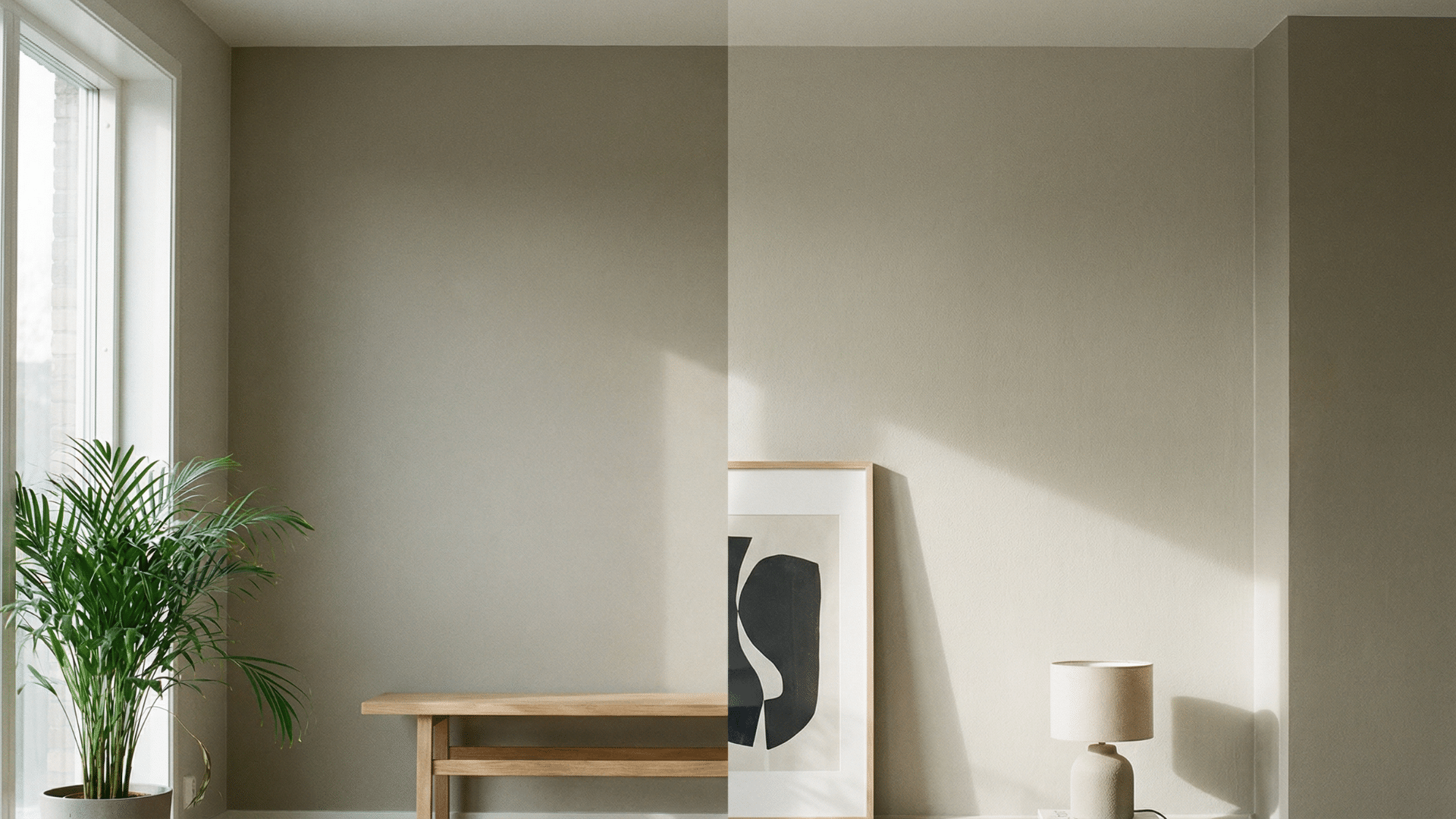
Flat and matte paints are often mistaken for the same, but they differ in subtle ways that matter. Both offer a soft, non-shiny look that many people prefer for home walls.
Picking between them can be confusing without the right info. Each one has its own feel and works better in some spaces than others.
This blog compares flat and matte paint in real-world use. It keeps things simple and easy to follow.
By the end, readers will have a better idea of which one best fits their needs.
What is Flat Paint?
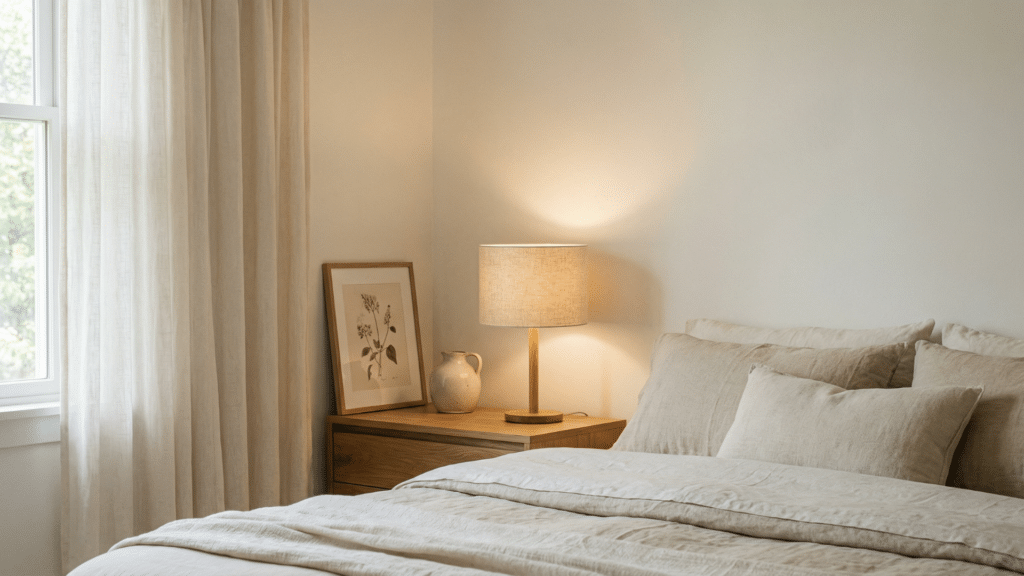
Flat paint is a type of wall paint with no sheen. It has the lowest level of gloss. This means the surface will look soft, smooth, and dry.
Flat paint is good at hiding small marks and cracks. Because it doesn’t reflect light, it makes walls look clean and even.
Flat paint often feels chalky to the touch. It gives a very calm and cozy look. But there’s a catch, it’s not very strong. Flat paint can rub off if touched too much or cleaned with force.
Flat paint works best in places where the walls won’t be touched much. It’s great at hiding rough patches or areas with bumps. Since it doesn’t shine, it also helps spaces feel calm and simple.
Common uses for flat paint:
- Ceilings: Perfect for hiding small flaws and lighting shadows.
- Adult bedrooms: Low-touch areas where a soft look is wanted.
- Formal rooms: Dining rooms or guest rooms that are used less often.
- Old walls: Flat paint hides imperfections better than shiny paint.
What is Matte Paint?
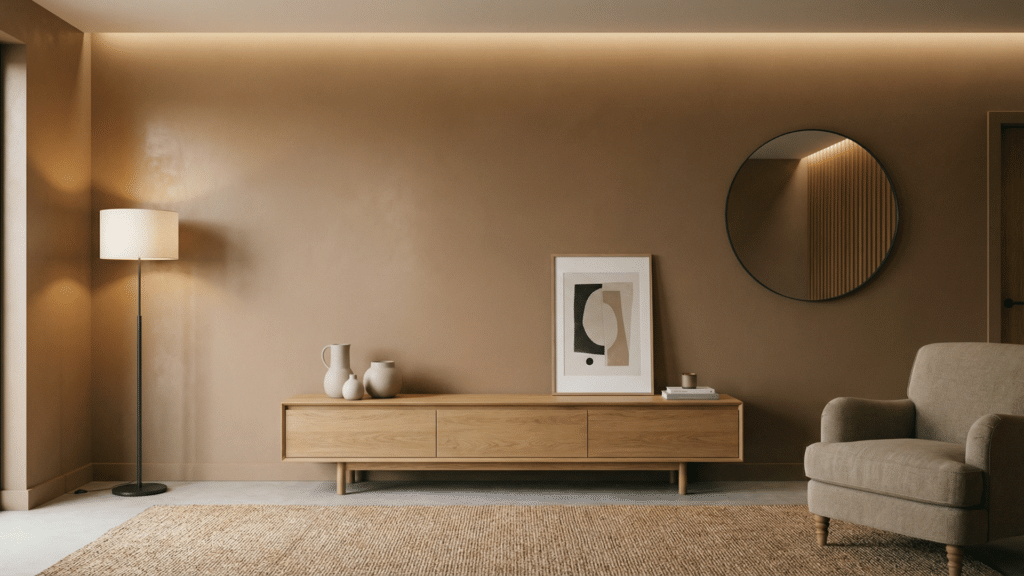
Matte paint is very close to flat paint, but it has a very slight sheen. It still looks soft and smooth, but it reflects a small amount of light. This makes it a bit more durable than flat paint.
Matte paint also hides flaws well, though not quite as well as flat paint. The slight shine gives it a deeper color look and helps it stand up better to cleaning. It’s still not as strong as satin or gloss paint, but it does better than flat in high-traffic areas.
Matte paint is more flexible. It looks nice and feels smooth, but it’s also a bit stronger than flat. This makes it useful in more places around the home.
Common uses for matte paint:
- Living rooms: Adds warmth without much shine.
- Bedrooms: Great choice for a soft, restful feel.
- Hallways: Handles light scuffs and is easy to touch up.
- Home offices: Professional but not too glossy.
Matte vs Flat Paint: Main Differences
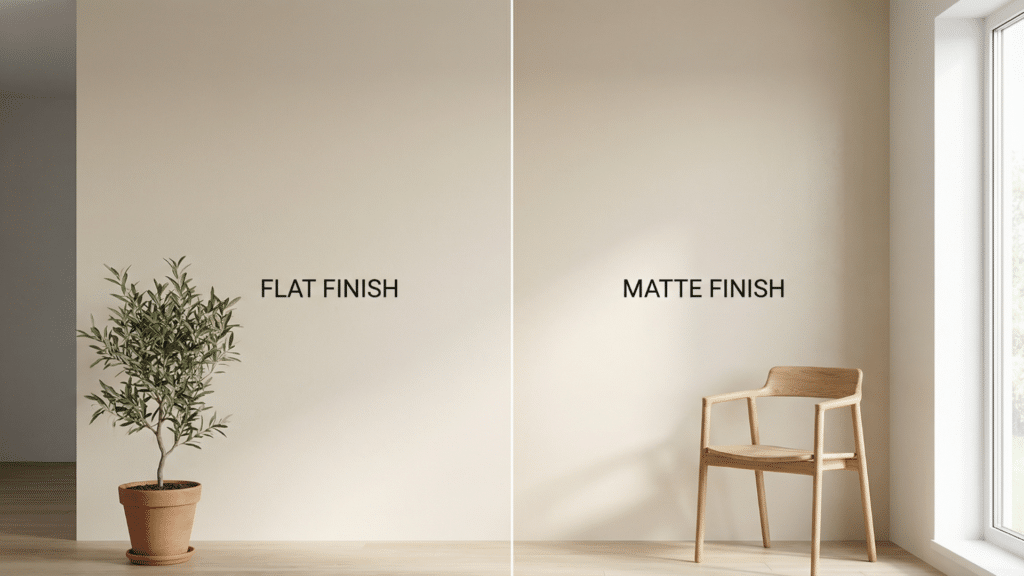
Flat and matte paint can look almost the same on the paint chip. But once the paint is on the wall, small differences start to matter. The points below explain what really changes in daily home use.
Shine Level
Flat paint has almost no shine. It does not reflect light, even when the sun hits the wall. This gives a calm and “soft” look. It can also make a room feel more cozy because there is no glare.
Matte paint has a slight sheen, but it still looks low-key and smooth. It is not glossy or bright. The small amount of shine can make the wall look slightly more “finished” and clean.
Quick way to think about it:
- Flat = no shine (very soft)
- Matte = low shine (soft, but a little richer)
In many homes, matte looks almost the same as flat from far away. The difference becomes clearer when the wall is in strong light or when you stand close.
Finish Look
Flat paint gives a very smooth and even look. It hides small wall issues better than most other finishes. For example, if the wall has tiny dents, uneven patches, or old paint marks, flat paint helps them blend in.
Matte paint also hides flaws well, but not as perfectly as flat paint. Since it has a little more sheen, it can show small texture on the wall more than flat does. Still, it looks clean and soft in most rooms.
Flat paint finish usually looks best on:
- older walls with small flaws
- walls with patchwork or repairs
- ceilings (where you want a clean look with no shine)
Matte paint finish usually looks best on:
- smooth or well-prepped walls
- rooms where you want a soft color but slightly better strength
- modern homes where walls need a “fresh” look without gloss
If the goal is a smooth look with the least attention on wall texture, flat is often the winner.
Touch-Ups and Repairs
Flat paint is usually the easiest to touch up. Since it has no shine, small brush or roller marks blend in better. This means you can often cover a spot without the repair standing out.
Matte paint is also touch-up friendly, but it depends on the wall condition. If the wall has been cleaned many times, the paint surface may change slightly. Then a fresh touch-up can sometimes appear darker or smoother than the surrounding area.
Best tips for clean touch-ups (flat or matte):
- Use the same paint can if possible
- Use the same roller type as the first time
- Paint a slightly larger area than the mark (not just a tiny dot)
- Let it dry fully before judging the result
Flat paint is great if quick and simple touch-ups matter most.
Durability
Flat paint is less durable. It can scuff easily. It may also show “rub marks” when something brushes against it. In busy areas, flat paint can start to look worn more quickly.
Matte paint is more durable than flat paint. It holds up better against small marks and light contact. It’s still not as tough as satin or semi-gloss, but it gives a better balance between a soft look and stronger performance.
Flat paint durability is best for:
- ceilings
- low-traffic bedrooms
- formal dining rooms
- guest rooms that don’t get much daily use
Matte paint durability is better for:
- living rooms
- hallways
- home offices
- family rooms
If a wall gets touched often, matte paint usually stays looking good longer.
Cleaning and Maintenance
Flat paint is harder to clean. Scrubbing can remove the paint or leave shiny spots. Even gentle wiping can sometimes make the area look different. This is why flat paint is often called “not washable,” even though some newer flat paints claim they are.
Matte paint is easier to clean because it has slightly more strength in the finish. It can handle light wiping better. You still need to be gentle, but it’s less likely to get damaged during cleaning.
Safe cleaning tips for both finishes:
- Use a soft sponge or microfiber cloth
- Use warm water and a small drop of mild soap
- Don’t scrub hard in one spot
- Pat dry gently instead of rubbing fast
If easy cleaning matters in your home, matte paint is usually the safer pick.
Paint Cost and Value
Paint price can vary by brand, quality, and type. But in many cases, flat paint is slightly cheaper than matte paint. This is one reason flat ceilings are popular in large areas.
Matte paint may cost a bit more, but it can give better value if it lasts longer and needs fewer touch-ups. If you paint a busy room with flat paint, you may end up repainting sooner. That can cost more in the long run.
Flat paint is a good value for:
- big ceiling jobs
- rooms that won’t get much wear
- quick refresh projects
Matte paint is a good value for:
- walls that need light cleaning
- rooms used daily
- spaces where you want a soft look that lasts
When thinking about value, it helps to look beyond the price tag. The best paint is the one that keeps the room looking clean for longer.
How Light Affects the Look
Flat paint absorbs light. This helps reduce glare. It also makes wall flaws less noticeable because light is not bouncing off the surface. Flat paint often looks smooth and calm in bright rooms.
Matte paint reflects little light. This can make the wall color look slightly deeper and more “full.” It can also make the room feel a little brighter without becoming shiny.
Flat paint works well when:
- the room gets a lot of direct sunlight
- the wall has texture or small flaws
- You want a soft, calm look
Matte paint works well when:
- You want soft walls but not too “flat” looking
- the room has mixed lighting (windows + lamps)
- You want color to feel richer
So, in the flat vs matte paint choice, light can help decide which finish will look best in your space.
Community Advice on Flat vs Matte Paint
Many homeowners and DIYers have shared their thoughts online after using flat and matte paint in different spaces. Here’s what they’ve had to say:
“Flat paint was perfect for my ceiling. It covered everything in one coat and made the room look clean. But I used it in the hallway too, and that was a mistake. Every little scuff shows up, and it’s hard to clean.”
Great for ceilings, but not strong enough for busy areas.
“I picked matte for my bedroom walls. I wanted something soft but stronger than flat. So far, it’s holding up great. The color looks rich, and I’ve wiped off a few marks without a problem.”
Matte looks soft and handles light cleaning well.
“Flat paint is good if no one touches the walls. I used it in a guest room, and it looks amazing. But I’d never use it in a kid’s room again, it stains too fast and touch-ups don’t always fix it.”
Use flat in low-traffic rooms, not where kids play.
“Matte paint was a nice middle ground for my living room. I didn’t want any shine, but I also didn’t want something that would come off if I wiped it. It’s worked out really well.”
Matte offers a solid balance between look and strength.
“I chose flat paint to save money. It looked nice at first, but now I regret it. Cleaning it is almost impossible. I’d go with matte next time, even if it costs a bit more.”
Flat might save upfront, but matte saves in the long run.
Tips for Choosing Between Flat and Matte Paint
Still unsure which paint to choose? Here are some quick tips:
- Use flat paint on ceilings or walls with lots of flaws.
- Use matte paint in living rooms, hallways, or where walls get touched more.
- If there are pets or kids in the house, matte is safer.
- If you plan to repaint often, flat is cheaper and easier to touch up.
- Test both types on your wall before painting the full room.
Conclusion
There’s no one-size-fits-all answer in the flat vs matte paint debate. Each has its strengths.
Flat paint hides flaws and gives a soft look, but it’s harder to clean. Matte paint looks similar but holds up better in busy areas.
Think about your space, how much traffic it gets, and how often you plan to clean the walls. Your choice should match your needs, not just the label on the can.
No matter which finish you pick, knowing how it behaves can save time and effort later. And if you change your mind, both flat and matte are easy to paint over.