

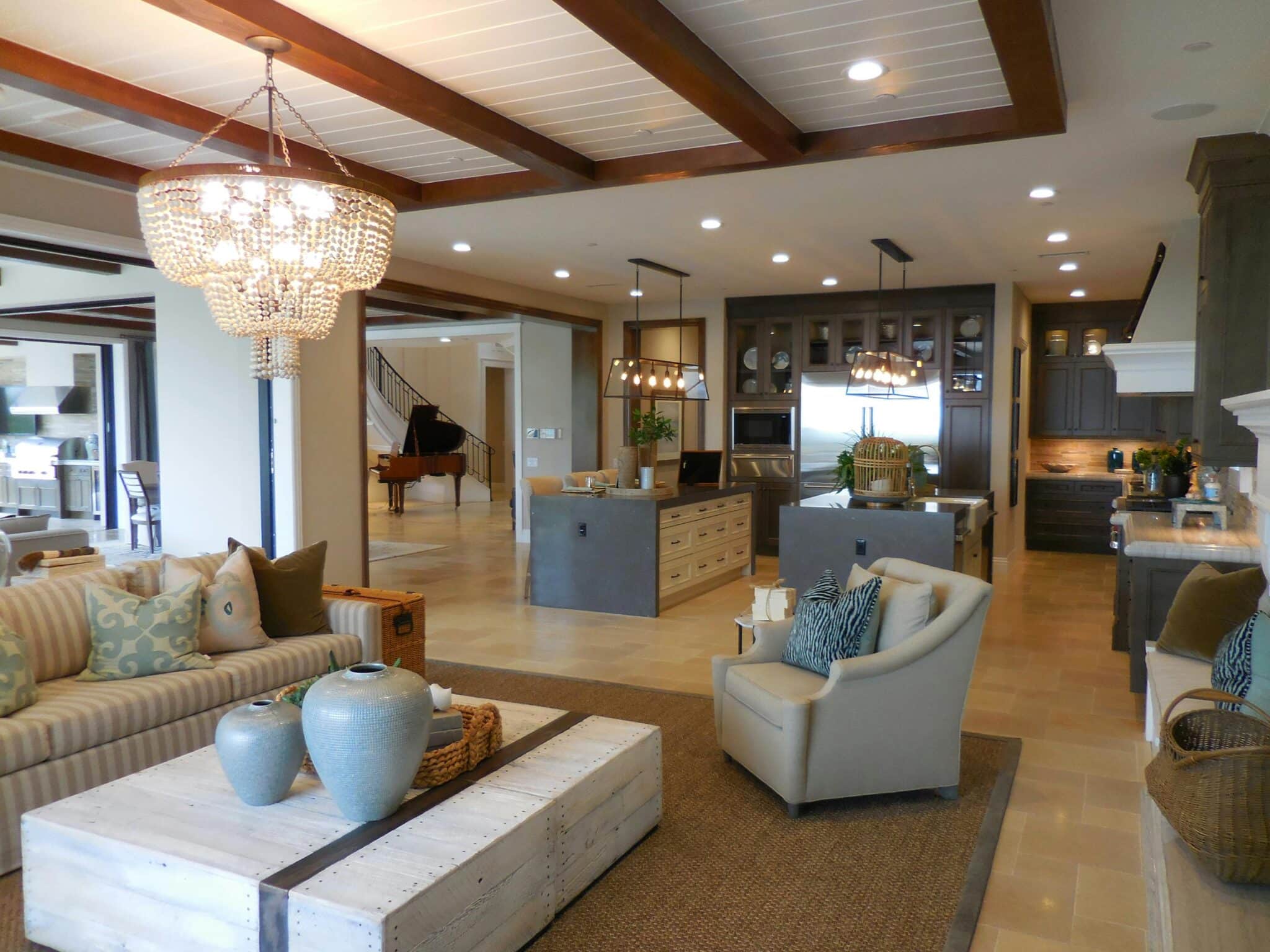
Luxury homes are often judged by finishes, views, and floorplans. But day to day, what separates “impressive” from “easy to live in” is consistency. Air conditioning works the way it should. Small repairs don’t become visible patchwork. The home is clean without looking over-cleaned. And when the property is rented, guests arrive to something that feels calm and genuinely prepared—not hurriedly reset.
That consistency is rarely accidental. It usually comes from structured management: preventive routines, vendor discipline, clear standards, and documentation that keeps quality from drifting. Some owners build this in-house; others work with specialist operators such as First Class Holiday Homes when they want a team to run the details without constant owner involvement.
Below are the practical ways professional management improves both living quality and rental performance in luxury homes.
Better living starts with systems that stay stable
Many “luxury” frustrations are actually operational: temperature swings, hot water delays, noisy equipment, or repeated minor faults. A manager reduces those issues by treating home comfort like a maintained outcome, not a lucky outcome.
What that typically includes:
- HVAC servicing and filter discipline to keep airflow and performance consistent
- drain-line and moisture checks so small issues don’t become damage
- appliance testing and calibration during routine visits
- fast triage rules so urgent problems are handled without delay
In a well-run home, the systems are quiet because they’re cared for before they fail.
Finishes stay premium when care methods are controlled
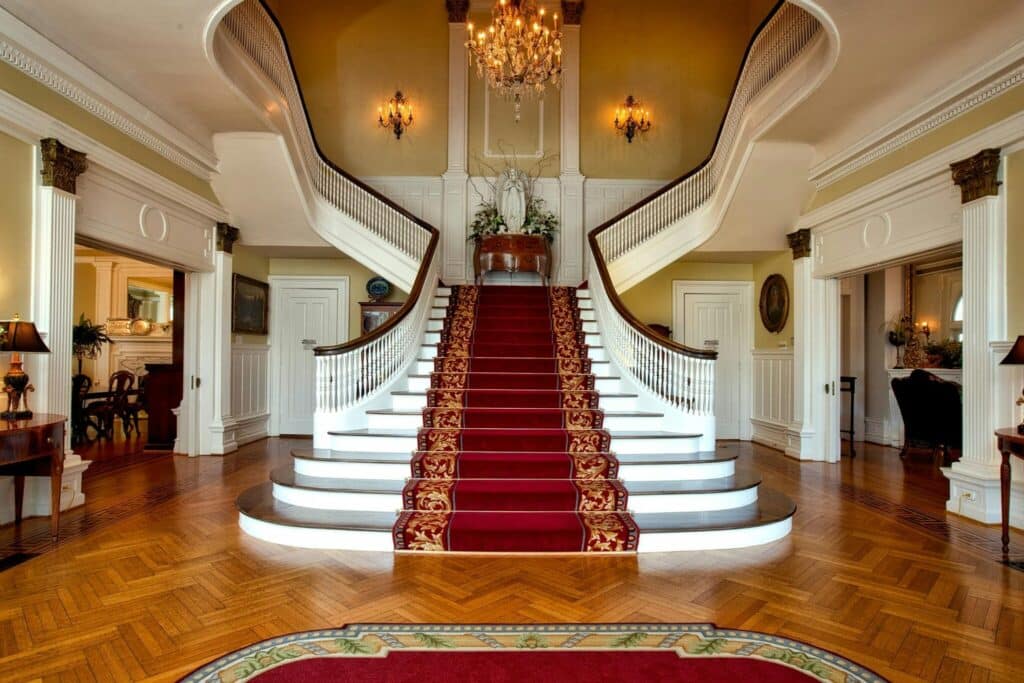
Natural stone, engineered timber, bespoke metalwork, specialty paint, and tailored joinery hold value when they’re maintained correctly—and degrade quickly when care is generic.
Professional management protects finishes through:
- approved cleaning methods by surface (and a short “do not use” list)
- vendor protection protocols (floor coverings, controlled access routes, clean close-outs)
- like-for-like replacement rules so hardware, bulbs, and paint sheen don’t drift
- a small set of spares for visible items (touch-up paint, correct bulbs, key hardware)
This prevents the slow “patched” look that can quietly undermine a luxury interior.
Vendor discipline is where luxury homes are won or lost
Most visible damage in high-end homes comes from minor works: a plumbing callout, an AC service, a quick electrical fix. The difference is whether those visits are managed.
A strong operator usually enforces:
- clear scopes that define what “finished” means
- protection for floors, corners, and finished walls before work begins
- close-out checks with photos and brief notes
- escalation for repeat issues so root causes are fixed, not just symptoms
This keeps the home feeling intentional instead of constantly “touched up.”
Readiness standards improve rental experiences (and owner peace of mind)
When a luxury home is rented, guest satisfaction often comes down to readiness: the property is clean, comfortable, and predictable on arrival. Management improves this by making resets repeatable:
- a turnover checklist that covers cleaning, linens, restock, and a quick maintenance scan
- consistent staging rules (lighting set, basic supplies stocked, clutter controlled)
- controlled inventory so quality doesn’t drift across stays
- fast response pathways for high-impact issues (access, AC, water)
The practical result is fewer guest complaints, fewer refunds, and less disruption to the calendar.
Why premium locations need premium operations
High-profile areas attract high expectations. Guests and residents are often less tolerant of friction—especially around access, comfort, and responsiveness.
That’s why professionally managed listings in places likePalm Jumeirah villas for rent tend to emphasise consistency: the home has to feel photo-ready and liveable at the same time, across repeated arrivals. Operational discipline—turnovers, preventive maintenance, and vendor control—is what makes that sustainable.
What owners should confirm before hiring a luxury manager
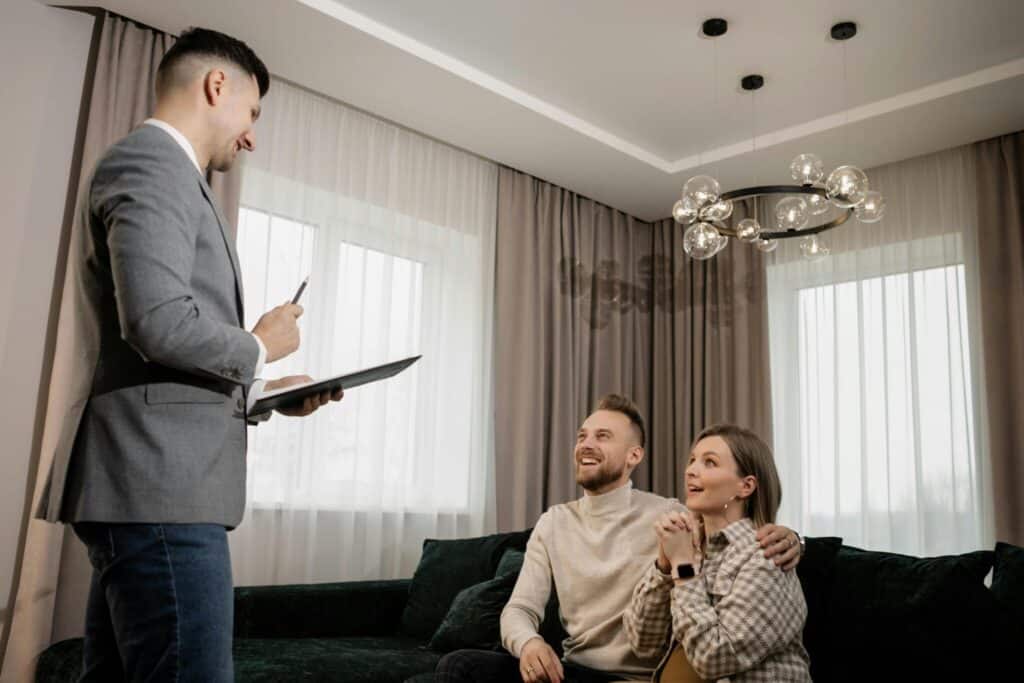
Keep it short and insist on specifics:
- What inspection cadence do you run, and what’s documented each visit?
- What preventive routines are standard (HVAC, moisture checks, key systems)?
- How do you control vendor work inside finished spaces (protection + close-out)?
- How do you prevent mismatched replacements (bulbs, paint sheen, hardware finishes)?
- If rented: what does the turnover checklist include, and who signs it off?
- What does owner reporting look like in a normal month?
Clear answers usually indicate a repeatable system—the thing that keeps luxury outcomes consistent.
The key takeaway
Professionally managed luxury homes deliver better living and rental experiences because they reduce drift. Preventive care keeps systems stable, disciplined vendors protect finishes, and repeatable readiness standards make arrivals smooth. When management is structured, the home feels premium not only on day one, but every day after.