

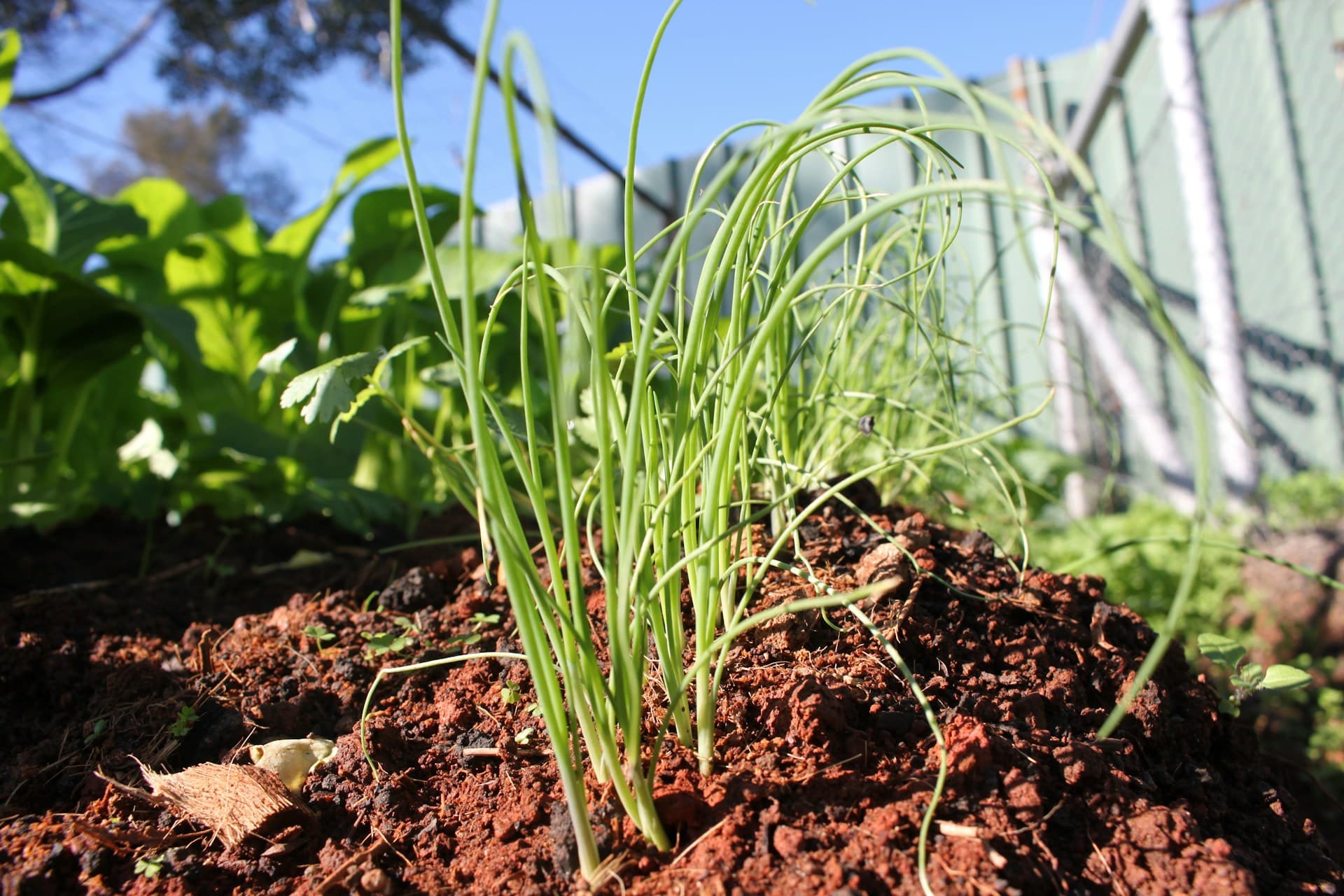
Starting vegetables from seed is one of the most cost-effective ways to grow a productive garden. With roughly 35 percent of U.S. households growing food at home, interest in seed starting continues to rise each year, according to the National Gardening Association.
For homeowners and vegetable gardeners, knowing when and how to start vegetable seeds can mean the difference between weak seedlings and a thriving harvest. This article explains timing, methods, and practical considerations for choosing and planting seeds successfully.
TL;DR
- Start seeds indoors 6 to 8 weeks before your last frost date for most warm-season crops.
- Cool-season vegetables can often be direct sown outdoors.
- Use clean containers, quality seed-starting mix, and consistent moisture.
- Check seed packets for spacing, depth, and timing.
- Store extra seeds in cool, dry conditions to extend viability.
When Should Vegetable Seeds Be Started?
Know Your Last Frost Date
Timing depends largely on local climate. Gardeners should identify their average last frost date, which is available through local extension offices or the USDA Plant Hardiness Zone Map.
Warm-season crops such as tomatoes, peppers, and eggplant are typically started indoors 6 to 8 weeks before the last frost date. Cool-season crops such as lettuce, spinach, peas, and radishes can often be planted directly outdoors once soil is workable.
Indoor vs Direct Sowing
Not all vegetables require indoor seed starting. Some perform better when sown directly in the garden.
|
Vegetable Type |
Start Indoors |
Direct Sow Outdoors |
|---|---|---|
|
Tomatoes |
Yes |
Rarely |
|
Peppers |
Yes |
Rarely |
|
Lettuce |
Optional |
Yes |
|
Carrots |
No |
Yes |
|
Beans |
No |
Yes |
|
Cucumbers |
Optional |
Yes |
Direct sowing reduces transplant shock, especially for root vegetables like carrots and beets.
How to Start Vegetable Seeds Indoors
Step 1: Choose the Right Containers
Clean trays, peat pots, or recycled containers with drainage holes all work well. Proper drainage helps prevent fungal diseases.
Step 2: Use a Seed-Starting Mix
A lightweight seed-starting mix promotes root development and reduces compaction. Garden soil is not recommended for indoor seed trays because it may contain pathogens or drain poorly.
Step 3: Plant at the Correct Depth
A general rule is to plant seeds at a depth equal to two to three times their size. Very small seeds often require light and should be pressed gently into the surface.
Step 4: Provide Light and Warmth
Most vegetable seeds online germinate best between 65 and 75 degrees Fahrenheit. After sprouting, seedlings need 12 to 16 hours of bright light daily. Insufficient light leads to leggy, weak plants.
Step 5: Water Consistently
Seedlings require steady moisture but not saturation. Overwatering is one of the most common mistakes and can cause damping off, a fungal disease that kills young plants.
How Long Do Vegetable Seeds Last?
Seed viability varies by crop and storage conditions.
|
Vegetable |
Average Viability (Years) |
|---|---|
|
Tomatoes |
4 to 6 |
|
Peppers |
2 to 4 |
|
Beans |
2 to 3 |
|
Lettuce |
1 to 3 |
|
Onions |
1 to 2 |
Seeds stored in cool, dry, dark conditions last longer. A simple germination test can help determine whether older seeds are still usable.
What to Look for When Buying Quality Vegetable Seeds
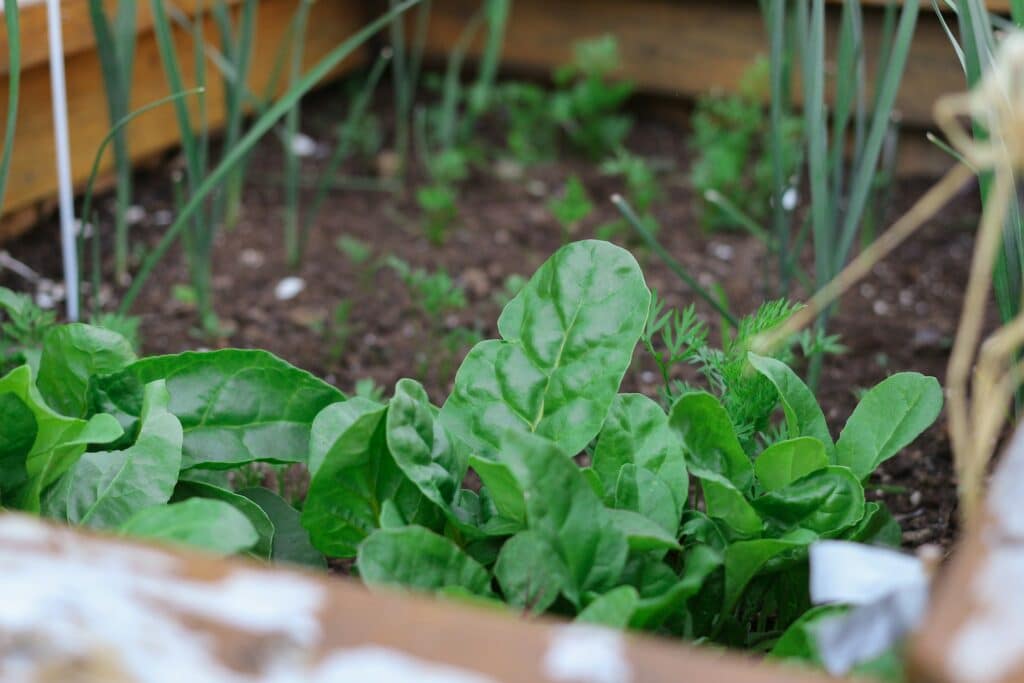
Not all seeds are equal in quality or suitability. Gardeners should consider:
- Climate adaptability
- Days to maturity
- Disease resistance
- Open-pollinated versus hybrid varieties
- Organic certification, if desired
Checking packaging dates is important, as older seeds may have lower germination rates. Some gardeners prefer open-pollinated varieties because they allow for seed saving, while others choose hybrids for consistency and disease resistance.
Common Mistakes to Avoid
- Starting seeds too early, resulting in oversized seedlings before planting time.
- Using garden soil indoors.
- Failing to harden off seedlings before transplanting.
- Ignoring spacing recommendations on seed packets.
Hardening off involves gradually exposing seedlings to outdoor conditions over 7 to 10 days to reduce transplant shock.
FAQ
When is the best time to start vegetable seeds indoors?
Most warm-season vegetables should be started 6 to 8 weeks before the average last frost date in your area.
Can vegetable seeds be planted directly in the garden?
Yes. Root crops, beans, peas, and many leafy greens perform well when direct sown outdoors.
How can someone tell if old seeds are still good?
Place several seeds between damp paper towels for a few days. If most sprout, they are still viable.
Is it better to buy seedlings or seeds?
Seeds are typically more cost-effective and offer greater variety, while seedlings save time and reduce early-stage care.
Do all seeds need light to germinate?
No. Some seeds require darkness, while very small seeds may need light. Always follow the instructions on the seed packet.
Summary
Starting vegetable seeds successfully requires proper timing, adequate light, and consistent moisture. By understanding frost dates, choosing appropriate crops, and selecting quality seeds, homeowners can build a productive and resilient garden season after season. Careful preparation at the seed stage often leads to stronger plants and higher yields later in the growing cycle.