

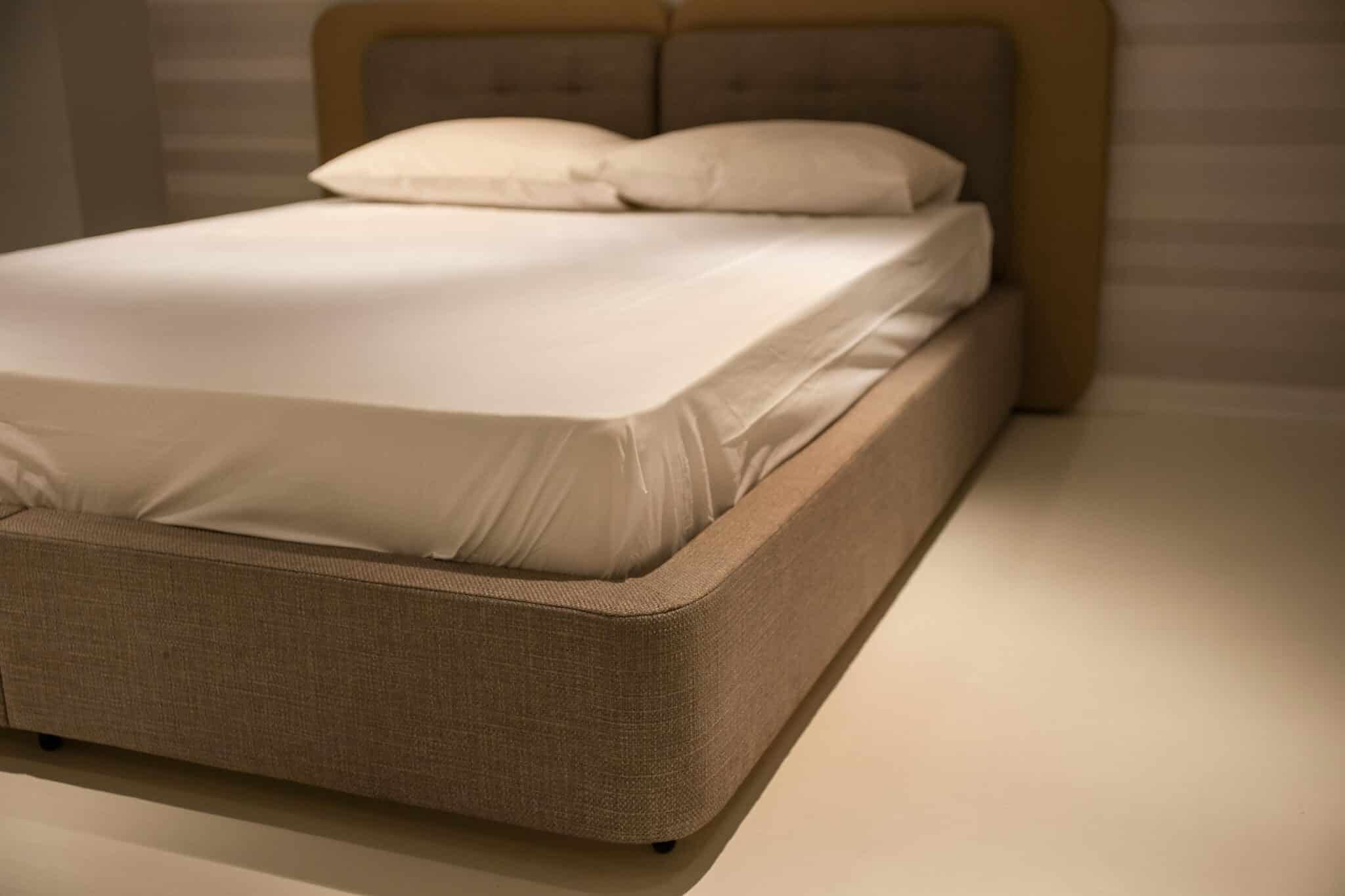
Sleep gets talked about like it’s all about firmness, materials, and brand names, but size tends to get pushed to the side. That’s a mistake. The amount of space you have at night can shape how well you rest, how often you wake up, and even how your body feels the next day. A mattress that’s too small turns into a nightly negotiation, whether it’s with a partner, a child who wandered in, or your own restless legs.
Getting the size right is less about luxury and more about function. You’re dealing with real hours of your life, every single night, so the space you give yourself actually matters more than most people realize.
Sleep Space Reality
Most people underestimate how much room they actually use when they sleep. It’s easy to assume you stay in one position, but in reality, your body shifts constantly. You stretch out, curl up, rotate, and sometimes end up diagonally without even knowing it. That movement needs space, otherwise you start adjusting in ways that interrupt deep sleep.
A twin or even a full mattress might seem fine when you first lie down, but over the course of a full night, it can feel restrictive. That’s when you wake up with a stiff shoulder or a sore back and blame it on stress or posture, when the issue might just be that your mattress doesn’t give you enough room to move naturally.
Couples run into this even faster. Two adults on a full mattress are basically sharing the width of a slightly oversized twin. It works on paper, but not in real life. You end up staying on your side to avoid bumping into each other, which isn’t exactly a recipe for relaxed sleep.
Trying Sizes In Person
Online shopping has its place, but mattress sizing is one of those things that doesn’t translate well through a screen. You can read dimensions all day, but your body needs to feel the difference. Lying down, rolling over, stretching out your arms, that’s when it clicks.
That’s why mattress stores in Sacramento, Charlottesville or anywhere in between, going in person and trying different sizes and styles is key. You start to notice details you wouldn’t think about otherwise, like how a queen suddenly feels tight when you lie diagonally, or how a king gives you that extra margin that lets you actually relax instead of staying contained.
There’s also something about seeing the scale in a real room. A king might sound excessive until you lie on it and realize it just feels normal, like you finally have enough space instead of barely enough.
Matching Size To Lifestyle
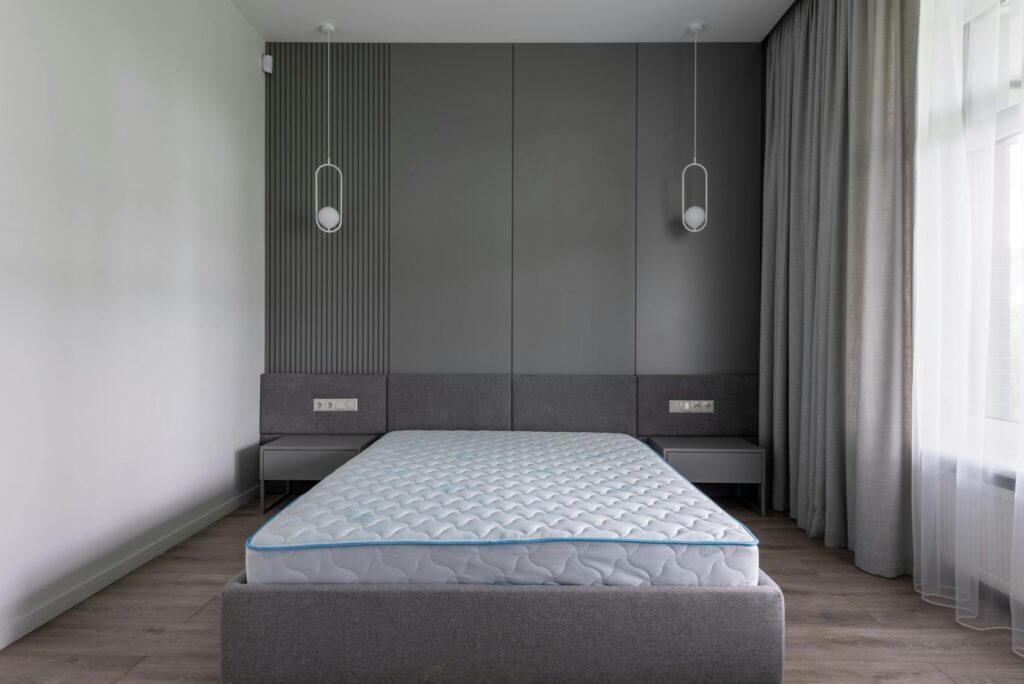
The right mattress size isn’t just about your height or whether you share a bed. It’s about how you live. If you have kids who climb in at 2 a.m., a queen can start to feel cramped fast. If you sleep with a dog that thinks it owns the center of the bed, that extra width stops being optional.
Even your sleep style matters. Someone who sleeps straight on their back might get away with less space, while a side sleeper who shifts positions all night will benefit from more room. Taller people often focus on length, but width ends up being just as important once movement comes into play.
There’s also the mental side of it. A bed that feels too small can subtly keep your body in a guarded state. You’re less likely to fully relax if part of you is always aware of edges or boundaries. More space tends to translate into deeper, less interrupted sleep simply because you’re not working around limitations.
When Bigger Actually Helps
There’s a point where upgrading size stops being about comfort and starts becoming practical. Moving from a full to a queen is usually noticeable, but going from a queen to a king can feel like a complete reset. Suddenly, there’s room to stretch without bumping into anything, room to turn over without waking someone else, room to exist without thinking about it.
For many households, the biggest bed size isn’t about showing off or filling a large room. It’s about removing friction from something you do every night. Less disturbance, fewer wakeups, more consistent sleep, it all adds up in ways that show up during the day.
That said, bigger isn’t automatically better for everyone. Room size matters, and so does layout. A king in a tight bedroom can make the space feel crowded, which creates a different kind of discomfort. The goal is balance, enough space to move freely without overwhelming the room itself.
Making The Final Call
Choosing a mattress size isn’t a one-size-fits-all decision, even though the names make it sound that way. Think about how you actually sleep, not how you think you should sleep. Pay attention to whether you feel confined, whether you wake up adjusting your position, whether you’re sharing space more than you’d like.
It also helps to think long term. A mattress isn’t something you swap out every year, so it’s worth considering what your life might look like down the road. More space now can save you from upgrading later when your needs change.
At the end of the day, the right size should disappear once you’re on it. You shouldn’t be aware of edges, limits, or compromises. You should just be able to lie down, stretch out, and fall asleep without thinking about where you fit.
A mattress that actually fits your life tends to fix problems you didn’t even realize were connected to size. Sleep feels less interrupted, mornings feel less stiff, and the whole experience becomes easier. It’s not complicated, but it does require paying attention to something most people overlook.