

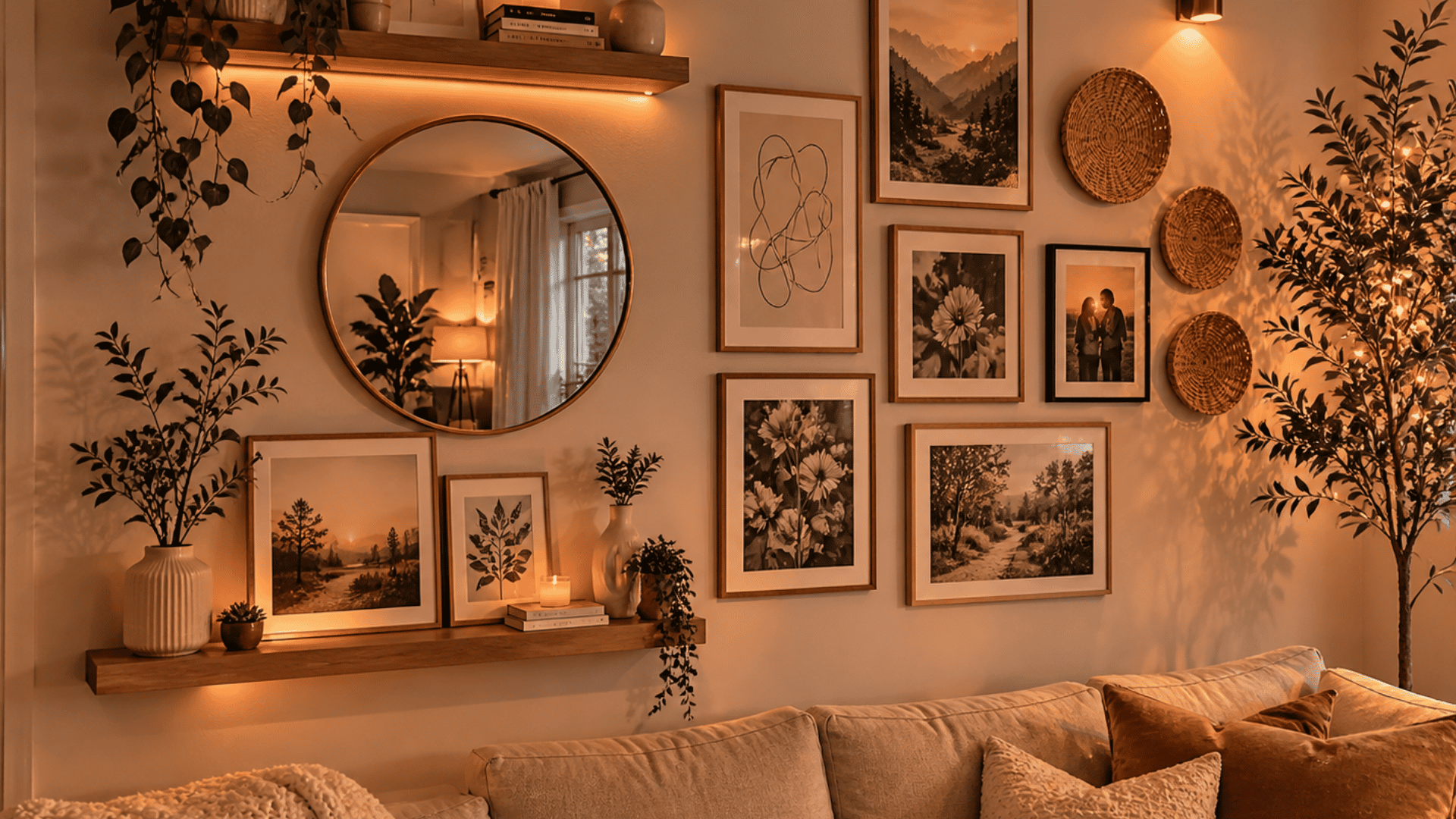
Small changes on your walls can make a big difference in how your living room feels. You don’t need a full makeover to make the space feel warm and inviting.
With the right wall decor ideas for a cozy living room, you can turn plain walls into something that feels personal and comfortable.
In this guide, I’ll walk you through simple ideas that actually work: gallery walls, statement art, shelves, textured pieces, and more.
I’ll also share what to avoid so your space doesn’t feel crowded or off.
What Makes a Living Room Cozy?
A cozy living room isn’t about filling every corner. It’s about making deliberate choices that add warmth without adding noise. Here’s what actually moves the needle:
- Warm Colors Set The Mood: Warm tones like beige, soft brown, and muted orange help the room feel calm and welcoming. You don’t need a full repaint. Even a single warm-toned piece on the wall can shift how the space feels.
- Texture Adds Comfort To Walls: Flat walls feel cold. Adding texture like wood panels, woven hangings, or fabric pieces makes them feel considered and warm without making the room feel busy.
- Soft Lighting Creates Warmth: Lighting does more work than most people give it credit for. Wall sconces and warm-toned bulbs add a gentle glow that overhead lights just can’t replicate, especially in the evenings.
- Personal Touch Makes It Yours: Photos, prints, and small keepsakes are what separate a styled room from one that actually feels lived-in. These pieces carry the room’s story.
How to Choose the Right Style for You?
Pick a style that fits your space, mood, and daily life. Small choices can make your room feel balanced and comfortable.
| Key Factor | What to Consider |
| Room Purpose | Think about how you use the room. Bedrooms may need softer decor, while living rooms can handle bold designs. |
| Color Scheme | Choose wall decor that blends with your existing colors to keep the space looking neat and connected. |
| Personal Taste | Pick pieces you enjoy looking at every day so the space feels more like you. |
| Wall Size | Large walls suit bigger art, while smaller walls look better with simple or minimal decor. |
| Theme Choice | Stick to one theme, like modern or rustic, so everything feels organized instead of mixed. |
Wall Decor Ideas for a Cozy Living Room
These ideas are meant to work in real rooms, not showrooms. Each one adds warmth without demanding a full redesign. Start with whichever fits your space best, then build from there.
1. Large Wall Art
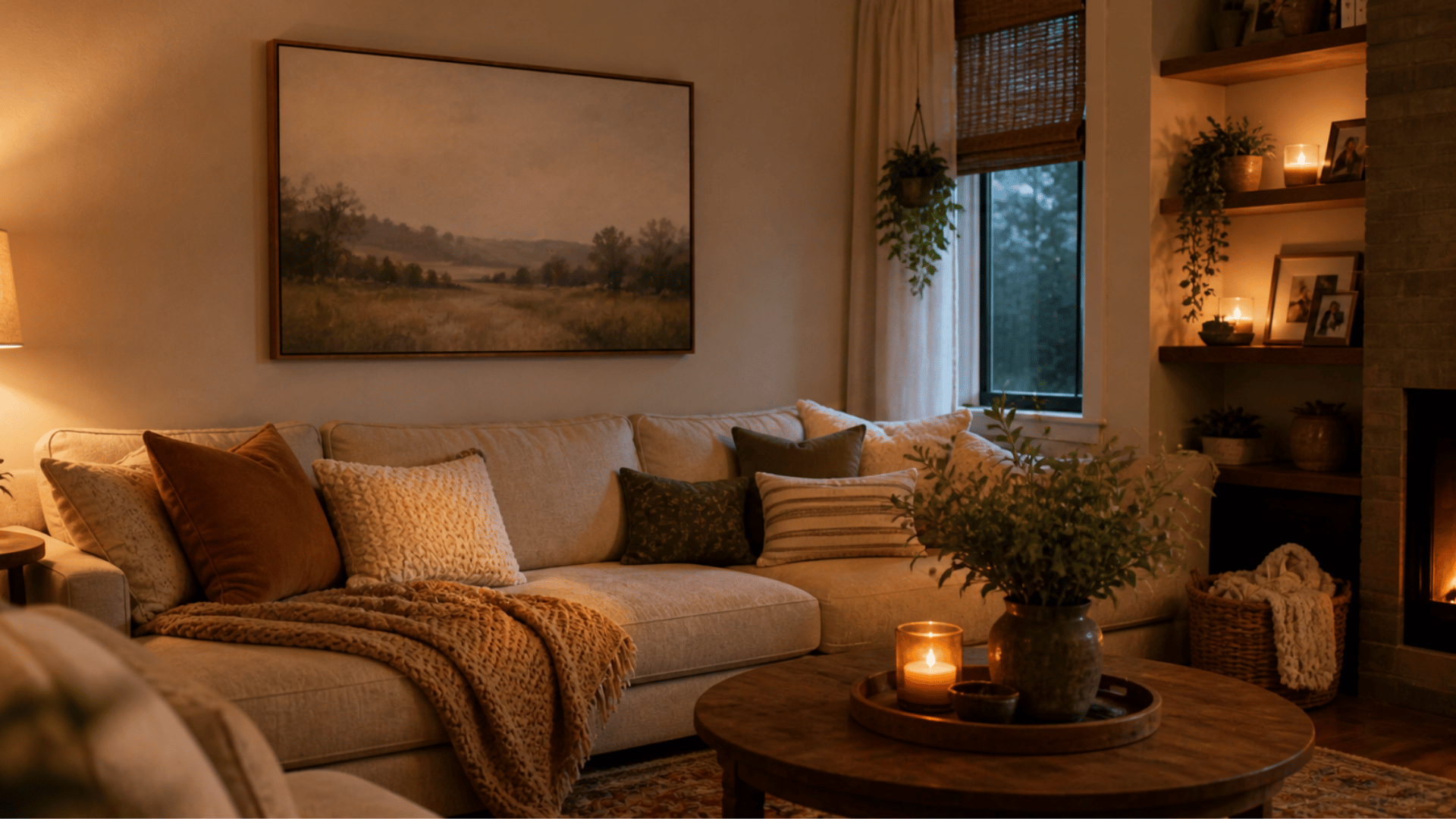
Start with a large wall art piece because it quickly fills space and requires little else.
It can be a painting, a print, or a simple abstract design. One big piece anchors the whole wall without demanding anything else around it.
I’ve found that larger pieces make the room feel more complete, especially when the wall is empty or plain. The trick is resisting the urge to add more once it’s up.
Pro Tip: Leave enough empty space around large artwork so it stands out without making the wall feel crowded.
2. Mirrors
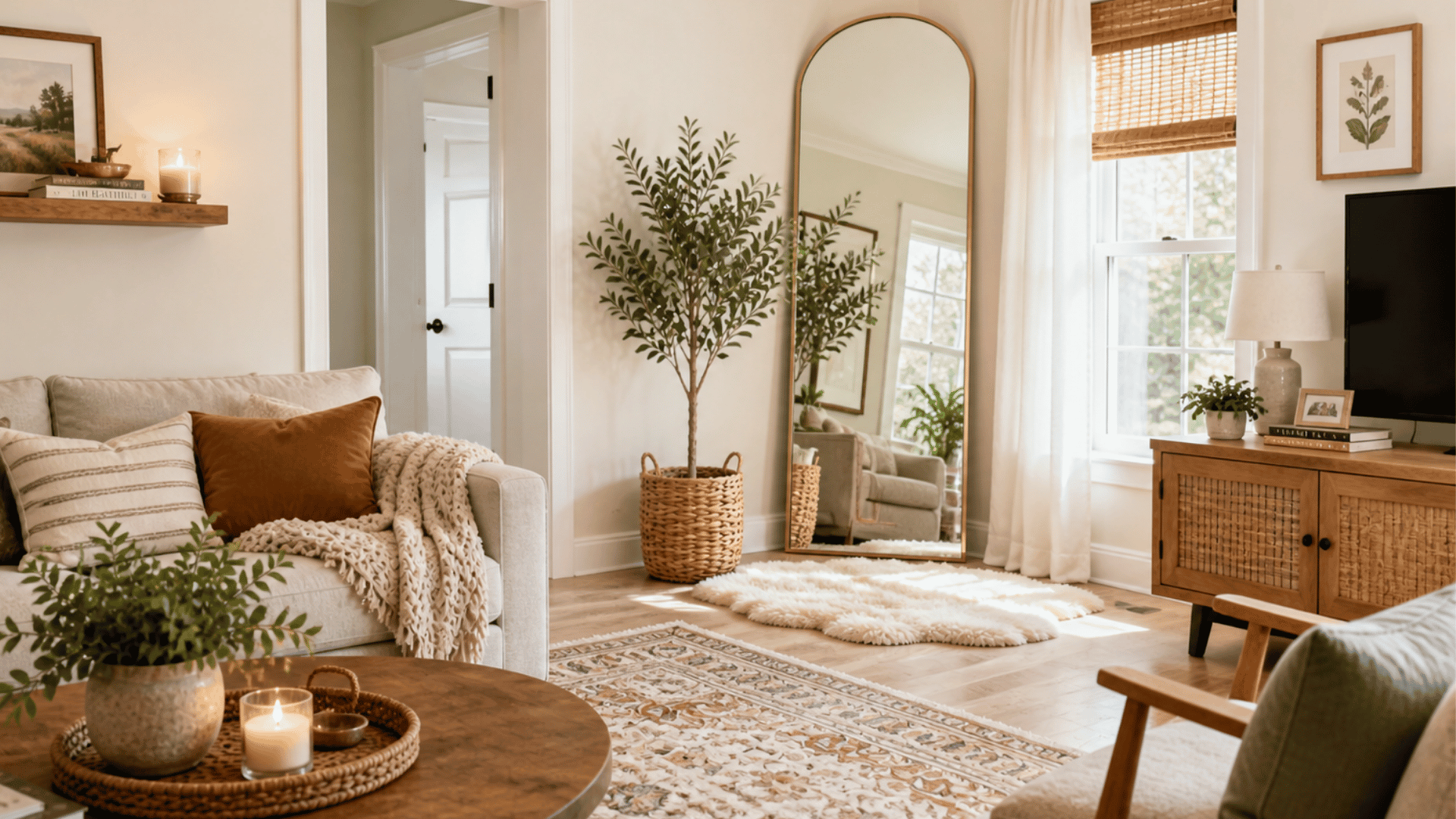
Mirrors do more than decorate a wall. They reflect both natural and artificial light back into the room, which makes a space read as larger than it is, especially in rooms with only one window.
You can choose round, square, or framed mirrors depending on your style. The shape matters less than the placement.
Position them where they can catch natural light from a window. That single decision can make the whole room feel brighter without touching a single bulb.
Pro Tip: Use one large mirror instead of several small ones for a cleaner, more spacious look.
3. Floating Shelves
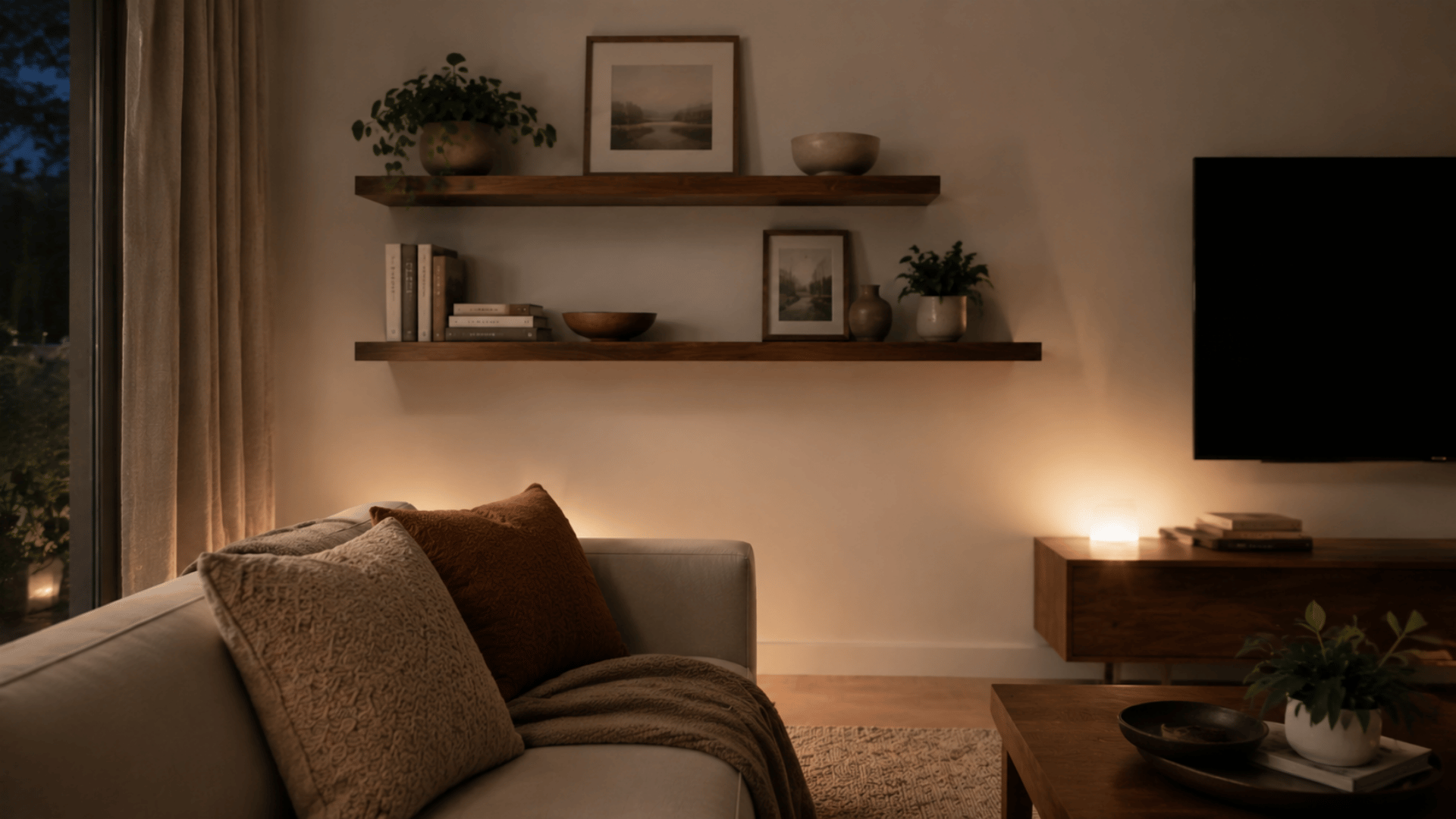
Floating shelves are one of my go-to choices because they pull double duty — useful and stylish at the same time.
They hold small plants, books, or simple decor without making the room feel crowded. You can also switch things around anytime for a fresh look without spending anything.
The key is restraint. A few items per shelf looks intentional. A packed shelf looks like storage.
Pro Tip: Stick to a few simple decor pieces on each shelf to keep the look clean and balanced.
4. Wall Clocks
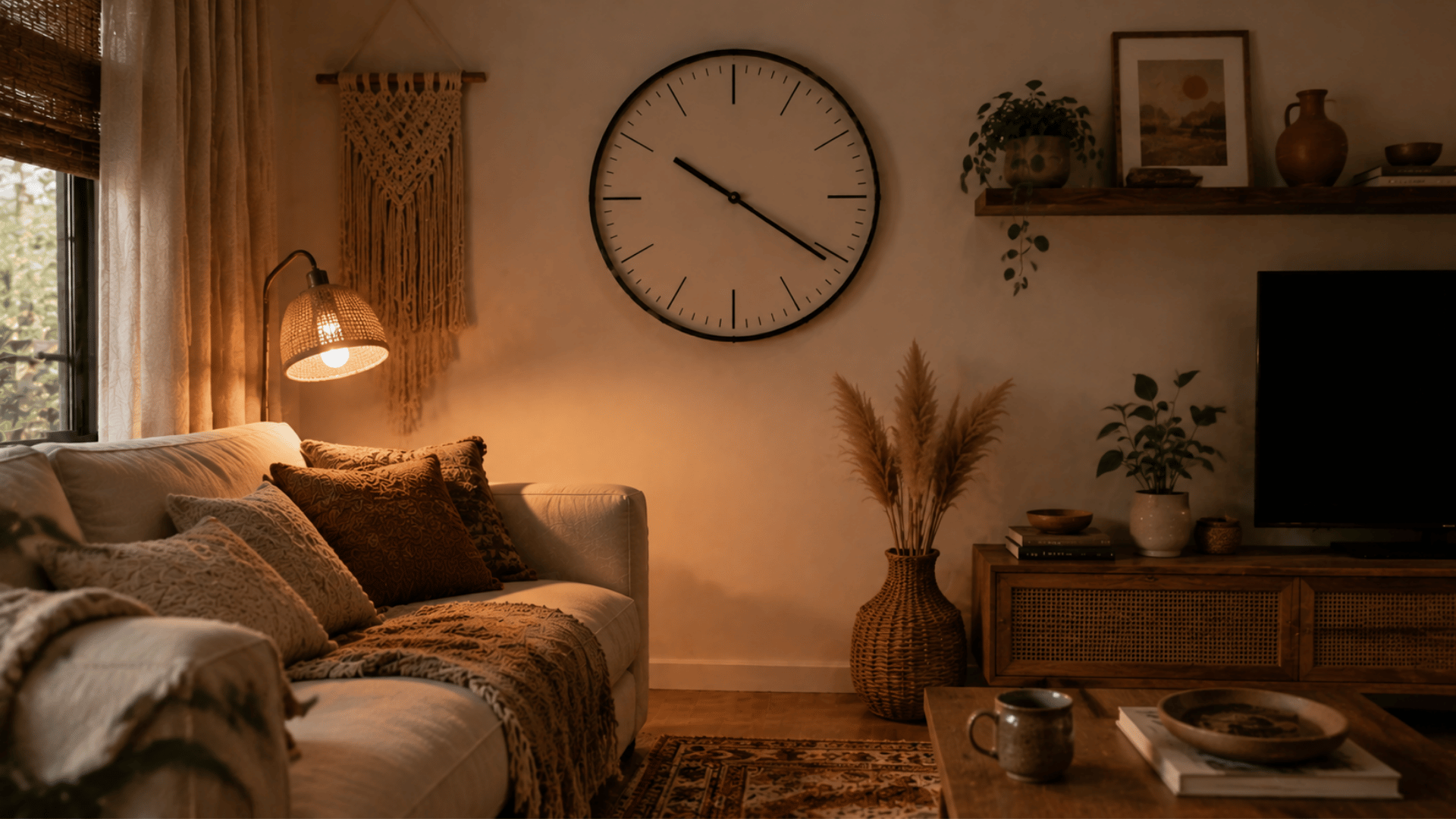
A wall clock is simple, but it earns its place. Use one that fits the room’s style, whether modern or classic, and it adds both function and character without demanding attention.
Place it where it’s easy to see but not crowded by other pieces. A clock with breathing room looks deliberate. One crammed next to art or shelving just disappears.
Pro Tip: Hang the clock at eye level so it feels natural and easy to notice.
5. Wall Greenery
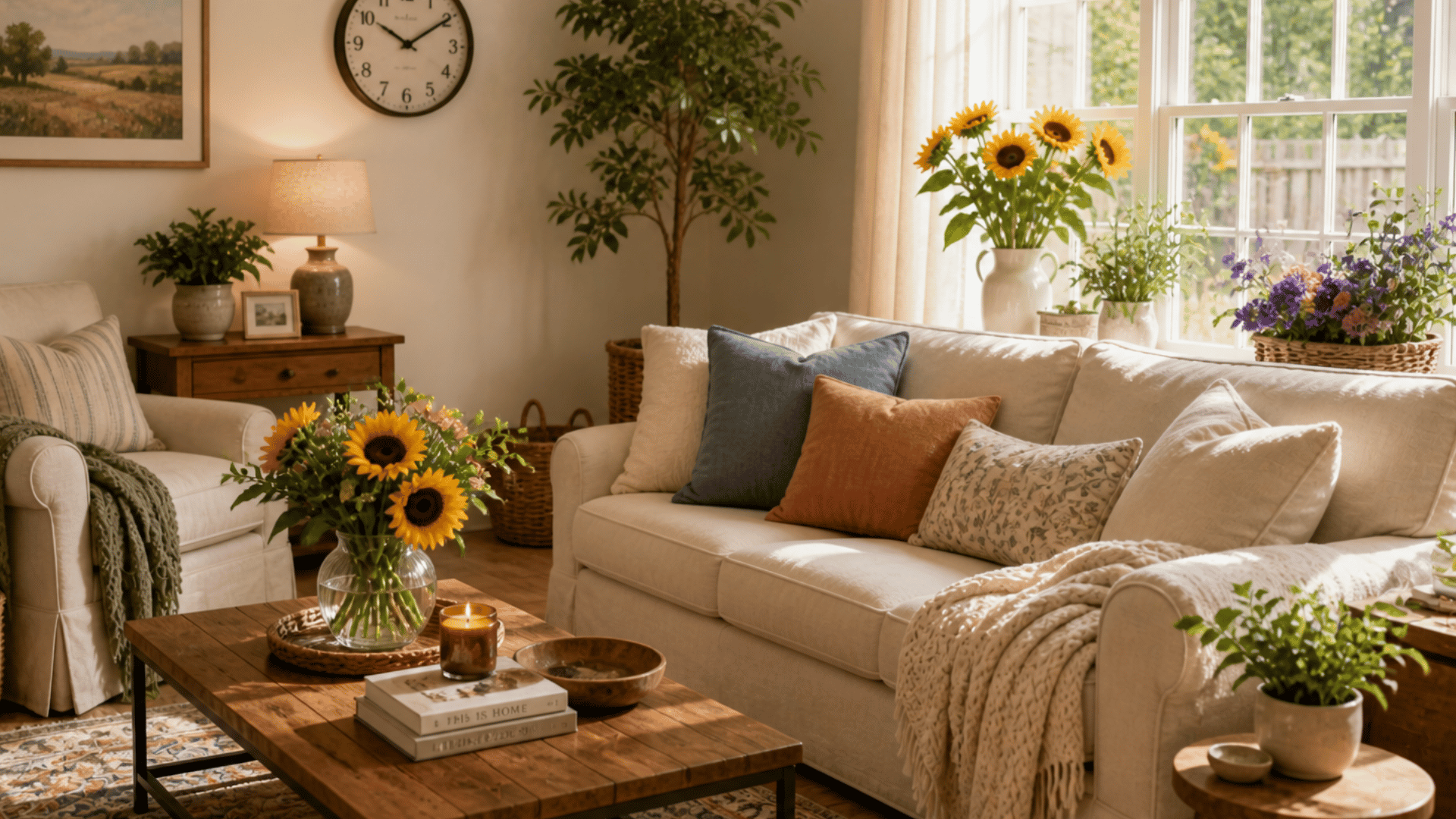
Adding greenery to walls brings a fresh, calming quality that most other decor can’t replicate. Wall planters and hanging pots work well for this.
I like mixing plants with other wall pieces to soften the overall look. Even a single trailing plant beside a shelf changes the feel of a corner.
If real plants feel like too much upkeep, high-quality artificial ones give a similar effect without the maintenance commitment.
Pro Tip: Use trailing plants like pothos or string of pearls to add softness to empty walls naturally.
6. Woven Wall Hangings
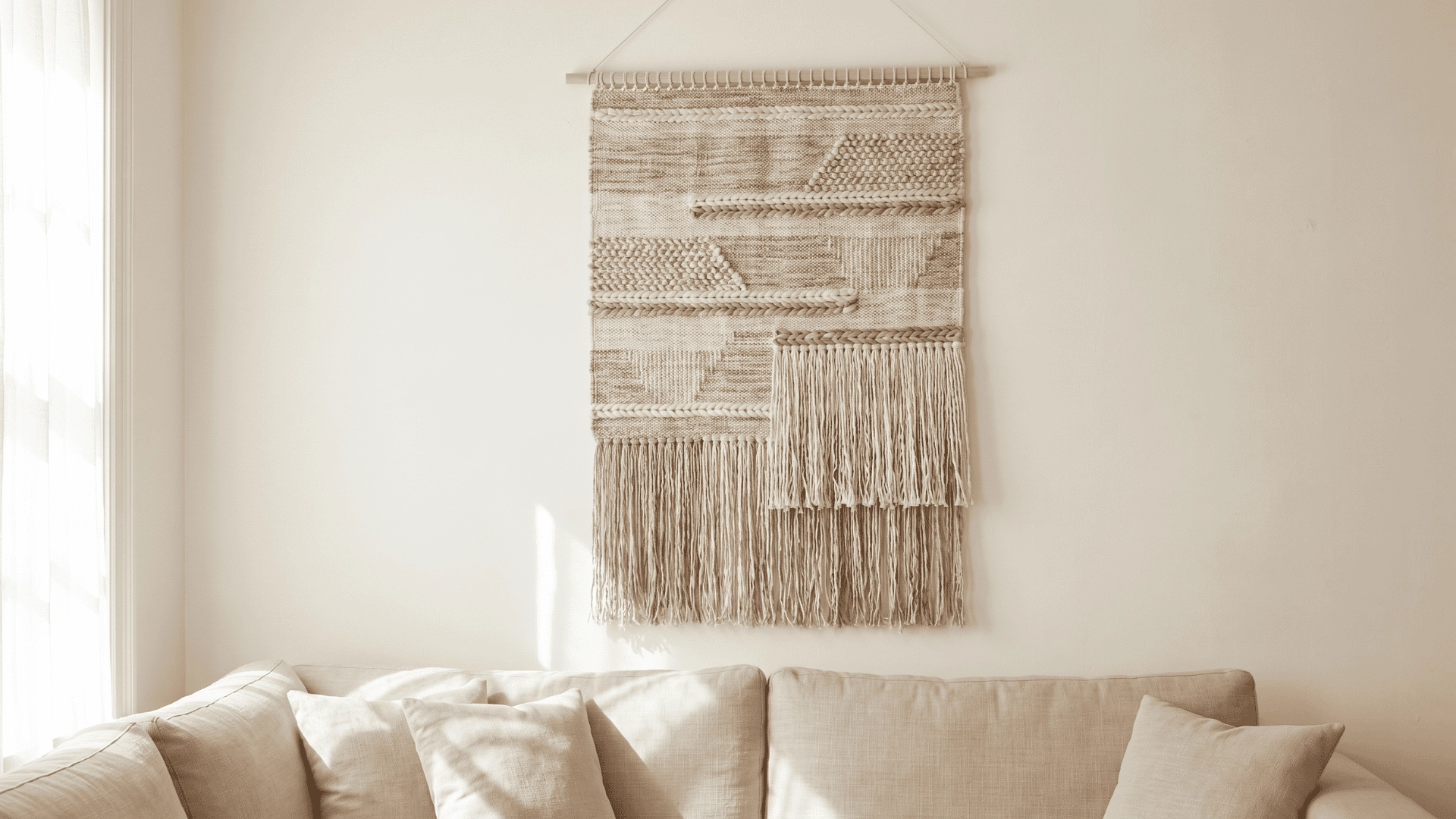
A woven wall hanging is one of the easiest ways to add texture and warmth at the same time.
Macramé pieces work especially well above a sofa or on a plain wall that needs something soft. Unlike framed art, fabric and woven materials absorb sound slightly which is part of why rooms with them feel quieter and more settled.
Stick to neutral tones like cream, tan, or warm white. They blend naturally with most room colors without competing with other decor.
Pro Tip: Hang a woven piece above the sofa as a low-effort focal point that adds texture without adding clutter.
7. Gallery Wall
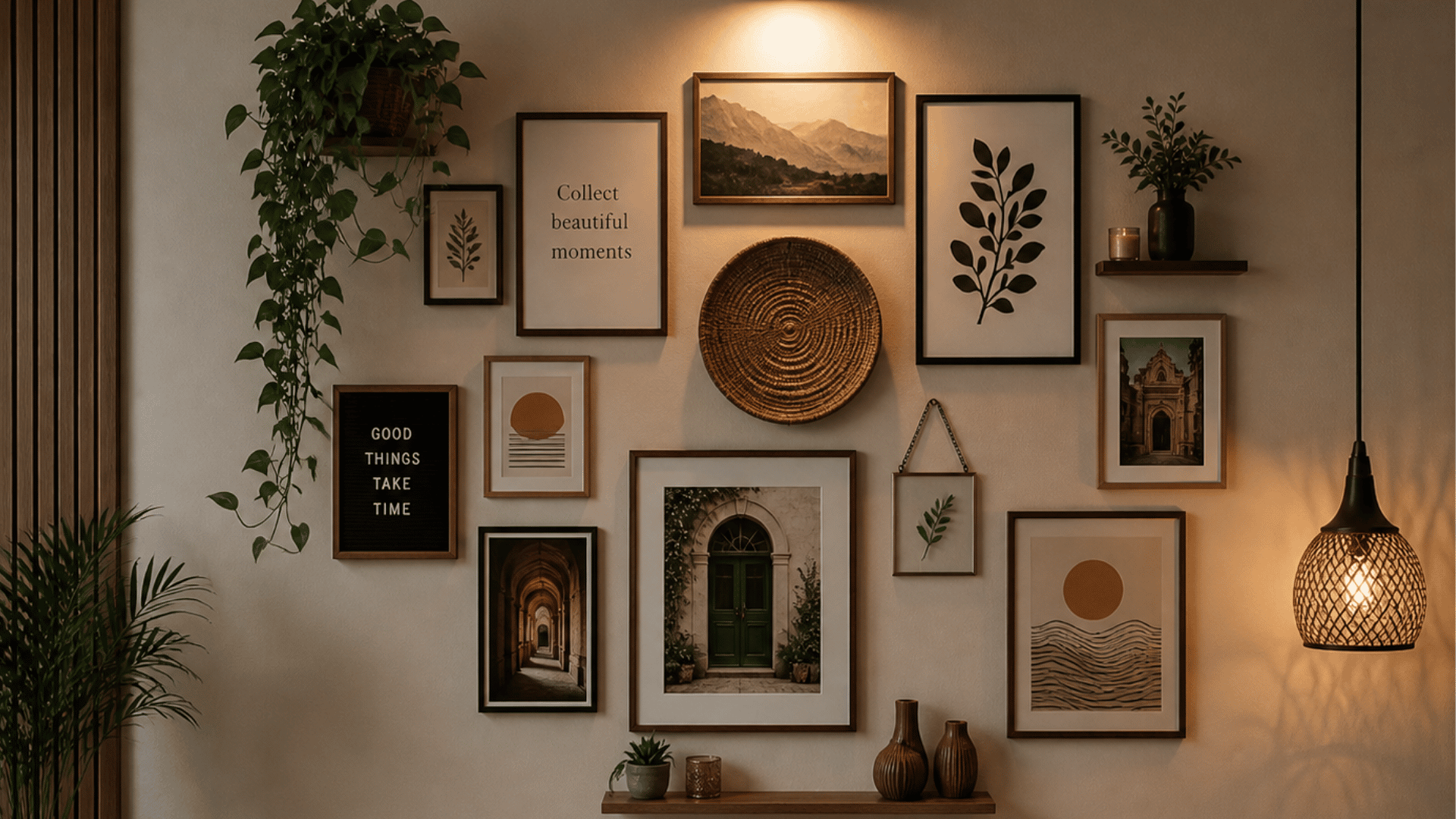
A gallery wall works best when you treat it like a rough grid rather than a random collection.
Start by choosing one dominant piece, usually your largest photo or print, and place it slightly left or right of center rather than dead-center. This gives the arrangement natural movement.
Build outward from it, alternating between larger and smaller frames so no single corner looks heavier than the rest.
Keep your frame colors tight. Two or three finishes maximum; black, natural wood, and white work well together. Before you hang anything, trace each frame on paper, cut out the shapes, and tape them to the wall. Spend five minutes adjusting the layout where you can see it at full scale, then hang from there.
Pro Tip: Leave a little space between frames to keep the gallery wall clean and balanced.
8. Arch Doorways
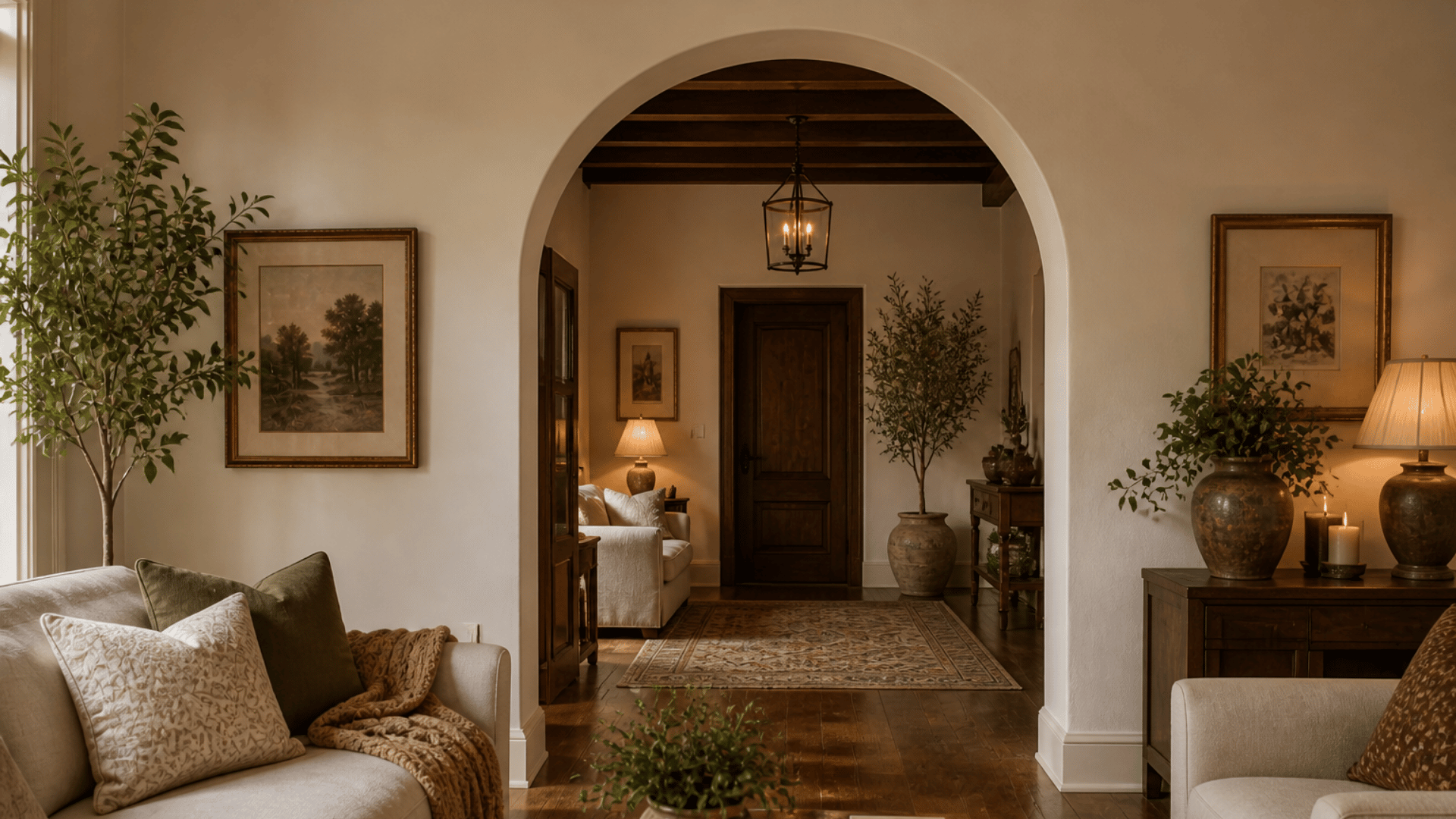
Arch doorways change the whole feel of a living room without adding any clutter. Curved edges make a space feel softer and more welcoming compared to sharp, straight frames.
What I like most is how they add character without feeling heavy or overdone. Even if you’re not up for structural changes, a painted arch on a flat wall creates a similar softening effect for almost no cost.
Pro Tip: Keep nearby decor simple so the arch stays the main design feature.
9. Wall Mural
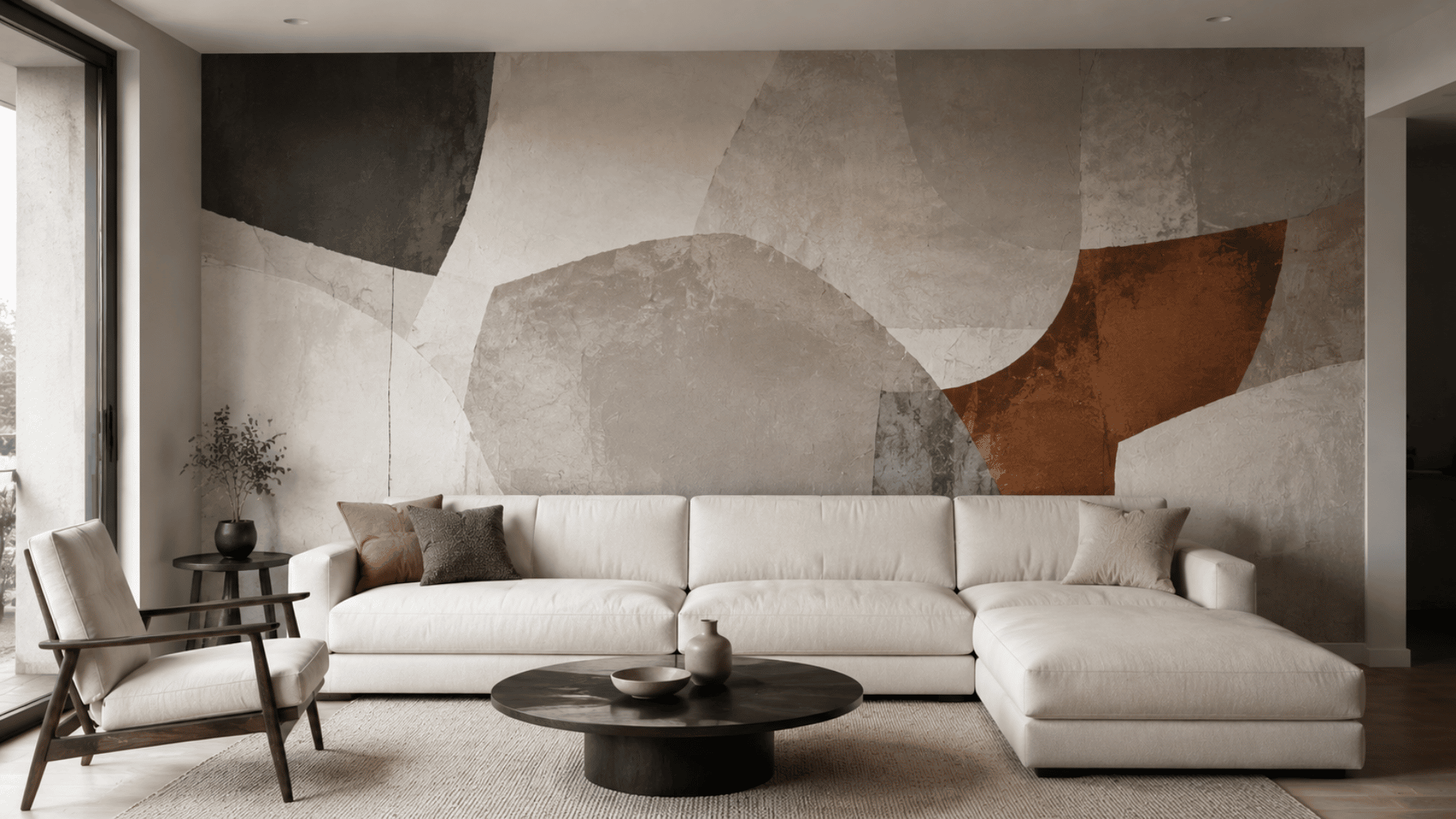
When framed art and shelves start to feel predictable, a mural changes the room’s entire character with a single decision.
You can go for simple patterns, nature scenes, or soft abstract designs. The key is choosing something that fits your space without overpowering it; a mural should feel like it belongs, not like it’s trying to compete.
Lighter tones work best in living rooms. They become a focal point without requiring anything else around them.
Pro Tip: Choose light-toned murals to keep the room bright and visually open.
10. Statement Art
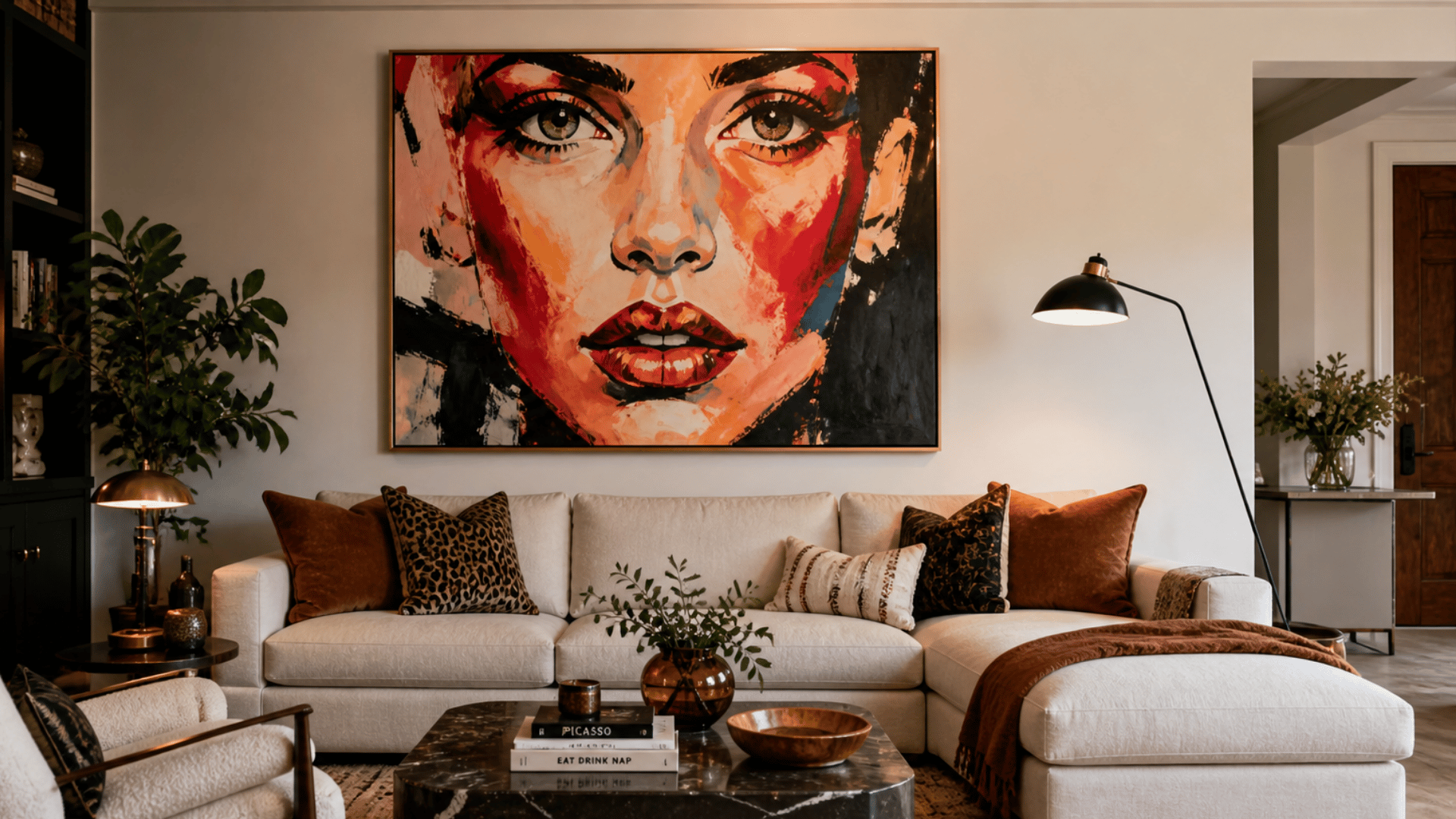
One large art piece often works better than a cluster of smaller ones, particularly in compact spaces. It keeps the wall clean and gives the eye somewhere to land.
Pick something that stands out but still fits your room’s color palette. You don’t need to add anything around it; that’s the point. The restraint is what makes it work.
Pro Tip: Choose oversized artwork with soft colors to make the room feel bigger and calmer.
11. Textured Panels
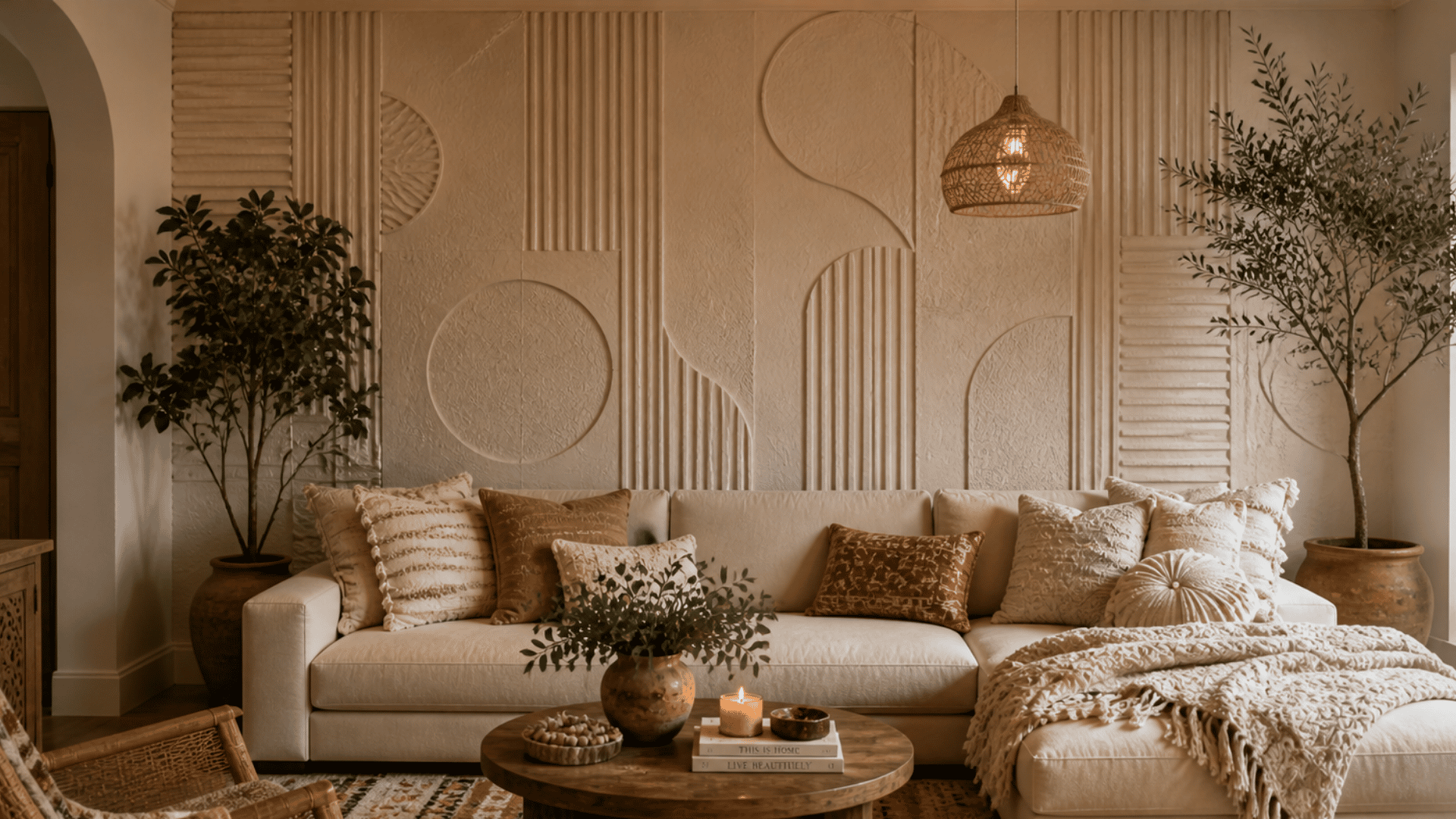
Textured panels are the right call when your wall feels flat or plain, but you don’t want to fill it with objects.
Wood, fabric, or simple 3D panels all work; the material depends on how warm or minimal you want the room to feel. Installing them behind the sofa or main seating area is the most common placement because it frames the space naturally. The result is a wall that looks designed rather than decorated.
Pro Tip: Use neutral textured panels to keep the space calm and stylish.
12. Accent Wall With Paint
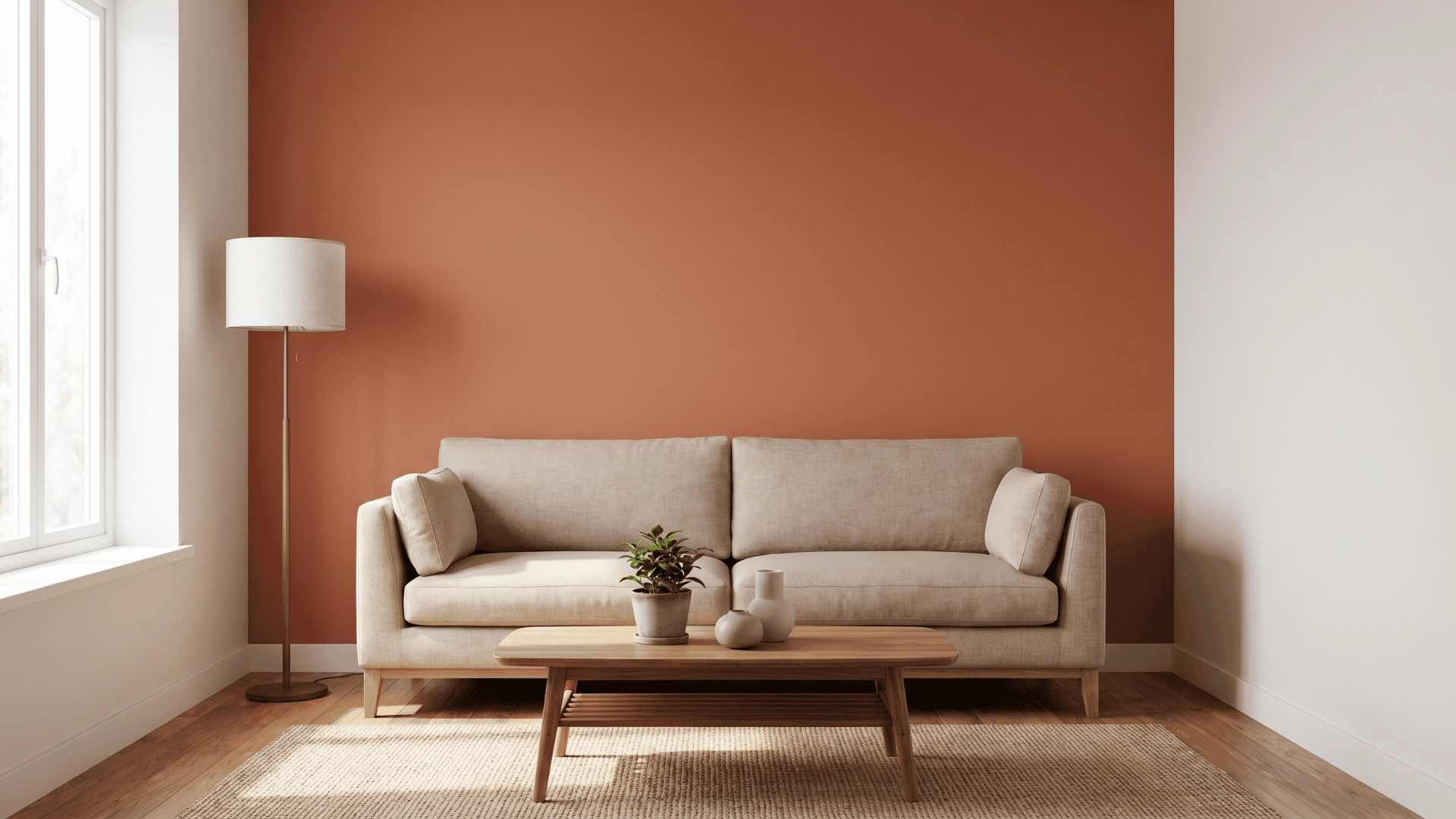
Painting one wall a different color is one of the simplest changes you can make, and one of the most underused.
Warm earthy tones like terracotta, dusty sage, or muted navy add depth without making the room feel heavy. The wall behind the sofa or the main seating area is usually the best choice. Once it’s painted, you need less on the wall because the color does most of the work.
If you’re not ready for a full repaint, peel-and-stick panels or removable wallpaper give a similar effect without the commitment.
Pro Tip: Use a matte paint finish for accent walls; it absorbs light softly and makes the color feel warmer.
13. Corner Lamps
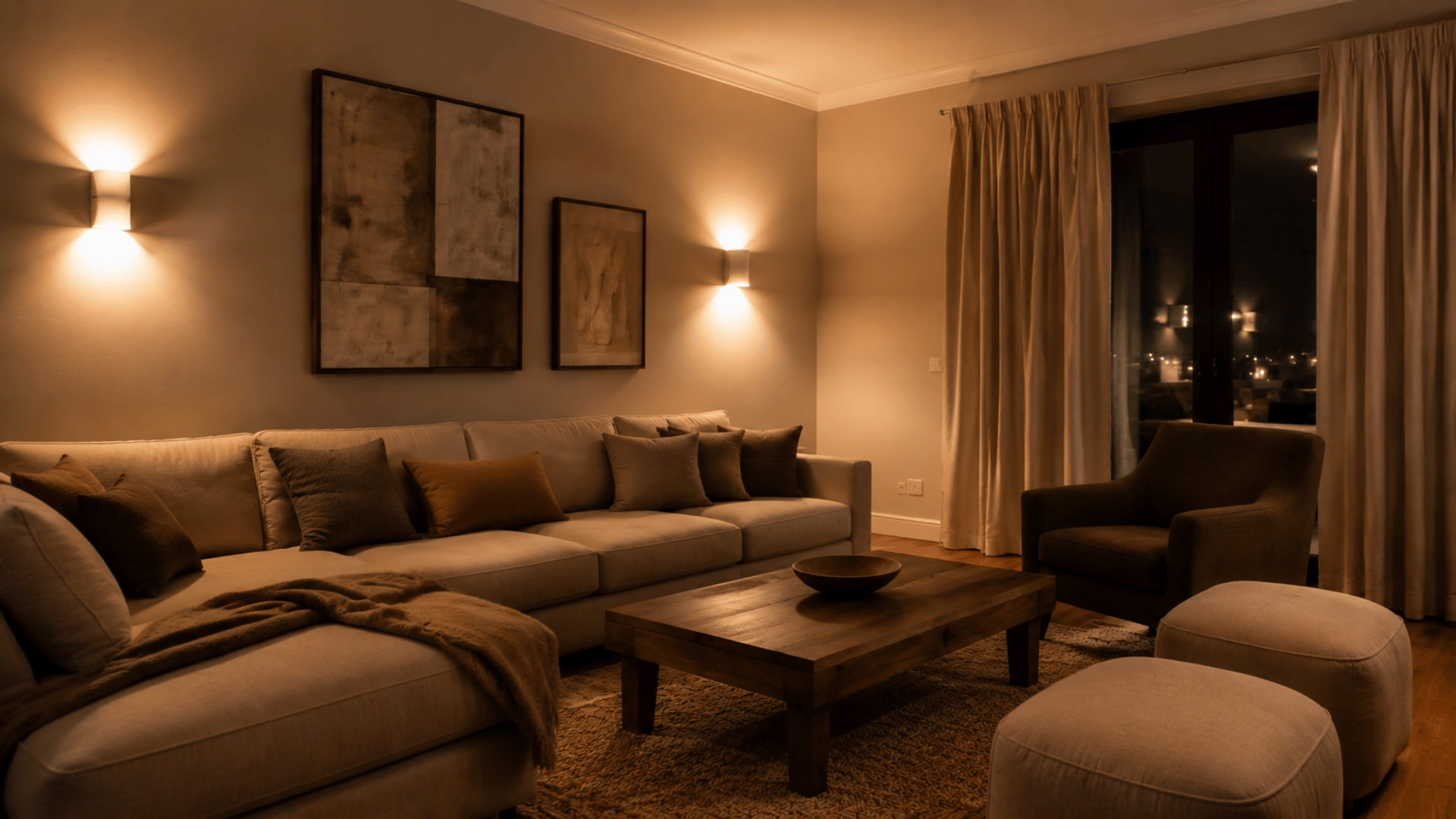
Lamps placed in corners fill the room with soft, indirect light that overhead fixtures can’t replicate.
The difference is most noticeable in the evenings; a lamp in each back corner eliminates the flat, shadowless effect of a single ceiling light and gives the space a much warmer feel.
Floor lamps work well beside a sofa or chair. Wall sconces are a good option if floor space is tight. Either way, use warm-white bulbs in the 2700K–3000K range for the softest result.
Pro Tip: Use warm-white bulbs to create a softer, more relaxing living room atmosphere.
14. Decorative Figures and Objects
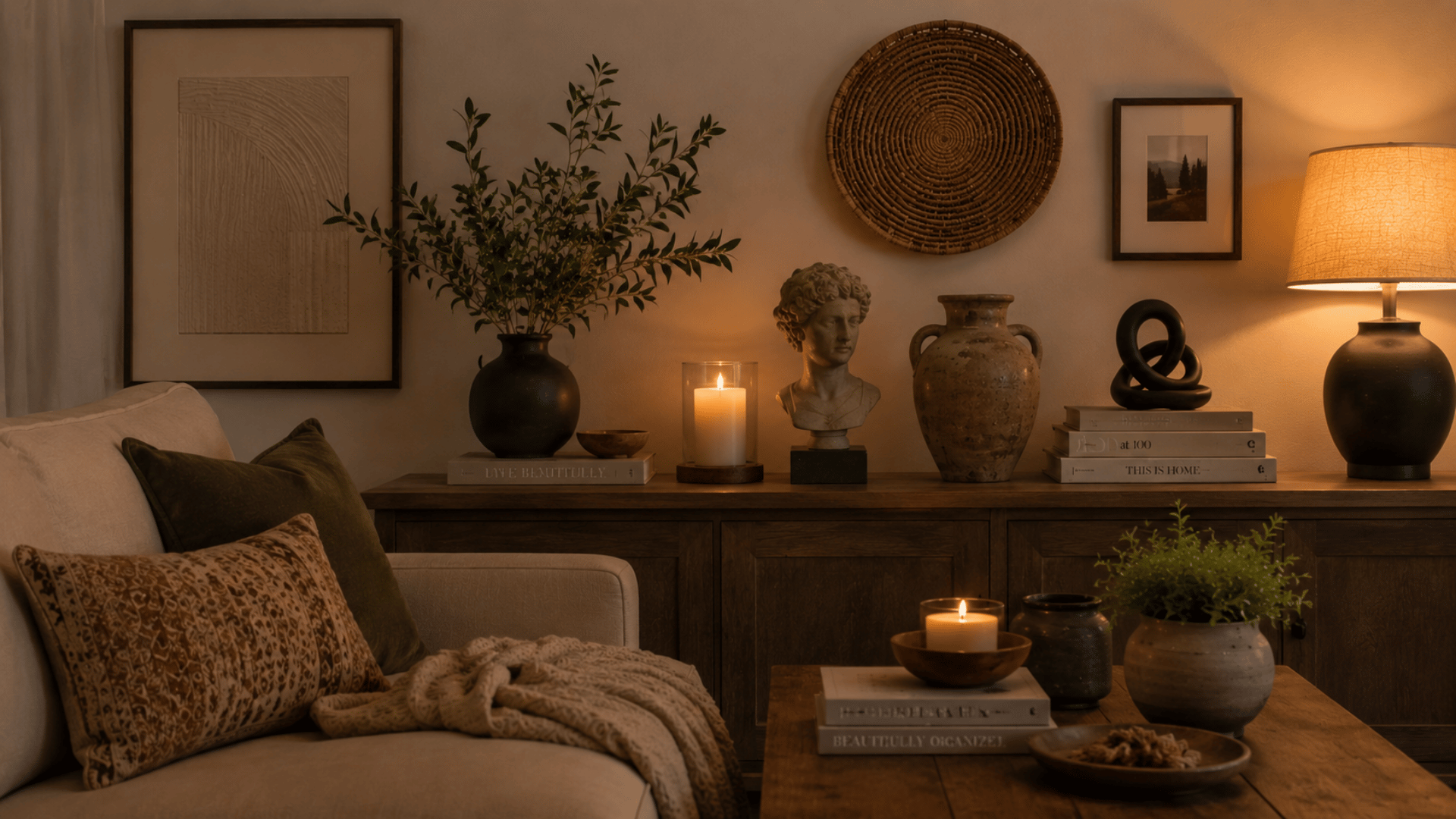
Small sculptures, ceramic pieces, candles, and decorative objects on wall-mounted ledges or shelves do something framed art can’t; they add dimension.
Mixing different sizes, textures, and materials like wood, metal, or pottery gives the shelf a natural, collected feel rather than a curated-catalog look. The key is keeping the arrangement simple. When every spot is filled, nothing stands out.
Pro Tip: Group decorative pieces in odd numbers; threes and fives naturally feel more balanced than even groupings.
15. Be Bold With Colors
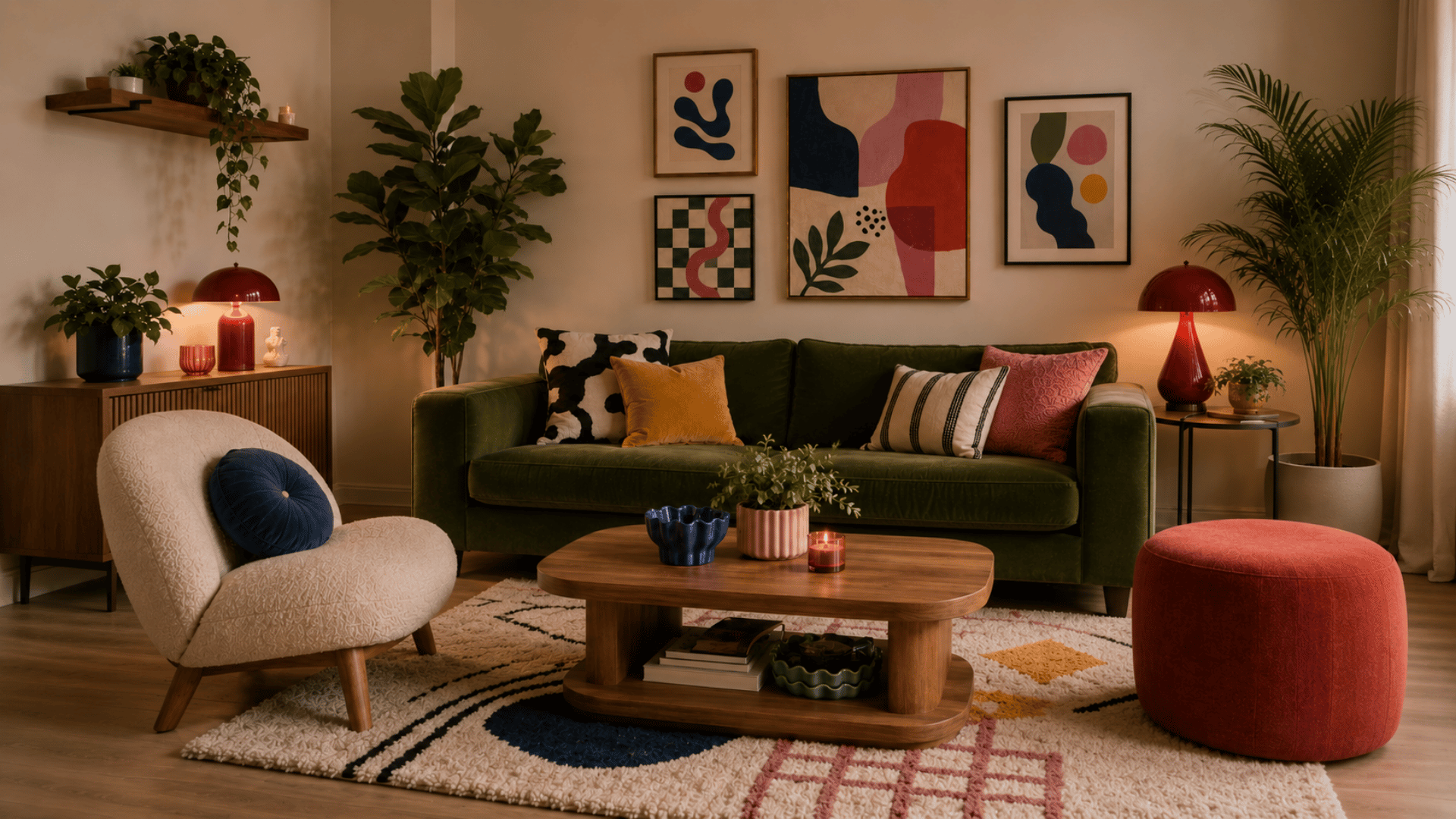
Bold wall decor doesn’t mean loud. It means intentional. Abstract art, oversized prints, woven baskets, or a single vintage piece can bring personality to a room without making it feel chaotic.
The trick is anchoring bold pieces with neutral furniture. Cream sofas, beige rugs, and wood surfaces give the eye somewhere to rest while the wall does the talking.
Pro Tip: Add a small touch of a warm accent color like terracotta, rust, or deep red through wall decor to bring personality without overwhelming the room.
How to Arrange Wall Decor without It Looking Cluttered
The difference between a wall that looks styled and one that looks messy usually comes down to a few decisions made before anything goes up.
Start by laying everything on the floor in roughly the same shape as your wall space. Move pieces around until the balance feels right. It takes five minutes and saves a lot of patching holes later. A few things that consistently make arrangements work:
- Pick one anchor piece first. This is your largest or boldest item. Everything else works around it.
- Keep spacing consistent. Two to three inches between pieces is enough. Uneven gaps make walls look accidental rather than planned.
- Vary size, not style. Mixing too many different styles creates chaos. Mixing sizes within the same color palette keeps things cohesive.
- Check from sitting height. What looks balanced standing up often reads differently from the sofa. Always step back and check.
The goal isn’t perfect symmetry. It’s a wall that looks like you meant it.
Things to Know Before Decorating
A few mindset shifts that make the whole process easier, and save you from the most common traps.
- Nothing is Permanent: Wall decor can always be moved, swapped, or removed. Start somewhere and adjust as you go.
- Mix Different Textures: Combining wood, metal, woven decor, and fabric textures makes walls feel warmer and more considered.
- Decorate for Yourself: Choose pieces that match your personal style, not what’s trending. Trends change. Your walls are yours every day.
- Use Ideas as a Starting Point: Adjust colors, layouts, and decor to fit your specific space. What works in a photo won’t always translate directly.
- Add Personal Touches: Family photos, travel items, and meaningful pieces are what make a room feel lived-in rather than staged.
- Know When To Stop: Empty wall space isn’t wasted space. It gives the pieces you do hang room to breathe.
Budget-Friendly Cozy Wall Decor Ideas for Living Rooms
A cozy living room doesn’t require expensive decorating. These options can create real warmth and personality without a large investment.
| Wall Decor Idea | Average Budget | Description |
| Family Photo Gallery | $15 to $40 | Creates a warm personal display using simple matching photo frames |
| Floating Shelves | $25 to $80 | Adds stylish storage space for candles, books, plants, and small decor |
| DIY Wall Art | $10 to $35 | Affordable handmade wall decor that adds creativity and personality |
| Peel and Stick Wallpaper | $25 to $90 | Creates stylish accent walls without expensive renovation or painting work |
| Hanging Plants | $10 to $40 | Brings fresh greenery and a calming natural feel indoors |
Common Mistakes to Avoid
Small errors can make a room feel off without you being able to pinpoint why. These are the ones worth watching for.
- Wrong Height: Art hung too high or too low breaks the room’s visual flow. Center most pieces at roughly 57–60 inches from the floor, standard gallery height.
- Overcrowding Walls: Filling every wall with decor reduces the cozy quality you’re aiming for. Restraint is part of the design.
- Ignoring Scale: A small piece on a large wall disappears. An oversized piece on a narrow wall dominates. Match the scale of the decor to the wall.
- Poor Alignment: Crooked frames or uneven spacing make a wall look unfinished regardless of how good the pieces are. Use a level.
- No Color Balance: Wall decor that clashes with your furniture pulls the room apart. Tie colors back to something already in the space; a cushion, a rug, or a wood tone.
Conclusion
Your walls have more power over a room’s feel than most people realize. The right decor turns a plain space into one that feels warm, considered, and genuinely yours.
Start with one idea that fits your space today. A single shelf, a mirror in the right spot, or one piece of art you actually love is enough to change how the room feels. Everything else can follow from there.
Frequently Asked Questions
What Is the 3-4-5 Rule in Decorating?
It refers to incorporating a minimum of 3 patterns, 4 period styles, and 5 colors or textures per room to create a visually layered, interesting space.
What Color Should Never Be Painted in The Living Room?
Avoid harsh neon colors; they feel too loud and make it harder to relax in the space.
How to Make the House Look Expensive?
Use neutral tones, layered textures, warm lighting, and simple, clean styling. Consistency across a room matters more than the cost of individual pieces.
What Are Some Kid-Friendly Living Room Decor Ideas?
Choose soft rugs, rounded edges, storage-friendly pieces, and durable fabrics that can handle everyday use.