

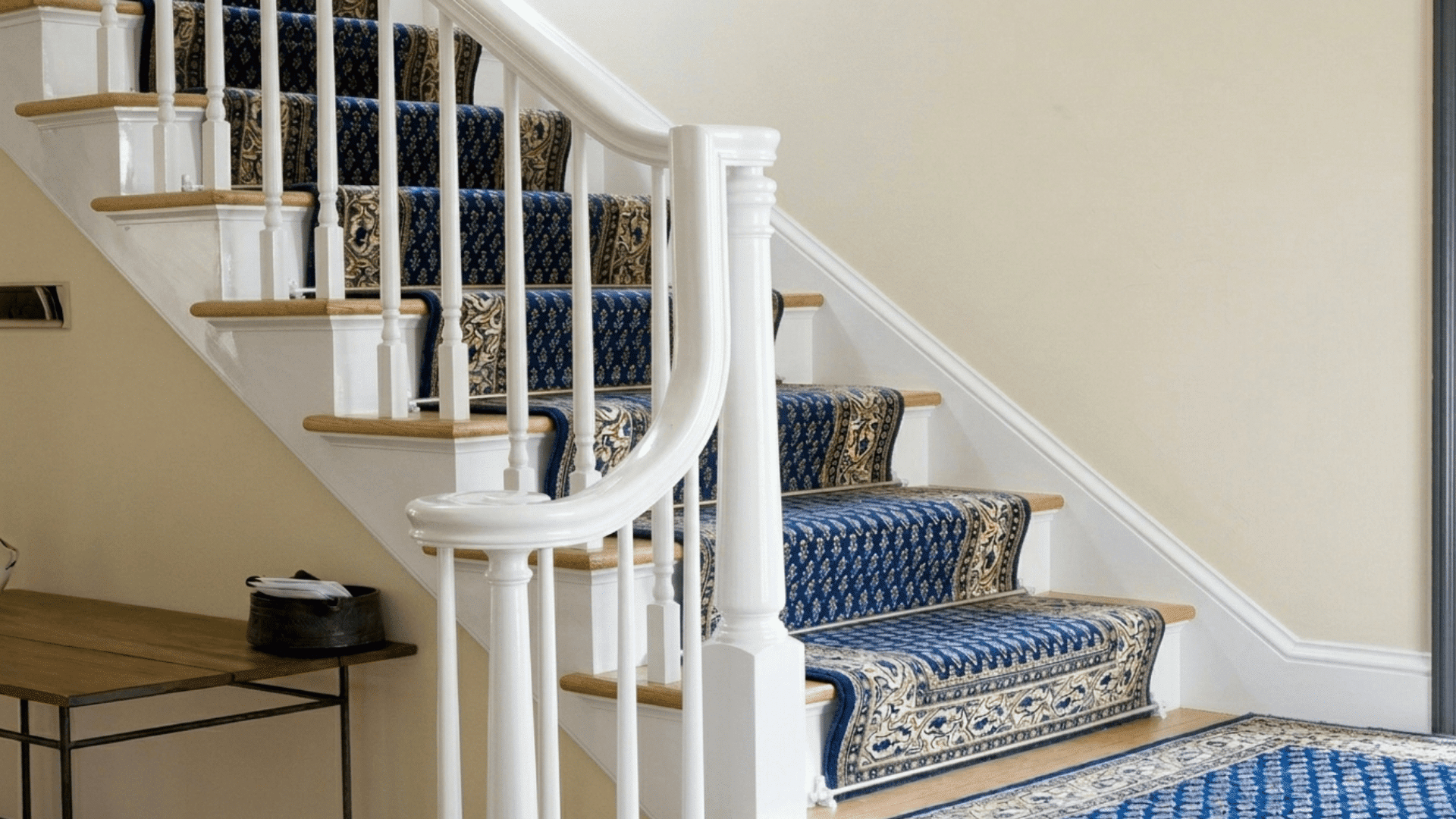
Stairs are so common that most of us never stop to think about them. You walk up and down several times a day without giving it a second thought.
But ask someone what a “flight of stairs” actually means, and you’ll get a lot of blank stares.
Over the years of writing about home design, I’ve seen something surprising. Even people working on full home renovations often struggle to explain this simple term.
The meaning of a flight of stairs has deeper roots than most expect.
Once you understand where it comes from, the phrase feels much more logical.
In this article, I’ll explain what a flight of stairs means, where the term started, how flights are counted, and why it still matters in modern design and planning.
What Is a Flight of Stairs?
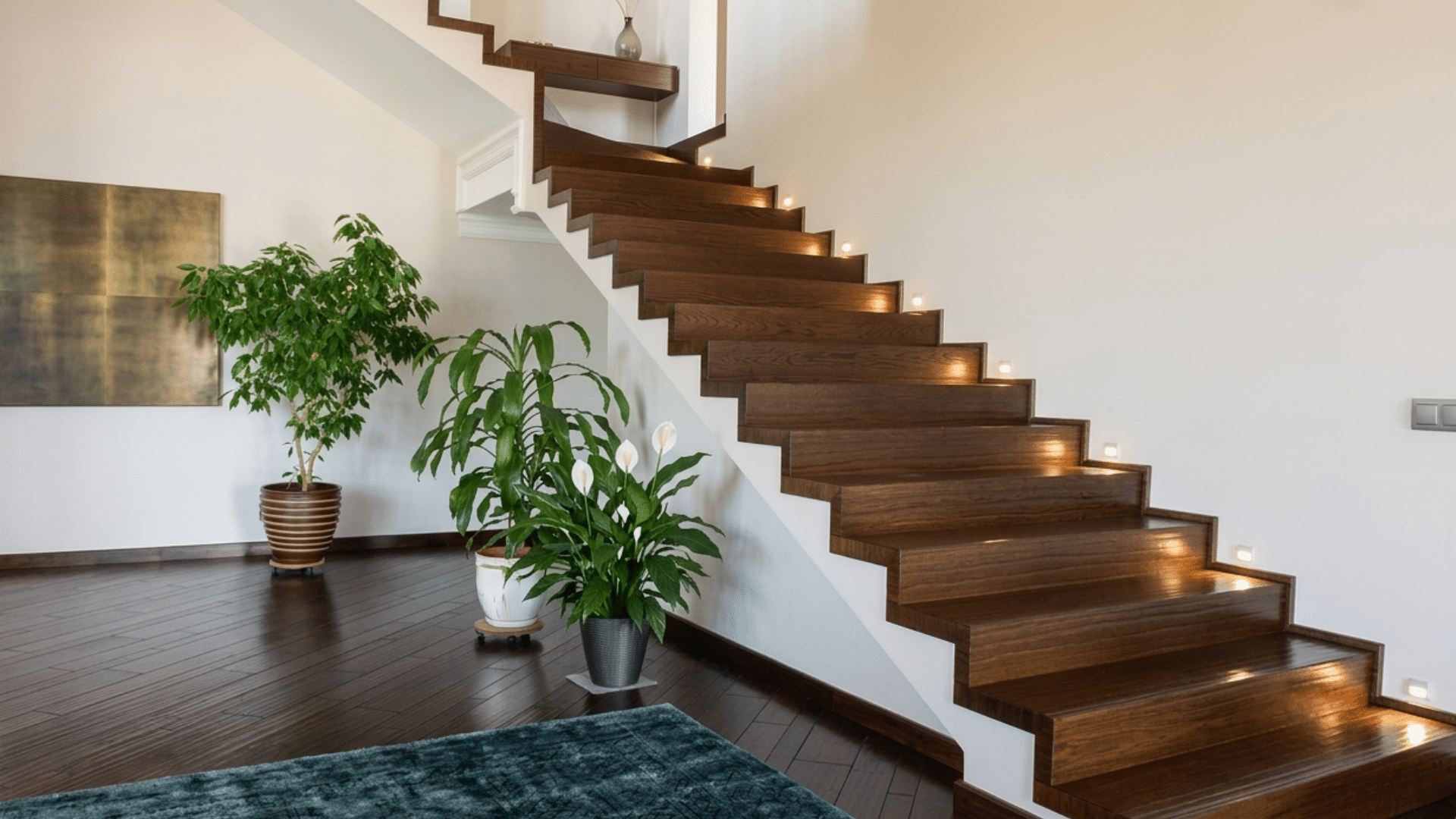
A flight of stairs is a continuous set of steps that connects one level of a building to another without a break or landing interrupting the run.
You will often see a flat space called a landing between flights, but one flight itself has no pause.
This simple idea helps builders and designers plan safe and clear movement inside a space.
It also helps when talking about layouts, repairs, or measurements. People use this term in both daily talk and construction work.
A flight of stairs can be straight or curved, depending on the design of the building.
Even though the shape may change, the basic meaning stays the same. Knowing this term makes it easier to understand plans and talk about how stairs are built and used.
How Many Steps Are in a Flight of Stairs?
Many people ask how many steps are in a flight of stairs, but the answer is not fixed.
In most residential buildings, a flight of stairs typically contains between 10 and 16 steps, with 12 to 14 being the most common range for homes with standard ceiling heights.
Step count depends on floor-to-floor height, riser dimensions, and applicable building code requirements.
Under the International Residential Code (IRC Section R311.7), the maximum riser height for residential stairs is 7¾ inches, and the minimum tread depth is 10 inches.
These figures help determine how many steps are needed to cover a given vertical rise comfortably and safely.
A standard floor-to-floor height of around 9 feet, for example, typically results in 13 to 14 risers per flight.
In commercial and multi-family buildings, the International Building Code (IBC) may allow slightly different dimensional tolerances, which can shift step counts per flight.
Understanding these numbers matters when evaluating stair comfort, comparing renovation proposals, or reading a set of architectural drawings.
Key Components of a Flight of Stairs
Understanding these parts helps when reviewing construction drawings, specifying materials, or assessing an existing staircase during a renovation or property purchase.
1. Tread
The tread is the flat, horizontal surface of each step where your foot lands when walking.
Tread depth directly affects comfort and safety; a shallower tread forces a shorter stride and increases the likelihood of slipping.
Under the IRC, residential treads must be at least 10 inches deep, measured from nosing to nosing.
Wider treads generally feel more comfortable and are often preferred in high-traffic areas of a home, such as the main entry stair in a two-story residence.
2. Riser
The riser is the vertical face between two consecutive treads. Its height determines how steeply the stairs climb and sets the rhythm users feel when ascending or descending.
Building codes cap residential riser heights at 7¾ inches to balance ease of use with efficient vertical coverage.
Open-riser designs, which omit the riser panel entirely, are popular in contemporary interiors but require careful structural planning and may not meet all code requirements in every jurisdiction.
3. Landing
A landing is a flat platform placed between flights of stairs. It provides a rest point, improves safety by breaking up a long vertical run, and allows a staircase to change direction.
Building codes typically require a landing wherever a door opens onto a stair, and at intervals when the total rise of a stair exceeds a specified threshold.
In residential settings, a mid-flight landing also reduces the physical and visual impact of a tall staircase within a room.
4. Handrail
The handrail runs along the open side or sides of the stairs and provides a gripping surface for users moving between levels.
Handrail height for residential stairs must fall between 34 and 38 inches above the tread nosing, per IRC guidelines.
Beyond code compliance, handrail design carries significant visual weight in a staircase.
And the profile, material, and mounting detail can define the character of an entire interior, something I pay close attention to when writing about stair finishings.
5. Nosing
The nosing is the projecting edge of a tread that extends slightly beyond the riser face below it. It increases usable tread surface and makes each step easier to see, particularly in low-light conditions.
The IRC permits nosings of up to 1¼ inches. ADA accessibility guidelines also address nosing profile, requiring a rounded or beveled edge rather than a sharp overhang that could catch a shoe.
Nosing material and finish are often chosen to contrast with the tread for better visual definition.
What Reddit Users Say About a Flight of Stairs?
Many Reddit users agree that a flight of stairs is usually an uninterrupted set of steps between two landings or floors.
Some people with design experience explain it as the section that runs continuously without a break. Some users, including those with design experience, describe it as a continuous run with no break.
Once you reach a landing, that often marks the end of one flight and the start of another.
Still, not everyone sees it the same way. A few people think the whole path between floors counts as one flight, even if there is a turn.
In simple terms, most opinions focus on how you move. If you can walk the steps without stopping, that section is a flight, while the full setup is called a staircase.
What Makes a Flight of Stairs Different from a Staircase?
A flight of stairs and a staircase are related terms, but they do not mean the same thing. A flight refers to one section of steps, while a staircase refers to the entire stair structure.
| Feature | Flight of Stairs | Staircase |
| Definition | A continuous run of steps between two landings or floors | The full stair structure in a building |
| Structure | One section of steps only | Can include one or multiple flights |
| Landings | Usually begins or ends at a landing | Includes landings and connecting flights |
| Usage | Describes a part of the stairs | Describes the whole stair system |
| Example | 12 steps between the first floor and a landing | The entire stair setup connecting the floors |
Types of Flight of Stairs
Flights of stairs can be designed in different ways depending on space, building layout, and style. Each type helps connect floors efficiently while maintaining safety and comfort for people using the stairs.
1. Straight Flight of Stairs
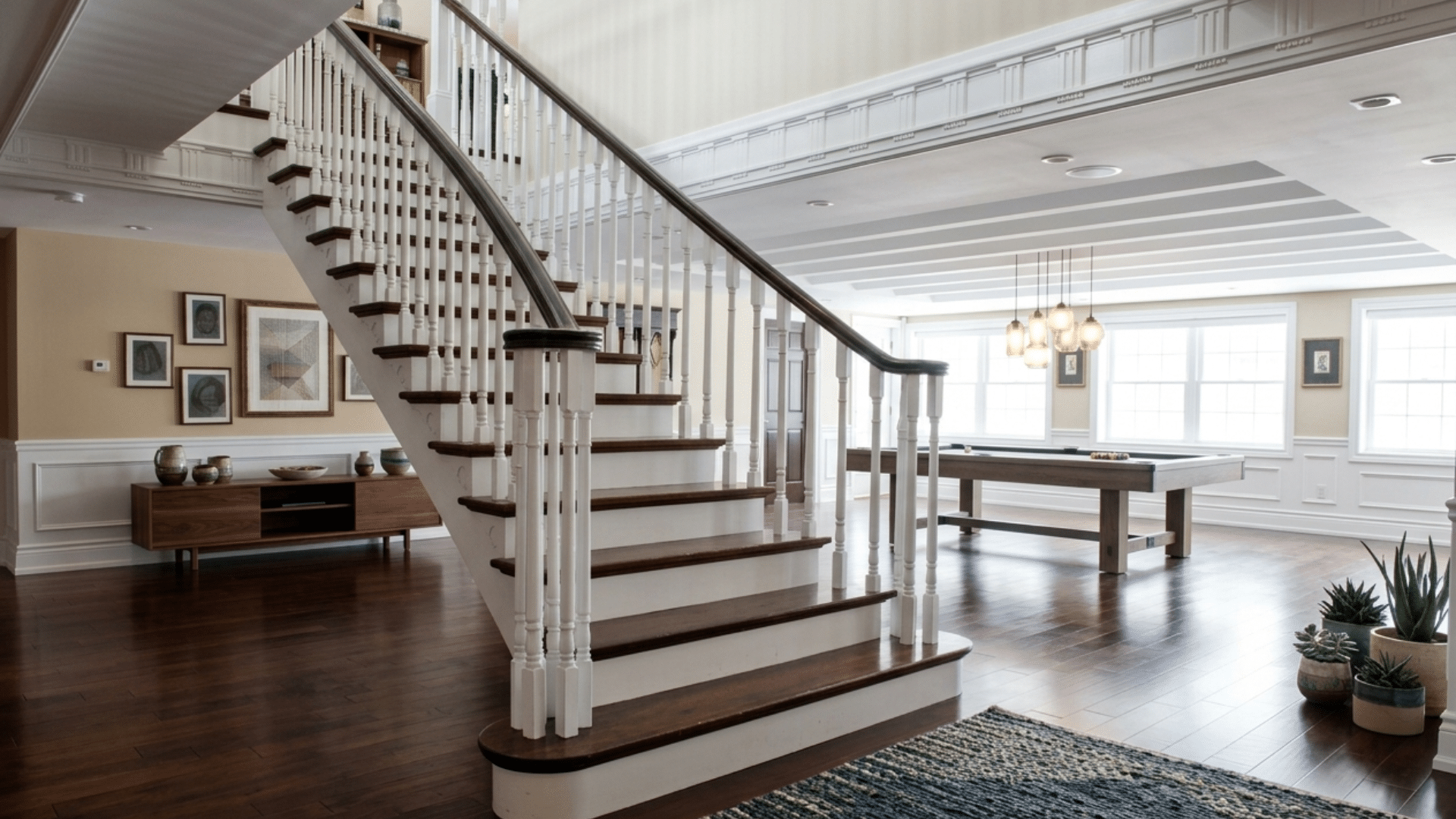
A straight flight of stairs is the simplest and most common stair design. It consists of a single continuous line of steps that moves directly from one level to another without changing direction.
This type is often used in homes, small offices, and simple building layouts because it is easy to design and construct. Straight flights are also convenient to walk on since users move in one direction without turns.
However, they may require more horizontal space than other designs.
Handrails are usually installed along one or both sides to provide support and improve safety while going up or down the stairs.
2. Quarter-Turn Flight of Stairs
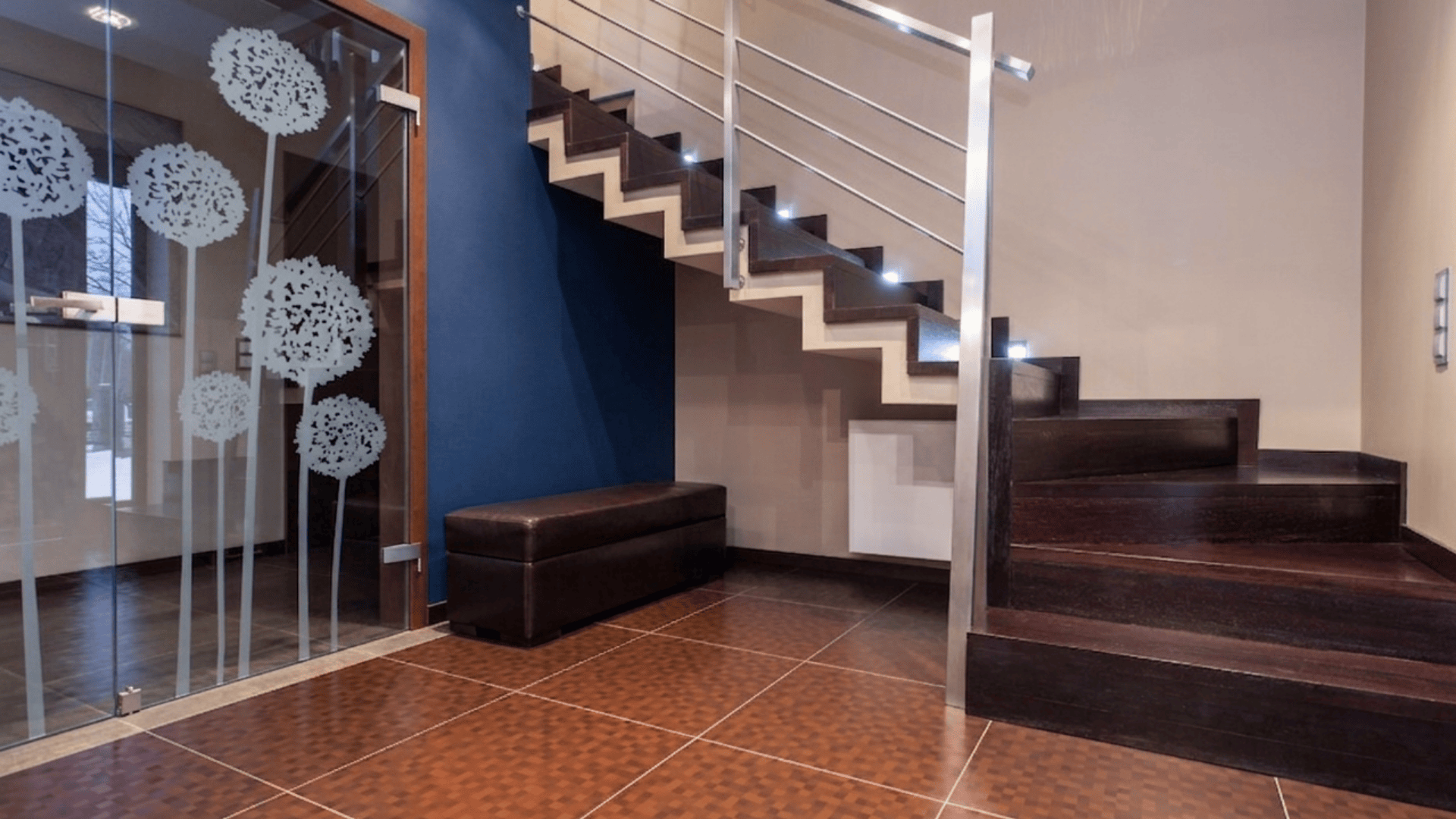
A quarter-turn flight of stairs changes direction by 90 degrees at a landing. Instead of moving in one straight line, the stairs turn to the left or right halfway through the climb.
This design is useful in buildings with limited space because it allows the staircase to fit into a corner. The landing between the two sections also provides users with a brief rest point as they move between floors.
Quarter-turn flights are common in residential homes and small apartment buildings.
They also add a visually interesting element to interior spaces while improving safety by breaking up long stair runs.
3. Half-Turn (Dog-Legged) Flight of Stairs
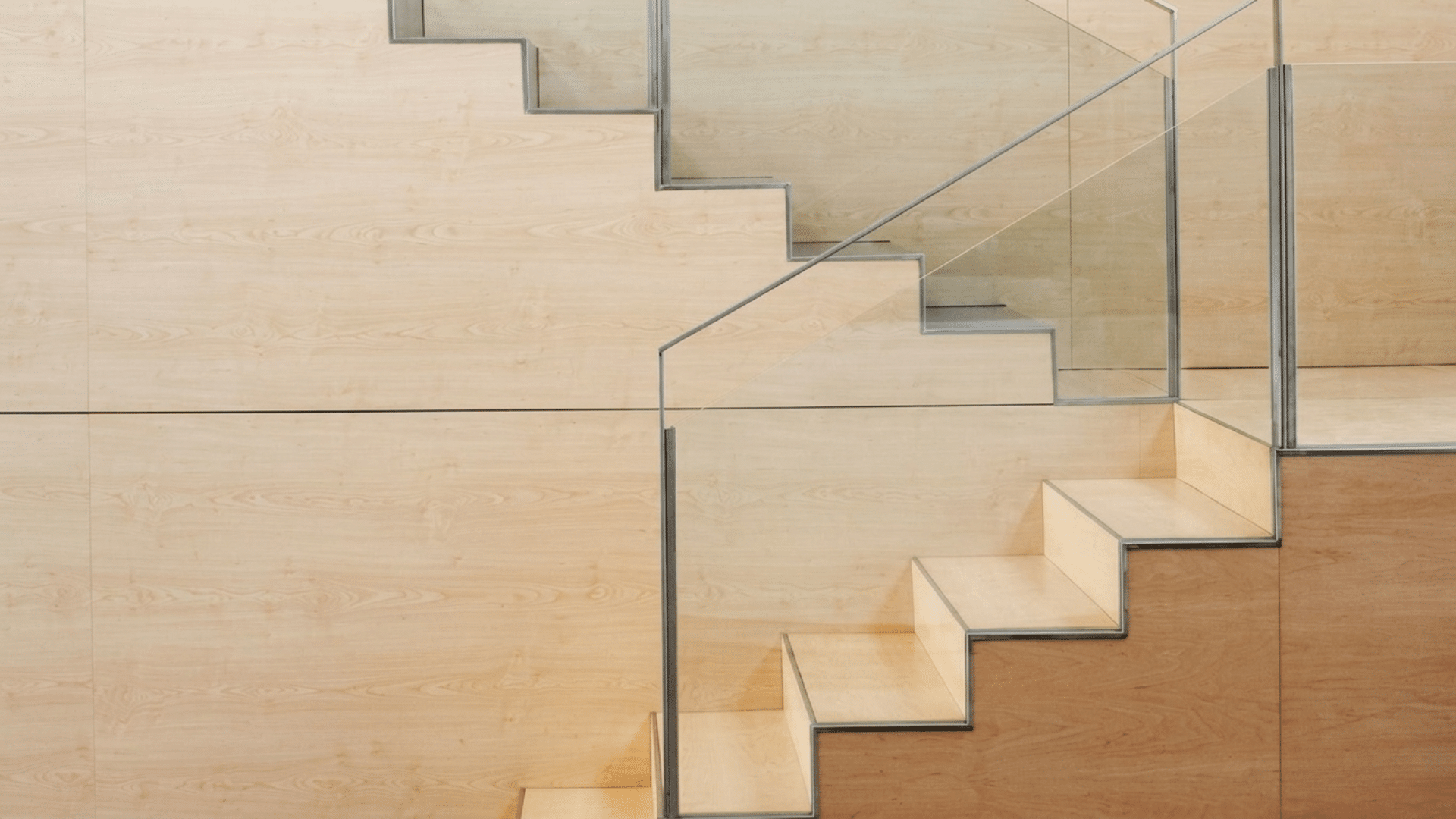
A half-turn flight of stairs, often called a dog-legged stair, changes direction by 180 degrees. This means the second flight runs parallel to the first but in the opposite direction.
A landing connects the two flights, allowing people to pause briefly as they move between levels.
This type is widely used in apartment buildings, schools, and offices because it saves space and fits well in compact areas.
The design allows two flights of stairs to occupy a smaller floor footprint. It also improves safety by preventing a very long, continuous stair run that might otherwise be tiring or risky.
4. Spiral Flight of Stairs
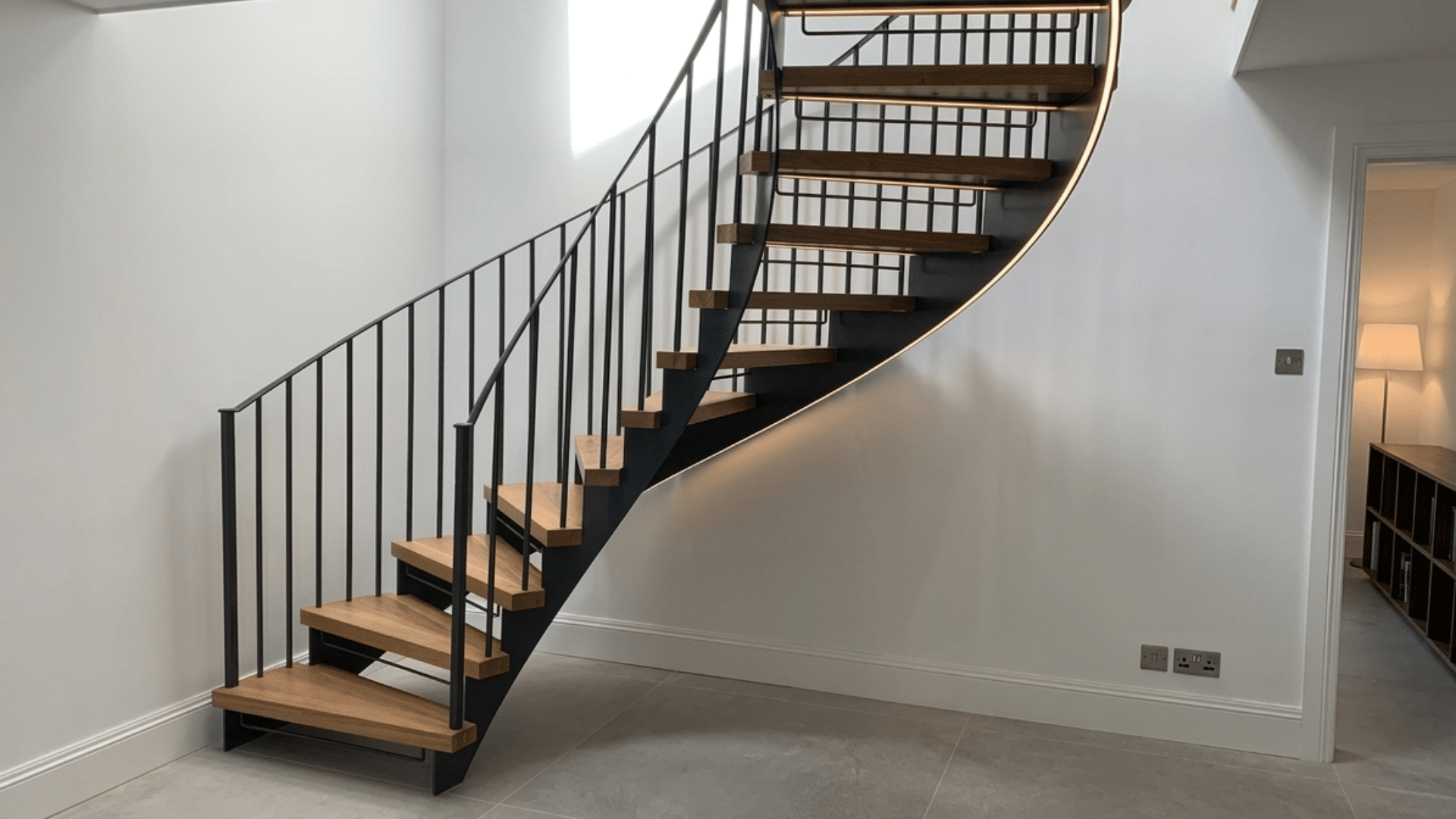
A spiral staircase curves around a central column, forming a circular shape. The steps are arranged in a rotating pattern, allowing the staircase to rise vertically while using very little floor space.
Spiral flights are often used in small areas such as lofts, balconies, towers, or secondary staircases.
They can also serve as decorative architectural features in modern homes and commercial buildings.
Although spiral stairs save space and look stylish, they may be less comfortable for frequent use compared to straight stairs. Because of their shape, the steps narrow toward the center of the spiral.
5. Outdoor Flight of Stairs
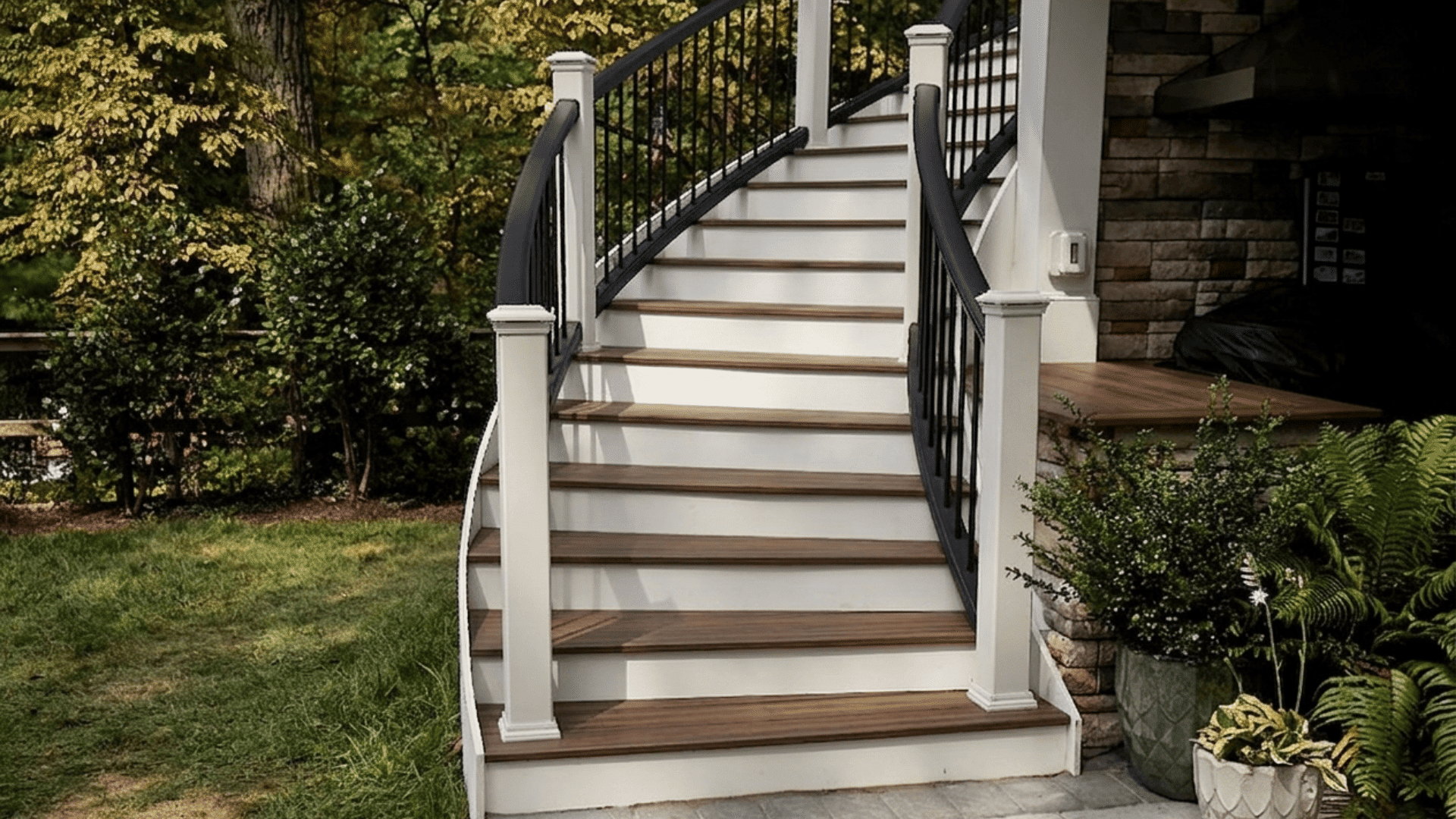
An outdoor flight of stairs connects different ground levels outside buildings and is common at entrances, gardens, and parks.
These stairs are designed to handle weather conditions such as rain, heat, and snow, so they are usually made from durable materials like concrete, stone, or metal.
Outdoor flights often include wider steps and sturdy handrails to improve safety.
In public spaces, they may also include textured surfaces to reduce slipping.
Besides helping people move between levels, outdoor flights of stairs can enhance the appearance of landscapes and building entrances.
Why Do Buildings Use Multiple Flights of Stairs?
Buildings often use multiple flights of stairs rather than a single long stair run for safety, comfort, and efficient use of space. Long staircases can be tiring and difficult to climb, especially in tall buildings.
By dividing stairs into several flights with landings in between, people get short rest points as they move between floors.
Landings also help change the direction of stairs, allowing designers to fit staircases into smaller areas of a building. Another important reason is safety.
Building guidelines often require landings after a certain number of steps to reduce the risk of falls and make emergency movement easier.
Multiple flights also improve accessibility in large structures such as apartments, offices, and schools, where many people use the stairs every day.
Common Mistakes While Choosing Stair Flight Design
Several recurring errors appear in residential stair projects, particularly in renovation work where an existing structural opening constrains the design.
| Mistake | Why It Matters | What to Do Instead |
|---|---|---|
| Inconsistent riser heights within a flight | Even small riser differences can cause trips since people follow a step rhythm | Calculate all risers from the total rise divided equally; verify with a story pole during construction |
| Tread depth too shallow | Treads below 10 inches force users to place their feet at an angle, increasing the risk of slipping on descent | Meet the IRC 10-inch minimum at minimum; aim for 11 inches in primary residential stairs where space allows |
| Handrail mounted too high or too low | A rail outside the 34–38-inch zone is harder to grip at the moment it is most needed | Set the handrail at about 36 inches for better use across different heights |
| Using a spiral stair as the sole access route | Narrow treads and a steep pitch make spiral stairs less suitable for daily use and may not meet exit codes | Use spiral stairs for secondary access and keep straight or quarter-turn stairs as the main route |
| Omitting a landing where a door opens onto the stairs | A door opening onto a step is unsafe, and most codes require a landing there | Provide a landing at least as deep as the door width at any door that opens toward the stairs |
Example of a Flight of Stairs in Everyday Life
You can see a flight of stairs in many places you visit every day. These stair sections help people move between levels in homes, buildings, and outdoor spaces.
- House Stairs: In many two-story homes, a single flight of stairs connects the ground floor to the upper floor. It usually runs straight with about 12–14 steps between the two levels.
- Apartment Buildings: Apartment stairwells often contain multiple flights separated by landings. Residents use these flights to move between floors when elevators are not available.
- Office Buildings: Offices commonly have stairwells with flights of stairs for daily use and emergencies. These stairs connect several floors and provide a safe exit during emergencies.
- Outdoor Park Steps: Parks and public gardens often include flights of stairs to connect paths at different heights. These steps help visitors walk safely up slopes or small hills.
Conclusion
A flight of stairs is a set of steps that connects one level to another without a break, usually between floors or landings.
The number of steps in a flight varies depending on building height, design, and applicable code requirements.
Residential flights most commonly carry 12 to 14 steps, governed by riser and tread dimensions set out in the IRC.
Multiple flights, connected by landings, are the standard approach in taller structures because they improve safety, manage fatigue, and allow the staircase to change direction within a compact footprint.
If you are reading a floor plan, walking through a property, or discussing a renovation with a contractor, knowing what a flight of stairs is helps a lot.
It gives you a clear way to talk about one of the most important parts of a building and how its parts work.
Frequently Asked Questions
What is Considered One Flight of Stairs in a Building?
A flight of stairs is a continuous set of steps connecting two levels or landings without interruption. If a landing breaks the steps, the next set is counted as another flight.
How Tall Is a Typical Flight of Stairs?
A typical flight of stairs usually rises between 8 and 10 feet in residential buildings. The exact height depends on floor height and stair design.
Do Building Codes Limit the Number of Steps in a Flight?
Yes, many building guidelines recommend limiting the number of steps per flight. This helps improve safety and reduces fatigue while climbing.
Why Are Landings Placed Between Flights of Stairs?
Landings provide a resting space between stair runs and improve safety. They also allow stairs to change direction in compact building layouts.
Can a Building Have Only One Flight of Stairs?
Yes, small homes or buildings may have only one flight connecting two floors. Larger buildings usually use multiple flights to connect several levels safely.