


Most people look at a building and notice the windows, doors, or the front face first. Very few pay attention to the wall along the roofline.
That wall is called a parapet wall. I didn’t realize how important it was until I started writing about construction and building design. People pass by them every day without thinking twice.
Still, they are one of the most useful parts of a building. Once you understand their purpose, you start spotting them everywhere.
You’ll see them on old buildings, modern homes, and many other structures.
In this guide, I explain everything you need to know about parapet walls.
This includes what they are, why they matter, their types, materials, design tips, common issues, and simple ways to maintain them.
What Is a Parapet Wall?
A parapet wall is a low wall that runs along the edge of a roof, terrace, or balcony. It acts as a barrier, stopping people from falling and protecting the building from wind and rain damage.
Writing about construction for years, I have seen how often this small wall gets overlooked despite the big role it plays.
You will find parapet walls on homes, apartment buildings, offices, and even bridges.
In modern buildings, they also help hide rooftop equipment, such as HVAC units, giving the structure a neat, clean look from the street.
From an architectural view, the parapet wall is often overlooked. When I work on the proportions of a historic structure for my miniature models, I always check how the parapet height compares to the facade.
If it’s off, the whole roofline looks wrong, even on a small model. The same idea applies to real buildings.
Simple in design, strong in purpose, that is what a parapet wall is all about.
Key Features:
- Drainage support: Helps direct water toward roof drains and outlets
- Privacy screen: Blocks the view of rooftop activity from neighboring buildings
- Structural edge: Reinforces and protects the roof perimeter
Anatomy of a Parapet Wall: Key Components
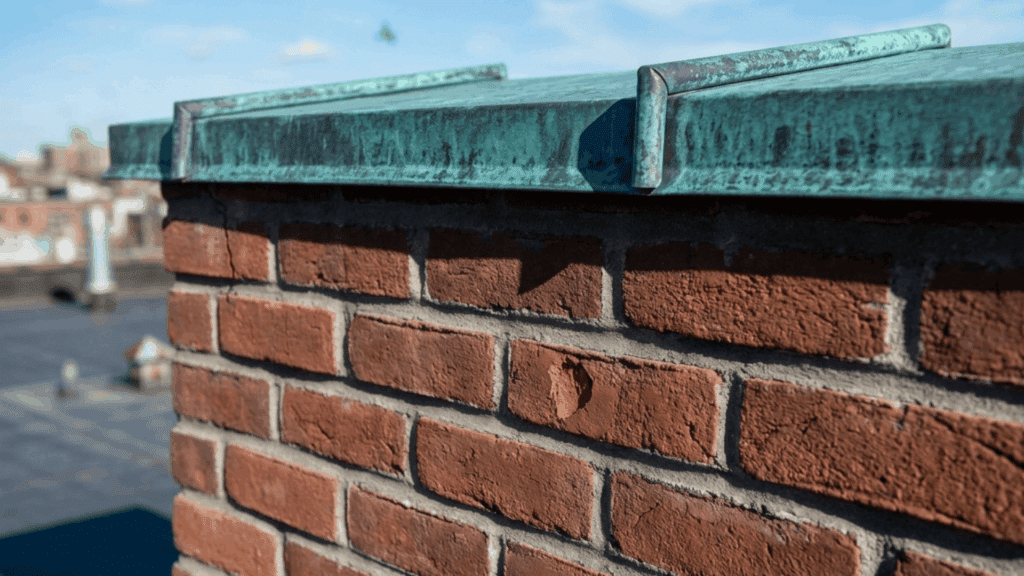
A parapet wall has several small parts that work together to protect and support the roof edge. Each part plays a role in strength, water control, and long-term durability.
1. Coping
Coping is the cap that sits on top of the parapet wall and sheds water away from the masonry below.
It is typically made from stone, concrete, brick, or metal, and it must project slightly beyond the wall face on both sides so water drips clear.
A coping without a proper drip edge is one of the most common construction oversights I encounter in design reviews. Without it, water runs straight down the face of the wall and into the mortar joints.
2. Flashing
Flashing is a thin layer of waterproof material placed where the parapet meets the roof surface. It is usually made of metal like aluminum or galvanized steel.
Its main job is to stop water from entering joints and gaps. This is important because these areas are common points for leaks.
Properly installed flashing helps extend the life of both the roof and the parapet wall. It works quietly in the background but plays a big role in preventing water damage.
3. Cap Flashing
Cap flashing is installed over the base flashing to add another layer of protection. It covers the top edge of the flashing and directs water away from joints.
This helps seal the connection between the parapet wall and the roof.
Cap flashing is often used in areas with heavy rain or strong winds. It improves the overall waterproofing system and reduces the chance of leaks.
Together with base flashing, it forms a strong barrier against moisture.
4. Weep Holes
Weep holes are small openings placed near the base of the parapet wall. They allow trapped water to escape from inside the wall.
This helps prevent moisture buildup, which can weaken the structure over time. These holes may seem minor, but they are important for keeping the wall dry.
Without them, water can collect inside and cause damage like cracks or mold.
Proper drainage through weep holes supports the long-term health of the parapet wall.
5. Parapet Coping Joint Sealant
Joint sealant is applied between coping sections to close gaps and stop water from entering. It is usually made from flexible materials that can expand and contract with temperature changes.
This helps maintain a tight seal even as the building moves slightly over time. A good sealant prevents cracks and leaks at joints, which are common weak spots.
Regular inspection and maintenance of these seals are important to keep the parapet wall in good condition.
Why Parapet Walls Are Important in Construction?
They may look simple, but they quietly handle several jobs at once. From safety to weather control, they support how a building works every day.
- Safety at the Roof Edge: Acts as a guard at the roof edge. It helps prevent falls during work or repairs.
- Better Fire Protection: Slows the spread of fire between buildings. Gives more time to control damage.
- Keeps Water Out: Guides rainwater away from edges. Helps prevent leaks and wall damage.
- Supports Wind Resistance: Reduces wind pressure at roof edges. Helps protect roofing materials.
- Hides Roof Equipment: Covers vents and units on the roof. Keeps the building looking clean.
- Adds Design Balance: Improves the roofline shape. Helps the building look neat and well-proportioned.
Main Types of Parapet Walls
Parapet walls come in a few common types based on design and purpose. Each type serves a similar role but looks slightly different in style and structure.
1. Plain Parapet Wall
A plain parapet wall is the most basic type, and honestly, it is the one I see most often on everyday buildings.
It is flat, straight, and has no decorative details or openings, which makes it simple and highly functional. You will find it in homes, warehouses, and budget-friendly projects where the goal is function over form.
Builders choose it when they just need a solid wall that does its job, no extra details, no fuss.
| Benefit | Details |
|---|---|
| Low cost | Uses fewer materials and less labor than other types |
| Easy to build | A simple structure means a faster construction time |
| Wide application | Works on homes, offices, and industrial buildings |
2. Perforated Parapet Wall
A perforated parapet wall has openings or cutouts built into its surface. These gaps can be shaped as squares, circles, or arches, depending on the design.
The openings allow air to pass through, which helps reduce wind pressure on the wall.
You will mostly see this type on buildings where ventilation and design both matter. It adds a bit of visual interest without going over the top.
For rooftop terraces and open-air spaces, it works especially well because it lets air flow freely while still forming a solid boundary.
| Benefit | Details |
|---|---|
| Better airflow | Openings allow wind to pass through, reducing wall pressure |
| Decorative appeal | Cutout patterns add visual interest to the roofline |
| Lighter structure | Less material is used compared to a fully solid wall |
3. Panel Parapet Wall
A panel parapet wall is built using pre-made sections or panels fixed along the roof edge. Each panel is crafted separately and then installed in place, which speeds up the building process.
You will see this type most often in modern commercial buildings and large housing projects. The panels can be plain or decorated, giving builders some flexibility in how the finished wall looks.
It is a practical choice when construction speed and a clean finish both matter on the same project.
| Benefit | Details |
|---|---|
| Faster installation | Pre-made panels reduce time spent on site |
| Weather resistant | Panels are designed to handle rain, wind, and temperature changes |
| Consistent finish | Factory-made sections ensure uniform size and shape |
4. Embattled Parapet Wall
An embattled parapet wall has a pattern of raised sections and gaps along the top, giving it a castle-like look.
I find this style fascinating because it comes from old military buildings where soldiers used those gaps during battle. Today, when I see it on heritage buildings and churches, it still carries that same bold, historical weight.
You will rarely find it on modern homes, but if you are working on a restoration project, nothing adds character to a roofline quite like this.
| Benefit | Details |
|---|---|
| Adds property value | Unique design increases the overall appeal of older buildings |
| Fire resistance | Thick raised sections help slow fire spread between structures |
| Structural depth | Alternating high and low sections adds extra thickness to the wall |
5. Curved Parapet Wall
A curved parapet wall follows a rounded or arched profile along the roof edge rather than a straight line.
It is mostly used on buildings where design plays a big role, such as luxury homes, hotels, and public buildings that want to stand out.
The curved shape also helps with water runoff, directing rain away from the roof surface more effectively.
It takes more skill to build than a plain wall, but the finished result gives any building a distinctly polished and well-thought-out look.
| Benefit | Details |
|---|---|
| Longer lifespan | Smooth curves reduce stress points that cause cracking over time |
| Versatile styling | Works well with both traditional and contemporary building designs |
| Wind resistance | Curved form deflects wind more effectively than flat surfaces |
Common Problems with Parapet Walls
Parapet walls take a beating from weather, water, and time. Writing about building maintenance for years, I’ve seen the same issues come up again and again. Most of them are easy to catch early if you know what to look for.
- Water leakage: Water seeps through cracks or gaps in the coping and flashing, causing damage to the wall and the roof below.
- Cracks and structural damage: Repeated freeze-thaw cycles and settling cause mortar joints and masonry to crack over time.
- Poor drainage design: When the parapet lacks a proper slope or outlets, water pools at the base, accelerating wear.
- Simple prevention tips: Inspect coping, flashing, and joints at least twice a year and seal any gaps before the rainy season.
Parapet Wall Materials: A Comparison
Material choice affects cost, upkeep, look, and durability. I’ve seen each material used well and poorly. The right option depends on the building type, climate, budget, and design goal.
| Material | Typical Use | Lifespan | Maintenance Level | Design Notes |
| Brick | Residential, heritage | 50+ years | Low to moderate | Strong visual weight; suits traditional facades |
| Concrete block | Commercial, industrial | 40–60 years | Low | Utilitarian finish; typically rendered or clad |
| Precast concrete | Large commercial, modern | 50–70 years | Low | Consistent factory finish; suits contemporary work |
| Natural stone | Luxury, heritage restoration | 75+ years | Moderate | Highest visual quality; significant cost premium |
| Metal (steel/aluminum) | Modern commercial, rooftop terraces | 30–50 years | Low to moderate | Slim profile; works well with glass guardrail systems |
| Stucco over CMU | Residential, Mediterranean style | 20–40 years | Moderate to high | Flexible form factor; susceptible to cracking if not detailed correctly |
Parapet Wall Height Requirements and Building Codes
Understanding the code baseline before you specify a parapet height saves significant time during the permit review process and avoids costly redesigns.
1. IBC and IRC Height Standards
Under the International Building Code (IBC), parapets on fire-rated exterior walls are generally required to extend at least 30 inches above the roof surface.
The International Residential Code (IRC) requires guards on roof decks and terraces to be at least 36 inches high when the surface is more than 30 inches above the floor or grade below.
Many local jurisdictions adopt these model codes directly, though some add stricter requirements.
Always verify with the authority having jurisdiction (AHJ) before finalizing your design.
2. Fire-Separation Requirements
In attached or semi-detached buildings, parapet walls may need extra height. This happens when they act as part of a fire barrier.
In many cases, the wall must extend about 18 to 30 inches above the roof. The exact height depends on the fire rating of the wall.
IBC Section 705.11 covers these rules. It explains how parapet walls should be built for fire safety.
If nearby roof surfaces are close and made of combustible materials, the height may need to increase. This helps reduce fire spread between structures.
Parapet Wall vs Boundary Wall vs Guardrail
These three structures look similar but serve very different purposes. Knowing which one fits your project saves you time, money, and a lot of second-guessing.
| Feature | Parapet Wall | Boundary Wall | Guardrail |
|---|---|---|---|
| Location | Edge of roofs, bridges, terraces | Property perimeter | Stairs, ramps, balconies |
| Main Purpose | Prevents falls, protects the roof edge | Mark’s property lines provide privacy | Prevents falls along open edges |
| Material | Brick, concrete, stone | Brick, concrete, wood, metal | Steel, aluminum, glass, wood |
| Height | 18 inches to 4 feet | 3 to 8 feet | 36 to 42 inches (code standard) |
| Load-Bearing | Partial | Yes | No |
| Cost | Moderate to high | Moderate | Low to moderate |
Each structure has a clear job, and using the wrong one can create safety or legal issues. Match the structure to the location, and you will not go wrong.
Factors Affecting the Cost of the Parapet Walls
Several small choices can raise or lower the final cost. Planning ahead helps avoid extra expenses later.
- Material Type: Brick, concrete, stone, or metal all come at different price points. Some cost more upfront but last longer, while cheaper options may need more upkeep over time.
- Wall Height and Thickness: Taller and thicker parapet walls need more materials and labor. Even a small increase in height can add noticeable cost to the project.
- Design Complexity: Simple, flat walls are cheaper to build. Decorative shapes, curves, or added details increase both labor time and overall cost.
- Labor Charges: Skilled labor costs vary by location and project size. Complex builds need experienced workers, which can raise the budget.
- Waterproofing and Finishes: Adding coping, flashing, and sealants improves durability but adds to the cost. Finishes like plaster or paint also increase the total.
- Location and Climate: Harsh weather areas may need stronger materials and extra protection. This can increase both material and installation costs.
- Maintenance Needs: Some materials need regular care. Choosing low-maintenance options may cost more at first but save money over time.
Conclusion
Parapet walls are easy to overlook, but they do a lot of quiet, important work. They keep people safe near open roof edges, protect your building from wind and rain, and help the whole structure look clean and finished from the street.
Once you know them, you start seeing parapet walls everywhere. Knowing the types, materials, and issues helps you build or maintain them better.
The right setup can last for decades. Simple checks on flashing, coping, and drainage prevent costly repairs.
A well-proportioned parapet wall also gives the building a clean, finished look.
It is a small element, but the buildings that get it right are almost always the ones that look like they were designed all the way to the top.
Start with a simple inspection today, check your coping and flashing before the next rainy season hits.
Frequently Asked Questions
Is a Parapet Wall Load-Bearing?
Most parapet walls are not fully load-bearing. They sit atop the main structure and carry only their own weight.
Do Parapet Walls Require a Building Permit?
Yes, in most regions a permit is required. Height and design must meet local building codes before construction begins.
Can a Parapet Wall Be Added to an Existing Roof?
Yes, it can be added later, but the existing roof structure must be checked first to confirm it can handle the extra weight.
What Are Common Problems with Parapet Walls?
Common problems include water leaks, cracks, poor flashing, loose coping, and drainage issues. These can lead to structural damage, mold growth, and costly repairs if not fixed early.
Are Parapet Walls Brick or Concrete?
Parapet walls can be made from brick, concrete, stone, or metal. The choice depends on the building type, budget, and design needs.