

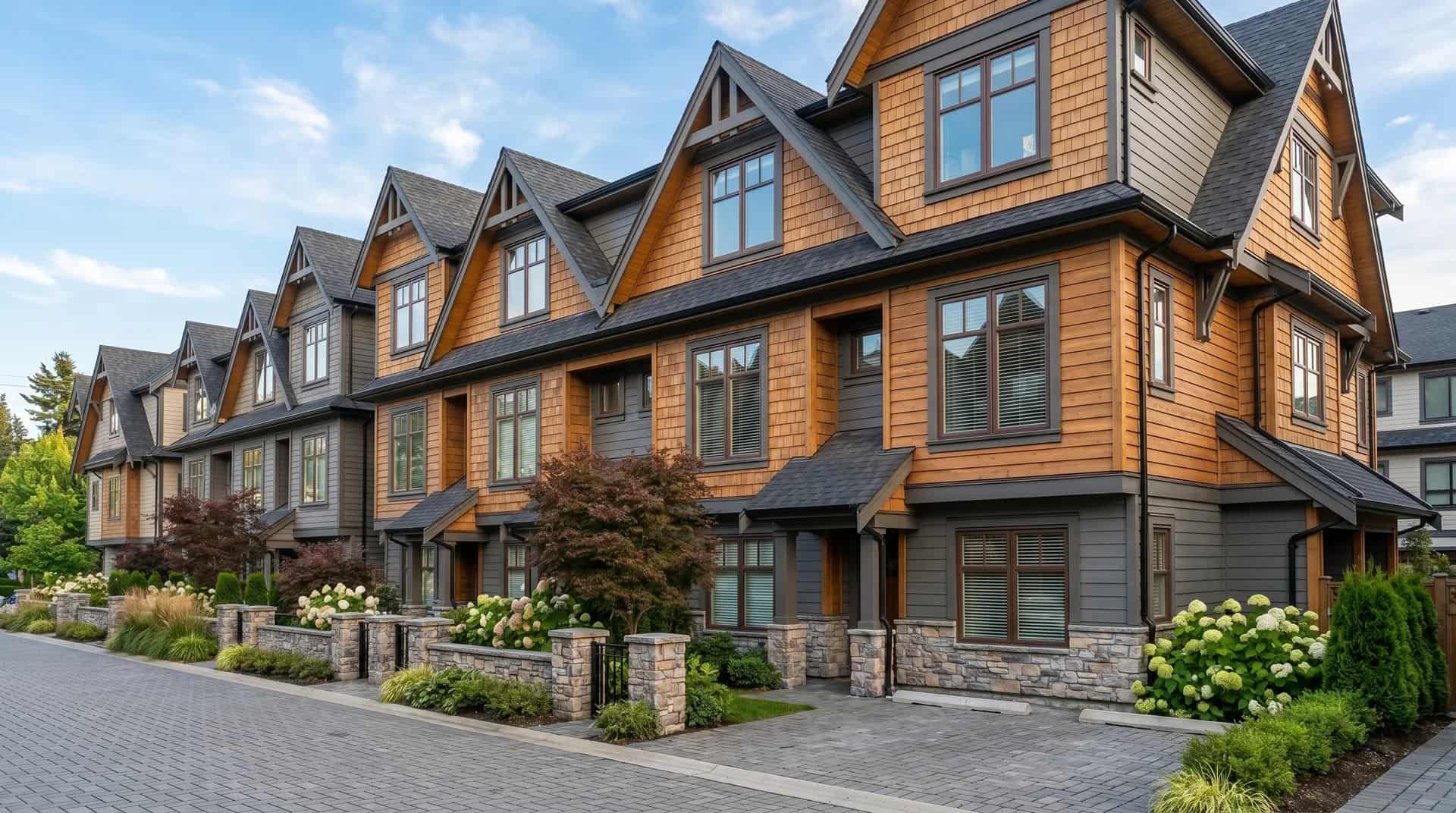
Buying a home is one of the biggest financial decisions you will make. And if you are somewhere between “I can’t afford a full house” and “an apartment feels too small,” a townhouse might be exactly what you are looking for.
But what is a townhouse, really? How is it different from a condo, a duplex, or a regular apartment?
This guide breaks it all down, ownership, costs, HOA fees, financing, and who actually benefits from this type of home, so you can make a confident, clear-headed decision.
What Is a Townhouse?
A townhouse is a multi-floor home that shares one or two walls with neighboring units, has its own private entrance, and is owned outright by the buyer, including the land it sits on.
Think of it as a middle ground between a condo and a single-family home: you get more space and independence than a condo, without the full cost and land area of a detached house.
Townhouse vs. Townhome: Is There a Difference?
You will see both terms used online and by real estate agents. Before getting into what sets a townhouse apart from other housing types, it helps to clear up a small but common confusion first.
| Term | Meaning |
|---|---|
| Townhouse | The traditional term; widely used across the US |
| Townhome | A more modern or marketing-friendly variation |
| Are they different? | No, both refer to the exact same type of home |
There is no legal or structural difference between the two. Some regions simply prefer one term over the other.
How Did Townhouses Originate?
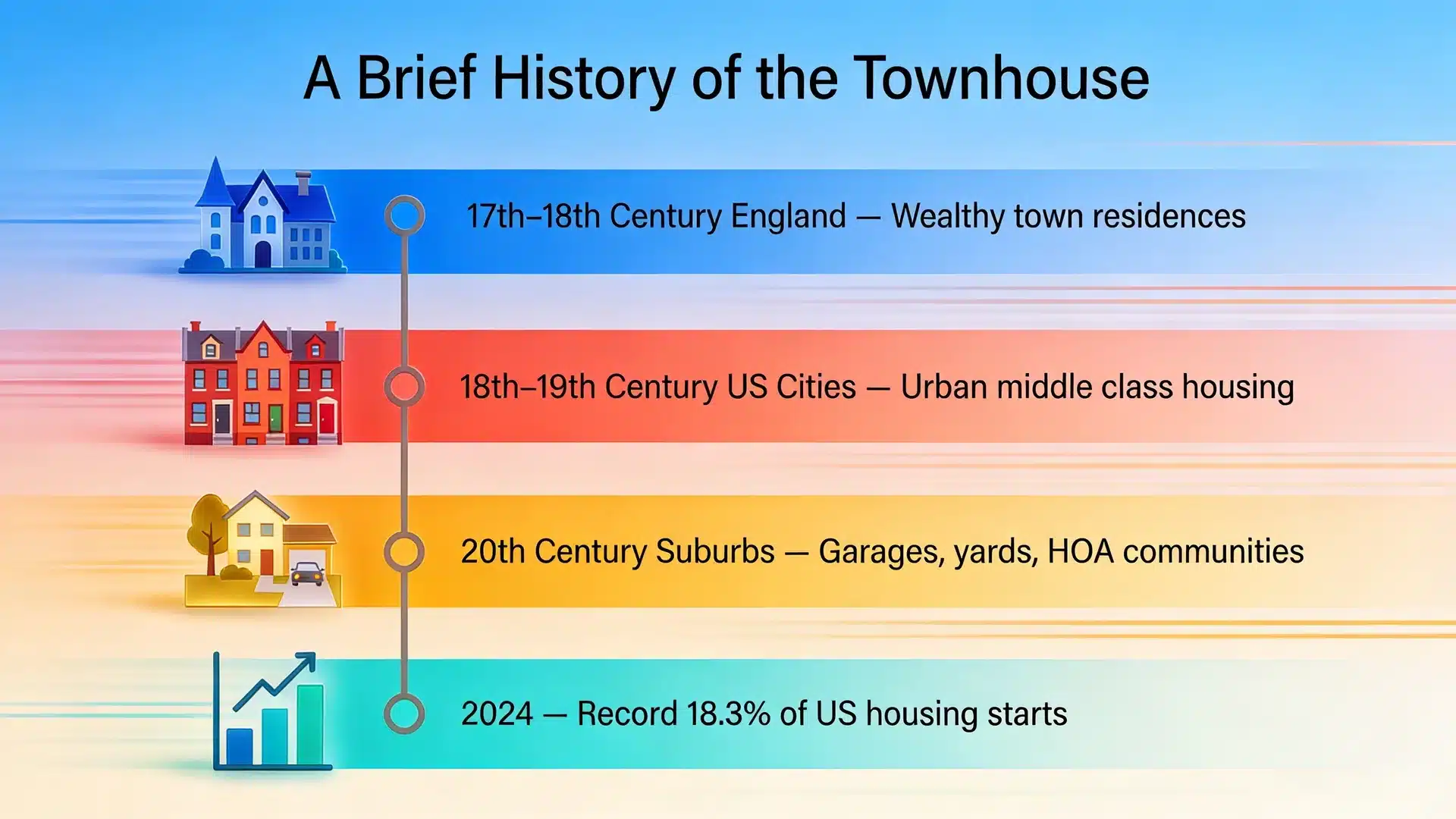
Townhouses have a longer history than most buyers realize. What started as a housing concept for the wealthy in England slowly became one of the most practical and popular home formats in the United States.
- England, 17th–18th century: The term “townhouse” originally described a home that wealthy families owned “in town” while their main residence was in the countryside. It was a seasonal or business-use property, not a primary home.
- 18th–19th century US cities: Cities like Philadelphia, Baltimore, and Boston saw rows of attached homes built for the urban middle class. Space was limited, so builders pushed homes vertical rather than horizontal.
- 20th century suburban boom: As car ownership increased and cities spread outward, builders adapted the townhouse format for suburban developments, adding garages, small yards, and HOA-managed communities.
- 2024 construction data: The National Association of Home Builders reported that townhouse construction reached a record 18.3% share of all single-family housing starts, showing that demand continues to grow well beyond its urban origins.
What began as a city convenience for country landowners is now one of the fastest-growing housing formats in the US, and the numbers back that up.
Key Features of a Townhouse
Not every attached home is a townhouse. There are specific structural and ownership details that define this housing type. Here is what makes a townhouse what it is.
- Shared walls (party walls): A townhouse shares one or two walls with neighboring units. These shared walls are formally called “party walls.” End-unit townhouses only share one wall, which gives slightly more privacy.
- Multiple floors: Townhouses are built vertically, usually two or three stories tall. Living areas sit on the main floor, bedrooms on upper floors. This layout keeps the home’s footprint small while adding usable square footage.
- Private entrance: Every townhouse has its own front door that opens directly to the outside, not through a shared lobby or hallway. Many also include a small yard, patio, or garage.
- Fee-simple ownership: The buyer owns the physical structure and the land beneath it. This is a key difference from condo ownership and the reason most traditional mortgage programs apply to townhouses without extra lender hurdles.
Types of Townhouses
Townhouses are not all the same. The style, layout, and structure vary depending on when and where the home was built. Knowing the difference can help you compare listings more clearly.
1. Traditional Townhouse
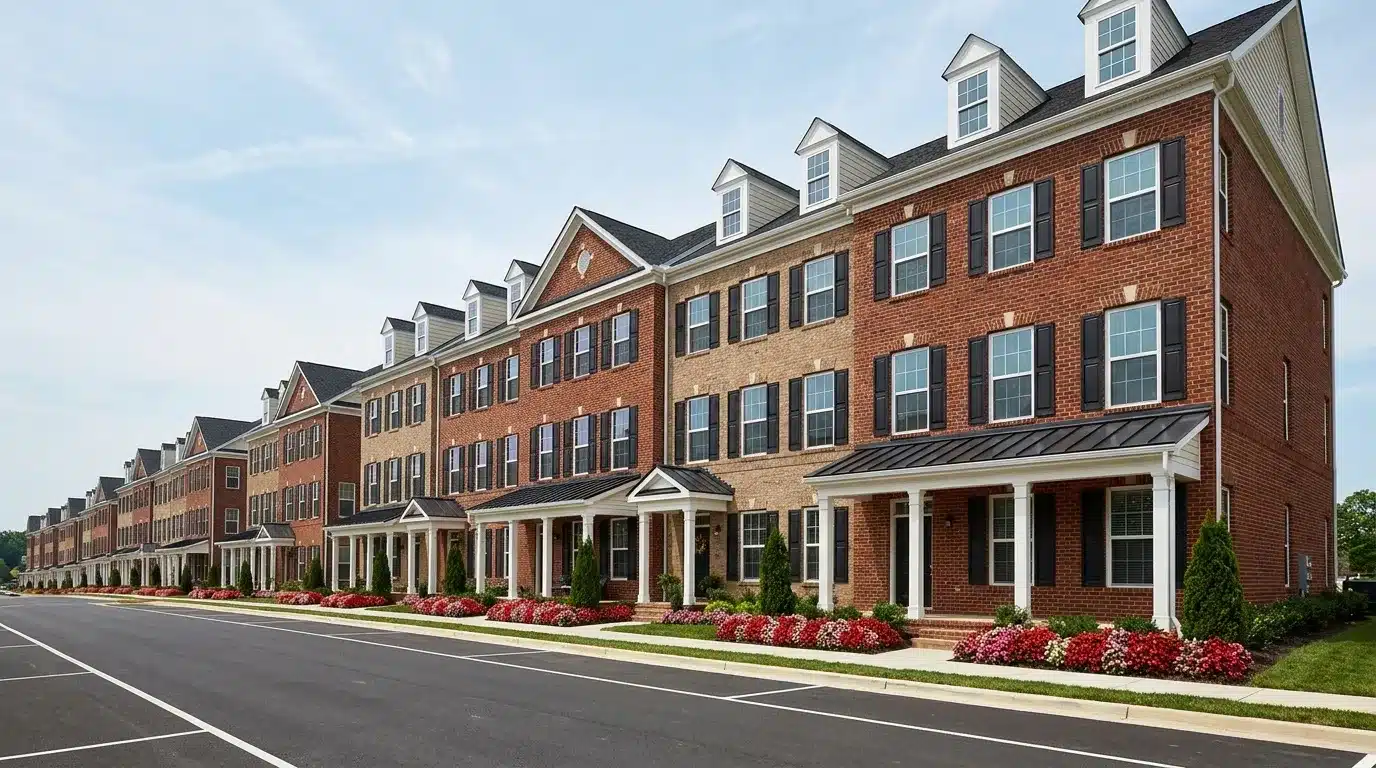
This is the classic format, a narrow, multi-story home in a row of similar attached units. Common in older US cities. The owner is responsible for both interior and exterior upkeep. These often have small front and back yards.
2. Urban Townhouse
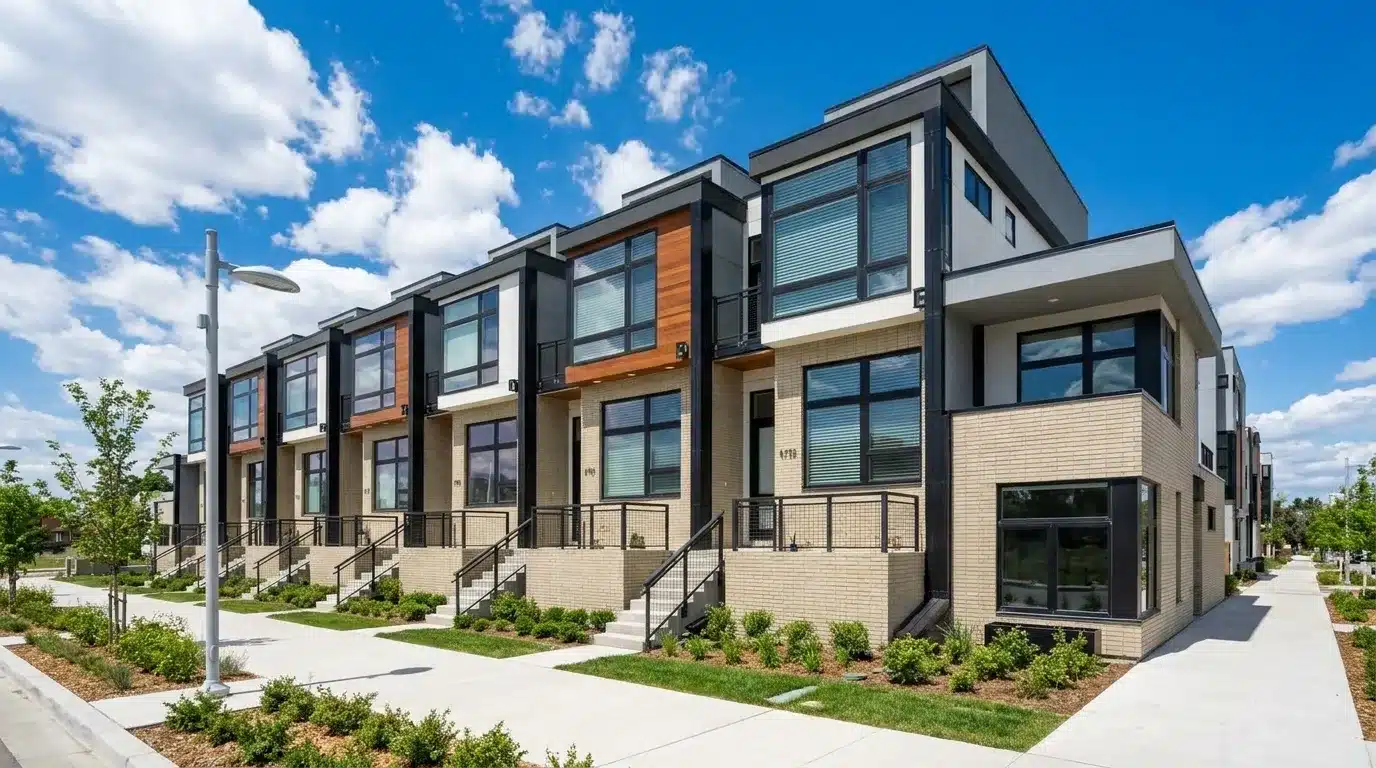
Built for dense city living, urban townhouses sit on very small lots and push every square foot upward. Many have rooftop terraces or balconies in place of a yard. They tend to be pricier because of location.
3. Stacked Townhouse
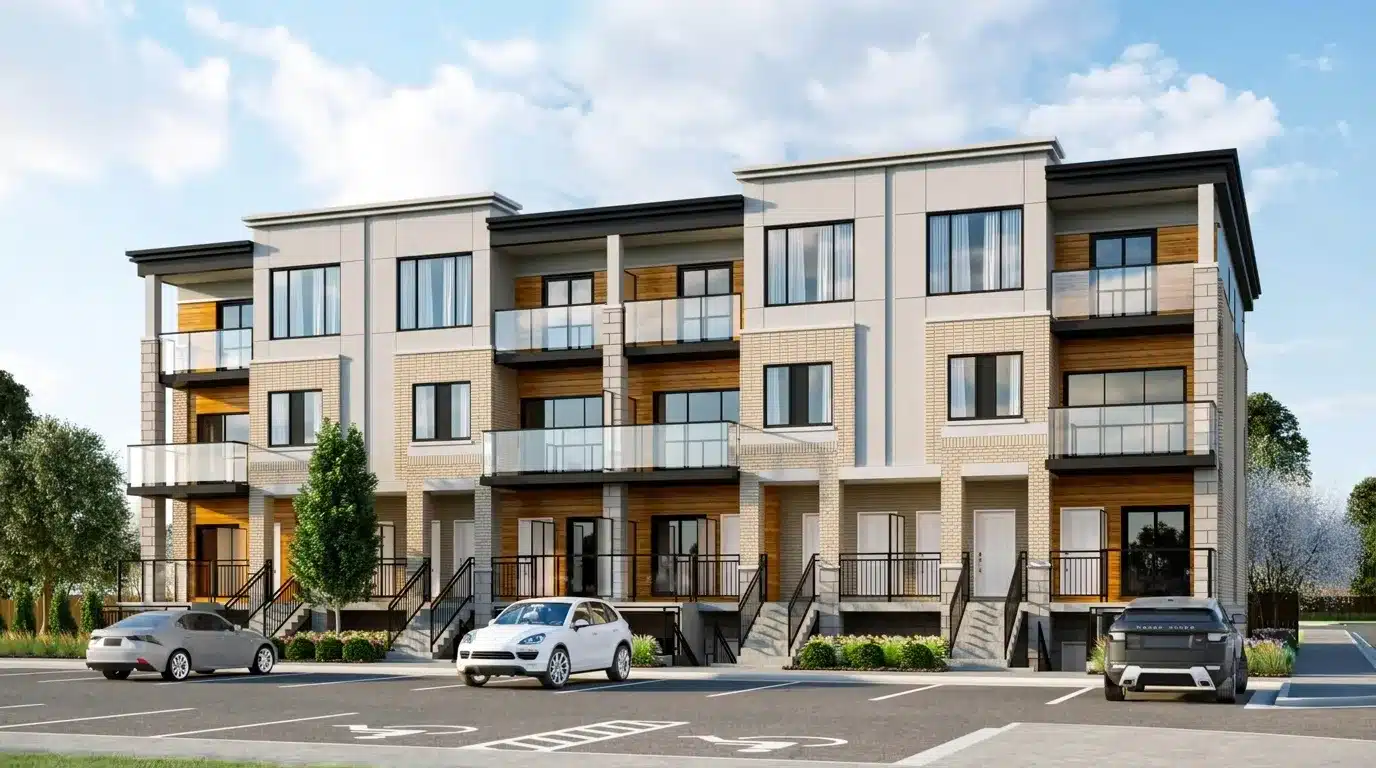
Units are stacked on top of each other rather than placed side by side. Each unit still has a separate entrance and multiple interior levels, but the building structure looks different. Ownership rules can vary, so always confirm whether it is classified as a townhouse or a condo for lending purposes.
4. End-Unit Townhouse
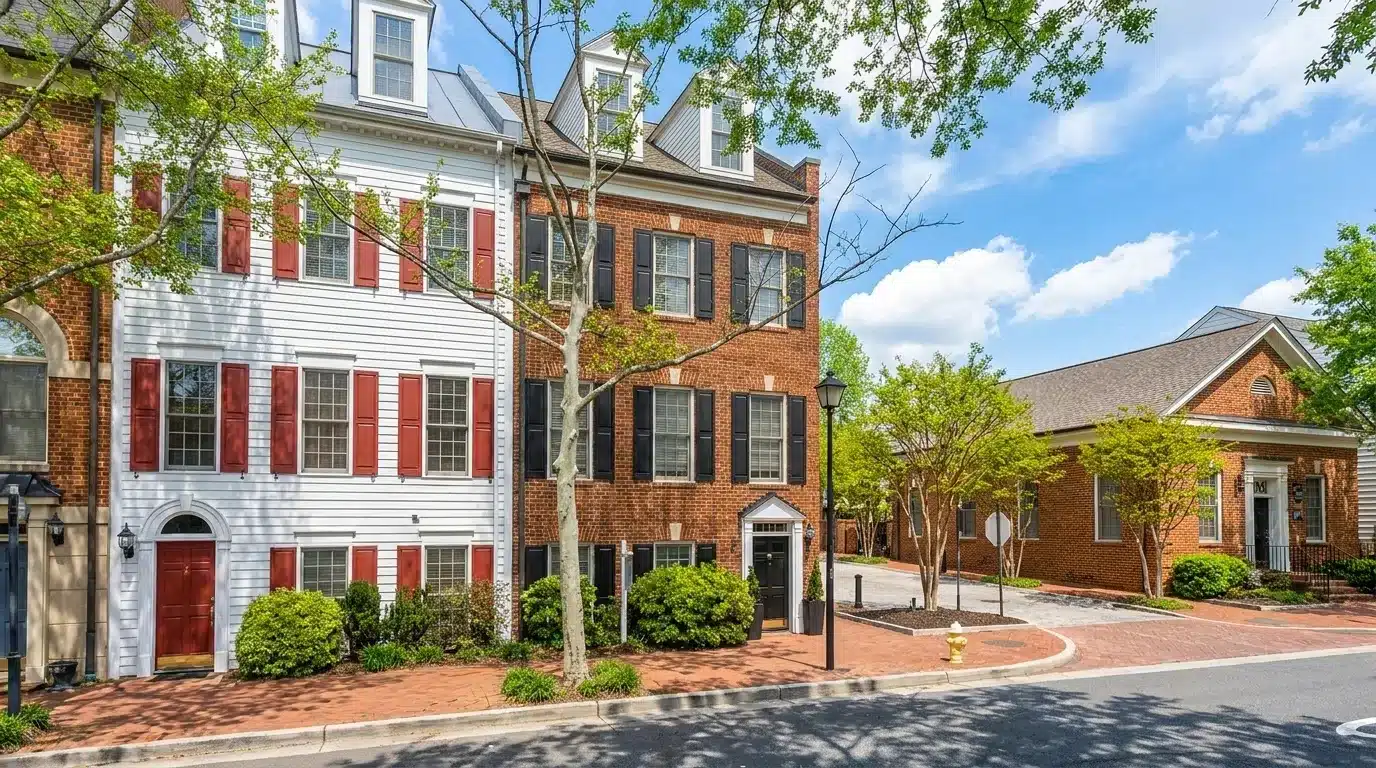
Located at the far end of a row, this unit shares only one wall with a neighbor. It gets more natural light from the additional exposed side and is typically listed at a slightly higher price.
Pros and Cons of Owning a Townhouse
Townhouses work well for many buyers, but they are not the right fit for everyone. Here is a straightforward look at both sides.
Pros:
- More affordable than a detached single-family home, on average $70,000–$90,000 less (National Association of Realtors, 2024)
- You own the land, which helps build equity the same way a detached home does
- Private entrance and your own outdoor space (yard, patio, or garage)
- Multi-floor layout separates living and sleeping areas naturally
- HOA often handles shared landscaping, amenities, and exterior upkeep
- Well-located in urban and suburban areas, often close to transit and shops
- Qualifies for the same loan programs as single-family homes
Cons:
- Shared walls mean you may hear neighbors, and they may hear you
- HOA rules can restrict exterior changes, pet ownership, parking, and rentals
- Monthly HOA fees add to your overall housing cost and can increase over time
- Less yard space than a single-family home or duplex
- Multi-floor living is not ideal for people with mobility challenges
- Narrow layouts can make large furniture or open-plan living difficult
Townhouse vs. Condo vs. Duplex vs. Apartment
These four housing types are often compared side by side, and buyers regularly mix them up. Each one works differently in terms of ownership, costs, and daily life.
Townhouse vs. Condo
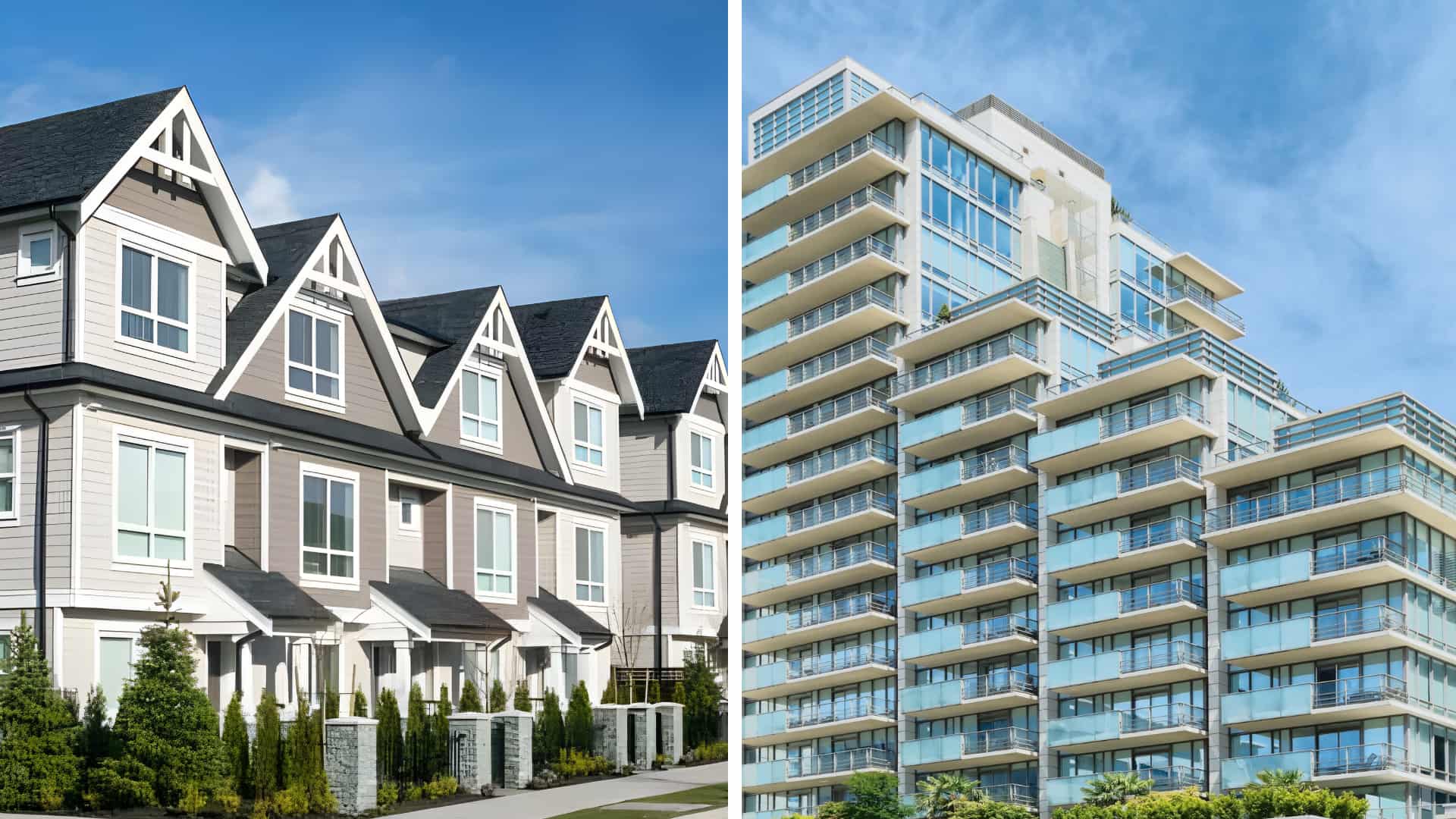
A townhouse owner holds the deed to the entire structure and the land. A condo owner only owns the interior of their unit, the exterior walls, roof, and land belong to the condo association.
Because townhouse owners take on more maintenance, HOA fees tend to be lower ($200–$400 per month on average) compared to condo fees, which cover building-wide expenses.
Townhouses are also typically multi-floor, while condos are usually single-level units within a larger building.
Townhouse vs. Duplex
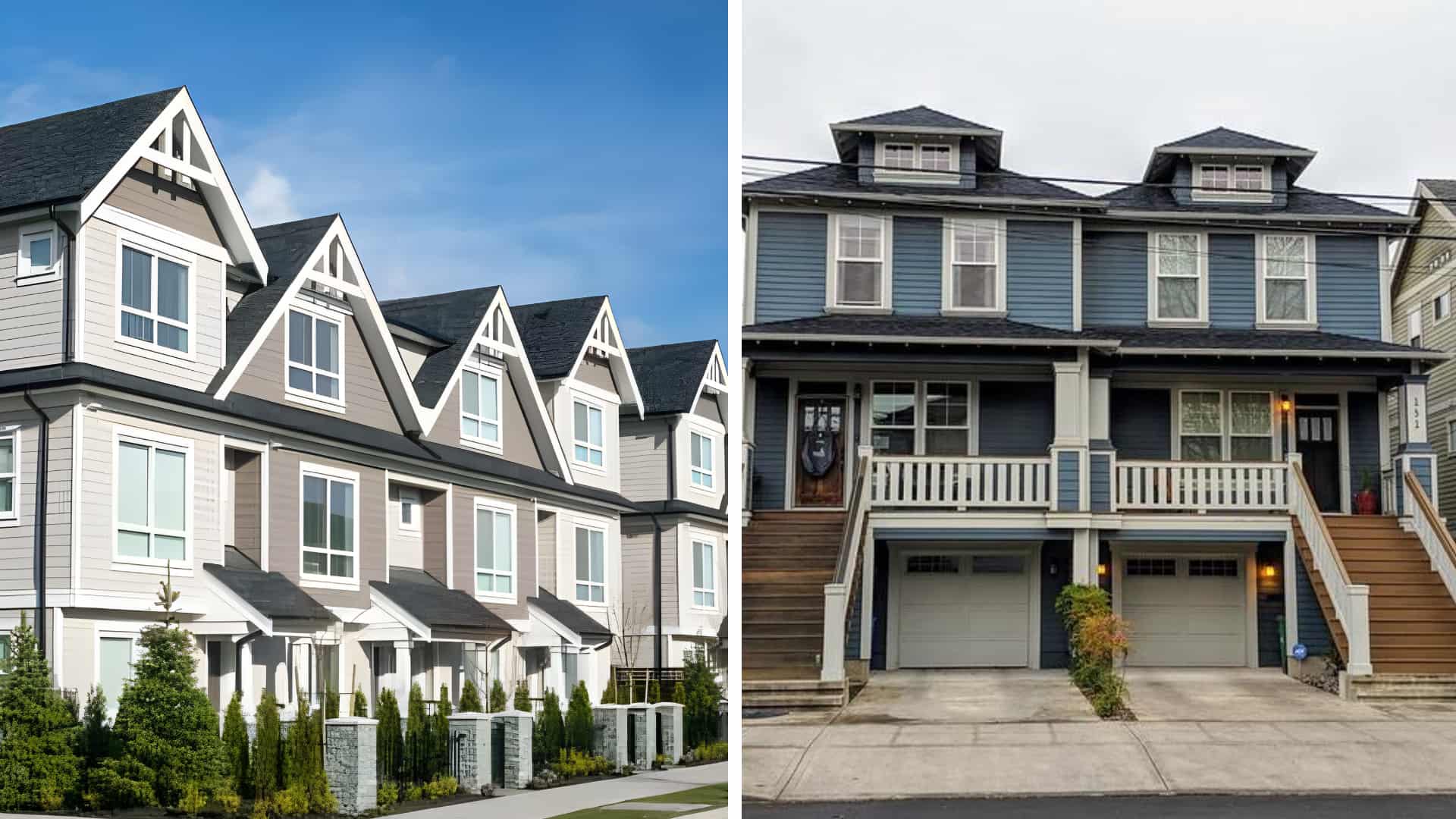
A duplex is a building with two separate living units, either side by side or stacked, sharing one interior wall. A single owner often owns both units in a duplex, which opens up rental income potential.
Townhouses are part of larger rows with an HOA managing shared spaces, while duplexes rarely have an HOA. Duplexes tend to offer more outdoor space; townhouses offer more community amenities like pools and shared green areas.
Townhouse vs. Apartment
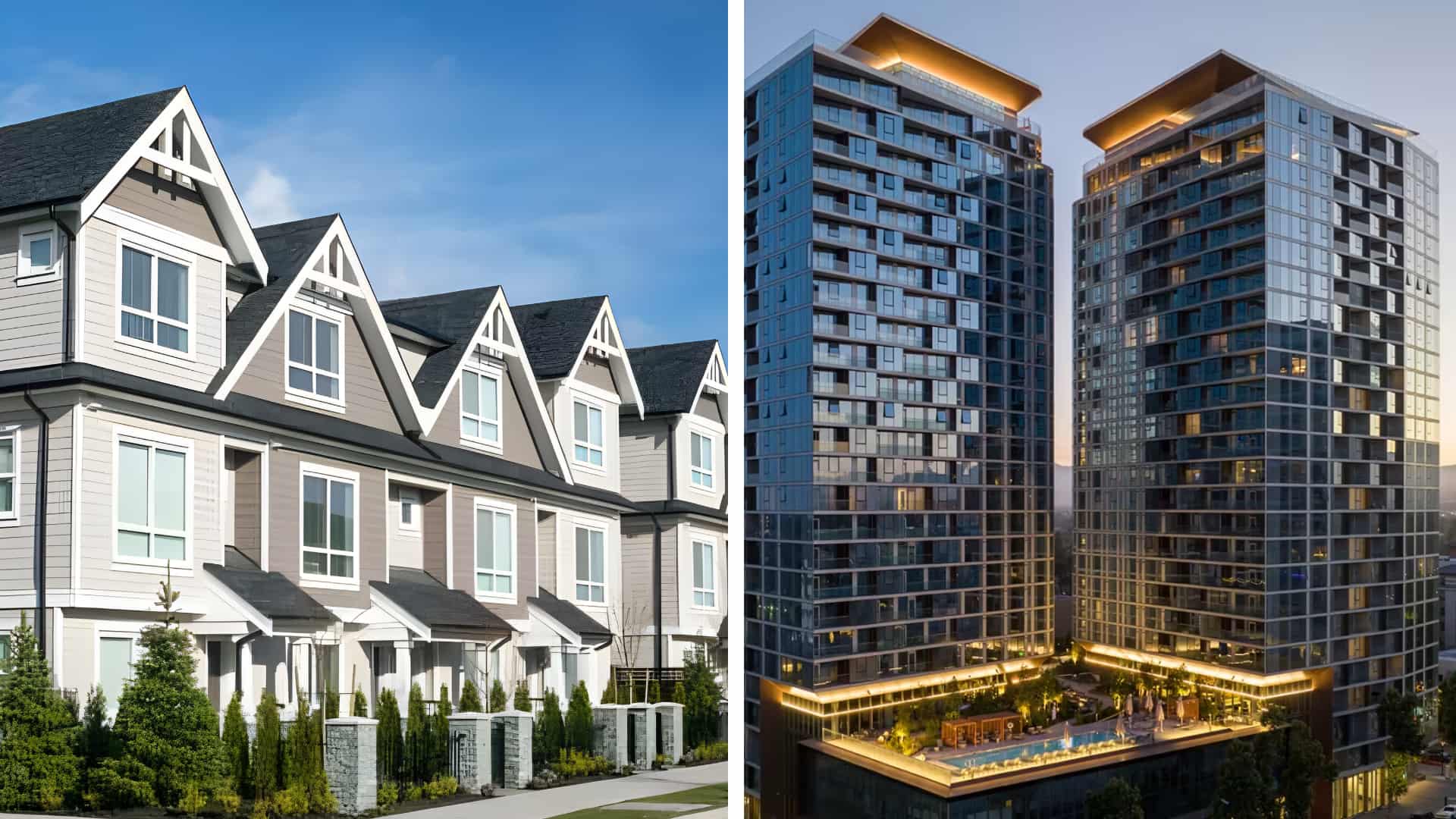
The biggest difference is ownership. Apartments are rented; you do not build equity. Townhouses can be purchased, allowing you to build wealth over time.
Apartments share a building entrance and common hallways; townhouses have their own front doors. Townhouses also give you multiple floors and, often, a private outdoor area, two things apartments rarely offer.
| Feature | Townhouse | Condo | Duplex | Apartment |
|---|---|---|---|---|
| Own the land | Yes | No | Yes (if owner) | No |
| Own exterior | Yes | No | Yes | No |
| Private entrance | Yes | No (shared lobby) | Yes | No (shared lobby) |
| HOA required | Usually | Usually | Rarely | No |
| Multi-floor layout | Yes | Rarely | Varies | Rarely |
| Builds equity | Yes | Yes | Yes | No |
| Avg. HOA cost | $200–$400/mo | Higher | N/A | N/A |
Who Should Buy a Townhouse?
A townhouse suits buyers who want real homeownership, building equity, owning land, having their own entrance, but cannot yet stretch to a detached single-family home.
First-time buyers on a tighter budget, small families who need two or three bedrooms, and professionals who want a low-maintenance home close to the city all tend to find townhouses a practical match.
If you strongly dislike shared walls, need a large yard, or want full control without any HOA involvement, a detached home or duplex may serve you better.
How to Finance a Townhouse
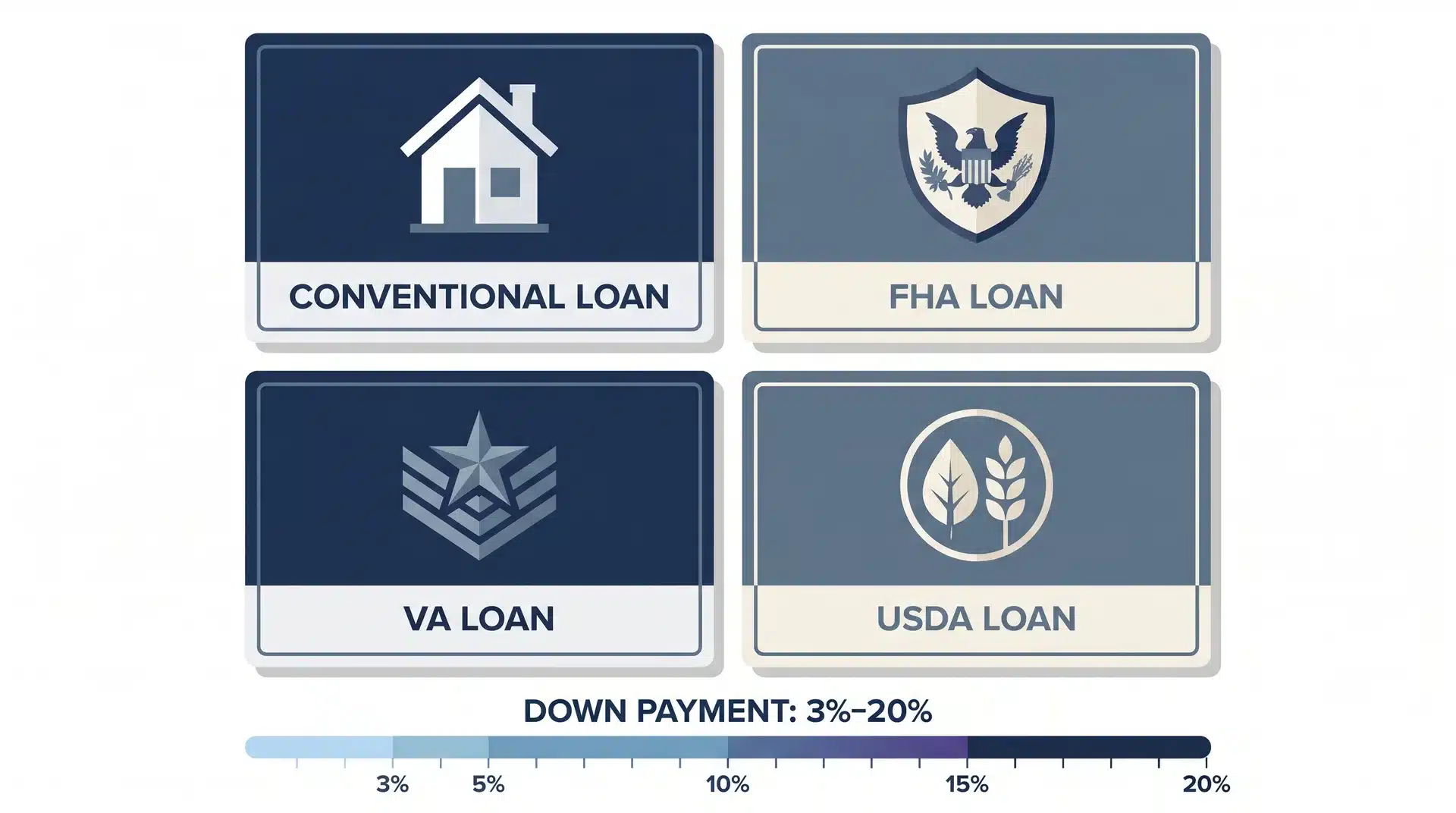
Getting a mortgage for a townhouse is more straightforward than financing a condo. That said, there are a few details worth knowing before you apply.
1. Conventional Loan
This is the standard option. As long as the townhouse is classified as fee-simple, lenders treat it like a detached single-family home. No special project approvals are needed. Most buyers with a solid credit score and stable income will qualify.
2. Fha Loan
Backed by the Federal Housing Administration, this loan allows lower credit scores and down payments as low as 3.5%. Townhouses classified as fee-simple generally qualify without the extra approval steps required for condos.
3. Va Loan
Available to eligible veterans and active-duty military. VA loans require no down payment and no private mortgage insurance. A fee-simple townhouse qualifies with no special exceptions.
4. Usda Loan
For buyers in eligible rural or suburban areas. No down payment is required, and income limits apply. Certain townhouse communities fall within qualifying zones, so it is worth checking eligibility.
5. Down Payment Requirements
Most loan programs ask for 3%–20% down, depending on the program and the buyer’s financial profile. A higher down payment reduces the monthly mortgage amount and can help offset HOA fees in your budget.
6. One Detail Lenders Check
HOA fees count toward your debt-to-income ratio. A $350 monthly HOA fee lowers the mortgage amount you qualify for. Always include HOA costs in your affordability calculations before you start shopping.
Townhouse HOA Fees
HOA fees are part of townhouse ownership in most communities. Before you buy, it pays to understand exactly what you are paying for.
- What HOA fees typically cover: Shared landscaping, common area upkeep, pools and fitness centers, trash removal, snow removal, and reserve funds for larger future repairs.
- What they do not always cover: Your roof, exterior walls, and private yard maintenance, these depend entirely on the specific community’s rules, so read the HOA documents carefully.
- Average cost: Townhouse HOA fees typically run $200–$400 per month, though costs vary widely by location and amenities. Communities in higher cost-of-living areas or with more facilities will charge more.
- Fees can rise: HOA fees are not fixed. Boards can vote to increase dues, and unexpected expenses (a broken pool pump, a roof replacement on shared structures) can trigger special assessments, one-time charges on top of regular fees.
- Impact on your mortgage: Lenders include HOA fees in your monthly debt obligations. A high monthly fee can reduce how much mortgage you qualify for.
What to check before buying:
- How much is the reserve fund, and is it adequately funded?
- Have fees increased in the last five years, and by how much?
- Are there any upcoming special assessments?
- What do the CC&Rs say about pets, parking, renovations, and rentals?
Is a Townhouse a Good Investment?
Townhouses have shown steady demand and appreciation, particularly in suburban markets where land is limited.
Because buyers own the land, townhouses tend to hold value better than condos and appreciate more over time.
Townhouse construction grew 10% year over year in 2024 and reached a record market share of new single-family housing starts, which signals that builders and buyers alike see long-term value in this format.
Rental income is also possible in many communities, though HOA rules vary, always confirm before buying with that plan in mind. If rental income is your primary goal, a duplex may offer more flexibility.
Summing It Up
A townhouse gives you real homeownership, land, a private entrance, multiple floors, and the ability to build equity, at a lower price point than a detached home.
It sits in a clear spot between a condo and a single-family house: more responsibility than a condo, less cost than a house.
Understanding how it compares to a condo, duplex, or apartment matters before you sign anything.
So does reading the HOA documents carefully. If the ownership structure fits your life and your budget works with the monthly fees, a townhouse is a solid, practical choice.
Have questions about a specific community or loan type? Drop them in the comments below.